The Complete Guide to Peptide Supplement Manufacturing in 2026
Peptides represent the cutting edge of supplement science. From collagen peptides to specialized bioactive compounds, this guide covers manufacturing considerations for this rapidly growing category.
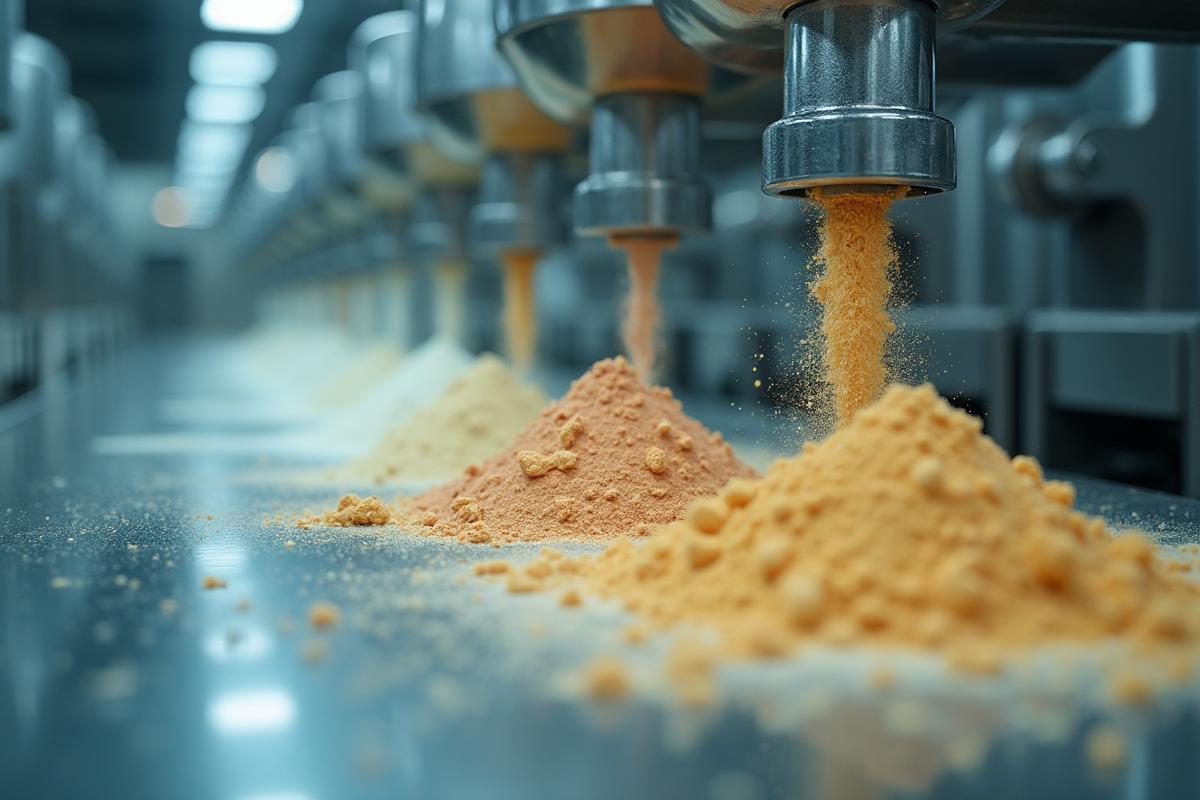
- 1Peptides bridge the gap between traditional supplements and pharmaceuticals, offering targeted, science-backed solutions
- 2Collagen peptides are the largest category; specialized bioactive peptides command premium pricing
- 3Manufacturing methods include enzymatic hydrolysis (cost-effective), chemical synthesis (precise), and fermentation (emerging)
- 4Stability, taste masking, and regulatory compliance are the key formulation challenges for peptide products
- 52026 trends include longevity peptides, gut-health peptides, and beauty-specific collagen sequences
The Peptide Opportunity
Peptides bridge the gap between traditional supplements and pharmaceutical compounds. As consumers seek more targeted, science-backed solutions, peptide supplements offer compelling efficacy stories and premium positioning. Whether selling on Amazon FBA or through Shopify DTC stores, peptide products command premium pricing.
Peakfinity Advantage
Peakfinity Labs manufactures a range of peptide supplements in our 375,000+ sq ft facilities, from mainstream collagen peptides to specialized bioactive formulations. Our R&D team understands the sourcing, stability, and regulatory considerations unique to peptides.
What Are Peptides?
Peptides are chains of amino acids—shorter than proteins but with specific biological activity. In supplements, they range from collagen peptides (broken-down collagen protein) to specialized bioactive peptides targeting specific functions.
Peptides vs Proteins vs Amino Acids
| Type | Chain Length | Examples | Supplement Use |
|---|---|---|---|
| Amino Acids | Single | BCAAs, L-glutamine | Building blocks |
| Peptides | 2-50 amino acids | Collagen peptides, BPC | Targeted function |
| Proteins | 50+ amino acids | Whey protein, casein | Complete protein source |
Types of Peptide Supplements

- Collagen Peptides: The largest category. Hydrolyzed collagen for skin, joint, and gut health. Well-established and consumer-friendly. See our collagen manufacturing guide for details.
- Creatine Peptides: Enhanced absorption creatine for sports performance. Growing segment.
- Bioactive Peptides: Specialized peptides like glutathione for antioxidant support or specific sequences for targeted benefits. For the absorption reality check, see our oral peptide bioavailability guide.
- Cosmetic Peptides: Topical signal, neurotransmitter, and carrier peptides — see our complete guide to cosmetic peptides for skincare, the deeper GHK-Cu copper peptide formulation guide, and our peptide skincare launch playbook.
Manufacturing Methods

Different manufacturing methods suit different peptide types. Choosing the right approach depends on your target product and budget. Our cost breakdown guide covers pricing factors in detail.
- Enzymatic Hydrolysis: Breaking down proteins into peptides using enzymes. Common for collagen peptides. Cost-effective at scale.
- Chemical Synthesis: Building peptides amino acid by amino acid. Used for specific sequences. More expensive but precise.
- Fermentation: Using microorganisms to produce specific peptides. Emerging technology with sustainability benefits.
Formulation Challenges
Peptide formulation presents unique challenges compared to standard capsule or tablet supplements. Working with a GMP-certified manufacturer ensures proper handling.
- Stability: Some peptides degrade with heat, moisture, or oxygen. Proper handling and packaging are essential.
- Taste: Peptides can have off-flavors requiring masking in powders and flavored products.
- Absorption: Ensuring peptides survive digestion and reach target tissues. Some use specialized delivery systems.
- Regulatory Compliance: Ensuring peptides are legal for dietary supplement use. Some research peptides are not permitted.
2026 Peptide Trends
- Longevity Peptides: Compounds targeting cellular health and aging are gaining consumer interest.
- Gut-Health Peptides: Bioactive peptides supporting gut barrier function and microbiome health.
- Beauty Peptides: Specific collagen types and bioactive sequences for skin, hair, and nail benefits.
- Sports Performance: Peptides for recovery, muscle synthesis, and endurance beyond traditional proteins.
Frequently Asked Questions
What's the difference between peptides and proteins?
Peptides are short chains of amino acids (typically 2-50). Proteins are longer chains (50+). Collagen peptides are large proteins broken into smaller, more absorbable peptide fragments.
Are peptide supplements regulated by the FDA?
Yes, as dietary supplements under DSHEA. They require cGMP manufacturing, accurate labeling, and cannot make drug claims. Some peptides (like certain research compounds) are not legal for supplement use.
What formats work best for peptide supplements?
Powders offer highest doses and flexibility. Capsules work for smaller doses. Some specialized peptides use sublingual or liposomal delivery for enhanced absorption.
How do I ensure peptide quality?
Work with manufacturers who source from reputable suppliers, conduct third-party testing for identity and purity, and can provide detailed Certificates of Analysis for each batch.
Ready-to-Launch Formulations in This Category
Stock-ready formulations you can private label with your own branding — 2,000 unit MOQ.
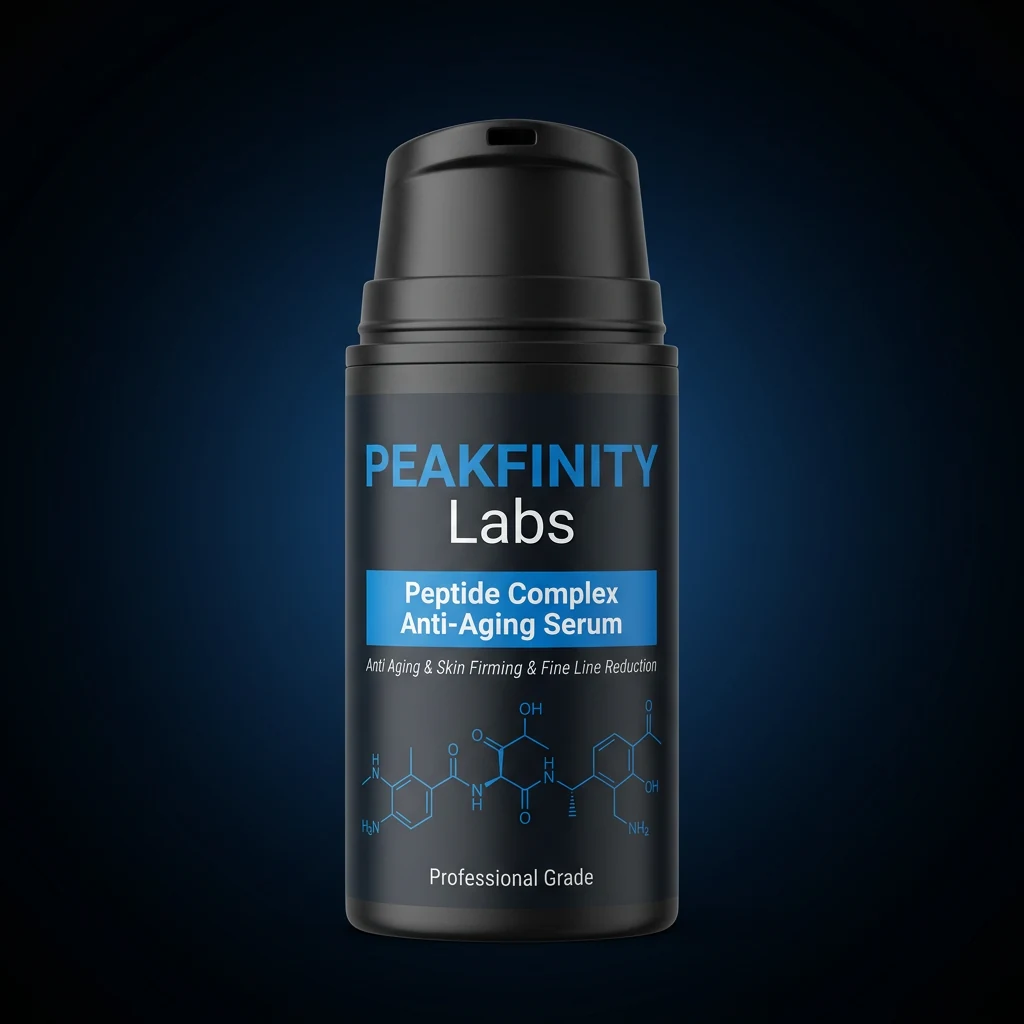
Peptide Complex Anti-Aging Serum
Facial Serums · Liquid
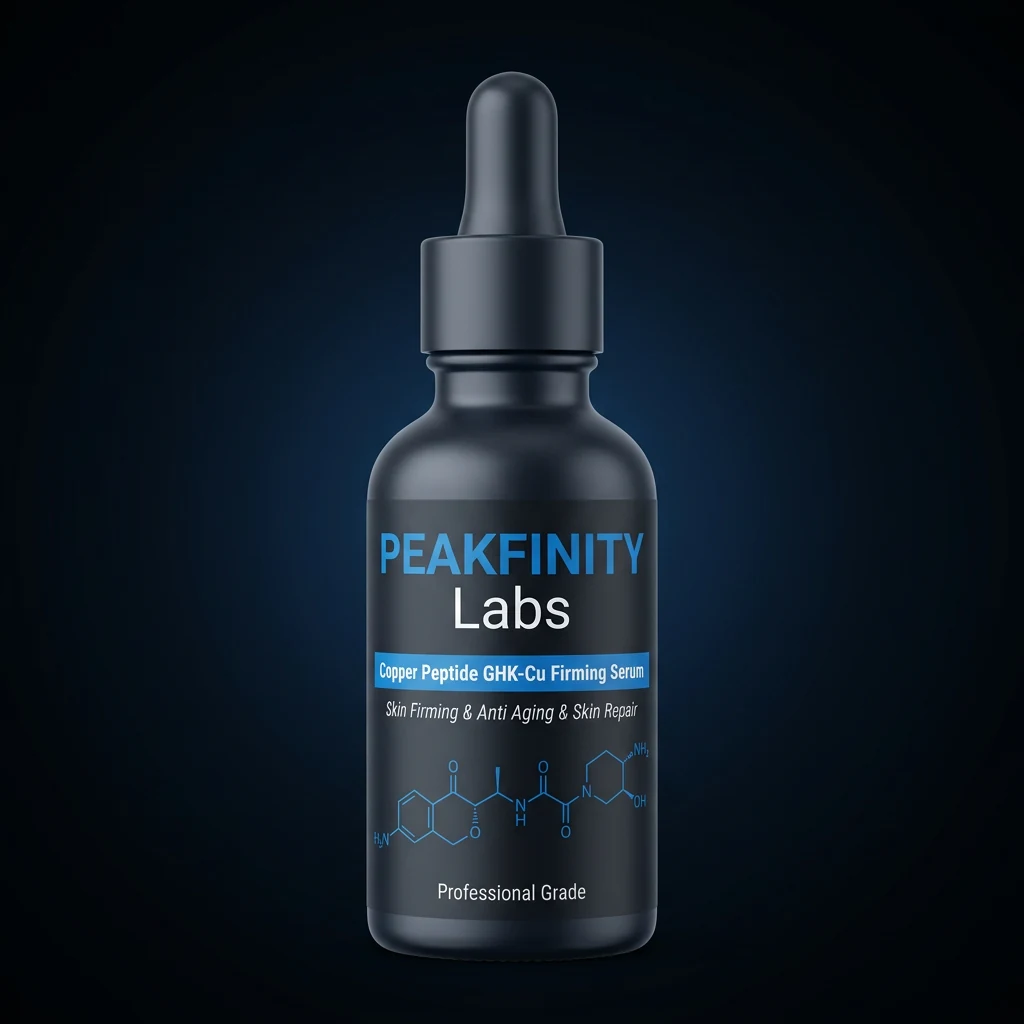
Copper Peptide GHK-Cu Firming Serum
Facial Serums · Liquid
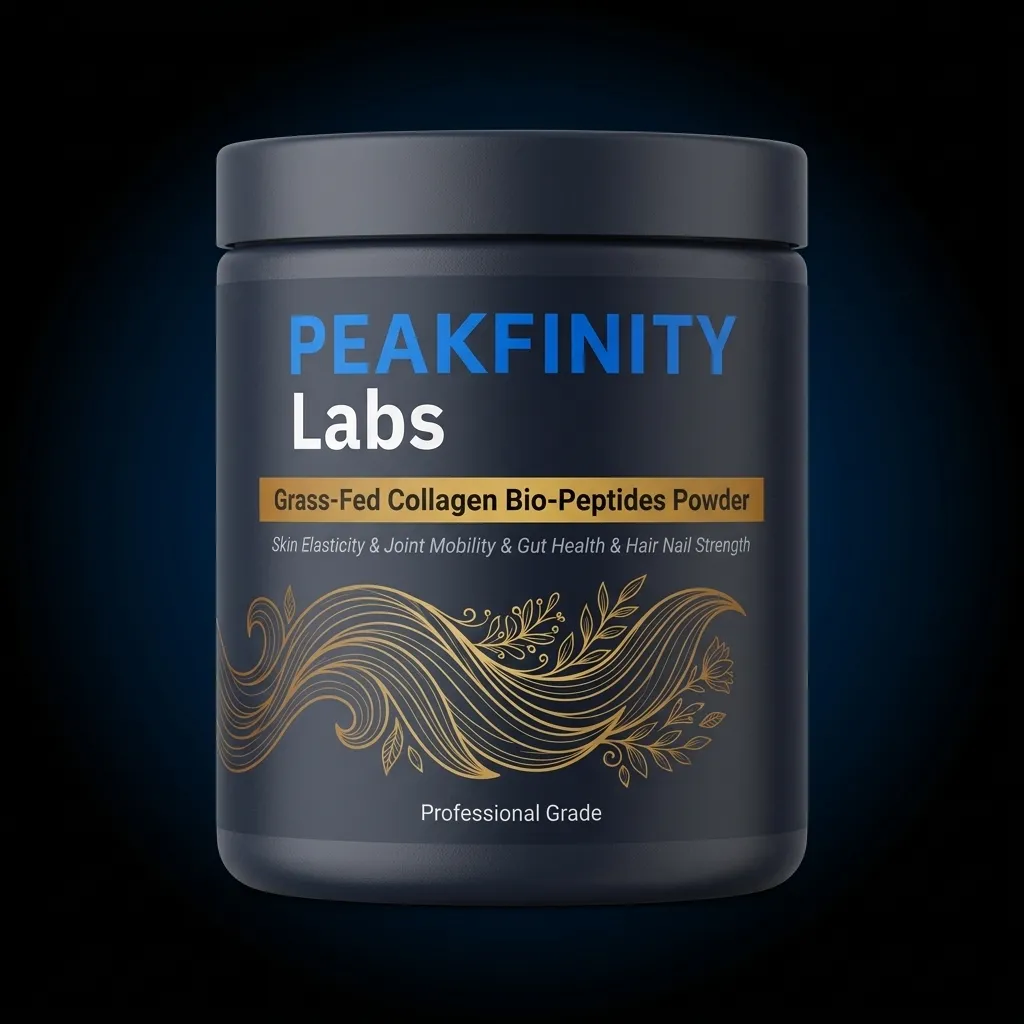
Grass-Fed Collagen Bio-Peptides Powder
Nutraceuticals (Beauty) · Powder
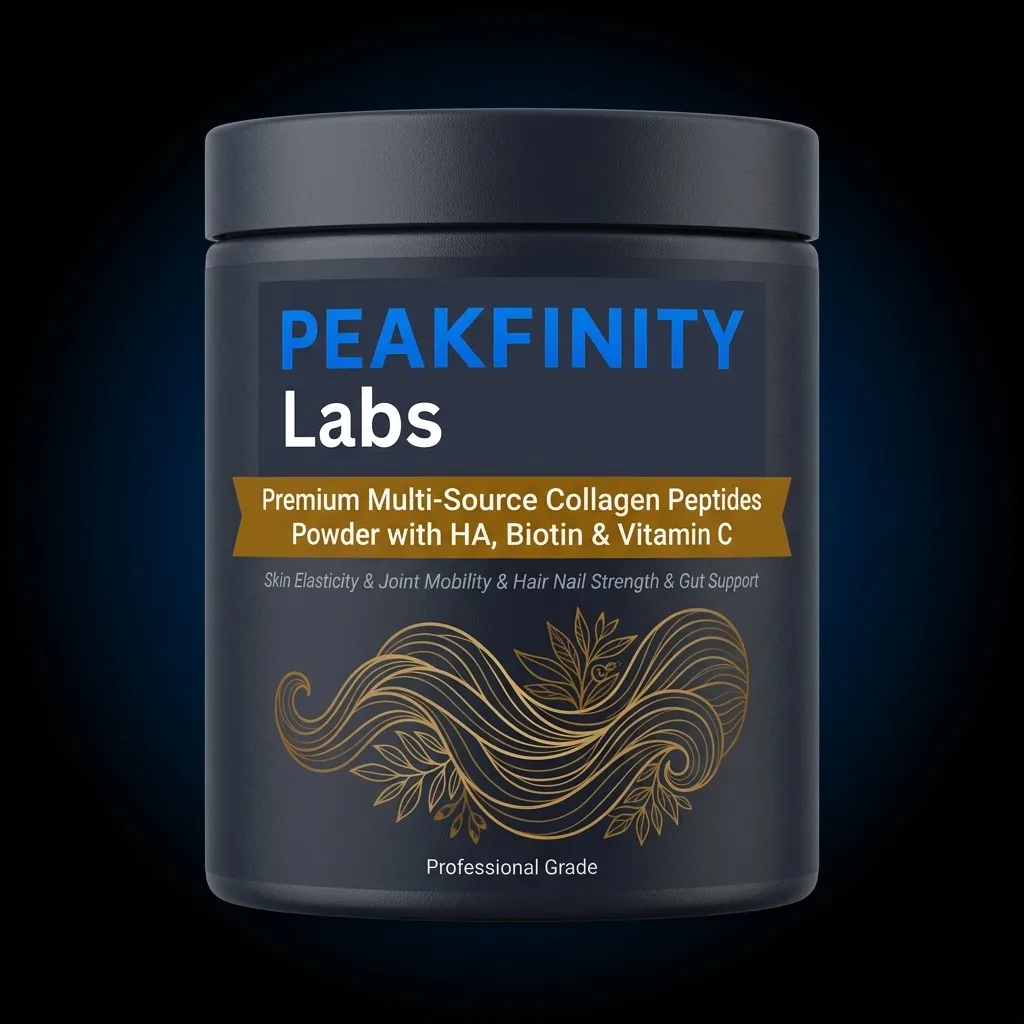
Premium Multi-Source Collagen Peptides Powder with HA, Biotin & Vitamin C
Nutraceuticals (Beauty) · Powder

Tushar
Licensed Pharmacist and COO @ Peakfinity Labs
Written by the Peakfinity Labs R&D Team — 46+ years of supplement formulation expertise. Our team of formulation chemists, manufacturing specialists, and regulatory experts has helped thousands of eCommerce brands bring their products to market successfully since 1980.
Related Articles

How to Find an ISO 17025-Accredited Supplement Testing Lab, and What Founders Should Ask For
How to verify a lab's ISO/IEC 17025 scope actually covers your test, the questions to ask before shipping samples, and a testing plan built for ecommerce timelines.
Supplement Manufacturing Lead Times and Reorders: What Founders Should Expect Before and After Launch
The five workstreams hiding inside "lead time," why reorders move faster than first runs, and the ramp plan that survives a demand spike.
How to Vet a cGMP Supplement Manufacturer With Documented Audit History
The document pack, audit-history call script, and scoring rubric that separate real cGMP quality systems from certificate PDFs.