Copper Peptides (GHK-Cu) in Skincare: Formulation, Stability & Manufacturing
The mechanism, the effective dose, the pH window, the incompatibilities, and the manufacturing requirements that separate a real copper peptide serum from a blue-tinted hyaluronic acid base.
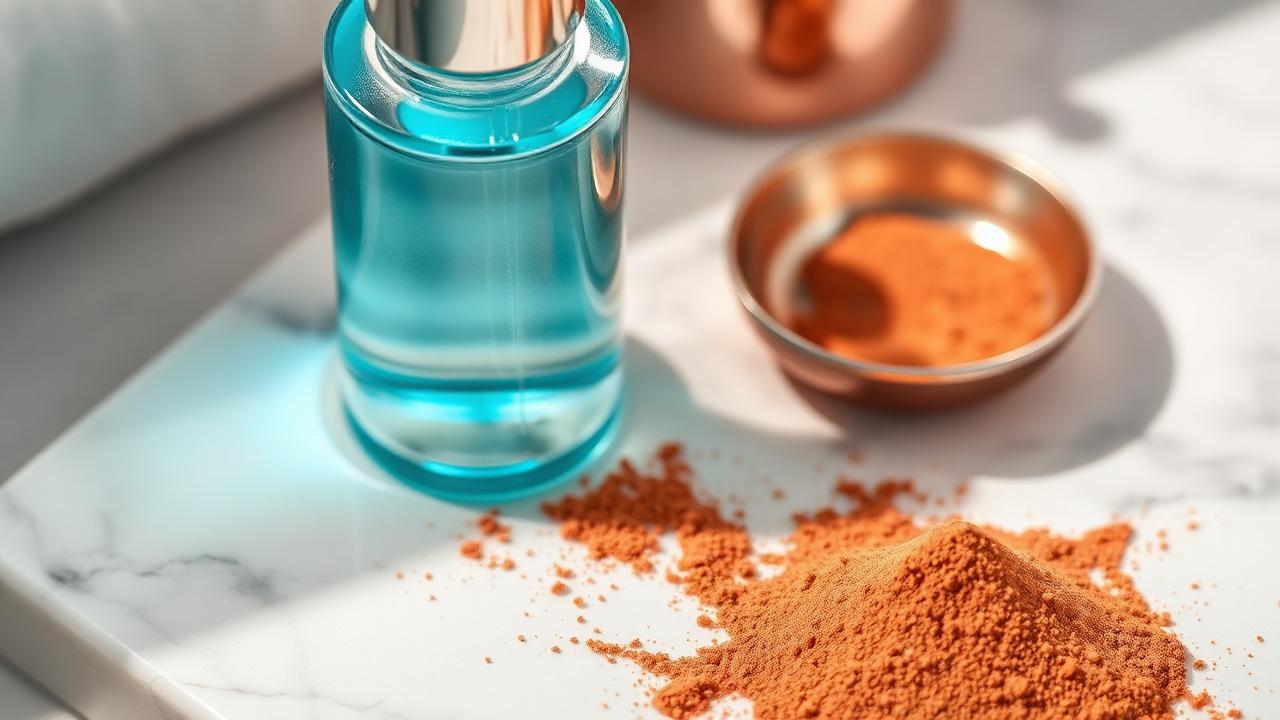
- 1GHK-Cu is a tripeptide (glycyl-L-histidyl-L-lysine) chelated to a copper(II) ion — it acts as both a signal peptide and a carrier peptide, delivering copper into the dermis where copper-dependent enzymes drive collagen and elastin crosslinking.
- 2Effective topical concentrations sit between 0.05% and 2%. Below 0.05% you don't get a measurable effect; above 2% you waste expensive active and risk a slightly metallic skin feel.
- 3Copper peptides are catastrophically incompatible with L-ascorbic acid (vitamin C), strong AHAs, and sulfur-containing actives — copper catalyzes oxidation of all three. They must be formulated and packaged as a standalone product.
- 4Stability requires pH 5.0–6.5, an EDTA-free chelation system, opaque or airless packaging, and a preservation system that doesn't include chlorhexidine or parabens that bind copper.
- 5Peakfinity Labs manufactures GHK-Cu serums at a 2,000-unit MOQ in our 375,000+ sq ft facility, with batch-level COA confirming copper peptide concentration on every run.
Short answer
GHK-Cu is a copper-bound tripeptide that does two things at once: it signals fibroblasts to build collagen and elastin, and it delivers copper into the dermis where copper-dependent enzymes crosslink the new matrix. It works at 0.05–2%, at pH 5.0–6.5, in airless or opaque packaging, and it cannot share a bottle with vitamin C, sulfur actives, or strong AHAs. Manufactured correctly, it's one of the few "anti-aging" actives with decades of evidence. Manufactured carelessly, it's an expensive blue-tinted serum that loses potency in three months.
What GHK-Cu actually is
GHK is a tripeptide — three amino acids linked in sequence: glycine, L-histidine, L-lysine. On its own, GHK is a modest signal peptide. The clinical magic happens when GHK is complexed with a copper(II) ion: the imidazole nitrogen of histidine and the amine groups of glycine and lysine form a stable chelate with copper, producing a characteristic blue-green complex. That complex — GHK-Cu — is what every "copper peptide" claim in skincare is referring to.
For the broader peptide framework, see our complete guide to cosmetic peptides for skincare.
How copper peptides work in skin
- Signal cascade — GHK-Cu binds receptors on fibroblasts and upregulates transcription of collagen I, collagen III, elastin, decorin, and hyaluronic acid synthase genes.
- Copper delivery — the peptide ferries the copper ion across cell membranes into the dermis, where copper is a required cofactor for lysyl oxidase. Lysyl oxidase is the enzyme that crosslinks newly-synthesized collagen and elastin into mature, tensile-strong fibers.
- Antioxidant and MMP modulation — GHK-Cu downregulates matrix metalloproteinase activity (the enzymes that break down dermal matrix) and supports superoxide dismutase, a copper-dependent antioxidant enzyme.
Note
The dual role — signal molecule and nutrient carrier — is what makes GHK-Cu unusual. Most cosmetic peptides are pure signals. Copper peptides also deliver the raw material the signal is asking the cell to use.
What the clinical evidence says (and doesn't)
GHK and GHK-Cu have one of the longer ingredient literatures in cosmetic science — first characterized in 1973, with peer-reviewed studies on wound healing, fibroblast activity, and topical anti-aging applications spanning five decades. The honest read:
- Strong evidence: upregulation of collagen and elastin synthesis in fibroblast cultures, accelerated wound healing in animal and human studies, improved appearance of photoaged skin in 12-week controlled trials at 0.1–1% topical concentrations.
- Reasonable evidence: improved skin barrier function, reduced fine lines, improved skin firmness as measured by cutometer.
- Weak or marketing-driven claims: hair regrowth from topical GHK-Cu (mixed evidence at consumer doses), "DNA repair" (overreach), and "Botox-equivalent" claims (wrong mechanism — that's the neurotransmitter peptide class).
Effective topical concentrations
| Concentration | Use case | Notes |
|---|---|---|
| 0.05–0.1% | Sensitive skin, daily-use serum | Floor of measurable effect; gentle |
| 0.1–0.5% | Standard anti-aging serum | Sweet spot for most modern formulas |
| 0.5–1% | Concentrated treatment serum | Higher cost; faster visible effect |
| 1–2% | Post-procedure or pro-grade | Maximum useful concentration; metallic skin feel possible |
| >2% | Not recommended | No added benefit; expensive; texture issues |
Formulation: pH, chelation, packaging
- pH 5.0–6.5 — most formulators target 5.5–6.0. The complex dissociates outside this window.
- No EDTA — EDTA is a strong chelator that strips copper from the GHK peptide, breaking the complex. Use a copper-friendly chelation system or skip the chelator entirely if the formula doesn't need one.
- Cool-down phase addition — add GHK-Cu below 40°C, after the emulsion and preservative are in place.
- Airless or opaque packaging — light and oxygen accelerate copper-catalyzed oxidation of the peptide bonds. Airless pump in an opaque bottle is the production standard; a clear glass dropper is acceptable only if the bottle is amber or cobalt and stored away from light.
- Preservation system check — parabens and chlorhexidine can chelate copper. Use a phenoxyethanol + ethylhexylglycerin or a Geogard ECT-style preservation system that's been challenge-tested against the specific formula.
What copper peptides can't be mixed with
| Ingredient | In the same formula? | In the same routine step? |
|---|---|---|
| L-ascorbic acid (vitamin C) | No | No — alternate AM/PM |
| Strong AHAs (glycolic, lactic) | No | No — alternate days |
| Salicylic acid (BHA) | No | Layer 20+ min apart |
| Sulfur, cysteine, glutathione | No | No — alternate AM/PM |
| Retinoids | Layered, not mixed | Alternate PM nights |
| Niacinamide | Yes | Yes |
| Hyaluronic acid | Yes | Yes |
| Ceramides | Yes | Yes |
| Peptide stacks (Matrixyl, Argireline) | Sometimes — formula-dependent | Layered, with 5-min wait |
Manufacturing a stable GHK-Cu serum
Producing a stable GHK-Cu serum at scale requires four manufacturing controls that a generic serum line skips:
- Buffered base before peptide addition — the emulsion is built and buffered to pH 5.5–6.0 before GHK-Cu is dosed in. Adding to an unbuffered base risks immediate dissociation.
- Inert atmosphere fill — the airless pump is filled under nitrogen blanket to reduce headspace oxygen. This is standard on our cosmetic line and unusual on generic contract serum lines.
- Lot-specific COA — every batch ships with a Certificate of Analysis from an ISO/IEC 17025-accredited lab confirming GHK-Cu concentration matches the label claim. Customers and regulators ask for this.
- Real-time + accelerated stability — 3 months at 40°C / 75% RH plus 24-month real-time monitoring to confirm the copper peptide concentration holds for the claimed shelf life.
See our cosmetic manufacturing capabilities and serum manufacturing guide for the broader process.
MOQ, cost, and timeline
| Line item | Stock-base GHK-Cu serum | Fully custom GHK-Cu serum |
|---|---|---|
| MOQ | 2,000 units | 2,000+ units |
| Lead time | 4–8 weeks | 12–20 weeks |
| R&D cost | Included (formula tweak on stock base) | $5,000–$15,000 |
| Per-bottle landed cost (30 mL airless) | $5.00–$9.50 | $6.50–$12.00 |
| Stability + COA | Included | Included |
The bottom line
GHK-Cu earns its place in modern skincare because the mechanism is real and the literature is long — but the formulation is unforgiving. Build it as a standalone, in airless packaging, buffered to the right pH, with a chelation system that doesn't strip the copper, and you have a product that performs and holds shelf life. Treat it as one more active in a kitchen-sink serum and you've spent the most expensive line in the formula on something that's already inactivating in the bottle.
Frequently Asked Questions
What is GHK-Cu?
GHK-Cu is a copper-binding tripeptide naturally found in human plasma. The peptide sequence is glycyl-L-histidyl-L-lysine (GHK), and 'Cu' indicates that the peptide is complexed with a copper(II) ion. The complex was first identified in 1973 by Loren Pickart, and the copper-peptide complex — not the peptide alone — is what shows the documented skin and wound-healing effects.
How does GHK-Cu actually work?
Two mechanisms working together. First, GHK-Cu is a signal peptide: it binds fibroblast receptors and upregulates synthesis of collagen, elastin, glycosaminoglycans (including hyaluronic acid), and proteoglycans. Second, it's a carrier peptide: it transports copper across cell membranes into the dermis, where copper is a cofactor for lysyl oxidase — the enzyme that crosslinks collagen and elastin into their mature, tensile-strong forms. The peptide is the messenger; the copper is the tool.
What concentration of copper peptides should be in a serum?
Effective topical concentrations of GHK-Cu sit in a tight window of 0.05% to 2%. Most modern serums use 0.1–1%. Below 0.05% there isn't enough copper delivered to make a measurable enzymatic difference. Above 2% you don't get added benefit, you do get a slightly metallic skin feel, and you waste active material — GHK-Cu is one of the more expensive cosmetic peptides per gram.
Why can't I use copper peptides with vitamin C?
Copper is a redox catalyst. In the presence of L-ascorbic acid (vitamin C), copper accelerates the oxidation of ascorbic acid into dehydroascorbic acid and then into inactive degradation products — turning the serum yellow-brown and inactivating both ingredients within hours to days. The same problem applies to copper plus sulfur-containing actives (cysteine, glutathione) and copper plus strong AHAs at low pH. The rule: GHK-Cu lives alone, both in the formula and in the routine. AM C, PM GHK-Cu (or vice versa) is the standard layering.
What pH does a copper peptide serum need?
A pH of 5.0–6.5 is the working window. Below pH 4.5 the copper-peptide complex starts to dissociate and the peptide hydrolyzes; above pH 7.0 copper can precipitate out of solution as copper hydroxide. A formulator buffers to roughly 5.5–6.0 with a system that doesn't itself chelate copper — avoid EDTA, avoid high citrate concentrations, and use a chelating-friendly system instead.
Are copper peptides safe?
Yes — GHK-Cu has decades of cosmetic and wound-healing literature and an excellent topical safety profile at the 0.05–2% range used in skincare. Some users notice a slight tingle on first applications and the serum has a characteristic blue-green color from the copper complex (not a defect). The two practical safety considerations are: don't use immediately post-procedure on broken skin without a clinician's guidance, and don't combine it with low-pH actives in the same step.
What MOQ and cost should I expect for a copper peptide serum?
At Peakfinity Labs, a custom GHK-Cu serum on a stock-base cosmetic matrix runs at a 2,000-unit MOQ with a 4–8 week turnaround. Per-bottle landed cost on a 30 mL airless pump runs roughly $5.00–$9.50 depending on the GHK-Cu concentration (0.1% vs 1%), the supporting actives, and the packaging spec. Copper peptide raw material is the dominant cost line; a 1% serum at 30 mL is 3–5x the raw-material cost of a comparable hyaluronic acid serum.
Ready-to-Launch Formulations in This Category
Stock-ready formulations you can private label with your own branding — 2,000 unit MOQ.
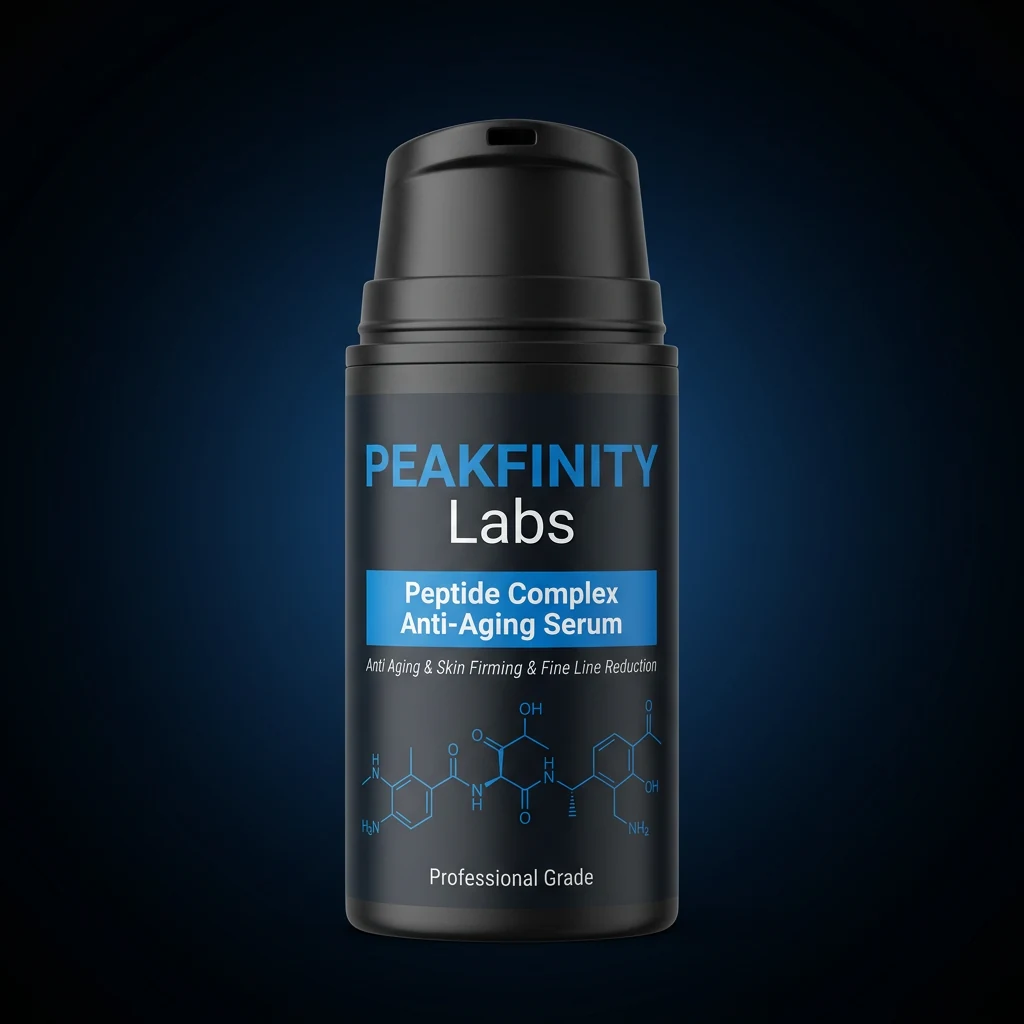
Peptide Complex Anti-Aging Serum
Facial Serums · Liquid
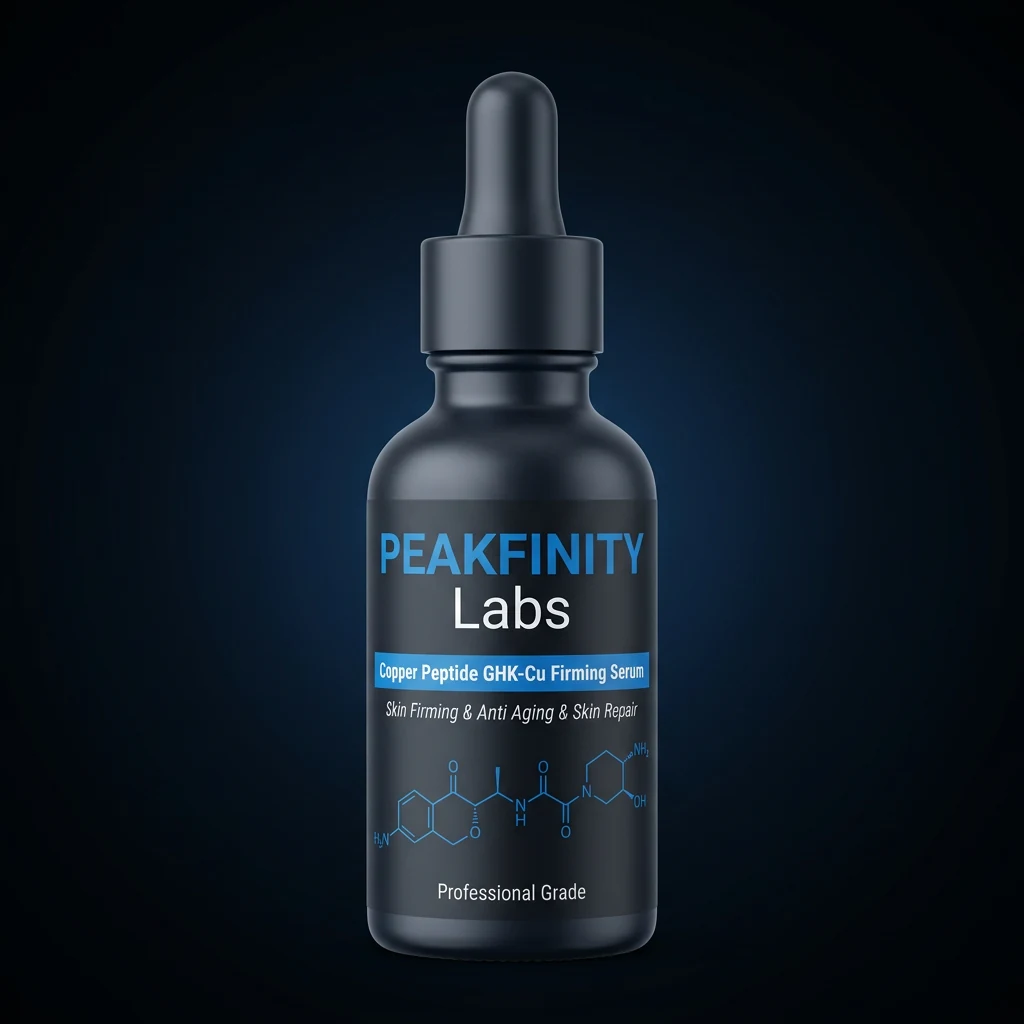
Copper Peptide GHK-Cu Firming Serum
Facial Serums · Liquid
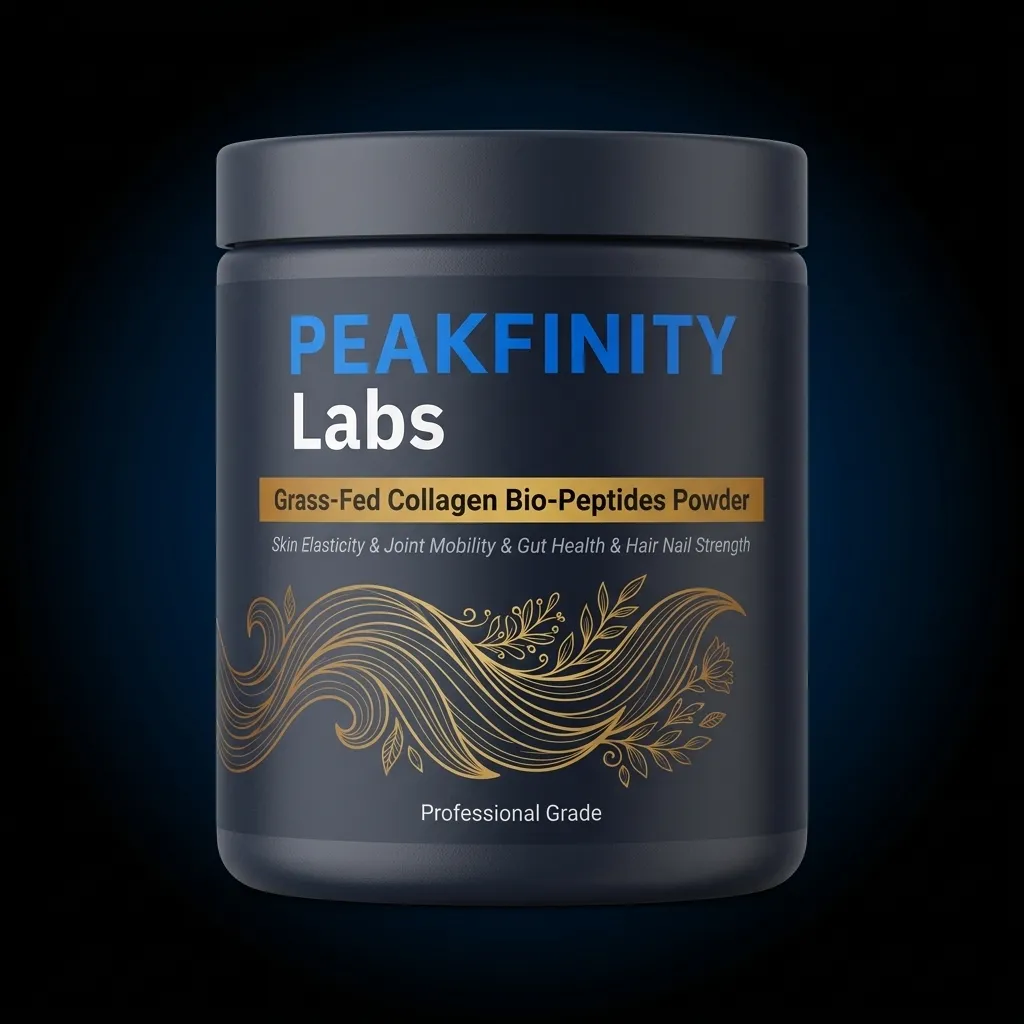
Grass-Fed Collagen Bio-Peptides Powder
Nutraceuticals (Beauty) · Powder
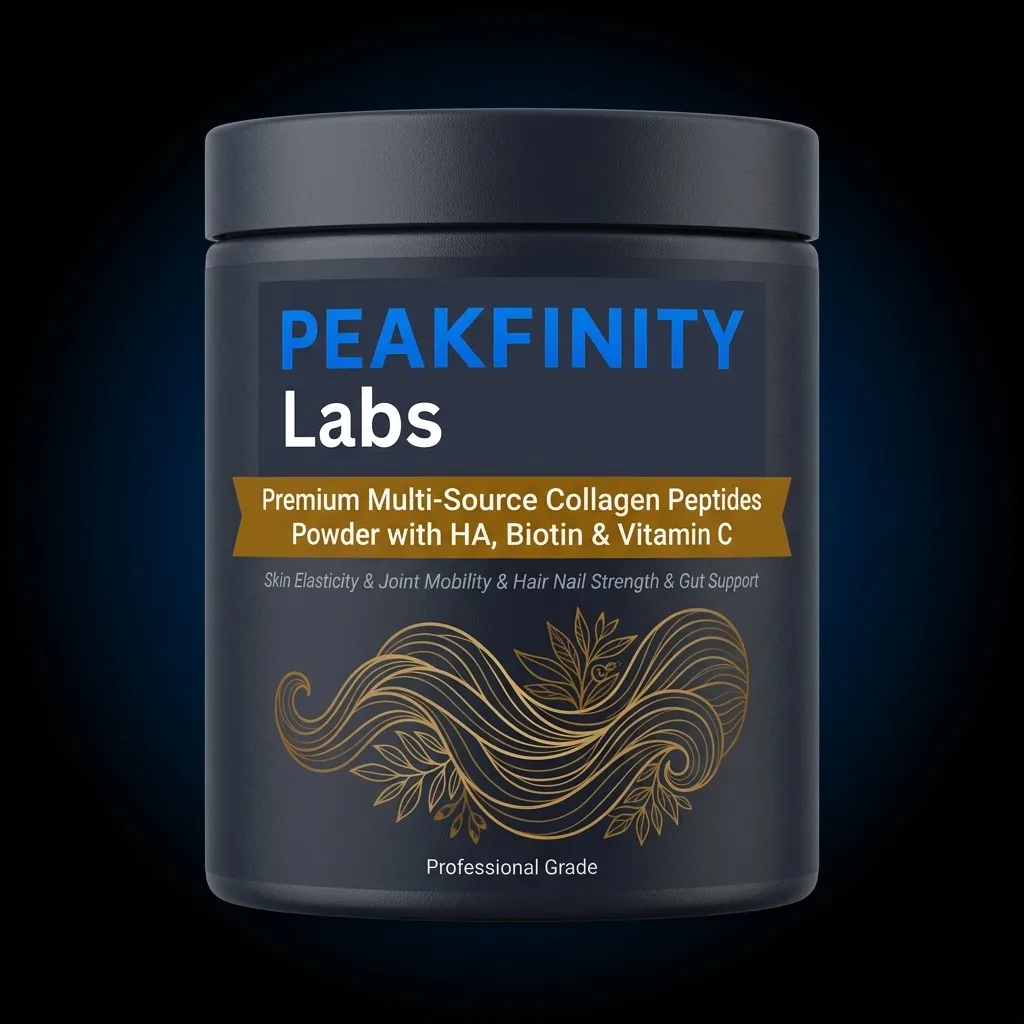
Premium Multi-Source Collagen Peptides Powder with HA, Biotin & Vitamin C
Nutraceuticals (Beauty) · Powder

Tushar
Licensed Pharmacist and COO @ Peakfinity Labs
Written by the Peakfinity Labs R&D Team — 46+ years of supplement formulation expertise. Our team of formulation chemists, manufacturing specialists, and regulatory experts has helped thousands of eCommerce brands bring their products to market successfully since 1980.
Related Articles
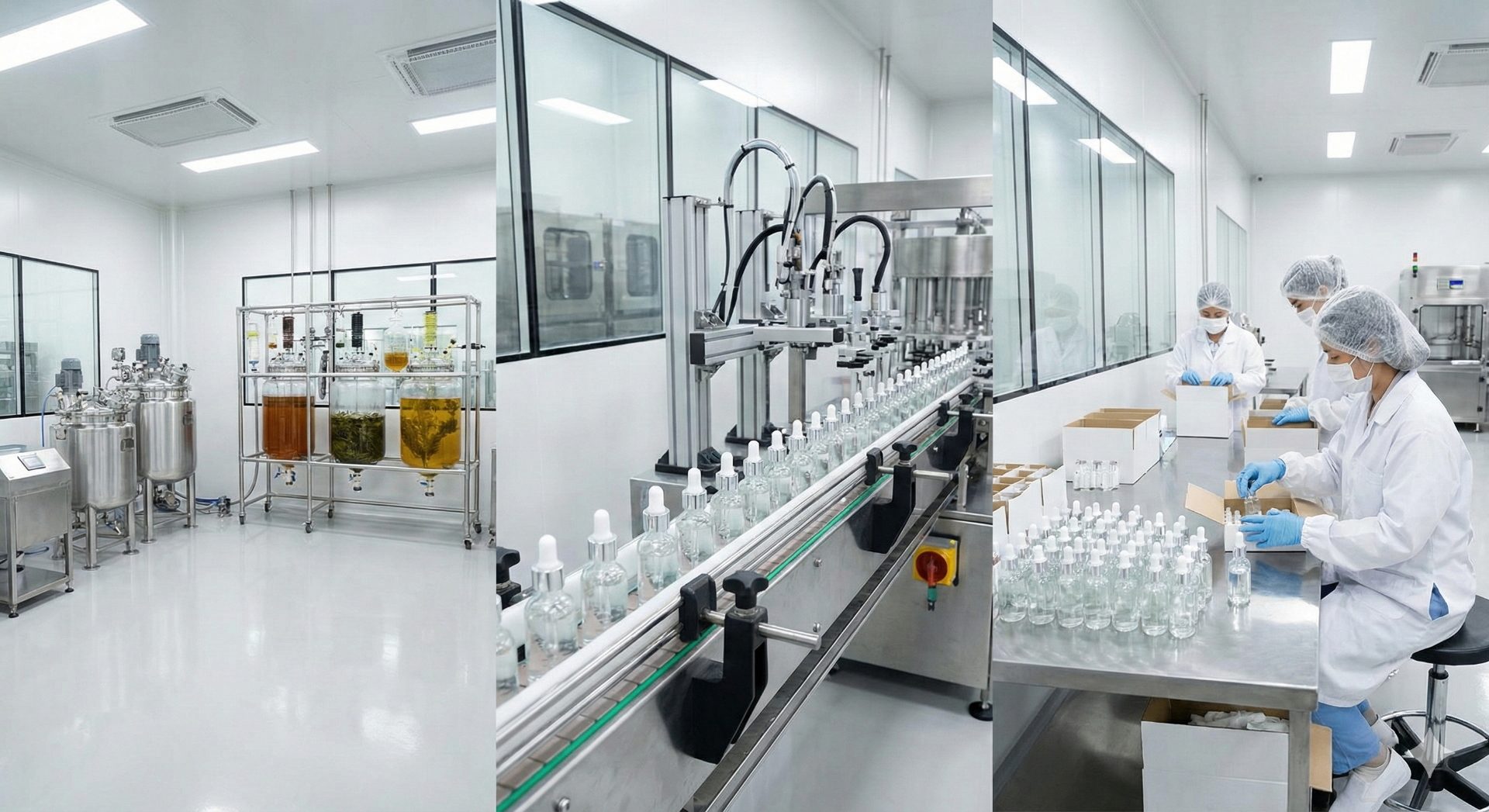
Serum Manufacturing for Skincare Brands
Guide to skincare serum manufacturing including active ingredients and formulation challenges.
Clean Beauty Manufacturing Guide
Ingredient standards, certifications, and formulation for clean beauty products.
Cosmetic Peptides for Skincare: The 2026 Complete Guide
GHK-Cu, Matrixyl, Argireline, Snap-8 — every working class of cosmetic peptide with effective doses, stacking rules, and formulation requirements.