The Complete Guide to Serum Manufacturing for Skincare Brands
Serums represent the premium tier of skincare—concentrated actives in sophisticated formulations. This guide covers everything from ingredient science to manufacturing processes for creating serums that deliver real results.
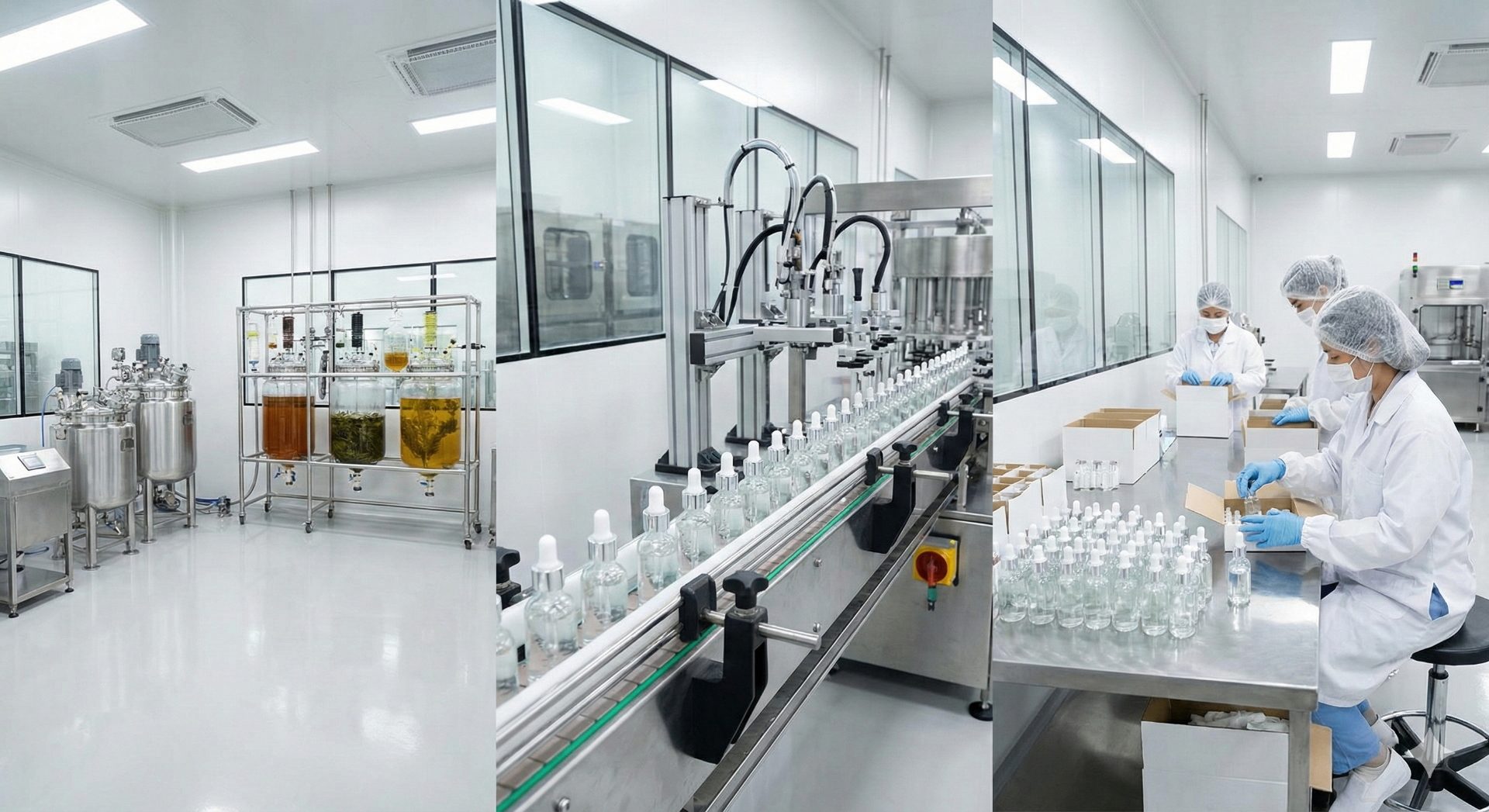
- 1Serums contain 10-50x more active ingredients than moisturizers, commanding premium pricing and strong margins
- 2Vitamin C serums require precise pH (2.5-3.5), antioxidant stabilization, and airless packaging to maintain efficacy
- 3MOQs start at 2,000 units; custom formulation adds 4-8 weeks for R&D and stability testing
- 4Glass dropper packaging signals luxury; airless pumps offer the best protection for oxidation-sensitive actives
- 52026 trending actives: bakuchiol (retinol alternative), tranexamic acid, polyglutamic acid, and barrier-repair ceramides
Why Serums Are the Heart of Modern Skincare
Serums have transformed from niche luxury products to essential skincare staples. The global facial serum market exceeds $4 billion and continues growing as consumers seek targeted, high-performance solutions for their skin concerns. Brands launching clean beauty serums see particularly strong demand through TikTok Shop and Shopify DTC.
For brands, serums offer exceptional margins, strong differentiation potential, and loyal customer bases. But serum manufacturing demands precision—the concentrated nature and sophisticated actives require expert formulation that separates amateur products from professional ones.
Peakfinity Advantage
Peakfinity Labs specializes in custom serum formulation and manufacturing. Our cosmetic chemists have developed hundreds of serum formulas—from cutting-edge peptide complexes to gentle botanical blends—for brands targeting every market segment in our GMP-certified facilities.
What Makes Serums Different from Other Skincare
Serums occupy a unique position in the skincare routine: after cleansing and toning, before moisturizing. This placement reflects their distinct characteristics:
- High Concentration: Serums contain 10-50x more active ingredients than moisturizers. A vitamin C serum might contain 15-20% L-ascorbic acid versus 0.5% in a cream.
- Small Molecules: Formulated with low-molecular-weight ingredients that penetrate deeper into the skin than heavier creams and lotions.
- Lightweight Texture: Thin, fast-absorbing consistency allows layering and doesn't interfere with subsequent products.
- Targeted Function: Each serum typically addresses specific concerns (aging, hydration, brightening) rather than general moisturization.
Serum vs Other Skincare Products
| Factor | Serum | Moisturizer | Essence |
|---|---|---|---|
| Active Concentration | High (10-30%) | Low (1-5%) | Medium (5-10%) |
| Texture | Thin/liquid | Thick/creamy | Watery/gel |
| Penetration | Deep | Surface | Medium |
| Primary Purpose | Treatment | Protection | Prep/hydration |
| Price Point | Premium | Moderate | Mid-premium |
Key Active Ingredients for Serums
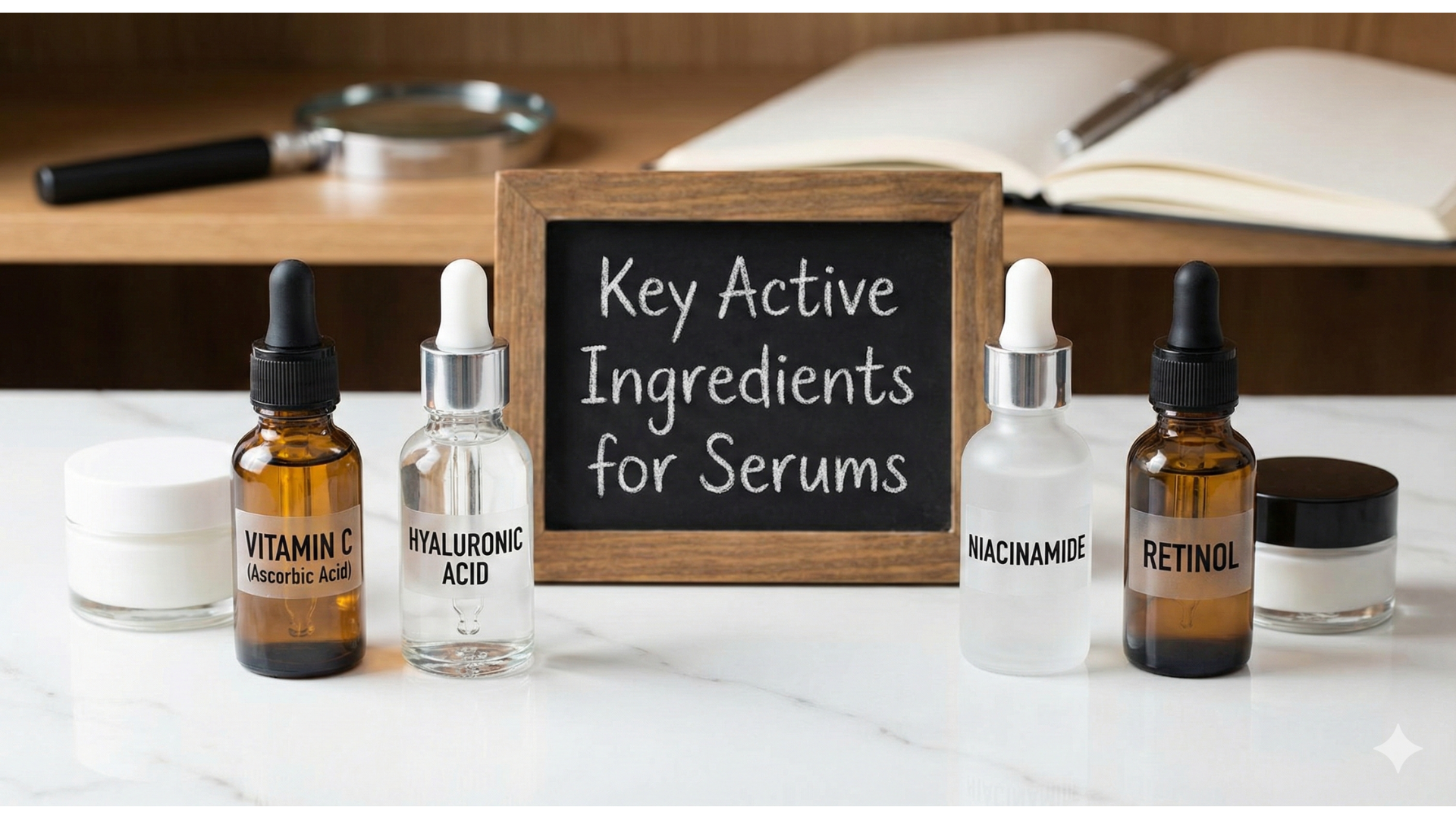
Ingredient selection defines your serum's efficacy and market positioning. Here are the most popular and effective actives:
Popular Serum Actives and Benefits
| Ingredient | Benefits | Stability | Formulation Notes |
|---|---|---|---|
| Vitamin C (L-AA) | Brightening, antioxidant | Poor | Requires low pH, air-free packaging |
| Hyaluronic Acid | Hydration, plumping | Excellent | Use multi-weight for best penetration |
| Retinol | Anti-aging, renewal | Moderate | Light-sensitive, start with 0.25-0.5% |
| Niacinamide | Pores, brightening | Excellent | Works at 2-5%, stable and versatile |
| Peptides | Firming, repair | Good | Multiple types for different benefits |
| AHAs/BHAs | Exfoliation, clarity | Excellent | pH-dependent efficacy |
Trending Actives for 2026: Bakuchiol (retinol alternative), tranexamic acid (hyperpigmentation), polyglutamic acid (hydration), and barrier-repair ceramides are seeing strong consumer demand.
Serum Base Types
The base determines your serum's texture, ingredient compatibility, and consumer experience. Three primary types dominate:
- Water-Based Serums: The most common type. Lightweight, absorbs quickly, ideal for hyaluronic acid, niacinamide, and vitamin C. Best for oily and combination skin types.
- Oil-Based Serums: Richer texture, excellent for retinol, vitamin E, and botanical oils. Suits dry and mature skin. Often called "facial oils" but formulated with serum concentration.
- Silicone-Based Serums: Silky, "primer-like" feel. Good for dimethicone-based products targeting smoothing and immediate visual improvement. Popular for "blurring" serums.
- Anhydrous Serums: Water-free formulas for highly unstable actives (pure vitamin C) or specialized delivery systems. Require specific formulation expertise.
Pro Tip
Consider your target demographic when choosing base type. Asian beauty (K-beauty) consumers prefer lightweight water essences, while European consumers often favor richer oil-based treatments. US consumers are split—test with your audience.
The Serum Manufacturing Process
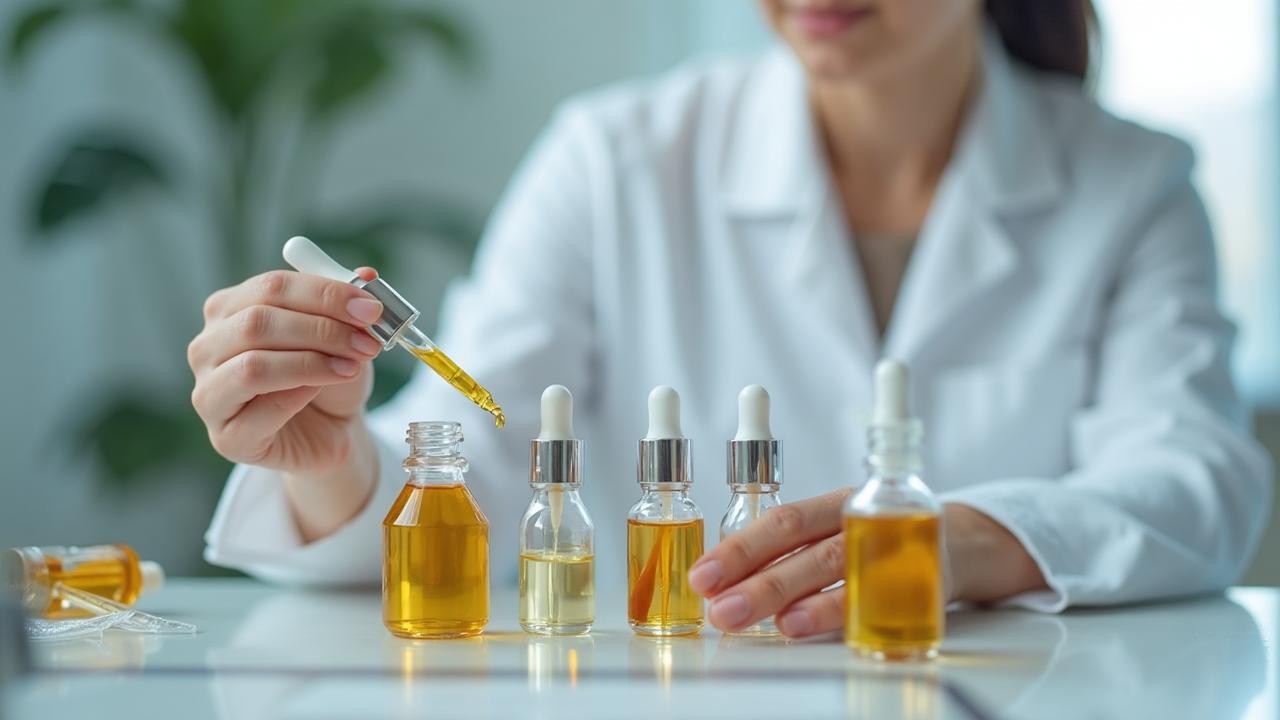
Serum manufacturing requires precision and contamination control. Here's the typical production workflow:
- Formulation Development: Chemists develop and test formulas, optimizing for stability, efficacy, and sensory experience. This phase includes small-batch prototyping.
- Raw Material Sourcing: Active ingredients and bases are sourced from qualified suppliers with certificates of analysis for each lot.
- Batch Preparation: Ingredients are weighed precisely in a cleanroom environment. Phase separation (water phase, oil phase) may be required.
- Mixing/Emulsification: Phases are combined using appropriate mixing equipment. Some serums require homogenization for uniform consistency.
- pH Adjustment: Critical for efficacy of pH-sensitive actives like vitamin C and AHAs. Precise titration ensures optimal performance.
- Quality Testing: Microbial testing, pH verification, viscosity checks, and active ingredient assays confirm product meets specifications.
- Filling & Packaging: Products are filled into sterilized containers in controlled environments. Air-free dispensers may be used for oxidation-sensitive formulas.
Common Formulation Challenges
Serum formulation presents unique challenges that require expertise to overcome. Working with a GMP-certified manufacturer with dedicated skincare manufacturing capabilities is essential.
- Ingredient Compatibility: Some actives don't play well together. Retinol and vitamin C, for example, require different pH environments and are best kept separate.
- Stability Issues: Vitamin C, retinol, and certain botanicals oxidize or degrade over time. Proper preservation systems and packaging extend shelf life.
- Penetration Optimization: Getting actives to penetrate skin effectively requires optimal molecular weights and delivery systems like liposomes or micronization.
- Sensory Experience: Serums must feel pleasant—not sticky, tacky, or greasy. Balancing efficacy with texture takes formulation skill.
- Preservation: Water-based serums need robust preservation systems to prevent microbial growth while remaining gentle on skin. Clean beauty serums face additional preservation challenges.
Important
Don't formulate vitamin C serums without expertise. L-ascorbic acid requires precise pH (2.5-3.5), antioxidant stabilization, and airless packaging. Poorly formulated vitamin C turns brown and becomes ineffective—damaging your brand reputation.
Packaging Considerations
Serum packaging serves both functional and marketing purposes. The right packaging protects your formula while communicating quality to consumers.
Serum Packaging Options
| Package Type | Best For | Protection Level | Perception |
|---|---|---|---|
| Glass Dropper | Standard serums | Moderate | Classic luxury |
| Airless Pump | Oxidation-sensitive | Excellent | Clinical/modern |
| Aluminum Tube | Light-sensitive | Good | Clean/minimal |
| Frosted Glass | Retinol products | Good | Premium |
| Ampoules | Single-use actives | Excellent | Ultra-premium |
Sustainability Note: Consumers increasingly expect sustainable packaging. Glass is recyclable but heavier (shipping costs). Recycled plastics and refillable systems are gaining traction for eco-conscious brands.
Frequently Asked Questions
What is the minimum order quantity for serum manufacturing?
MOQs for serums typically start at 2,000 units depending on formula complexity. Custom formulations may require higher minimums. This range ensures quality manufacturing while keeping per-unit costs competitive for growing skincare brands.
How long does serum manufacturing take?
Standard serum production takes 4-6 weeks from formula approval to finished goods. Custom formulation development adds 4-8 weeks for R&D, stability testing, and regulatory review.
What's the difference between water-based and oil-based serums?
Water-based serums are lightweight, absorb quickly, and work well for hydrating ingredients like hyaluronic acid. Oil-based serums are richer, better for fat-soluble actives like retinol, and suit dry skin types.
Can I create an effective vitamin C serum?
Yes, but vitamin C (L-ascorbic acid) is notoriously unstable. Work with an experienced manufacturer who understands pH optimization, antioxidant systems, and proper packaging to maintain potency throughout shelf life.
What certifications should a cosmetic manufacturer have?
Look for FDA registration, cGMP compliance, ISO 22716 certification (cosmetics-specific GMP), and proper testing capabilities. Organic certifications (COSMOS, USDA Organic) are valuable for natural positioning.
How do I test serum stability and efficacy?
Reputable manufacturers conduct accelerated stability testing (heat/humidity exposure) and may offer challenge testing for preservation efficacy. Third-party efficacy testing can support marketing claims.
Ready-to-Launch Formulations in This Category
Stock-ready formulations you can private label with your own branding — 2,000 unit MOQ.
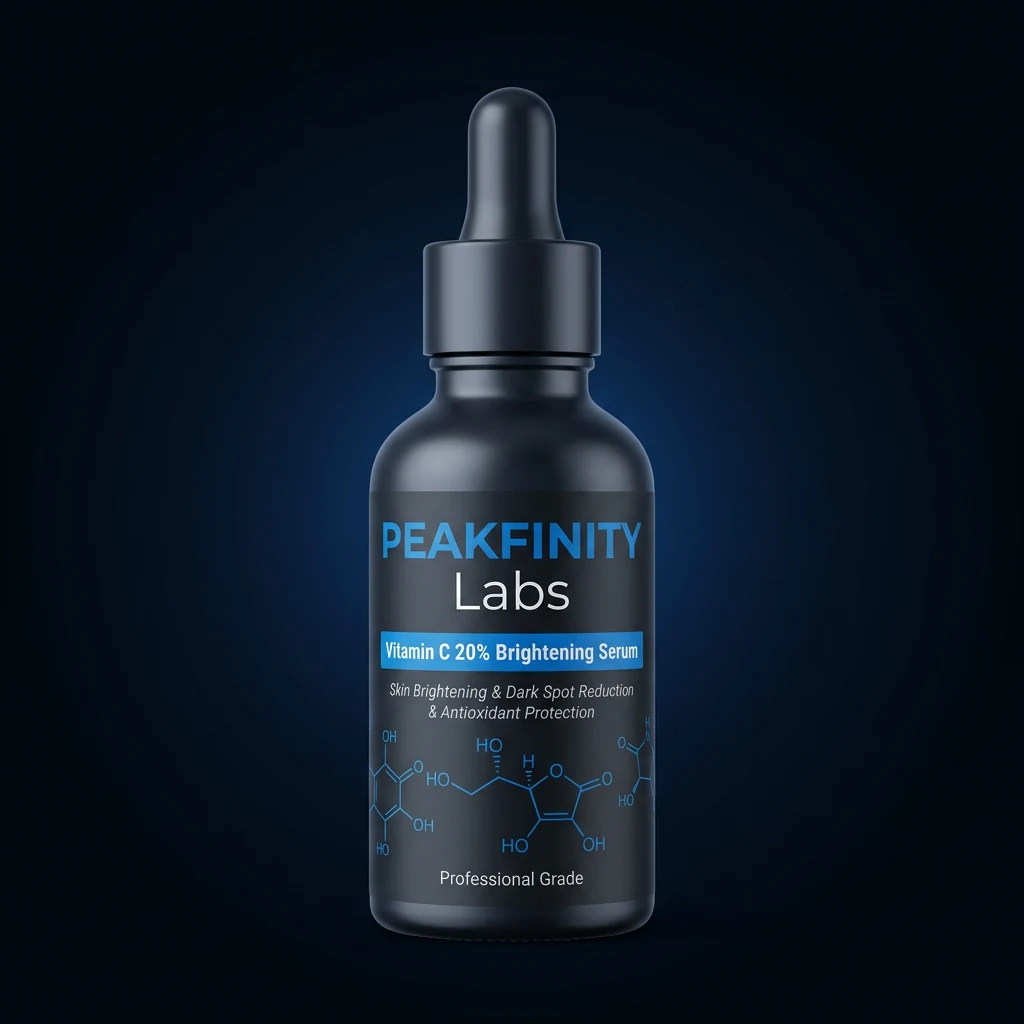
Vitamin C 20% Brightening Serum
Facial Serums · Liquid
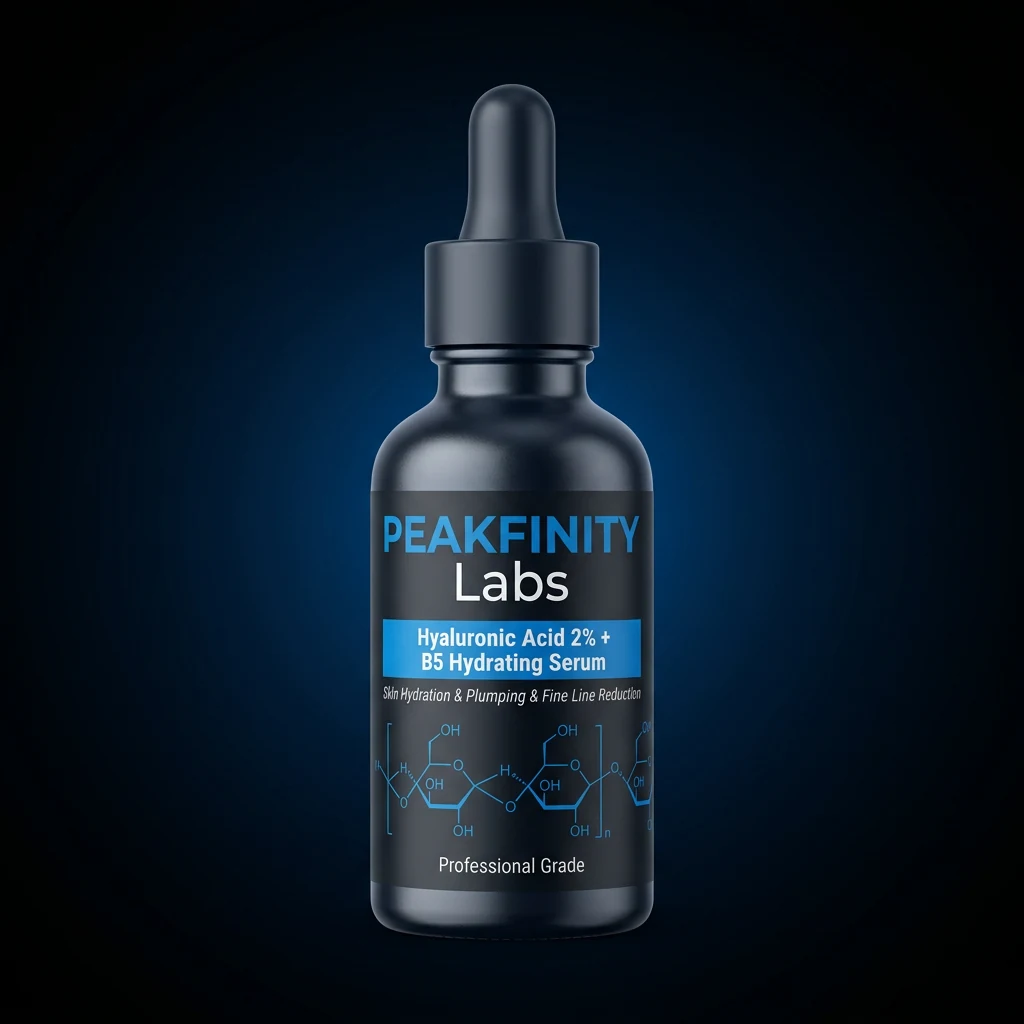
Hyaluronic Acid 2% + B5 Hydrating Serum
Facial Serums · Liquid
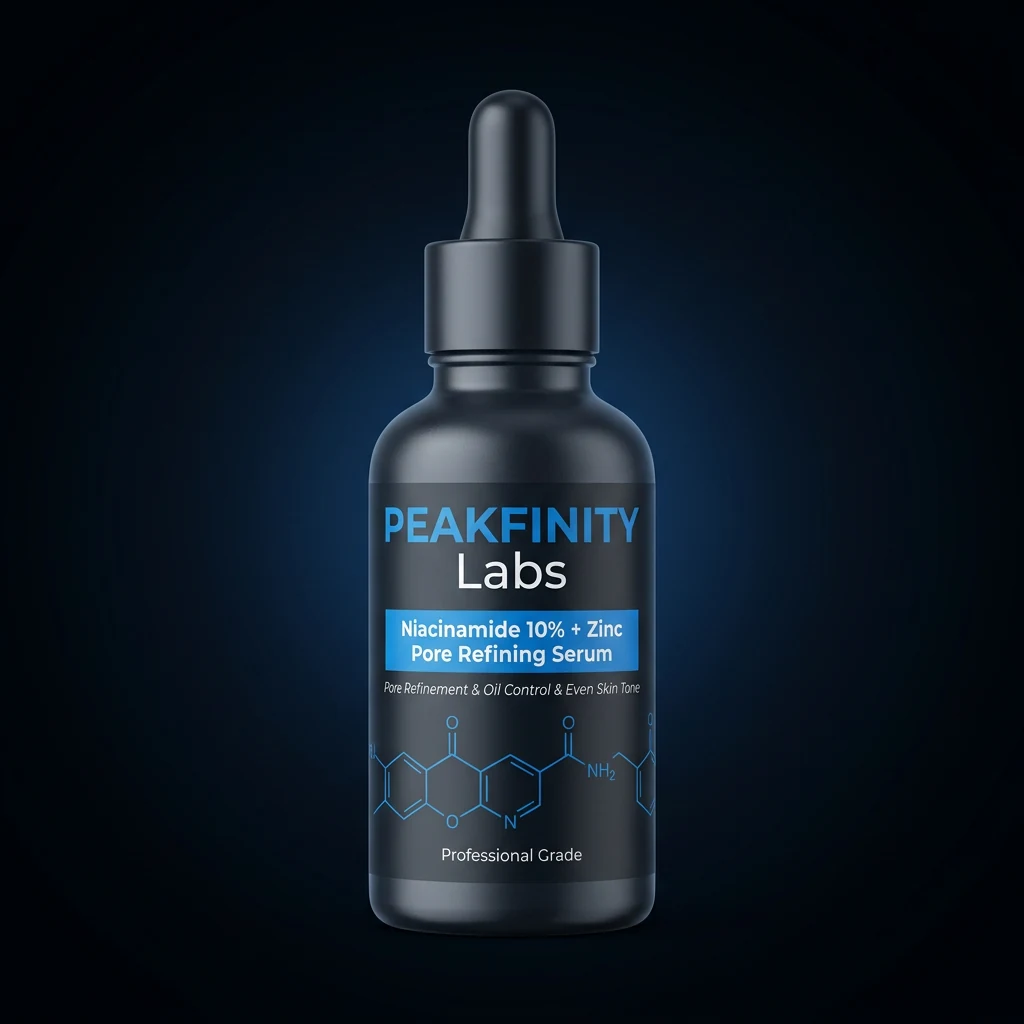
Niacinamide 10% + Zinc Pore Refining Serum
Facial Serums · Liquid
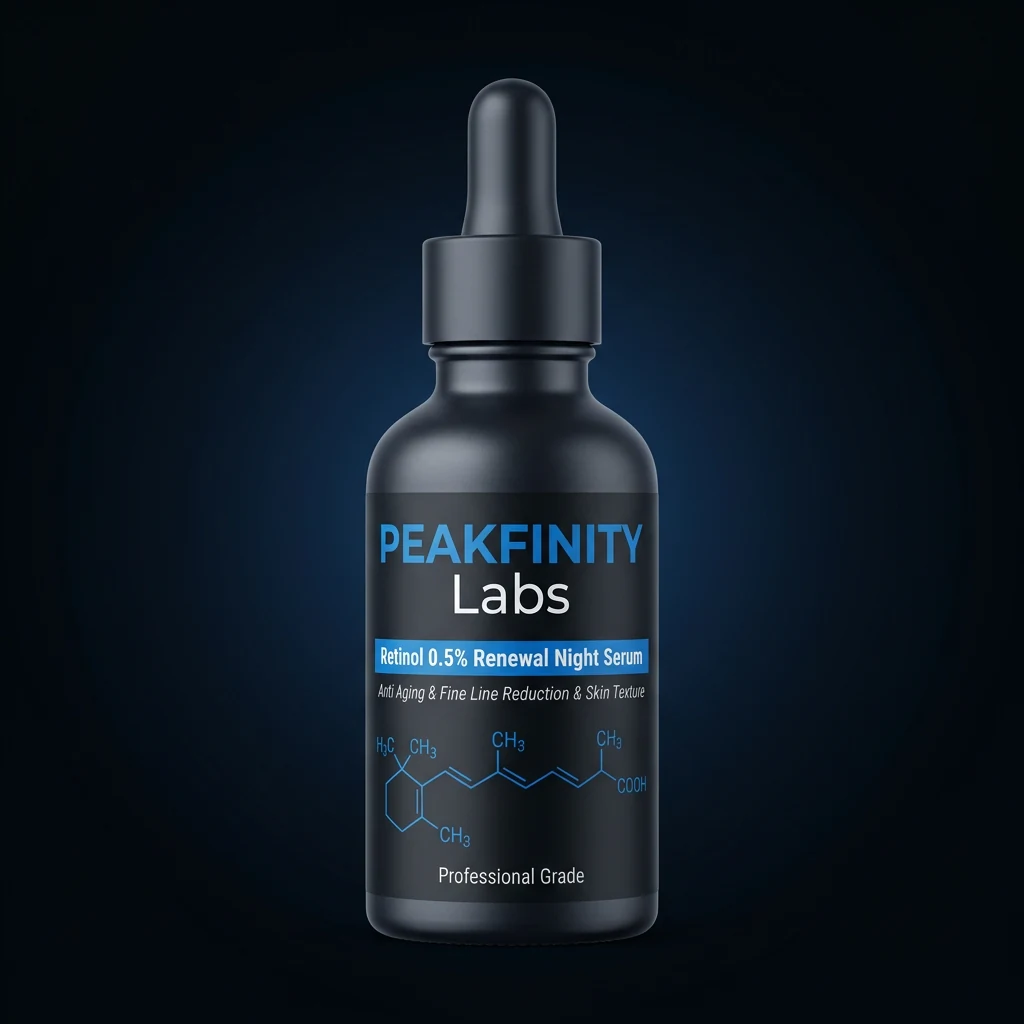
Retinol 0.5% Renewal Night Serum
Facial Serums · Liquid

Tushar
Licensed Pharmacist and COO @ Peakfinity Labs
Written by the Peakfinity Labs R&D Team — 46+ years of supplement formulation expertise. Our team of formulation chemists, manufacturing specialists, and regulatory experts has helped thousands of eCommerce brands bring their products to market successfully since 1980.
Related Articles
Clean Beauty Manufacturing Guide
Ingredient standards, certifications, and formulation for clean beauty products.
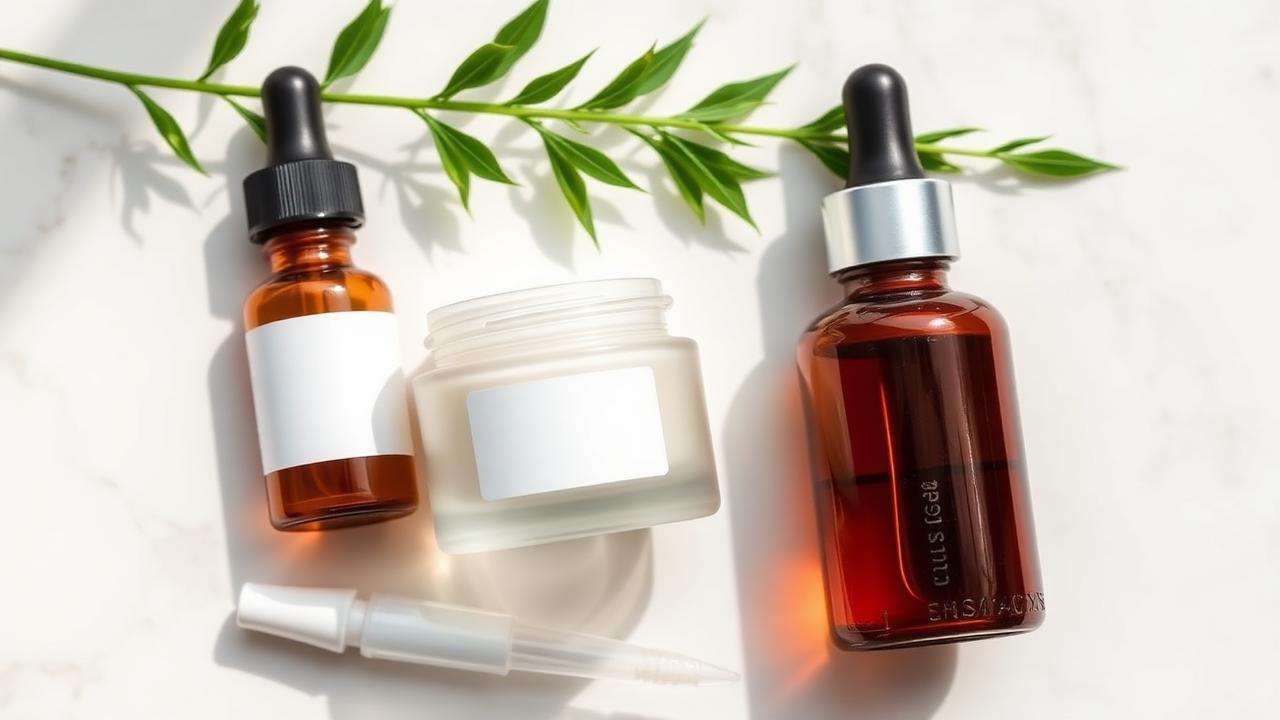
Cosmetic Peptides for Skincare: The 2026 Complete Guide
GHK-Cu, Matrixyl, Argireline, Snap-8 — every working class of cosmetic peptide with effective doses, stacking rules, and formulation requirements.
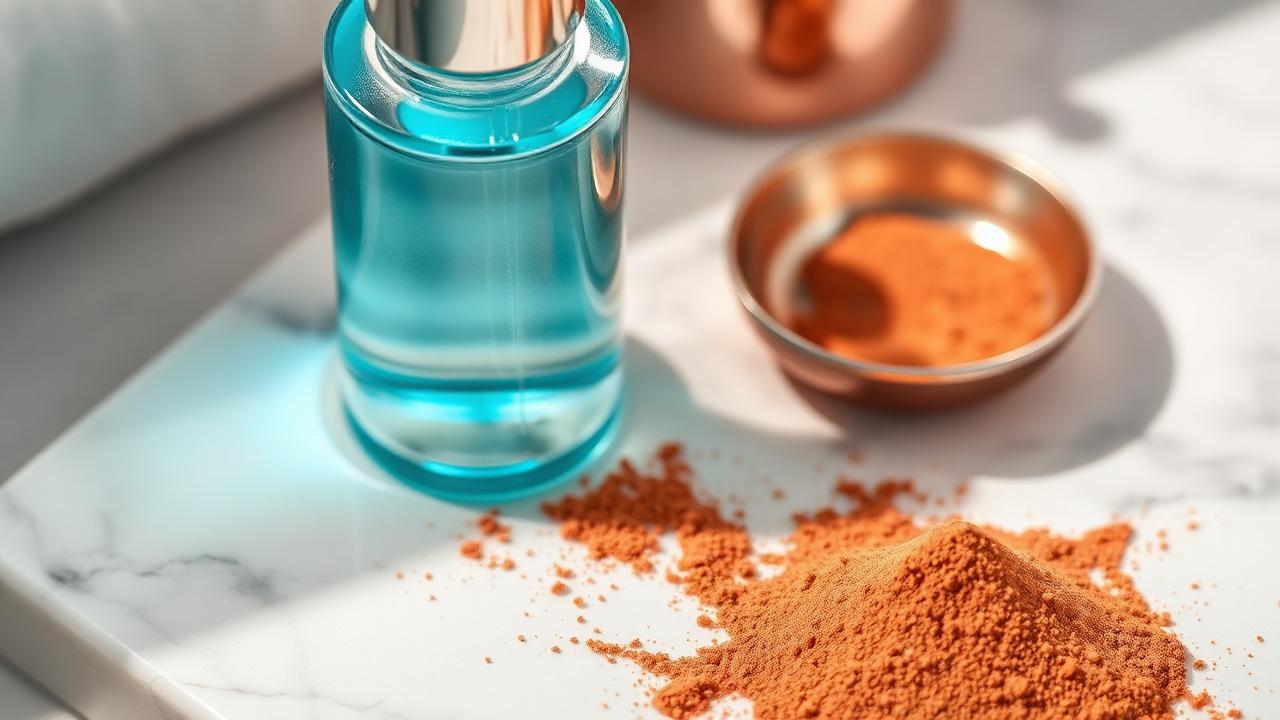
Copper Peptides (GHK-Cu) in Skincare: Formulation & Manufacturing
A formulator's guide to GHK-Cu — mechanism, effective doses, pH window, incompatibilities, packaging, and what changes when you actually manufacture a copper peptide serum.