The Complete Guide to Clean Beauty Manufacturing in 2026
Clean beauty has moved from niche to mainstream. This guide covers ingredient standards, formulation techniques, certifications, and finding the right manufacturing partner for your clean beauty brand.
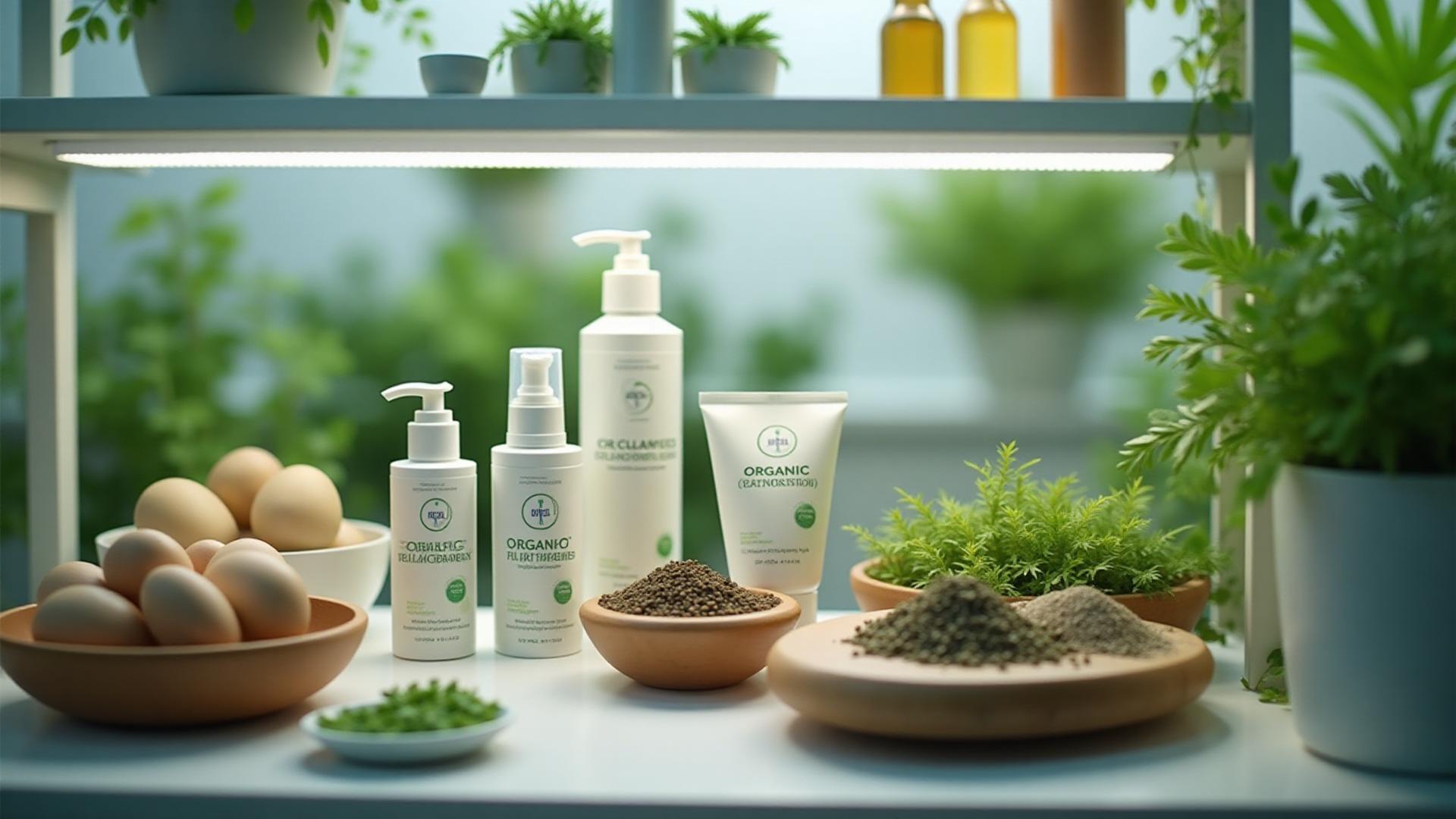
- 1Clean beauty now represents over 25% of prestige skincare—major retailers dedicate significant shelf space to clean products
- 2There's no legal definition of 'clean beauty'; third-party certifications (EWG Verified, COSMOS) provide consumer trust
- 3Expect 15-30% higher ingredient costs for clean alternatives, but premium pricing often exceeds the cost differential
- 4Natural preservative systems require careful formulation and may have shorter shelf life than conventional options
- 5Key certifications include EWG Verified, COSMOS Organic, Leaping Bunny, and retailer-specific standards like Sephora Clean
Clean Beauty Goes Mainstream
Clean beauty now represents over 25% of the prestige skincare market, with major retailers like Sephora, Ulta, and Target dedicating significant shelf space to clean products. Consumer demand for transparency, safety, and sustainability shows no signs of slowing. Brands launching through TikTok Shop and Shopify are particularly drawn to clean positioning for its social media appeal.
Peakfinity Advantage
Peakfinity Labs specializes in clean beauty formulation with expertise in EWG-compliant ingredients, natural preservation systems, and certification requirements for major retailers.
What is Clean Beauty?
Clean beauty lacks a legal definition, but generally emphasizes avoiding ingredients linked to health concerns and prioritizing transparency. Common exclusions include parabens, sulfates, phthalates, formaldehyde, and synthetic fragrances. Understanding these standards is critical whether you're manufacturing skincare, hair care, or body care products.
Clean Beauty Ingredient Standards
| Ingredient Type | Conventional | Clean Alternative |
|---|---|---|
| Preservatives | Parabens, formaldehyde releasers | Phenoxyethanol, natural systems |
| Surfactants | SLS, SLES | Coco glucoside, decyl glucoside |
| Emollients | Mineral oil, petrolatum | Plant oils, squalane |
| Fragrances | Synthetic fragrance | Essential oils, natural isolates |
| Colors | Synthetic dyes | Mineral pigments, plant extracts |
Clean Ingredient Categories
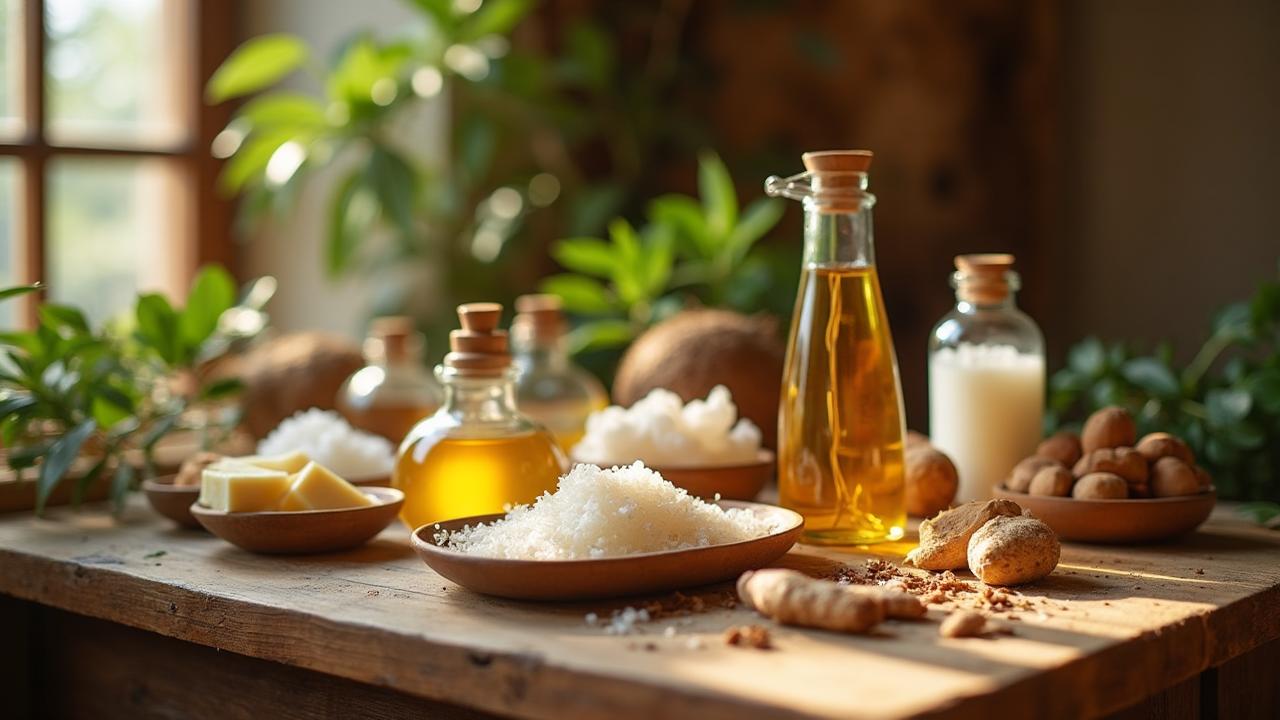
- Plant-Based Actives: Botanical extracts, plant stem cells, and natural peptides provide efficacy while meeting clean standards.
- Natural Preservation: Systems using rosemary extract, vitamin E, and natural antimicrobials. More complex but increasingly effective.
- Sustainable Sourcing: Fair trade, upcycled ingredients, and regenerative agriculture align with clean values beyond just ingredient safety.
Clean Formulation Challenges
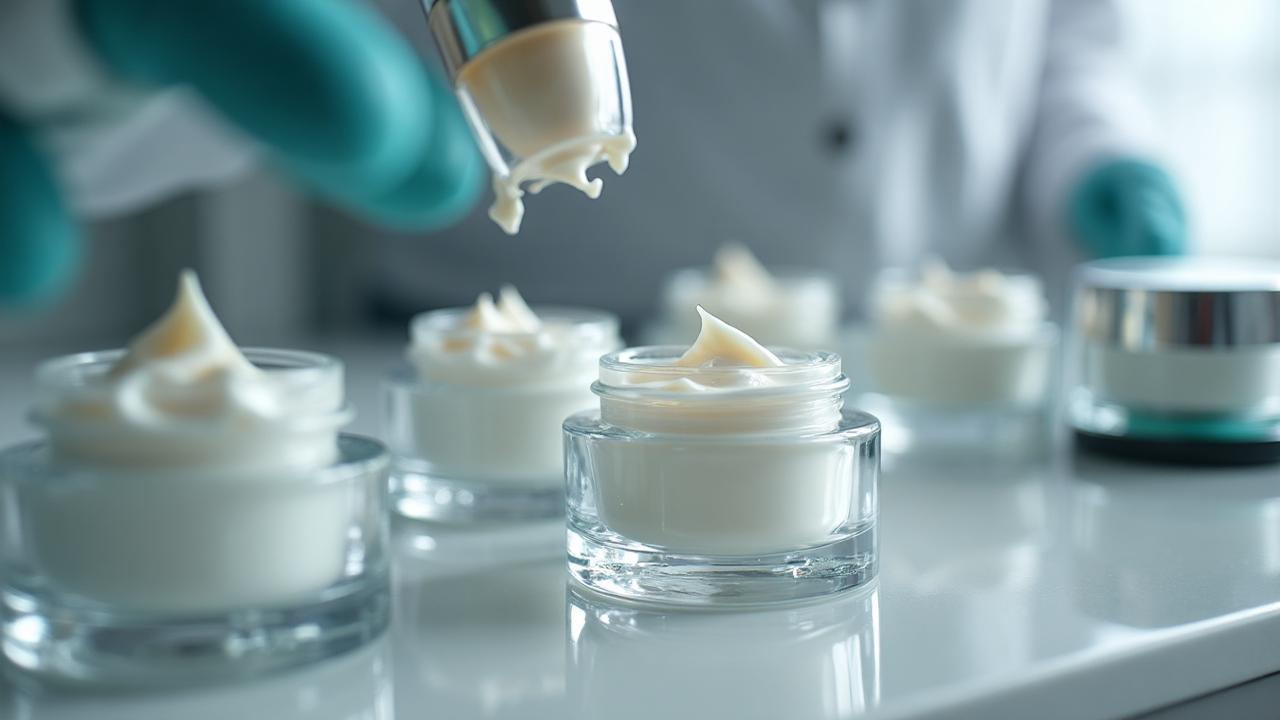
Clean formulation presents unique challenges that require experienced R&D teams. Whether you're developing serums, face creams, or lotions, each format has distinct clean formulation considerations.
- Preservation: Natural preservative systems require careful formulation and may have shorter shelf life than conventional options.
- Texture: Replacing silicones while maintaining smooth, elegant textures requires expertise in natural alternatives.
- Efficacy: Some clean alternatives are less potent, requiring higher concentrations or combination approaches.
- Stability: Natural ingredients may be less stable, requiring careful pH management and packaging selection.
Certifications & Retailer Standards
Major Clean Beauty Certifications
| Certification | Focus | Difficulty | Recognition |
|---|---|---|---|
| EWG Verified | Safety/transparency | Moderate | High (US) |
| COSMOS Organic | Organic content | High | High (EU) |
| Leaping Bunny | Cruelty-free | Low | Very High |
| Sephora Clean | Retailer standard | Moderate | Sephora shoppers |
| Target Clean | Retailer standard | Low-Moderate | Mass market |
Choosing a Clean Beauty Manufacturer
Choosing the right cosmetic manufacturer is critical for clean beauty success. Look for partners with GMP certification and dedicated clean formulation expertise. You can also explore our custom cosmetic formulation guide for a deeper dive into the development process.
- Ingredient Expertise: Do they understand clean standards and have vetted supplier networks?
- Certification Support: Can they help achieve certifications like EWG Verified or COSMOS?
- Natural Preservation: Do they have proven natural preservative systems?
- Retailer Experience: Have they formulated to Sephora Clean, Target Clean, or other retailer standards?
- Facility Standards: Do they operate in GMP-certified facilities with proper allergen segregation?
Frequently Asked Questions
What makes a cosmetic 'clean'?
Clean beauty avoids ingredients of concern (parabens, sulfates, phthalates, etc.) and emphasizes transparency. There's no legal definition—brands define their own standards, making third-party certification valuable.
Is clean beauty the same as natural or organic?
No. Clean focuses on safety/transparency. Natural uses plant-derived ingredients. Organic uses certified organic ingredients. A product can be clean without being natural, and natural without being certified organic.
Are clean beauty products as effective as conventional?
Modern clean formulations can match conventional efficacy, but it requires expertise. Some conventional actives (certain preservatives, silicones) are harder to replicate with clean alternatives.
What certifications matter for clean beauty?
EWG Verified, COSMOS (organic), Leaping Bunny (cruelty-free), and retailer standards (Sephora Clean, Credo, Target Clean) are most recognized. Choose based on your target retailers and consumers.
How much more does clean beauty manufacturing cost?
Expect 15-30% higher ingredient costs for clean alternatives. Some natural preservative systems are more expensive. However, premium pricing often exceeds the cost differential.
Ready-to-Launch Formulations in This Category
Stock-ready formulations you can private label with your own branding — 2,000 unit MOQ.
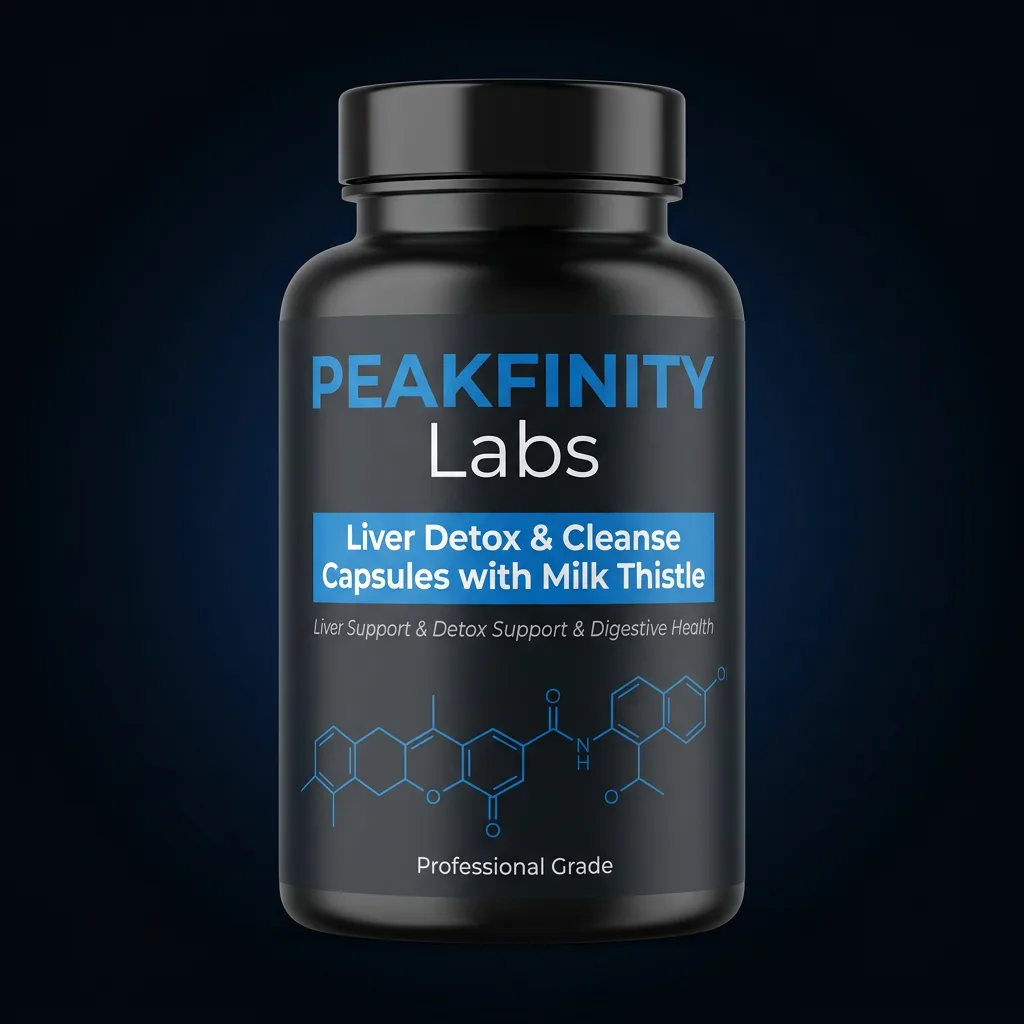
Liver Detox & Cleanse Capsules with Milk Thistle
Gut Health · Capsules
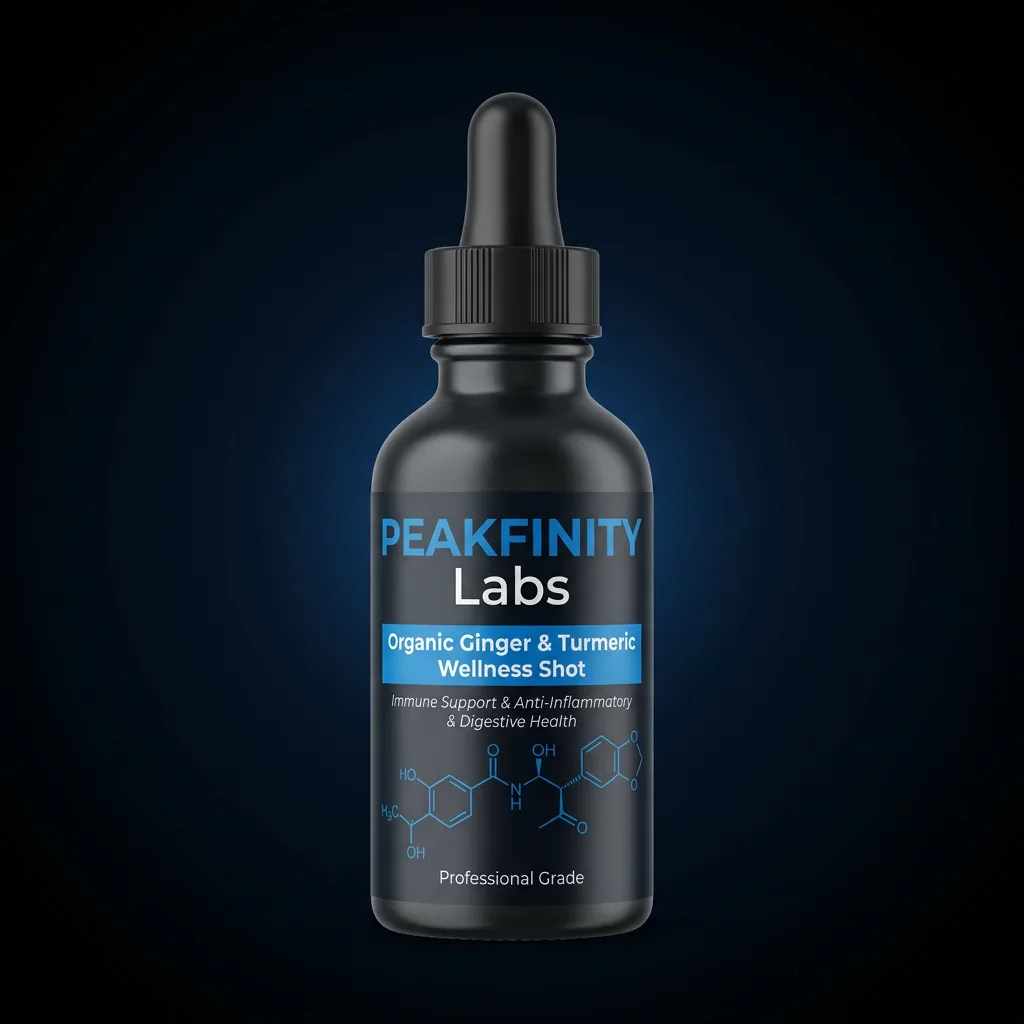
Organic Ginger & Turmeric Wellness Shot
Immunity · Liquid
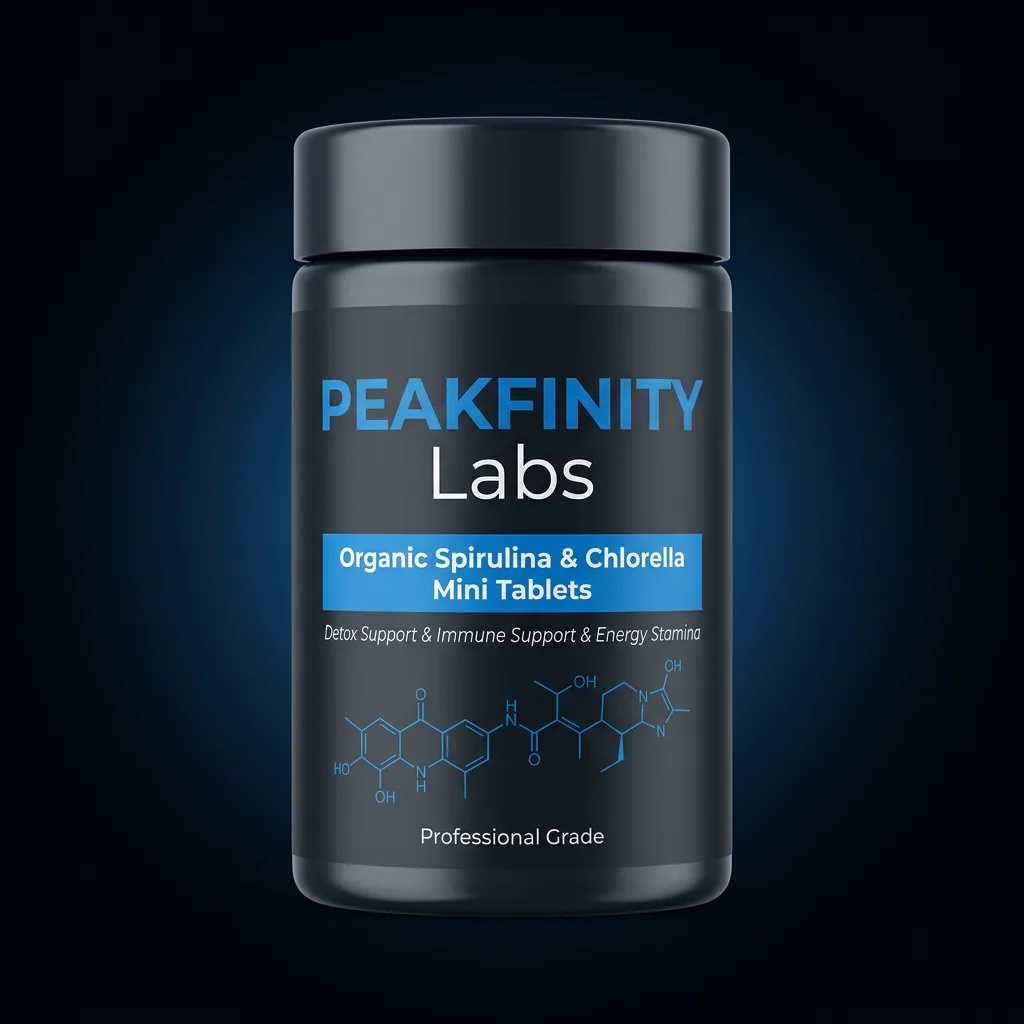
Organic Spirulina & Chlorella Mini Tablets
General Wellness · Tablets
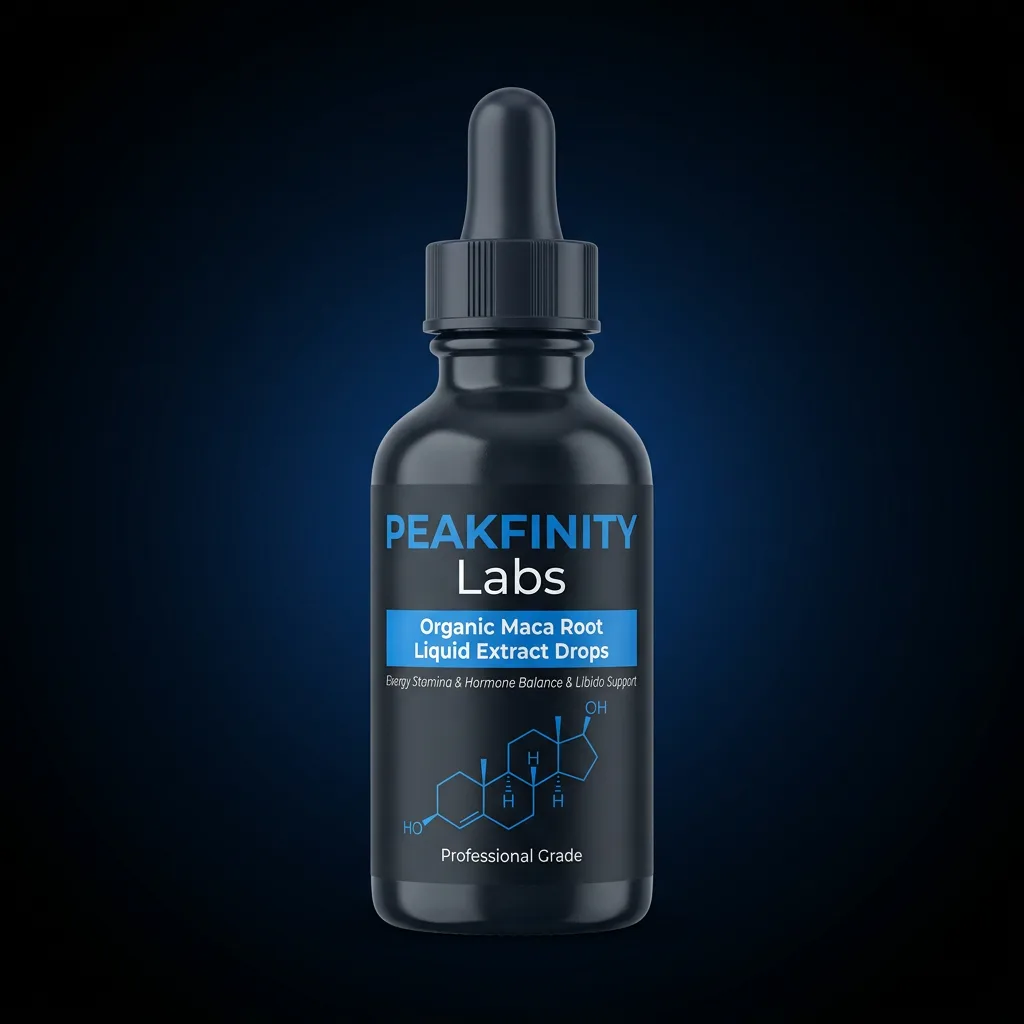
Organic Maca Root Liquid Extract Drops
Energy Focus · Liquid

Tushar
Licensed Pharmacist and COO @ Peakfinity Labs
Written by the Peakfinity Labs R&D Team — 46+ years of supplement formulation expertise. Our team of formulation chemists, manufacturing specialists, and regulatory experts has helped thousands of eCommerce brands bring their products to market successfully since 1980.
Related Articles
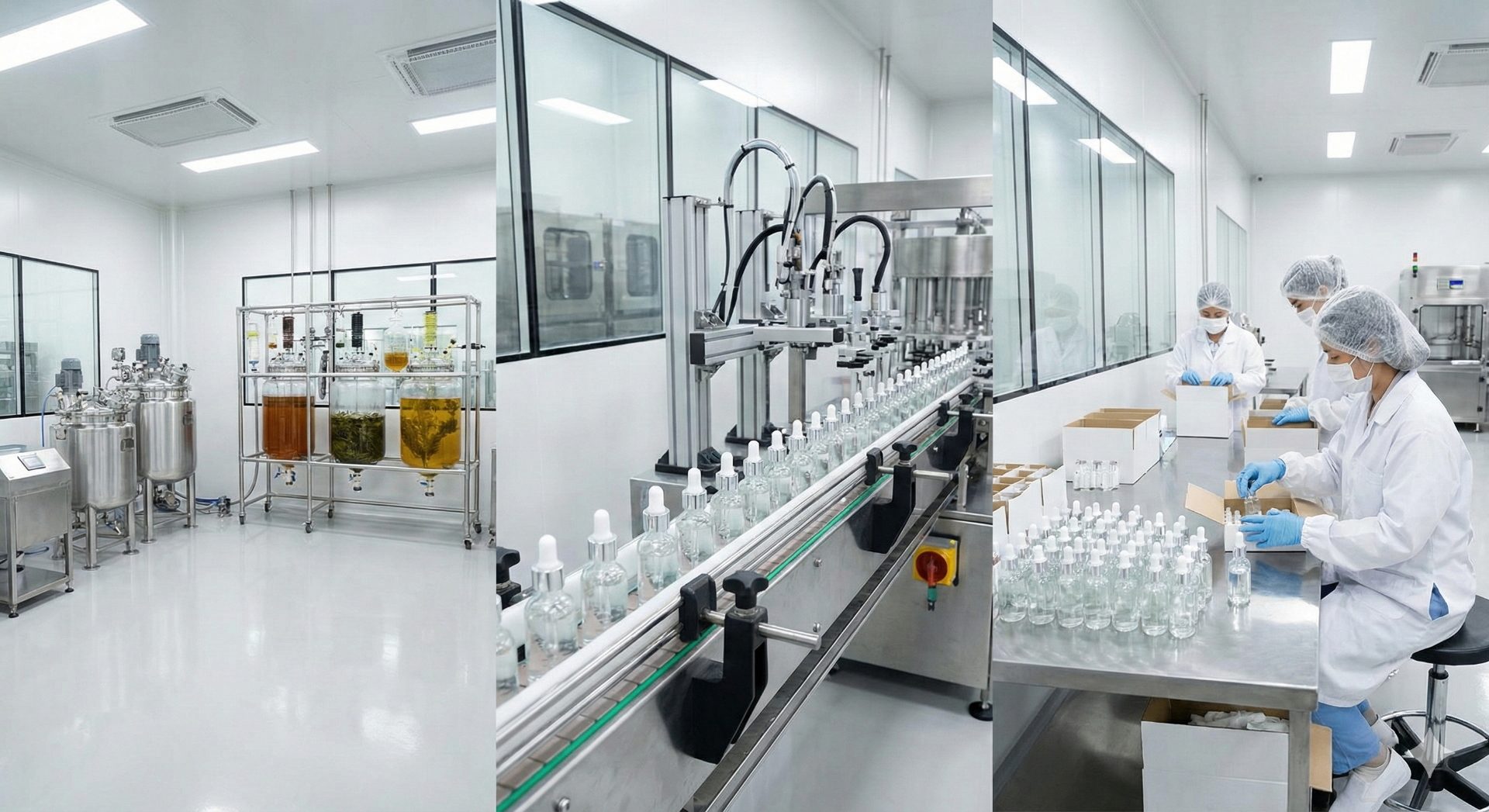
Serum Manufacturing for Skincare Brands
Guide to skincare serum manufacturing including active ingredients and formulation challenges.
Cosmetic Peptides for Skincare: The 2026 Complete Guide
GHK-Cu, Matrixyl, Argireline, Snap-8 — every working class of cosmetic peptide with effective doses, stacking rules, and formulation requirements.
Copper Peptides (GHK-Cu) in Skincare: Formulation & Manufacturing
A formulator's guide to GHK-Cu — mechanism, effective doses, pH window, incompatibilities, packaging, and what changes when you actually manufacture a copper peptide serum.