Gut Health Supplement Manufacturing Guide: Probiotics, Prebiotics & Launch Strategy
How to formulate, manufacture, and launch a gut health supplement brand with clinically validated strains and GMP-certified production
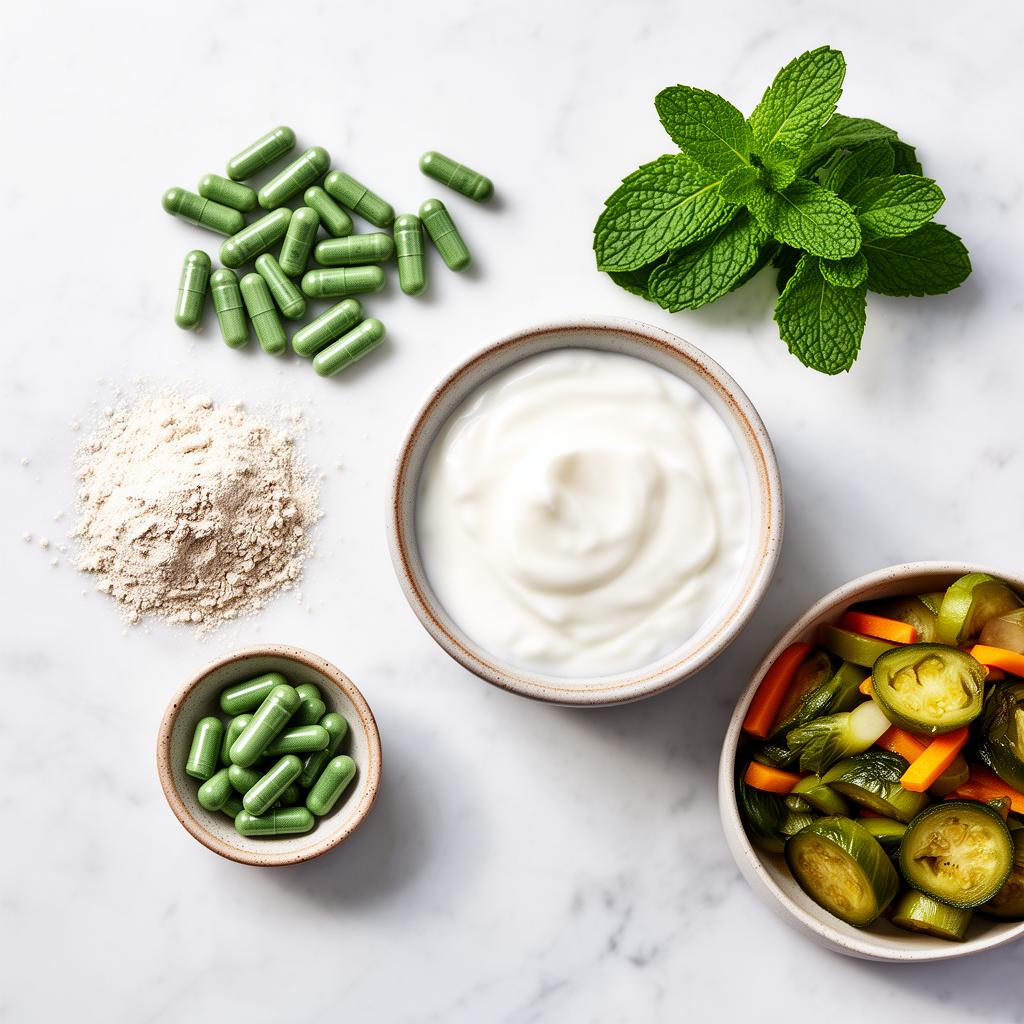
- 1Gut health supplements are a $7+ billion global market driven by microbiome science awareness and digestive wellness trends
- 2Strain specificity matters more than CFU count — Lactobacillus rhamnosus GG, Saccharomyces boulardii, and Bacillus coagulans are clinically validated workhorses
- 3Shelf-stable spore-forming probiotics (Bacillus species) are replacing refrigerated strains in mainstream products
- 4Synbiotic formulas (probiotics + prebiotics) are the fastest-growing segment, commanding premium pricing
- 5Probiotic stability testing is non-negotiable — your label must guarantee CFU count at expiration, not just at manufacture
Why Gut Health Is the Defining Supplement Category
Gut health has become the central organizing principle of modern supplement marketing. The explosion of microbiome research—linking gut bacteria to immunity, mood, skin health, weight management, and cognitive function—has transformed digestive supplements from a niche pharmacy category into a mainstream wellness essential. Consumers no longer think of probiotics as something you take when you're sick; they view gut health as foundational to overall wellbeing.
For supplement brand founders, this category offers exceptional growth, high consumer education levels, and strong subscription potential (daily use). But it also demands genuine formulation expertise—probiotic manufacturing involves living organisms that require careful strain selection, stability engineering, and potency guarantees. This guide covers everything from strain selection to capsule manufacturing processes and launch strategy.
Gut Health Supplement Market in 2026
| Segment | Key Products | Target Consumer | Growth Rate |
|---|---|---|---|
| Probiotics | Multi-strain capsules, spore-based | General wellness | 8–10% CAGR |
| Synbiotics (pro + prebiotic) | Combination formulas | Digestive optimization | 15–18% CAGR |
| Postbiotics | Butyrate, short-chain fatty acids | Science-forward consumers | 20–25% CAGR |
| Gut-Brain Axis | Psychobiotics for mood | Stressed, anxious consumers | 18–22% CAGR |
| Gut Health Powders | Prebiotic fiber + probiotic blends | Smoothie/drink culture | 12–15% CAGR |
Market Insight
Probiotics, Prebiotics & Postbiotics Explained
| Category | What It Is | Key Examples | Role in Formulation |
|---|---|---|---|
| Probiotics | Live beneficial microorganisms | Lactobacillus, Bifidobacterium, Bacillus, Saccharomyces | Core active — provides gut colonization benefit |
| Prebiotics | Non-digestible fibers that feed probiotics | Inulin, FOS, GOS, acacia fiber, resistant starch | Fuel for probiotics — enhances colonization |
| Postbiotics | Metabolic byproducts of probiotic activity | Butyrate, short-chain fatty acids, bacteriocins | Direct gut barrier and immune benefits |
| Digestive Enzymes | Proteins that break down food | Amylase, protease, lipase, lactase, bromelain | Complementary digestive support |
The most commercially successful gut health products in 2026 are synbiotics—formulas that combine specific probiotic strains with matched prebiotic fibers. This approach demonstrates superior efficacy over probiotics alone because the prebiotic provides food for the probiotic strains, improving survival and colonization in the gut. For comprehensive probiotic guidance, see our probiotic manufacturing guide.
Probiotic Strain Selection & CFU Strategy
Strain selection is the most critical decision in gut health supplement formulation. Different strains have different clinical evidence, survival characteristics, and consumer benefits:
| Strain | Primary Benefit | Evidence Level | Shelf Stability |
|---|---|---|---|
| Lactobacillus rhamnosus GG | Immune support, diarrhea prevention | Very High (700+ studies) | Requires refrigeration or DR capsules |
| Bifidobacterium lactis BB-12 | Regularity, general digestive health | Very High (400+ studies) | Moderate — DR capsules help |
| Bacillus coagulans | Broad digestive support, IBS symptom relief | High | Excellent — naturally spore-forming |
| Saccharomyces boulardii | Antibiotic-associated digestive support | Very High | Good — yeast-based, heat-resistant |
| Lactobacillus plantarum 299v | IBS symptom relief, bloating | High | Moderate |
| Bacillus subtilis DE111 | Immune modulation, digestive health | Growing | Excellent — spore-forming |
| Bifidobacterium longum BB536 | Immune function, allergy support | High | Moderate |
CFU Strategy
Formats for Gut Health Supplements
| Format | Probiotic Viability | Consumer Appeal | Cost/Unit |
|---|---|---|---|
| Delayed-Release Capsules | High — protects from stomach acid | Clinical, targeted delivery | $0.15–$0.45 |
| Standard Capsules | Moderate — some gastric degradation | Affordable, straightforward | $0.12–$0.30 |
| Powder Sachets | Good for spore-based strains | Mixable, high prebiotic capacity | $0.40–$0.90 |
| Gummies | Low — heat during manufacturing kills strains | Consumer-preferred, taste-driven | $0.25–$0.55 |
| Liquid Drops | Variable — stability challenges | Baby/child-friendly | $0.50–$1.20 |
Delayed-release (DR) capsules are the gold standard for probiotic delivery because they protect live organisms from stomach acid, increasing the proportion that reaches the intestines alive. For brands targeting the lifestyle/wellness market, powder sachets with spore-forming probiotics (Bacillus coagulans) offer both stability and consumer appeal. Gummy probiotics exist but face significant viability challenges during the cooking process.
Formulation & Stability Challenges
- Moisture control: Probiotics are highly sensitive to moisture. Manufacturing must occur in humidity-controlled environments, and packaging must include desiccant packs or moisture-barrier bottles
- Heat sensitivity: Most Lactobacillus and Bifidobacterium strains degrade above 40°C. Avoid heat-intensive manufacturing steps (gummy cooking, tablet compression with heat)
- Oxygen sensitivity: Many probiotic strains are anaerobic. Nitrogen-flushed packaging or individual blister packs extend shelf life significantly
- Strain compatibility: Not all probiotic strains coexist well. Some produce bacteriocins that kill other strains. Your manufacturer's R&D team should validate strain compatibility in your multi-strain formula
- Prebiotic integration: When combining probiotics with prebiotics, the prebiotic fiber can absorb moisture and affect probiotic stability. Separate compartment packaging or careful moisture management is required
Stability testing is non-negotiable for probiotic products. Your manufacturer must conduct accelerated stability studies (typically 3 months at 40°C/75% RH) to validate that your product maintains label-claim CFU count through the expiration date. This testing should be completed before your first commercial batch.
Compliance & Claims for Gut Health Supplements
- Permitted claims: "Supports digestive health," "supports a healthy gut microbiome," "promotes regularity," "supports immune function"
- Prohibited claims: "Treats IBS," "cures SIBO," "prevents infections," "treats leaky gut"
- CFU labeling: Declare CFU count per serving with guaranteed potency at expiration date, not just at manufacture. This is an industry best practice and increasingly expected by consumers and retailers
- Strain identification: List probiotic strains by genus, species, and strain designation (e.g., Lactobacillus rhamnosus GG, not just "Lactobacillus blend")
- Amazon requirements: Amazon requires specific probiotic strain identification and prohibits unsubstantiated gut health claims. Ensure your listing meets their supplement compliance standards
Gut Health Supplement Manufacturing Cost Breakdown
| Cost Category | Basic Probiotic Capsules | Synbiotic Formula | Premium Multi-Strain DR |
|---|---|---|---|
| Raw materials (including overage) | $1,500–$2,800 | $2,800–$5,000 | $4,500–$8,000 |
| Production (encapsulation) | $800–$1,200 | $1,000–$1,800 | $1,200–$2,200 |
| Stability testing | $500–$800 | $700–$1,200 | $1,000–$1,800 |
| Potency/identity testing | $400–$700 | $600–$1,000 | $800–$1,500 |
| Packaging (moisture barrier) | $700–$1,100 | $900–$1,400 | $1,000–$1,600 |
| Total (2,000 units) | $3,900–$6,600 | $6,000–$10,400 | $8,500–$15,100 |
| Per-unit cost | $1.56–$2.64 | $2.40–$4.16 | $3.40–$6.04 |
Gut health supplements retail for $25–$45 for standard probiotics and $40–$65 for premium synbiotic or multi-strain products. The category supports strong margins because consumers associate gut health with long-term wellness investment. See our cost breakdown guide for full comparisons.
Choosing a Gut Health Supplement Manufacturer
- Probiotic handling expertise: Not all supplement manufacturers can handle live organisms. Look for humidity-controlled facilities, nitrogen-flushing capability, and demonstrated probiotic shelf stability data
- Strain sourcing partnerships: Branded strains (LGG, BB-12, DE111) require authorized sourcing. Your manufacturer should have established relationships with probiotic ingredient suppliers
- DR capsule capability: Delayed-release capsule technology significantly improves probiotic delivery. Confirm your manufacturer offers this format
- Stability testing in-house: Accelerated stability testing should be available in-house or through a qualified contract lab
- Low MOQ flexibility: Start with 2,000 units to validate your strain combination and market positioning before scaling
Launch Strategy for Gut Health Brands
- Choose your positioning: General digestive wellness, IBS symptom support, gut-brain axis (mood), gut-skin axis (beauty), or gut-immune connection — each requires different strains and marketing
- Start with one hero probiotic SKU: A 2,000-unit run of a synbiotic capsule (multi-strain probiotic + prebiotic fiber) with shelf-stable strains. DR capsules are worth the premium
- Educate through content: Gut health consumers research extensively. Create content about strain specificity, CFU myths, prebiotic vs. probiotic differences, and microbiome science. This builds SEO authority and consumer trust
- Leverage practitioner endorsement: Functional medicine practitioners and registered dietitians are powerful advocates for gut health products. Provide professional samples and clinical documentation
- Build a subscription model: Probiotic benefits require consistent daily use over weeks. Subscription rates of 30–40% are achievable — the gut health category is naturally subscription-oriented
- Expand strategically: Once your hero probiotic proves demand, add a prebiotic fiber powder, a greens powder with probiotics, or a targeted formula (women's, children's, seniors') to build a gut health ecosystem
Frequently Asked Questions
What probiotic strains are most effective for gut health supplements?
The most clinically supported probiotic strains include Lactobacillus rhamnosus GG (immune and digestive), Lactobacillus acidophilus LA-5 (general digestive), Bifidobacterium lactis BB-12 (regularity), Saccharomyces boulardii (antibiotic-associated issues), and Bacillus coagulans (shelf-stable, broad digestive support). Multi-strain formulas targeting 5–15 billion CFU are most commercially successful.
How much does it cost to manufacture probiotic supplements?
Probiotic supplement manufacturing costs $4,500–$12,000 for an initial 2,000-unit run depending on strain selection, CFU count, and format. Shelf-stable Bacillus-based capsules are the most affordable. Multi-strain refrigerated products with guaranteed potency at expiration cost more due to overage requirements and cold chain logistics.
What CFU count should my probiotic have?
Effective probiotic supplements typically contain 5–50 billion CFU per serving. Higher is not always better — strain selection matters more than total CFU. Most successful consumer brands target 10–30 billion CFU. Include overage (typically 20–30% above label claim) to ensure potency at expiration date.
Should I make shelf-stable or refrigerated probiotics?
Shelf-stable probiotics are strongly preferred for DTC and Amazon sales because they eliminate cold chain logistics, reduce shipping costs, and simplify warehousing. Spore-forming strains (Bacillus coagulans, B. subtilis) and certain Lactobacillus strains with protective coatings can be shelf-stable. Refrigerated products are still used in practitioner and retail pharmacy channels.
What is the minimum order quantity for probiotic supplements?
Most GMP-certified US manufacturers offer MOQs of 2,000 units for probiotic capsules. Powder sachets and stick packs may require slightly higher minimums. Probiotic manufacturing requires specialized facilities with controlled humidity and temperature, which limits the number of qualified manufacturers.
What claims can I make about gut health supplements?
Permitted structure/function claims include 'supports digestive health,' 'supports a healthy gut microbiome,' 'promotes regularity,' and 'supports immune function.' Avoid disease claims like 'treats IBS,' 'cures bloating,' or 'prevents infections.' Strain-specific health claims require substantial clinical evidence.
Ready-to-Launch Formulations in This Category
Stock-ready formulations you can private label with your own branding — 2,000 unit MOQ.
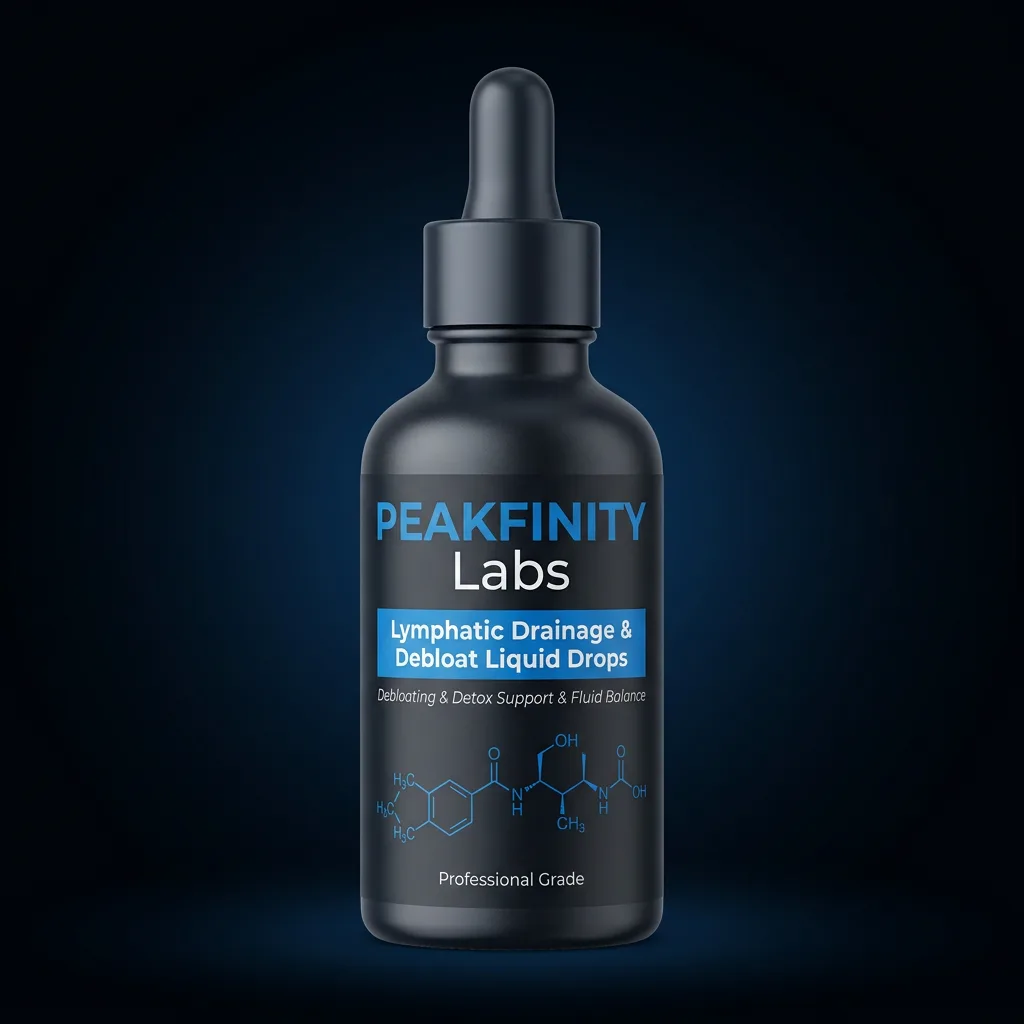
Lymphatic Drainage & Debloat Liquid Drops
Gut Health · Liquid
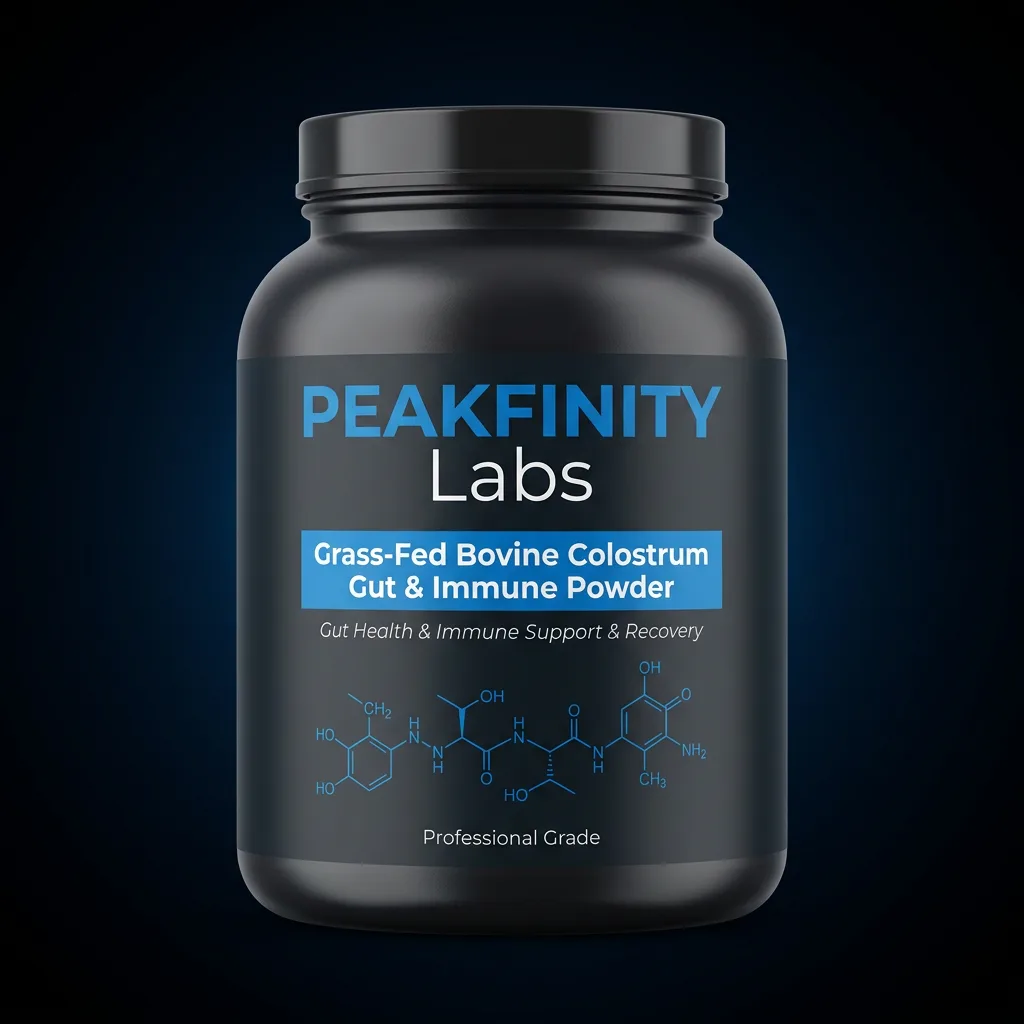
Grass-Fed Bovine Colostrum Gut & Immune Powder
Gut Health · Powder
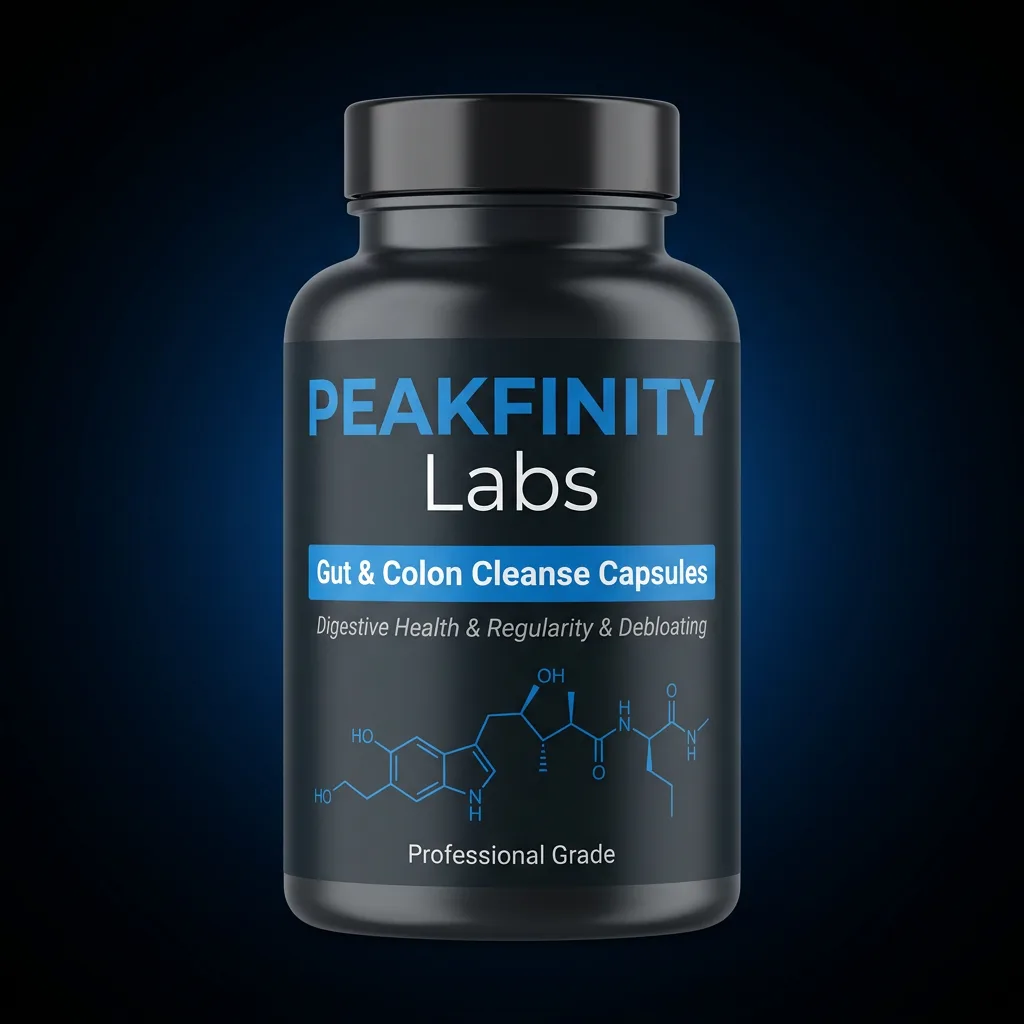
Gut & Colon Cleanse Capsules
Gut Health · Capsules
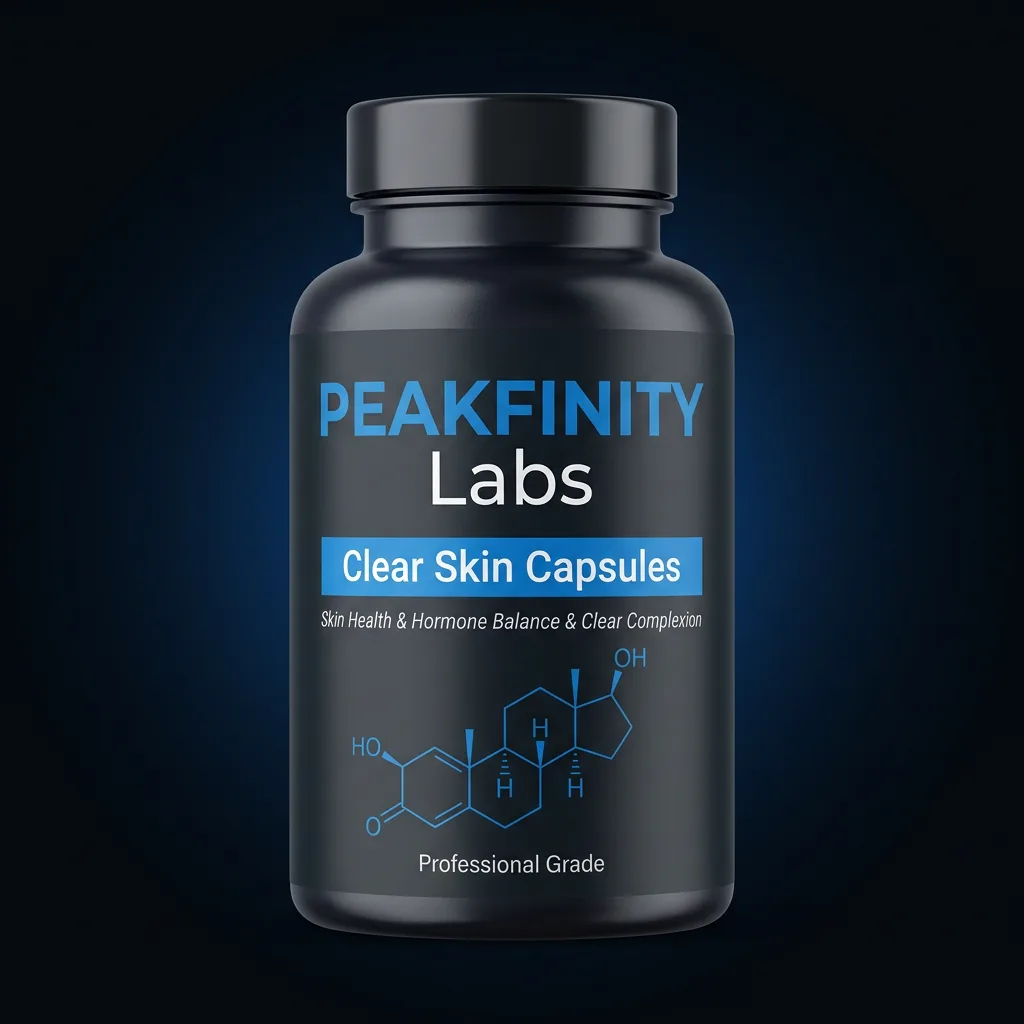
Clear Skin Capsules
Beauty Supps · Capsules

Tushar
Licensed Pharmacist and COO @ Peakfinity Labs
Written by the Peakfinity Labs R&D Team — 46+ years of supplement formulation expertise. Our team of formulation chemists, manufacturing specialists, and regulatory experts has helped thousands of eCommerce brands bring their products to market successfully since 1980.
Related Articles

How to Find an ISO 17025-Accredited Supplement Testing Lab, and What Founders Should Ask For
How to verify a lab's ISO/IEC 17025 scope actually covers your test, the questions to ask before shipping samples, and a testing plan built for ecommerce timelines.
Supplement Manufacturing Lead Times and Reorders: What Founders Should Expect Before and After Launch
The five workstreams hiding inside "lead time," why reorders move faster than first runs, and the ramp plan that survives a demand spike.
How to Vet a cGMP Supplement Manufacturer With Documented Audit History
The document pack, audit-history call script, and scoring rubric that separate real cGMP quality systems from certificate PDFs.