Greens Powder Manufacturing Guide: Ingredients, Flavor & Launch Strategy
How to formulate, manufacture, and launch a superfood greens powder brand with optimized taste and GMP-certified production
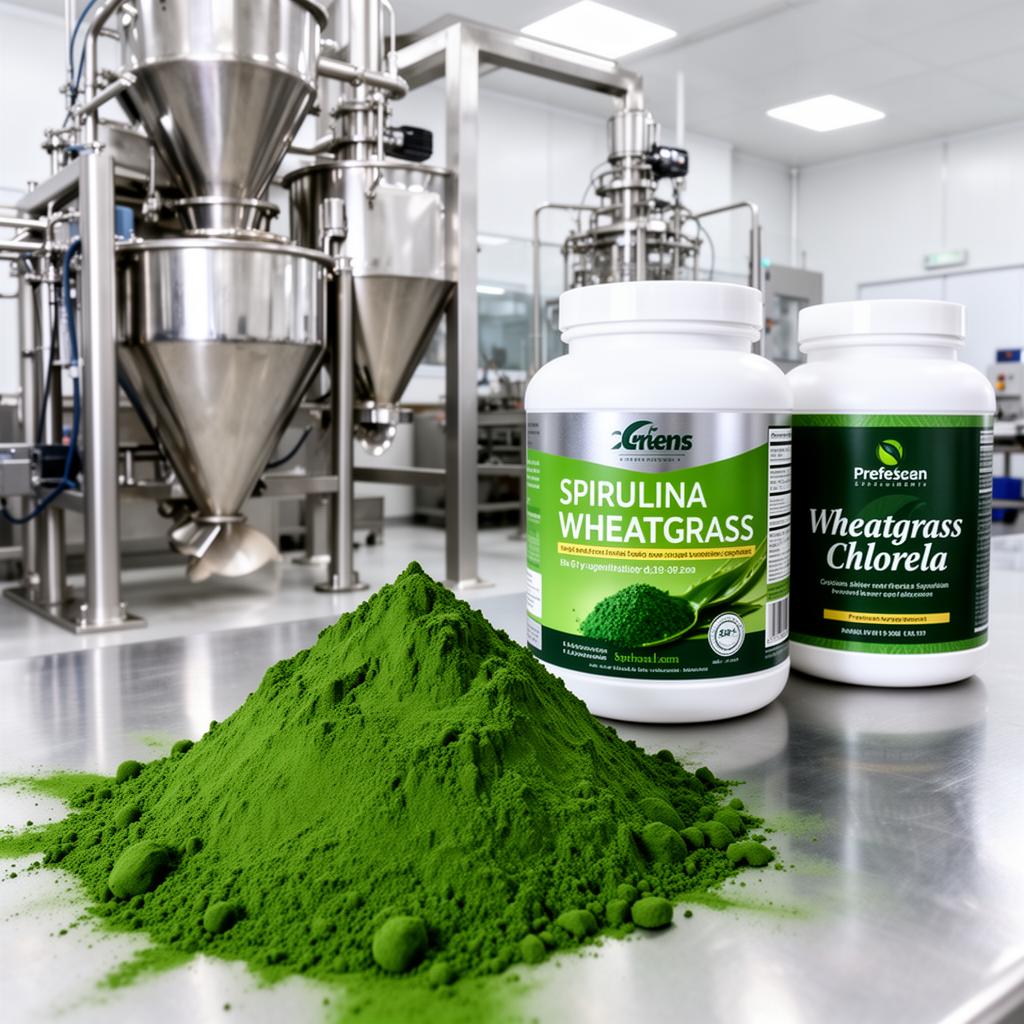
- 1Greens powders are a $1.5+ billion category growing 12–15% annually, driven by convenience and wellness trends
- 2Core ingredient categories include leafy greens, algae (spirulina, chlorella), adaptogens, probiotics, and digestive enzymes
- 3Flavor masking is the #1 formulation challenge — invest in natural flavoring systems to overcome the earthy taste barrier
- 4Powder format dominates but single-serve stick packs are the fastest-growing packaging format for greens
- 5Low MOQ runs of 2,000 units let you validate your blend and flavor profile before scaling production
Why Greens Powders Are Dominating Supplement Sales
Greens powders have evolved from a niche health-enthusiast product into one of the most commercially successful supplement categories in 2026. The category's explosive growth is driven by a simple consumer insight: most people know they should eat more vegetables but don't. A daily scoop of greens powder offers a convenient, guilt-reducing solution that fits into busy lifestyles.
For supplement brand founders, greens powders offer exceptional business fundamentals: high repeat purchase rates (daily use), premium pricing ($40–$80 per tub), strong social media virality (the green color photographs well), and natural subscription model fit. But the category also presents unique manufacturing challenges—particularly around flavor, ingredient sourcing, and heavy metal testing—that this guide addresses in detail. Whether you're formulating your first blend or optimizing an existing product, understanding the powder manufacturing process is essential.
Greens Powder Market in 2026
The global greens supplement market exceeded $1.5 billion in 2025 and is growing at 12–15% annually. AG1 (Athletic Greens) pioneered the premium daily greens category, but the market has room for many brands targeting specific niches:
| Market Segment | Target Consumer | Price Point | Growth Rate |
|---|---|---|---|
| Premium All-in-One | Health-optimizers, biohackers | $70–$100/month | 15–18% CAGR |
| Value Greens Blend | Budget-conscious health seekers | $25–$40/month | 10–12% CAGR |
| Organic/Clean Greens | Clean-label, organic-focused consumers | $45–$65/month | 12–15% CAGR |
| Sport/Performance Greens | Athletes, gym-goers | $35–$55/month | 8–10% CAGR |
| Gut Health Greens | Digestive wellness seekers | $40–$60/month | 14–16% CAGR |
Positioning Opportunity
Core Ingredients & Blend Architecture
A well-formulated greens powder typically includes ingredients from 5–7 functional categories. Here's the architecture most successful greens blends follow:
| Category | Common Ingredients | Purpose | Typical Dose/Serving |
|---|---|---|---|
| Leafy Greens | Spinach, kale, broccoli sprout | Micronutrient density, fiber | 500–2,000 mg |
| Grasses | Wheatgrass, barley grass, oat grass | Chlorophyll, alkalizing | 300–1,000 mg |
| Algae | Spirulina, chlorella | Protein, B12, chlorophyll, detox | 500–2,000 mg |
| Adaptogens | Ashwagandha, rhodiola, holy basil | Stress support, energy | 100–600 mg |
| Digestive Support | Probiotics (1–5B CFU), digestive enzymes | Gut health, nutrient absorption | Varies |
| Antioxidant Fruits | Acai, goji, blueberry, pomegranate | Antioxidants, flavor improvement | 200–800 mg |
| Fiber & Prebiotics | Inulin, acacia fiber, FOS | Gut microbiome support | 500–2,000 mg |
The most critical sourcing decision is algae quality. Spirulina and chlorella can accumulate heavy metals (lead, arsenic, cadmium) if grown in contaminated water sources. Insist on COAs showing heavy metal testing for every batch of algae ingredients. Your supplement manufacturer should have established relationships with vetted algae suppliers.
Formulation & Flavor Strategy
Flavor is the make-or-break factor for greens powders. The most nutritionally complete formula in the world will fail if consumers can't tolerate the taste. Here's how to approach flavor development:
- Natural sweeteners: Stevia (rebaudioside A) and monk fruit extract are the standard choices. Use a blend of both to minimize stevia's bitter aftertaste
- Flavor systems: Citrus (lemon-lime), tropical (mango-pineapple), and berry (mixed berry) are the top-performing flavor profiles for greens
- Masking strategy: Increase fruit powder ratio to offset earthy/grassy flavors. Citric acid brightens the overall flavor profile
- Texture optimization: Fine-milled powders dissolve better. Include a small amount of lecithin or gum acacia for improved mixability
- Iteration process: Plan for 3–5 flavor iterations with your manufacturer's R&D team. Don't rush this step—taste drives repeat purchases
Flavor Tip
For brands targeting the organic market, ensure all flavoring components are certified organic. This adds 10–15% to ingredient costs but is essential for USDA Organic certification on your finished product. Review our formats guide for more on powder format optimization.
Manufacturing Process for Greens Powders
Greens powder manufacturing follows a specific workflow that differs from capsule or tablet production:
- Ingredient receiving & testing: Each raw ingredient is identity-tested, potency-verified, and screened for heavy metals and microbial contamination
- Pre-blending: Ingredients are grouped by density and particle size. Heavy/dense ingredients are pre-blended separately from light/fluffy ones to ensure uniform distribution
- Primary blending: All ingredients are combined in a ribbon blender or V-blender. Blending time is carefully controlled—too short causes inconsistency, too long causes ingredient degradation
- Flavor integration: Natural flavors and sweeteners are added during a secondary blending stage. This ensures even flavor distribution without over-mixing the base ingredients
- Quality testing: Blended powder is tested for potency, uniformity, microbial counts, and heavy metals before packaging clearance
- Filling & packaging: Powder is filled into tubs, pouches, or stick packs using volumetric or auger fillers. Moisture-barrier packaging is essential to maintain freshness
- Final QC & release: Finished product undergoes weight verification, label accuracy check, and retention sample storage
Compliance & Label Claims for Greens Powders
- Permitted claims: "Supports daily nutrition," "provides antioxidant support," "supports digestive health," "convenient source of greens"
- Prohibited claims: "Detoxifies your body," "replaces vegetables," "cures nutrient deficiencies"
- Organic certification: If claiming "organic," at least 95% of ingredients must be USDA Organic certified. "Made with organic ingredients" requires 70%+
- Prop 65 California: Greens powders with algae, cocoa, or certain botanicals may require Prop 65 lead/cadmium warnings. Test proactively
- Probiotic claims: If including probiotics, specify the strain(s) and CFU count at time of manufacture AND at expiration. Stability testing is required
Greens Powder Manufacturing Cost Breakdown
| Cost Category | Basic Greens Blend | Premium Multi-Category | Organic Certified |
|---|---|---|---|
| Raw materials | $2,500–$4,000 | $4,500–$7,500 | $6,000–$10,000 |
| Blending & production | $800–$1,200 | $1,000–$1,800 | $1,200–$2,000 |
| Flavoring system | $400–$800 | $600–$1,200 | $800–$1,500 |
| Testing (identity, potency, metals, micro) | $600–$1,000 | $1,000–$1,800 | $1,200–$2,200 |
| Packaging (tubs + labels) | $800–$1,200 | $1,000–$1,500 | $1,200–$1,800 |
| Total (2,000 units) | $5,100–$8,200 | $8,100–$13,800 | $10,400–$17,500 |
| Per-unit cost | $2.04–$3.28 | $3.24–$5.52 | $4.16–$7.00 |
Greens powders command premium retail pricing—$40–$80 for a 30-serving tub, with stick packs reaching $2–$3 per single serving. This supports strong margins even with higher ingredient costs. For complete cost comparisons across categories, see our manufacturing cost guide.
Choosing a Greens Powder Manufacturer
- Powder blending expertise: Not all supplement manufacturers specialize in powder products. Ensure they have ribbon blenders, proper dust collection, and experience with multi-ingredient blends
- Flavor development capability: In-house flavor R&D is a major advantage. Ask about their flavor iteration process and timeline
- Heavy metal testing: Full panel heavy metal testing (lead, arsenic, cadmium, mercury) should be standard for every greens batch, not an add-on
- Organic certification: If targeting the organic market, your manufacturer's facility must be USDA Organic certified
- Stick pack capability: If you plan to offer single-serve stick packs, confirm your manufacturer has stick pack filling equipment
- Low MOQ flexibility: Start with 2,000 tubs to validate your flavor and market positioning before committing to larger runs
Launch Strategy for Greens Powder Brands
- Define your niche: Don't try to be AG1. Target a specific audience: women's greens, keto greens, gut health greens, athlete greens, or budget-friendly greens
- Perfect your flavor first: Run 3–5 flavor iterations and consumer taste tests before committing to your production run. Flavor drives reviews and repeat purchases
- Start with tub format: A 2,000-unit initial run in 30-serving tubs. Add stick packs as your second SKU once demand is validated
- Build a content engine: Greens powder consumers research heavily. Create ingredient explainers, taste comparison content, and "what I noticed after 30 days" style content
- Launch on subscription: Offer 20% off for monthly subscription. Greens powders have the highest subscription conversion rate (35–45%) of any supplement category
- Leverage TikTok and YouTube: "Morning routine" content featuring greens powders drives massive organic reach. Partner with wellness micro-influencers for authentic product placement
Frequently Asked Questions
What ingredients should be in a greens powder supplement?
A comprehensive greens powder typically includes leafy greens (spinach, kale, wheatgrass), algae (spirulina, chlorella), grasses (barley grass, oat grass), adaptogens (ashwagandha, rhodiola), digestive support (probiotics, digestive enzymes), and antioxidant fruits (acai, goji, blueberry). The best formulas balance nutrient density with palatability.
How much does it cost to manufacture a greens powder?
Greens powder manufacturing costs $6,000–$18,000 for an initial 2,000-unit run depending on ingredient complexity, organic certification, and packaging format. Single-serve stick packs cost more per unit than tub format but command higher retail prices. Per-unit costs typically range from $2.40–$7.20.
How do you make greens powder taste good?
Flavor masking is achieved through natural sweeteners (stevia, monk fruit), citrus or berry flavoring systems, and ingredient ratios that minimize bitter compounds. Professional flavor development with your manufacturer's R&D team typically requires 2–4 iterations to achieve an enjoyable taste profile.
What certifications matter for greens powder supplements?
GMP certification is mandatory. USDA Organic certification significantly increases marketability and justifies premium pricing. Non-GMO Project Verified, vegan certification, and third-party heavy metal testing (especially for algae ingredients) add consumer trust and marketplace compliance.
What is the minimum order quantity for greens powder?
Most GMP-certified manufacturers offer MOQs of 2,000 units for greens powders in tub format. Stick pack formats may require slightly higher minimums due to packaging line setup. Starting with low MOQ allows you to test your flavor profile and market positioning.
Should I sell greens powder in tubs or stick packs?
Tubs (30-serving) are the standard format and offer better per-serving economics. Single-serve stick packs are growing fastest, command premium pricing ($2–$3 per pack), and are ideal for trial/sampling, travel, and subscription box inclusions. Many brands launch with tubs and add stick packs as a second SKU.
Ready-to-Launch Formulations in This Category
Stock-ready formulations you can private label with your own branding — 2,000 unit MOQ.
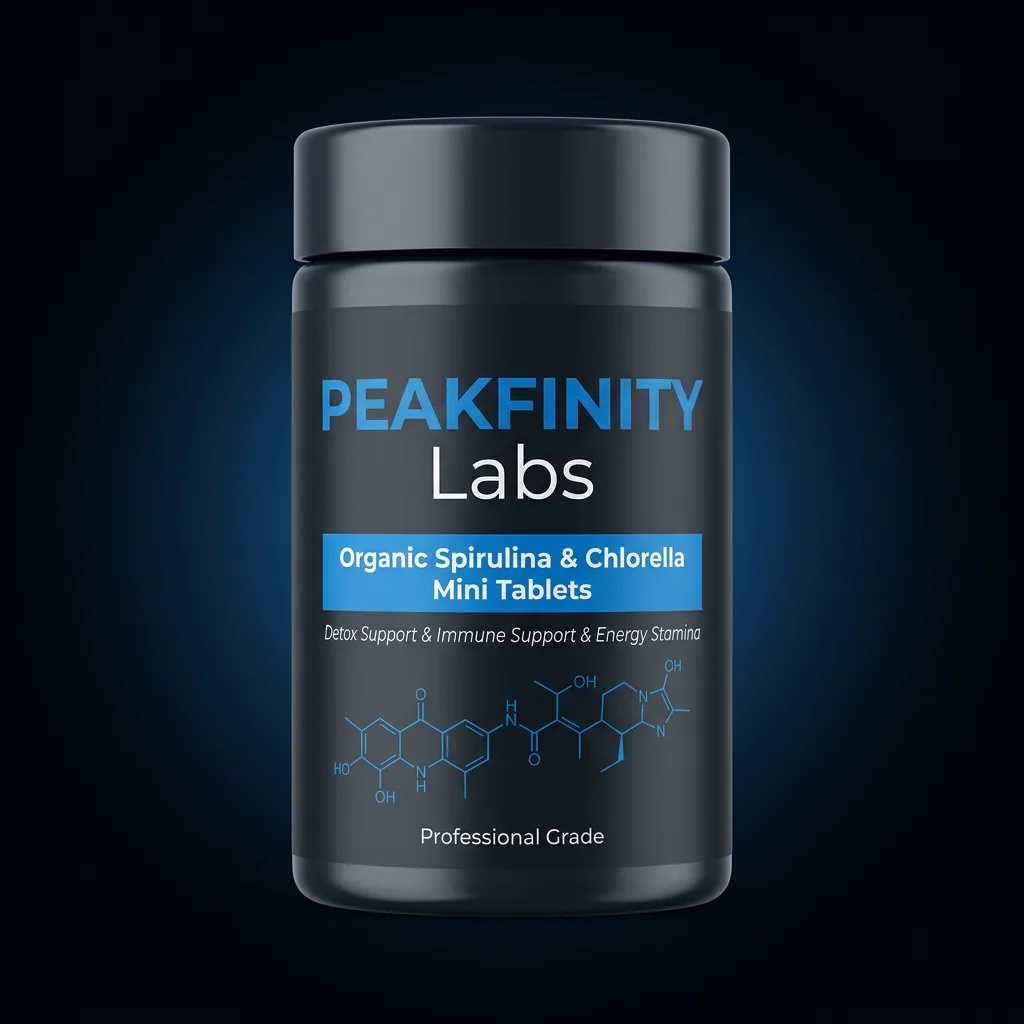
Organic Spirulina & Chlorella Mini Tablets
General Wellness · Tablets
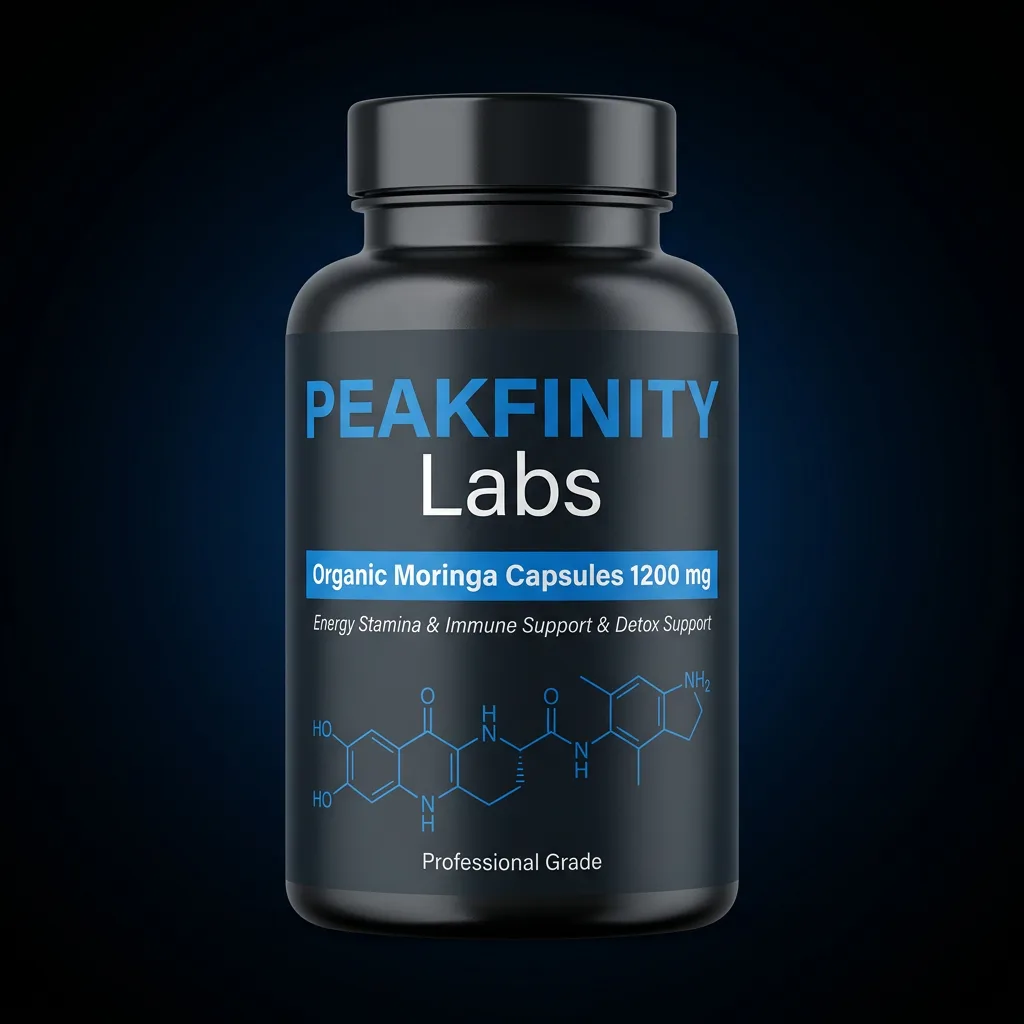
Organic Moringa Capsules 1200 mg
General Wellness · Capsules
Organic Super Greens Gummies with Plant-Based B-Vitamins
Immunity · Gummies
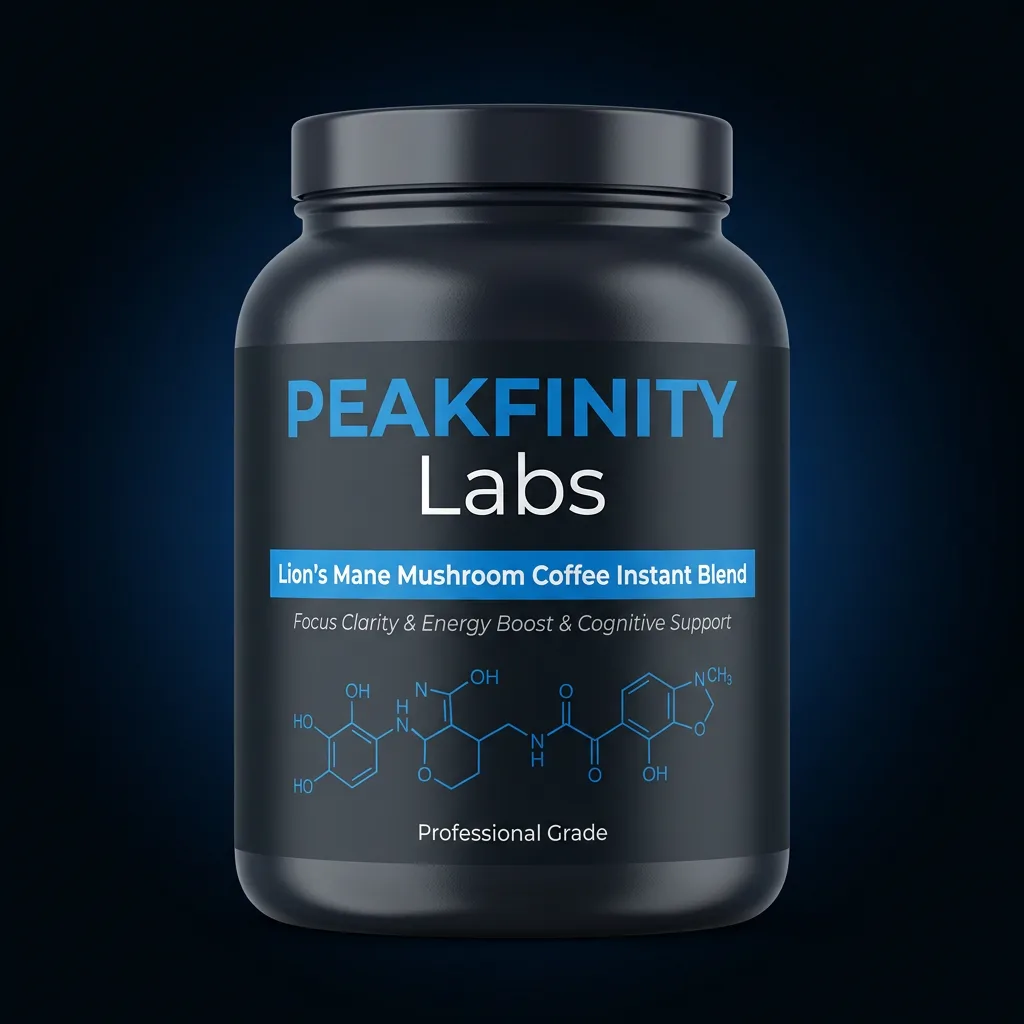
Lion's Mane Mushroom Coffee Instant Blend
Energy Focus · Powder

Tushar
Licensed Pharmacist and COO @ Peakfinity Labs
Written by the Peakfinity Labs R&D Team — 46+ years of supplement formulation expertise. Our team of formulation chemists, manufacturing specialists, and regulatory experts has helped thousands of eCommerce brands bring their products to market successfully since 1980.
Related Articles

How to Find an ISO 17025-Accredited Supplement Testing Lab, and What Founders Should Ask For
How to verify a lab's ISO/IEC 17025 scope actually covers your test, the questions to ask before shipping samples, and a testing plan built for ecommerce timelines.
Supplement Manufacturing Lead Times and Reorders: What Founders Should Expect Before and After Launch
The five workstreams hiding inside "lead time," why reorders move faster than first runs, and the ramp plan that survives a demand spike.
How to Vet a cGMP Supplement Manufacturer With Documented Audit History
The document pack, audit-history call script, and scoring rubric that separate real cGMP quality systems from certificate PDFs.