Supplement Formats Guide: What Customers Prefer in 2026
We tested 10 formats and narrowed to 4 top picks for conversion, bioavailability, margins, and TikTok success—plus quick launch steps for new brands.
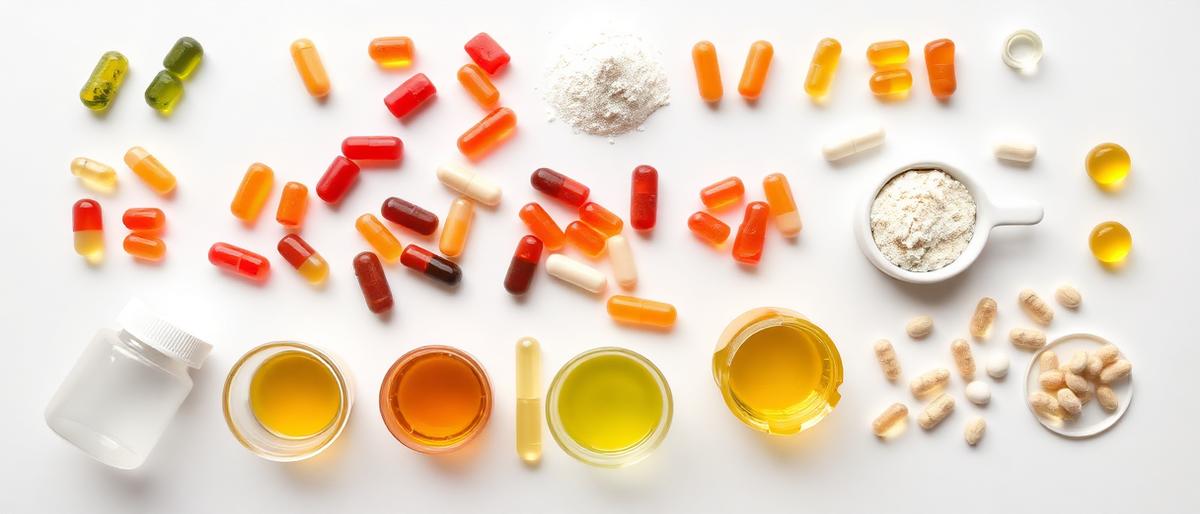
- 1Capsules win for serious daily positioning, tight formulas, and the most predictable D2C margins
- 2Gummies and stick packs lead on TikTok and taste-driven experience but add manufacturing complexity
- 3Format choice controls bioavailability, dose ceiling, shipping cost, and return rates—not just customer preference
- 4Start with the format that matches your edge: dose precision → capsules/powders; delight → gummies/stick packs
- 5Run a low-MOQ test batch in one hero format before expanding into line extensions
Introduction
Supplement buyers in 2026 are not just comparing ingredients. They judge the format first: "Will I actually take this every day?" "Will it work fast?" "Does it fit my routine?" That decision drives your conversion rate, repeat rate, and how well the product performs on TikTok and paid ads.
Formats also control your cost structure. A capsule can be simple to launch with a low MOQ and a fast turnaround, while gummies can win on taste and shareability but add more variables that can break consistency if you rush the wrong formula. Powders can carry high doses, yet the wrong flavor system can sink retention in the first week.
This guide is written for brand owners who want a clear recommendation, not a list of "it depends." We'll cover what customers prefer right now, how format changes bioavailability and dosing, which formats are easiest to manufacture for a new brand, and where margins usually land. You'll also get format picks by category (sleep, nootropics, beauty, prenatal, immune, weight loss, and pet) plus a practical "where to start" plan built for rapid scale.
What customers prefer in 2026 (the honest answer)
Customer preference splits into two camps: habit and experience. Habit buyers want the most reliable daily dose with minimal calories and minimal taste risk. Experience buyers want something they can feel, taste, or show.
In 2026, the best-selling experiences are still gummies, stick packs, and ready-to-mix powders because they film well and reduce "pill fatigue." But the best-selling habits are still capsules and softgels because they're consistent, compact, and easier to keep compliant across lots.
- Capsules win for "serious" positioning, tight formulas, and clean daily routines.
- Gummies win for taste, gifting, and TikTok-friendly demos.
- Stick packs / powders win when dose matters (electrolytes, greens, creatine, collagen) and when you want a "morning ritual."
- Liquids and shots win for fast onset stories, but stability and shipping costs punish weak ops.
Peakfinity Labs perspective
Supplement formats at a glance (preference, bioavailability, and ops risk)
| Format | Why customers buy it | Bioavailability notes | Best for | Mfg risk level |
|---|---|---|---|---|
| Capsules (HPMC or gelatin) | Simple daily habit, clean label feel | Depends on ingredient form; fast disintegration helps | Nootropics, sleep, immune blends, many botanicals | Low |
| Tablets | Low cost per dose, familiar "vitamin" look | Compression can slow disintegration if over-hard | Basic multis, minerals, high-volume SKUs | Medium |
| Softgels | "Premium," easy swallow, great for oils | Excellent for fat-soluble actives (with oil base) | Omega-3, CoQ10, D3/K2, lipid actives | Medium |
| Gummies | Taste + shareability; reduces pill fatigue | Good for certain actives; dose is limited by base | Beauty, sleep (low-dose), immune (low-dose) | High |
| Powders (tubs) | High dose; "ritual" use; value perception | Fast availability; depends on solubility and form | Collagen, creatine, greens, fiber, electrolytes | Medium |
| Stick packs | Portability; TikTok-friendly; single-serve | Same as powder; dosing is controlled | Energy, hydration, sleep powders, beauty drinks | Medium-High |
| Liquids / shots | "Works fast" perception; strong sensory cue | Fast onset for some actives; stability matters | Energy, some nootropics, certain botanicals | High |
| Chews (incl. pet) | Treat-like compliance; easy daily use | Depends on matrix; can be good if dose fits | Pet joint/skin, human daily basics | High |
How format affects supplement bioavailability (what actually changes)
Bioavailability is not "capsules vs gummies." It's active form + dose + release + what you take it with. Format matters because it changes disintegration, dissolution, and whether the active is protected or degraded before absorption.
1) Disintegration and dissolution
Capsules typically disintegrate quickly, which can help actives become available sooner. Tablets can vary a lot because compression force and binders affect how fast they break down. If you've ever seen a tablet "ghost" in the toilet, that's a disintegration problem, not a marketing problem.
2) Fat-soluble vs water-soluble actives
Fat-soluble nutrients (like vitamin D and some carotenoids) often perform better when delivered in an oil base, which is why softgels can be a strong choice. Water-soluble actives may do fine in capsules, powders, or gummies if the dose and stability are right.
3) Stability under heat, moisture, and acids
Gummies and liquids force you to solve stability early. Heat during processing, water activity, and pH can degrade sensitive actives. That's why some "kitchen sink" formulas look great on a label but fail potency testing later if the format is wrong.
If you need to reference official testing and quality expectations, the FDA's overview of dietary supplement CGMP requirements is a good starting point: FDA CGMP for dietary supplements.
4) Dose ceiling (the hidden limiter)
Some formats simply can't carry the dose customers expect. A good example is magnesium: many people want 200–400 mg elemental magnesium daily. Getting there in gummies often means too many pieces, too much sugar alcohol, or texture issues. Capsules or powders usually win when the dose is non-negotiable.
What format is easiest to manufacture for a new brand?
If speed, low MOQ, and low surprises matter, start with capsules. They're the most forgiving format for stability, they ship well, and they allow clean D2C ready packaging without overcomplicating your supply chain. (If you want a manufacturing-specific breakdown, see capsule manufacturing.)
Powders are a close second if your concept needs a higher dose or a ritual. But powders add flavor work, clumping control, and scoop consistency. If your formula tastes even slightly "off," your review section will tell the truth fast. For ops details, compare with powder manufacturing.
Gummies are the hardest "first product" for most new brands. They can absolutely scale, but they need more upfront testing, tighter QC, and more thoughtful claims. When brands switch manufacturers midstream on gummies, we see the most anxiety around texture shifts, sweat/stickiness, and potency drift. (Related: gummy manufacturing.)
Which supplement format has the highest margins?
Margins depend on COGS, shipping, return rates, and your ability to defend price. The contrarian truth: the "highest margin format" on paper can lose money after shipping and refunds.
| Format | Typical margin potential | What boosts margin | What kills margin |
|---|---|---|---|
| Capsules | High | Low freight cost, low breakage, easy subscriptions | Commodity positioning, too-similar formulas |
| Gummies | Medium-High | High perceived value, strong retention if taste is great | Heat damage in transit, texture complaints, higher COGS |
| Powders (tubs) | Medium | Large servings, strong routine, bundles | High shipping weight, flavor churn, scoop issues |
| Stick packs | Medium-High | Portability premium, sampling, influencer content | Packaging costs, line complexity, more components |
| Liquids/shots | Variable | High price per serving if the story is strong | Freight, leakage, short shelf life, returns |
Verdict: For most D2C brands, capsules deliver the most predictable margin because they keep shipping and breakage low while supporting fast turnaround and low MOQ test runs. Gummies can out-earn capsules when the taste is dialed and your logistics are heat-aware.
What format sells best on TikTok in 2026?
TikTok sells visible behavior. The best formats for that are the ones you can film in 3 seconds and understand with no explanation.
- Gummies: the "try one" moment is instantly clear.
- Stick packs: tear, pour, shake, sip. Easy demo.
- Powders: color change, foam, mixability, "morning routine" content.
Capsules still sell on TikTok, but they need a sharper hook: a clear benefit window, a founder story, or a strong "stack" angle. If you rely on capsules for TikTok growth, plan for education creatives and UGC that shows consistency over 7–14 days. For a deeper strategy breakdown, see the TikTok supplement brand guide.
Trending supplement formats in 2026 (what's growing and why)
- Single-serve stick packs for hydration, beauty drinks, and sleep powders. Customers want portability and controlled dosing.
- Low-sugar gummies with tighter positioning (fewer actives, clearer promise). Shoppers are reading sugar numbers more closely.
- "Clean capsule" daily stacks (2–4 capsule serving) built for subscriptions and routine compliance.
- Pet chews that mirror human trends (calming, skin/coat, joints) because pet parents buy like D2C customers now.
Operational note from our manufacturing floor
Format recommendations by supplement category (with clear picks)
Weight loss: best delivery format
Best pick: capsules for most weight management formulas. They handle multi-ingredient blends well, keep calories at zero, and avoid flavor systems that can create compliance issues or returns.
When to pick powders: if your angle is satiety (fiber) or meal replacement adjacency, powders can work, but taste and texture must be excellent. Plan extra R&D time for flavor and mouthfeel.
Immune: what delivery format works best
Best pick: capsules for immune blends with botanicals, zinc, and targeted actives. Customers accept capsules as "serious immune support," and you can keep the formula tight and compliant.
Runner-up: gummies for low-dose, daily "maintenance" immune SKUs, especially when taste is your differentiator.
Prenatal: what delivery format works best
Best pick: capsules or tablets, with a strong bias toward capsules if you want faster iteration and fewer swallow complaints. Prenatal buyers tolerate a larger serving size because they prioritize complete dosing.
Key constraint: iron and certain minerals are hard to fit into gummies without taste issues and dose limits. If you want gummies, position them as a prenatal support product, not a full prenatal replacement, and keep claims compliant.
Nootropics: what delivery format works best
Best pick: capsules. Nootropic customers care about dose precision, clean stacks, and avoiding sugar. Capsules also make it easier to adjust the formula after the first 500–2,000 unit test run without rewriting the whole sensory experience.
When stick packs win: if your nootropic includes caffeine/tea actives and your brand is built around a "focus drink" ritual. Expect more work on flavor and clumping control.
Sleep: what delivery format sells best
Best pick: gummies for mass market sleep because taste and bedtime ritual drive repeat use. That said, keep doses realistic for the format and avoid overstuffed labels.
Best pick for premium sleep stacks: capsules. If your sleep formula includes multiple actives with meaningful doses, capsules reduce the risk of underdosing or taste complaints.
Beauty supplements: gummies or capsules?
Best pick: gummies when your promise is "beauty you can taste" and your hero ingredients fit the dose ceiling (example: biotin-focused or low-dose blends). Gummies also film well for GRWM content.
Best pick: capsules when collagen, ceramides, or higher-dose actives drive the result. Many beauty customers will take capsules if you position them as a "clinic-grade daily." If collagen is central to your concept, reference collagen supplement manufacturing for dose and format considerations.
Pet supplements: chews or powders?
Best pick: chews for daily compliance. Pet parents will pay for a treat-like format if it reduces the fight at feeding time.
When powders win: if your customer base already uses toppers or raw feeding routines. Powders can carry higher doses, but palatability is everything.
Where to start (fast, low-risk, built for rapid scale)
If you're launching your first SKU or switching manufacturers without breaking your supply continuity, use this sequence. It's designed around low MOQ, fast turnaround, and fewer hidden costs.
- Pick the format that matches your edge. Dose-driven concepts start with capsules or powders. Delight-driven concepts start with gummies or stick packs.
- Build a "minimum lovable formula." Fewer actives, better doses, clearer promise. This also lowers instability risk.
- Choose packaging that is D2C ready. Think label durability, unboxing, and subscription storage. Don't pick a bottle that looks great but scuffs in transit. (More ideas: supplement packaging and label design tips.)
- Plan for a test run, then rapid scale. A low MOQ batch should answer one question: "Will customers reorder?" Then scale the winning SKU fast.
- Lock your quality system. GMP & ISO certified facilities matter, but your spec sheet and QC plan matter just as much for consistency across lots.
Peakfinity Labs approach
Switching formats or manufacturers without surprises (addressing the real anxieties)
Most brands don't fear the first batch. They fear the second and third batch being different. Consistency problems usually come from one of these gaps:
- Specs aren't tight enough. If you don't define granulation, moisture, hardness (tablets), or gummy texture targets, the product can drift.
- Packaging changes the product. Powders and gummies react to humidity. Barrier films and desiccants are not optional details.
- Hidden line items. Tooling, flavor matching, extra QC, third-party testing, or rush freight can surprise you if it's not scoped early.
If you're switching manufacturers, ask for a documented plan to protect supply continuity: overlapping production windows, raw material lead time checks, and a clear definition of "match" (taste, color, potency, texture). That's how you keep your ad calendar intact.
Frequently Asked Questions
What supplement format do customers prefer in 2026?
Customer preference matters because it drives daily compliance, reviews, and repeat orders more than most brands expect. In 2026, customers most often prefer capsules for "serious daily" supplements and gummies or stick packs for products that need taste, routine, and shareability. A practical way to choose is to decide whether your product wins on dose precision (capsules/powders) or on experience and habit-building (gummies/stick packs).
How does supplement format affect bioavailability?
This matters because the same ingredient can perform differently depending on how fast it releases and how stable it stays through shelf life. Supplement format affects bioavailability mainly by changing disintegration/dissolution, protecting sensitive actives from moisture/heat, and improving delivery for fat-soluble ingredients via oil-based softgels. If you're unsure, start by matching the format to the ingredient's chemistry (oil-based softgels for fat-soluble actives, capsules/powders for many water-soluble blends) and confirm with stability and potency testing.
What's the easiest supplement format to manufacture for a new brand?
This question matters because early manufacturing mistakes create delays, surprise costs, and inconsistent product that hurts reviews. Capsules are usually the easiest format to manufacture for a new brand because they're stable, ship well, and allow fast turnaround with low MOQ test runs. If your concept needs a high dose or a drink-style ritual, powders are a strong second choice but require extra work on flavor, mixability, and clumping control.
Which supplement format typically has the highest margins?
This matters because "margin" is not just COGS; it includes shipping, breakage, returns, and how well you can hold price. Capsules often deliver the most predictable high margins for D2C because they're light to ship, have low damage rates, and support subscriptions with consistent dosing. Gummies can reach high margins too, but only when taste and heat-stability are dialed in so you don't lose profit to transit issues and refund-heavy reviews.
What supplement format sells best on TikTok?
This matters because TikTok rewards products that show a clear "moment" on camera in under a few seconds. Gummies and stick packs tend to sell best on TikTok because they're instantly understandable and easy to demonstrate (eat, tear, pour, mix). Capsules can still win, but you usually need stronger education creatives and a visible routine story that shows consistent use over 7–14 days.
Ready-to-Launch Formulations in This Category
Stock-ready formulations you can private label with your own branding — 2,000 unit MOQ.
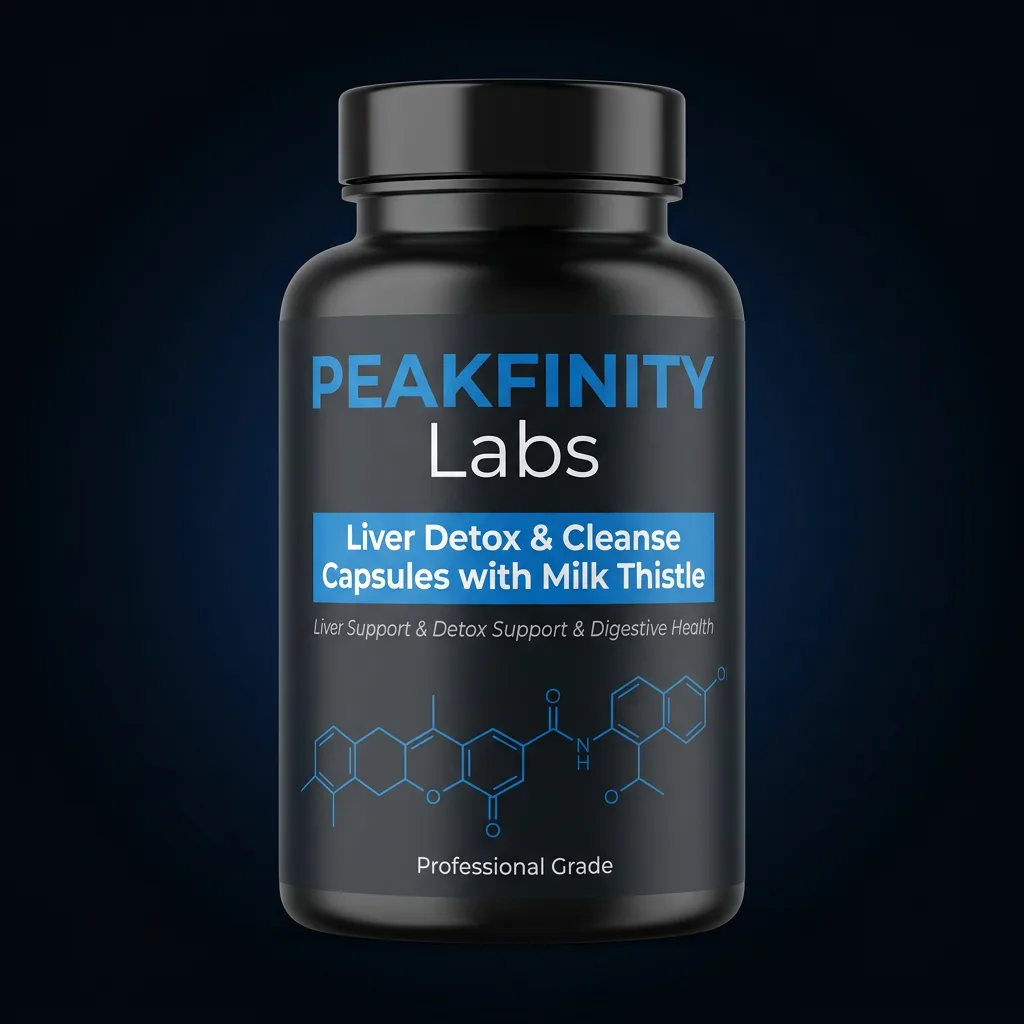
Liver Detox & Cleanse Capsules with Milk Thistle
Gut Health · Capsules
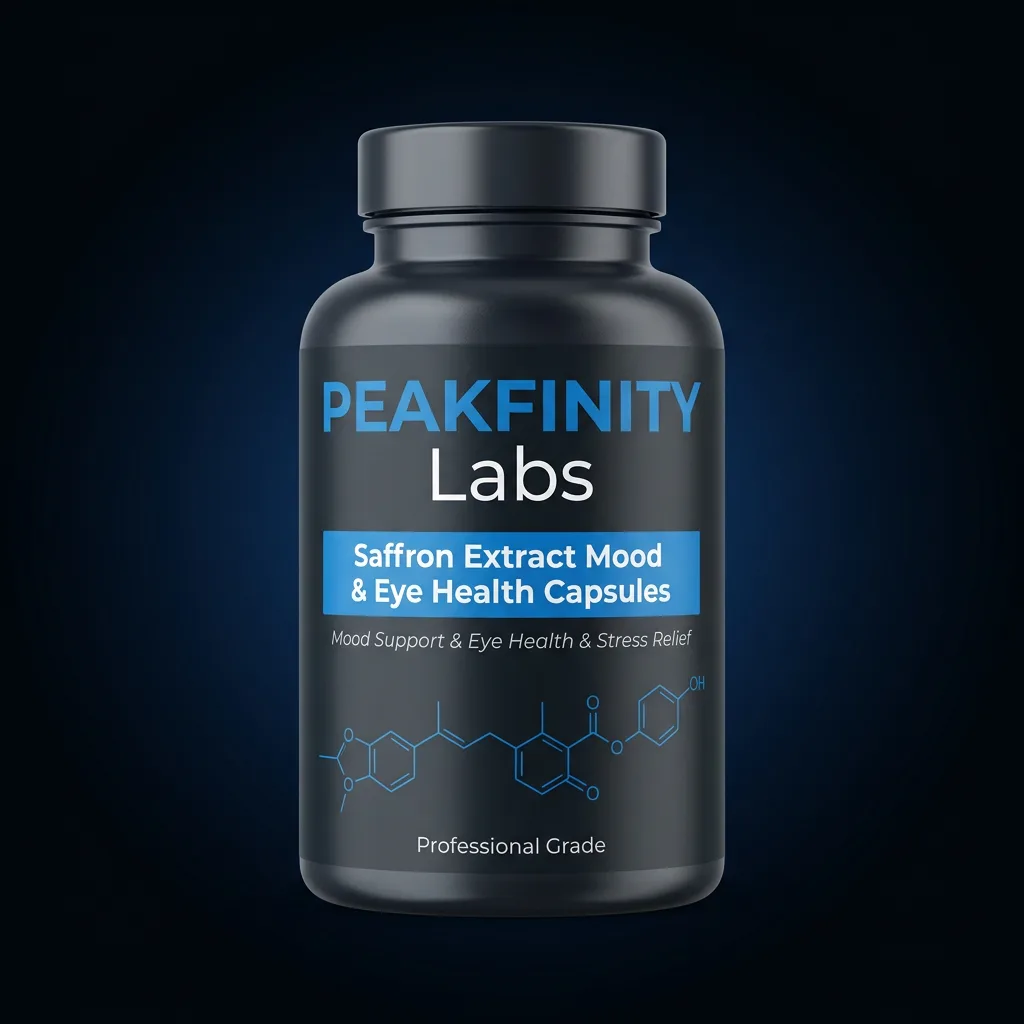
Saffron Extract Mood & Eye Health Capsules
Stress Mood · Capsules
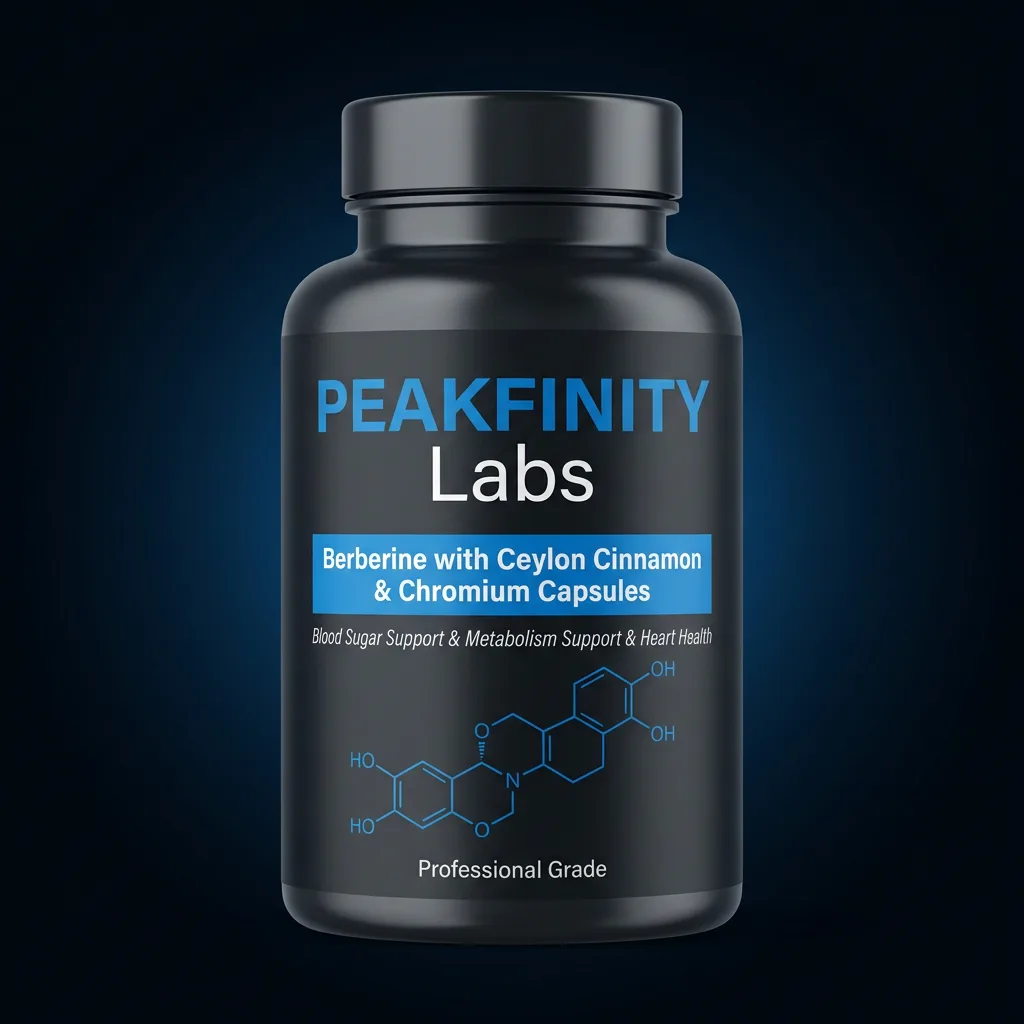
Berberine with Ceylon Cinnamon & Chromium Capsules
Weight Management · Capsules
Red Yeast Rice with Nattokinase & CoQ10 Capsules
Heart Health · Capsules
Conclusion: pick the format that matches your edge, then scale it fast
If you want the safest path to a compliant launch with predictable margins, start with capsules. If you need a viral-friendly experience, gummies or stick packs can win, but only if you treat stability, packaging, and QC as part of the product.
Your next step is simple: define your hero claim, confirm the dose you need to make that claim believable, then pick the format that can deliver that dose consistently through shelf life. From there, run a low-MOQ test batch, watch reorder data, and move into rapid scale with the same specs and the same quality checks.

Tushar
Licensed Pharmacist and COO @ Peakfinity Labs
Written by the Peakfinity Labs R&D Team — 46+ years of supplement formulation expertise. Our team of formulation chemists, manufacturing specialists, and regulatory experts has helped thousands of eCommerce brands bring their products to market successfully since 1980.
Related Articles

How to Find an ISO 17025-Accredited Supplement Testing Lab, and What Founders Should Ask For
How to verify a lab's ISO/IEC 17025 scope actually covers your test, the questions to ask before shipping samples, and a testing plan built for ecommerce timelines.
Supplement Manufacturing Lead Times and Reorders: What Founders Should Expect Before and After Launch
The five workstreams hiding inside "lead time," why reorders move faster than first runs, and the ramp plan that survives a demand spike.

How to Vet a cGMP Supplement Manufacturer With Documented Audit History
The document pack, audit-history call script, and scoring rubric that separate real cGMP quality systems from certificate PDFs.