How to Start a Sleep Supplement Brand: Step-by-Step
Sleep is one of the few supplement categories where customers don't just 'try it.' They buy, judge the result fast, and either subscribe… or churn.

- 1Pick one sleep lane (falling asleep, staying asleep, stress-to-sleep, or melatonin-free) to build a focused, scalable formula
- 2Format choice (capsule, gummy, powder, tincture) impacts stability, cost, and review velocity—capsules are the lowest-risk first SKU
- 3Use a low MOQ pilot run to validate taste, tolerance, and repeat purchase before scaling ads
- 4Lock your Supplement Facts and label claims before design—rework is the #1 timeline killer
- 5Plan supply continuity (4–8 weeks safety stock) before scaling to avoid post-viral stockouts
Introduction
If you're asking "how do I start a sleep supplement brand," you're really asking three things: how to pick a formula people actually feel, how to keep it compliant, and how to manufacture it without tying up cash in massive inventory. The good news: you can launch a D2C-ready sleep product with a low MOQ, fast turnaround, and GMP & ISO certified production—if you plan the launch like an operator, not a hobbyist.
This guide walks through prerequisites, step-by-step execution, real cost drivers, testing, packaging, and common failure points we see when brands switch manufacturers mid-scale.
Peakfinity Advantage
Peakfinity Labs offers GMP & ISO certified manufacturing with custom formulation and D2C ready packaging. Explore our capabilities on the Supplement Manufacturing Overview page.
Prerequisites: What You Need Before You Talk to a Manufacturer
Most delays happen before production even starts. If you show up with the basics ready, you can move fast and avoid surprise costs.
- Your product concept: "sleep gummy for busy professionals" is a concept; "2-gummy serving, melatonin-free, berry flavor, vegan, no sugar alcohols" is a spec.
- Target customer + promise: pick a narrow outcome you can support with structure/function language (not disease claims).
- Delivery format direction: gummy, capsule, powder stick, tincture—each has different stability and cost implications.
- Market channel: Amazon-first, TikTok Shop, Shopify D2C, retail. Your packaging, margins, and compliance details change by channel.
- Budget range and launch timeline: you can hit a fast turnaround (often 3–4 weeks from order to production) only if decisions don't stall.
Step 1: Choose Your Sleep 'Lane' (Don't Try to Fix Everything)
Sleep sells, but "sleep" is not one problem. The winning brands pick a lane and formulate for that lane.
- Falling asleep: faster onset, calming sensory cues (taste, aroma), simple dosing.
- Staying asleep: longer support window, often benefits from multi-ingredient stacks.
- Stress-to-sleep: tension relief + wind-down ritual; commonly paired with "calm" positioning.
- Melatonin-free: for customers who feel groggy on melatonin or prefer non-hormonal options.
Pro Tip
Contrarian take from manufacturing: the "everything stack" is usually the hardest to scale cleanly. More ingredients means more supply risk, more sensory issues (bitterness, smell), more testing complexity, and more label real estate pressure.
Step 2: Pick the Format That Matches Your Channel
Format is not just preference; it's a logistics decision that impacts stability, freight, and review velocity.
| Format | What It's Best For | Common Manufacturing Headaches | Our Recommendation |
|---|---|---|---|
| Capsules | Fast launch, clean labels, easier stability | Powder flow issues, hygroscopic ingredients clumping | Best "first SKU" for low-risk test runs and rapid scale |
| Gummies | D2C impulse buys, TikTok-friendly, great repeat if tasty | Heat sensitivity, sticking, sugar bloom, potency drift | Go gummy only if you can nail flavor + heat-shipping plan |
| Powder sticks | Nighttime ritual, higher actives, travel-friendly | Flavor masking, settling, moisture control | Strong for stress-to-sleep positioning and bundles |
| Tinctures | Fast onset perception, premium feel | Alcohol/glycerin choices, flavor, dropper/closure leaks | Great as an upsell SKU if you already have compliance tight |
Step 3: Build a Formula That Can Survive Scale
When founders ask "can I get a custom magnesium supplement manufactured," the real question is: can it be manufactured consistently at batch-to-batch scale and still taste good (if it's a gummy or powder)? Yes—but you need the right forms and constraints.
| Ingredient | Why Brands Like It | Manufacturing Notes (Real-World) |
|---|---|---|
| Melatonin | Clear customer expectation; fast perceived effect | Potency control matters; gummies add stability complexity vs capsules |
| Magnesium (e.g., glycinate) | Relaxation positioning; pairs well with "calm" | Elemental dose can drive capsule size; taste can be hard in gummies |
| L-theanine | "Smooth calm" angle; popular for stress-to-sleep | Generally formulation-friendly; easy to combine in capsules/powders |
| GABA | Strong market awareness; often used in "wind down" blends | Stacking requires label space; ensure compliant claims language |
| 5-HTP | Mood + sleep narrative in some brands | Needs careful compliance and sourcing; not ideal for "everything" gummies |
| Valerian, chamomile, passionflower | Herbal sleep identity; melatonin-free story | Odor/taste can be intense; extracts vary by supplier unless standardized |
| Ashwagandha | Stress-to-sleep bridge; broad demand | Use branded or standardized extracts for batch consistency |
Peakfinity Advantage
What we do differently when formulating for D2C: we treat taste, smell, and moisture as "performance features." A sleep gummy that arrives sticky or a powder that clumps kills repeat purchase even if the label looks amazing.
Step 4: Decide Melatonin vs Melatonin-Free (and Don't Hedge)
Trying to please both melatonin fans and melatonin avoiders usually leads to muddy positioning. Pick one.
- Melatonin products: easier to communicate and sell quickly. Make sure your dosing strategy matches your customer (micro-dose vs higher dose) and your label stays compliant.
- Melatonin-free products: differentiation is higher, but your formula has to feel "real" or customers won't reorder.
Pro Tip
Operator note: if you plan TikTok content, melatonin-free often gives you more story angles (routine, stress, wind-down) without relying on one headline ingredient.
Step 5: Find the Right Manufacturer (What to Ask, What to Verify)
If you're searching "what manufacturer makes sleep supplements like melatonin," focus less on the ingredient and more on the facility's ability to hit consistent potency, sensory specs, and lead times—especially for gummies.
- Certifications: confirm GMP & ISO certified status and ask what scope it covers (format matters). Related: how to verify a supplement manufacturer is GMP certified.
- Low MOQ options: you want low-risk test runs before you bet on a full inventory buy.
- Turnaround expectations: a fast turnaround (often 3–4 weeks from order to production) requires quick proof approvals and clear specs.
- Testing plan: ask what's standard vs add-on (identity, potency, micro, heavy metals).
- Packaging support: if you want D2C ready packaging, verify they can source bottles, child-resistant caps if needed, induction seals, shrink bands, and labeling with compliant panels.
Step 6: Lock Your Label and Claims So You Don't Get Stuck at the Finish Line
Sleep is a high-scrutiny category for marketing language. You need structure/function claims that describe normal function support, not disease treatment.
- Use compliant statements like "supports restful sleep" or "supports relaxation."
- Avoid claims that imply treating insomnia, anxiety disorders, depression, or other diseases.
- Build your Supplement Facts early so the formula, serving size, and packaging all match.
- Plan for the boring stuff that causes the most rework: net quantity, ingredient declarations, allergen statements, suggested use, warnings, and required disclaimers.
For the U.S., the FDA's dietary supplement labeling guidance is the baseline reference. Also see our guide on creating a compliant supplement product for Amazon.
Step 7: Prototype, Then Pilot (Your First Run Should Be Designed to Learn)
A low MOQ is not just a pricing perk. It's your chance to validate taste, customer feedback, and ads without writing a giant check.
- Prototype: confirm flavor, capsule size, dissolvability, aroma, and serving experience.
- Pilot run: sell through 30–60 days of inventory and watch returns, reviews, and customer service tickets.
- Lock specs: define "pass/fail" for taste, color, texture, and potency ranges so your next batch matches.
Step 8: Plan Your Supply Continuity Before You Scale Ads
The worst time to switch manufacturers is after a product goes viral. We've seen brands crush a TikTok week, then run out of inventory, then relaunch with a batch that tastes different and triggers a review reset.
- Keep a safety stock target (often 4–8 weeks depending on velocity).
- Confirm raw material lead times for your key actives and flavors.
- Get your reorder point in writing and tie it to your ad spend plan.
For more on handling demand spikes, read our guide on what manufacturer can handle sudden demand spikes from TikTok or Instagram.
How to Manufacture a Melatonin Gummy Product (Real Steps)
Gummies are a growth engine in sleep, and yes, there's growing demand for sleep gummy supplements. They're also where quality problems show up fastest: heat, moisture, sticking, and flavor drift.
- Define potency per gummy and the serving size (1, 2, or 3 gummies). This drives cost and taste constraints.
- Choose the gummy base (gelatin vs pectin). Pectin is common for vegan positioning but can change texture and shelf behavior.
- Build a flavor system that masks bitter notes. Don't wait until the end—masking impacts the whole formula.
- Set texture specs (firmness, chew, sugar finish) and agree on acceptable variation.
- Pick packaging that survives shipping: wide-mouth jars can work, but you still need moisture control and sealing (induction seal and shrink band are common).
- Confirm stability expectations and run the right testing (at minimum, potency and micro; add stability if you plan warm-weather fulfillment).
Pro Tip
Tip that saves brands money: if you ship nationally in summer, budget for heat risk. Many "mystery refund spikes" come from gummies arriving stuck together. Packaging and freight choices matter as much as formula. See our gummy vitamin manufacturing guide for deeper detail.
What Does It Cost to Manufacture a Sleep Aid Supplement?
Costs vary by format, ingredient choices, and packaging. The biggest drivers are: branded vs commodity ingredients, dosage per serving, testing scope, and whether you need D2C ready packaging.
| Cost Driver | What Changes the Price | How to Control It Without Hurting Quality |
|---|---|---|
| Active dose | Higher mg per serving increases raw cost and capsule size | Use evidence-informed doses, avoid "fairy dusting" that hurts reviews |
| Format | Gummies often cost more than capsules | Launch capsules first, add gummy after proof of demand |
| Ingredient complexity | More ingredients means more QC and sourcing risk | Start with a tight core stack, expand in v2 |
| Packaging | Custom components, finishes, special caps | Use stock bottles for pilots; upgrade when CAC/LTV is proven |
| Testing | Potency panels, micro, heavy metals, stability | Don't skip basics; align add-ons to risk (e.g., botanicals, gummies) |
Expect your first run to have higher per-unit cost than later runs. Low MOQ manufacturing is designed for learning and speed, not absolute lowest unit cost on day one.
Testing and Quality: What to Ask For (and Why It Matters for Sleep)
If you're worried about product quality consistency when switching manufacturers, put it into the spec and the COA requirements. Sleep products live and die by repeat purchase, so batch drift is expensive.
- Identity testing on key actives to confirm you got what you paid for.
- Potency testing to confirm label claim (critical for melatonin and multi-ingredient stacks).
- Microbial testing, especially for gummies and botanicals.
- Heavy metals testing, commonly requested for minerals and botanical-heavy formulas.
- Retain samples from each batch so you can investigate complaints later.
In the U.S., FDA CGMP requirements for dietary supplements set expectations for manufacturing controls and records.
Packaging That Works Best for Nighttime Supplement Products
Nighttime products usually sit on a bedside table. Your packaging needs to look calm, open easily, and protect the product from humidity.
- For capsules: HDPE bottles with induction seals are common. Add desiccants if the formula is moisture-sensitive.
- For gummies: wide-mouth jars help, but focus on seal integrity and headspace. Consider desiccant packs designed for gummies when needed.
- For powders: stick packs reduce clumping risk and feel "ritual-based" for sleep routines.
If you plan D2C ready packaging, think about the full unboxing flow: scannable lot codes, subscription inserts, and labels that don't scuff in fulfillment bins.
How to Create a Sleep and Stress Supplement Line (Without Confusing Buyers)
Sleep + stress is a natural bundle, but you need clear roles. Don't make two products that feel the same.
- Night SKU: sleep-focused, taken 30–60 minutes before bed.
- Day SKU: calm and focus support, taken in the morning or afternoon.
- Bridge SKU (optional): magnesium-forward or adaptogen-forward product that can be taken anytime.
Operationally, reuse packaging components where it makes sense (same bottle, different label) so you can reorder faster and reduce hidden costs. See our guide on how to scale your supplement brand for more on line extension strategy.
Tips, Warnings, and Common Mistakes (What Slows Brands Down)
- Mistake: changing the formula during label design. Lock the Supplement Facts first, then design around it.
- Mistake: building a gummy like a capsule. Gummies have sensory and stability constraints; dose and taste must be planned together.
- Mistake: ignoring moisture. Magnesium forms, botanical powders, and gummies can all be sensitive; packaging choices matter.
- Mistake: skipping a pilot. A low MOQ pilot run is how you avoid scaling a product that gets "tastes bad" reviews.
- Warning: claims creep. Your TikTok script is marketing, but regulators read it like labeling. Keep it compliant.
Troubleshooting: Quick Fixes for Common Sleep Supplement Issues
| Problem | Likely Cause | Best Next Step |
|---|---|---|
| Gummies arrive stuck together | Heat exposure + moisture + insufficient packaging control | Adjust packaging (seal/desiccant), review freight lanes, refine gummy base |
| Batch tastes different | Flavor supplier change or extract variability | Lock flavor specs and standardized extracts; require sensory check on COA release |
| Capsules clump or don't flow in filling | Hygroscopic powders, poor flow | Adjust excipients and milling; add moisture control in packaging |
| Customers complain about grogginess | Ingredient choice, dosing, or serving instructions | Consider melatonin-free line extension or lower-dose option; update directions/warnings |
| Launch timeline slips | Label revisions, missing components, slow approvals | Finalize specs early, approve proofs in 24–48 hours, pre-book packaging |
Frequently Asked Questions
How do I start a sleep supplement brand if I've never manufactured supplements before?
Starting a sleep supplement brand matters because sleep customers judge results and product experience quickly, so you need a formula, label, and supply plan that won't break under reviews and reorders. The fastest path is to pick one clear sleep use-case, choose a format you can manufacture consistently (often capsules for a first SKU), and work with a GMP & ISO certified manufacturer that supports low MOQ pilot runs and compliant labeling. As a next step, write a one-page spec with your target ingredients, format, serving size, and packaging, then request a prototype and a pilot run before you scale ads.
Can a manufacturer make a sleep supplement without melatonin?
This question matters because many customers want sleep support without next-day grogginess or a hormone-based ingredient. Yes—manufacturers can produce melatonin-free sleep supplements using calming amino acids (like L-theanine), minerals (like magnesium glycinate), and selected botanicals, as long as the formula is stable and the label claims stay compliant. A practical next step is to decide whether your product targets "falling asleep," "staying asleep," or "stress-to-sleep," because that determines which ingredient stack and dosage strategy makes sense.
What testing is needed for melatonin supplement products?
Testing matters for melatonin products because potency consistency and batch-to-batch control directly affect customer experience and complaint risk. At minimum, you should require identity and potency testing for melatonin, plus microbial testing for the finished product, and you should add heavy metals and stability testing when your formula or format increases risk (especially gummies). A practical next step is to ask your manufacturer for a COA for each lot and confirm they retain samples so any future issue can be traced and investigated.
Can I get a custom magnesium glycinate supplement manufactured?
This matters because "magnesium" is not one ingredient, and the form you choose affects capsule size, taste, and how the product feels to customers. Yes—you can manufacture a custom magnesium glycinate supplement in capsules, powders, and in some cases gummies, but you need to design around elemental magnesium targets, flavor masking (for non-capsules), and moisture control in packaging. A practical next step is to specify your desired elemental magnesium per serving and your preferred format so the manufacturer can confirm feasibility and provide a clean bill of materials and packaging plan.
What MOQ should I expect for sleep supplement manufacturing?
MOQ matters because it controls your upfront cash risk and how quickly you can iterate based on reviews and ad performance. A low MOQ is possible for many sleep supplements, especially capsules, and it's the best approach for a first run because it lets you validate taste, tolerance, and repeat purchase before you commit to a large inventory buy. A practical next step is to request two quotes—one for a pilot MOQ and one for a scale MOQ—so you can model margin and reorder timing before launch.
What does it cost to manufacture a sleep aid supplement?
Costs vary by format, ingredient choices, dosage per serving, testing scope, and packaging. Major drivers include branded vs commodity ingredients, active dose, format (gummies often cost more than capsules), ingredient complexity, custom packaging components, and testing requirements. Expect higher per-unit costs on a first, low-MOQ run designed for learning; control costs by choosing evidence-informed doses, starting with capsules, using stock packaging for pilots, and aligning testing to actual risk.
Ready-to-Launch Formulations in This Category
Stock-ready formulations you can private label with your own branding — 2,000 unit MOQ.
Kava Root Relaxation Gummies
Sleep Relaxation · Gummies
Overnight Hydrating Sleeping Mask
Facial Masks · Topical
Melatonin-Free Sleep Capsules
Sleep Support · Capsules
Dreamy Sleep Support Gummies
Sleep Recovery · Gummies

Tushar
Licensed Pharmacist and COO @ Peakfinity Labs
Written by the Peakfinity Labs R&D Team — 46+ years of supplement formulation expertise. Our team of formulation chemists, manufacturing specialists, and regulatory experts has helped thousands of eCommerce brands bring their products to market successfully since 1980.
Related Articles
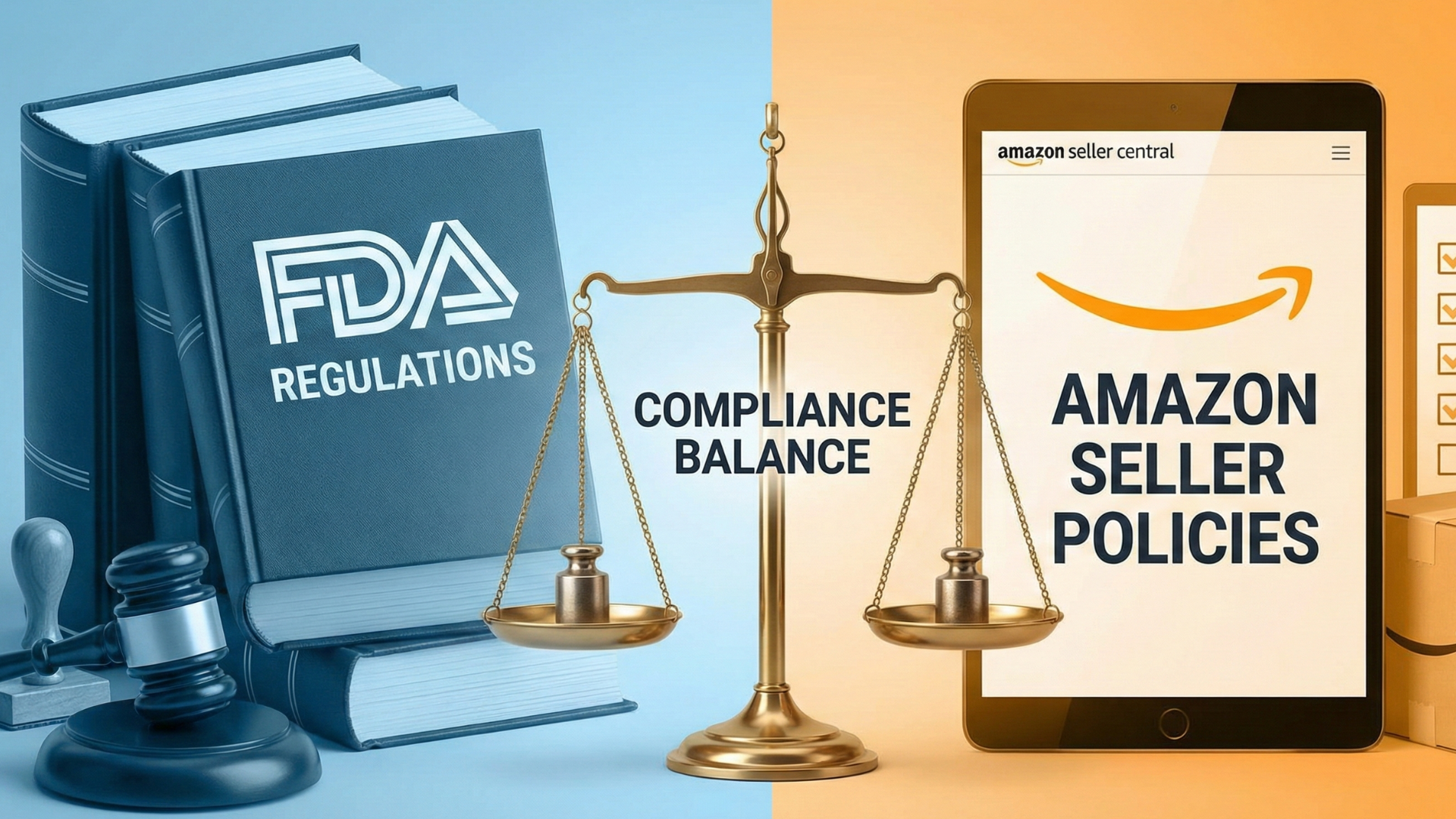
How to Find an ISO 17025-Accredited Supplement Testing Lab, and What Founders Should Ask For
How to verify a lab's ISO/IEC 17025 scope actually covers your test, the questions to ask before shipping samples, and a testing plan built for ecommerce timelines.
Supplement Manufacturing Lead Times and Reorders: What Founders Should Expect Before and After Launch
The five workstreams hiding inside "lead time," why reorders move faster than first runs, and the ramp plan that survives a demand spike.
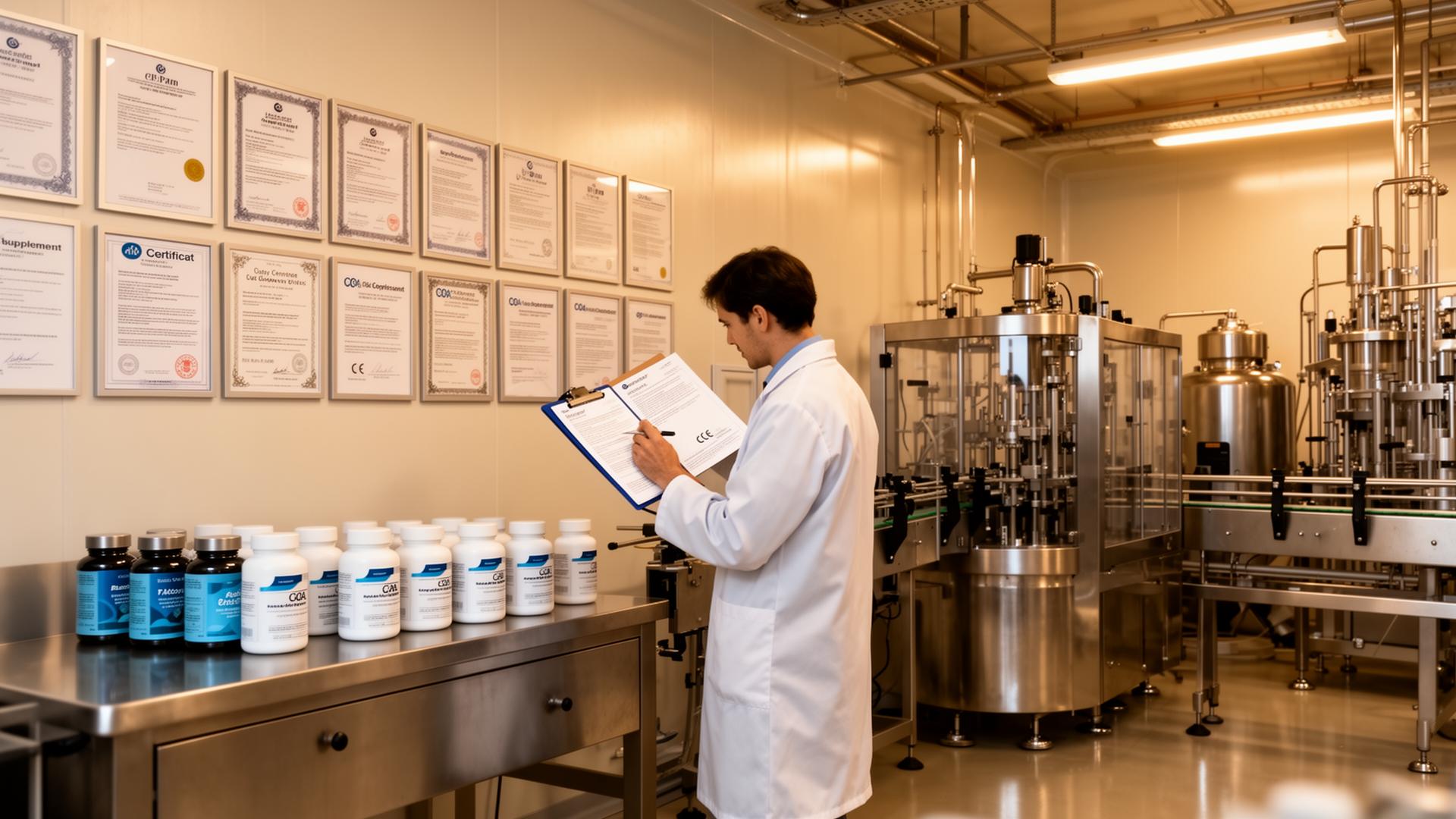
How to Vet a cGMP Supplement Manufacturer With Documented Audit History
The document pack, audit-history call script, and scoring rubric that separate real cGMP quality systems from certificate PDFs.