Magnesium Supplement Manufacturing Guide: Forms, Formats & Launch
How to formulate, manufacture, and launch a magnesium supplement brand with chelated forms and GMP-certified production
- 1Magnesium is the #2 most common nutrient deficiency in the US, with 50%+ of adults consuming inadequate amounts
- 2Different magnesium forms serve different benefits: glycinate for sleep/calm, threonate for brain, citrate for digestion
- 3Multi-form magnesium complexes combining 3–4 forms are the fastest-growing magnesium sub-category
- 4Magnesium powder drink mixes ('calm' drinks) and gummies are replacing traditional tablets for younger consumers
- 5Low MOQ runs of 2,000 units let you validate your magnesium formula before scaling
Why Magnesium Is Having a Moment
Magnesium went from a forgotten mineral to one of the most talked-about supplements on social media in 2024–2026. TikTok and Instagram wellness creators have popularized magnesium for sleep, stress relief, muscle recovery, and cognitive function—driving a massive surge in consumer awareness and demand. But not all magnesium supplements are created equal, and the form of magnesium matters enormously.
For supplement brand founders, magnesium offers an enormous addressable market (over 50% of US adults are deficient), strong daily-use retention, and clear differentiation opportunities through form selection. This guide covers the critical differences between magnesium forms, format selection, formulation strategy, and launch through GMP-certified manufacturing.
Magnesium Supplement Market in 2026
| Segment | Key Products | Target Consumer | Growth Rate |
|---|---|---|---|
| Sleep & Calm Magnesium | Glycinate capsules, powder drinks | Stressed adults, poor sleepers | 18–22% CAGR |
| Multi-Form Complex | 3–7 form magnesium blends | Health optimizers | 25–30% CAGR |
| Brain Magnesium | Threonate (Magtein®) capsules | Nootropic users, aging adults | 20–25% CAGR |
| Sport/Recovery Magnesium | Citrate/malate powder, topical | Athletes, gym-goers | 10–14% CAGR |
| Magnesium Gummies | Citrate/glycinate gummies | General wellness | 22–28% CAGR |
TikTok-Driven Growth
Magnesium Forms & Bioavailability Comparison
| Form | Elemental Mg | Absorption | Primary Benefit | Cost/kg |
|---|---|---|---|---|
| Magnesium Glycinate | 14% | High | Sleep, calm, relaxation | $30–$60 |
| Magnesium L-Threonate | 8% | High (crosses BBB) | Cognitive function, memory | $80–$200 |
| Magnesium Citrate | 16% | Moderate-High | Digestion, regularity | $15–$30 |
| Magnesium Taurate | 9% | High | Heart health, blood pressure | $40–$80 |
| Magnesium Malate | 15% | Moderate-High | Energy, muscle pain | $20–$45 |
| Magnesium Oxide | 60% | Low (~4%) | Label claim, budget products | $5–$15 |
| Magnesium Bisglycinate | 14% | High | Gentle, well-tolerated | $35–$65 |
| Magnesium Orotate | 6% | Moderate | Athletic performance, heart | $60–$120 |
The most important concept in magnesium supplementation is elemental magnesium vs. compound weight. When your label says "300 mg magnesium (as magnesium glycinate)," you need approximately 2,100 mg of the magnesium glycinate compound to deliver 300 mg of elemental magnesium. This affects capsule count per serving and cost calculations significantly.
Magnesium Product Formats
| Format | Pros | Cons | Cost/Unit |
|---|---|---|---|
| Capsules | Precise dosing, multiple forms possible | Multiple capsules needed for chelated forms | $0.10–$0.30 |
| Powder Drink Mix | High dose in one scoop, calming ritual | Flavor development needed, citrate/malate only | $0.30–$0.70 |
| Gummies | Consumer-friendly, growing market | Low elemental Mg per gummy (20–40 mg) | $0.15–$0.40 |
| Softgels | Oil-based delivery, premium feel | Limited to certain forms | $0.12–$0.25 |
| Topical (cream/spray) | Direct muscle application, no GI effects | Different manufacturing, absorption debate | $1.00–$3.00 |
Capsules are the most versatile format for magnesium, allowing you to combine multiple chelated forms in a single product. For the "calm/sleep" positioning, magnesium powder drinks (like Natural Calm) create a relaxing evening ritual that drives strong daily use and retention.
Magnesium Formulation Strategy
- Sleep & Calm Formula: Magnesium glycinate (300 mg elemental) + L-theanine (200 mg) + GABA (100 mg) — the #1 trending magnesium positioning on social media
- Multi-Form Complex: Glycinate + Citrate + Malate + Taurate + Threonate (300 mg total elemental) — "comprehensive magnesium" positioning for health optimizers
- Brain & Memory: Magnesium L-threonate (2,000 mg, 144 mg elemental) — the only form clinically shown to cross the blood-brain barrier (Magtein® branded)
- Athletic Recovery: Magnesium citrate (200 mg) + Malate (200 mg) + Potassium (99 mg) + Taurine (500 mg) — electrolyte + recovery powder for athletes
Formulation Tip
Magnesium Supplement Manufacturing Cost Breakdown
| Cost Category | Basic Mg Oxide Caps | Mg Glycinate Sleep | Multi-Form Complex |
|---|---|---|---|
| Raw materials | $300–$600 | $1,000–$2,000 | $1,800–$3,500 |
| Production | $500–$800 | $600–$1,000 | $800–$1,400 |
| Testing | $300–$500 | $400–$600 | $500–$800 |
| Packaging & labeling | $500–$700 | $600–$900 | $700–$1,000 |
| Total (2,000 units) | $1,600–$2,600 | $2,600–$4,500 | $3,800–$6,700 |
| Per-unit cost | $0.64–$1.04 | $1.04–$1.80 | $1.52–$2.68 |
Magnesium supplements retail for $12–$20 for basic oxide capsules and $25–$40 for premium chelated glycinate or multi-form complexes (30-day supply). Brain-targeted magnesium threonate commands $35–$55. See our complete cost guide for comparisons.
Choosing a Magnesium Supplement Manufacturer
- Form expertise: Chelated magnesium forms require precise blending and accurate elemental magnesium calculations. Verify your manufacturer understands the difference between compound weight and elemental content
- Multi-capsule packaging: Multi-form complexes often require 4–6 capsules per serving, meaning your 30-day supply needs 120–180 capsules. Ensure your manufacturer can handle larger bottle fills efficiently
- Powder blending: For magnesium powder drinks, your manufacturer needs flavor development expertise and experience with magnesium citrate/malate dissolution
- GMP certification: Non-negotiable. Verify current GMP certification and FDA registration
- Low MOQ flexibility: Start with 2,000 units to validate your magnesium product and positioning before scaling
Launch Strategy for Magnesium Brands
- Pick your positioning: Sleep/calm, multi-form comprehensive, brain/cognitive, or athletic recovery — each demands different forms and marketing
- Start with one hero SKU: A 2,000-unit run of magnesium glycinate for sleep or a multi-form complex. Validate your formula and positioning before expanding
- Leverage social media education: Create content explaining magnesium forms, deficiency symptoms, and why form matters. This topic has massive organic reach on TikTok and Instagram
- Sleep niche positioning: If targeting sleep, combine with sleep supplement strategy content and pair with L-theanine for a non-melatonin sleep alternative
- Subscription model: Daily magnesium users have excellent retention. Offer 15–20% off for monthly auto-ship with a "90-day consistency" messaging for results
Frequently Asked Questions
What is the best form of magnesium for supplements?
There is no single 'best' form—it depends on the benefit you're targeting. Magnesium glycinate is best for sleep and relaxation. Magnesium L-threonate (Magtein®) is best for cognitive function. Magnesium citrate is best for digestion. Magnesium taurate is best for heart health. Multi-form complexes combining 3–4 forms serve the broadest audience.
How much does magnesium supplement manufacturing cost?
Magnesium supplement manufacturing costs $2,000–$9,000 for an initial 2,000-unit run depending on magnesium forms used, format, and additional ingredients. Simple magnesium oxide capsules are cheapest, while multi-form complexes with premium chelated forms cost more. Per-unit costs range from $0.80–$3.60.
What magnesium dosage should I use?
The FDA Daily Value for magnesium is 420 mg. Most supplements provide 200–400 mg of elemental magnesium per serving. Note: the elemental magnesium content varies by form—magnesium glycinate is only ~14% elemental magnesium, so you need ~2,100 mg of magnesium glycinate to deliver 300 mg of elemental magnesium.
Should I use magnesium oxide or magnesium glycinate?
Magnesium oxide has the highest elemental magnesium content (60%) but the lowest absorption rate (~4%). Magnesium glycinate has lower elemental content (14%) but much higher absorption and is gentle on the stomach. Glycinate is preferred for sleep and calm positioning. Oxide is used when label claim volume matters.
What is the minimum order for magnesium supplements?
Most GMP-certified manufacturers offer MOQs of 2,000 units for magnesium supplement capsules and powders. Premium multi-form complexes and gummies may have the same or slightly higher MOQs depending on the manufacturer.
Can I make a magnesium sleep supplement?
Yes, magnesium glycinate is one of the most popular natural sleep ingredients. Combining magnesium glycinate (300–400 mg elemental) with L-theanine (200 mg), GABA (100 mg), and/or melatonin (1–3 mg) creates a powerful sleep supplement. This positions well against the growing natural sleep category.
Ready-to-Launch Formulations in This Category
Stock-ready formulations you can private label with your own branding — 2,000 unit MOQ.
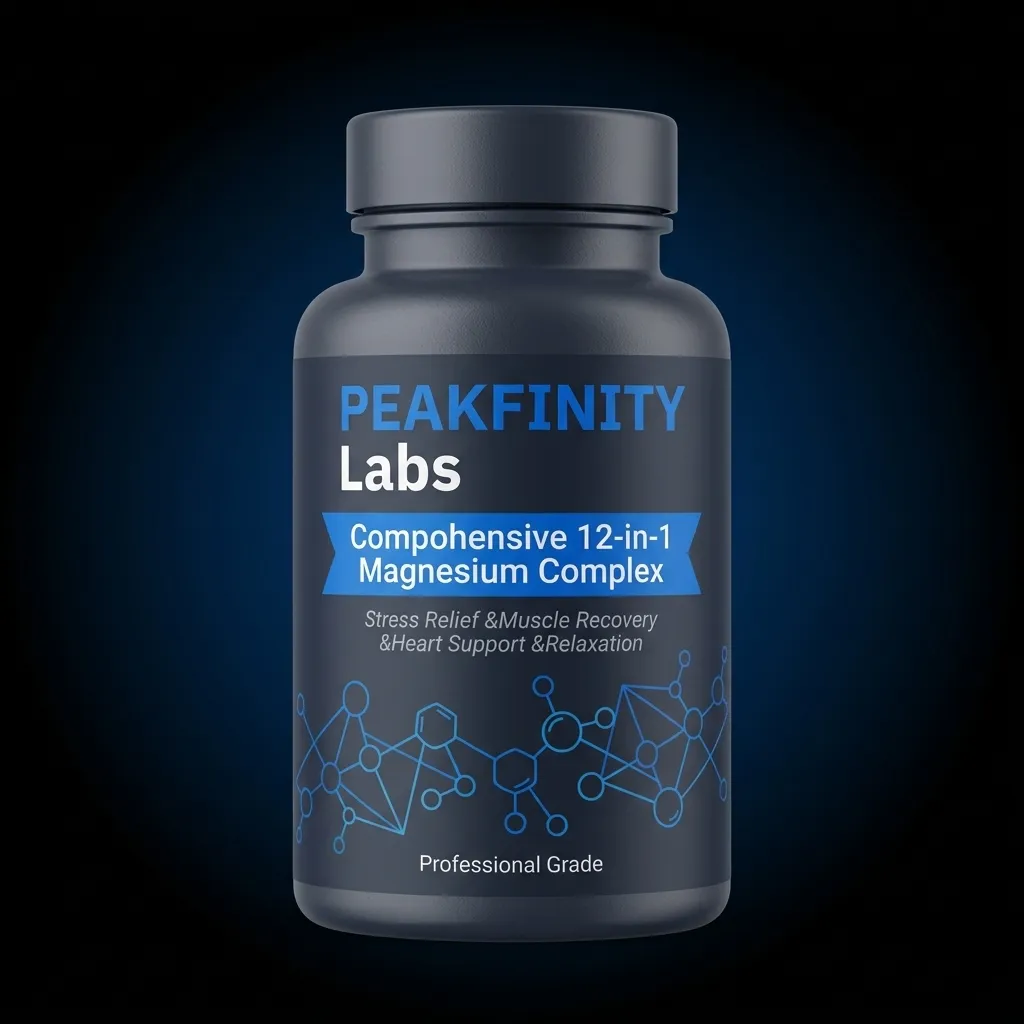
Comprehensive 12-in-1 Magnesium Complex
Stress Mood · Capsules
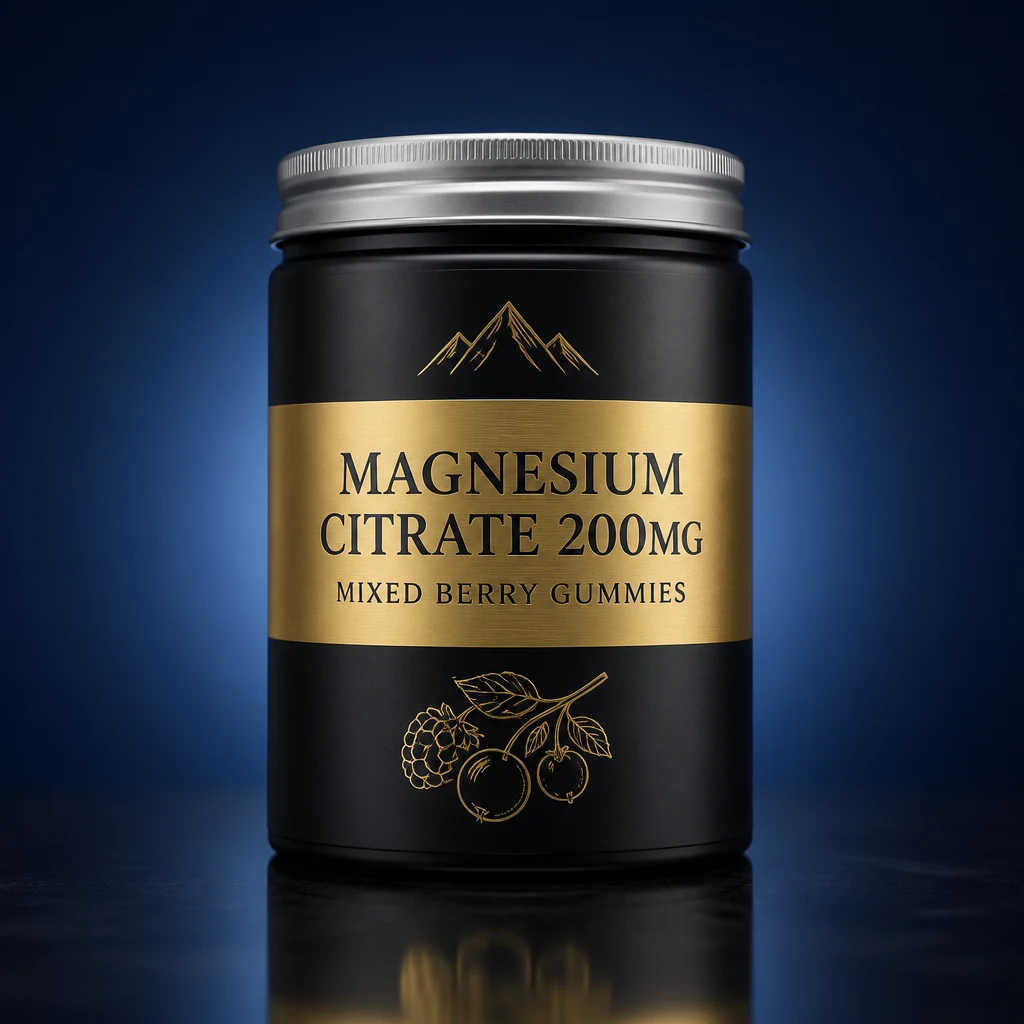
Magnesium Citrate 200 mg Gummies Mixed Berry Flavor
Heart Health · Gummies
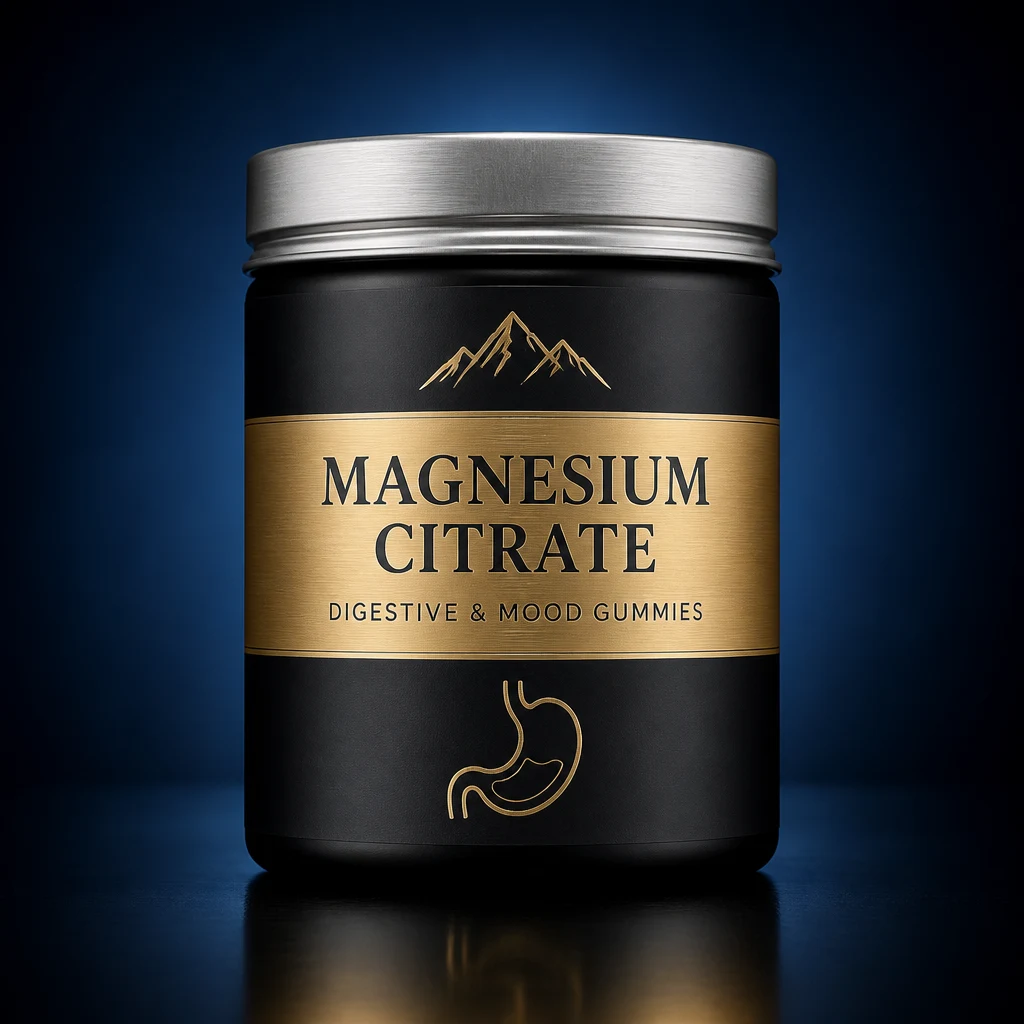
Magnesium Citrate Digestive Support Gummies Raspberry Flavor
Gut Health · Gummies
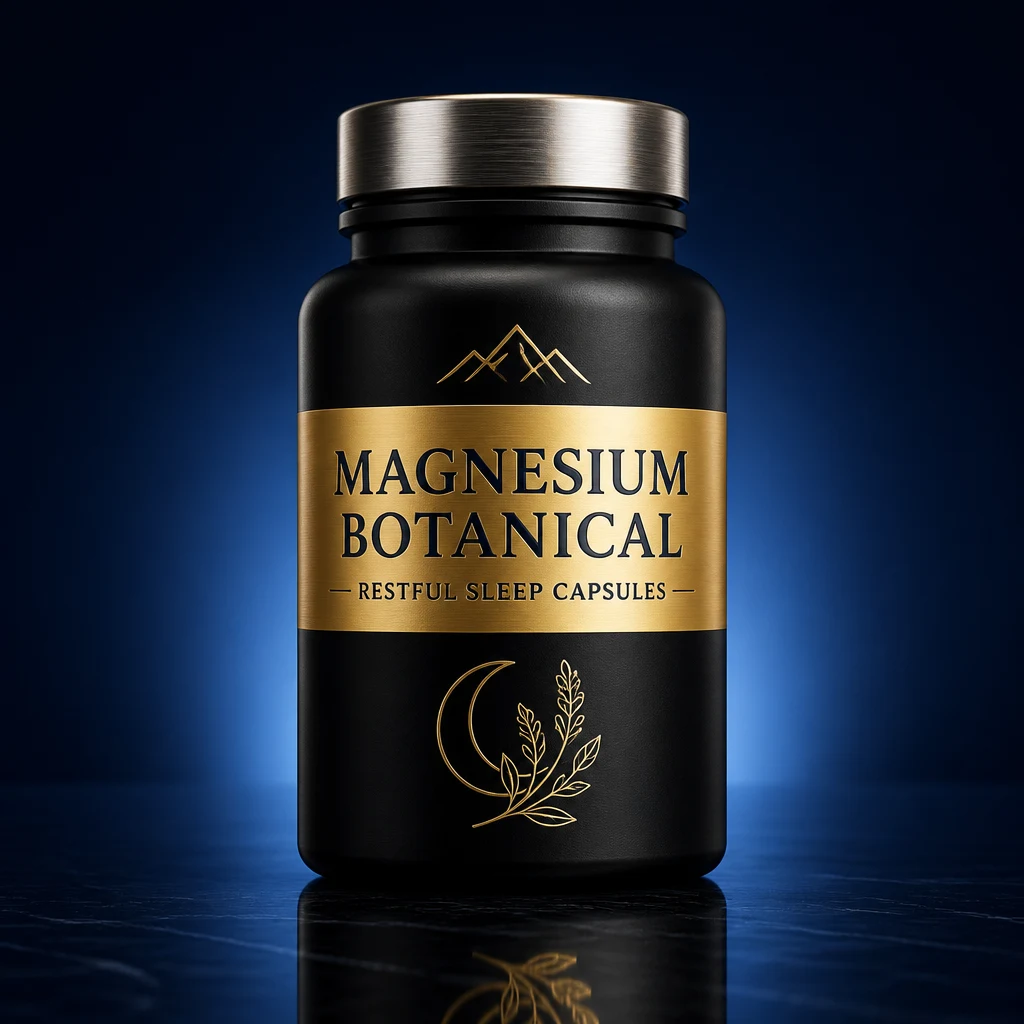
Magnesium & Botanical Restful Sleep Complex Capsules
Sleep Recovery · Capsules

Tushar
Licensed Pharmacist and COO @ Peakfinity Labs
Written by the Peakfinity Labs R&D Team — 46+ years of supplement formulation expertise. Our team of formulation chemists, manufacturing specialists, and regulatory experts has helped thousands of eCommerce brands bring their products to market successfully since 1980.
Related Articles
How to Find an ISO 17025-Accredited Supplement Testing Lab, and What Founders Should Ask For
How to verify a lab's ISO/IEC 17025 scope actually covers your test, the questions to ask before shipping samples, and a testing plan built for ecommerce timelines.
Supplement Manufacturing Lead Times and Reorders: What Founders Should Expect Before and After Launch
The five workstreams hiding inside "lead time," why reorders move faster than first runs, and the ramp plan that survives a demand spike.
How to Vet a cGMP Supplement Manufacturer With Documented Audit History
The document pack, audit-history call script, and scoring rubric that separate real cGMP quality systems from certificate PDFs.