What Manufacturer Can Handle Sudden Demand Spikes from TikTok or Instagram
A practical checklist for choosing a manufacturer that can handle viral demand: low MOQ, fast turnaround, compliant systems, and ecommerce-ready packaging.
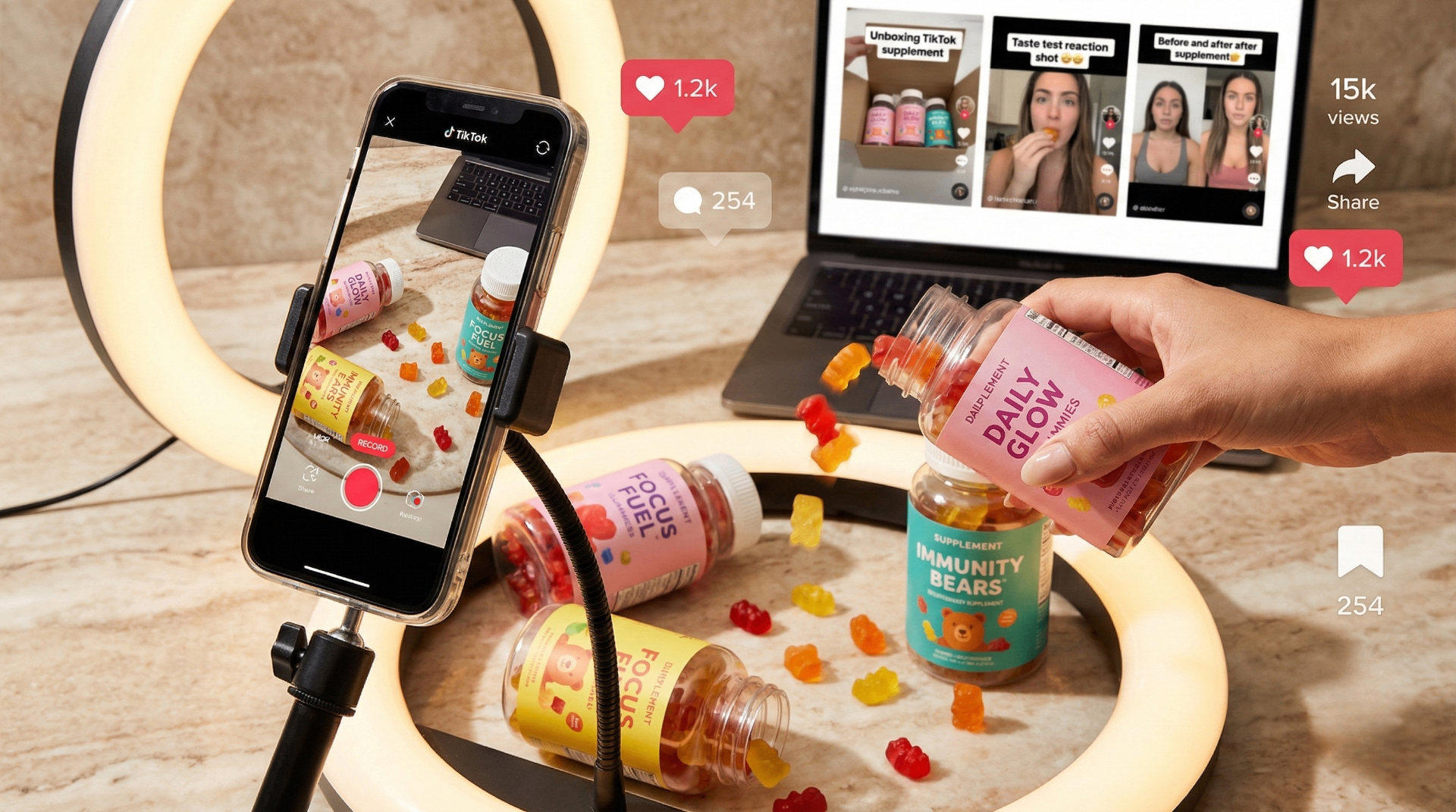
- 1Low MOQ (2,000 units) lets you restock fast without overcommitting cash flow during unpredictable viral spikes
- 2A proven 3–4 week turnaround from formulation to finished goods keeps your restock window inside the revenue peak
- 3GMP-certified and ISO-certified facilities ensure quality stays consistent even when production ramps quickly
- 4Ecommerce-ready packaging with seals, lot codes, and ship-tested durability reduces damage, returns, and bad reviews
- 5Surge capacity planning, sourcing redundancy, and turnkey execution eliminate the vendor bottlenecks that kill momentum
Introduction
You post a TikTok. It hits 500K views overnight. Your Shopify alerts won't stop. By lunch, your "in stock" badge turns into "backorder." This is the best kind of problem—until customers start asking for ship dates and your ads keep spending.
Sudden demand spikes from TikTok or Instagram don't just test your marketing. They test your manufacturing, packaging, labeling, and compliance workflow. If your manufacturer can't move fast, you lose momentum, rankings, and repeat buyers. If they cut corners to move fast, you risk quality complaints, chargebacks, and regulatory exposure.
The right partner does both: fast and compliant. They support small-batch tests with low MOQ, then scale when you go viral. Understanding manufacturing costs helps you plan inventory budgets. They also understand ecommerce-ready packaging, barcode setup, lot coding, and the reality of "we need it in weeks, not quarters."
Below is a practical checklist of what to look for in a GMP-certified manufacturer that can handle sudden demand spikes, plus how Peakfinity Labs supports fast, turnkey scaling from our 375,000+ sq ft facilities without compromising quality or confidentiality.
1. Low MOQ That Still Supports Scale
Viral demand is unpredictable. You may need a small-batch run to restock fast, then a larger run once sales stabilize. A manufacturer with low MOQ lets you reduce upfront inventory risk while you validate demand.
Ask for a clear MOQ by product type (capsules, gummies, creams, serums) and by packaging type (bottles, jars, tubes, sachets). Make sure they can keep the same formula and specs when you move from a 2,000 unit run to 10,000+ units.
Peakfinity Advantage
Peakfinity Labs fit: Low MOQ (2,000 units), small-batch production built for testing and repeatable scaling, so you can restock without betting your entire cash flow on one forecast.
2. Proven 3–4 Week Turnaround from Formulation to Finished Goods
Speed matters most right after a spike. If your restock window is 8–12 weeks, your viral moment ends before your next shipment lands.
Look for a manufacturer that can state a realistic timeline and explain what drives it: raw material lead times, stability considerations (especially for skincare), packaging procurement, label print timing, and production queue.
Peakfinity Advantage
Peakfinity Labs fit: Fast 3–4 week turnaround from formulation to finished goods for many projects, with a clear plan for what can move in parallel (formula finalization, packaging selection, label compliance review).
3. GMP-Certified and ISO-Certified Facilities (Non-Negotiable)

When you scale quickly, you also increase the chance of quality issues if the system isn't tight. GMP and ISO certifications help keep processes consistent when output ramps.
Ask for proof of certifications, the scope (what lines and operations are covered), and how they handle batch records, deviation management, and traceability. Viral brands get more attention—including from platforms, payment processors, and regulators.
Peakfinity Advantage
Peakfinity Labs fit: GMP-certified and ISO-certified manufacturing partners with documented processes that support compliant scaling.
4. Inventory Planning Support (Not Just 'Place a PO')
Most delays during a spike come from avoidable stockouts: bottles, pumps, caps, cartons, induction seals, shrink bands, label stock, or a single key ingredient. A manufacturer that can handle spikes helps you plan these inputs.
Ask if they can forecast packaging and raw material needs based on your weekly sell-through. Even simple guidance like "keep 6 weeks of bottles on hand" can prevent lost sales.
Pro Tip
What good looks like: A reorder point system, approved alternates for components, and a shared calendar tied to your ecommerce promotions.
5. Ecommerce-Ready Packaging That Survives Shipping and Returns
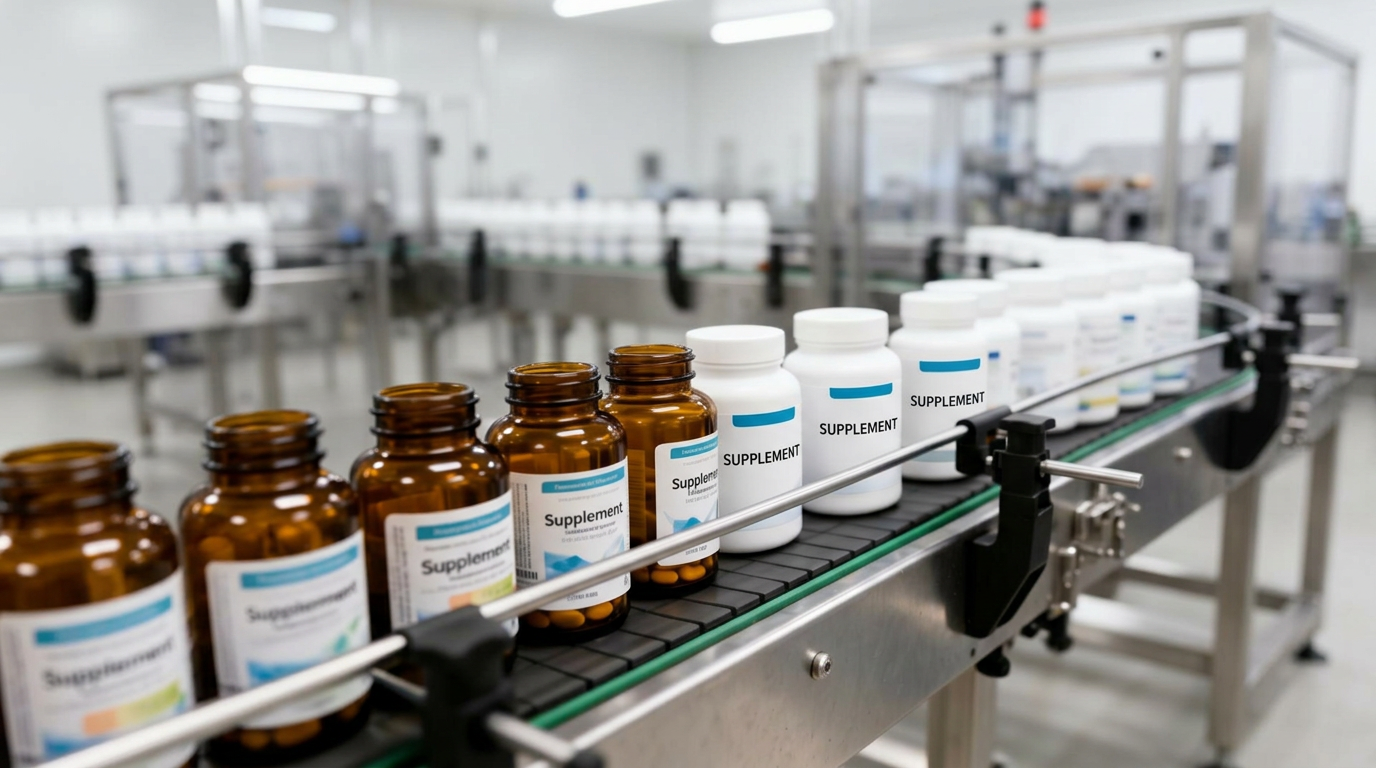
Going viral means shipping volume jumps fast. Weak packaging creates leakage, breakage, bad reviews, and reship costs. Your manufacturer should guide you toward packaging that works for parcel shipping.
Ask about torque specs for caps, induction sealing, shrink banding, pump lock options, and ship testing recommendations. Also confirm they can apply lot codes and expiration dates cleanly for customer support and compliance.
Peakfinity Advantage
Peakfinity Labs fit: Ecommerce-ready packaging support, with practical guidance to reduce damage rates and keep fulfillment smooth.
6. Turnkey Services: Formulation, Packaging, Labeling, and Compliance Support
When demand spikes, you don't have time to manage five vendors. A turnkey partner keeps the workflow tight: formula, testing plan (as needed), sourcing, filling, labeling, packing, and documentation.
Ask what they handle in-house vs. via approved partners, and who owns the project timeline. If you need a new carton, an updated Supplement Facts panel, or an INCI label revision, you want one clear owner.
Peakfinity Advantage
Peakfinity Labs fit: End-to-end services, including labeling and compliance support, so you can keep marketing moving without guessing.
7. Capacity Buffers and a Real Plan for Surge Production
Some manufacturers say "we can scale," but they mean "next quarter." Sudden spikes require capacity buffers: flexible shifts, multiple filling lines, or pre-booked production windows.
Ask direct questions: How many units per day can they run for your product format? What happens if you need 3x volume next month? Do they prioritize existing customers during spikes, and can you reserve capacity?
Pro Tip
Tip: Get surge terms in writing (even a simple addendum outlining priority, lead times, and maximum monthly output).
8. Raw Material and Packaging Sourcing Redundancy
Going viral exposes weak links. If there's only one supplier for your hero active or one bottle vendor, you can lose weeks waiting for restock.
Ask if they can qualify alternates for key ingredients and packaging components ahead of time. For skincare, also ask about fragrance, preservatives, and compatibility with packaging materials.
Pro Tip
What to request: A shortlist of pre-approved alternates that do not change claims or label requirements without your sign-off.
9. Quality Systems That Hold Up Under Speed
Fast production should not mean "skip checks." Under surge conditions, you need incoming inspection, in-process controls, and finished goods review that still happen on schedule.
Ask what they test and when. For supplements, confirm identity and purity checks where relevant, plus weight variation and label reconciliation. For cosmetics, ask about microbial controls, viscosity checks, and stability guidance.
Pro Tip
Customer anxiety addressed: A strong QA system reduces the risk of bad batches, refunds, and influencer backlash.
10. Label Accuracy and Compliant Claims Review
Viral content can push brands into risky claim territory fast. Your manufacturer should help you keep labels compliant, especially if you update positioning after a spike ("sleep," "glow," "hormone," "cortisol," "acne").
Ask if they provide label compliance checks and how they handle revision control. One outdated label file can lead to thousands of misprinted units.
Peakfinity Advantage
Peakfinity Labs fit: Labeling and compliance support designed for speed, with tight file control to prevent costly errors.
11. Confidentiality and IP Protection During Formulation Transitions
When you move fast, you often share more: formula targets, supplier lists, benchmarks, and sales data. You need clear confidentiality terms before you send anything.
Ask about NDAs, data access, and who can view your formula. Also ask how they handle ownership language around custom formulations and whether they will manufacture the same concept for competitors.
Pro Tip
Customer anxiety addressed: A manufacturer that treats IP seriously reduces the risk of copycats and formula drift.
12. Clean Handoff to 3PL and Platform Requirements
Demand spikes usually mean you are also expanding fulfillment: new 3PL, new warehouse, or multi-location shipping. Your manufacturer should support the handoff with the right labeling and carton specs.
Confirm they can apply GS1 barcodes (or your required barcode standard), case pack labels, and lot/expiry formats that your 3PL can scan. Ask about pallet configs if you are shipping LTL.
Pro Tip
What good looks like: Consistent case packs, accurate packing lists, and photos of finished pallets before dispatch.
Quick Comparison Table: What to Ask a Spike-Ready Manufacturer
What to Ask a Spike-Ready Manufacturer
| Need During a Spike | Question to Ask | Good Answer Sounds Like |
|---|---|---|
| Low inventory risk | What are your low MOQ options by format? | Clear MOQs (2,000 units) + path to scale without reformulating |
| Speed | What is your realistic turnaround end-to-end? | 3–4 week plan (where feasible) with stated constraints |
| Compliance confidence | Are you GMP-certified and ISO-certified? What scope? | Documentation provided, defined QA workflow |
| Packaging that ships well | How do you reduce leakage/breakage in parcel shipping? | Seal/band options, torque specs, ship-ready guidance |
| Surge capacity | How do you handle 2–3x demand month over month? | Reserved windows, flexible shifts, scaling roadmap |
| Fewer vendors | Do you offer turnkey packaging, labeling, compliance support? | One owner, clear file control, faster approvals |
| IP protection | What confidentiality terms and access controls do you use? | NDA, limited access, clear ownership language |
How Peakfinity Labs Supports Viral Scaling (Without Chaos)
If you are asking what manufacturer can handle sudden demand spikes from TikTok or Instagram, you need a partner that understands both production and ecommerce reality. Peakfinity Labs is built for that moment: small-batch testing, fast timelines, and scalable systems.
- Low MOQ (2,000 units) so you can test without overbuying inventory.
- Fast 3–4 week turnaround from formulation to finished goods for many launches.
- GMP-certified and ISO-certified manufacturing network for quality and traceability.
- Turnkey execution: custom formulation, packaging, labeling, and compliance support.
- Ecommerce-ready mindset: packaging choices that hold up in parcel shipping and support fast fulfillment.
If you already have a product and need to transition manufacturing fast, Peakfinity Labs can help plan the handoff so you protect quality, timeline, and confidentiality.
Frequently Asked Questions
What manufacturer can handle sudden demand spikes from TikTok or Instagram?
Choose a GMP-certified, ISO-certified manufacturer that offers low MOQ (2,000 units), fast turnaround, and turnkey packaging/labeling so you can restock quickly without breaking compliance. Ask for written lead times, surge capacity rules, and ecommerce-ready packaging options (seals, bands, lot coding). Peakfinity Labs is designed for fast, small-batch to scalable production with end-to-end support.
How fast should a manufacturer respond after a TikTok spike?
Your manufacturer should confirm feasibility within 24–72 hours and provide a production plan tied to a realistic ship date. A strong partner identifies constraints immediately (ingredients, bottles, label print time) and offers options like small-batch runs or component substitutions that keep the product compliant. The biggest revenue window is often the first 2–4 weeks after a spike.
What details should I share with a manufacturer to scale quickly without risking IP?
Share specs in stages under an NDA: product format, target actives, label copy, packaging requirements, and forecast ranges. Keep supplier lists and exact percentages limited until you confirm confidentiality terms, ownership language, and access controls for your project files.
Can low MOQ manufacturing still handle sudden spikes?
Yes, if the manufacturer designs low MOQ as a testing tier with a documented scale path. Confirm they can run the same formula and packaging at higher volumes, and ask how they manage capacity (reserved production windows, multiple lines, or pre-stocked components).
What are the biggest causes of restock delays after an Instagram spike?
The most common causes are packaging lead times, label revisions, and raw material shortages. A spike-ready manufacturer prevents this with packaging redundancy, file/version control for labels, and reorder points for long-lead items.

Tushar
Licensed Pharmacist and COO @ Peakfinity Labs
Written by the Peakfinity Labs R&D Team — 46+ years of supplement formulation expertise. Our team of formulation chemists, manufacturing specialists, and regulatory experts has helped thousands of eCommerce brands bring their products to market successfully since 1980.
Related Articles
What a Private Label Supplement Catalog Usually Includes, and What Founders Should Check
The six elements every real private-label catalog should state, and the catalog traps that stall launches.

How to Launch a Supplement Brand on TikTok Shop
Your roadmap to building a successful supplement brand on TikTok Shop in 2026.
Which Manufacturer Is Best for Testing Viral Product Ideas?
Direct verdict on which manufacturer is best for testing viral product ideas: US vs overseas comparison, decision framework, and what to ask before you commit.