Keto Supplement Manufacturing Guide: Formats, Costs & Launch Strategy
Everything you need to manufacture keto supplements — from MCT oil softgels to BHB drink mixes — with GMP-certified production and low MOQ.
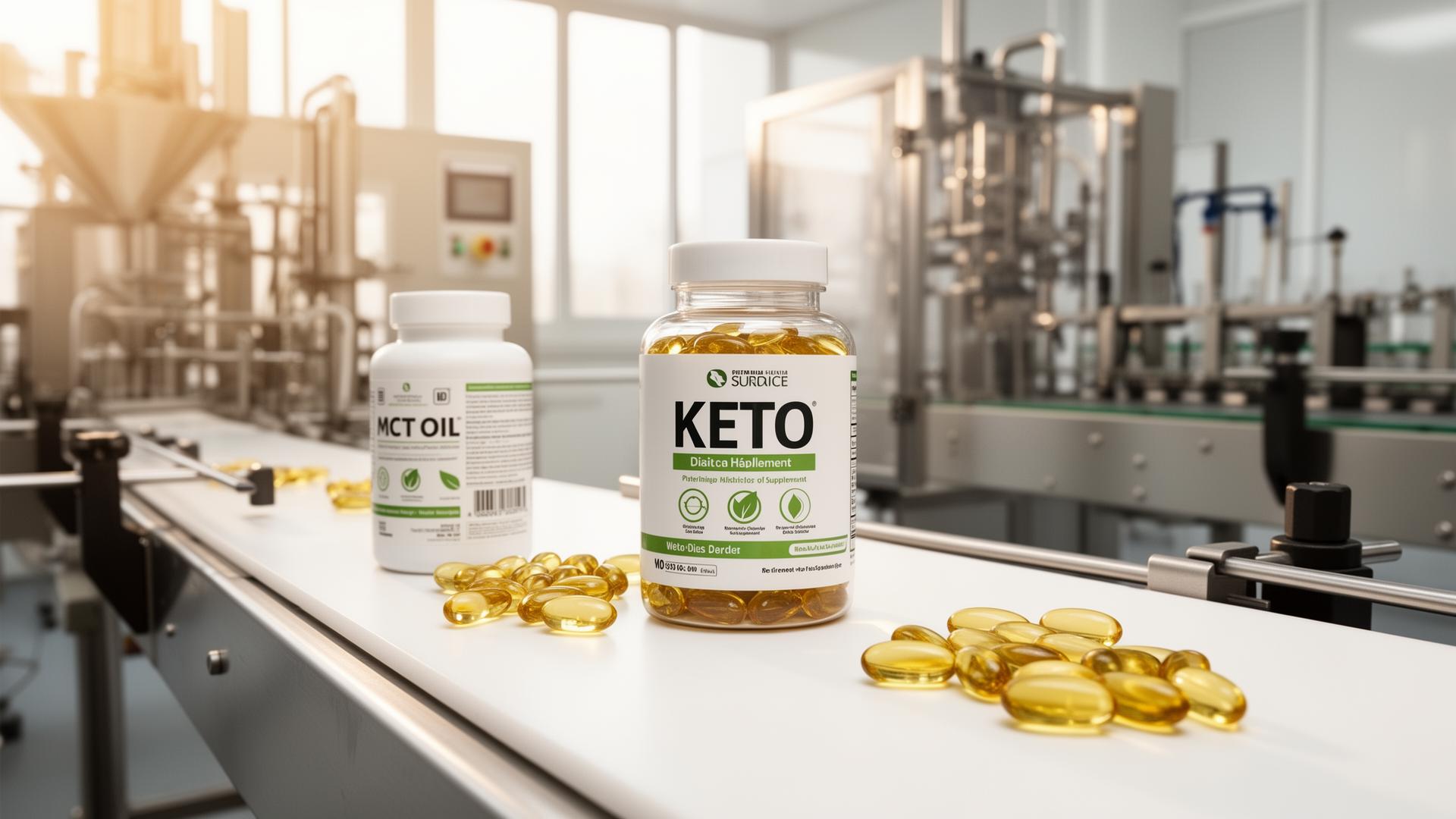
- 1Keto supplements remain a high-demand category driven by MCT oil, exogenous ketones, and electrolyte blends
- 2Softgels and powders dominate keto formats—capsules work for BHB salts but powders win for MCT and electrolytes
- 3Compliance is critical: avoid disease claims and ensure label accuracy for net carbs per serving
- 4Low MOQ test runs (2,000 units) let you validate demand before committing to bulk inventory
- 5Internal cross-linking to capsule, softgel, and powder manufacturing pages strengthens topical authority
Introduction
The ketogenic diet has moved from niche biohacker territory into mainstream wellness. As of 2026, keto supplements represent one of the fastest-growing sub-categories in the dietary supplement space, driven by consumers who want metabolic support without the strict dietary discipline that a full keto diet demands.
For brand founders, this creates a clear opportunity: keto supplements have strong repeat purchase behavior (daily use), high average order values (MCT oils and BHB blends command premium pricing), and a passionate audience that actively seeks new products through social media and search.
This guide covers the key decisions you'll face when manufacturing keto supplements — from choosing the right format and ingredients to managing compliance, controlling costs, and selecting a manufacturer that can handle your launch and scale. Whether you're starting with a single MCT oil SKU or building a full keto product line, the fundamentals covered here apply.
Keto supplement market in 2026: what's driving demand
Three forces are keeping keto supplement demand strong. First, metabolic health awareness has expanded the keto audience beyond weight loss into cognitive performance, energy management, and blood sugar support. Second, format innovation (drink mixes, gummies, ready-to-drink shots) has made keto supplementation more accessible to casual consumers. Third, creator-driven marketing on TikTok and YouTube continues to generate demand spikes for specific keto ingredients like MCT oil and exogenous ketones.
The practical takeaway for brands: you don't need to target hardcore keto dieters exclusively. Many of the highest-growth keto SKUs appeal to a broader "metabolic wellness" audience that includes intermittent fasters, low-carb followers, and performance-focused consumers.
Market insight
Popular keto supplement formats and which to choose
Your format choice affects manufacturing cost, consumer experience, compliance complexity, and fulfillment logistics. Here's how the main keto formats compare:
| Format | Best for | Manufacturing complexity | Typical MOQ | Key consideration |
|---|---|---|---|---|
| Softgels | MCT oil, omega-3 + MCT blends | Medium-High | 2,500–5,000 | Requires specialized encapsulation equipment |
| Capsules | BHB salts, keto multivitamins, herbal keto blends | Low-Medium | 2,000 | Fastest path to market; simple QC |
| Powders (tubs) | MCT powder, keto electrolytes, BHB drink mixes | Medium | 2,000–3,000 | Flavor development adds time; strong margins |
| Stick packs | Single-serve keto electrolytes, travel MCT | Medium-High | 3,000–5,000 | Premium positioning; TikTok-friendly format |
| Gummies | Keto-friendly (sugar-free base required) | High | 5,000+ | Sugar-free base limits active dose; texture challenges |
Our recommendation for new keto brands: start with capsules or a powder format. Capsules minimize formulation risk and get you to market fastest. Powders give you strong branding real estate and higher perceived value, but require flavor development. If MCT oil is your hero ingredient, softgels deliver the best consumer experience.
Key keto supplement ingredients and sourcing considerations
The ingredients you choose define your product's positioning, cost structure, and compliance requirements. Here are the most common keto supplement actives:
MCT oil (medium-chain triglycerides)
MCT oil is the cornerstone ingredient in most keto supplement lines. It's available as liquid oil (for softgels) or spray-dried powder (for capsules, powders, and stick packs). Key sourcing decisions include C8 vs C8/C10 ratio, organic vs conventional, and coconut-derived vs palm-derived.
- C8 (caprylic acid): converts to ketones faster; commands a premium price
- C8/C10 blend: more affordable; still effective for energy and ketone production
- Powder form: uses acacia fiber or tapioca maltodextrin as carrier; check net carbs
Exogenous ketones (BHB salts)
Beta-hydroxybutyrate (BHB) salts — typically bound to sodium, calcium, magnesium, or potassium — provide a direct source of ketones. They're popular in drink mixes and capsules for "instant energy" positioning. The main manufacturing consideration is taste: BHB salts have a strong, salty flavor that requires careful masking in powder formats.
Keto electrolytes
Electrolyte depletion is a common issue for keto dieters, making electrolyte supplements a natural companion product. Key minerals include magnesium (glycinate or citrate forms for bioavailability), potassium, and sodium. These are straightforward to formulate and manufacture in powder or capsule formats.
Supporting ingredients
- Collagen peptides: popular keto + beauty cross-sell; see our collagen manufacturing guide
- Digestive enzymes (lipase): supports fat digestion on high-fat diets
- Fiber (acacia, psyllium): addresses the fiber gap common in keto diets
- Adaptogens (ashwagandha, lion's mane): keto + cognitive performance positioning
Keto supplement manufacturing process: step by step
The manufacturing workflow for keto supplements follows standard GMP supplement production with a few format-specific considerations:
1) Formula finalization and raw material sourcing
Your manufacturer specs out the formula, confirms ingredient suppliers, and verifies that each raw material meets identity and purity standards. For keto products, this includes verifying MCT oil fatty acid profiles and confirming BHB salt purity levels.
2) Blending and pre-production QC
Dry ingredients (BHB salts, electrolytes, herbal extracts) are weighed, verified, and blended according to the batch record. Blend uniformity testing ensures consistent dosing across every unit in the run.
3) Encapsulation, tableting, or filling
Depending on your format, the blended material goes into capsules, softgels, powder containers, or stick packs. Each format has its own line setup, in-process checks, and throughput considerations.
4) Packaging, labeling, and lot coding
Finished units are packaged into bottles, pouches, or boxes with your branded labels. Every unit gets a lot code and expiry date for full traceability. This is where D2C-ready packaging (tamper seals, induction seals, shrink bands) gets applied. For packaging best practices, see supplement packaging and label design.
5) Finished product testing and release
Final QC includes identity testing, potency verification, microbial screening, and heavy metals panels where applicable. Your manufacturer should provide Certificates of Analysis (COAs) for every lot before release.
Keto supplement labeling and compliance
Keto supplements face specific compliance considerations that many brands overlook until it's too late:
- Net carb claims: if you market a product as "keto-friendly" or "zero net carbs," ensure your Supplement Facts panel supports that claim. The FDA doesn't define "keto" officially, so your label language must be precise and defensible.
- Structure/function claims: "Supports ketone production" is generally acceptable as a structure/function claim. "Burns fat" or "puts you in ketosis" gets into territory that requires careful review. Never make disease claims.
- Sugar-free claims: if your product contains sugar alcohols (common in keto gummies), FDA labeling rules require specific disclosure on the Supplement Facts panel.
- Amazon compliance: keto supplements are frequently flagged for restricted claims on Amazon. Review your listing language against Amazon's prohibited claims list before launch. See our Amazon compliance guide.
Common compliance mistake
Keto supplement manufacturing costs
Understanding your cost structure is essential for pricing strategy and margin planning. Here's a realistic breakdown for a starter keto supplement run:
| Cost category | What's included | Typical range | Key driver |
|---|---|---|---|
| Raw materials | MCT oil, BHB salts, electrolytes, excipients | $1,500–$8,000 | Ingredient quality (C8 vs C8/C10), organic sourcing |
| Manufacturing | Blending, encapsulation/filling, QC | $2,000–$10,000 | Format complexity, batch size, line setup |
| Packaging & labels | Bottles, lids, labels, seals, cartons | $800–$4,000 | Custom printing, tamper evidence, finish quality |
| Testing & documentation | COAs, identity, potency, micro, metals | $300–$2,000 | Panel scope, third-party lab requirements |
| Brand & launch | Design, Shopify/Amazon, creative, initial ads | $1,500–$15,000+ | Channel strategy, content quality, ad spend |
Total starter investment: most keto supplement brands launch their first SKU for $6,000–$25,000 depending on format, MOQ, and how aggressively they plan to drive initial traffic. The most controllable variable is inventory risk — start with a low MOQ and reorder based on real sales data. For a deeper cost analysis across all supplement types, see our supplement manufacturing costs guide.
How to choose a keto supplement manufacturer
Not every supplement manufacturer is equally equipped for keto products. Here's what to evaluate:
- Format capabilities: can they handle softgels (for MCT oil), powders (for drink mixes), and capsules (for BHB salts)? A manufacturer that covers multiple formats lets you expand your line without switching partners.
- GMP & ISO certification: non-negotiable. Verify current certifications and ask about recent audit results. See our GMP certification verification guide.
- Low MOQ with fast turnaround: you want to test demand before committing to deep inventory. A 2,000 unit MOQ with a 4–6 week turnaround is the sweet spot for new keto brands.
- Flavor development support: if you're doing BHB powders or electrolyte mixes, taste is make-or-break. Your manufacturer should offer flavor development and sample iterations.
- Compliance support: label review, claim review, and documentation that keeps you safe on Amazon and with the FDA.
At Peakfinity Labs, we manufacture keto supplements across all major formats with low MOQs, GMP & ISO certified facilities, and a 4–6 week turnaround that lets brands launch fast and scale based on real demand signals.
Keto supplement launch strategy: from first order to scale
Here's the launch sequence that works for most new keto supplement brands:
Phase 1: Validate with one hero SKU (weeks 1–6)
- Choose your highest-conviction keto product (MCT oil, BHB capsules, or electrolyte mix)
- Order a low MOQ test run with D2C-ready packaging
- Set up your Shopify store or Amazon listing with compliant copy
- Run targeted ads to validate CAC and conversion rate
Phase 2: Optimize and add a companion SKU (weeks 7–14)
- Analyze first-order data: CAC, conversion rate, and early reorder signals
- Optimize creative and landing pages based on what's working
- Add one companion SKU (if hero is MCT oil, add keto electrolytes as an upsell)
- Reorder hero SKU based on 30–45 day sales forecast
Phase 3: Scale with confidence (weeks 15+)
- Increase MOQ on proven SKUs to improve unit economics
- Consider subscription offers to improve LTV and predictability
- Expand channels (Amazon if you started D2C, or vice versa)
- Evaluate custom formulation for differentiation once you've proven demand and retention
Scaling insight
Frequently Asked Questions
What are the most popular keto supplements to manufacture?
The most popular keto supplements include MCT oil softgels and powders, exogenous ketone (BHB salt) capsules and drink mixes, keto electrolyte blends (magnesium, potassium, sodium), and keto multivitamins that address common nutrient gaps on a ketogenic diet.
How much does it cost to manufacture a keto supplement?
A typical keto supplement manufacturing run costs between $4,000 and $18,000 depending on format, MOQ, ingredient complexity, and packaging. MCT oil softgels tend to cost more per unit than BHB capsules due to encapsulation complexity. Low MOQ runs of 2,000 units help control initial investment.
What certifications should a keto supplement manufacturer have?
At minimum, your manufacturer should be GMP certified under 21 CFR Part 111 for dietary supplements. ISO 22000 or NSF certification adds credibility. If targeting Amazon or retail, third-party testing documentation (COAs) is essential for compliance.
Can I make keto gummies?
Yes, but keto gummies present a formulation challenge because traditional gummy bases use sugar or glucose syrup. Sugar-free gummy bases using erythritol, allulose, or stevia exist but require careful formulation to maintain texture and taste while keeping net carbs near zero.
How long does it take to launch a keto supplement brand?
With a white label or ready-to-produce formula, you can launch in 4–6 weeks. Custom formulation adds 8–16 weeks for R&D, stability testing, and production setup. The fastest path is starting with an existing keto formula and customizing branding and packaging.
What is the minimum order quantity for keto supplements?
Most GMP-certified US manufacturers offer MOQs of 2,000 units for keto supplements. Some formats like softgels may have slightly higher minimums due to encapsulation line setup requirements. Avoid manufacturers claiming 'no MOQ' as this often signals compliance gaps.
Ready-to-Launch Formulations in This Category
Stock-ready formulations you can private label with your own branding — 2,000 unit MOQ.
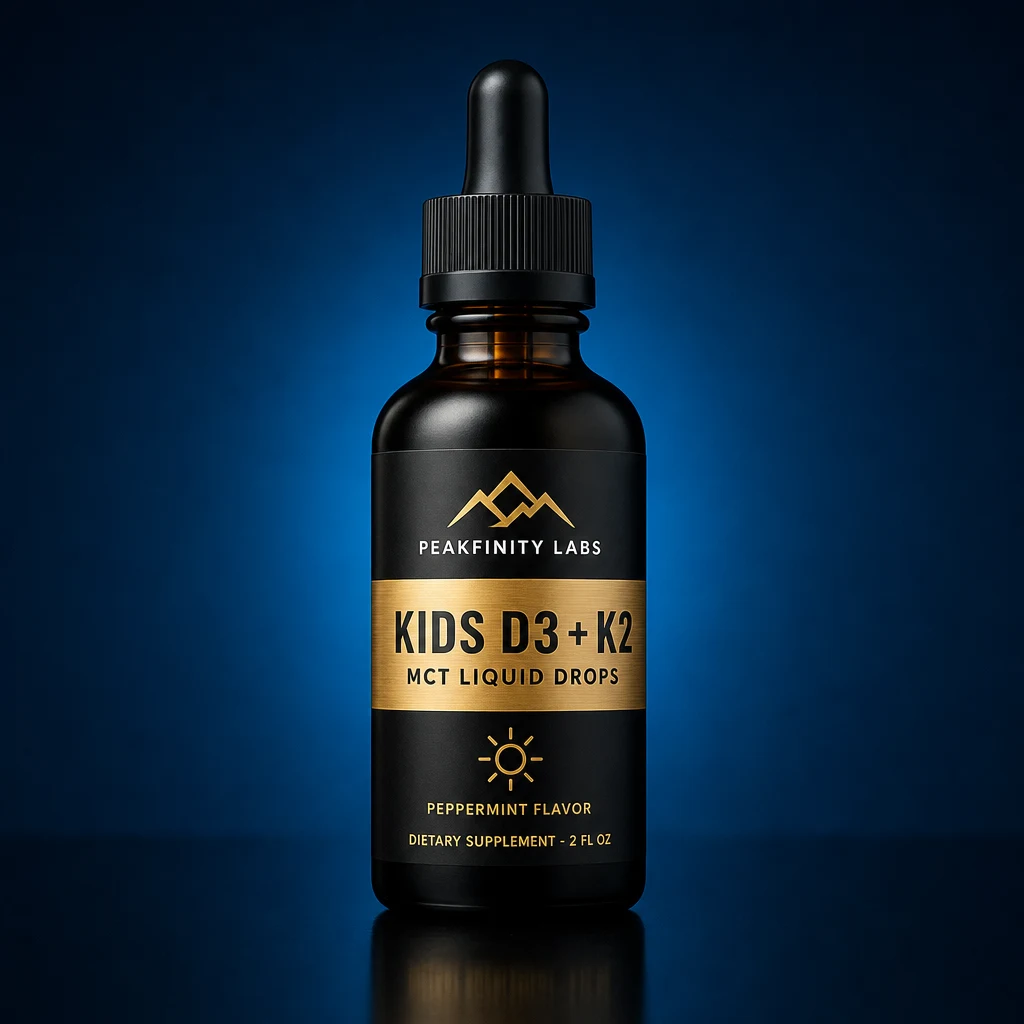
Kids Vitamin D3 + K2 (MK-7) Liquid Support in MCT & Olive Oil
Immunity · Liquid
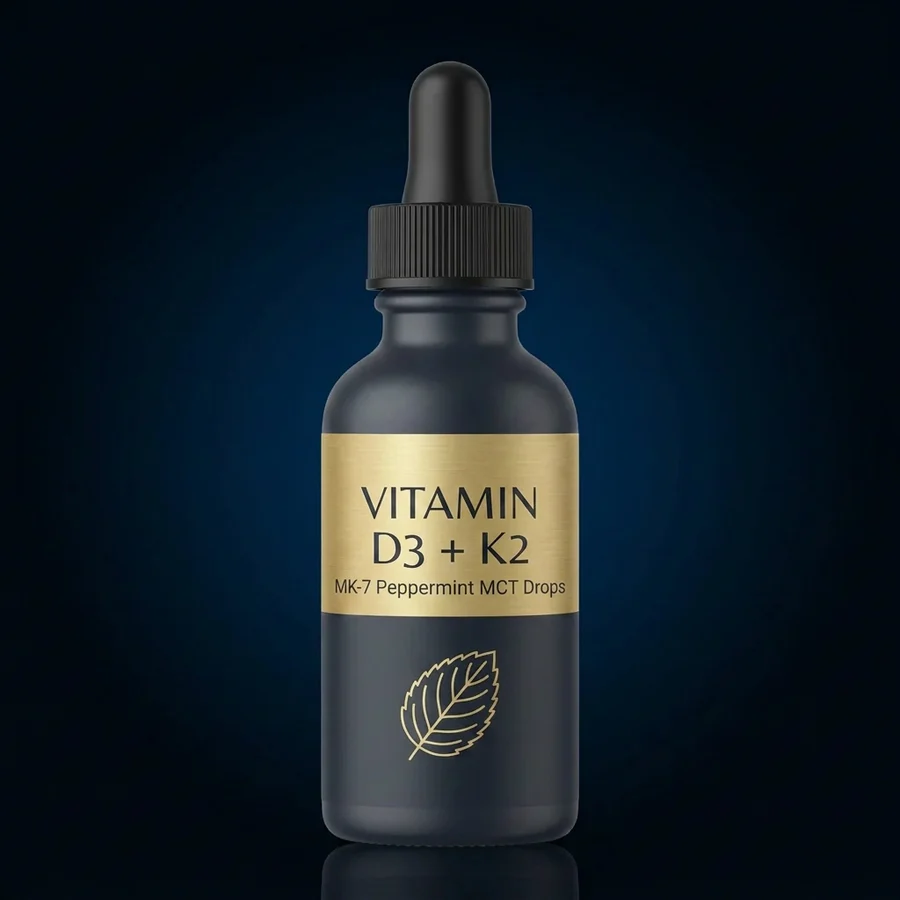
Liposomal Vitamin D3 + K2 (MK-7) Drops in Peppermint MCT Oil
Joint Support · Liquid
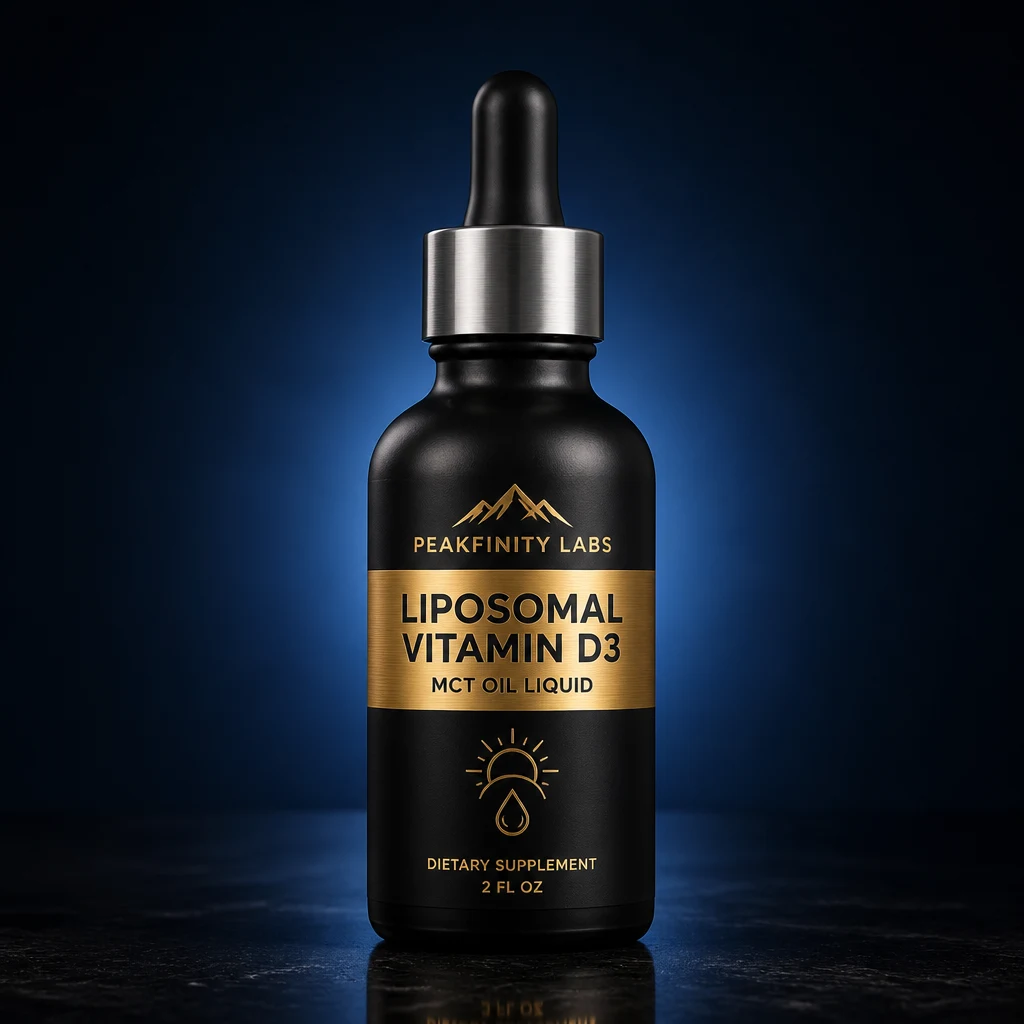
High-Potency Liposomal Vitamin D3 Liquid with MCT Oil Base
Immunity · Liquid
Conclusion: Launch your keto supplement brand with confidence
Keto supplements are a proven, high-demand category with strong repeat purchase behavior and premium pricing potential. The key to success is choosing the right format for your audience, sourcing quality ingredients, and working with a manufacturer that can deliver consistent, compliant production at a scale that matches your stage.
Start with one hero SKU, validate demand with a low MOQ run, and scale based on real data — not assumptions. Whether you're launching MCT oil softgels, BHB capsules, or keto electrolyte powders, the manufacturing fundamentals in this guide will help you avoid common mistakes and build a brand that grows.

Tushar
Licensed Pharmacist and COO @ Peakfinity Labs
Written by the Peakfinity Labs R&D Team — 46+ years of supplement formulation expertise. Our team of formulation chemists, manufacturing specialists, and regulatory experts has helped thousands of eCommerce brands bring their products to market successfully since 1980.
Related Articles
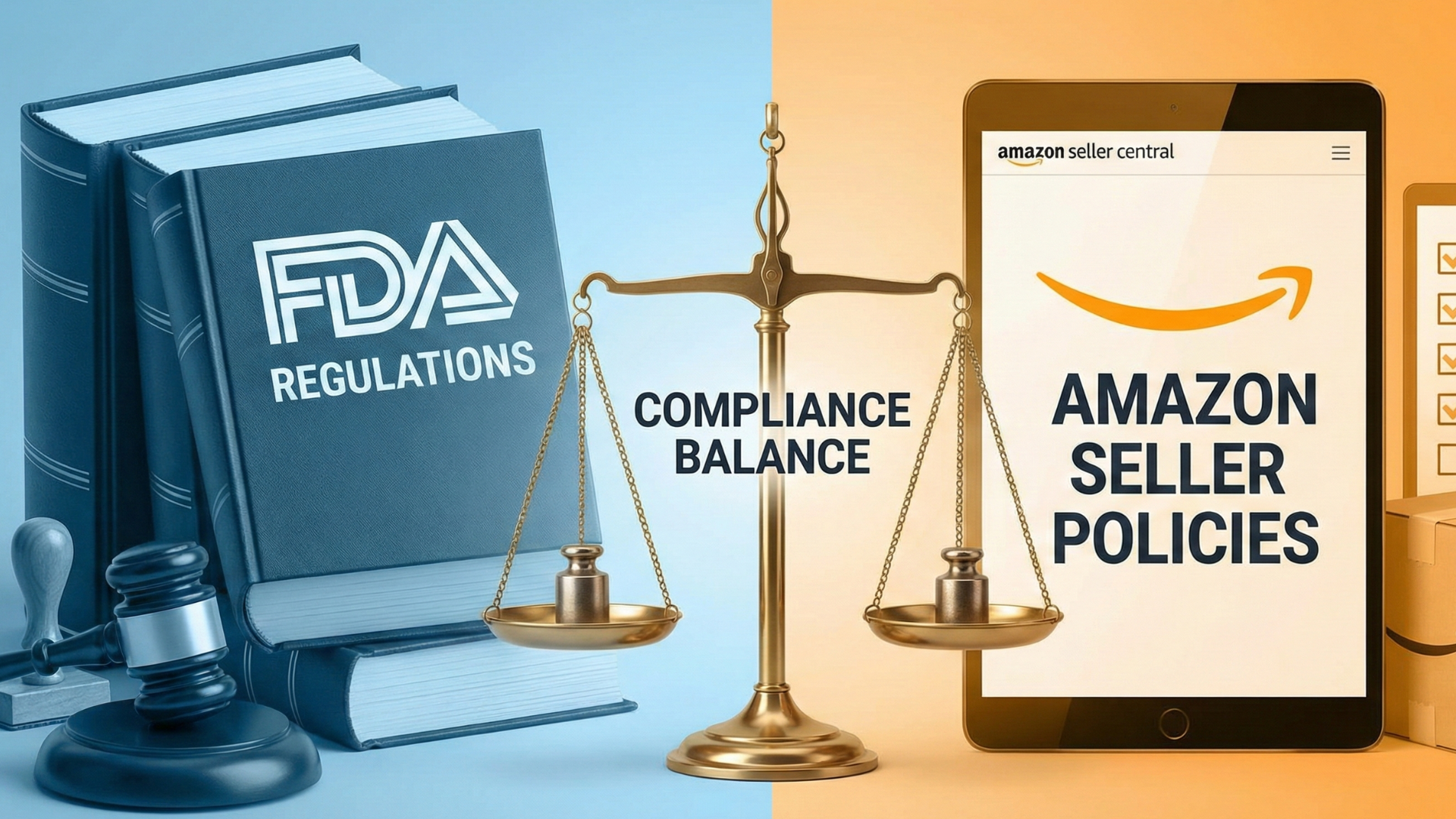
How to Find an ISO 17025-Accredited Supplement Testing Lab, and What Founders Should Ask For
How to verify a lab's ISO/IEC 17025 scope actually covers your test, the questions to ask before shipping samples, and a testing plan built for ecommerce timelines.
Supplement Manufacturing Lead Times and Reorders: What Founders Should Expect Before and After Launch
The five workstreams hiding inside "lead time," why reorders move faster than first runs, and the ramp plan that survives a demand spike.
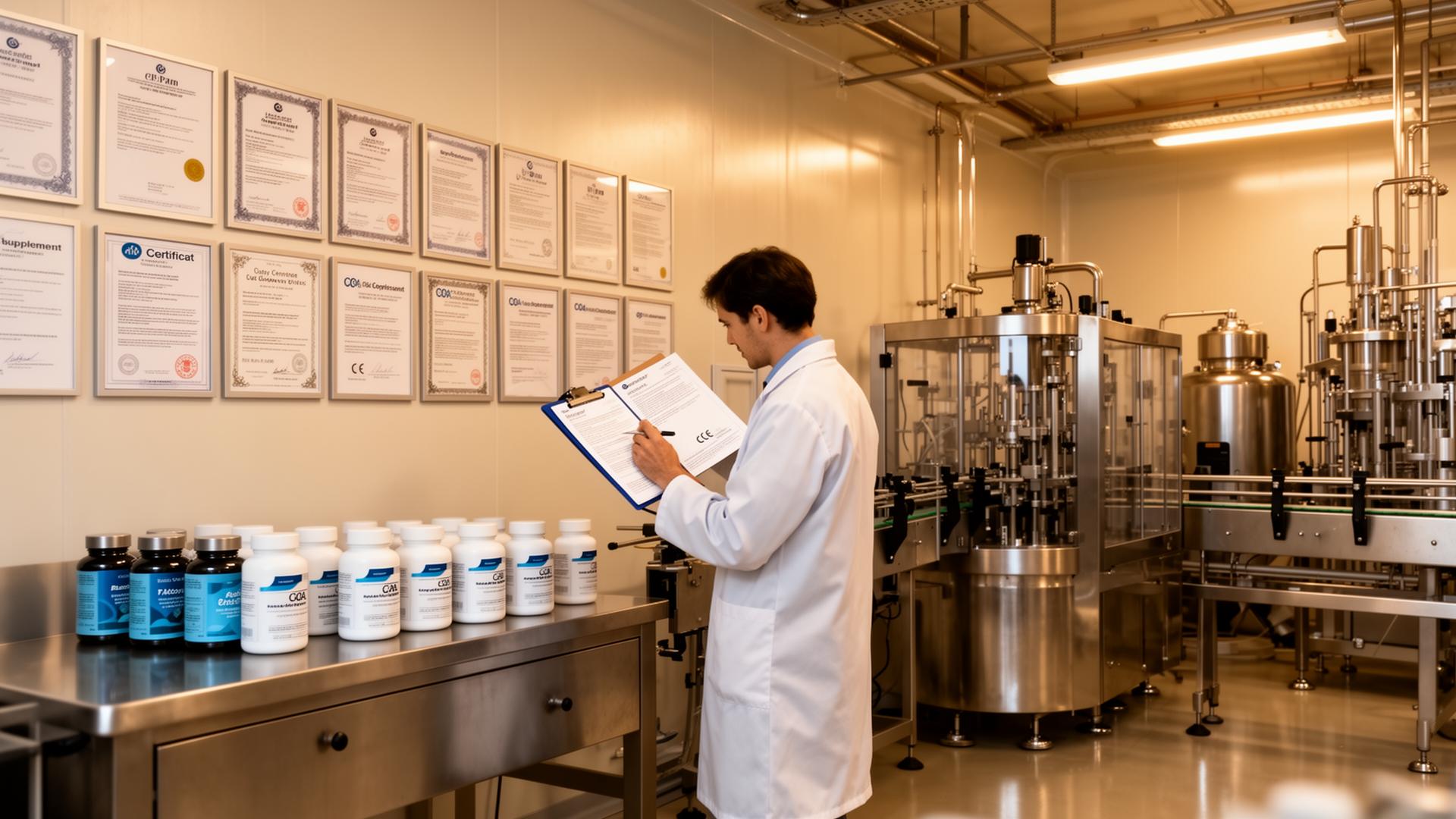
How to Vet a cGMP Supplement Manufacturer With Documented Audit History
The document pack, audit-history call script, and scoring rubric that separate real cGMP quality systems from certificate PDFs.