Joint Health Supplement Manufacturing Guide: Ingredients, Formats & Launch
How to formulate, manufacture, and launch a joint health supplement brand with clinically dosed ingredients and low MOQ production
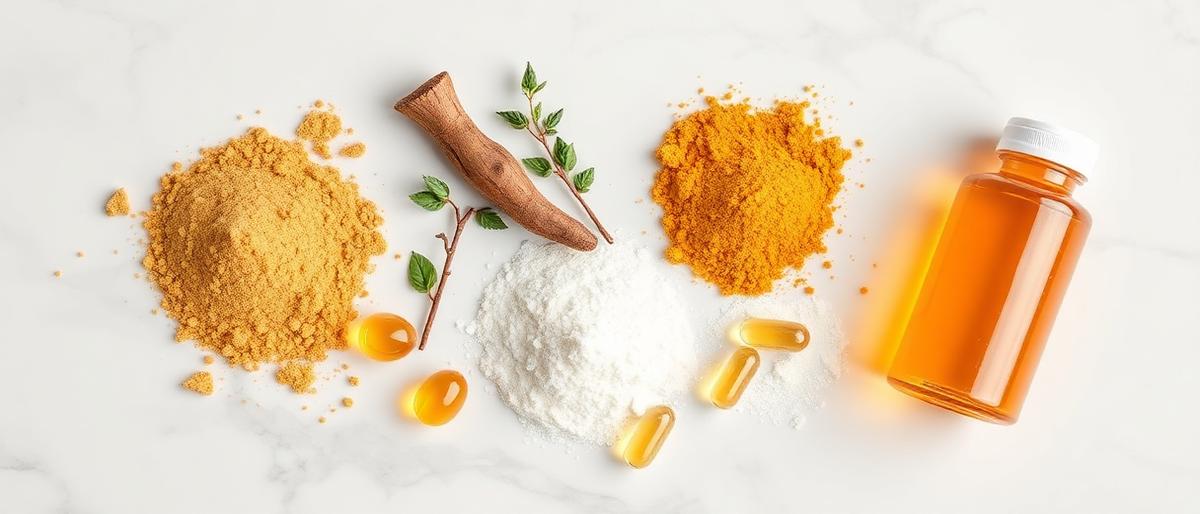
- 1Joint health supplements are a $6+ billion global market driven by aging populations and active lifestyles
- 2Glucosamine, chondroitin, turmeric/curcumin, collagen, and MSM are the five core joint ingredients
- 3Capsules and tablets dominate the category, but collagen powders and gummy formats are growing fast
- 4Bioavailability is the key differentiator—curcumin requires piperine or phytosome technology for absorption
- 5Low MOQ runs of 2,000 units let you test formulations before scaling to larger production
Why Joint Health Supplements Are a Proven Market
Joint health supplements represent one of the most established and resilient categories in the dietary supplement industry. Unlike trend-driven categories that rise and fall with social media cycles, joint supplements are driven by fundamental demographics: an aging global population, the rise of active lifestyles across all age groups, and increasing awareness of preventive joint care among younger consumers.
The global joint health supplement market exceeded $6 billion in 2025 and continues to grow at 7–9% annually. For supplement brand founders, this category offers proven consumer demand, well-established ingredient science, and multiple differentiation opportunities through format innovation and bioavailability enhancement. This guide walks you through every step of supplement manufacturing for joint health products—from ingredient selection to launch strategy.
Joint Supplement Market in 2026
The joint health market is segmented by consumer type and ingredient preference. Understanding these segments helps you position your brand effectively:
| Consumer Segment | Primary Concerns | Preferred Ingredients | Growth Rate |
|---|---|---|---|
| Active Adults (25–45) | Recovery, sports injuries, prevention | Collagen, turmeric, MSM | 10–14% CAGR |
| Baby Boomers (55–75) | Osteoarthritis, mobility, pain | Glucosamine, chondroitin, boswellia | 6–8% CAGR |
| Weekend Warriors | Post-exercise stiffness, flexibility | Turmeric, collagen, omega-3 | 8–10% CAGR |
| Pet Owners (for pets) | Hip/joint mobility in dogs | Glucosamine, chondroitin, green-lipped mussel | 12–15% CAGR |
Growth Opportunity
Key Joint Health Ingredients & Clinical Dosages
Joint health formulation centers on five core ingredient categories, each targeting different aspects of joint function—cartilage support, inflammation management, lubrication, and connective tissue repair:
| Ingredient | Mechanism | Clinical Dose | Key Consideration |
|---|---|---|---|
| Glucosamine Sulfate | Cartilage matrix building block | 1,500 mg/day | Shellfish vs. plant-derived sourcing |
| Chondroitin Sulfate | Cartilage hydration & elasticity | 800–1,200 mg/day | Often paired with glucosamine |
| MSM (Methylsulfonylmethane) | Sulfur donor, inflammation support | 1,000–3,000 mg/day | Well-tolerated, cost-effective |
| Turmeric/Curcumin | Anti-inflammatory (COX-2 inhibition) | 500–1,000 mg (enhanced form) | Requires bioavailability enhancer |
| UC-II Collagen | Immune modulation for cartilage | 40 mg/day | Undenatured type II, low dose effective |
| Hydrolyzed Collagen | Cartilage & connective tissue repair | 5,000–10,000 mg/day | Best as powder format |
| Boswellia Serrata | 5-LOX inhibition, swelling support | 100–250 mg (AKBA standardized) | Growing clinical evidence |
| Hyaluronic Acid | Synovial fluid support, lubrication | 80–200 mg/day | Oral bioavailability debated |
The most critical formulation decision is curcumin bioavailability. Standard turmeric extract has less than 5% oral absorption. Technologies like Meriva (phytosome), CurcuWIN (UltraSOL), or simple piperine (BioPerine) co-inclusion dramatically improve efficacy. Your manufacturer's ability to source and work with these branded ingredients directly impacts your product's effectiveness. Learn more about ingredient sourcing in our collagen manufacturing guide.
Formats for Joint Health Supplements
Format selection is especially important for joint supplements because many key ingredients require high daily doses (1,500 mg glucosamine + 1,200 mg chondroitin = 2,700 mg just for two ingredients). Here's how formats compare:
| Format | Dose Capacity | Consumer Appeal | Cost/Unit |
|---|---|---|---|
| Large Capsules (size 00) | ~735 mg per cap (3–4 cap serving) | Functional, established | $0.15–$0.40 |
| Tablets | ~1,000+ mg per tab (2–3 tab serving) | Highest density, fewer pills | $0.12–$0.35 |
| Powder (collagen-based) | 5,000–10,000 mg per scoop | Modern, versatile | $0.40–$0.90 |
| Gummies | ~200–400 mg per gummy | Consumer-friendly, low dose | $0.20–$0.50 |
| Softgels | Good for liquid extracts, omega-3 | Easy swallow, lipid ingredients | $0.25–$0.55 |
For traditional glucosamine-chondroitin formulas, tablets offer the highest ingredient density per unit. For collagen-forward joint products targeting younger consumers, powder sachets or tubs provide the high doses collagen requires. Gummies work for simple turmeric or boswellia products but cannot deliver clinical doses of glucosamine.
Formulation Considerations
Joint supplement formulation involves several technical challenges that your manufacturer needs to handle:
- Ingredient bulk density: Glucosamine and chondroitin are bulky—a 1,500 mg + 1,200 mg formula typically requires 3–4 large capsules per serving. Consider tablet format for better compression ratios
- Curcumin compatibility: Curcumin can stain equipment and interact with certain excipients. Your manufacturer needs dedicated or properly cleaned equipment
- Shellfish allergen management: If using shellfish-derived glucosamine, your facility must follow allergen control procedures and declare the allergen prominently on labeling
- Stability testing: Curcumin and certain collagen peptides are sensitive to heat and moisture. Accelerated stability testing validates your product's 24-month shelf life claim
- Synergistic pairings: MSM enhances glucosamine absorption; piperine (BioPerine) boosts curcumin bioavailability by 2,000%; vitamin C supports collagen synthesis. Build these synergies into your formula
Formulation Strategy
Compliance & Label Claims
Joint health supplements face specific compliance considerations:
- Permitted claims: "Supports joint health," "promotes joint flexibility," "supports cartilage health," "helps maintain joint comfort"
- Prohibited claims: "Treats arthritis," "cures joint pain," "anti-inflammatory" (this is a drug claim), "prevents osteoarthritis"
- Allergen declarations: Shellfish-derived glucosamine requires clear allergen labeling under FALCPA
- California Prop 65: Some joint ingredients may trigger Prop 65 warnings for lead content—test and certify accordingly
- Amazon requirements: Joint supplements are scrutinized on Amazon. Ensure your listing avoids disease claims and includes all required supplement facts panel information
For complete guidance on supplement compliance, including Amazon-specific requirements, consult your manufacturer's regulatory team before finalizing your label copy.
Joint Supplement Manufacturing Cost Breakdown
| Cost Category | Basic Formula (Gluc+Chon) | Mid-Range (+ Curcumin, MSM) | Premium (branded extracts) |
|---|---|---|---|
| Raw materials | $1,500–$2,500 | $2,800–$4,500 | $4,500–$7,500 |
| Production (tableting/encapsulation) | $800–$1,200 | $1,000–$1,800 | $1,200–$2,200 |
| Testing (identity, potency, metals, allergen) | $400–$700 | $600–$1,200 | $1,000–$1,800 |
| Packaging & labeling | $600–$1,000 | $800–$1,200 | $1,000–$1,500 |
| Total (2,000 units) | $3,300–$5,400 | $5,200–$8,700 | $7,700–$13,000 |
| Per-unit cost | $1.32–$2.16 | $2.08–$3.48 | $3.08–$5.20 |
Joint supplements typically retail for $25–$50 per bottle (30-day supply), with premium collagen-based products reaching $45–$65. Margins of 60–70% are achievable at scale. For a full cost comparison across supplement categories, see our manufacturing cost breakdown.
Choosing a Joint Supplement Manufacturer
- Tablet and capsule capability: Joint supplements often require large-format tablets or multi-capsule servings—your manufacturer needs the equipment to handle both
- Allergen controls: If using shellfish-derived glucosamine, the facility must have documented allergen control and cross-contamination prevention procedures
- Branded ingredient sourcing: Can they source Meriva, UC-II, BioPerine, and other branded extracts at competitive prices?
- Low MOQ flexibility: Start with 2,000 units to validate your formula and market positioning before committing to larger runs
- Full-panel testing: Identity, potency, heavy metals, microbial, and allergen testing should be standard, not add-on services
Our contract manufacturer evaluation guide provides a detailed checklist for vetting potential manufacturing partners.
Launch Strategy for Joint Health Brands
- Choose your angle: Active lifestyle prevention (younger demographic) vs. mobility support (older demographic) — this determines your branding, ingredients, and channels
- Start with one hero formula: A 2,000 unit initial run controls risk. Use a proven combination like glucosamine + chondroitin + MSM + turmeric as your flagship
- Invest in education content: Joint health consumers research extensively. Create comparison guides, ingredient explainers, and dosage information that positions your brand as an authority
- Multi-channel launch: Amazon FBA for discovery, Shopify DTC for margins, and explore healthcare practitioner channels for credibility
- Build the subscription model: Joint supplements are taken daily for months—subscription conversion rates of 20–30% are common and dramatically improve customer LTV
- Expand to complementary SKUs: Once your hero product proves demand, add format variants (powder collagen, topical cream) or adjacent categories (standalone collagen)
Frequently Asked Questions
What are the most effective joint health supplement ingredients?
The most clinically supported joint health ingredients include glucosamine sulfate (1,500 mg/day), chondroitin sulfate (1,200 mg/day), MSM (1,000–3,000 mg/day), turmeric/curcumin with enhanced bioavailability, type II collagen (UC-II at 40 mg or hydrolyzed collagen at 5–10 g), and boswellia serrata extract.
How much does it cost to manufacture joint supplements?
Joint supplement manufacturing costs range from $4,000 to $12,000 for an initial 2,000-unit run depending on ingredient selection and format. Simple glucosamine-chondroitin capsules cost less than premium formulas using branded curcumin extracts and UC-II collagen.
What format is best for joint health supplements?
Capsules and tablets are the most popular formats for joint supplements because they can deliver the high doses required (1,500 mg glucosamine per serving). Powders work well for collagen-based joint products. Gummies are challenging due to dose limitations but growing in consumer demand.
Can I make joint supplement claims on my label?
You can use structure/function claims like 'supports joint health,' 'promotes joint flexibility,' or 'supports cartilage health.' You cannot claim to treat, cure, or prevent arthritis, osteoarthritis, or any joint disease. All claims require the standard FDA disclaimer.
What is the minimum order quantity for joint supplements?
Most GMP-certified US manufacturers offer MOQs of 2,000 units for joint health capsules and tablets. Powder formats may have slightly higher minimums. Starting with low MOQ allows you to validate your formula and market positioning before committing to bulk production.
Should I use glucosamine from shellfish or plant sources?
Shellfish-derived glucosamine is more common and better studied, but plant-based (corn-derived) glucosamine is essential if targeting vegan consumers or those with shellfish allergies. Plant-based costs slightly more but opens a significant market segment.
Ready-to-Launch Formulations in This Category
Stock-ready formulations you can private label with your own branding — 2,000 unit MOQ.
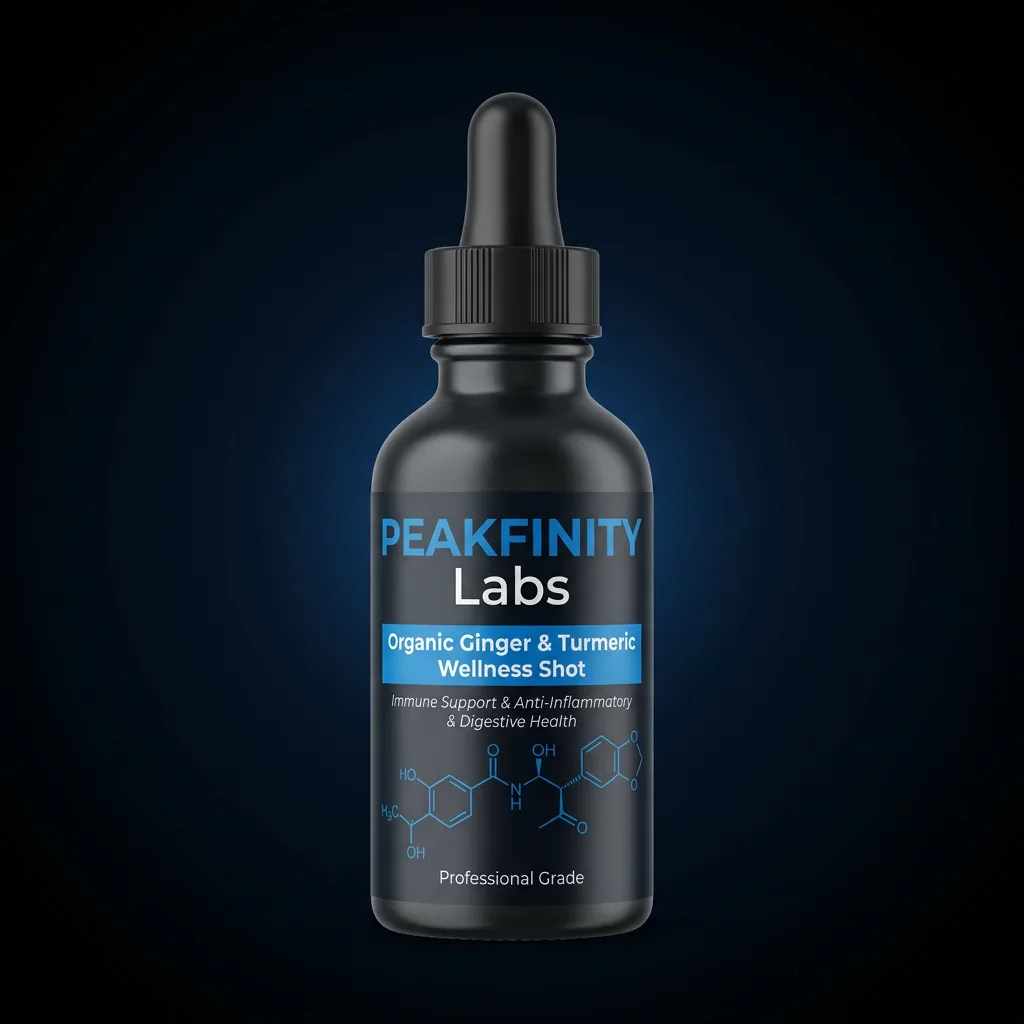
Organic Ginger & Turmeric Wellness Shot
Immunity · Liquid
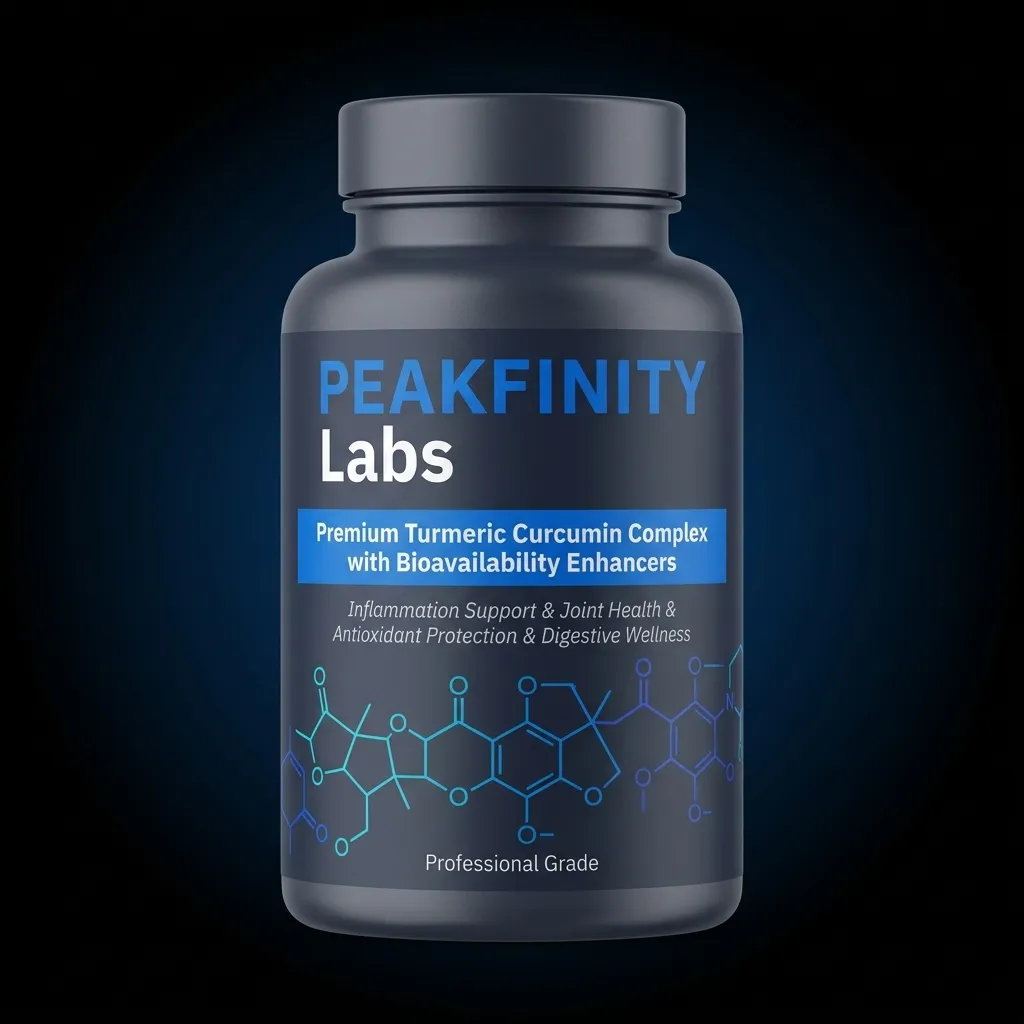
Premium Turmeric Curcumin Complex with Bioavailability Enhancers
Joint Support · Capsules
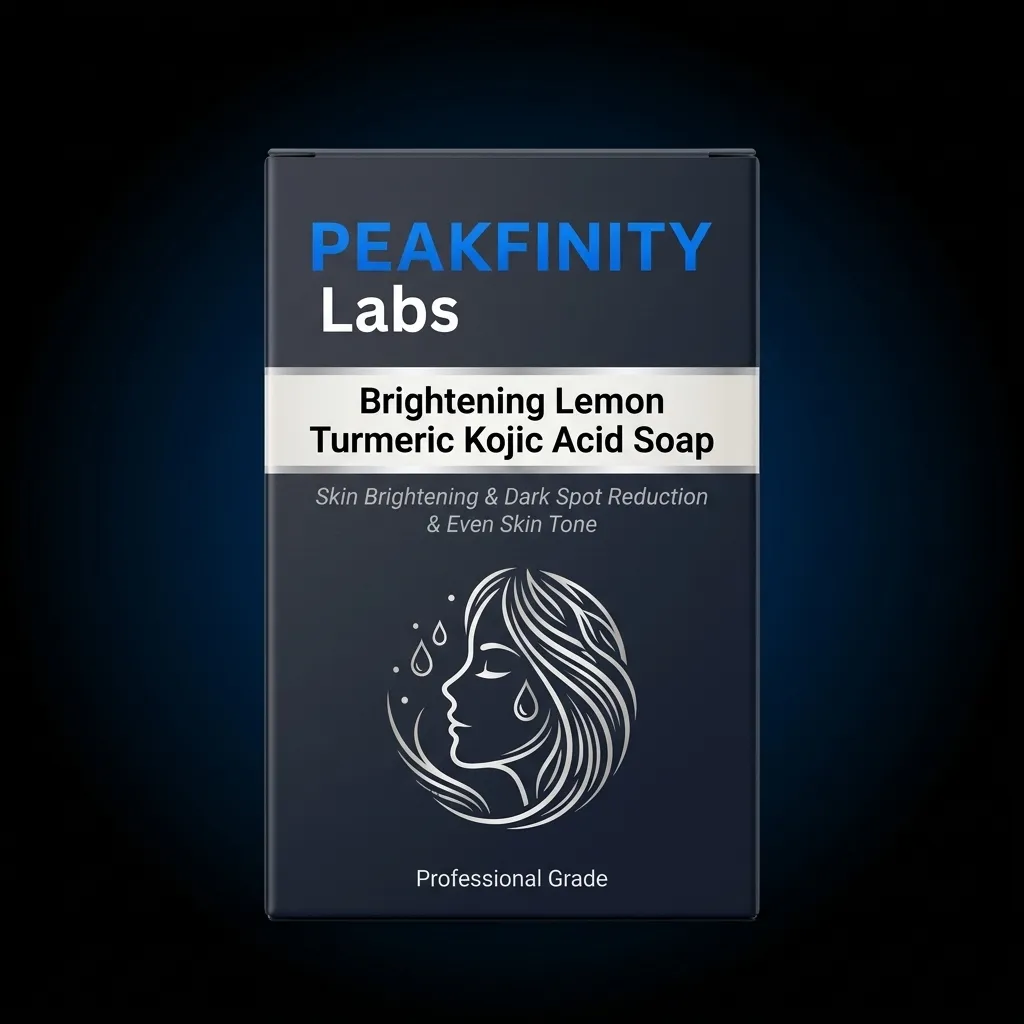
Brightening Lemon Turmeric Kojic Acid Soap
Beauty Skin · Topical
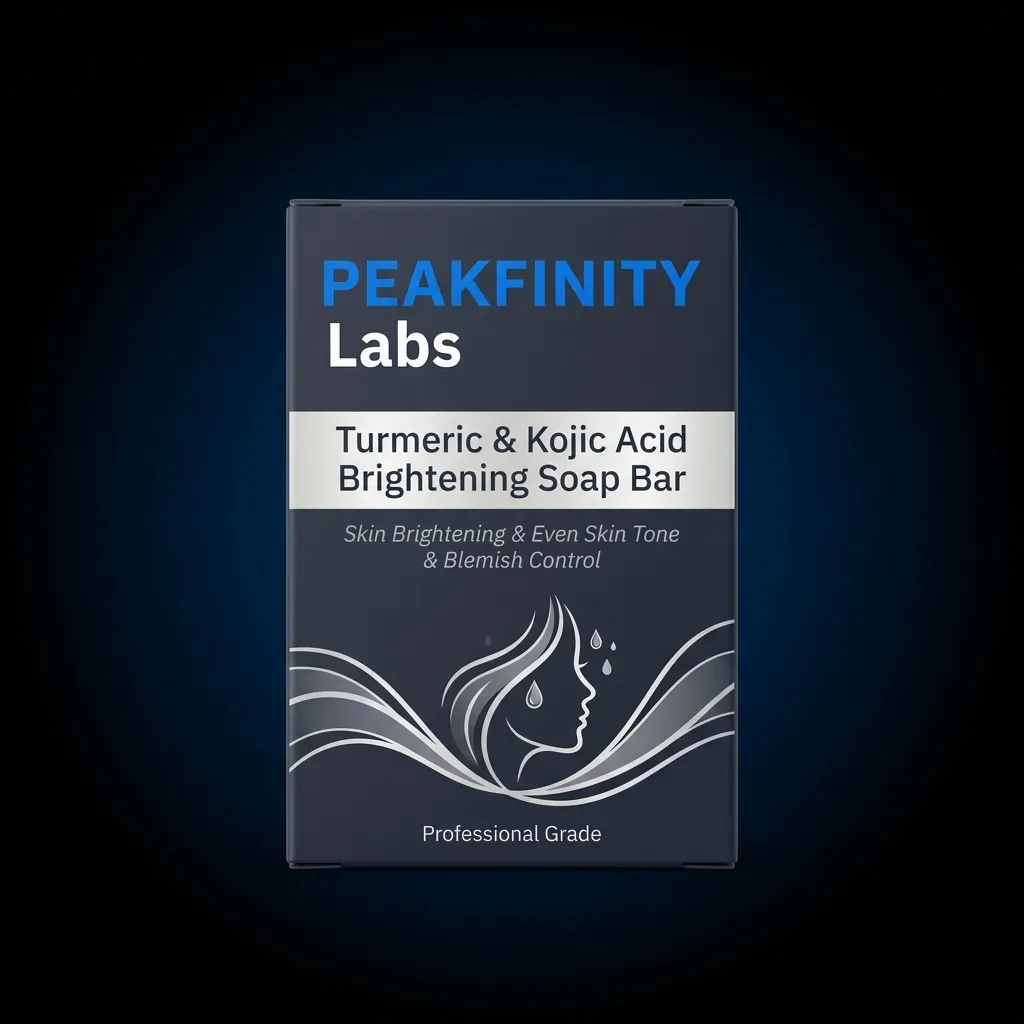
Turmeric & Kojic Acid Brightening Bar Soap
Beauty Skin · Topical

Tushar
Licensed Pharmacist and COO @ Peakfinity Labs
Written by the Peakfinity Labs R&D Team — 46+ years of supplement formulation expertise. Our team of formulation chemists, manufacturing specialists, and regulatory experts has helped thousands of eCommerce brands bring their products to market successfully since 1980.
Related Articles

How to Find an ISO 17025-Accredited Supplement Testing Lab, and What Founders Should Ask For
How to verify a lab's ISO/IEC 17025 scope actually covers your test, the questions to ask before shipping samples, and a testing plan built for ecommerce timelines.
Supplement Manufacturing Lead Times and Reorders: What Founders Should Expect Before and After Launch
The five workstreams hiding inside "lead time," why reorders move faster than first runs, and the ramp plan that survives a demand spike.
How to Vet a cGMP Supplement Manufacturer With Documented Audit History
The document pack, audit-history call script, and scoring rubric that separate real cGMP quality systems from certificate PDFs.