Types of Collagen: What Brands Use and Why Explained
We compared 7 collagen sources - marine, bovine, chicken, eggshell - and 2 formats (hydrolyzed peptides vs gelatin) to recommend specs and ecommerce packaging.
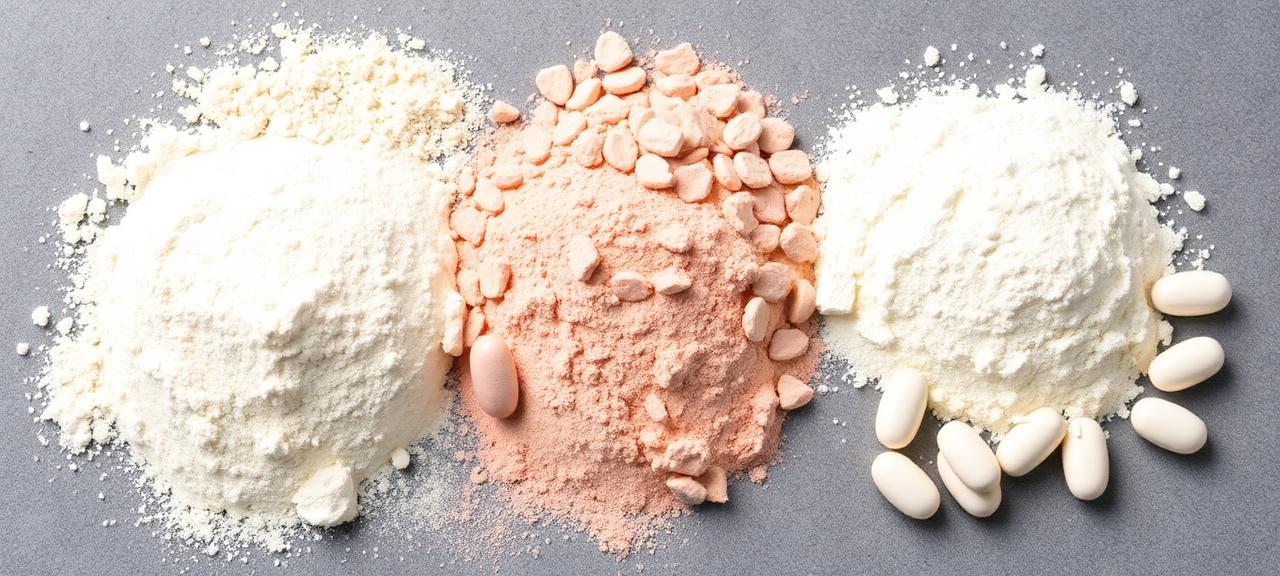
- 1“Collagen” looks simple on a label, but brands don’t buy “collagen.” They choose a source (marine, bovine, chicken, eggshell), a format (gelatin,
- 2Collagen is a structural protein found in skin, cartilage, tendons, and bone. In supplements, you’re usually selling one of three things: collagen
- 3Most consumer brands use collagen in two “lanes.” Beauty brands lean hard into type I (often with type III). Joint brands either use undenatured type
- 4Consumers ask this question because they’re thinking about results, ethics, allergens, and taste. Brands should also think about spec control, supply
- 5“Collagen protein” on a PDP often means collagen peptides used as a protein source. “Collagen peptides” signals the ingredient is hydrolyzed for
Introduction
“Collagen” looks simple on a label, but brands don’t buy “collagen.” They choose a source (marine, bovine, chicken, eggshell), a format (gelatin, native/undenatured, or hydrolyzed peptides), a spec (molecular weight, amino acid profile, solubility), and a story (beauty-from-within, joint support, sustainable sourcing, or performance nutrition). Those choices change your taste, your claims boundaries, your COGS, your allergen callouts, and even what packaging you can ship through Amazon without clumping or leaking.
We see the same pattern with growing brands: the first collagen product succeeds because the concept is strong, then the second batch struggles because the collagen spec wasn’t locked, the flavor system didn’t cover odor, or the manufacturer didn’t plan for ecommerce timelines. The good news is you can avoid most of that with a brand-first decision tree.
This guide breaks down what types of collagen brands actually use, why type I dominates beauty, what “hydrolyzed” really means, how to support credible skin and joint positioning, and how to pick a GMP-certified, ISO-certified, compliant partner that can do fast, turnkey, low MOQ runs that scale.
Collagen basics brands should know (without the textbook)
Collagen is a structural protein found in skin, cartilage, tendons, and bone. In supplements, you’re usually selling one of three things: collagen peptides (hydrolyzed collagen), gelatin, or undenatured type II collagen.
What matters commercially is that different collagens have different dominant types (I, II, III) and different use cases. Your positioning should follow the type and format—not the other way around.
| Ingredient on label | What it is | Common use | Typical dose range (brand practice) | Why brands pick it |
|---|---|---|---|---|
| Hydrolyzed collagen / collagen peptides | Collagen broken into smaller peptides for better solubility | Beauty-from-within, hair/skin/nails, general wellness, protein add-on | 2.5–10 g/day | Mixes into drinks, broad consumer appeal, easy to flavor |
| Gelatin | Partially hydrolyzed collagen that gels | Gummies, marshmallow textures, culinary-style products | Varies by format | Functional texture and mouthfeel |
| Undenatured type II collagen | Native collagen from cartilage, kept structurally intact | Joint mobility/comfort positioning | ~40 mg/day (common branded-ingredient approach) | Low dose, clear joint story, capsule-friendly |
What types of collagen do brands use—and why?
Most consumer brands use collagen in two “lanes.” Beauty brands lean hard into type I (often with type III). Joint brands either use undenatured type II or pair type I/III peptides with joint co-actives.
Type I collagen (the beauty leader)
Type I is the most abundant collagen in the human body and a major component of skin, tendons, and bone. Brands choose type I-heavy collagen peptides for beauty because it maps cleanly to the consumer expectation: skin firmness, elasticity, and “glow.”
Why type 1 collagen is most popular for beauty products: it aligns with skin structure, it’s widely available in bovine and marine sourcing, and it’s easy to fit into drink mixes, sticks, and powders at clinically common serving sizes (often 2.5–5 g/day in beauty SKUs, and 10 g/day in more “protein-forward” SKUs).
Type II collagen (the joint specialist)
Type II is concentrated in cartilage. Joint-focused brands often pick undenatured type II because it supports a strong “low dose capsule” experience and a very specific joint positioning. This is a different strategy than “10 grams of peptides.”
In practice, many brands avoid mixing undenatured type II into hot-fill liquids or aggressive processes because they want to protect the native structure. If your plan is RTD or high-heat processing, peptides may be a better fit.
Type III collagen (the frequent sidekick)
Type III commonly shows up with type I in bovine collagen peptides. Brands like the “I + III” callout because it sounds comprehensive, but the real driver is sourcing: many bovine collagen peptide inputs naturally contain both.
What’s the difference between marine, bovine, and chicken collagen?
Consumers ask this question because they’re thinking about results, ethics, allergens, and taste. Brands should also think about spec control, supply risk, and flavor masking costs.
| Source | Typical collagen types | Best for | Watch-outs | Brand positioning angle |
|---|---|---|---|---|
| Marine (fish skin/scales) | Mostly type I | Beauty-from-within powders, sticks, liquids | Fish allergen, odor/taste management, higher cost, supply consistency varies | Sustainable sourcing, “beauty collagen,” pescatarian-friendly |
| Bovine (hide/bone) | Type I + III | Value-strong collagen peptides, unflavored powders, drink mixes | Not vegetarian, some consumers avoid beef; variable gel/taste if spec shifts | Everyday collagen, performance + beauty crossover |
| Chicken (sternum/cartilage) | Often type II (especially undenatured) | Joint capsules, mobility blends | Poultry allergen concerns, not a “beauty” story for most buyers | Targeted joint support, mobility-first |
Our practical take: if you’re building a hero beauty SKU for TikTok and Amazon, marine collagen can win on story, but bovine often wins on margins and flavor simplicity. If you don’t have strong creative that explains “marine,” most customers will default to price per serving.
Collagen protein vs collagen peptides: what brands actually mean
“Collagen protein” on a PDP often means collagen peptides used as a protein source. “Collagen peptides” signals the ingredient is hydrolyzed for solubility and mixability.
The commercial difference shows up in consumer experience. Peptides dissolve better in cold water and leave less grit, which matters for repeat purchase. If you’re running subscriptions, that matters more than a slightly better cost per kilo.
- Choose “collagen peptides” wording when your product is a drink mix, stick pack, or liquid shot and you want easy mixing.
- Choose “collagen protein” wording when your positioning is protein-forward (satiety, macros), while still staying compliant on beauty claims.
How hydrolyzed collagen is made—and why it matters for absorption
Hydrolyzed collagen starts as collagen-rich raw material (fish skin, bovine hide, etc.). Manufacturers extract collagen, then apply controlled enzymatic hydrolysis to break long collagen chains into smaller peptides. They filter, concentrate, dry (often spray dry), and standardize the spec.
Brands care because hydrolysis drives solubility, mouthfeel, and a more predictable finished product. It also affects labeling and testing: you want consistent amino acid profile, heavy metal compliance (especially for marine), and stable microbial results across lots.
The part many blogs skip: “smaller peptides” is not automatically better. If the molecular weight skews too low, bitterness can rise and flavor costs go up. We often target a spec that balances fast dissolve with low odor and a clean finish, especially for unflavored Amazon powders where reviews punish “fishy” notes.
What’s behind the massive growth of beauty-from-within supplements?
Beauty-from-within is growing because it fits modern buying behavior: people want visible outcomes, they trust routines, and they shop where trends move fast (TikTok Shop, Amazon, DTC bundles). Collagen became the gateway because the concept is easy to understand and the format is flexible.
From the brand side, collagen is also operationally friendly. You can launch a small-batch powder or stick pack with a low MOQ, validate CAC and repeat purchase, then scale into liquids, gummies, and bundles without rewriting your entire supply chain.
One contrarian note: the “beauty” winner isn’t always the most complex formula. Many top-performing SKUs stick to a clear collagen dose and add only a few co-actives that support a clean label and stable taste.
How do brands prove collagen actually works for skin and joints?
Brands don’t “prove” collagen works the way a drug brand would. They build credibility through three things: the ingredient format and dose match what has been studied, the claims stay within FDA/FTC boundaries, and the product quality is consistent batch to batch.
For skin, many studies on collagen peptides use daily doses in the 2.5–10 g range for 8–12 weeks and measure hydration, elasticity, or wrinkle metrics. For joints, undenatured type II is often positioned at much lower daily doses (commonly ~40 mg) with mobility and comfort endpoints.
Practical brand move: keep a claims file that maps each claim to your ingredient type, your serving size, and the exact wording you plan to use. This makes compliance reviews faster and protects you during ad approvals and retail onboarding.
Authoritative references brands use when building substantiation files include:
- FDA Dietary Supplements (structure/function claim framework)
- FTC Advertising and Marketing Guidance (advertising substantiation expectations)
What beauty ingredients pair best with collagen in formulas?
Brands pair collagen with ingredients that either support collagen biology, improve the “beauty routine” story, or solve taste and format constraints. The best pairings also fit your dosage budget and keep the serving size realistic.
| Ingredient | Why brands add it | Best format | Formulation watch-out |
|---|---|---|---|
| Vitamin C | Supports collagen synthesis story and label comprehension | Powder, sticks, capsules | Acidity can sharpen flavor; watch interactions with flavors/sweeteners |
| Hyaluronic acid (HA) | Hydration positioning; strong beauty association | Capsules, powders, gummies | Spec varies; keep HA source and molecular weight consistent |
| Biotin | Hair/nails shorthand; familiar to shoppers | Capsules, gummies | High doses can interfere with some lab tests; include consumer guidance |
| Zinc | Skin support and clarity positioning | Capsules | Can cause nausea if dosing is aggressive; taste issues in powders |
| Ceramides (plant-derived) | Barrier and hydration story; premium angle | Capsules, sticks | Cost and sourcing; ensure stability and clear label naming |
What trending beauty ingredients are showing up in collagen blends?
We’re seeing brands win with blends that feel modern but still manufacturable at scale. The trend is not “add 20 actives.” It’s “add 2–4 that customers recognize and creators can explain in 15 seconds.”
- Ceramides for barrier support positioning
- Astaxanthin for antioxidant storytelling (often capsule-first due to color and stability)
- Silica (from bamboo extract or ch-OSA) for hair/nails angle (watch label expectations)
- Probiotics for gut-skin tie-ins (more complex stability and packaging needs)
- Electrolytes in collagen drink mixes to fit “hydration + glow” routines
Why liquid collagen is growing faster than powder
Liquid collagen is winning on convenience and perception. Many consumers believe a shot “hits faster,” even though peptides in powders can be equally practical when the dose and routine are consistent.
For brands, liquids also create higher AOV and stronger differentiation. A 50–60 mL stick or shot can carry flavor, actives, and a premium experience that a commodity powder struggles to defend.
The tradeoff is operational: liquids add packaging complexity, freight cost, and stability testing. If you are still validating demand, start with a small-batch powder at a low MOQ, then ladder into liquids once you’ve proven repeat purchase.
How brands handle collagen taste and odor in formulations
Taste is where collagen products win or die in reviews. The biggest drivers are source (marine can read “briny”), spec (some peptide ranges taste more bitter), and flavor system quality.
- Start with the right input spec: lock supplier, origin, and sensory targets before you scale spend on branding.
- Use a flavor system that matches collagen: citrus can amplify off-notes; vanilla and cocoa can hide them.
- Control sweetener edges: some high-intensity sweeteners can highlight bitterness at higher peptide loads.
- Test in your real use case: cold water, almond milk, coffee, and smoothies all behave differently.
We often recommend brands do a two-step sensory test: first in water at the exact serving size, then in the top two consumer “mix-in” liquids you’ll show in your ads. That prevents returns driven by “it was fine in the studio recipe, but not in my morning coffee.”
How do brands source sustainable marine collagen?
Sustainable marine collagen usually comes from upcycled fish skins and scales from food processing, not from fishing solely for supplements. Brands ask for documentation on species, region, traceability, and third-party certifications when available.
Operationally, you also want consistent heavy metal and contaminant testing, because marine sourcing varies by geography. If your manufacturer can’t show lot-to-lot COAs and a clear testing plan, your “sustainable” story can turn into a compliance and reputational risk.
What FDA rules apply to beauty supplement claims?
In the US, collagen supplements are dietary supplements, so brands typically use structure/function claims (for example, “supports skin hydration” or “supports joint mobility”) rather than drug claims (for example, “treats arthritis” or “reverses wrinkles”). You also need the standard DSHEA disclaimer on structure/function claims and you must avoid before/after visuals that imply treatment of a disease state.
Ads matter as much as labels. The FTC expects claims to be truthful, not misleading, and supported by reliable evidence that matches your ingredient type and dose. (If Amazon is a priority channel, use a checklist like how to create a compliant supplement product for Amazon when you’re reviewing listing copy and creatives.)
How do brands market collagen to men without it feeling feminine?
Brands succeed with men when they shift from “beauty” language to function: recovery, joint resilience, strength training support, and “healthy aging.” The ingredient can be identical; the frame changes.
- Use performance routines: morning coffee collagen, post-workout shake, travel stick packs.
- Pick neutral flavors: unflavored, coffee, chocolate, or citrus with low sweetness.
- Bundle smart: collagen + electrolytes, collagen + creatine (if your positioning and label allow it).
What packaging best protects collagen powder from clumping?
Collagen peptides pull moisture from air. Clumping usually comes from humidity exposure during filling, shipping, or repeated opening at home. Packaging should block moisture and keep oxygen exposure stable.
| Packaging format | Best use | Moisture protection | Ecommerce notes |
|---|---|---|---|
| HDPE jar + induction seal | Tubs for unflavored powders | Good (improves with desiccant) | Durable for Amazon; higher dimensional weight |
| Stand-up pouch (high barrier) + zipper | Refill or lifestyle SKUs | Medium to good (depends on film) | Great for shipping cost; needs strong seal QA |
| Stick packs | Single-serve routines, travel | Excellent | Best for TikTok trials and subscriptions; higher packaging cost |
Real-world detail: if you sell on Amazon, stick packs often reduce “arrived clumped” reviews because consumers don’t reopen a humid container for 30 days. That review quality can be worth more than the added packaging cost. (For packaging and panel requirements, see supplement packaging label design.)
What’s the global collagen supplement market size in 2026?
Different research firms report different numbers because they segment collagen differently (food vs supplements vs cosmetics, peptides vs gelatin, regional splits). Instead of anchoring your plan to a single “market size” figure, use it as a directional signal and build your own category math: price per serving, repeat rate, and channel margins.
If you need a number for an investor deck, pick one source, cite it clearly, and keep your assumptions consistent across the deck. Avoid mixing TAM figures from one report with growth rates from another.
Where to start: a brand-first collagen decision tree
If you’re launching fast, you need decisions you can lock in within days—not weeks. Here’s a practical order that keeps you moving while protecting quality.
- Pick your lane: beauty (type I peptides) or joint (undenatured type II or a joint blend).
- Pick your hero format: powder tub, stick pack, capsule, gummy, or liquid shot.
- Set your serving size: make sure the dose fits the scoop size, bottle count, and taste budget.
- Lock the collagen spec: source, sensory target, solubility, and COA requirements.
- Build compliant claims: align your wording with ingredient type and dose; plan DSHEA disclaimer use.
- Design for ecommerce: humidity control, seals, shipping tests, and label scannability.
What should you look for in a collagen manufacturer?
New brands worry about reliability, quality, timelines, and confidentiality. Those are valid concerns, and you can screen for them early.
- GMP-certified and ISO-certified facilities with audit-ready documentation. (Related: understanding cGMP for dietary supplement manufacturing.)
- Low MOQ options so you can test creative and demand before you buy deep inventory. (See Low-MOQ supplement and skincare manufacturing FAQ.)
- Fast, realistic timelines that match ecommerce calendars (product drops, creator seeding, ad learning phases).
- Turnkey services including formulation, packaging, labeling, and compliance support. (Helpful: custom supplement formulation guide.)
- Clear confidentiality and IP handling (NDAs, restricted access to formulas, controlled change management).
- Spec control that prevents “same SKU, different taste” between lots.
Conclusion: build a collagen SKU that can launch fast and scale cleanly
Winning collagen products don’t rely on hype. They pick the right collagen type and source for the promise, control taste and spec, and build claims that stay compliant in ads and on labels.
If you want to move fast without taking big inventory risk, start with a small-batch run at a low MOQ, lock your collagen spec early, and choose ecommerce-ready packaging that protects against humidity and shipping abuse. From there, scale into stick packs or liquids once you’ve proven repeat purchase. (For a manufacturing-focused breakdown, see Collagen Supplement Manufacturing.)
Next steps: outline your lane (beauty vs joints), pick your format and target dose, and prepare a short “spec + claims” brief you can share with a GMP-certified, ISO-certified, turnkey manufacturer that can hit a fast 3–4 week turnaround and protect your IP with clear confidentiality controls.
Frequently Asked Questions
What’s the difference between marine, bovine, and chicken collagen?
Collagen source affects dominant collagen types, allergens, taste, and positioning. Marine is mostly type I and used for beauty products but can have fish allergen and odor issues; bovine commonly supplies type I and III for everyday peptides and often wins on margin and flavor simplicity; chicken is associated with type II and is used for joint-focused formulas. Choose the source that matches your claim direction and confirm allergens and sensory performance with a finished-product sample.
How is hydrolyzed collagen made and why does it matter for absorption?
Hydrolyzed collagen is produced by extracting collagen from raw material (fish skin, bovine hide, etc.) and using controlled enzymatic hydrolysis to break long collagen chains into smaller peptides, then filtering, concentrating, drying, and standardizing the spec. Hydrolysis improves solubility and mixability in powders and liquids, but molecular weight matters: overly small peptides can increase bitterness and raise flavor costs, so target a spec balancing dissolve rate, odor, and taste.
What’s the difference between collagen protein and collagen peptides?
“Collagen peptides” usually refers to hydrolyzed collagen formulated for better solubility and mixability, while “collagen protein” is marketing language framing the same or similar peptides as a protein source. Peptides dissolve better in cold liquids and leave less grit, which improves consumer experience and repeat purchase for mix-in products.
How do brands prove collagen actually works for skin and joints?
Brands build credibility by matching the ingredient format and daily dose to human studies, keeping claims within FDA/FTC structure/function language, and maintaining consistent quality documentation (COAs and a claims substantiation file). Practically, map each claim to the exact collagen type and serving size used in the finished product to support ads, listings, and regulatory reviews.
What FDA rules apply to beauty supplement claims?
In the U.S. collagen products are dietary supplements, so brands typically use structure/function claims (e.g., “supports skin hydration”) rather than drug or disease claims, must include the DSHEA disclaimer when applicable, and avoid before/after visuals implying treatment. The FTC also expects truthful, non-misleading advertising supported by reliable evidence, so review both labels and ad creatives under FDA and FTC expectations.
Ready-to-Launch Formulations in This Category
Stock-ready formulations you can private label with your own branding — 2,000 unit MOQ.
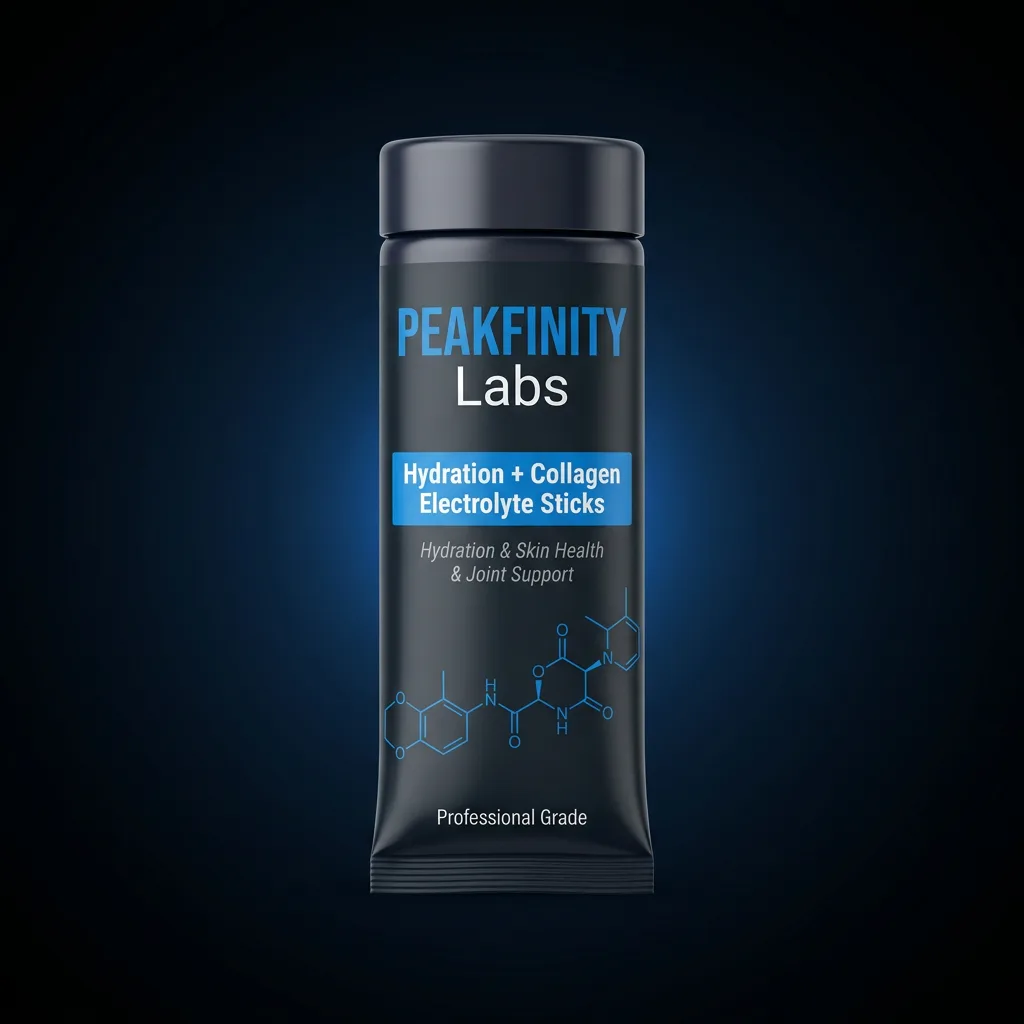
Hydration + Collagen Electrolyte Sticks
Beauty Supps · Powder Stick
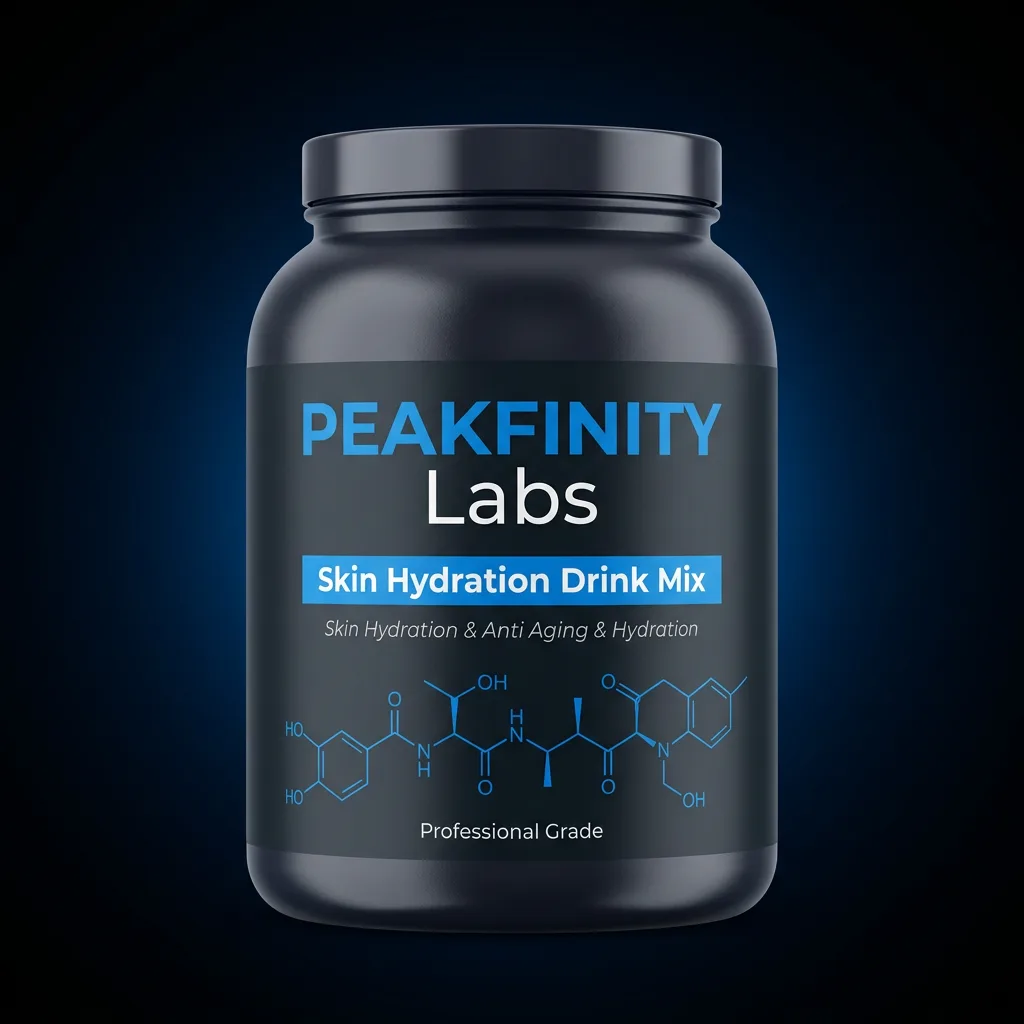
Skin Hydration Drink Mix
Beauty Supps · Powder
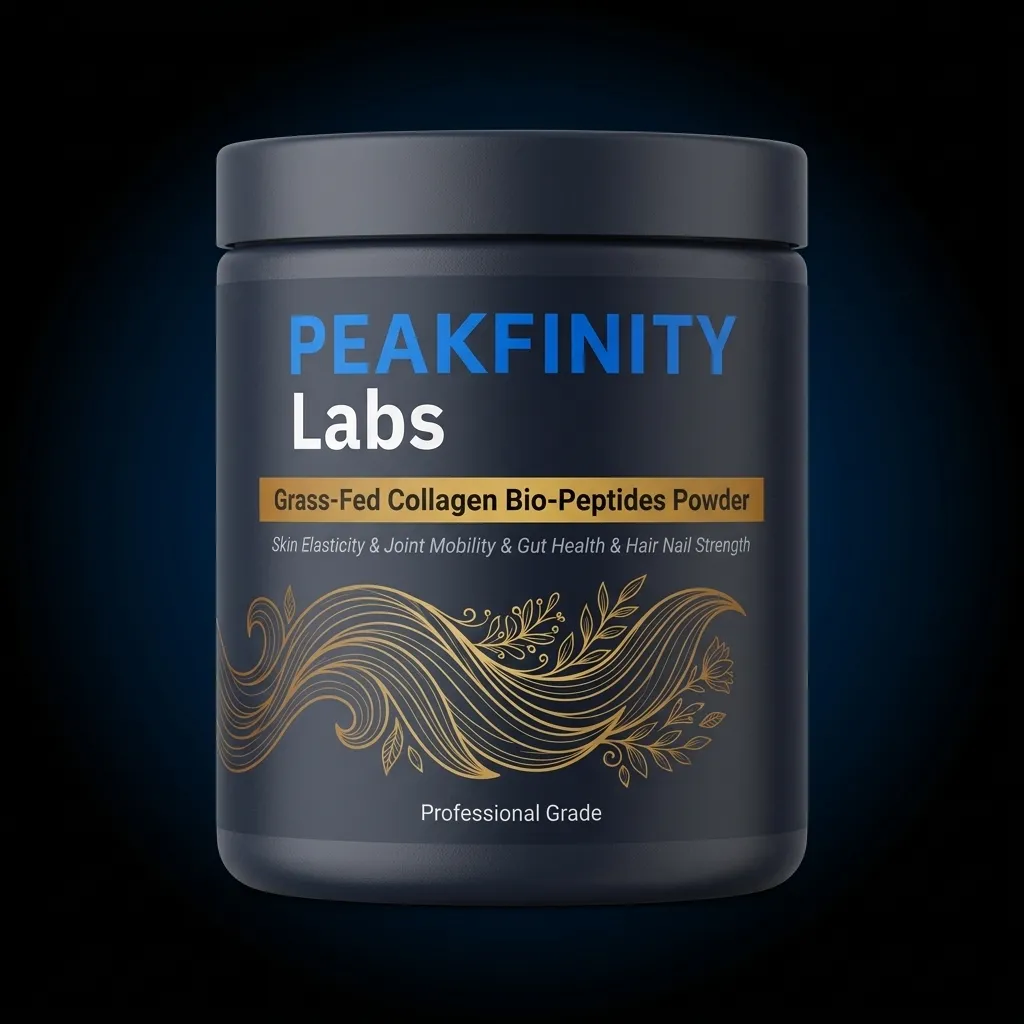
Grass-Fed Collagen Bio-Peptides Powder
Nutraceuticals (Beauty) · Powder
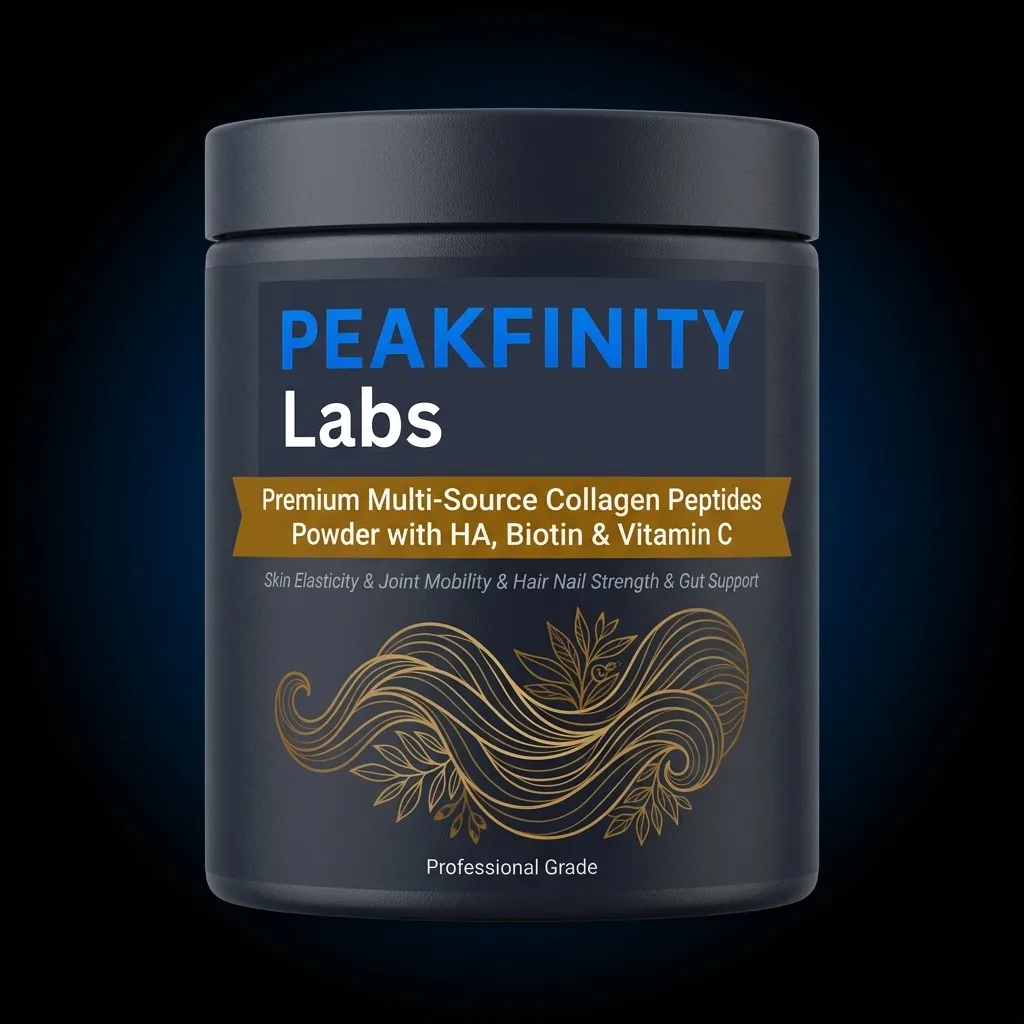
Premium Multi-Source Collagen Peptides Powder with HA, Biotin & Vitamin C
Nutraceuticals (Beauty) · Powder

Tushar
Licensed Pharmacist and COO @ Peakfinity Labs
Written by the Peakfinity Labs R&D Team — 46+ years of supplement formulation expertise. Our team of formulation chemists, manufacturing specialists, and regulatory experts has helped thousands of eCommerce brands bring their products to market successfully since 1980.
Related Articles

How to Find an ISO 17025-Accredited Supplement Testing Lab, and What Founders Should Ask For
How to verify a lab's ISO/IEC 17025 scope actually covers your test, the questions to ask before shipping samples, and a testing plan built for ecommerce timelines.
Supplement Manufacturing Lead Times and Reorders: What Founders Should Expect Before and After Launch
The five workstreams hiding inside "lead time," why reorders move faster than first runs, and the ramp plan that survives a demand spike.
How to Vet a cGMP Supplement Manufacturer With Documented Audit History
The document pack, audit-history call script, and scoring rubric that separate real cGMP quality systems from certificate PDFs.