How to Launch a Protein Powder Brand in 2026
Protein sourcing, amino verification, flavor development, and the COGS math — a manufacturer's walkthrough of the decisions that make or break a protein launch.
- 1Your protein source decision (whey concentrate, whey isolate, micellar casein, or a pea/rice blend) drives 60–75% of your COGS and nearly all of your flavor and mixability challenges.
- 2Amino spiking is still the single most common way new brands get burned. The defense is a full amino acid profile assay on the finished product — not a nitrogen test, and not the supplier's raw-material COA alone.
- 3Flavor development is the real project. Budget 2–4 weeks and 3–5 bench iterations before you lock a system; protein masks differently at 24 g than it does at 15 g.
- 4Peakfinity Labs manufactures protein powders at a flat 2,000-unit MOQ with a 4–6 week production turnaround from our 375,000+ sq ft facility, with amino profile verification on the finished blend.
- 5Retail-price reality: a 2 lb tub selling at $39–$54 supports a $9–$16 COGS. Under-pricing at launch is harder to undo than launching a dollar high.
Short answer
Protein powder is the highest-volume category in sports nutrition and the least forgiving to launch badly. Three decisions carry the outcome: which protein source you build on, whether you verify the amino profile in the finished blend, and how much runway you give flavor development. Everything else — packaging, scoop size, label design — is downstream. If you want the vetted shortlist of who can actually run these blends at low MOQ, start with our best protein powder manufacturers guide.
Choosing your protein source
| Source | Protein per 30 g scoop | Relative cost | Best for |
|---|---|---|---|
| Whey protein concentrate (80%) | 22–24 g | 1x (baseline) | Value and mass-channel SKUs; the best flavor carrier because residual fat and lactose hold flavor well. |
| Whey protein isolate (90%) | 25–27 g | 1.4–1.8x | Low-lactose, low-carb, and lean positioning. Cleaner but thinner mouthfeel. |
| Whey concentrate / isolate blend | 24–26 g | 1.1–1.4x | The default first SKU for most new brands — cost and texture both land well. |
| Micellar casein | 24 g | 1.3–1.6x | Night-time and satiety SKUs. Thick, pudding-like body. |
| Pea + rice blend (70/30) | 21–24 g | 0.9–1.2x | Plant-based and vegan lines; complete amino profile once blended. |
| Egg white protein | 22–24 g | 1.5–2x | Dairy-free but non-vegan niche; distinct flavor challenge. |
| Collagen peptides | 18–20 g | 1.2–1.6x | Beauty-from-within positioning — not a complete protein, so don't market it as a muscle protein. |
Collagen deserves a footnote: it's an incomplete protein (no tryptophan) and shouldn't be positioned as a muscle-building protein powder. It's a legitimate hero ingredient for a different shopper — see our collagen manufacturing guide for that category.
Note
Sourcing reality: whey pricing moves with global dairy markets, sometimes 20–30% inside a year. Lock pricing for your first two production runs when you sign, and build your retail price with headroom for a raw-material swing.
Amino spiking and how to verify you're not being sold it
Amino spiking — sometimes called protein spiking or nitrogen spiking — is the practice of adding cheap free-form amino acids like glycine or taurine, or non-protein nitrogen sources, so a nitrogen-based protein test reports a higher protein number than the product actually delivers. It's not a theoretical risk. It's the most common way a first-time brand ends up with a product that fails a third-party review.
- Ask for a finished-product amino acid profile. Not the raw-material COA, not a Kjeldahl nitrogen number. The amino profile shows essential amino acid and leucine content, which is the number that can't be inflated with filler nitrogen.
- Check leucine specifically. A credible whey blend delivers roughly 2.2–2.7 g of leucine per 24 g of protein. Materially lower means the protein content is being padded.
- Watch the ingredient deck for red flags. Free-form glycine, taurine, or creatine listed inside a "protein blend" rather than separately is the classic tell.
- Third-party test the first production batch. Independent lab verification on run one costs a few hundred dollars and protects the brand for years.
Note
We run finished-blend amino verification as standard on protein SKUs at Peakfinity Labs, and we'll hand you the assay. If a manufacturer won't produce one, that's your answer.
Flavor, sweetener, and mouthfeel development
Flavor is where protein launches actually stall. Protein carries an inherent bitter and astringent note that changes with the source, the dose, and even the water temperature the customer uses. You aren't picking a flavor off a menu — you're tuning a system.
- Sweetener system. Sucralose is cheapest and cleanest-tasting but carries clean-label objections. Stevia + monk fruit is the clean-label default and needs masking for the licorice back-note. Allulose gives real sugar mouthfeel at a cost premium and adds bulk to the scoop.
- Masking agents. A small salt addition and a bitterness blocker do more for perceived quality than doubling the flavor load.
- Mouthfeel. Isolate-heavy blends taste thin. Gum acacia, xanthan, or a small MCT addition restore body without adding a meaningful calorie load.
- Mixability. Instantizing with sunflower lecithin is what stops the clumping that generates one-star reviews. Specify it.
- Flavor difficulty order. Chocolate and vanilla are easy. Cookies-and-cream and cinnamon are moderate. Fruit and citrus on a whey base are genuinely hard because the dairy note clashes with the top notes.
Tub, pouch, or stick pack
| Format | Typical size | Pros | Cons |
|---|---|---|---|
| HDPE tub | 2 lb / 5 lb | Shelf presence, best cost per serving, familiar to the shopper | Bulky freight, plastic objections, weak for trial |
| Stand-up pouch | 1–2 lb | Lower freight, lower packaging cost, sustainability story | Less shelf presence, scoop hygiene complaints |
| Single-serve stick pack | 30–40 g | Best trial and sampling vehicle, travel and subscription friendly | Highest cost per gram; protein doses make for a wide stick |
Most brands lead with a 2 lb tub and add a stick-pack trial pack at restock. If single-serve is central to your model, read our stick pack vs tub breakdown and the stick pack manufacturers guide before you commit tooling.
MOQ, COGS, and margin math
| SKU | MOQ | Approx. COGS / unit | Retail target |
|---|---|---|---|
| 2 lb whey blend tub (28 servings) | 2,000 units | $9–$14 | $39–$54 |
| 2 lb whey isolate tub (28 servings) | 2,000 units | $12–$18 | $49–$69 |
| 2 lb plant blend tub (28 servings) | 2,000 units | $8–$13 | $36–$49 |
| 1 lb trial pouch (14 servings) | 2,000 units | $6–$9 | $24–$32 |
| Protein stick pack (20 count) | 2,000 units | $10–$16 | $39–$59 |
The margin trap in protein is that it's a heavy, bulky, low-margin-per-ounce product with real freight cost. Model your delivered cost, not your factory-gate cost. For the full picture across categories see our supplement manufacturing costs breakdown.
Launch timeline
- Weeks 1–2: protein source selection, target macro panel, and a costed formula.
- Weeks 2–6: flavor development — 3–5 bench iterations, shipped to you for tasting.
- Weeks 4–8 (parallel): packaging design, label compliance review, barcode and Amazon listing prep.
- Weeks 6–12: production run, 4–6 weeks from locked formula and packaging to palletized finished goods.
- Add 2 weeks for third-party amino and heavy-metals verification before your first shipment leaves.
Selling on Amazon adds its own requirements — see our Amazon FBA supplement guide for prep, packaging, and compliance.
The bottom line
Protein is a mature category where consumers can taste the difference between a good blend and a cheap one on the first sip. Get the source right, verify the amino profile in the finished product, and give flavor the weeks it actually needs. Do those three things and the rest of the launch is logistics.
Frequently Asked Questions
What protein source should a new brand start with?
For most first SKUs, an 80/20 whey concentrate-to-isolate blend gives you the best balance of cost, mouthfeel, and protein-per-scoop. Pure isolate is the right call if you're marketing low-lactose, low-carb, or a lean/clear positioning — it costs meaningfully more per kilo and it flavors differently because there's less fat and lactose to carry flavor. Plant brands typically start with a pea/rice blend at roughly 70/30 for a complete amino profile, then solve grittiness with particle size and a texturizing system.
How do I know my protein powder isn't amino spiked?
Ask for a full amino acid profile assay on the finished blend, not just a protein percentage on the raw-material COA. Nitrogen-based protein testing can be gamed by adding free-form glycine, taurine, or creatine, which carry nitrogen but don't contribute to complete protein. An amino profile shows the actual essential amino acid and leucine content, and that's the number that can't be faked. Peakfinity Labs runs finished-product amino verification as standard on protein SKUs.
How many flavor rounds should I plan for?
Three to five bench iterations per flavor is normal, spread over 2–4 weeks. The variables you're tuning are sweetener system (sucralose, stevia + monk fruit, or allulose), masking agents for the protein's inherent bitterness, salt level, and texturizers for mouthfeel. Chocolate and vanilla are the easiest to land; fruit and 'cereal' flavors on a whey base are the hardest because the dairy note fights the top notes.
What's the MOQ and turnaround for a protein powder?
Peakfinity Labs manufactures protein powders at a flat 2,000-unit MOQ with a 4–6 week production turnaround once the formula, flavor, and packaging are locked. Add 2–4 weeks up front if you're doing custom flavor development rather than starting from an existing flavor system.
Should I launch with one flavor or three?
One or two. Every flavor is a separate SKU with its own MOQ, its own inventory risk, and its own packaging run. Almost every brand that launches with four flavors ends up with two dead SKUs sitting in 3PL. Launch chocolate and vanilla, learn what your audience actually reorders, then add flavor three at restock.
How much does it cost to make a protein powder?
For a 2 lb tub at roughly 24 g protein per scoop, a whey blend typically lands at $9–$14 per unit fully packed, and a plant blend at $8–$13 depending on the protein source and flavor system. Isolate-only SKUs run higher. At a 2,000-unit MOQ that's a $18,000–$28,000 first production run before packaging design and freight.
Ready-to-Launch Formulations in This Category
Stock-ready formulations you can private label with your own branding — 2,000 unit MOQ.
Premium Private Label Protein Powder
Sports Nutrition · Powder
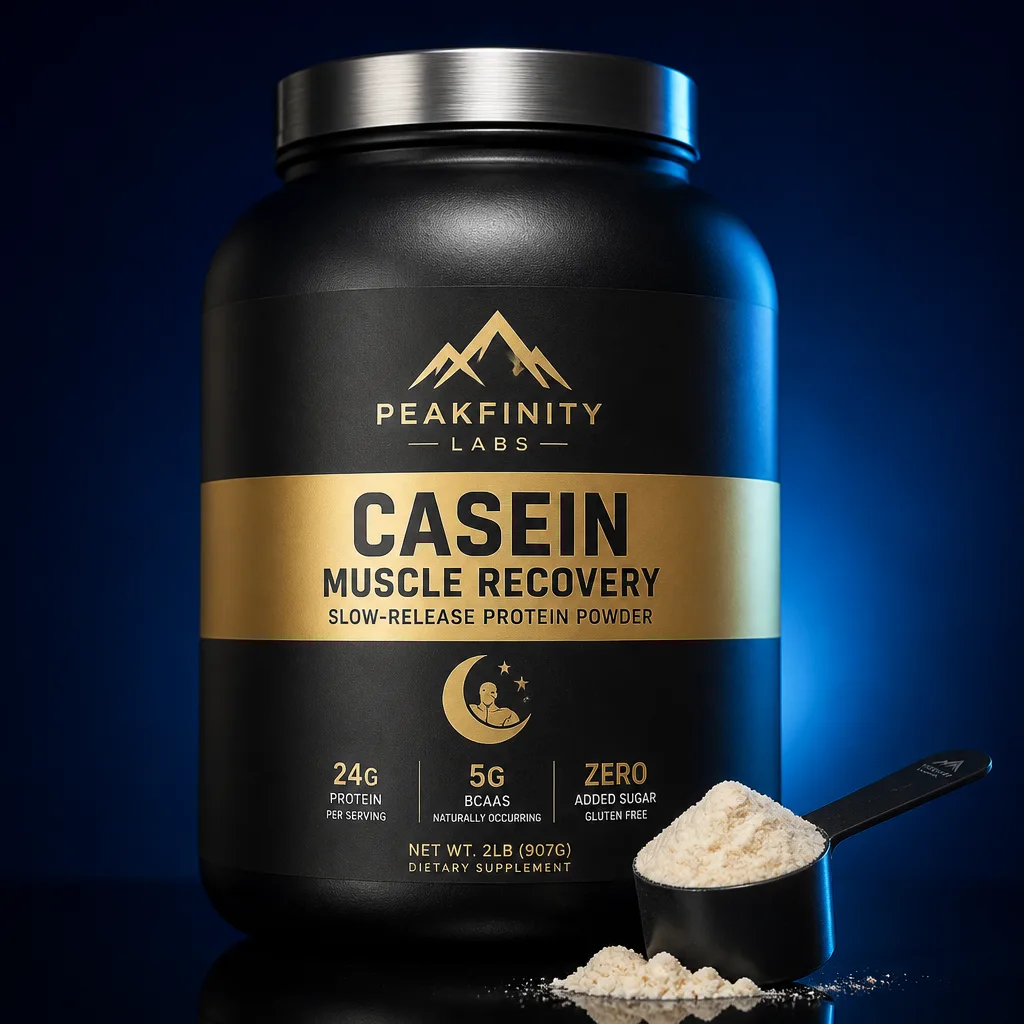
Slow-Release Casein Muscle Recovery Powder
Sports Nutrition · Powder
Grass-Fed Whey Recovery Protein Powder with Multivitamin Blend
Sports Nutrition · Powder
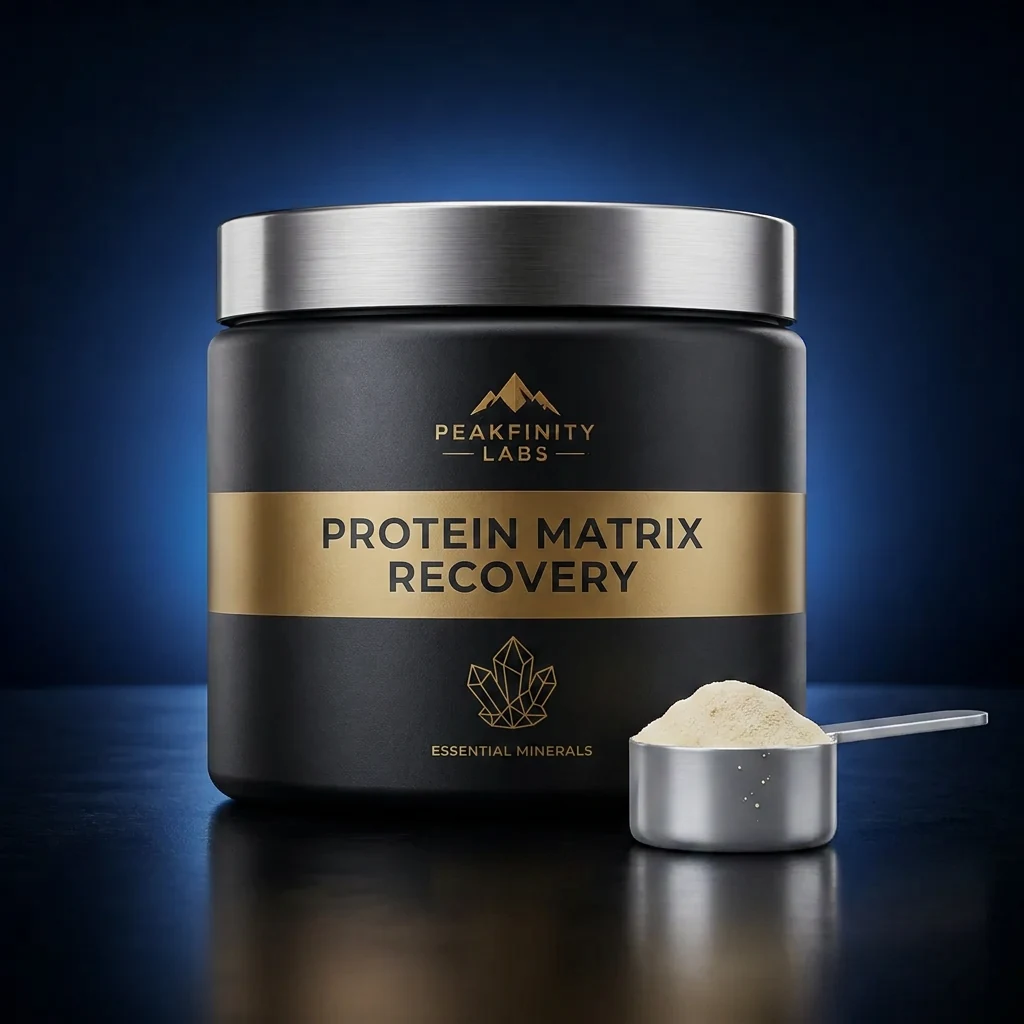
Protein Matrix Recovery Powder with Essential Minerals
Sports Nutrition · Powder

Tushar
Licensed Pharmacist and COO @ Peakfinity Labs
Written by the Peakfinity Labs R&D Team — 46+ years of supplement formulation expertise. Our team of formulation chemists, manufacturing specialists, and regulatory experts has helped thousands of eCommerce brands bring their products to market successfully since 1980.
Related Articles
Protein Powder Manufacturing Guide
From protein sources to flavor development for sports nutrition products.
Creatine Manufacturing Guide: Monohydrate, Gummies & Women's Brands
Creatine forms (monohydrate vs Creapure vs HCl), gummy vs powder vs stick pack, the women's creatine boom, MOQ and cost — the manufacturer's playbook for 2026's breakout sports nutrition category.
Pre-Workout Formulation Guide: Clinical Doses vs Fairy Dusting
Clinical dosing, transparent labels, caffeine strategy, caking control, MOQ and COGS for a credible pre-workout SKU.