The Complete Guide to Protein Powder Manufacturing in 2026
Protein powder remains the cornerstone of sports nutrition, but the market has evolved far beyond basic whey. This guide covers everything from protein sources to flavor development for creating products that compete in today's market.
- 1Flavor is the #1 factor in protein powder repurchase—invest in professional flavor development
- 2Plant proteins require significantly more formulation expertise for taste, texture, and amino acid completeness
- 3MOQs start at 2,000 units; custom flavors may require higher minimums
- 4Whey isolate (90%+ protein) offers the cleanest taste; plant blends of pea + rice achieve complete amino profiles
- 52026 trends include clear protein waters, collagen-enhanced formulas, and functional additions like adaptogens
The Protein Market Today
The global protein powder market exceeds $20 billion, driven by mainstream fitness adoption, plant-based trends, and protein's positioning as a general wellness nutrient—not just for bodybuilders. Success in this competitive space requires products that deliver on taste, quality, and positioning. Brands launching through TikTok Shop and Amazon FBA find protein to be a highly competitive but lucrative category.
Manufacturing protein powder is more complex than mixing ingredients. Protein sources have distinct properties requiring different handling. Flavor development through our flavor system manufacturing is both art and science. And consumer expectations for mixability, taste, and ingredient transparency have never been higher. Understanding manufacturing costs helps you plan for competitive pricing.
Peakfinity Advantage
Peakfinity Labs operates state-of-the-art powder manufacturing in our 375,000+ sq ft facilities with in-house flavor development. We've created protein products for brands ranging from Amazon startups to major retail players, with formulations spanning whey, plant blends, and specialty proteins.
Types of Protein Sources
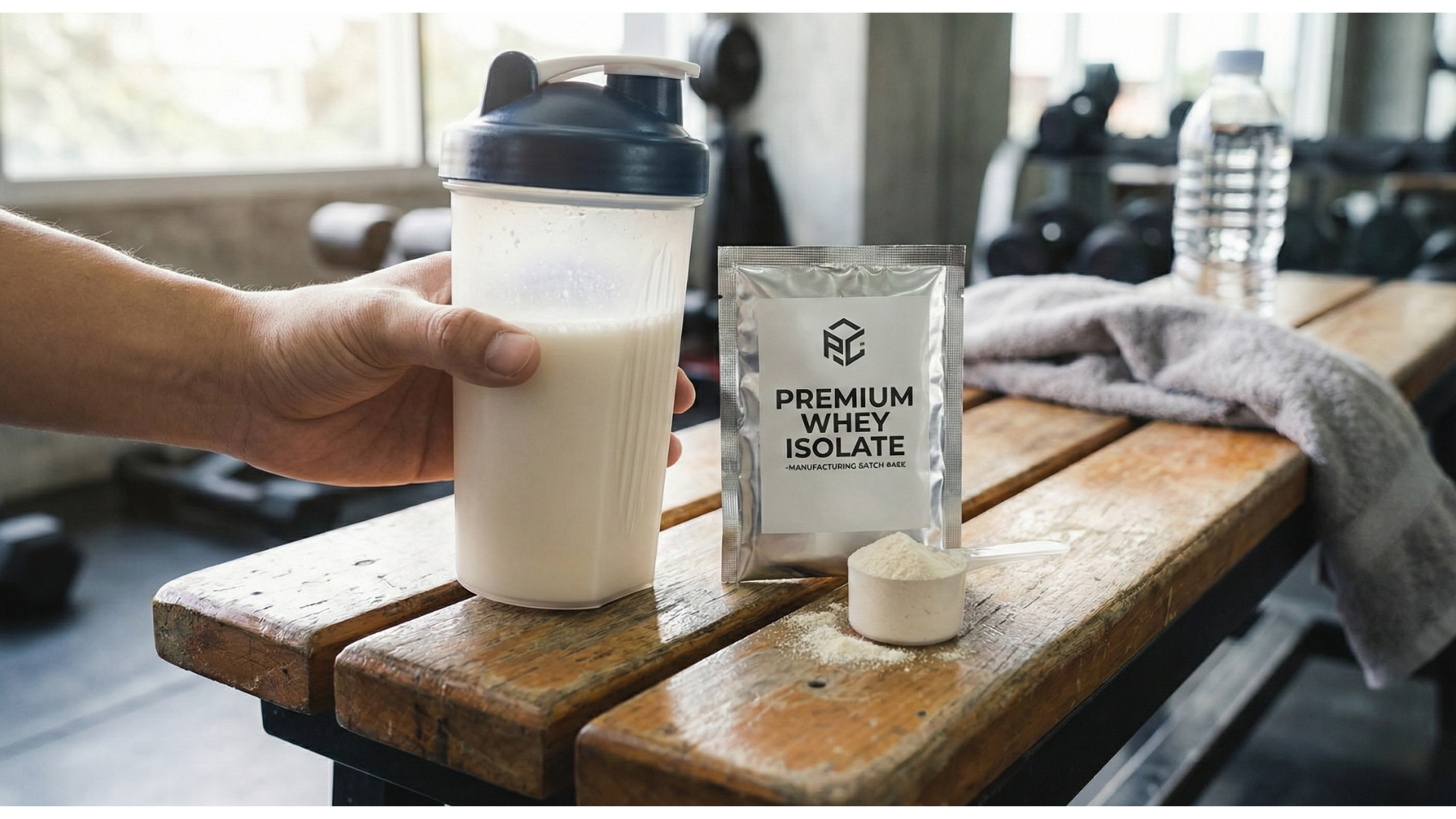
Protein source selection affects amino acid profile, taste, cost, and target market. Understanding options helps you choose the right foundation:
Protein Source Comparison
| Source | Protein % | BCAA Content | Taste Profile | Cost |
|---|---|---|---|---|
| Whey Concentrate | 70-80% | High | Mild, creamy | $ |
| Whey Isolate | 90%+ | High | Clean, light | $$ |
| Whey Hydrolysate | 90%+ | High | Bitter notes | $$$ |
| Casein | 80-90% | Moderate | Thick, creamy | $$ |
| Pea Protein | 80-85% | Moderate | Earthy | $$ |
| Rice Protein | 80% | Low | Gritty, mild | $ |
| Hemp Protein | 50% | Moderate | Nutty, earthy | $$ |
| Egg White | 80-85% | High | Neutral | $$$ |
Blended Proteins: Many successful products combine sources for optimal amino acid profiles and cost management. Plant proteins often blend pea and rice for complete amino acid profiles. Whey/casein blends offer sustained release.
The Science of Protein Flavoring
Flavor is the #1 factor in protein powder repurchase. Bad taste kills brands regardless of nutritional quality. Professional flavor development is essential:
- Masking Challenges: Proteins have inherent off-notes (bitter, sulfurous for whey; earthy for plant). Professional masking uses complementary flavors and blockers.
- Sweetener Systems: Modern formulations often blend sweeteners (sucralose + stevia, for example) to achieve optimal taste without excessive amounts of any single sweetener.
- Flavor Trends: Beyond chocolate and vanilla, consumers want creativity—birthday cake, churro, cereal milk, seasonal flavors. Novel flavors differentiate in crowded markets.
- Natural vs Artificial: Natural flavoring costs more but opens "clean label" positioning. Some flavor profiles are harder to achieve naturally (certain fruity notes).
Popular Protein Powder Flavors
| Category | Classic Options | Trending Options |
|---|---|---|
| Chocolate | Milk chocolate, dark chocolate | Mocha, chocolate peanut butter |
| Vanilla | French vanilla, vanilla bean | Vanilla chai, vanilla caramel |
| Fruity | Strawberry, banana | Mixed berry, mango |
| Dessert | Cookies & cream | Birthday cake, cinnamon roll |
| Novel | Peanut butter | Cereal milk, s'mores, matcha |
Pro Tip
Request multiple flavor samples before committing to production. What tastes good to your manufacturer's team may not resonate with your target consumers. Test with actual users whenever possible.
The Manufacturing Process
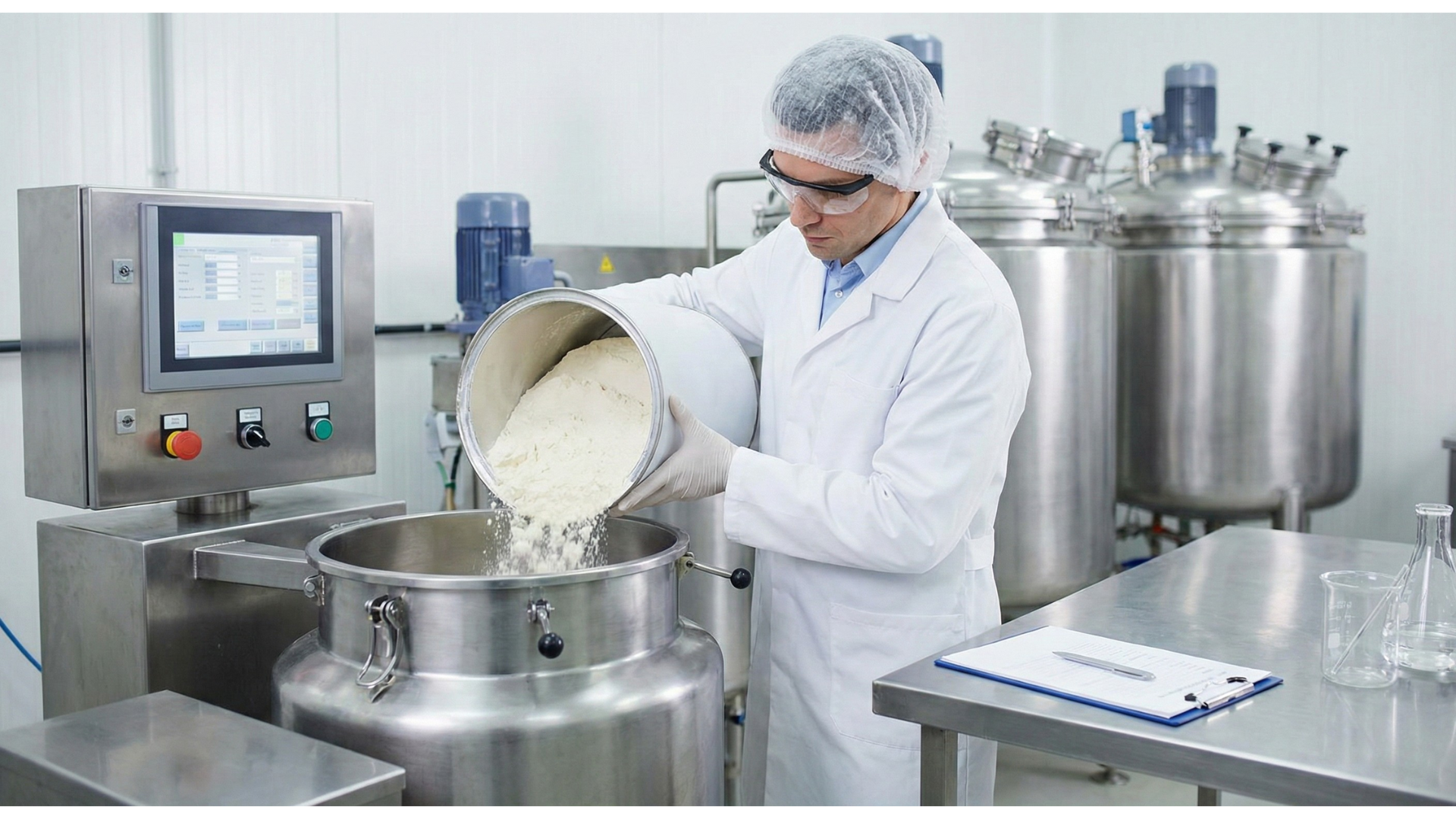
Protein powder manufacturing requires precision equipment and quality controls for consistent products:
- Raw Material Inspection: Protein concentrates/isolates arrive from suppliers with COAs. Incoming testing verifies protein content, amino acid profile, and absence of contaminants.
- Blending: Protein is combined with flavoring systems, sweeteners, and functional ingredients (MCT powder, digestive enzymes, etc.) in industrial ribbon or paddle blenders.
- Instantizing (Optional): Treatment with lecithin improves mixability. Essential for products marketed on "no clumping" or easy mixing.
- Sifting: Products pass through mesh screens to remove clumps and ensure uniform particle size. Critical for mouthfeel and mixing.
- Quality Testing: Batches are tested for protein content, moisture, microbiology, and flavor profile before release.
- Packaging: Products are filled into bags, tubs, or sachets with accurate weight control and proper sealing for freshness.
Formulation Challenges
Creating great protein powder requires navigating several technical challenges:
- Plant Protein Taste: Pea, rice, and hemp proteins have strong flavor profiles. Successful plant proteins require significant flavor masking investment.
- Mixability: Some proteins (especially plant-based) resist easy mixing. Instantizing and proper formulation prevent clumping and grittiness.
- Texture: Thickness and mouthfeel vary by protein source. Consumer expectations differ—some want thick shakes, others prefer light drinks.
- Amino Acid Completeness: Single plant proteins may lack certain amino acids. Blending sources achieves complete profiles but adds complexity.
- Heat Stability: For baking-friendly proteins, formulation must survive cooking without texture degradation.
Note
Plant protein formulation is harder than whey. Budget extra time and sampling iterations for plant-based products. The payoff is access to vegan, dairy-free, and flexitarian markets.
Packaging & Shelf Life
Packaging protects product quality and communicates brand value. Key considerations:
Protein Powder Packaging Options
| Package Type | Best For | Cost | Shelf Life Impact |
|---|---|---|---|
| Stand-up Pouches | Standard products | Low | Good (12-18 months) |
| Rigid Tubs | Premium positioning | Medium | Excellent (24 months) |
| Single-Serve Sachets | Convenience, trials | Higher per unit | Good (12-18 months) |
| Bulk Bags | Price-sensitive | Lowest | Good (12-18 months) |
Moisture Control: Protein powders are hygroscopic—they absorb moisture. Proper barrier packaging, desiccants, and resealable closures maintain quality through shelf life.
2026 Market Trends
Stay ahead of these emerging trends shaping the protein powder market:
- Clear Protein Waters: Hydrolyzed whey in flavored waters offers protein without the "shake" format. Appeals to casual consumers and hot weather markets.
- Collagen-Enhanced: Adding collagen peptides to protein formulas captures the beauty-from-within trend while delivering complete protein.
- Functional Additions: Probiotics, adaptogens, and nootropics added to protein for multi-benefit positioning. "Protein+" products command premiums.
- Plant Protein Improvement: New processing techniques are eliminating the taste and texture issues that held back plant proteins.
- Single-Serve Dominance: Convenience packaging for on-the-go consumption continues growing, especially for premium products.
Peakfinity Advantage
Peakfinity Labs stays current with protein innovation. Whether you want a traditional whey powder, cutting-edge plant blend, or clear protein water, our formulation team can develop products that meet 2026 consumer expectations.
Frequently Asked Questions
What's the minimum order quantity for protein powder manufacturing?
MOQs typically start at 2,000 units (bags/tubs) depending on formulation complexity. Custom flavors may require higher minimums. This range ensures quality manufacturing while keeping per-unit costs competitive.
How long does protein powder manufacturing take?
Standard production takes 3-6 weeks from formula approval. Custom flavor development adds 4-8 weeks for sampling and optimization. Plan for 8-12 weeks total for new products with custom flavors.
What's the difference between whey concentrate, isolate, and hydrolysate?
Concentrate (70-80% protein) is cost-effective but contains more lactose. Isolate (90%+ protein) is purer with minimal lactose. Hydrolysate is pre-digested for faster absorption but costs significantly more.
Can you make a protein powder without artificial sweeteners?
Yes! Natural sweeteners like stevia, monk fruit, and coconut sugar can replace artificial options. Taste profiles differ—work with your manufacturer on samples to find the right balance.
How do I create a good-tasting plant protein?
Plant proteins have inherent flavor challenges (earthy, bitter). Success requires expertise in flavor masking, blend optimization (combining pea, rice, etc.), and texture improvement. Partner with manufacturers experienced in plant protein.
What certifications should I look for?
FDA registration and cGMP are essential. For sports nutrition positioning, Informed Sport or NSF Certified for Sport add credibility. Organic, Non-GMO, and vegan certifications matter for specific markets.
Ready-to-Launch Formulations in This Category
Stock-ready formulations you can private label with your own branding — 2,000 unit MOQ.
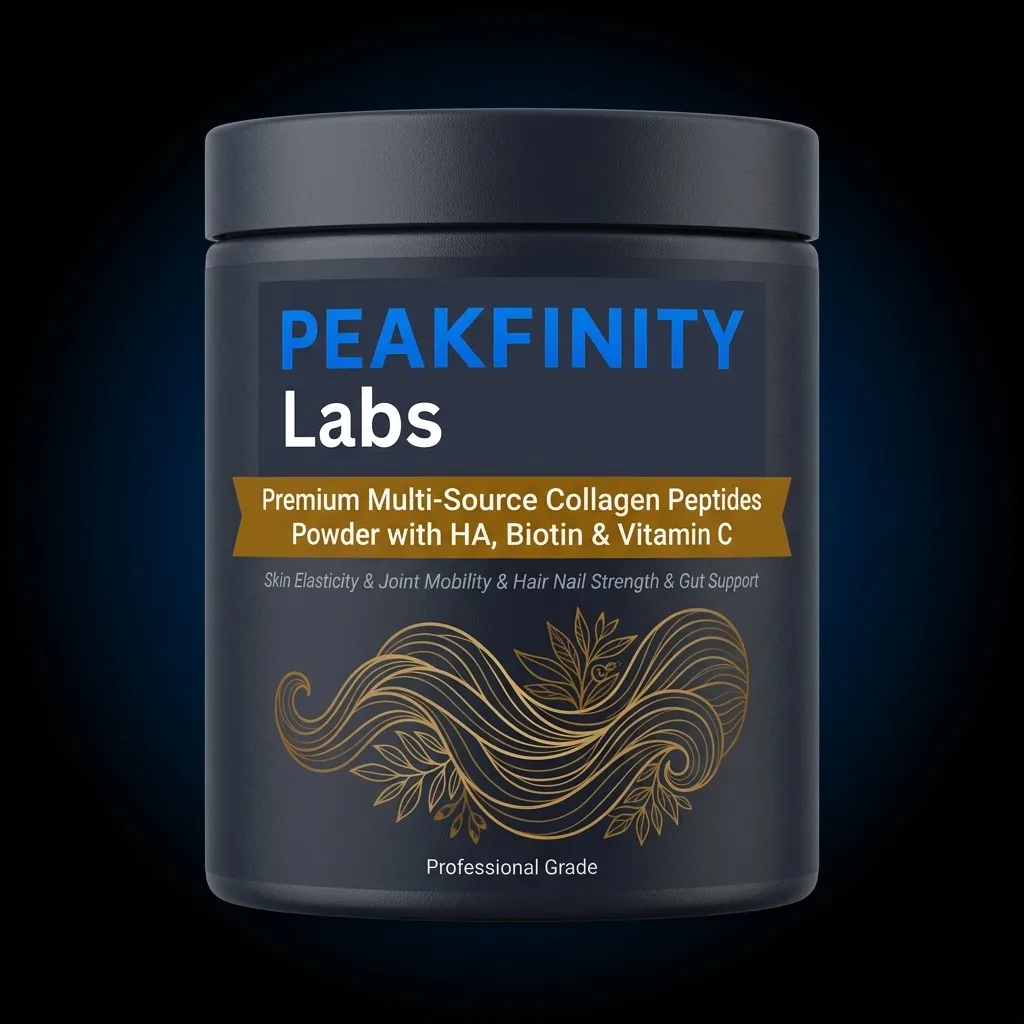
Premium Multi-Source Collagen Peptides Powder with HA, Biotin & Vitamin C
Nutraceuticals (Beauty) · Powder
Premium Private Label Protein Powder
Sports Nutrition · Powder
Slow-Release Casein Muscle Recovery Powder
Sports Nutrition · Powder
Grass-Fed Hydrolyzed Bovine Collagen Peptides (Types I & III)
Nutraceuticals (Beauty) · Powder

Tushar
Licensed Pharmacist and COO @ Peakfinity Labs
Written by the Peakfinity Labs R&D Team — 46+ years of supplement formulation expertise. Our team of formulation chemists, manufacturing specialists, and regulatory experts has helped thousands of eCommerce brands bring their products to market successfully since 1980.
Related Articles
Creatine Manufacturing Guide: Monohydrate, Gummies & Women's Brands
Creatine forms (monohydrate vs Creapure vs HCl), gummy vs powder vs stick pack, the women's creatine boom, MOQ and cost — the manufacturer's playbook for 2026's breakout sports nutrition category.
How to Launch a Protein Powder Brand in 2026
Protein sourcing, amino spiking verification, flavor development, format and the COGS math behind a protein powder launch.
Pre-Workout Formulation Guide: Clinical Doses vs Fairy Dusting
Clinical dosing, transparent labels, caffeine strategy, caking control, MOQ and COGS for a credible pre-workout SKU.