Nootropic Supplement Manufacturing Guide: Ingredients, Stacks & Launch Strategy
How to formulate, manufacture, and launch a brain-health supplement brand with low MOQ and GMP-certified production

- 1Nootropic supplements are projected to exceed $7 billion globally by 2027, driven by remote workers and biohackers
- 2Capsules dominate the nootropic format—powders are secondary for drink mixes and stacking flexibility
- 3Key ingredients include lion's mane, bacopa monnieri, alpha-GPC, L-theanine, and CDP-choline
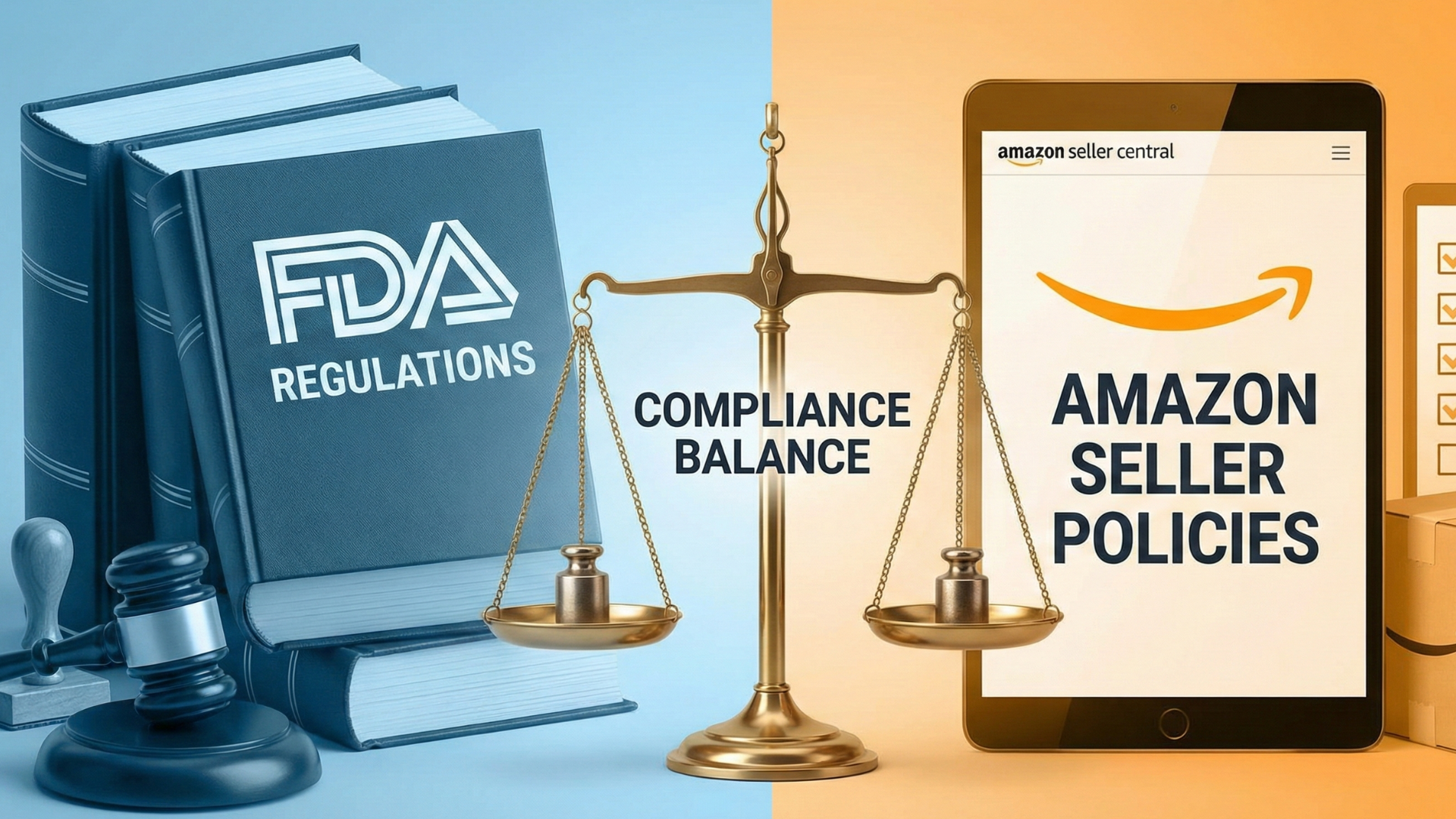
- 4FDA compliance requires structure/function claims only—never claim to treat cognitive disorders
- 5Low MOQ runs of 2,000 units let you validate your nootropic stack before scaling
Why Nootropic Supplements Are a High-Growth Category
Nootropics—supplements designed to support memory, focus, mental clarity, and cognitive performance—have evolved from a niche biohacking trend into a mainstream wellness category. Remote work culture, an aging population concerned about cognitive decline, and the "productivity optimization" movement have combined to push global nootropic sales past $5 billion, with analysts projecting the market to exceed $7 billion by 2027.
For supplement brand founders, nootropics represent an opportunity to build a high-margin, loyal-customer product line. But the category also demands more formulation precision, compliance awareness, and ingredient sourcing diligence than many other supplement types. This guide covers everything you need to manufacture a nootropic supplement—from ingredient selection and stacking science to capsule manufacturing costs and FDA compliance.
Nootropic Supplement Market in 2026
The nootropic market is segmented by ingredient type (natural vs. synthetic), consumer demographic (students, professionals, gamers, seniors), and distribution channel (DTC, Amazon, retail). Natural nootropics dominate the supplement category because synthetic compounds like racetams and modafinil fall outside DSHEA and require pharmaceutical-grade manufacturing.
| Segment | Key Drivers | Projected Growth |
|---|---|---|
| Focus & Productivity | Remote workers, students, executives | 12–15% CAGR |
| Memory & Cognitive Health | Aging population, Alzheimer's prevention awareness | 10–12% CAGR |
| Gaming & Esports | Competitive gaming culture, Twitch/YouTube influencers | 18–22% CAGR |
| Mood & Stress | Anxiety awareness, adaptogens crossover | 8–10% CAGR |
Market Opportunity
Popular Nootropic Ingredients & Clinical Doses
Effective nootropic formulation requires using clinically studied doses—not "pixie dust" amounts added just for label decoration. Here are the most popular nootropic ingredients with their evidence-backed dosages:
| Ingredient | Primary Benefit | Clinical Dose | Format Compatibility |
|---|---|---|---|
| Lion's Mane (Hericium erinaceus) | NGF production, memory | 500–3,000 mg/day | Capsules, powders |
| Bacopa Monnieri | Memory consolidation, learning | 300–600 mg (50% bacosides) | Capsules |
| Alpha-GPC | Acetylcholine precursor, focus | 300–600 mg | Capsules, powders |
| CDP-Choline (Citicoline) | Neuroprotection, mental energy | 250–500 mg | Capsules |
| L-Theanine | Calm focus, synergy with caffeine | 100–400 mg | Capsules, powders |
| Phosphatidylserine (PS) | Cortisol management, memory | 100–300 mg | Softgels, capsules |
| Rhodiola Rosea | Mental fatigue resistance | 200–600 mg (3% rosavins) | Capsules |
| Ginkgo Biloba | Cerebral blood flow | 120–240 mg (24% glycosides) | Capsules, tablets |
When sourcing ingredients, prioritize branded or standardized extracts with documented clinical studies. Ingredients like Cognizin (branded citicoline) or BacoMind (standardized bacopa) command premium pricing but significantly strengthen your product's credibility and marketability. Your supplement manufacturer should have established supply chains for these ingredients.
Supplement Formats for Nootropics
The format you choose affects bioavailability, consumer experience, manufacturing complexity, and cost per unit. Here's how the major formats compare for nootropic products:
| Format | Pros | Cons | Cost/Unit Range |
|---|---|---|---|
| Capsules (veggie) | Precise dosing, easy stacking, low cost | Limited to ~700 mg per cap | $0.15–$0.45 |
| Powder blends | High doses, mixable, versatile | Taste challenges, measuring required | $0.30–$0.80 |
| Tablets | Higher density, slower release | Harder to formulate, excipients needed | $0.12–$0.35 |
| Softgels | Lipid-soluble ingredients (PS, omega-3) | Higher MOQ, limited to lipophilic actives | $0.25–$0.60 |
| Liquid shots | Fast absorption, convenience | Stability issues, higher packaging cost | $0.80–$2.00 |
For most nootropic brands, vegetarian capsules offer the best balance of cost, consumer perception, and formulation flexibility. A two-capsule serving allows up to 1,400 mg of active ingredients—sufficient for most stacks. Powder formats work well for brands targeting the gaming or fitness crossover audience who already use drink mixes.
Formulation & Stacking Strategy
Successful nootropic brands build their reputation on "stacks"—synergistic combinations of ingredients that produce effects greater than any single compound. The most validated stacks include:
- Focus Stack: L-theanine (200 mg) + caffeine (100 mg) + alpha-GPC (300 mg) — the most researched nootropic combination for sustained attention without jitters
- Memory Stack: Bacopa monnieri (300 mg) + lion's mane (1,000 mg) + phosphatidylserine (100 mg) — targets long-term memory formation and neuroprotection
- Executive Function Stack: CDP-choline (250 mg) + rhodiola rosea (300 mg) + ginkgo biloba (120 mg) — designed for high-stress decision-making environments
- Gaming Stack: L-theanine (200 mg) + caffeine (150 mg) + alpha-GPC (300 mg) + lutein (10 mg) — combines focus ingredients with eye-health support for screen-heavy users
Formulation Tip
Work with your manufacturer's R&D team to validate ingredient compatibility and stability. Some nootropic ingredients (particularly choline forms) are hygroscopic and require specific encapsulation techniques to maintain shelf stability. A qualified format selection ensures your product delivers consistent potency throughout its shelf life.
Compliance & Label Claims for Nootropic Supplements
Nootropic supplements face heightened FDA scrutiny because cognitive claims can easily cross into drug-claim territory. Here's what you need to know:
- Structure/function claims only: You can say "supports memory" or "promotes mental clarity" but never "treats brain fog" or "prevents Alzheimer's"
- Disclaimer required: Every structure/function claim must include: "This statement has not been evaluated by the FDA. This product is not intended to diagnose, treat, cure, or prevent any disease."
- NDI notifications: If using a novel ingredient without pre-DSHEA history, you must file a New Dietary Ingredient notification with FDA 75 days before marketing
- Substantiation file: Maintain a file of clinical studies supporting each claim—FDA can request this at any time
- Amazon compliance: Amazon's supplement policies are stricter than FDA's. Avoid terms like "smart drug," "nootropic" in titles (use "brain health" or "cognitive support"), and ensure your listing matches your physical label exactly
Your manufacturer should provide compliant label templates as part of the production process. At Peakfinity Labs, our GMP-certified facility includes label review to catch non-compliant claims before production begins.
Nootropic Supplement Manufacturing Cost Breakdown
Nootropic supplements tend to cost more per unit than general wellness supplements because premium cognitive ingredients (branded extracts, standardized botanicals) command higher raw material prices. Here's a realistic cost breakdown:
| Cost Category | Single Ingredient (Lion's Mane) | Multi-Stack (6 ingredients) | Premium Stack (branded extracts) |
|---|---|---|---|
| Raw materials | $1,200–$1,800 | $3,000–$5,500 | $5,000–$9,000 |
| Encapsulation/production | $800–$1,200 | $1,200–$2,000 | $1,500–$2,500 |
| Testing (identity, potency, metals) | $400–$600 | $800–$1,500 | $1,200–$2,000 |
| Packaging & labeling | $600–$1,000 | $800–$1,200 | $1,000–$1,500 |
| Total (2,000 units) | $3,000–$4,600 | $5,800–$10,200 | $8,700–$15,000 |
| Per-unit cost | $1.20–$1.84 | $2.32–$4.08 | $3.48–$6.00 |
Nootropics typically retail for $35–$65 per bottle, giving you healthy margins even with premium ingredients. The key is matching your ingredient investment to your price point and target audience. For a detailed comparison across all supplement types, see our complete cost breakdown guide.
Choosing a Nootropic Supplement Manufacturer
Not every contract manufacturer is equipped to handle nootropic formulations. Here's what to evaluate:
- Ingredient sourcing network: Can they source branded extracts (Cognizin, BacoMind, Sharp-PS) at competitive prices?
- R&D capability: Do they have formulators experienced with nootropic stacks, ingredient interactions, and stability testing?
- Testing infrastructure: Full panel testing including identity, potency, heavy metals, and microbial contamination is non-negotiable
- Low MOQ options: Look for 2,000 unit minimums to validate your formula before committing to larger runs
- Capsule expertise: Vegetarian capsule encapsulation with experience handling hygroscopic and static-prone ingredients
- Label compliance review: Your manufacturer should flag non-compliant cognitive claims before production
Avoid manufacturers who offer "one-size-fits-all" nootropic formulas without customization options. The best nootropic brands differentiate through unique formulations, not generic blends that dozens of competitors also carry. Our manufacturer selection guide provides a complete vetting framework.
Launch Strategy for Nootropic Brands
The nootropic consumer is sophisticated, research-driven, and brand-loyal once convinced. Your launch strategy should reflect this:
- Define your niche: Don't launch a generic "brain supplement." Target a specific audience—gamers, remote workers, students preparing for exams, or aging adults concerned about cognitive decline
- Start with one hero SKU: Launch a single well-formulated stack rather than a full product line. A 2,000 unit initial run with a white label or custom formula controls risk
- Build credibility through transparency: Publish your full formula with exact dosages, share third-party COAs, and explain the science behind each ingredient on your product page
- Content marketing first: Nootropic buyers research extensively. Blog posts, YouTube explainers, and Reddit engagement drive more qualified traffic than paid ads alone
- Leverage influencer partnerships: Partner with productivity YouTubers, biohacking podcasters, or esports teams for authentic endorsements
- Amazon + DTC dual channel: Launch on Amazon FBA for discovery while building a Shopify DTC store for higher margins and subscription revenue
Pro Tip
Frequently Asked Questions
What are the most popular nootropic supplements to manufacture?
The most popular nootropic supplements include lion's mane mushroom capsules, alpha-GPC and CDP-choline capsules, L-theanine + caffeine stacks, bacopa monnieri extracts, and comprehensive 'brain health' blends combining multiple cognitive-support ingredients.
How much does it cost to manufacture nootropic supplements?
Nootropic supplement manufacturing typically costs $5,000–$20,000 for an initial run depending on ingredient complexity, format, and MOQ. Simple single-ingredient capsules (e.g., lion's mane) start around $4,000–$6,000 for 2,000 units, while multi-ingredient stacks with branded extracts can reach $15,000–$20,000.
What certifications should a nootropic manufacturer have?
At minimum, your manufacturer should hold GMP certification under 21 CFR Part 111. NSF for Sport certification adds value if targeting athletes. Third-party testing (COAs for identity, potency, heavy metals) is essential for consumer trust and marketplace compliance.
Can nootropics be sold as dietary supplements?
Yes, most nootropic ingredients qualify as dietary supplements under DSHEA, provided they have a history of use or qualify under the New Dietary Ingredient (NDI) notification process. Synthetic nootropics like racetams exist in a gray area and are not recommended for supplement brands.
What is the minimum order quantity for nootropic supplements?
Most US-based GMP manufacturers offer MOQs of 2,000 units for nootropic capsules. Powder blends may have slightly higher minimums due to blending equipment setup. Starting with a low MOQ lets you test your stack's market reception before committing to larger runs.
How do I differentiate my nootropic brand in a crowded market?
Focus on a specific niche (gamers, students, executives, creatives), use clinically studied doses of branded ingredients, invest in transparent labeling with full-disclosure formulas, and build credibility through third-party testing and published COAs.
Ready-to-Launch Formulations in This Category
Stock-ready formulations you can private label with your own branding — 2,000 unit MOQ.
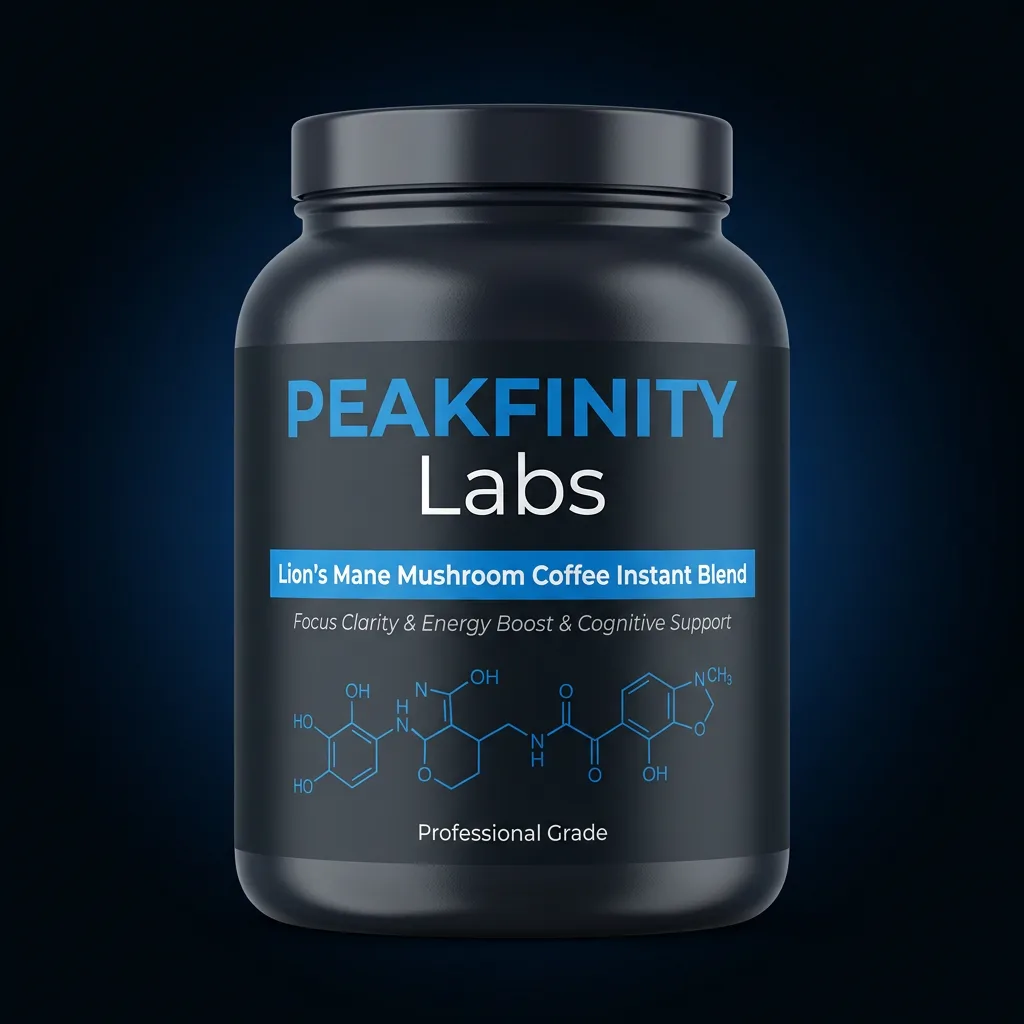
Lion's Mane Mushroom Coffee Instant Blend
Energy Focus · Powder
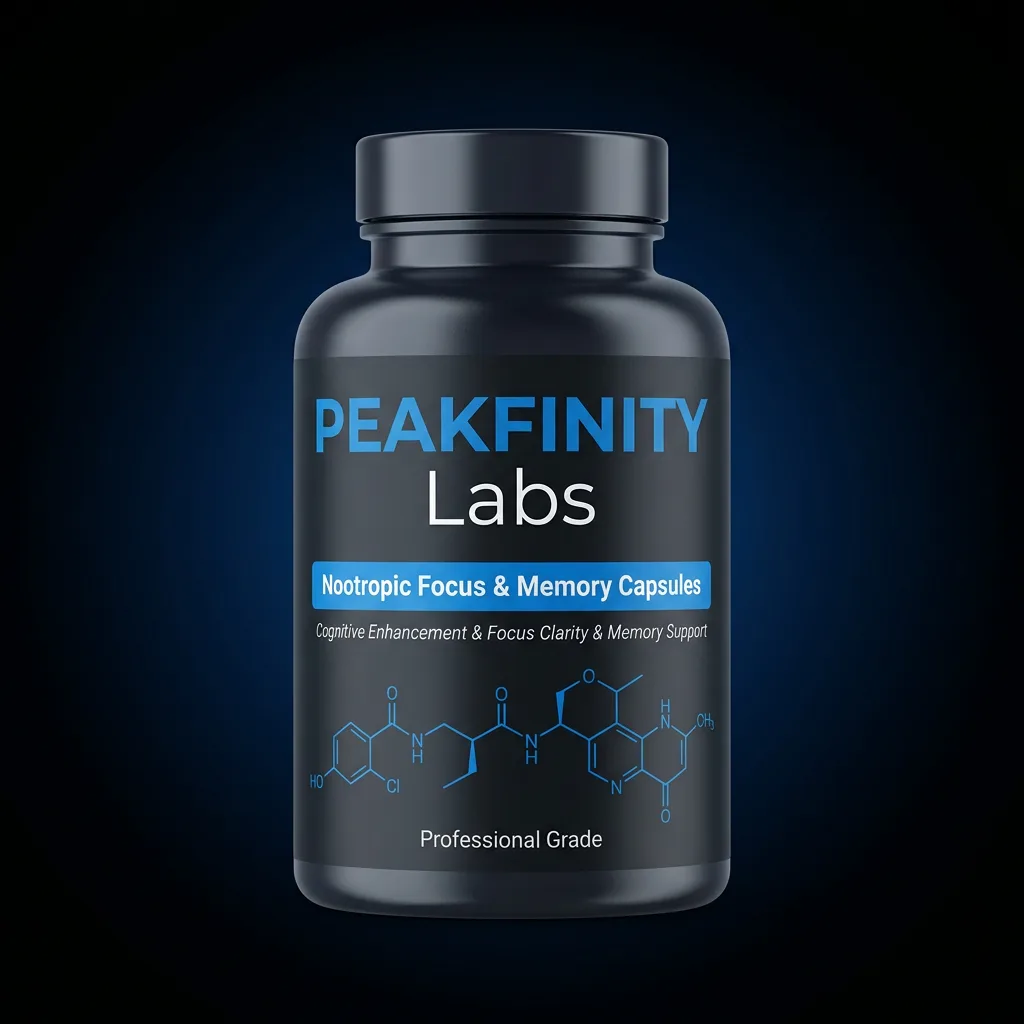
Nootropic Focus & Memory Capsules
Energy Focus · Capsules
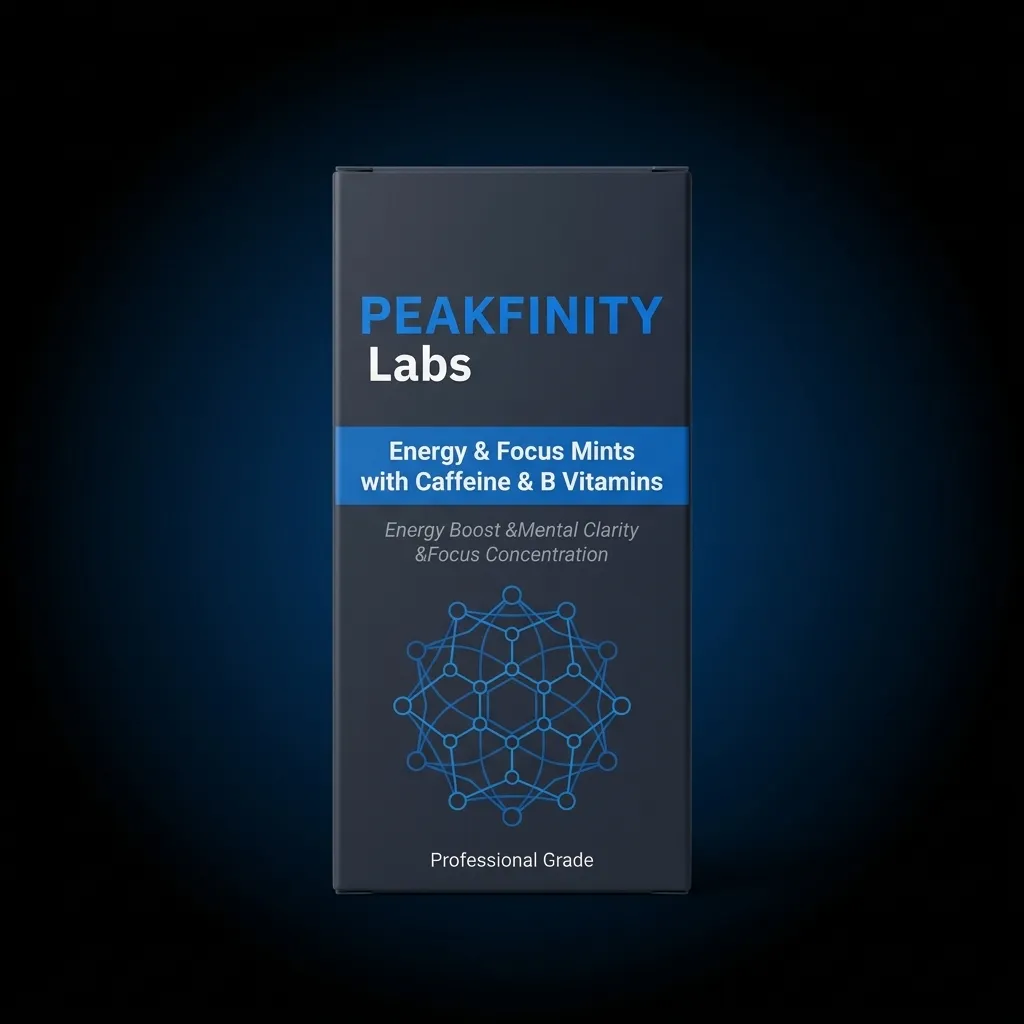
Energy & Focus Mints with Caffeine & B Vitamins
Energy Focus · Tablets
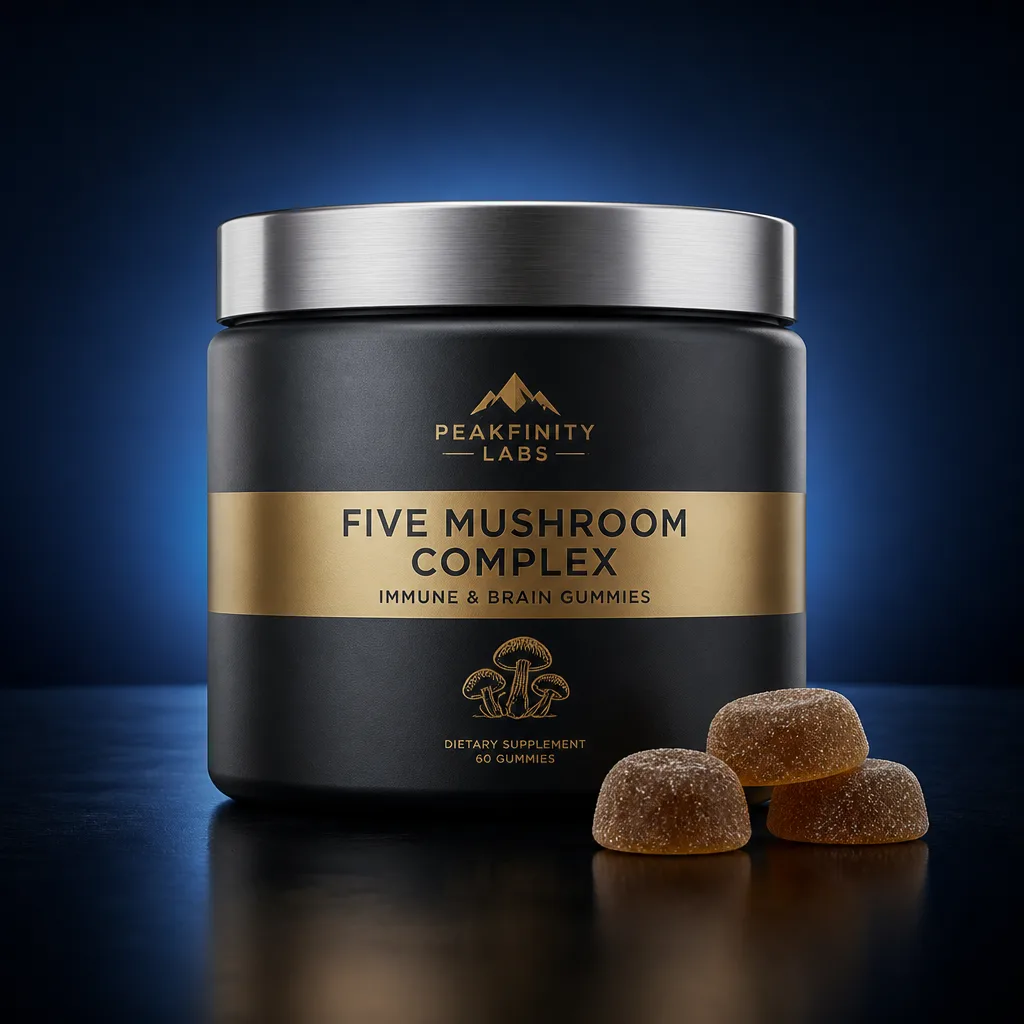
Five Mushroom Complex Immune & Brain Support Gummies
Immunity · Gummies

Tushar
Licensed Pharmacist and COO @ Peakfinity Labs
Written by the Peakfinity Labs R&D Team — 46+ years of supplement formulation expertise. Our team of formulation chemists, manufacturing specialists, and regulatory experts has helped thousands of eCommerce brands bring their products to market successfully since 1980.
Related Articles
How to Find an ISO 17025-Accredited Supplement Testing Lab, and What Founders Should Ask For
How to verify a lab's ISO/IEC 17025 scope actually covers your test, the questions to ask before shipping samples, and a testing plan built for ecommerce timelines.
Supplement Manufacturing Lead Times and Reorders: What Founders Should Expect Before and After Launch
The five workstreams hiding inside "lead time," why reorders move faster than first runs, and the ramp plan that survives a demand spike.
How to Vet a cGMP Supplement Manufacturer With Documented Audit History
The document pack, audit-history call script, and scoring rubric that separate real cGMP quality systems from certificate PDFs.