How to Find a Manufacturer to Turn Your Product Idea Into Reality
You don't need a lab coat to bring a supplement or skincare idea to market. You need a manufacturer that can translate your goal into a real, compliant formula—and then produce it consistently, on time, without surprise costs.
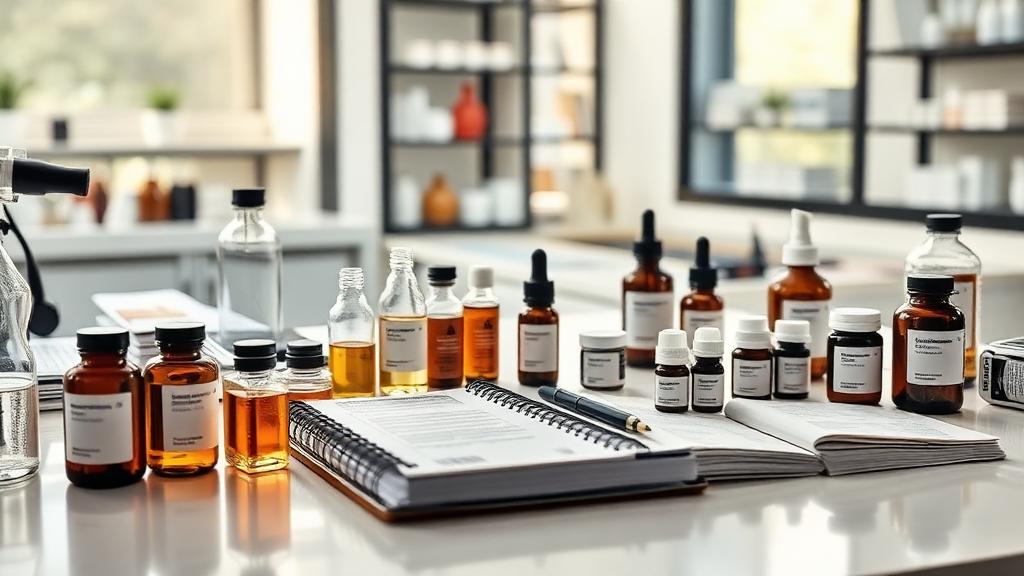
- 1You don't need a science background—your manufacturer's R&D team translates your product goals into a compliant, manufacturable formula
- 2Start with 'customized stock' formulas for the best balance of speed, cost, and differentiation as a first-time founder
- 3Filter manufacturers by operational fit (MOQ, turnaround, packaging support) not just capability
- 4Lock specs, require substitution approval, and request batch records to prevent quality drift between production runs
- 5Plan your reorder strategy before you launch ads—stockouts kill rankings and spike your CAC
The Real Challenge Isn't Finding a Factory
The hard part isn't "finding a factory." It's picking a manufacturing partner that matches how modern brands actually launch: low-risk test runs, fast turnaround, D2C-ready packaging, and the ability to scale rapidly if the product takes off on TikTok, Amazon, or Shopify.
This guide walks you through what to ask, what to verify, and what to avoid—based on the real issues we see when brands switch manufacturers: quality drift from batch to batch, ingredient substitutions without warning, lead times that slip when demand spikes, and label claims that get brands flagged during platform reviews (especially if you're selling on Amazon).
Peakfinity Advantage
Peakfinity Labs helps founders go from product idea to first batch with in-house R&D, low MOQ runs (2,000 units), and D2C-ready packaging—all under one roof.
Prerequisites: What You Need Before Contacting Manufacturers
Most founders think they need a "perfect formula brief" before they reach out. You don't. But you do need enough clarity that a manufacturer can quote correctly and keep your project moving.
- Category + format: supplement (capsule, tablet, softgel, gummy, powder, liquid) or cosmetic (serum, cream, lotion, shampoo, sunscreen, etc.).
- Audience + use case: who it's for and when they use it (AM/PM skincare, pre-workout, sleep, gut support).
- Non-negotiables: allergens to avoid, vegan/gelatin-free, "no artificial colors," fragrance-free, texture preferences, etc.
- Target cost and target retail: even a range helps prevent a formula that's impossible to profit on.
- Launch channel: Amazon, TikTok Shop, Shopify, clinics, influencers—each has different compliance and packaging realities.
If you're still deciding your product type, start with our overviews: Supplement Manufacturing Overview and Cosmetic Manufacturing Overview.
Step-by-Step: How to Choose a Manufacturer That Can Execute Your Idea
Step 1: Decide If You Need Stock, Custom, or "Customized Stock"
This is the first decision that affects timeline, budget, and risk. If you're testing demand, start closer to stock. If you're defending a claim, taste, or texture, go custom.
Manufacturing Approach Comparison
| Approach | Best For | Typical Tradeoff | Recommendation |
|---|---|---|---|
| Stock formula (private label) | Fast launch, simple positioning | Less differentiation | Use when you need speed and proof of demand |
| Customized stock (swap flavor, adjust actives) | D2C brands that need a 'better version' quickly | Some limits on ingredients and claims | Best balance for most first-time founders |
| Custom formulation | Unique performance, sensory profile, or claim strategy | More R&D time and approvals | Do it when you already know what customers want |
For a deeper comparison, see Private Label vs Custom Manufacturing.
Step 2: Filter Manufacturers by Operational Fit
Many manufacturers can make your product. Fewer can make it on your launch schedule with the right minimums and packaging support.
- Low MOQ: ask for minimums per SKU, per flavor, and per packaging component. "Low MOQ" should apply to the full build, not just bulk fill.
- Fast turnaround: confirm a real production window (we commonly run 3–4 weeks from order to production for qualified projects) and ask what triggers delays.
- D2C-ready packaging: verify they can source bottles, jars, droppers, tubes, induction seals, shrink bands, cartons, and ship-ready cases without you managing 12 vendors.
- Scale behavior: ask what happens when you go from 2,000 units to 50,000+ units. Do they reserve capacity or push you to the back of the line?
Peakfinity Labs is built around fast turnaround + low MOQ launches, then rapid scale once the SKU proves itself. See how we run projects on Our Process.
Step 3: Verify GMP & ISO Credentials
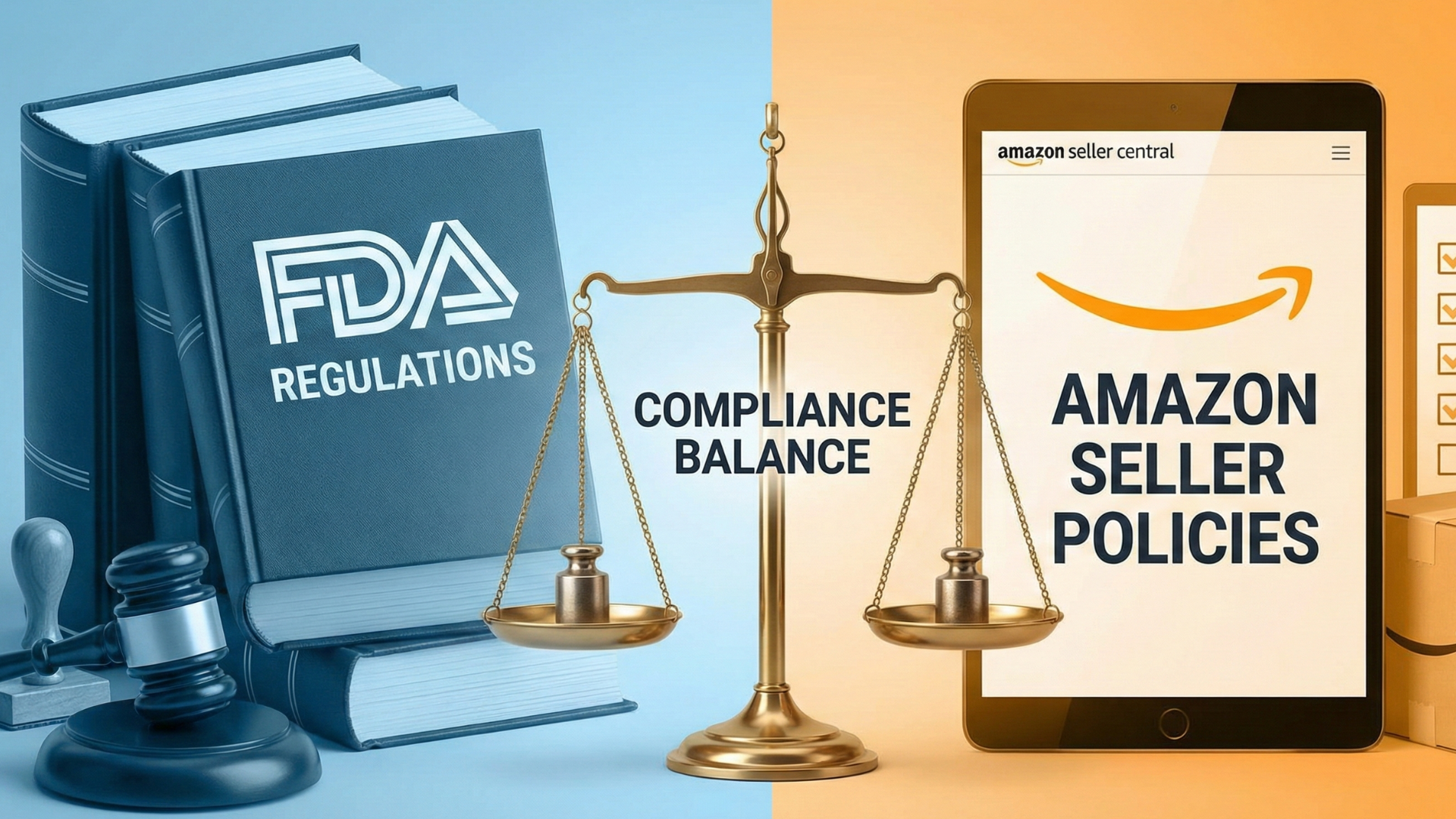
"Certified" is only useful if it applies to your product type and the actual site producing it. Ask for the facility certificates and match them to the address on your documents.
- GMP: confirms controlled processes, traceability, and documented quality systems.
- ISO: often supports consistent quality management and documented procedures.
- Scope matters: a partner might be certified for one type of operation but outsource parts of your job elsewhere.
For our quality standards and documentation approach, see Quality and Certifications. For a deep dive on verifying GMP, read How Do I Know If My Supplement Manufacturer Is GMP Certified?
Step 4: Ask How They Prevent "Quality Drift" Between Batches
Consistency is the biggest silent killer of repeat purchase. In supplements, you'll see it in flowability, capsule weights, flavor changes, or clumping. In cosmetics, you'll see it in viscosity, separation, smell, and color.
- Do you lock a master manufacturing record and version-control formula changes?
- What happens if an ingredient goes out of stock—do you substitute, or do you pause and request approval?
- Do you run in-process checks (weights, pH, viscosity, fill volumes) and provide batch records?
- Can you provide COAs (Certificates of Analysis) for key raw materials and finished goods testing?
Pro Tip
A contrarian but practical take: the "best" formula on paper loses to the formula that ships the same every time. Simplifying early versions (fewer actives, fewer exotic extracts) reduces variability and makes rapid scale smoother.
Step 5: Make Sure the Formula Matches Your Marketing Claims
Founders usually start with claims, then try to back into a formula. That can work—if you do it with a compliant framework.
- Supplements: structure/function claims need careful wording, and you must follow FDA labeling rules. The FTC expects claims to be backed by competent and reliable scientific evidence.
- Cosmetics: claims can push you into drug territory if you promise to "treat" or "heal." The line is thin, especially for acne, eczema, and SPF-related promises.
Two resources worth bookmarking: FDA: Dietary Supplements and FTC: Health Claims in Advertising.
When we build custom formulation projects, we pressure-test the claim set against feasible dosages, serving sizes, and label space early. It's faster to adjust a formula in R&D than to scrap 10,000 printed labels. Visit R&D and Product Formulator to see how our team approaches development.
Step 6: Evaluate Packaging Support Like a Performance Marketer
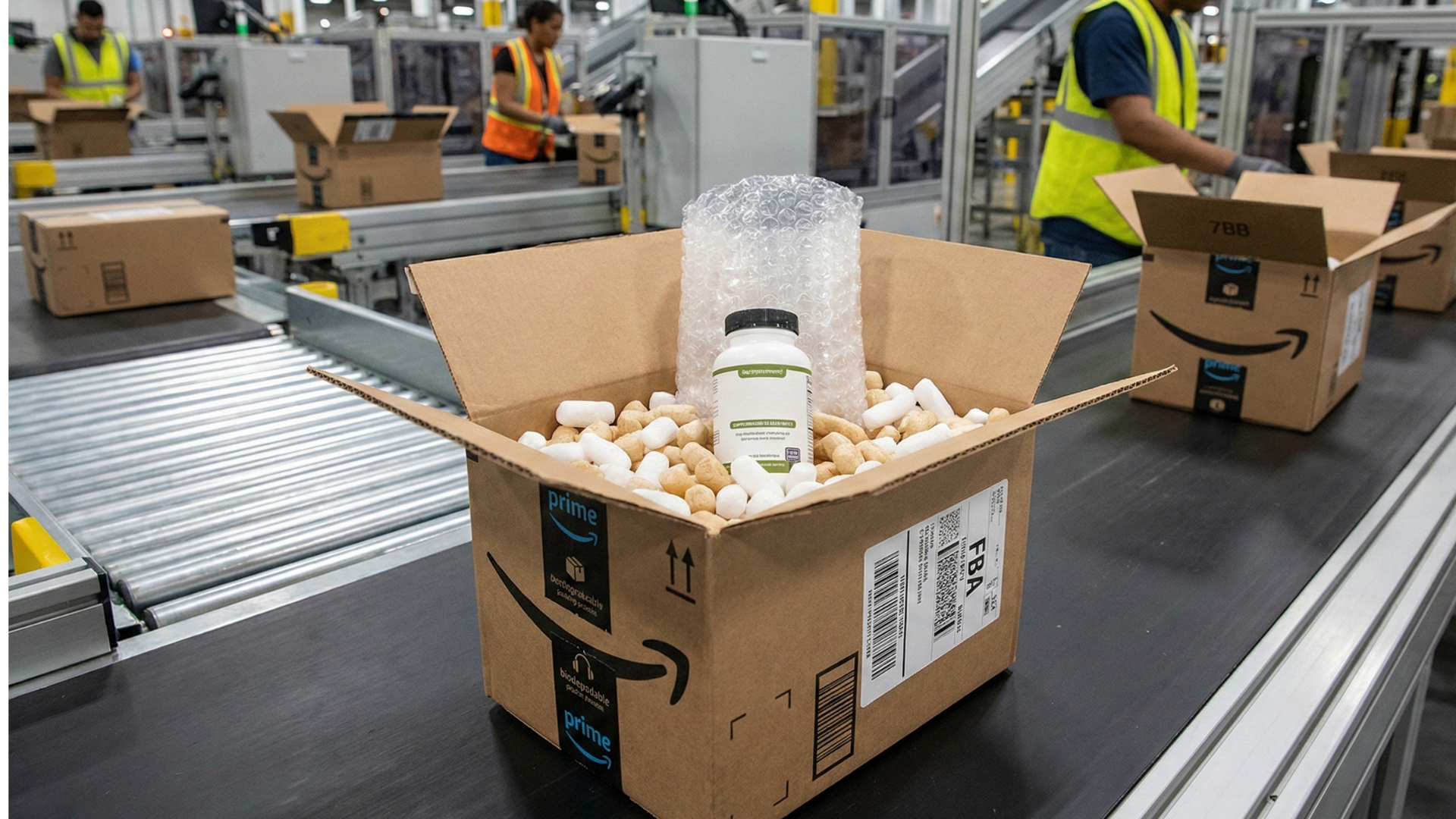
- D2C durability: induction seals, shrink bands, torque specs, and pack-out that reduces breakage and returns.
- Label readability: supplement facts / ingredient lists that fit cleanly, with compliant formatting.
- Variant strategy: systems that make adding flavors or strengths simple (same bottle, different label; standardized carton dielines).
We've seen brands lose weeks because the label was built for a mockup, not a real production line (wrong wrap size, wrong bleed, missing warning statements). A good manufacturer catches that before the press runs.
Step 7: Understand the Real Timeline
Product Development Timeline
| Stage | What Happens | What Can Slow It Down |
|---|---|---|
| Discovery + quote | Specs, MOQ, target cost, initial feasibility | Unclear serving size, missing packaging direction |
| R&D / prototyping | Bench samples, sensory testing, revisions | Too many actives, unstable emulsions, flavor masking |
| Compliance + label final | Label copy review, required statements, dielines | Claims that can't be supported, missing warnings |
| Production | Manufacture, fill, pack, QC release | Packaging backorders, raw material lead times |
If you need samples fast, see Prototyping Services. If you're planning for viral spikes, read How to Handle Sudden Demand Spikes.
Step 8: Protect Your Formula
Most founders assume an NDA solves everything. It helps, but it's not the full strategy.
- Use an NDA + clear ownership terms: confirm who owns the formula, the artwork, and the stability data.
- Control your specs: lock exact ingredient grades, standardizations (like "% active"), and acceptable alternates.
- Build defensibility beyond the recipe: packaging system, brand story, creative, and supply chain speed are harder to copy than a supplement facts panel.
Important
A realistic truth: formulas get copied all the time in D2C. The winners are the brands that ship consistently, keep lead times tight, and iterate fast based on reviews.
Step 9: Plan for the "Second Batch Problem"
Almost every winning product changes after the first run. You get reviews, you see returns, and suddenly you need to tweak sweetness, capsule size, scent, or finish.
- Do they support controlled revisions (v1, v2, v3) with documented changes?
- Can they run small test lots so you don't bet the brand on a full reprint?
- How do they handle old inventory and transitions so you don't create customer confusion?
This is where low MOQ matters most. It lets you fix issues without sitting on 60,000 units of "almost right."
What Support You Should Expect From a Real Product Development Manufacturer
If a manufacturer only quotes and fills, you'll do a lot of cleanup work yourself. If they act like a partner, they help you reduce risk.
- Formulation guidance: practical constraints like capsule size limits, gummy texture tradeoffs, preservative systems, and stability realities.
- Compliance awareness: label format checks and claim red flags before you go live.
- Packaging + sourcing: component lead times, alternates, and D2C-ready packaging that holds up in transit.
- Quality documentation: batch records, COAs, and clear deviation handling.
- Scale planning: re-order points, safety stock suggestions, and production scheduling for promotions.
If you're an eCommerce seller, we have tailored playbooks for different channels: TikTok Shop Sellers, Shopify Brands, and Amazon FBA Brands.
Choosing the Right Product Type: Real Examples You Can Start From
If you want speed, one smart path is to start from a proven base and customize. Our Catalog shows examples of products that can be adapted into your brand with D2C packaging.
- Want a fast-moving wellness gummy angle? Start with 3-in-1 Wellness Gummies and build a tighter claim and flavor system.
- Building a magnesium SKU for sleep or recovery? Look at Multi-Form Magnesium Complex.
- Need a hero powder with upsell potential? See Multi Collagen Peptides Powder or Loaded Protein Powder.
For specific manufacturing formats: Capsule, Gummy, Powder, Softgel. For skincare: Serum and Face Cream.
Tips and Warnings (The Stuff That Saves Weeks)
- Don't start with 12 actives. More ingredients usually means harder flavor masking, bigger capsule sizes, and more supply risk.
- Ask for packaging lead times on day one. Bottles and pumps can move your entire schedule more than production ever will.
- Get a full landed cost view. Confirm tooling, plates, label setup, testing, stability work, freight, and storage so you don't get hit with hidden costs.
- Make your reorder plan before you launch ads. If you can't restock, your CAC spikes and your rankings drop.
Troubleshooting: Common Issues When Starting With a New Manufacturer
Common Manufacturing Problems and Prevention
| Problem | What It Looks Like | How to Prevent It |
|---|---|---|
| Lead time slips | 'Two more weeks' keeps repeating | Get a written schedule tied to packaging readiness and approvals |
| Batch inconsistency | Flavor/texture changes, separation, clumping | Lock specs, require approval for substitutions, request in-process checks |
| Hidden costs | Extra fees for artwork edits, QC, storage, small runs | Ask for an all-in quote with optional line items spelled out |
| Compliance problems | Amazon/TikTok listing suppressed, label rejected | Review claims early and keep label format compliant |
| Supply continuity gaps | Stockouts during transition | Plan overlap inventory and set reorder points before switching |
If you're evaluating multiple suppliers, this companion guide helps you screen for eCommerce readiness: What Makes a Good Contract Manufacturer for Ecommerce Brands and How to Find the Best Supplier for Ecommerce.
Frequently Asked Questions
Can I create a custom supplement formula without a science background?
Yes. Your manufacturer's R&D team turns your product goals into a compliant, manufacturable spec. Give clear inputs—target audience, format, serving size, and non-negotiables—then let the formulator handle ingredient selection, dosing ranges, and stability constraints. A practical next step is to bring 2–3 competitor labels you like and ask the manufacturer to propose a differentiated version that fits your target cost.
How long does it take to develop a custom skincare formulation?
Custom skincare formulation usually takes several weeks to a few months depending on iteration count, emulsion complexity, and packaging compatibility testing. First lab samples can arrive quickly, but changes to fragrance, viscosity, and preservative systems often drive multiple rounds. To move faster, decide upfront on texture, finish, and must-have actives, then limit revisions to the top 1–2 variables per round.
What manufacturer will help me turn my product idea into a real formula?
The right manufacturer offers GMP-aligned production, in-house or tightly managed R&D, clear compliance guidance for labels and claims, and packaging support that matches how you sell (Amazon, TikTok Shop, Shopify). Validate fit by asking for their step-by-step process from concept to first batch and compare it to your launch deadline and MOQ needs.
Can I protect my supplement formula from being copied?
You can reduce copycats with an NDA plus strong contractual ownership terms, but you usually can't stop competitors from creating a similar supplement once your label is public. The most effective protection is controlling ingredient specifications, locking manufacturing records, and building defensibility through brand, packaging, and speed to restock.
What if I want to reformulate my product after the first batch?
Reformulating after batch one is common because real customer feedback often reveals taste, texture, or tolerance issues you couldn't predict. A good manufacturer supports controlled version updates (v1, v2, v3), small test runs when possible, and a transition plan that avoids confusing customers with mixed inventory. Low MOQ matters most here—it lets you fix issues without sitting on 60,000 units of 'almost right.'
Related Articles
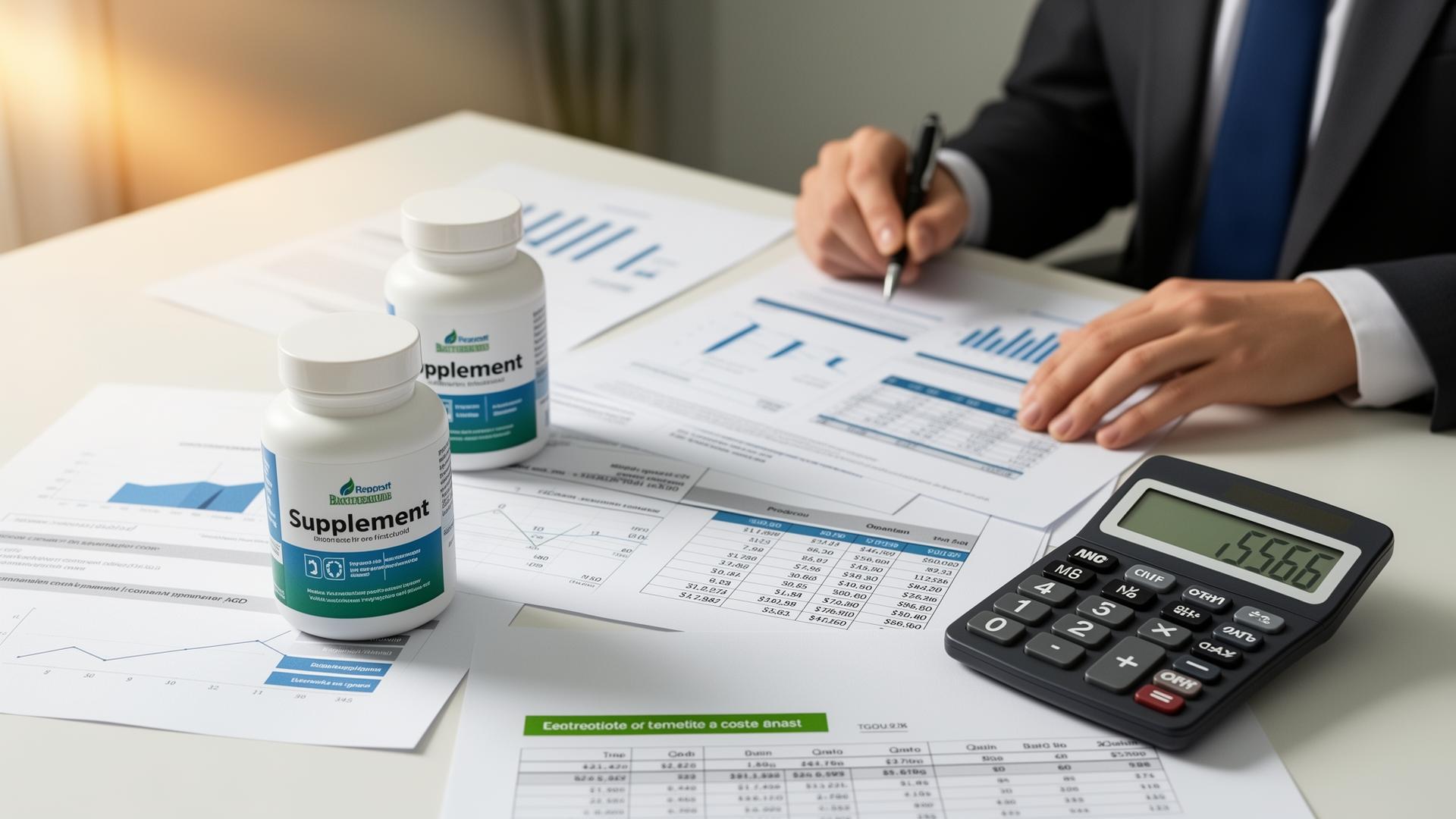
Private Label Supplement Markup: Typical Margins for DTC, Amazon, and Wholesale
Typical markup ranges for DTC, Amazon, and wholesale, plus the landed-cost model that decides whether your margin is real.
How to Compare Quotes From Supplement Manufacturers Without Missing Hidden Costs
A six-bucket framework and paste-ready RFQ table that surfaces hidden costs before you sign with a manufacturer.
When Is a Supplement Brand Ready to Move From Private Label to Custom?
Nine readiness signals, the custom-light middle path, and a seven-step switch plan that avoids stockouts and claim issues.

Tushar
Licensed Pharmacist and COO @ Peakfinity Labs
Written by the Peakfinity Labs R&D Team — 46+ years of supplement formulation expertise. Our team of formulation chemists, manufacturing specialists, and regulatory experts has helped thousands of eCommerce brands bring their products to market successfully since 1980.