Fiber Supplement Manufacturing Guide: Prebiotics, Formats & Launch
How to formulate, manufacture, and launch a fiber supplement brand with prebiotic ingredients and GMP-certified production
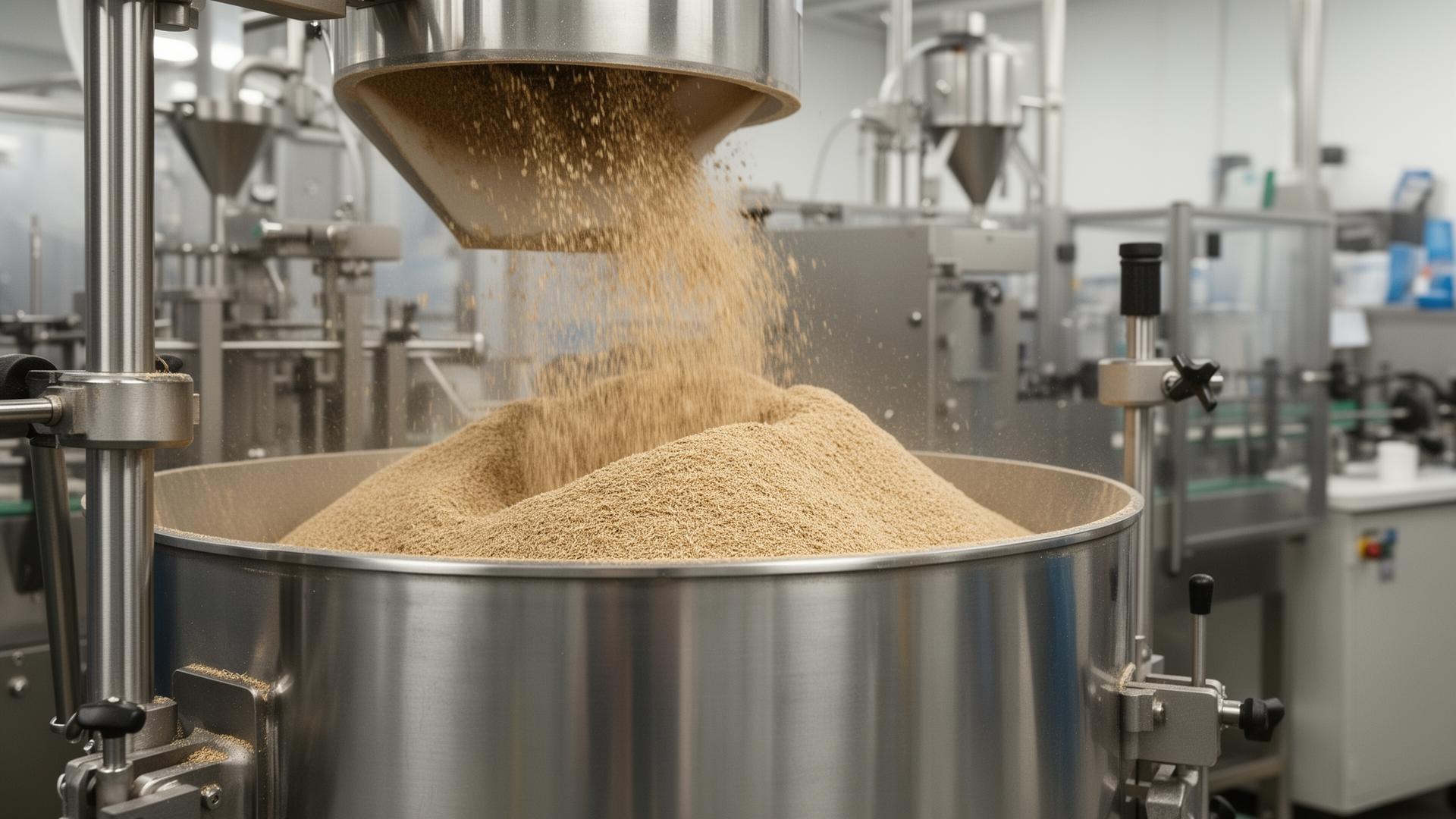
- 1Over 95% of Americans don't meet daily fiber recommendations, creating a massive supplement market opportunity
- 2Prebiotic fibers (inulin, FOS, acacia) that feed beneficial gut bacteria are the fastest-growing fiber category
- 3Powder drink mixes and gummies are replacing traditional psyllium capsules for younger consumers
- 4Fiber supplements pair naturally with probiotics for comprehensive gut health positioning
- 5Low MOQ runs of 2,000 units let you validate your fiber formula before scaling
Why Fiber Supplements Are an Underserved Market
The fiber gap is one of the largest unmet nutritional needs in the Western diet. Over 95% of Americans consume less than the recommended 25–38 grams of daily fiber, creating a persistent and growing supplement market. The microbiome revolution has repositioned fiber as a gut health, weight management, and immune support ingredient.
For brand founders on Amazon FBA or Shopify, fiber supplements offer strong repeat purchase behavior (daily use), natural cross-selling with probiotics, and multiple format opportunities from powders to gummies. This guide covers fiber types, format selection, formulation strategy, and launch through GMP-certified manufacturing.
Types of Dietary Fiber for Supplements
| Fiber Type | Source | Solubility | Prebiotic | Best For |
|---|---|---|---|---|
| Psyllium Husk | Plantago ovata seeds | Soluble + insoluble | Mild | Regularity, cholesterol |
| Inulin | Chicory root | Soluble | Strong | Gut microbiome, prebiotic |
| Acacia Fiber | Acacia senegal tree | Soluble | Strong | Low-FODMAP prebiotic |
| FOS (Fructooligosaccharides) | Chicory, garlic, onion | Soluble | Strong | Bifido growth, gut health |
| PHGG | Guar bean | Soluble | Moderate | IBS support, gentle fiber |
| Methylcellulose | Synthetic cellulose | Soluble | None | Regularity without fermentation |
| Resistant Starch | Green banana, potato | Insoluble | Moderate | Blood sugar, satiety |
Market Trend
Key Fiber Ingredients & Clinical Dosages
| Ingredient | Clinical Dose | Key Benefit | Taste Profile |
|---|---|---|---|
| Psyllium Husk Powder | 5–10 g/day | Regularity, cholesterol reduction | Gritty, neutral |
| Inulin (chicory root) | 5–10 g/day | Prebiotic, calcium absorption | Mildly sweet |
| Acacia Fiber | 5–15 g/day | Low-FODMAP prebiotic, IBS-friendly | Mild, well-tolerated |
| FOS | 3–8 g/day | Bifido growth, mineral absorption | Slightly sweet |
| PHGG (SunFiber®) | 5–7 g/day | IBS support, gentle fermentation | Tasteless, odorless |
| Green Banana Resistant Starch | 10–20 g/day | Blood sugar, satiety | Mild, starchy |
For maximum consumer appeal, use soluble prebiotic fibers with mild or pleasant taste profiles. Inulin and acacia fiber dissolve clearly in water and have naturally sweet notes, making them ideal for flavored powder drink mixes. PHGG (branded as SunFiber®) is the gold standard for IBS-focused fiber supplements due to its clinical evidence and zero taste impact.
Fiber Supplement Formats
| Format | Fiber/Serving | Pros | Cons | Cost/Unit |
|---|---|---|---|---|
| Powder (tub) | 5–10 g | Therapeutic dose, flexible mixing | Requires preparation, texture issues | $0.25–$0.60 |
| Stick Packs | 5–7 g | Portable, single-serve, premium | Higher packaging cost | $0.50–$1.20 |
| Capsules | 1–2 g (4–6 caps) | Simple, no taste | Too many capsules for adequate dose | $0.15–$0.35 |
| Gummies | 2–3 g | Consumer-friendly, taste-driven | Low fiber per gummy, sugar content | $0.20–$0.50 |
| Chewable Tablets | 3–4 g | Moderate dose, portable | Chalky texture concerns | $0.15–$0.40 |
Powder drink mixes deliver the most therapeutically effective fiber dose per serving. For brands targeting younger, convenience-focused consumers, flavored stick packs with prebiotic fiber offer premium positioning and portability. Fiber gummies are growing rapidly but deliver less fiber per serving.
Fiber Supplement Formulation Strategy
- Basic Prebiotic Fiber: Inulin (5 g) + acacia fiber (3 g) — simple, well-tolerated daily prebiotic with pleasant taste for powder format
- Gut Health Synbiotic: PHGG (5 g) + inulin (3 g) + Bacillus coagulans (2 billion CFU) — combined prebiotic + probiotic for comprehensive gut support
- Weight Management Fiber: Glucomannan (3 g) + psyllium (2 g) + chromium (200 mcg) — satiety and blood sugar support positioning
- Digestive Regularity: Psyllium husk (5 g) + magnesium citrate (200 mg) + ginger extract (100 mg) — traditional regularity formula with gentle stimulation
Formulation Tip
Fiber Supplement Manufacturing Cost Breakdown
| Cost Category | Basic Fiber Capsules | Prebiotic Powder Blend | Premium Synbiotic |
|---|---|---|---|
| Raw materials | $600–$1,200 | $1,200–$2,500 | $2,000–$4,000 |
| Production | $500–$800 | $800–$1,400 | $1,000–$1,800 |
| Flavoring (powder only) | N/A | $300–$600 | $400–$800 |
| Testing | $350–$550 | $500–$800 | $600–$1,000 |
| Packaging & labeling | $500–$800 | $700–$1,100 | $800–$1,200 |
| Total (2,000 units) | $1,950–$3,350 | $3,500–$6,400 | $4,800–$8,800 |
| Per-unit cost | $0.78–$1.34 | $1.40–$2.56 | $1.92–$3.52 |
Fiber supplements retail for $15–$25 for basic capsules and $25–$45 for premium prebiotic powder blends (30-day supply). Synbiotic formulas combining fiber with probiotics command $35–$55. See our complete cost guide for comparisons.
Choosing a Fiber Supplement Manufacturer
- Powder blending expertise: Fiber powders require uniform blending for consistent dosing and proper dissolution in water. Ask about their blending equipment and batch testing
- Flavor development: For powder formats, in-house flavor R&D is essential. Fiber supplements need flavor masking to overcome texture and taste challenges
- GMP certification: Non-negotiable. Verify current GMP certification and FDA registration
- Allergen controls: Some fiber sources (wheat dextrin, oat fiber) contain allergens. Ensure your manufacturer has proper allergen segregation if using gluten-free positioning
- Low MOQ flexibility: Start with 2,000 units to validate your fiber product and flavor before scaling
Launch Strategy for Fiber Brands
- Choose your positioning: Daily prebiotic gut health, weight management satiety, digestive regularity, or synbiotic (fiber + probiotics) — each attracts different consumers
- Start with flavored powder: A 2,000-unit initial run of a prebiotic powder blend in a popular flavor (berry, citrus, unflavored) validates demand and taste preferences
- Content marketing: Create educational content about the fiber gap, prebiotic science, and microbiome health. This builds authority and captures high-intent search traffic
- Cross-sell with probiotics: Position fiber as the "other half" of gut health. Offer fiber + probiotic bundles to increase AOV and provide a comprehensive gut health solution
- Subscription model: Daily fiber users are ideal subscription customers. Offer 15–20% off for monthly auto-ship with high expected retention rates
Frequently Asked Questions
What are the most popular fiber supplement ingredients?
The most popular fiber supplement ingredients include psyllium husk (soluble + insoluble), inulin (prebiotic, from chicory root), acacia fiber (low-FODMAP prebiotic), methylcellulose, wheat dextrin, and partially hydrolyzed guar gum (PHGG). Prebiotic fibers like inulin and acacia are growing fastest due to gut microbiome awareness.
How much does fiber supplement manufacturing cost?
Fiber supplement manufacturing costs $2,500–$10,000 for an initial 2,000-unit run depending on format and fiber source. Simple psyllium capsules are the most affordable, while flavored prebiotic powder blends cost more. Per-unit costs range from $1.00–$4.00.
Should I make fiber capsules or fiber powder?
Capsules are simpler but require 4–6 capsules per serving for adequate fiber dose (5–7g). Powder drink mixes deliver therapeutic doses in one scoop and allow flavor enhancement. Gummies provide the best consumer experience but deliver less fiber per serving (2–3g). Most brands launch with powder for dose efficacy.
Can I combine fiber with probiotics?
Yes, synbiotic formulas (prebiotics + probiotics) are a premium positioning strategy. Prebiotic fibers like inulin and FOS specifically feed beneficial bacteria. However, combining live probiotics with fiber in a single powder requires careful stability testing and moisture control.
What is the minimum order for fiber supplements?
Most GMP-certified manufacturers offer MOQs of 2,000 units for fiber supplement capsules and powders. Fiber gummies may require higher minimums due to gummy production equipment setup.
How do I make fiber powder taste good?
Use soluble prebiotic fibers (inulin, acacia) which have mild, slightly sweet flavors. Avoid psyllium in powder format (gritty texture). Add natural fruit flavors, stevia or monk fruit sweetener, and citric acid. Stick packs with single-serve flavored fiber are the fastest-growing format.
Ready-to-Launch Formulations in This Category
Stock-ready formulations you can private label with your own branding — 2,000 unit MOQ.
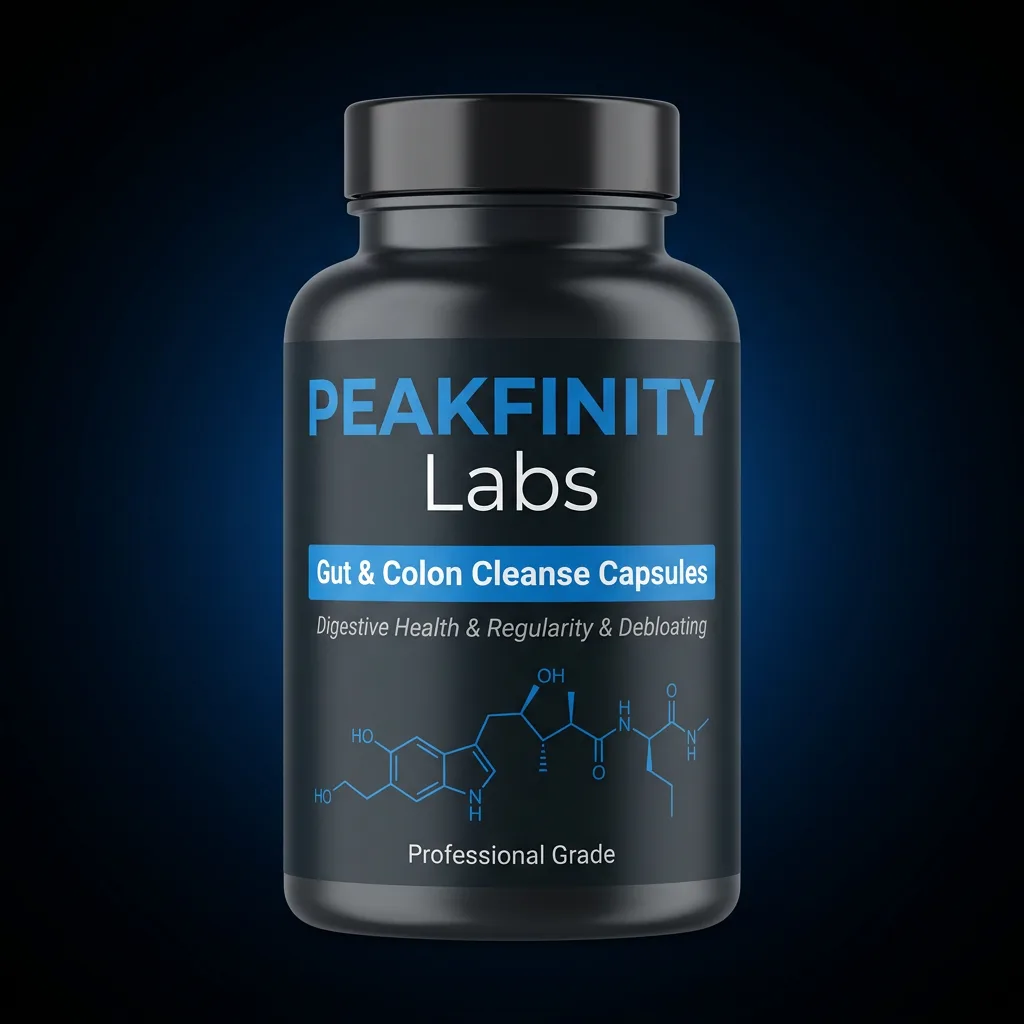
Gut & Colon Cleanse Capsules
Gut Health · Capsules
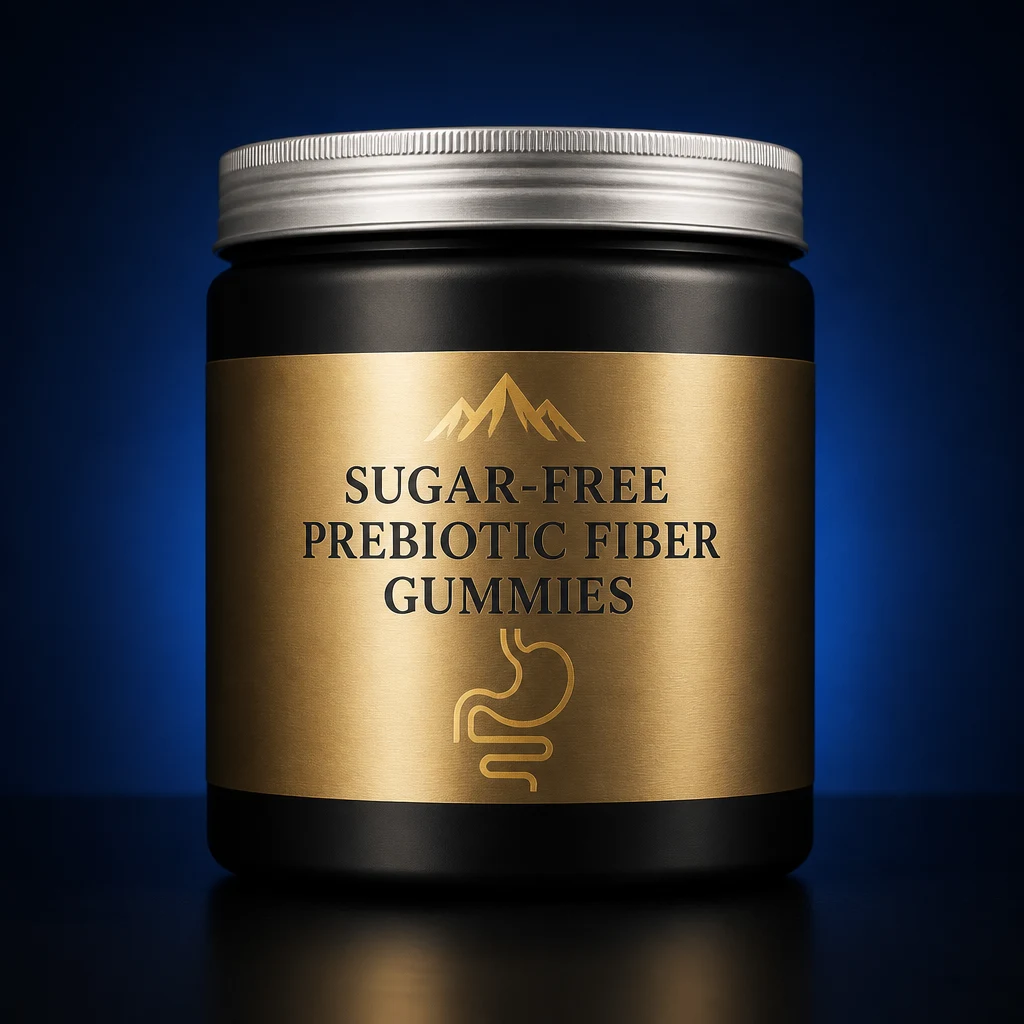
Sugar-Free Prebiotic FOS & Inulin Gut Health Gummies
Gut Health · Gummies
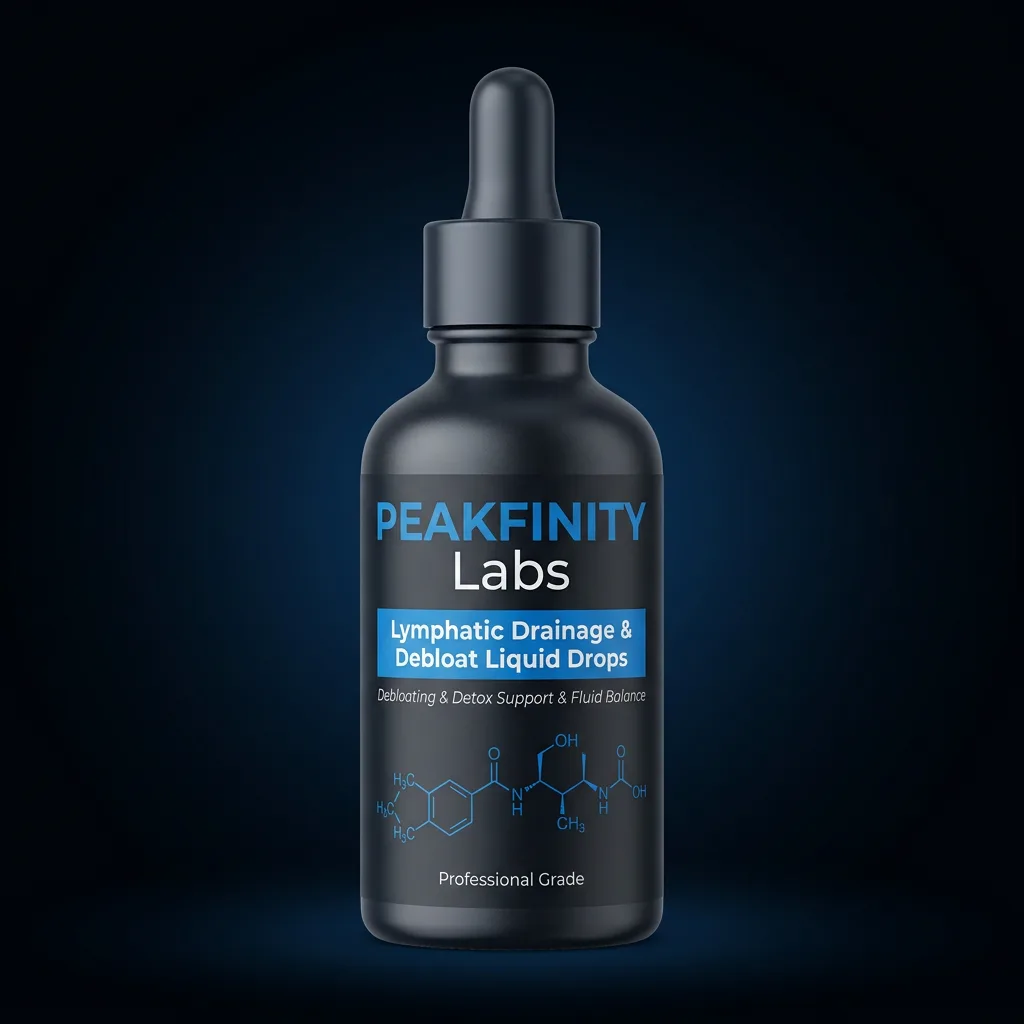
Lymphatic Drainage & Debloat Liquid Drops
Gut Health · Liquid
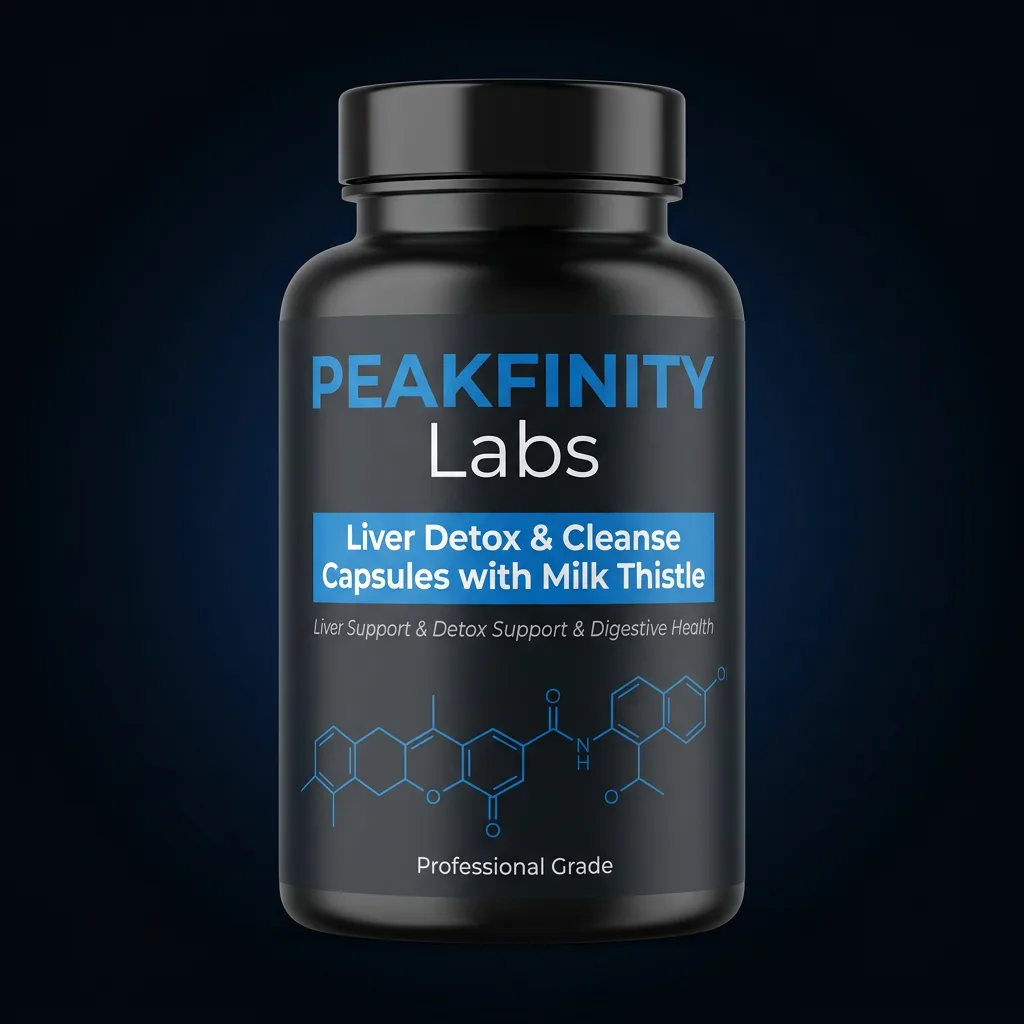
Liver Detox & Cleanse Capsules with Milk Thistle
Gut Health · Capsules

Tushar
Licensed Pharmacist and COO @ Peakfinity Labs
Written by the Peakfinity Labs R&D Team — 46+ years of supplement formulation expertise. Our team of formulation chemists, manufacturing specialists, and regulatory experts has helped thousands of eCommerce brands bring their products to market successfully since 1980.
Related Articles

How to Find an ISO 17025-Accredited Supplement Testing Lab, and What Founders Should Ask For
How to verify a lab's ISO/IEC 17025 scope actually covers your test, the questions to ask before shipping samples, and a testing plan built for ecommerce timelines.
Supplement Manufacturing Lead Times and Reorders: What Founders Should Expect Before and After Launch
The five workstreams hiding inside "lead time," why reorders move faster than first runs, and the ramp plan that survives a demand spike.
How to Vet a cGMP Supplement Manufacturer With Documented Audit History
The document pack, audit-history call script, and scoring rubric that separate real cGMP quality systems from certificate PDFs.