The Best Low MOQ Gummy Manufacturer for New Brands (2026 Founder's Guide)
What "low MOQ" actually means in gummies, why minimums are higher than capsules, the true landed cost of a 2,000-unit run, and the eight vetting questions that separate a real low-MOQ partner from a quote that falls apart at scale.
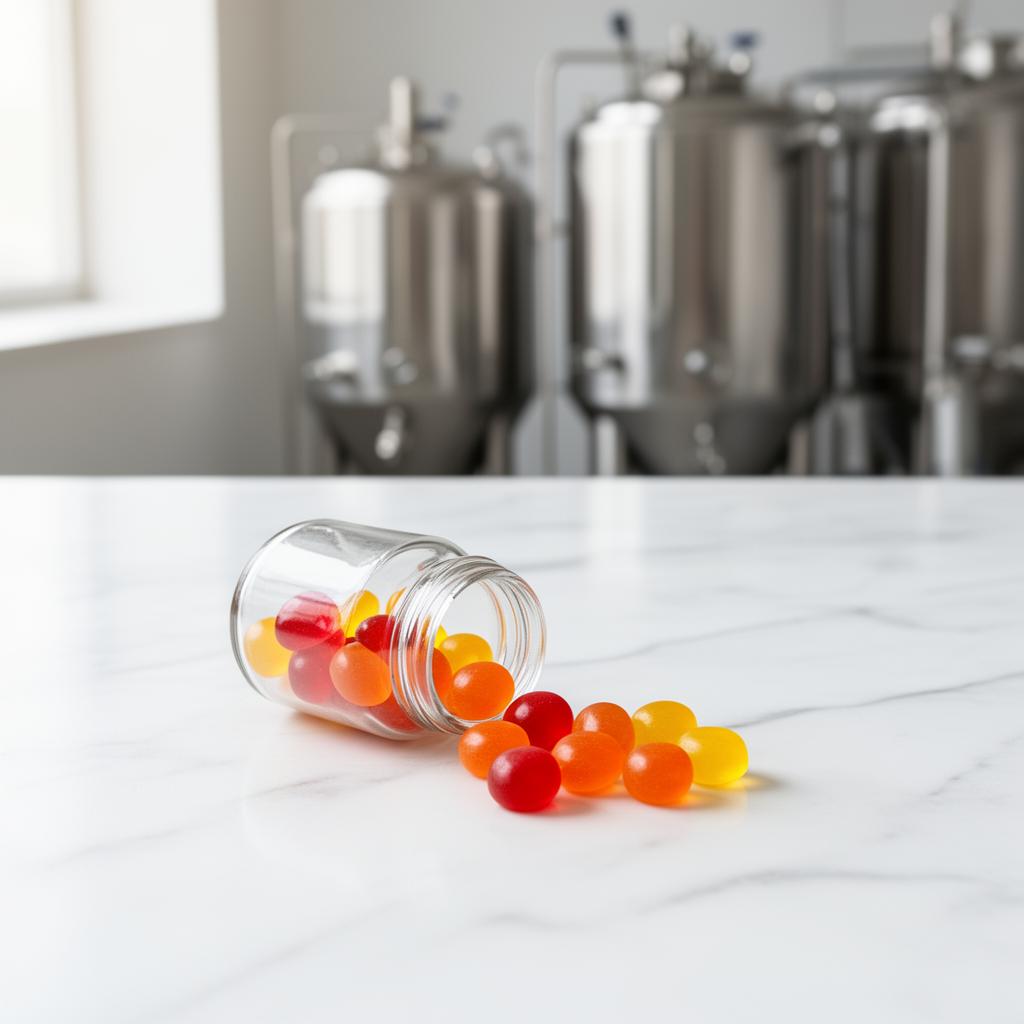
- 1Gummy MOQs are structurally higher than capsules because depositing equipment, mold trays, and curing rooms have minimum economic run sizes — a true "low MOQ" gummy run starts around 2,000 units, not 500.
- 2The cheapest quote is rarely the right answer for new brands. The differentiators that actually matter: cGMP certification, stock-base flexibility, in-house 3PL or FBA prep, and a written restock SLA.
- 3Stock-base gummies (using a pre-developed gummy matrix you flavor and dose into) hit launch-ready MOQs at 2,000 units. Fully custom gummy formulas push that toward 5,000–10,000 units.
- 4Always price the full landed cost — bottle, cap, induction seal, label, carton, FBA prep, shipping — not just the per-gummy cost. The per-bottle delta between manufacturers is usually 2–3x the per-gummy delta.
- 5Peakfinity Labs runs gummies at a flat 2,000-unit MOQ with in-house 3PL, FBA-ready packout (FNSKU, poly-bag, case-pack), and a 4–6 week production turnaround at our 375,000+ sq ft facility.
Short answer
For a new brand in 2026, the best low-MOQ gummy manufacturer is one that meets all four criteria at once: a realistic 2,000-unit minimum on a stock-base gummy, third-party cGMP certification (NSF/ANSI 455-2 or equivalent), an in-house 3PL or FBA-prep operation that ships FNSKU-labeled and poly-bagged cases direct to Amazon, and a written restock SLA measured in weeks, not months. The lowest-MOQ quote is rarely the right answer — the right answer is the manufacturer who can launch you at 2,000 units and still be on the other end of the phone when you scale to 25,000.
What "low MOQ" actually means in gummies
"Low MOQ" is one of the most-abused phrases in the contract manufacturing world. In gummies specifically, three numbers get used interchangeably even though they mean very different things:
- Production MOQ — the smallest batch a manufacturer will run with full compliance documentation, batch-level Certificate of Analysis, and FBA-ready packout. In 2026 this realistically starts at 2,000 units for a stock-base gummy.
- Sample / prototype MOQ — 50–500 unit runs used for flavor approval and creative shoots. Priced 2–4x production cost per unit and usually not shipped with a batch COA. Useful for validation, not for launching a brand.
- Reseller "MOQ" — a private-label distributor stocking pre-made gummies and re-labeling them in lots of 50–500 bottles. Not a contract manufacturing minimum at all — you're buying inventory off a shelf.
When a website advertises "100-unit gummy MOQs," they're almost always describing reseller economics or sample runs — not a production line you can scale on. For the broader framework, see our piece on typical low-MOQ supplement manufacturing.
Why gummy MOQs are higher than capsules
Gummies and capsules are made on fundamentally different equipment, and the equipment dictates the MOQ floor. Capsule encapsulators can switch product in hours; the smallest economic run is tied to a single fill of the gelatin/HPMC shell hopper, which is small. Gummies, by contrast, are produced by:
- Cooking a slurry (pectin or gelatin + sugar system + actives) — typically 200–500 kg minimum to maintain consistent texture and stability.
- Depositing into mold trays on a continuous line that's set up once per shape and color.
- Curing for 24–72 hours in climate-controlled rooms — this is the throughput bottleneck.
- De-molding, polishing, and bottling — only the bottling line resembles capsule production.
The curing room and depositing-line setup are what make sub-2,000-unit gummy runs uneconomical for a manufacturer. A reputable shop will quote you a 2,000-unit floor and hold it. (For a wider look at gummy production, see our gummy vitamin manufacturing guide and our gummy manufacturing capabilities.)
What to evaluate in a low-MOQ gummy manufacturer
- Third-party cGMP certification — NSF/ANSI 455-2, USP GMP, or UL GMP. Required for Amazon listings in 2026 and the only meaningful baseline for "GMP" claims. See how to verify a manufacturer is GMP certified.
- Stock-base library — a manufacturer with 20+ stock gummy bases (pectin, gelatin, sugar-free, vegan, low-sugar) can dose your actives into a proven matrix and ship in 4–6 weeks. A shop without that library will quote you a 12–20 week custom timeline whether you need one or not.
- In-house 3PL or FBA prep — FNSKU labels applied at the facility, poly-bagging done at the facility, case-pack built to Amazon spec. If your gummies need to go to a separate prep house first, add 2–3 weeks and 60–90¢ per bottle.
- Written restock SLA — what's the lead time on the second order? On a locked-spec restock most reputable shops run 14–21 days; if the answer is "depends on the line," that's a flag.
- Batch-level Certificate of Analysis from an ISO/IEC 17025-accredited lab, included in the per-unit cost (not as an upcharge).
- Format flexibility — bottles of 30/60/90 count, pouches, single-serve sachets. A manufacturer locked to one count and one bottle is a planning constraint you'll discover at scale.
- Transparent quote line items — manufacturing, packaging, label, prototype, FBA prep, freight broken out. Bundle pricing hides the lines where one shop is twice another.
Low-MOQ gummy manufacturer comparison (2026)
A snapshot of how several US gummy contract manufacturers compare for a new brand in 2026. Always verify current MOQs, certifications, and lead times directly — the industry is moving fast.
| Manufacturer | Stock-base MOQ | Certifications | FBA prep | Best fit |
|---|---|---|---|---|
| Peakfinity Labs | 2,000 units (flat across stock bases) | NSF, ISO 9001:2015, WHO-GMP, HACCP, Halal, FDA-registered | In-house 3PL — FNSKU, poly-bag, case-pack | New DTC, Amazon FBA, and TikTok Shop brands wanting one partner from launch to scale |
| Alliance Nutra | ~1,500–2,500 units (stock base) | GMP-certified, allergen-controlled | Available; varies by run | Pectin gummy launches with R&D support |
| Bee Health / Bee K'onscious | ~1,500–3,000 units (stock base) | cGMP, NSF Sport on select lines | Limited — third-party prep usually required | Honey-base and clean-label gummy concepts |
| Gummi World (Intiva) | ~5,000+ units (custom-heavy) | NSF cGMP, NSF Sport, SGS cGMP, SQF | Available at scale | Established brands ready for custom matrix work |
| Matsun Nutrition (gummy line) | ~2,500+ units (stock) | GMP, NSF, FDA, USDA Organic | Limited | Liquid-and-gummy combo brands |
Note
Reading the table: "Stock-base MOQ" is the floor for launching on an established gummy matrix. Custom-formula MOQs are 2–5x higher at every shop on this list — that's a property of gummy manufacturing economics, not a sign you found a bad partner.
Stock-base vs. fully custom gummy: the MOQ gap
The single biggest lever on your MOQ — and your launch timeline — is whether you build on a stock gummy base or commission a custom formula. The trade-off:
| Decision | Stock-base gummy | Fully custom gummy |
|---|---|---|
| Typical MOQ | 2,000 units | 5,000–10,000 units |
| Launch timeline | 4–6 weeks from approval | 12–20 weeks (R&D + stability) |
| Per-bottle cost (60-count) | $3.25–$5.75 landed | $4.00–$7.00 landed at first run |
| Differentiation | Flavor, color, dose, label, claims | Matrix, texture, sugar profile, shape |
| Best for | First SKU, viral testing, low-budget launches | Brand 2.0, retail rollouts, defensible IP |
For a new brand, stock-base is almost always the right call for the first run. Validate the concept, lock in early reorders, and use the cash flow from those reorders to fund a custom matrix in year two. (We walk through the same logic for the broader launch in our private label supplement starter kit guide.)
What a 2,000-unit gummy run actually costs
Founders routinely underbudget gummy runs by comparing per-gummy quotes from different manufacturers without factoring packaging, label, FBA prep, and freight. Here's a realistic 2026 all-in for a 2,000-unit run of a 60-count stock-base gummy in a standard PET bottle:
| Line item | Typical range | Notes |
|---|---|---|
| Manufacturing (gummy slurry + deposit + cure + bottling) | $3.00–$5.00 / bottle | Driven by active ingredient cost |
| Bottle + cap + induction seal + liner | $0.45–$0.85 / bottle | PET, white or amber |
| Label printing (digital, 2,000 units) | $0.35–$0.55 / bottle | Includes setup |
| Carton + insert + shipper | $0.20–$0.40 / bottle | Optional for FBA-only |
| FBA prep — FNSKU, poly-bag, case-pack | $0.35–$0.75 / bottle | Skip if shipping DTC-only |
| Prototype + label/dieline setup (one-time) | $800–$1,500 total | Credited against first run at Peakfinity |
| Batch COA (ISO/IEC 17025 lab) | Included or $300–$600 | Should never be optional |
| Inbound freight to brand or FBA | $0.20–$0.50 / bottle | Varies by destination |
| All-in landed cost | ~$3.25–$5.75 / bottle ($6,500–$11,500 total) | Anchor your wholesale at 4–5x landed |
See our wider supplement manufacturing costs guide for how the math shifts at 10,000 and 25,000 units — the per-bottle drop between 2,000 and 10,000 units on a gummy line is typically 22–35%.
The 8 questions to ask on the vetting call
- "What's your true production MOQ on a stock-base gummy with full COA and FBA-ready packout?" Forces the distinction between sample runs and production runs.
- "How many stock gummy bases do you currently run?" A library of 15+ bases means your formula has a fast path to launch.
- "Which third-party cGMP certificate do you hold and what's the certificate number?" A real cert is a public record. Cross-check it.
- "Do you apply FNSKU, poly-bag, and case-pack at the facility, or does it go to a prep house first?" Two SLAs vs. one.
- "What's the typical restock lead time on a locked-spec reorder?" Industry-leading is 14–21 days.
- "What's included in the per-bottle quote and what's billed separately?" Forces a line-item breakdown.
- "What's your protocol if a gummy lot fails stability or COA?" Looking for a documented re-make policy at no cost to the brand.
- "Can you send a sample 60-count bottle of a current production gummy in our intended format?" Pectin chew, gelatin chew, color, polish, fill — all of it tells you about the line.
Red flags in low-MOQ gummy quotes
- Sub-1,000-unit production MOQ for a stock-base gummy with batch COA included — almost always a reseller or a sample run priced as production.
- One bundled per-bottle price with no line items — hides where the manufacturer marked up or skimped.
- "GMP-compliant" with no certificate number — self-declared compliance is not the same as third-party certification.
- No published restock lead time — a structural problem that becomes a brand-killing problem when something goes viral.
- Refusing to ship FBA-ready — adds a prep house to your supply chain and 60–90¢ per bottle.
- Sample doesn't match the spec'd format — if you ask for a 60-count pectin gummy sample and get a 30-count gelatin chew, the line you'd actually run on may not exist.
- Pressure to commit before the COA process is explained — a manufacturer who's done this 500 times can walk you through testing in two minutes.
FBA-readiness: the line item most founders miss
A gummy that ships from the manufacturer in a brown carton without FNSKU labels, poly-bags, or Amazon-spec case-packs has to stop at a prep house before it can be received at an FBA fulfillment center. That adds a separate SLA, a separate invoice, and 2–3 weeks to your launch. A manufacturer with in-house FBA prep collapses all of that into one shipment, one invoice, one timeline. (For the full Amazon side of this, see Amazon supplement listing requirements.)
For a 2,000-unit first run, this single decision is the difference between "launch in 5 weeks" and "launch in 8 weeks" — and the difference between a $3.50 landed cost and a $4.20 landed cost on a 60-count bottle.
How Peakfinity Labs runs low-MOQ gummies
At Peakfinity Labs we run gummies at a flat 2,000-unit MOQ across our stock-base library, in our NSF, ISO 9001:2015, WHO-GMP, HACCP, and Halal-certified 375,000+ sq ft facility. Every run ships with:
- Stock-base flexibility — pectin, gelatin, sugar-reduced, and vegan bases dosed to your actives.
- Batch-level Certificate of Analysis from an ISO/IEC 17025-accredited lab, included in the per-unit cost.
- In-house 3PL with FBA-ready packout — FNSKU labels, poly-bagging, and case-pack built to Amazon spec at the facility.
- A typical 4–6 week production turnaround, with locked-spec restocks at 14–21 days.
- Prototype cost credited back against your first production run.
- One project manager from formulation through fulfillment — see our manufacturing process.
The bottom line
The "best low MOQ gummy manufacturer for new brands" isn't whichever one quotes the smallest number. It's the manufacturer that meets the realistic 2,000-unit floor on a stock-base gummy, holds a real third-party cGMP certificate, ships FBA-ready out the door, and is structured to restock you in weeks when something works. Shop on landed cost per bottle, not on per-gummy quotes — and treat any sub-2,000-unit production claim as a reseller or sample-run conversation, not a manufacturing one. The brand that lasts past the first viral post is the brand whose manufacturer can ship the second run before the algorithm forgets you.
Frequently Asked Questions
What is the lowest MOQ for a gummy supplement manufacturer?
For a new brand running stock-base gummies (an established gummy matrix you flavor, color, and dose into), realistic low MOQs in 2026 start at 1,500–2,500 units per SKU. Anything advertised significantly below that is usually either a sample/prototype run priced as production, a reseller drop-shipping someone else's gummy, or a quote that excludes the cost of label, bottle, and FBA prep. Fully custom gummy formulas — new active matrix, new shape, new bottle — typically start at 5,000–10,000 units because of mold tray and depositing-line economics.
Why are gummy MOQs higher than capsule MOQs?
Gummies are deposited into mold trays on continuous lines, then cured for 24–72 hours in climate-controlled rooms. The depositing equipment has a minimum economic batch size (typically 200–500 kg of slurry), and the curing footprint is what gates throughput — not the bottling line. Capsules, by contrast, are made on encapsulation machines that can switch product in hours and tolerate much smaller batches. The result is that capsule MOQs commonly start at 500–1,000 bottles while gummy MOQs start at 2,000+ for the same brand size.
What's the difference between stock-base and custom gummies?
A stock-base gummy uses a pre-developed and stability-tested gummy matrix — pectin or gelatin, sugar system, flavor system — into which the manufacturer doses your active ingredients and adjusts flavor/color. A custom gummy develops a new matrix from scratch (new pectin/gelatin ratio, new sugar profile, new texture). Stock-base gummies launch in 4–6 weeks at 2,000-unit MOQs; custom gummies take 12–20 weeks of R&D plus stability testing and start at 5,000–10,000 units. New brands almost always start on a stock base.
How much does a 2,000-unit gummy run cost?
All-in landed cost for a 2,000-unit run of a standard 60-count gummy bottle in 2026 typically falls between $6,500 and $11,500. That covers manufacturing ($3–$5 per bottle depending on actives), bottle/cap/liner/label ($0.80–$1.40 per bottle), label and prototype setup ($800–$1,500), FBA prep with FNSKU/poly-bag/case-pack ($0.35–$0.75 per bottle), and inbound freight. Per-bottle landed cost lands roughly $3.25–$5.75 — your wholesale and DTC pricing should anchor at 4–5x that floor.
Should I use a low-MOQ gummy manufacturer or a private-label gummy reseller?
If you're testing a concept with a small ad budget and need 100–500 bottles to validate creative, a private-label reseller is faster. The moment you have any real demand signal — a viral video, a $5K/month ad budget, an Amazon listing that's converting — switch to a low-MOQ contract manufacturer at 2,000 units. Resellers can't scale with you, can't give you a Certificate of Analysis tied to your batch, and can't make formula or label changes. A contract manufacturer is the floor of a real brand; a reseller is a dress rehearsal.
Which certifications matter most for a low-MOQ gummy manufacturer?
Third-party cGMP certification under 21 CFR Part 111 (NSF/ANSI 455-2, USP GMP, or UL GMP) is the non-negotiable baseline — and as of 2026 it's required for every supplement sold on Amazon. For gummies specifically, also look for food-safety credentials (SQF, FSSC 22000, HACCP) since gummies sit at the food/supplement boundary. If you're marketing organic or non-GMO, add USDA Organic or Non-GMO Project Verified at the manufacturer level. Self-declared "GMP-compliant" without a certificate number is not the same thing.
Can I get a gummy run smaller than 2,000 units?
Yes, but with trade-offs. Prototype or pilot runs of 200–1,000 units are available at some manufacturers and at most resellers, but the per-unit cost is typically 2–4x a production run, the batch usually doesn't ship with a full COA, and the formula is usually a fixed stock SKU you can't modify. Treat sub-2,000-unit runs as paid market research, not as a production launch. At Peakfinity Labs we keep 2,000 units as the floor for full production with COA, FBA-ready packout, and full compliance documentation.
Ready-to-Launch Formulations in This Category
Stock-ready formulations you can private label with your own branding — 2,000 unit MOQ.
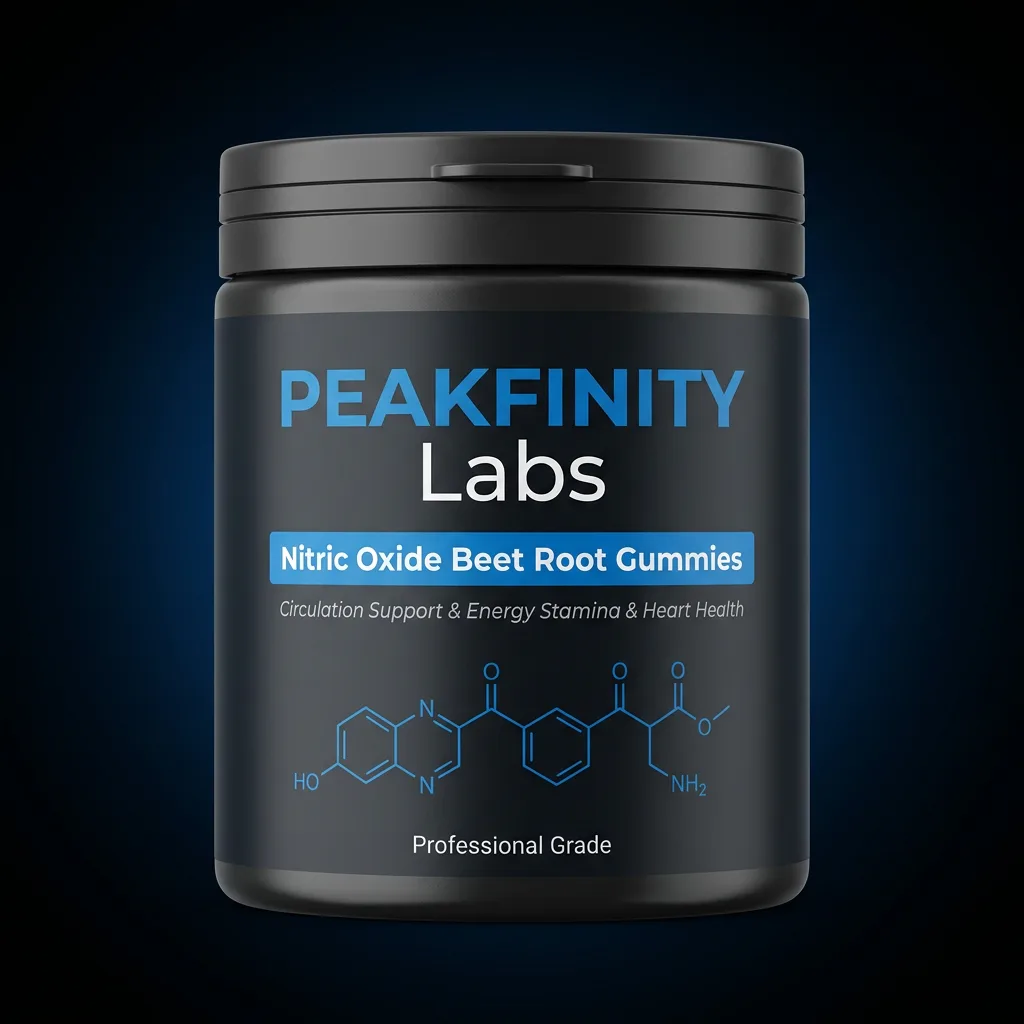
Nitric Oxide Beet Root Gummies
Heart Health · Gummies
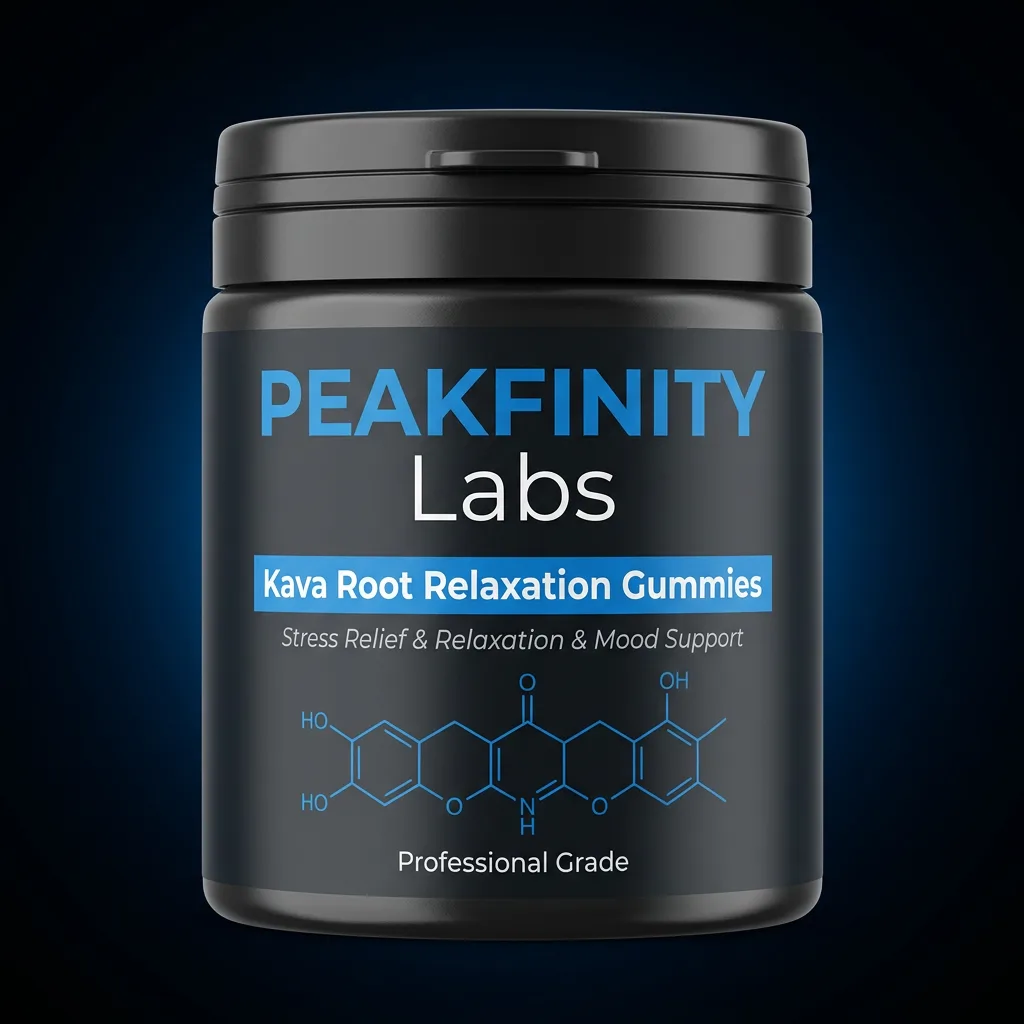
Kava Root Relaxation Gummies
Sleep Relaxation · Gummies
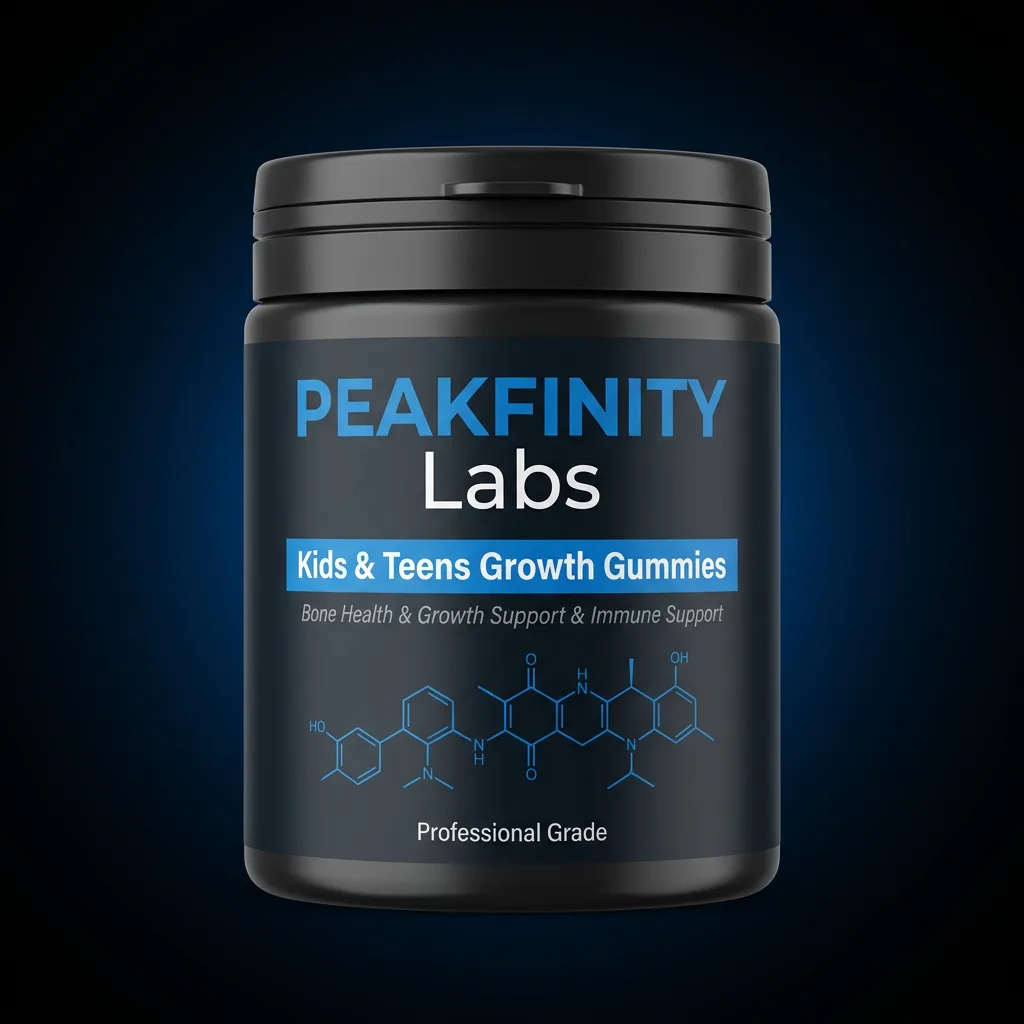
Kids & Teens Growth Gummies
Kids Health · Gummies
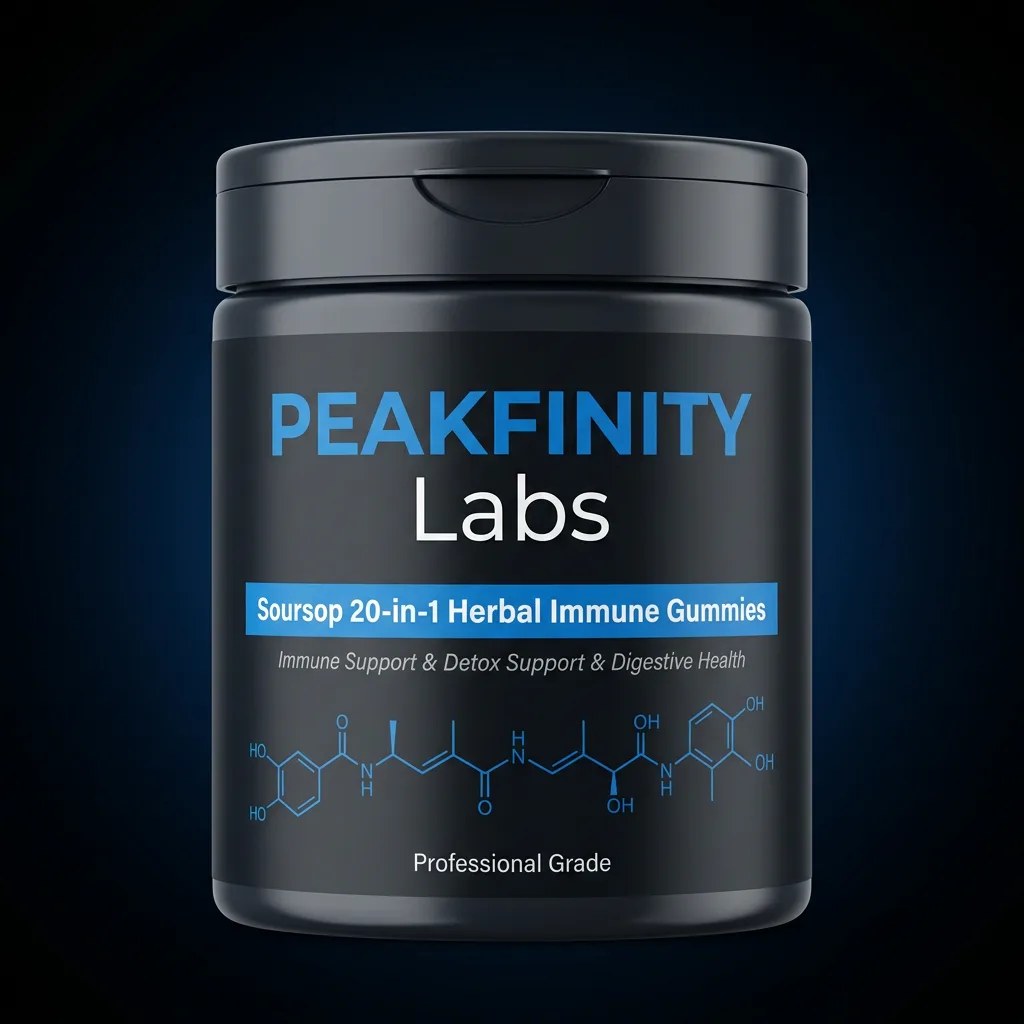
Soursop 12-in-1 Herbal Immune Gummies
Immunity · Gummies

Rahul Ukani
Co-Founder & CEO @ Peakfinity Labs
Rahul leads Peakfinity Labs — a 375,000+ sq ft FDA-registered, cGMP-certified supplement and cosmetic manufacturer with its U.S. headquarters in Exton, PA, serving 1,000+ eCommerce and retail brands since 1980. He works directly with founders on manufacturing strategy: when to dropship, when to private label, when to go custom, and how to scale without breaking unit economics.
Related Articles
How to Find an ISO 17025-Accredited Supplement Testing Lab, and What Founders Should Ask For
How to verify a lab's ISO/IEC 17025 scope actually covers your test, the questions to ask before shipping samples, and a testing plan built for ecommerce timelines.
Supplement Manufacturing Lead Times and Reorders: What Founders Should Expect Before and After Launch
The five workstreams hiding inside "lead time," why reorders move faster than first runs, and the ramp plan that survives a demand spike.
How to Vet a cGMP Supplement Manufacturer With Documented Audit History
The document pack, audit-history call script, and scoring rubric that separate real cGMP quality systems from certificate PDFs.