What Questions Should I Ask a Supplement Manufacturer on the First Call?
27 first-call questions with what a good answer sounds like — covering MOQ drivers, timeline gates, testing scope, ramp plans, and who owns your formula.
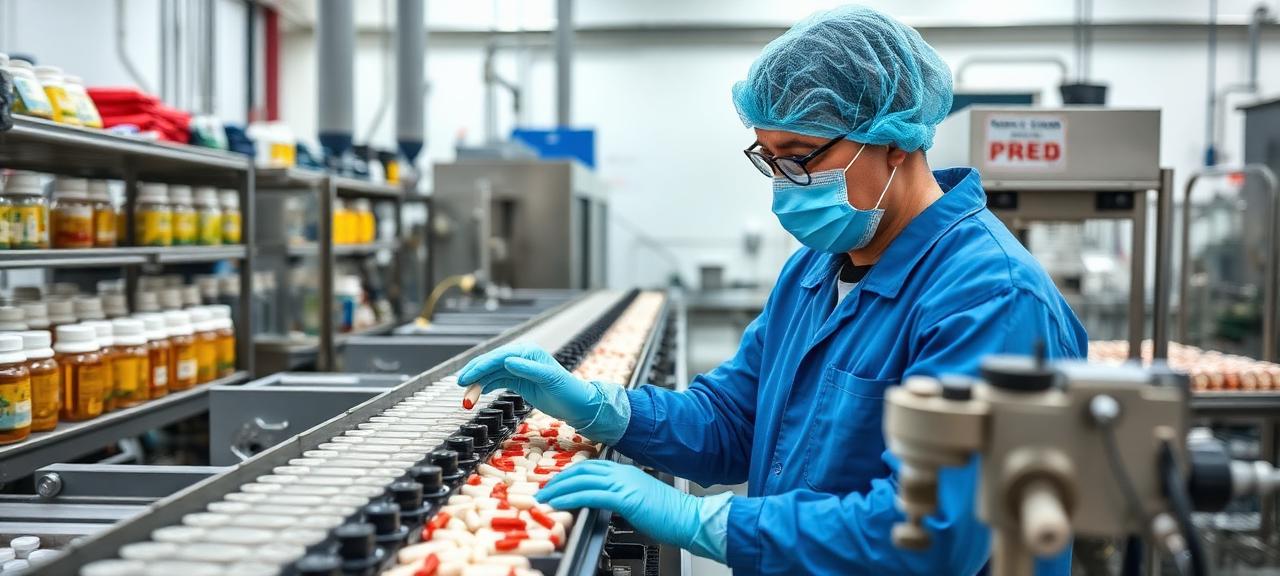
- 1The first call decides more than price — ask how the manufacturer works when something goes wrong, how they document quality, and how they handle fast changes without breaking compliance.
- 2Ask for MOQs by dosage format with the drivers behind them; a single number or endless "it depends" is a red flag.
- 3Verify timelines by asking for the gates — formulation, sample approval, artwork, raw materials, production slot, QC release — and what most often causes slippage. A single lead-time number is not a plan.
- 4Quality is paperwork you can inspect: certificate scopes, per-batch COAs with methods and limits, a real deviation/CAPA process, and label compliance review before print.
- 5Settle IP up front: NDA coverage, who owns the formula and specs, and exactly what files you receive if you ever leave.
Introduction
The first call with a supplement manufacturer decides more than price. It decides whether you can ship on time, pass testing, keep your formula consistent, and scale without redoing everything when your ads finally hit. Most brands ask about cost per bottle and lead times. The better questions are about how the manufacturer works when something goes wrong, how they document quality, and how they handle fast changes without breaking compliance.
If you are a small ecommerce brand, your biggest risks are usually (1) buying too much inventory too early, (2) timeline slippage that misses a launch window, and (3) quality drift that turns into refunds and chargebacks. A good first call helps you spot those risks before you send a deposit or share your full formula idea.
This guide gives you a practical list of questions, plus what a solid answer sounds like. It also includes a few contrarian checks we use with fast-moving brands, like how to confirm a "3-4 week" timeline is real, and how to pressure-test scale plans before your first PO.
Where to start (the first 10 minutes)
If you only have a short call, start with questions that reveal operational reality. You can always talk flavors and label design later. Your goal is to learn whether the manufacturer can reliably produce your product, document it, and ship it in a way that fits ecommerce.
- What is your minimum order quantity for my format (capsules, powder, gummies, liquid)?
- What does your typical timeline look like from "formula approved" to "ready to ship"?
- Are you GMP-certified and ISO-certified, and can you share current certificates?
- Who owns compliance review for the label, and what do you check?
- What is the one thing that usually delays jobs like mine?
These questions get you past marketing language fast. They also tell you whether the person on the call can speak clearly about production, not just sales. If you want a quick baseline on how manufacturers work beyond the sales call, see what a supplement contract manufacturer does.
Questions that tell you if they are a fit for small ecommerce brands
A manufacturer can be "good" and still be wrong for a small ecommerce brand. If their systems assume large retail forecasts, you will pay for it in high MOQs, slow change requests, and packaging that looks fine on a pallet but fails in a parcel. If your business is mostly DTC, it also helps to vet for ecommerce supplement manufacturing needs from the start.
1) "What is your MOQ by format, and what drives it?"
Ask for MOQs by dosage form, not a single number. Capsules, powders, gummies, liquids, and stick packs all have different setup time and yield loss.
- Green flag: they give ranges and explain the drivers (raw MOQ, blending minimums, packaging line changeovers).
- Red flag: they only repeat "it depends" without giving numbers, or they push you into a format you did not ask for.
At Peakfinity Labs, low MOQ work usually succeeds when the brand agrees to tight specs early (capsule size, count, bottle type, and label finish). The fewer open choices, the fewer delays. If you want benchmarks before you get on calls, read Typical Low MOQ in Supplement Manufacturing: What to Expect.
2) "How do you support small-batch testing without locking me into a huge reorder?"
Small-batch is not only about the first PO. It is about repeatability. You want to confirm the manufacturer can run your second and third batches without changing the formula, the fill weight, or the taste.
- Ask how they record batch parameters (blend time, target weights, in-process checks).
- Ask what tolerances they hold on fill weights and count accuracy.
- Ask what changes might happen when you move from a test run to a bigger run.
If they cannot explain how they keep a small run consistent, scaling later will be painful.
3) "What packaging do you consider ecommerce-ready, and why?"
Many first-time brands pick packaging that looks premium, then watch it break, leak, or scuff in shipping. A manufacturer that understands ecommerce will talk about real failure modes.
- Powders: induction seal + liner fit, plus headspace to reduce dusting.
- Capsules: neck finish compatibility with CRC caps, and desiccant sizing.
- Liquids: torque specs, shrink band, and leak testing.
A practical follow-up: ask what percent of their customers ship DTC parcels vs pallets, and what packaging changes they recommend for DTC. For a deeper packaging checklist, see Supplement packaging label design.
Questions about timelines (and how to verify them)
Brands often hear a fast timeline, then lose 2-6 weeks to approvals, label rewrites, missing specs, or raw material delays. The fix is to ask timeline questions that include dependencies and decision points.
4) "Walk me through your timeline from first call to finished goods. What are the gates?"
You want a step-by-step flow that sounds like a process, not a guess. A solid answer includes: formulation scope, quote, sample approval (if needed), artwork approval, raw material ordering, production slot, QC release, and shipping.
At Peakfinity Labs, when we say 3-4 weeks from formulation to finished goods, that assumes fast approvals and that the formula uses available raw materials. If your brand needs a rare patented ingredient with a long lead time, you should plan around that from day one.
5) "What causes timeline slippage most often, and how do you prevent it?"
This question forces honesty. Every facility has bottlenecks. The good ones name them and show their controls.
- Common delays: label compliance edits, missing component specs, out-of-stock bottles, flavor iteration loops, COA mismatches, or pending micro results.
- What you want to hear: proactive pre-flight checks, defined approval windows, and a clear escalation path.
6) "If I approve everything in 48 hours, can you hold the same timeline?"
This is a contrarian test. Many delays are on the brand side, not the factory side. If you can move fast, you want a manufacturer that can match your pace with fast quoting, fast revisions, and clear checklists.
Ask what they need from you to keep speed high. If they cannot answer with a short list, timelines will slip.
Questions about quality, testing, and compliance (the non-negotiables)
Quality is not a vibe. It is paperwork, testing, and control points that stay consistent batch after batch. The first call should confirm that the basics are in place and that the manufacturer can show evidence.
7) "Are you GMP-certified and ISO-certified, and what is covered in the scope?"
Ask for current certificates and what sites they cover. Some companies have multiple locations with different scopes.
- Ask when the last audit was completed and by whom.
- Ask whether they manufacture dietary supplements under 21 CFR Part 111 (US) if you sell in the US.
If you want more detail on what to look for, compare their answers against GMP Certified Supplement Manufacturer.
Authoritative reference: FDA 21 CFR Part 111 (Dietary Supplement GMPs)
8) "What testing do you run on raw materials and finished goods?"
Ask for specifics by product type. A powder with botanicals has different risks than basic vitamins in capsules.
- Identity: how they confirm the ingredient is what it claims to be.
- Micro: total plate count, yeast and mold, pathogens as relevant.
- Heavy metals: especially for botanicals, minerals, and certain superfoods.
- Potency: key actives, especially if you will make claims tied to dosage.
Ask whether you get a Certificate of Analysis (COA) per batch, and what is included. For botanicals, identity verification of raw materials deserves its own conversation, since adulteration risk is highest there.
9) "What happens if a batch fails specs?"
This is where reliability shows up. You want to know whether they quarantine product, how they investigate, and how they communicate.
- Ask whether they run a documented deviation and CAPA process.
- Ask how they decide rework vs scrap.
- Ask who pays if failure is tied to manufacturing vs your supplied components.
10) "Who reviews my label for compliance, and what exactly do they check?"
Many ecommerce brands get in trouble because the label is written for marketing, not for regulations. Ask what the manufacturer checks, and what they do not check.
- Do they review Supplement Facts formatting and required statements?
- Do they flag disease claims and risky structure/function phrasing?
- Do they verify net quantity, ingredient list order, and allergen statements?
Reference for structure/function claims: FDA guidance on structure/function claims
Questions about formulation help (idea to real formula)
If you are not a formulator, the manufacturer often becomes your main technical partner. Your goal is to confirm they can translate an idea into a stable, manufacturable, compliant product without dragging you through months of back-and-forth.
11) "Do you do custom formulation, or do you only run stock formulas?"
Some manufacturers mainly do private label with minor tweaks. That can be fine for speed, but it may not support differentiation.
- Ask what counts as "custom" to them, and what the fees and timelines are.
- Ask whether they can help with flavor systems, sweeteners, and mouthfeel for powders.
If you are comparing partners, it helps to align on what "custom" really means. This Custom Supplement Formulation Guide covers the usual scope, timelines, and handoffs.
12) "If I bring a formula brief, how do you turn it into a manufacturable spec?"
Ask what inputs they need. A real process includes target serving size, dosage, format, flavor, allergen constraints, capsule type, and packaging requirements.
A useful detail: ask whether they formulate around ingredient availability. In fast ecommerce cycles, a formula that depends on a single hard-to-source ingredient is a timeline risk.
13) "What ingredients or claims do you avoid, and why?"
This question surfaces experience. A good manufacturer has a short list of ingredients they treat cautiously because of supply inconsistency, testing risk, or regulatory risk.
One example we see often: brands want exotic botanicals with limited quality documentation. We push for ingredients with strong identity testing methods and reliable COAs, because it reduces the chance of a hold at QC release.
Questions about scaling when the product takes off
Scaling is not only "can you make more". It is whether they can secure raw materials, reserve production time, and keep your product consistent when volumes jump.
14) "If my weekly sales double in 30 days, how fast can we ramp production?"
Ask them to answer with numbers and constraints. You want to hear about production slot availability, raw material lead times, and packaging component capacity.
15) "What is your re-order process, and when do you recommend I place the next PO?"
Good partners will give a reorder trigger, not a vague "order early". For example, they might suggest reordering when you have 4-6 weeks of cover left, depending on your SKU complexity and component lead times.
16) "Can you reserve raw materials or packaging for me as I scale?"
This is where smaller brands often get surprised. Your bottles, caps, cartons, and scoops may have longer lead times than the actual manufacturing run.
Ask whether they can forecast components with you, and whether they offer vendor-managed inventory or pre-buys for critical items.
17) "What changes when we go from small-batch to larger runs?"
You want to confirm that scaling does not change the product. A different blender size, different drying behavior, or different flavor addition timing can shift taste and flow.
Ask how they validate scale-up. A solid answer includes pilot runs or defined scale-up rules, plus updated batch records.
Questions about confidentiality and IP protection
Brands worry about sharing an idea and losing control. The reality is that most problems come from unclear ownership of formula files, specs, and artwork, not from someone stealing a concept.
18) "Will you sign an NDA, and what does it cover?"
Get the NDA in place before you share your full formula, supplier list, or marketing plan. Ask whether the NDA covers contractors, labs, and packaging vendors they use.
19) "Who owns the formula, the batch record, and the specifications?"
Ask this directly. You should know what you can take with you if you ever change facilities.
- Formula ownership: your formula brief and final formula document.
- Specs: finished product specs, component specs, and artwork files.
- Batch records: manufacturing instructions (these may be facility-owned, but you can often receive a product spec and key parameters).
20) "If I leave, what information do I get, and in what format?"
This is another contrarian check, and it builds trust fast. A confident manufacturer will explain a clean transition process, including what can be released and what cannot.
A practical comparison table you can use during calls
Use this table as a scorecard. Fill it out live during the call so you do not rely on memory later.
| Category | Question | Good answer sounds like | Red flag |
|---|---|---|---|
| MOQ | MOQ by format and what drives it? | Clear numbers per format and drivers (components, line changeovers) | Vague answers, pressure to change format |
| Timeline | Step-by-step gates from approval to ship? | Defined gates, dependencies, and approval windows | Only a single lead time number |
| Quality | Testing plan and COA per batch? | Identity + micro + metals + potency as appropriate, COA provided | No clear testing scope |
| Compliance | Who reviews labels and what do they check? | Clear checklist and limits, flags claims risk | "Marketing writes it" with no review |
| Scale | Ramp plan if sales double in 30 days? | Capacity + raw/component lead times + reorder triggers | "We can handle anything" with no specifics |
| IP | Ownership and exit files? | Clear ownership terms and transition process | Refuses to discuss or hides terms |
Advanced questions that catch issues early
These are the questions most brands skip. They are also the ones that prevent the painful surprises.
24) "What is your change control process if we need to swap an ingredient?"
Ingredient substitutions happen. A manufacturer should document changes, assess label impact, and get your approval before production.
25) "How do you control cross-contamination and allergens?"
If you care about allergen-free positioning, you need cleaning validation practices and scheduling controls. Ask how they segregate allergens and how they verify cleaning between runs.
27) "Who is my day-to-day contact after I place a PO?"
A smooth launch needs a real project owner. Ask whether you will work with a project manager, QA contact, and compliance reviewer, and what their response times are.
Conclusion and next steps
A strong first call is a filter. It helps you choose a manufacturer that can move fast, stay compliant, and protect your downside when you start with small-batch production. If the answers are specific, documented, and consistent, you are likely talking to a real operator. If the answers are vague, you will feel that vagueness later in delays, surprise fees, and inconsistent product.
Next steps: send a one-page product brief (format, target serving size, target cost, flavor, packaging, and claims you want to avoid), ask for a quote with line-item breakdown, and request redacted examples of a batch record outline and a COA. If the manufacturer can support low MOQ runs, hold a 3-4 week turnaround with clear approval gates, and provide GMP and ISO documentation, you have the foundation for a fast, scalable launch. If you want a quick overview of how Peakfinity Labs approaches timelines, quality, and handoffs, start with the Supplement Manufacturing Overview.
Frequently Asked Questions
What makes a good contract manufacturer for a small ecommerce brand?
This matters because ecommerce brands win or lose on speed, repeatability, and packaging that survives parcel shipping. A good contract manufacturer for a small ecommerce brand offers low MOQs for small-batch testing, runs in GMP-certified and ISO-certified facilities, and has a clear process for compliant labels and ecommerce-ready packaging. The fastest way to validate fit is to ask for their MOQ by format, a step-by-step timeline with approval gates, and a sample COA so you can see how they document quality.
How quickly can I ramp up production if my product takes off?
This question matters because viral growth usually creates shortages first, then quality issues from rushed changes. You can ramp up production quickly if your manufacturer has available line capacity, can secure raw materials and packaging components, and uses consistent batch records so scale-up does not change the product. A practical next step is to set a reorder trigger (for example, ordering when you have 4-6 weeks of inventory cover) and confirm which components have the longest lead times, since bottles, caps, and cartons often limit speed more than blending or filling.
What manufacturer will help me turn my product idea into a real formula?
This matters because a good idea still fails if the formula is unstable, unpalatable, hard to manufacture, or non-compliant to market. The right manufacturer offers custom formulation support that turns your brief into a manufacturable specification, including target serving size, ingredient dosages, flavor system, allergen constraints, and packaging requirements. Ask what inputs they need to quote and formulate, how many sample iterations are typical, and whether they formulate around ingredient availability to avoid delays caused by long-lead raw materials.
What should I ask to confirm a manufacturer is reliable on timelines?
This matters because most launch delays come from unclear dependencies like approvals, component lead times, and QC release testing. A reliable manufacturer can map your project into defined gates, tell you what causes delays most often, and explain when lead time starts (payment, approval, or component receipt). Ask them to list the top three delay causes for products like yours and what they need from you, such as 48-hour approval windows, to hold a 3-4 week schedule.
How do I protect my formula and brand information when switching or starting with a new manufacturer?
This matters because most IP problems come from unclear file ownership and vague transition terms, not from someone copying a concept. Protect your formula by signing an NDA before sharing details and by confirming in writing who owns the formula document, specifications, and artwork files, plus what you receive if you leave. A practical next step is to ask for the exit package in advance, such as finished product specs and recent COAs, so you are never locked in by missing documentation.

Tushar
Licensed Pharmacist and COO @ Peakfinity Labs
Written by the Peakfinity Labs R&D Team — 46+ years of supplement formulation expertise. Our team of formulation chemists, manufacturing specialists, and regulatory experts has helped thousands of eCommerce brands bring their products to market successfully since 1980.
Related Articles
How to Find an ISO 17025-Accredited Supplement Testing Lab, and What Founders Should Ask For
How to verify a lab's ISO/IEC 17025 scope actually covers your test, the questions to ask before shipping samples, and a testing plan built for ecommerce timelines.
Supplement Manufacturing Lead Times and Reorders: What Founders Should Expect Before and After Launch
The five workstreams hiding inside "lead time," why reorders move faster than first runs, and the ramp plan that survives a demand spike.
How to Vet a cGMP Supplement Manufacturer With Documented Audit History
The document pack, audit-history call script, and scoring rubric that separate real cGMP quality systems from certificate PDFs.