Energy Supplement Manufacturing Guide: Ingredients, Formats & Launch Strategy
How to formulate, manufacture, and launch a clean energy supplement brand with natural ingredients and GMP-certified production
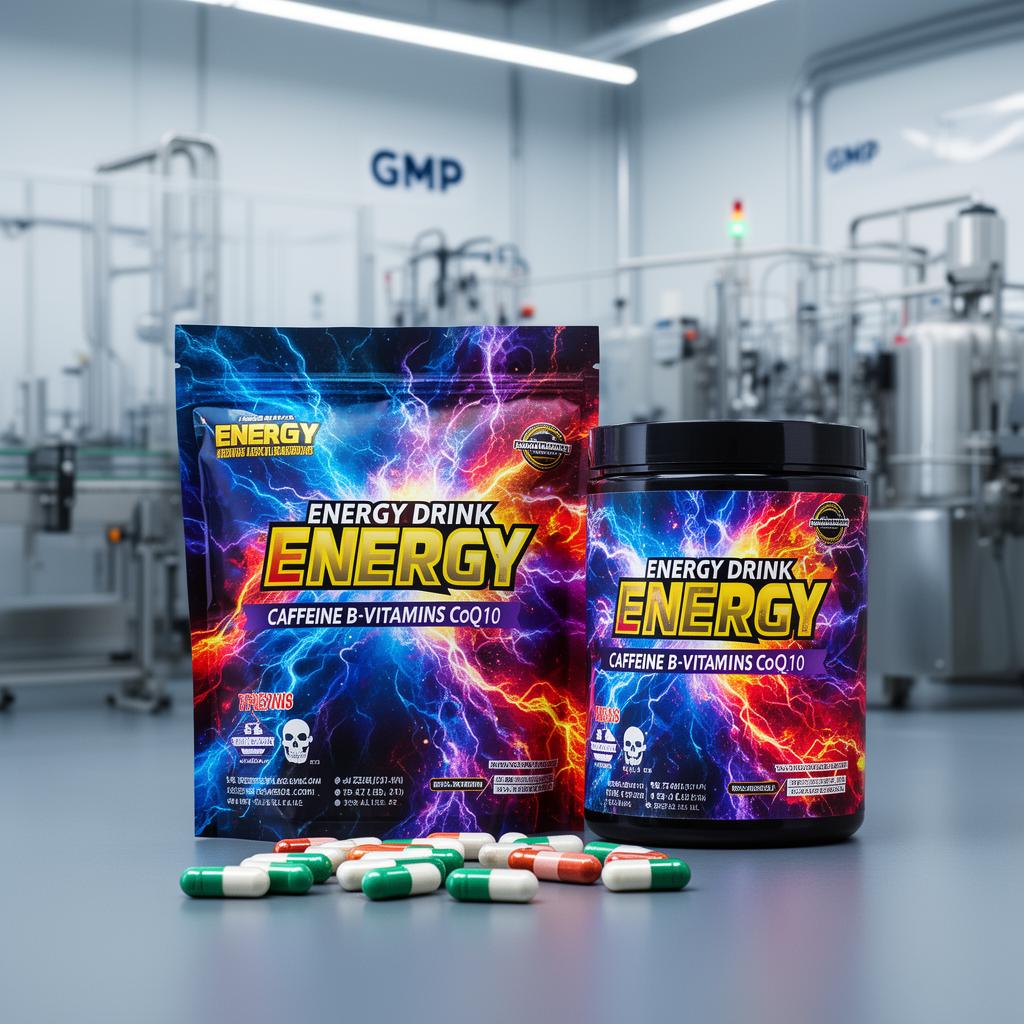
- 1Energy supplements are a $15+ billion global category spanning capsules, powders, drink mixes, and shots
- 2Natural caffeine sources (green tea, guarana, yerba mate) are replacing synthetic caffeine in premium products
- 3Clean energy stacks combining caffeine + L-theanine + B-vitamins deliver sustained energy without crashes
- 4Powder drink mixes and stick packs are the fastest-growing energy format for DTC brands
- 5Low MOQ runs of 2,000 units let you validate your energy formula and flavor before scaling
Why Energy Supplements Are an Evergreen Category
Energy supplements represent the largest and most enduring category in the dietary supplement industry. Unlike trend-driven categories that peak and decline, human demand for sustained energy, mental alertness, and physical performance is constant. What evolves is how consumers want their energy delivered—and in 2026, the market is shifting decisively toward clean, natural, crash-free energy solutions.
For supplement brand founders, the energy category offers massive addressable market size, high repeat purchase rates (daily use), and multiple format opportunities. The challenge is differentiation in a crowded space. This guide covers how to formulate a standout energy product, select the right format, manage caffeine compliance, and launch through the right channels—all through GMP-certified manufacturing.
Energy Supplement Market in 2026
| Segment | Key Products | Target Consumer | Growth Rate |
|---|---|---|---|
| Clean Energy Capsules | Natural caffeine + adaptogens | Health-conscious professionals | 12–15% CAGR |
| Energy Drink Mixes | Flavored powder sticks | Active lifestyle, gym-goers | 18–22% CAGR |
| Pre-Workout Supplements | High-stim performance blends | Fitness enthusiasts | 8–10% CAGR |
| Caffeine-Free Energy | B-vitamins, CoQ10, cordyceps | Caffeine-sensitive consumers | 10–14% CAGR |
| Gaming Energy | Focus + energy + eye health | Gamers, esports | 20–25% CAGR |
Growth Opportunity
Key Energy Ingredients & Clinical Dosages
| Ingredient | Mechanism | Clinical Dose | Caffeine Content |
|---|---|---|---|
| Natural Caffeine (green tea) | CNS stimulation, alertness | 75–200 mg | 75–200 mg |
| L-Theanine | Calm focus, caffeine synergy | 100–200 mg | None |
| Vitamin B12 (methylcobalamin) | Energy metabolism, nerve function | 500–2,500 mcg | None |
| CoQ10 (Ubiquinol) | Cellular energy production (ATP) | 100–200 mg | None |
| Cordyceps Mushroom | Oxygen utilization, endurance | 500–1,500 mg | None |
| Guarana Extract | Sustained caffeine release | 100–400 mg | ~40 mg per 100 mg |
| Rhodiola Rosea | Mental fatigue resistance | 200–600 mg | None |
| Taurine | Cellular hydration, endurance | 500–2,000 mg | None |
| Iron Bisglycinate | Oxygen transport (for deficiency) | 18–25 mg | None |
| Creatine Monohydrate | ATP regeneration, power output | 3,000–5,000 mg | None |
The most validated energy stack is caffeine + L-theanine — clinical research consistently shows this combination delivers sustained alertness without the jitters or crash associated with caffeine alone. For brands targeting the fitness audience, adding creatine and beta-alanine creates a pre-workout positioning. For wellness audiences, cordyceps and ashwagandha provide adaptogenic energy support.
Formats: Capsules, Powders & Shots
| Format | Pros | Cons | Cost/Unit |
|---|---|---|---|
| Capsules | Simple, portable, precise dosing | No flavor experience, limited dose | $0.12–$0.35 |
| Powder Drink Mix (tub) | High dose capacity, daily ritual | Requires mixing, flavor critical | $0.35–$0.80 |
| Single-Serve Stick Packs | Portable, premium pricing, trial-friendly | Higher packaging cost per unit | $0.50–$1.50 |
| Liquid Shots (2 oz) | Convenience, fast absorption | Higher production cost, stability challenges | $0.80–$2.50 |
| Gummies | Consumer-friendly, taste-driven | Low caffeine capacity per gummy | $0.20–$0.50 |
For DTC energy brands, powder drink mixes in stick pack format offer the best combination of premium positioning, portability, and adequate dosing. Capsules are the lowest-cost entry point and work well for "clean energy" positioning focused on ingredients rather than flavor experience.
Energy Supplement Formulation Strategy
- Clean Energy Stack: Natural caffeine (100 mg from green tea) + L-theanine (200 mg) + B12 (1,000 mcg) + cordyceps (500 mg) — sustained energy without crash, appeals to wellness-conscious consumers
- Performance Stack: Caffeine (200 mg) + beta-alanine (3.2 g) + creatine (5 g) + citrulline (6 g) — pre-workout positioning for fitness enthusiasts
- Gaming Stack: Caffeine (150 mg) + L-theanine (200 mg) + alpha-GPC (300 mg) + lutein (10 mg) — focus + energy + eye protection for screen-heavy users
- Caffeine-Free Stack: B-complex + CoQ10 (200 mg) + cordyceps (1,000 mg) + iron bisglycinate (18 mg) — energy support for caffeine-sensitive or pregnant consumers
Formulation Tip
Compliance & Caffeine Safety
- Caffeine labeling: While not legally required for supplements, best practice (and Amazon policy) is to declare caffeine mg per serving prominently on the label
- Warning statements: Products with caffeine should include: "Not intended for children, pregnant or nursing women, or individuals sensitive to caffeine"
- Permitted claims: "Supports natural energy," "promotes mental alertness," "supports physical performance"
- Prohibited claims: "Gives you energy" (implies drug effect), "replaces sleep," "treats fatigue" (disease claim)
- DMAA/DMHA avoidance: Do not include DMAA, DMHA, or other amphetamine-like stimulants. FDA has taken enforcement action against these ingredients
- Amazon restrictions: Amazon prohibits energy supplements marketed to children and scrutinizes high-caffeine products. Ensure compliance with their supplement policies
Energy Supplement Manufacturing Cost Breakdown
| Cost Category | Basic Caffeine Capsules | Clean Energy Powder | Premium Multi-Stack |
|---|---|---|---|
| Raw materials | $800–$1,500 | $2,500–$4,500 | $4,000–$7,000 |
| Production | $700–$1,000 | $1,000–$1,800 | $1,200–$2,200 |
| Flavoring (powder only) | N/A | $400–$800 | $600–$1,200 |
| Testing | $400–$600 | $600–$1,000 | $800–$1,500 |
| Packaging & labeling | $600–$900 | $800–$1,400 | $1,000–$1,800 |
| Total (2,000 units) | $2,500–$4,000 | $5,300–$9,500 | $7,600–$13,700 |
| Per-unit cost | $1.00–$1.60 | $2.12–$3.80 | $3.04–$5.48 |
Energy supplements retail for $20–$45 for capsules (30-day supply) and $35–$65 for powder drink mixes. Premium clean energy brands with natural ingredients and stick pack format command $50–$80 per 30-serving box. See our complete cost guide for category comparisons.
Choosing an Energy Supplement Manufacturer
- Multi-format capability: Can they produce capsules, powders, and stick packs? This flexibility lets you expand your product line without switching manufacturers
- Flavor R&D: For powder formats, in-house flavor development capability is critical. Ask about their iteration process and timeline
- Caffeine handling experience: Precise caffeine dosing is essential for safety and consistency. Your manufacturer needs verified caffeine content testing for every batch
- Sport certifications: If targeting athletes, NSF Certified for Sport or Informed Sport certification adds significant credibility
- Low MOQ flexibility: Start with 2,000 units to validate your energy formula before committing to larger production runs
Launch Strategy for Energy Brands
- Define your energy niche: Clean daily energy, pre-workout performance, gaming focus, caffeine-free vitality, or women's energy — each demands different formulation and marketing
- Start with one hero SKU: A 2,000-unit initial run of capsules or stick packs. Validate your formula and market positioning before expanding
- Content marketing for education: Create content explaining natural caffeine vs. synthetic, L-theanine synergy, and "crash-free energy" science. This builds trust with health-conscious consumers
- Influencer seeding: Send to fitness, productivity, and gaming influencers. Energy supplement content performs well as "morning routine" or "what I take before the gym" formats on TikTok
- Subscription model: Daily energy users are ideal subscription customers. Offer 15–20% off for monthly auto-ship with 25–35% expected conversion rate
- Multi-channel launch: Amazon for discovery (high search volume for energy supplements) + Shopify DTC for margins and subscription revenue
Frequently Asked Questions
What are the most popular energy supplement ingredients?
The most popular energy supplement ingredients include caffeine (natural or synthetic, 75–200 mg), L-theanine (100–200 mg), B-complex vitamins (B6, B12, niacin), CoQ10 (100–200 mg), green tea extract (EGCG), guarana, taurine, and adaptogenic mushrooms like cordyceps. Clean energy formulas increasingly emphasize natural sources over synthetic stimulants.
How much does it cost to manufacture energy supplements?
Energy supplement manufacturing costs $3,500–$14,000 for an initial 2,000-unit run depending on format and ingredient complexity. Simple caffeine + B-vitamin capsules cost less than premium clean energy powder blends with multiple adaptogens and natural flavoring. Per-unit costs range from $1.40–$5.60.
What caffeine level is safe for energy supplements?
FDA considers 400 mg of caffeine per day generally safe for healthy adults. Most energy supplements contain 75–200 mg per serving. Products exceeding 200 mg per serving should include prominent caffeine warnings. The trend is toward moderate caffeine (100–150 mg) combined with synergistic ingredients for sustained energy.
Should I make energy capsules or energy powder?
Capsules offer simplicity and portability but limited dose capacity for taste-dependent ingredients. Powder drink mixes are the fastest-growing format, commanding premium prices and enabling flavored daily rituals. Many brands launch with capsules (lower cost) and add powder as a second SKU.
What is the minimum order quantity for energy supplements?
Most GMP-certified US manufacturers offer MOQs of 2,000 units for energy supplement capsules. Powder drink mixes and stick packs may require slightly higher minimums due to blending and packaging equipment setup.
How do I differentiate my energy supplement from competitors?
Differentiate through: (1) clean/natural caffeine sources instead of synthetic, (2) a specific niche audience (gamers, remote workers, athletes, parents), (3) sustained-release or crash-free positioning, (4) adaptogen integration (cordyceps, rhodiola), and (5) transparent labeling with exact caffeine mg per serving.
Ready-to-Launch Formulations in This Category
Stock-ready formulations you can private label with your own branding — 2,000 unit MOQ.
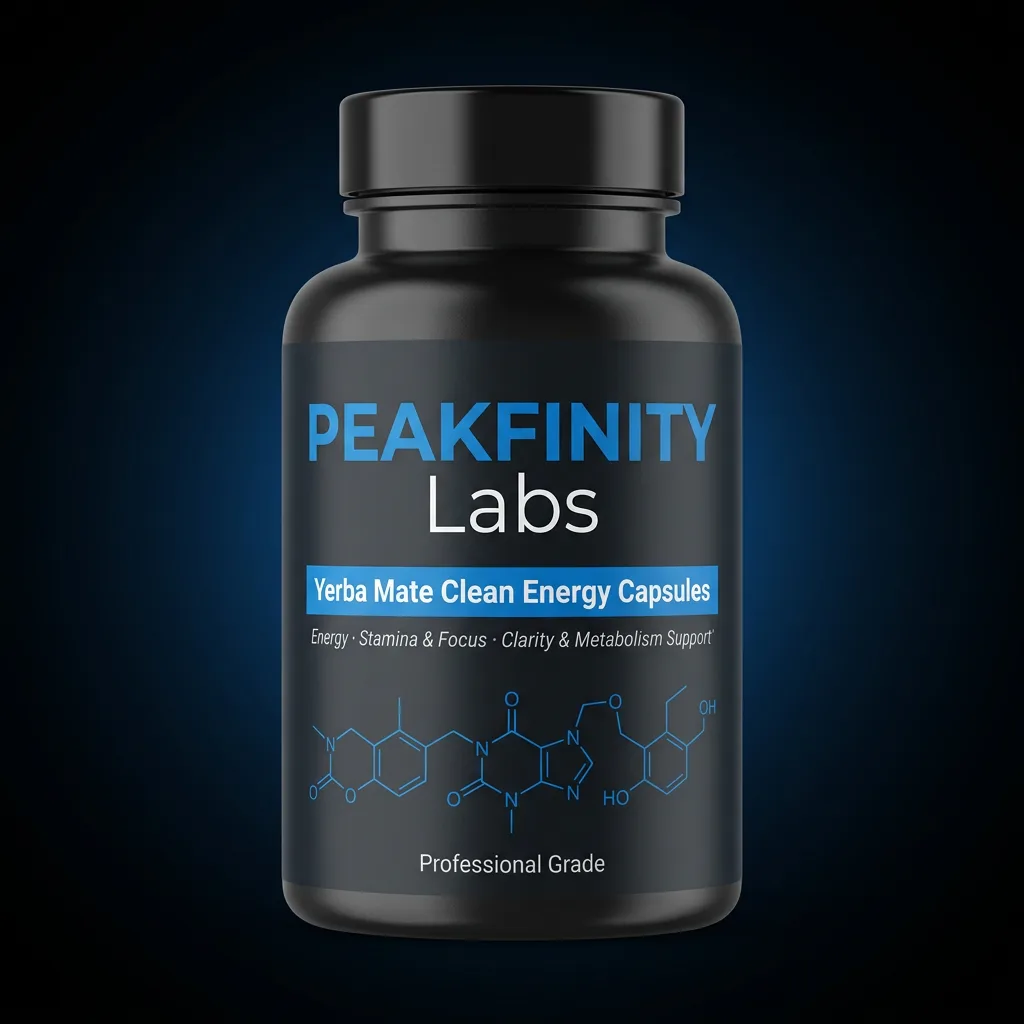
Yerba Mate Clean Energy Capsules
Energy Focus · Capsules
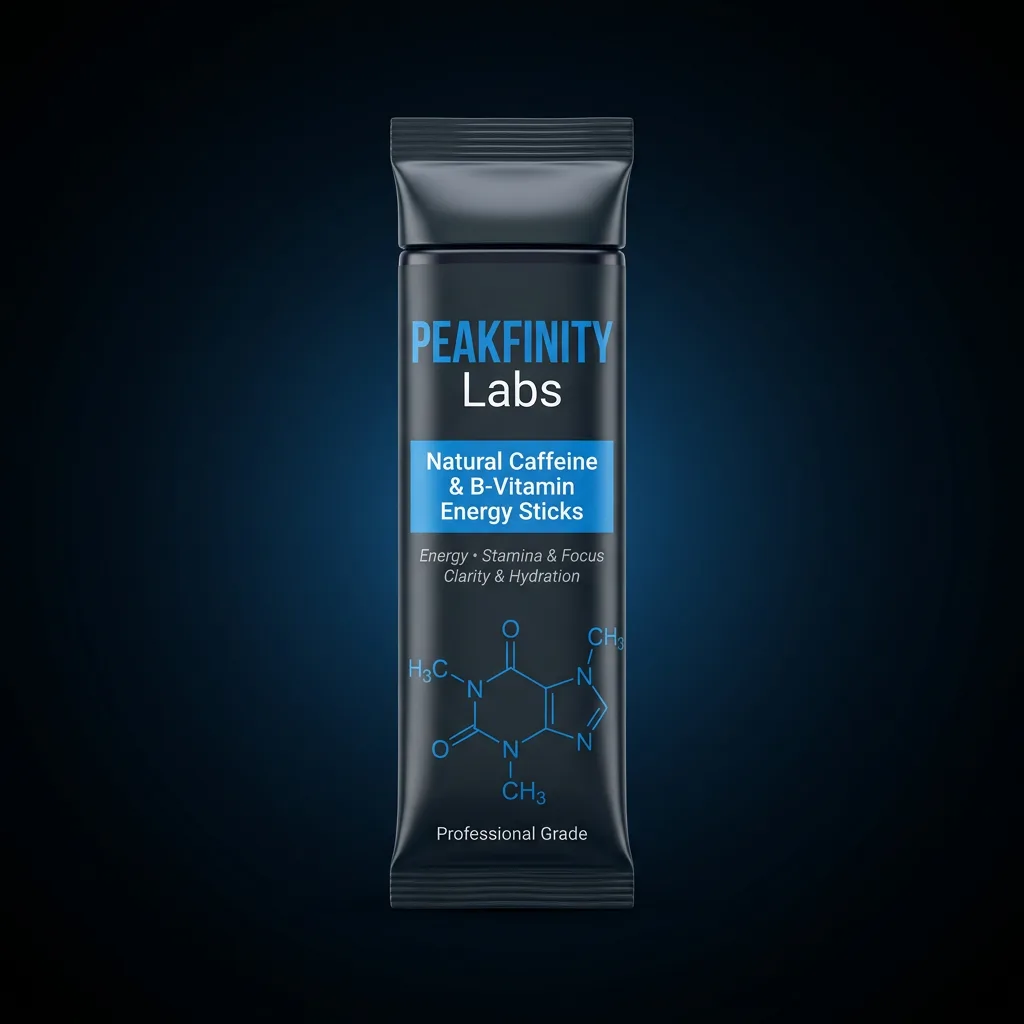
Natural Caffeine & B-Vitamin Energy Sticks
Energy Focus · Powder Stick
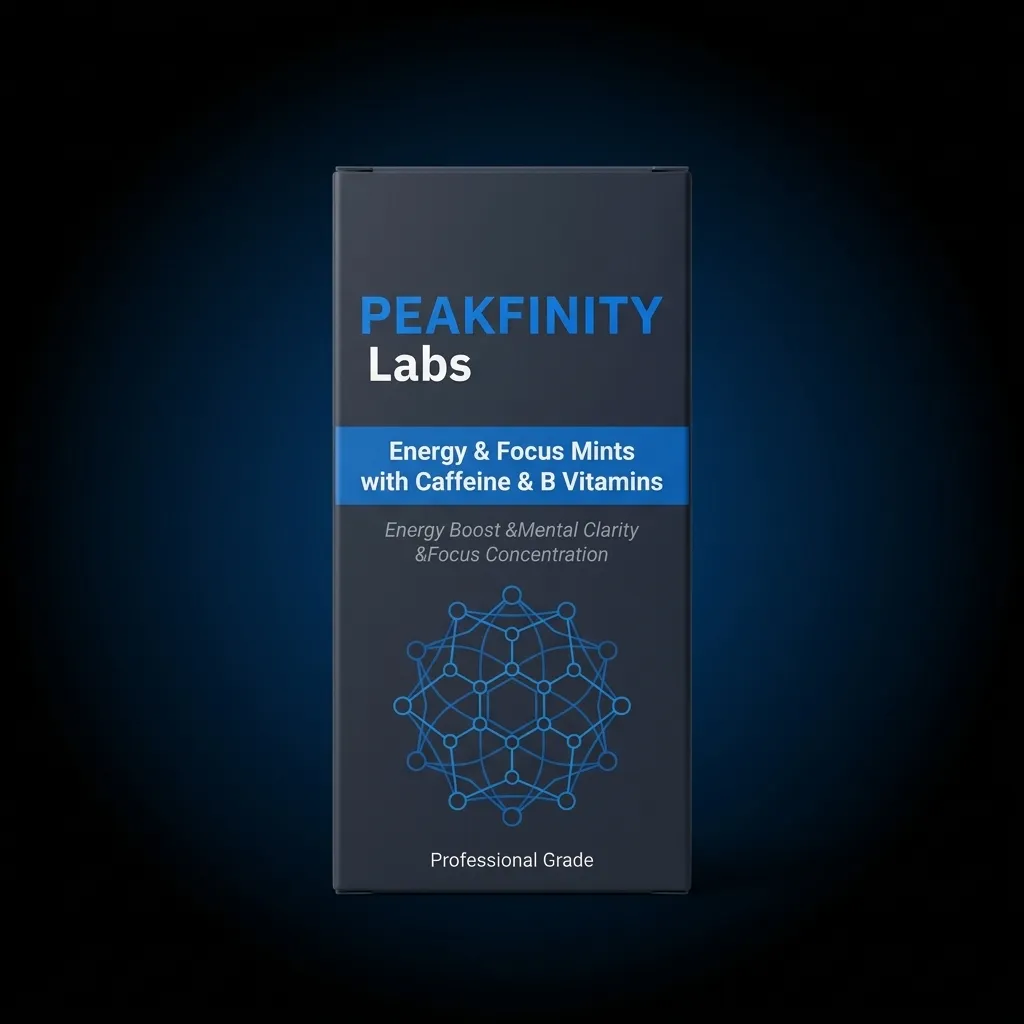
Energy & Focus Mints with Caffeine & B Vitamins
Energy Focus · Tablets
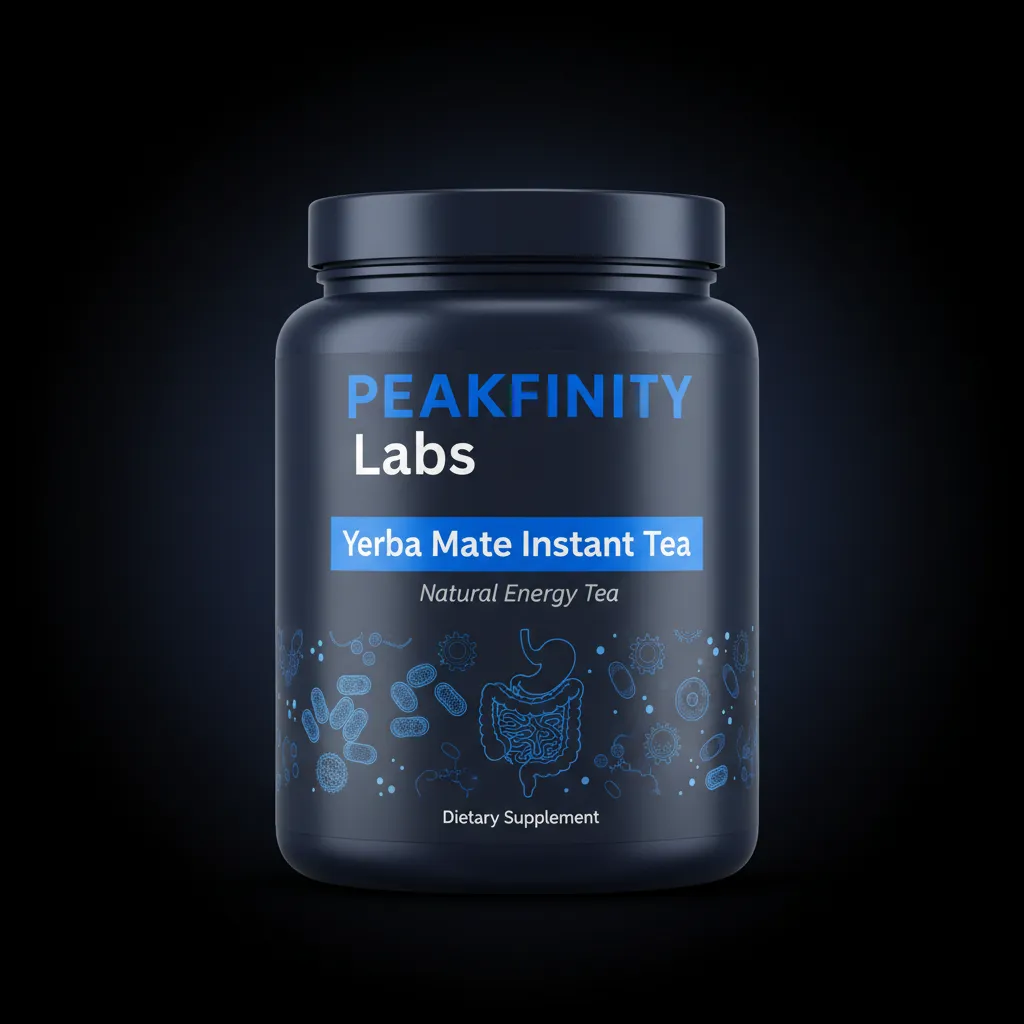
Private Label Yerba Mate Instant Tea Powder
Energy Focus · Powder

Tushar
Licensed Pharmacist and COO @ Peakfinity Labs
Written by the Peakfinity Labs R&D Team — 46+ years of supplement formulation expertise. Our team of formulation chemists, manufacturing specialists, and regulatory experts has helped thousands of eCommerce brands bring their products to market successfully since 1980.
Related Articles
How to Find an ISO 17025-Accredited Supplement Testing Lab, and What Founders Should Ask For
How to verify a lab's ISO/IEC 17025 scope actually covers your test, the questions to ask before shipping samples, and a testing plan built for ecommerce timelines.
Supplement Manufacturing Lead Times and Reorders: What Founders Should Expect Before and After Launch
The five workstreams hiding inside "lead time," why reorders move faster than first runs, and the ramp plan that survives a demand spike.
How to Vet a cGMP Supplement Manufacturer With Documented Audit History
The document pack, audit-history call script, and scoring rubric that separate real cGMP quality systems from certificate PDFs.