Ashwagandha Supplement Manufacturing Guide: Extracts, Formats & Launch
Everything you need to manufacture ashwagandha supplements — from extract selection and dosing to GMP production and brand launch
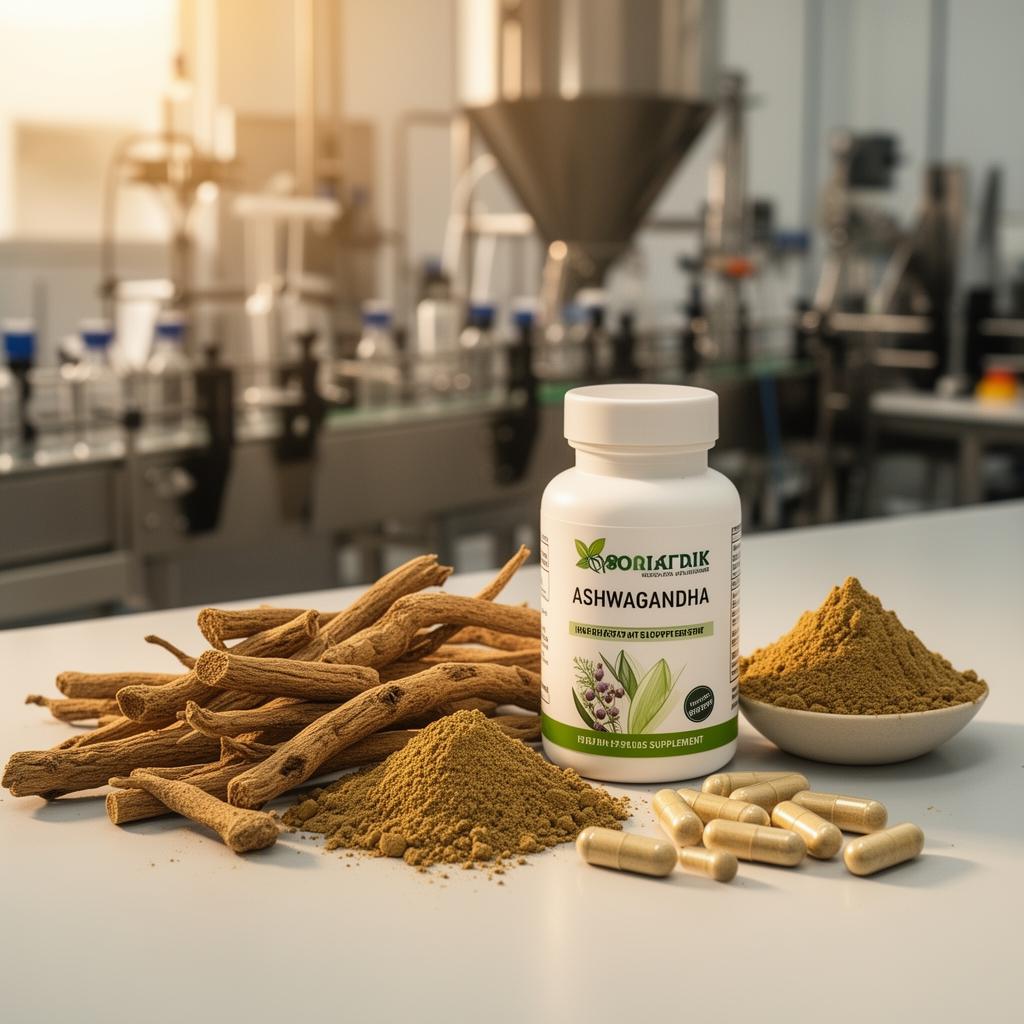
- 1Ashwagandha is the #1 selling adaptogen globally, with supplement sales exceeding $1.5 billion in 2025
- 2KSM-66 and Sensoril are the two dominant branded extracts with the most clinical evidence
- 3Capsules dominate the format, but ashwagandha gummies are the fastest-growing segment
- 4Withanolide standardization (2.5%–10%) is the key quality differentiator between commodity and premium extracts
- 5Low MOQ runs of 2,000 units let you validate your positioning before scaling production
Why Ashwagandha Is the Dominant Adaptogen
Ashwagandha (Withania somnifera) has become the most commercially successful adaptogenic herb in the global supplement market. Once confined to Ayurvedic medicine, ashwagandha crossed into mainstream wellness through a combination of robust clinical research, influencer endorsements, and a consumer base increasingly seeking natural alternatives for stress management, sleep support, and physical performance.
For supplement brand founders, ashwagandha offers a compelling product opportunity: strong consumer awareness (it's the most-searched adaptogen online), multiple positioning angles (stress, sleep, fitness, cognitive), and well-established supply chains for both commodity and branded extracts. This guide covers everything from extract selection to capsule manufacturing costs and compliance considerations.
Ashwagandha Supplement Market in 2026
Global ashwagandha supplement sales exceeded $1.5 billion in 2025, with the US market accounting for approximately 40% of revenue. The ingredient appears in standalone supplements and as a key component in stress, sleep, pre-workout, and nootropic blends:
| Product Category | Positioning | Target Consumer | Growth Rate |
|---|---|---|---|
| Standalone Ashwagandha | Stress & cortisol support | Wellness-conscious adults | 10–12% CAGR |
| Sleep Blends | Ashwagandha + magnesium + L-theanine | Sleep-challenged consumers | 14–16% CAGR |
| Pre-Workout / Performance | Ashwagandha + creatine + beta-alanine | Fitness enthusiasts | 8–10% CAGR |
| Mood & Calm Gummies | Ashwagandha + GABA + lemon balm | Stressed millennials/Gen Z | 18–22% CAGR |
| Women's Wellness | Ashwagandha + maca + vitex | Women's hormone support | 12–15% CAGR |
Market Insight
Ashwagandha Extract Types & Standardization
Not all ashwagandha is equal. The extract type, plant part used, and withanolide standardization level dramatically affect potency, efficacy, and cost:
| Extract | Plant Part | Withanolide % | Key Studies | Cost Level |
|---|---|---|---|---|
| KSM-66 | Root only | 5% | 24+ clinical trials | Premium ($$$) |
| Sensoril | Root + leaf | 10% | 12+ clinical trials | Premium ($$$) |
| Generic Root Extract | Root | 1.5–2.5% | Varies | Standard ($$) |
| Full-Spectrum Root Powder | Root (unextracted) | 0.5–1.5% | Traditional use | Budget ($) |
| Shoden | Root + leaf | 35% | 3+ clinical trials | Ultra-premium ($$$$) |
KSM-66 is the market leader for branded ashwagandha. It's extracted using a proprietary milk-based process (though the final product is vegan-friendly) and standardized to 5% withanolides. Its 24+ clinical trials covering stress, sleep, testosterone, endurance, and cognitive function make it the most defensible choice for brands making specific structure/function claims.
Sensoril offers higher withanolide concentration (10%) from a root-and-leaf extract, meaning effective doses are lower (125–250 mg vs. 300–600 mg for KSM-66). This makes Sensoril particularly useful in multi-ingredient formulas where capsule space is limited. For comprehensive herbal supplement guidance, see our herbal manufacturing page.
Supplement Formats for Ashwagandha
| Format | Market Share | Dose Capacity | Consumer Appeal | Cost/Unit |
|---|---|---|---|---|
| Capsules (veggie) | ~50% | 300–600 mg per cap | Clinical, straightforward | $0.12–$0.35 |
| Gummies | ~25% (fastest growing) | 150–300 mg per gummy | Taste-driven, Instagram-friendly | $0.20–$0.50 |
| Powder | ~10% | Unlimited | Mixable, stackable | $0.30–$0.70 |
| Tablets | ~10% | 500–1,000 mg per tab | High density, fewer pills | $0.10–$0.30 |
| Liquid tinctures | ~5% | 300–600 mg per dropper | Fast absorption perception | $0.40–$0.90 |
For standalone ashwagandha products, vegetarian capsules remain the most practical format—a single capsule can deliver 300 mg of KSM-66, and a two-capsule serving hits the clinical dose of 600 mg. For brands targeting the lifestyle/wellness audience, gummies are the growth play despite the flavor masking challenge.
Formulation & Stacking Strategy
Ashwagandha's versatility allows it to anchor multiple product positioning strategies. Here are the most commercially successful stacks:
- Stress & Calm Stack: Ashwagandha (KSM-66, 600 mg) + L-theanine (200 mg) + magnesium glycinate (200 mg) — the most popular adaptogen stack for daily stress management
- Sleep Stack: Ashwagandha (Sensoril, 125 mg) + magnesium (300 mg) + melatonin (1–3 mg) + GABA (100 mg) — positioned as a natural sleep aid
- Performance Stack: Ashwagandha (KSM-66, 600 mg) + creatine monohydrate (5 g) + beta-alanine (3.2 g) — targets fitness consumers for strength and endurance
- Women's Balance Stack: Ashwagandha (300 mg) + maca root (500 mg) + vitex (400 mg) + B-complex — addresses hormonal balance and energy for women
- Cognitive Stack: Ashwagandha (300 mg) + lion's mane (500 mg) + bacopa (300 mg) — combines adaptogenic and nootropic benefits
Formulation Tip
Compliance & Claims for Ashwagandha
- Permitted claims: "Supports stress response," "promotes relaxation," "supports healthy cortisol levels," "supports physical performance," "supports restful sleep"
- Prohibited claims: "Treats anxiety," "cures insomnia," "anti-depressant," "reduces cortisol" (this implies treatment), "boosts testosterone" (requires careful substantiation)
- NDI status: Ashwagandha root extract has established GRAS/NDI status for dietary supplements. Novel concentrated forms (like Shoden at 35% withanolides) may require separate NDI notification
- Pregnancy warning: Include a warning for pregnant/nursing women, as ashwagandha is traditionally contraindicated during pregnancy
- Drug interactions: Note potential interactions with thyroid medications, immunosuppressants, and sedatives on your label or website
Ashwagandha Manufacturing Cost Breakdown
| Cost Category | Generic Extract Capsules | KSM-66 Capsules | Branded Gummies |
|---|---|---|---|
| Raw materials | $800–$1,500 | $2,000–$3,500 | $2,500–$4,500 |
| Production (encapsulation/molding) | $700–$1,000 | $800–$1,200 | $1,200–$2,000 |
| Testing (identity, potency, metals) | $400–$600 | $500–$800 | $600–$1,000 |
| Packaging & labeling | $600–$1,000 | $700–$1,100 | $900–$1,400 |
| Total (2,000 units) | $2,500–$4,100 | $4,000–$6,600 | $5,200–$8,900 |
| Per-unit cost | $1.00–$1.64 | $1.60–$2.64 | $2.08–$3.56 |
Ashwagandha supplements retail for $20–$40 per bottle for capsules and $25–$45 for gummies. Products using branded extracts (KSM-66, Sensoril) justify 20–30% higher retail prices due to perceived quality. For full cost comparisons, see our cost breakdown guide.
Choosing an Ashwagandha Supplement Manufacturer
- Branded extract access: Can they source KSM-66, Sensoril, or Shoden at competitive prices through authorized distribution?
- Withanolide testing: The manufacturer must be able to verify withanolide percentage in finished products, not just rely on supplier COAs
- Gummy R&D capability: If considering gummies, does the manufacturer have experience with flavor masking bitter botanicals?
- Low MOQ flexibility: Start with 2,000 units to validate your positioning before scaling
- Multi-format capability: The ability to produce capsules, gummies, and powders from the same facility simplifies scaling into additional formats later
Review our manufacturer selection guide for a complete vetting checklist.
Launch Strategy for Ashwagandha Brands
- Choose your positioning: Standalone ashwagandha for purists, or a multi-ingredient blend for a specific use case (stress, sleep, performance). Each requires different marketing
- Select your extract wisely: KSM-66 for broad appeal and clinical credibility; Sensoril for sleep/calm positioning; generic extract for budget-friendly positioning
- Start with capsules: A 2,000-unit run of KSM-66 capsules (600 mg, 60-count bottle) is the lowest-risk entry point. Add gummies as your second SKU
- Educate your audience: Create content explaining withanolide standardization, KSM-66 vs. generic ashwagandha, and clinical dosing. This content builds trust and SEO authority
- Leverage subscription: Ashwagandha's benefits build over 4–8 weeks of consistent use—perfect for subscription positioning with 15–20% discount
- Multi-channel distribution: Launch on Amazon FBA (high search volume for "ashwagandha") while building DTC for margins and customer ownership
Frequently Asked Questions
What is the best ashwagandha extract for supplements?
KSM-66 (root-only, 5% withanolides) and Sensoril (root + leaf, 10% withanolides) are the two most clinically studied ashwagandha extracts. KSM-66 is the most popular for general stress and performance products. Sensoril has higher withanolide concentration and is often chosen for sleep and cortisol-focused formulas.
How much does it cost to manufacture ashwagandha supplements?
Ashwagandha supplement manufacturing costs $3,500–$12,000 for an initial 2,000-unit run depending on extract quality and format. Generic ashwagandha powder capsules are the most affordable; KSM-66 or Sensoril branded extract capsules cost more per unit but command premium retail prices and higher consumer trust.
What dosage of ashwagandha should be in my supplement?
Clinical studies use 300–600 mg per day of standardized extract. KSM-66 is most studied at 600 mg/day (300 mg twice daily). Sensoril shows effects at 125–250 mg/day due to its higher withanolide concentration. Always match your dosage to the specific extract form used.
Can I make ashwagandha gummies?
Yes, ashwagandha gummies are one of the fastest-growing formats. The main challenge is flavor masking—ashwagandha has a bitter, earthy taste. Use berry or chocolate flavoring systems and limit the dose to 150–300 mg per gummy (2-gummy serving) for acceptable palatability.
What claims can I make about ashwagandha supplements?
Permitted structure/function claims include 'supports stress response,' 'promotes calm and relaxation,' 'supports healthy cortisol levels,' and 'supports physical performance.' Avoid disease claims like 'treats anxiety,' 'cures insomnia,' or 'reduces depression.' All claims require the standard FDA disclaimer.
What is the minimum order quantity for ashwagandha supplements?
Most GMP-certified US manufacturers offer MOQs of 2,000 units for ashwagandha capsules. Gummy formats may require slightly higher minimums. Starting with low MOQ allows you to test your extract choice, dosage, and market positioning before committing to larger production runs.
Ready-to-Launch Formulations in This Category
Stock-ready formulations you can private label with your own branding — 2,000 unit MOQ.
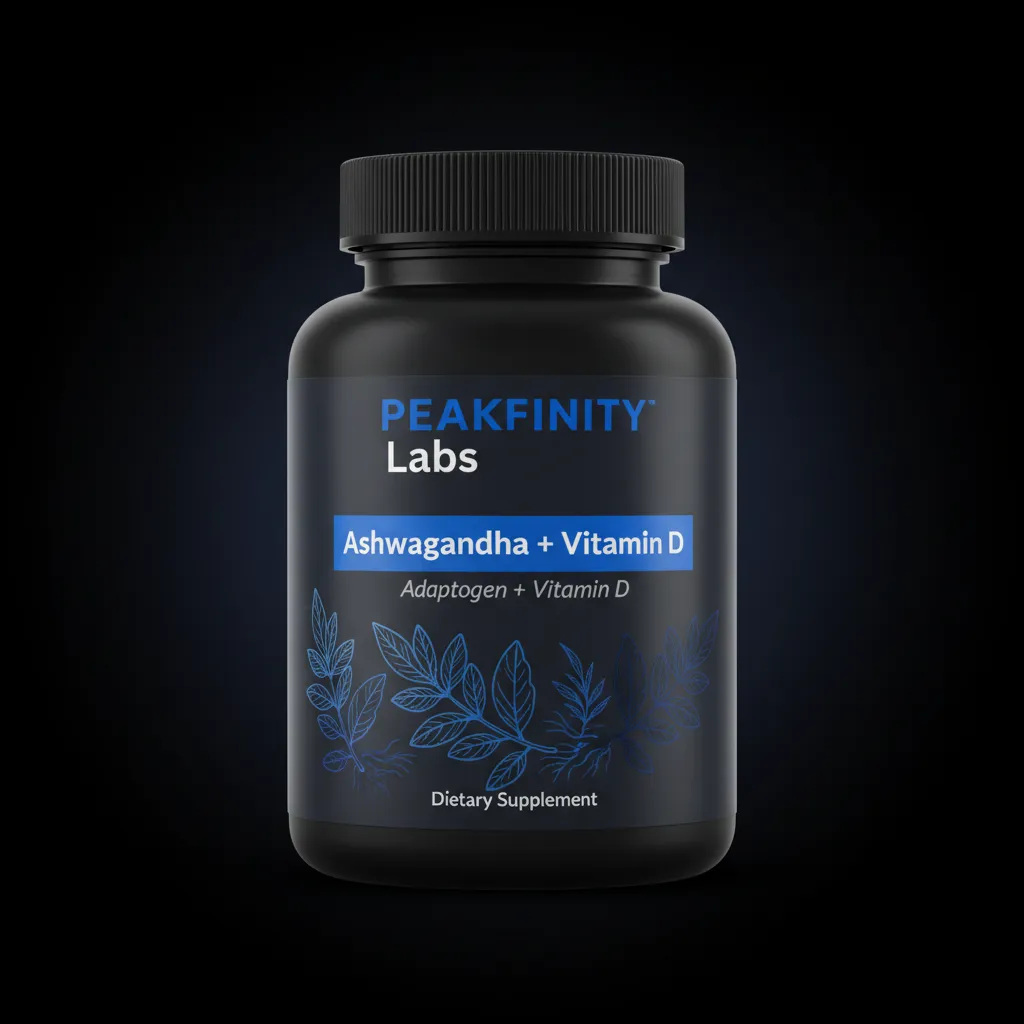
Ashwagandha & Vitamin D Gummies
Stress Mood · Gummies
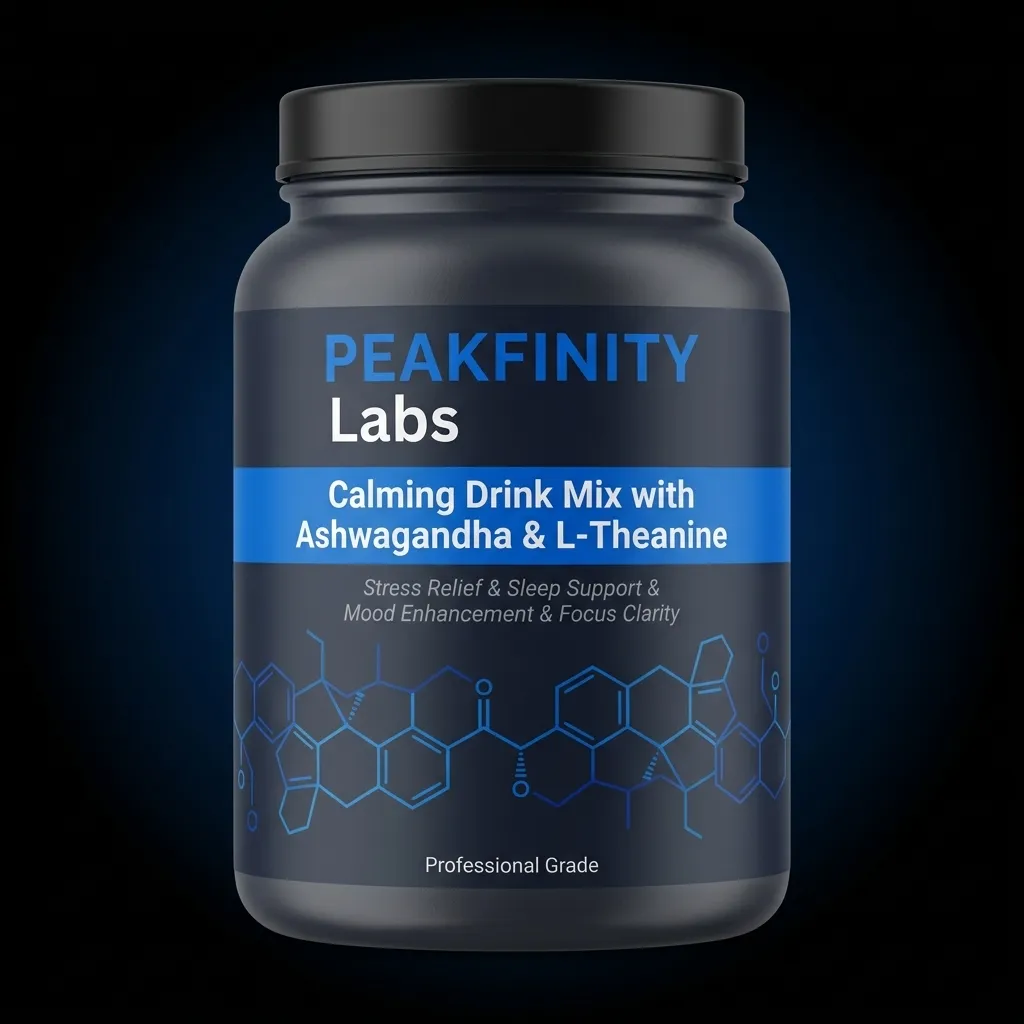
Calming Drink Mix with Ashwagandha & L-Theanine
Stress Mood · Powder
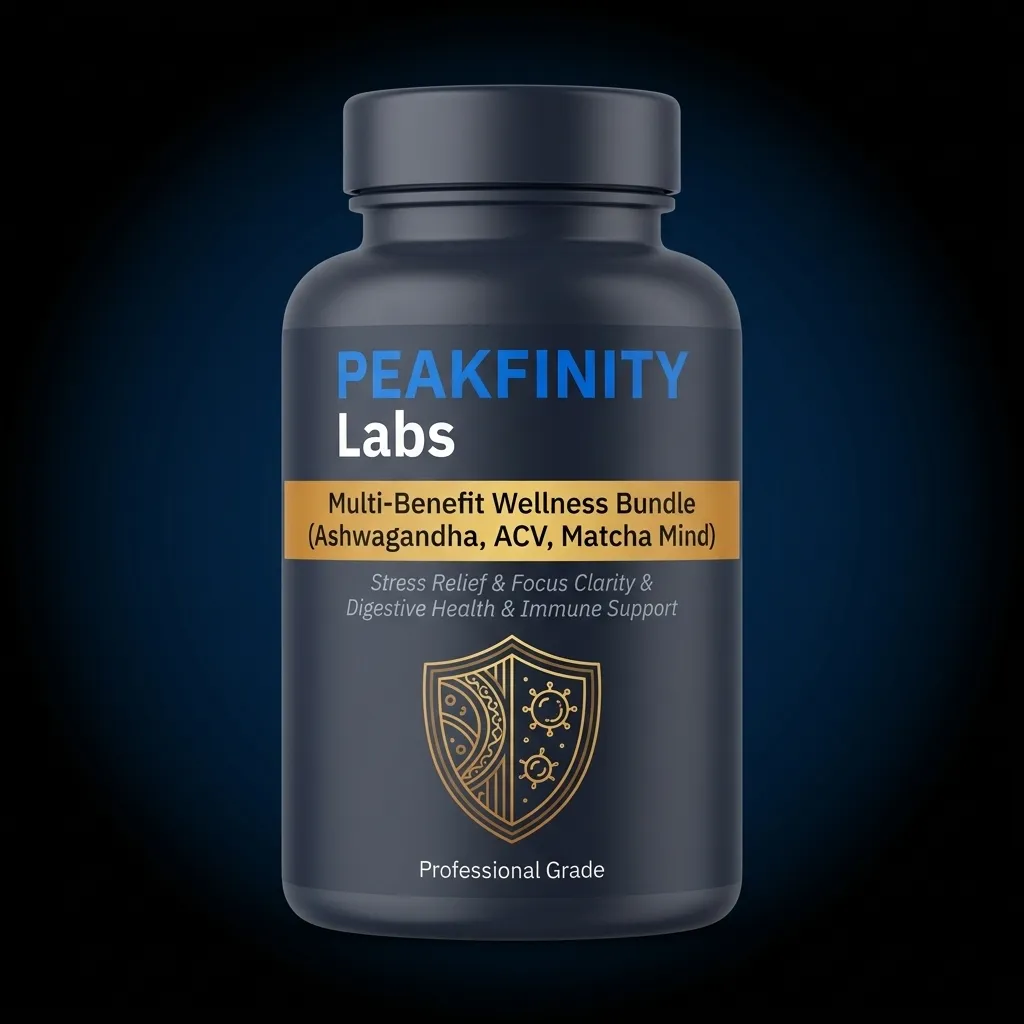
Multi-Benefit Wellness Bundle (Ashwagandha, ACV, Matcha Mind)
Stress Mood · Capsules
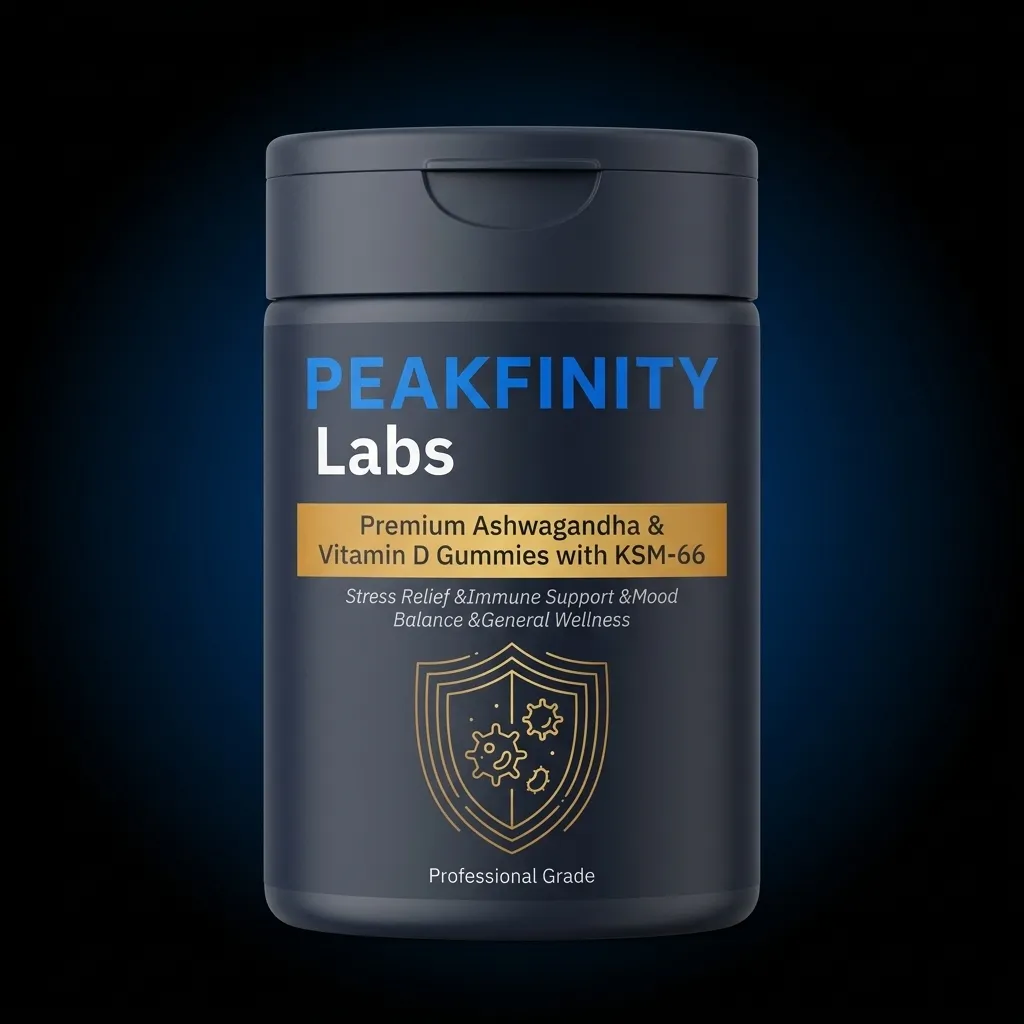
Premium Ashwagandha & Vitamin D Gummies with KSM-66
Stress Mood · Gummies

Tushar
Licensed Pharmacist and COO @ Peakfinity Labs
Written by the Peakfinity Labs R&D Team — 46+ years of supplement formulation expertise. Our team of formulation chemists, manufacturing specialists, and regulatory experts has helped thousands of eCommerce brands bring their products to market successfully since 1980.
Related Articles
How to Find an ISO 17025-Accredited Supplement Testing Lab, and What Founders Should Ask For
How to verify a lab's ISO/IEC 17025 scope actually covers your test, the questions to ask before shipping samples, and a testing plan built for ecommerce timelines.
Supplement Manufacturing Lead Times and Reorders: What Founders Should Expect Before and After Launch
The five workstreams hiding inside "lead time," why reorders move faster than first runs, and the ramp plan that survives a demand spike.
How to Vet a cGMP Supplement Manufacturer With Documented Audit History
The document pack, audit-history call script, and scoring rubric that separate real cGMP quality systems from certificate PDFs.