Vitamin D Supplement Manufacturing Guide: D3, K2 & Launch Strategy
How to formulate, manufacture, and launch a vitamin D supplement brand with optimal D3+K2 synergy and GMP production
- 1Vitamin D is the #1 most deficient nutrient globally, with over 40% of US adults having insufficient levels
- 2Vitamin D3 (cholecalciferol) is significantly more effective than D2 (ergocalciferol) at raising blood levels
- 3Vitamin D + K2 combination supplements are the fastest-growing vitamin D sub-category
- 4Softgels offer superior bioavailability for fat-soluble vitamin D, while gummies drive consumer preference
- 5Low MOQ runs of 2,000 units let you validate your vitamin D formula before scaling
Why Vitamin D Is the Foundation of Every Supplement Line
Vitamin D deficiency is a global health crisis hiding in plain sight. Over 40% of US adults have insufficient vitamin D levels, and the number rises to 80%+ in northern latitudes during winter months. This pervasive deficiency has made vitamin D one of the best-selling supplements worldwide—and one of the most consistent performers for supplement brands.
For brand founders, vitamin D offers an evergreen market with massive consumer awareness, strong clinical backing, and natural stacking opportunities with calcium, K2, and immune ingredients. The key to differentiation is format innovation, D3+K2 synergy positioning, and premium sourcing (vegan, organic). This guide covers formulation decisions, format selection, and launch through GMP-certified manufacturing.
Vitamin D Supplement Market in 2026
| Segment | Key Products | Target Consumer | Growth Rate |
|---|---|---|---|
| D3 + K2 Combination | Softgels, drops, gummies | Health-conscious adults | 15–18% CAGR |
| High-Dose D3 | 5,000–10,000 IU softgels | Deficiency correction | 8–10% CAGR |
| Vegan D3 | Lichen-derived D3 capsules | Plant-based consumers | 20–25% CAGR |
| Children's Vitamin D | Drops, gummies (400–1,000 IU) | Parents | 12–15% CAGR |
| D3 + Immune Stack | D3 + zinc + elderberry + C | Immune health seekers | 14–17% CAGR |
Growth Opportunity
D3 vs D2 & The K2 Synergy
| Form | Source | Bioavailability | Vegan | Cost/kg |
|---|---|---|---|---|
| D3 (Cholecalciferol) | Lanolin (sheep wool) | 87% more effective than D2 | No | $200–$500 |
| Vegan D3 | Lichen (Cladonia rangiferina) | Equal to lanolin D3 | Yes | $600–$1,500 |
| D2 (Ergocalciferol) | UV-irradiated mushrooms/yeast | Lower bioavailability | Yes | $150–$400 |
| K2 (MK-7) | Natto fermentation | Long half-life (72 hrs) | Yes | $1,500–$4,000 |
| K2 (MK-4) | Synthetic or goose liver | Short half-life (6 hrs) | Varies | $800–$2,000 |
The clinical consensus is clear: D3 is superior to D2 for raising and maintaining blood vitamin D levels. Adding K2 as MK-7 (menaquinone-7) ensures calcium absorbed via vitamin D is directed to bones rather than arteries. MK-7's 72-hour half-life means it only needs once-daily dosing, unlike MK-4 which requires multiple doses. Most premium brands now default to D3 + K2 (MK-7).
Vitamin D Product Formats
| Format | Pros | Cons | Cost/Unit |
|---|---|---|---|
| Softgels | Superior fat-soluble absorption, precise dosing | Not vegan (gelatin), pill fatigue | $0.05–$0.15 |
| Liquid Drops | Flexible dosing, sublingual absorption, child-friendly | Measuring inconsistency, spill risk | $0.80–$2.50 |
| Gummies | Consumer-friendly, taste-driven, broad appeal | Sugar content, stability challenges | $0.12–$0.35 |
| Capsules | Simple, affordable, vegan options available | Lower absorption without oil carrier | $0.04–$0.12 |
| Tablets | Most affordable, high-speed production | Lowest bioavailability for fat-soluble vitamins | $0.03–$0.08 |
Softgels are the gold standard for vitamin D bioavailability because D3 is fat-soluble and softgels contain an oil carrier (MCT oil, olive oil) that enhances absorption. For broader consumer appeal, vitamin D gummies are growing fastest, especially for the D3+K2 combination.
Vitamin D Formulation Strategy
- Essential D3+K2: Vitamin D3 (2,000 IU) + K2 as MK-7 (100 mcg) — the foundational formula with the strongest clinical rationale and market demand
- Bone Health Stack: D3 (2,000 IU) + K2 (200 mcg) + Calcium (500 mg) + Magnesium (200 mg) — comprehensive bone support, appeals to women 40+
- Immune D3 Stack: D3 (5,000 IU) + Zinc (30 mg) + Vitamin C (500 mg) + Elderberry (150 mg) — immune-focused positioning for seasonal demand
- Vegan D3+K2: Lichen-derived D3 (2,000 IU) + Natto-derived K2 (100 mcg) in a plant-based capsule — premium vegan positioning with growing demand
Formulation Tip
Vitamin D Supplement Manufacturing Cost Breakdown
| Cost Category | Basic D3 Softgels | D3+K2 Softgels | Premium Vegan D3+K2 |
|---|---|---|---|
| Raw materials | $400–$800 | $800–$1,500 | $1,500–$3,000 |
| Production | $500–$800 | $600–$1,000 | $700–$1,200 |
| Testing | $300–$500 | $400–$600 | $500–$800 |
| Packaging & labeling | $500–$700 | $600–$900 | $700–$1,000 |
| Total (2,000 units) | $1,700–$2,800 | $2,400–$4,000 | $3,400–$6,000 |
| Per-unit cost | $0.68–$1.12 | $0.96–$1.60 | $1.36–$2.40 |
Vitamin D supplements retail for $10–$20 for basic D3 (30-day supply) and $18–$35 for D3+K2 combinations. Vegan and high-dose formulas command $25–$45. See our complete cost guide for comparisons.
Choosing a Vitamin D Supplement Manufacturer
- Softgel capability: If launching softgels (recommended for D3 bioavailability), your manufacturer needs in-house softgel encapsulation equipment
- Potency accuracy: Vitamin D is dosed in micrograms. Precise dosing and homogeneous blending are critical for label accuracy and safety
- Stability testing: Fat-soluble vitamins degrade with heat, light, and oxygen. Your manufacturer should provide stability data showing potency retention through expiration
- GMP certification: Non-negotiable. Verify current GMP certification and FDA registration
- Low MOQ flexibility: Start with 2,000 units to validate your vitamin D product before scaling
Launch Strategy for Vitamin D Brands
- Lead with D3+K2: This combination is the strongest differentiation opportunity vs. generic D3 products. Position the K2 synergy as your key selling point
- Start with softgels or gummies: A 2,000-unit initial run validates demand. Softgels for clinical positioning, gummies for consumer-friendly positioning
- Seasonal marketing: Vitamin D search volume peaks October–February. Build awareness before fall with content about winter deficiency risk
- Blood test partnership: Partner with at-home blood test companies or encourage customers to test their vitamin D levels before and after supplementation. Data-driven results build loyalty
- Subscription model: Daily vitamin D users are ideal subscription customers. High retention, low churn, predictable revenue
Frequently Asked Questions
What is the difference between vitamin D2 and D3?
Vitamin D3 (cholecalciferol, from lanolin or lichen) is 87% more effective than D2 (ergocalciferol, from mushrooms) at raising and maintaining blood vitamin D levels. D3 is the preferred form for supplements. Vegan D3 from lichen is available for plant-based products.
Why combine vitamin D with K2?
Vitamin D increases calcium absorption, while vitamin K2 (as MK-7) directs calcium to bones and teeth rather than soft tissues and arteries. This synergy maximizes bone health benefits while reducing potential cardiovascular risk from calcium misdeposition. D3+K2 is now the standard clinical recommendation.
How much does vitamin D supplement manufacturing cost?
Vitamin D supplement manufacturing costs $2,000–$8,000 for an initial 2,000-unit run depending on format and additional ingredients. Simple D3 softgels are affordable, while premium D3+K2+calcium combinations cost more. Per-unit costs range from $0.80–$3.20.
What vitamin D dosage should I use?
Common supplement dosages are 1,000–2,000 IU for daily maintenance, 4,000–5,000 IU for deficiency correction, and 50,000 IU for weekly prescription-equivalent products. The FDA Daily Value is 800 IU (20 mcg). Most premium brands offer 2,000–5,000 IU per serving.
Should I make vitamin D softgels or gummies?
Softgels offer superior bioavailability for fat-soluble vitamin D and lower manufacturing costs. Gummies are the fastest-growing format with broader consumer appeal, especially for adults who dislike swallowing pills. Many brands offer both to serve different preferences.
Can I make a vegan vitamin D supplement?
Yes. Vegan vitamin D3 from lichen (Vitashine™, Vita-algae D3™) is available and clinically equivalent to lanolin-derived D3. Vegan K2 (MK-7 from natto fermentation) pairs well for a fully plant-based D3+K2 formula. Vegan D3 costs 2–3x more than lanolin-derived D3.
Ready-to-Launch Formulations in This Category
Stock-ready formulations you can private label with your own branding — 2,000 unit MOQ.
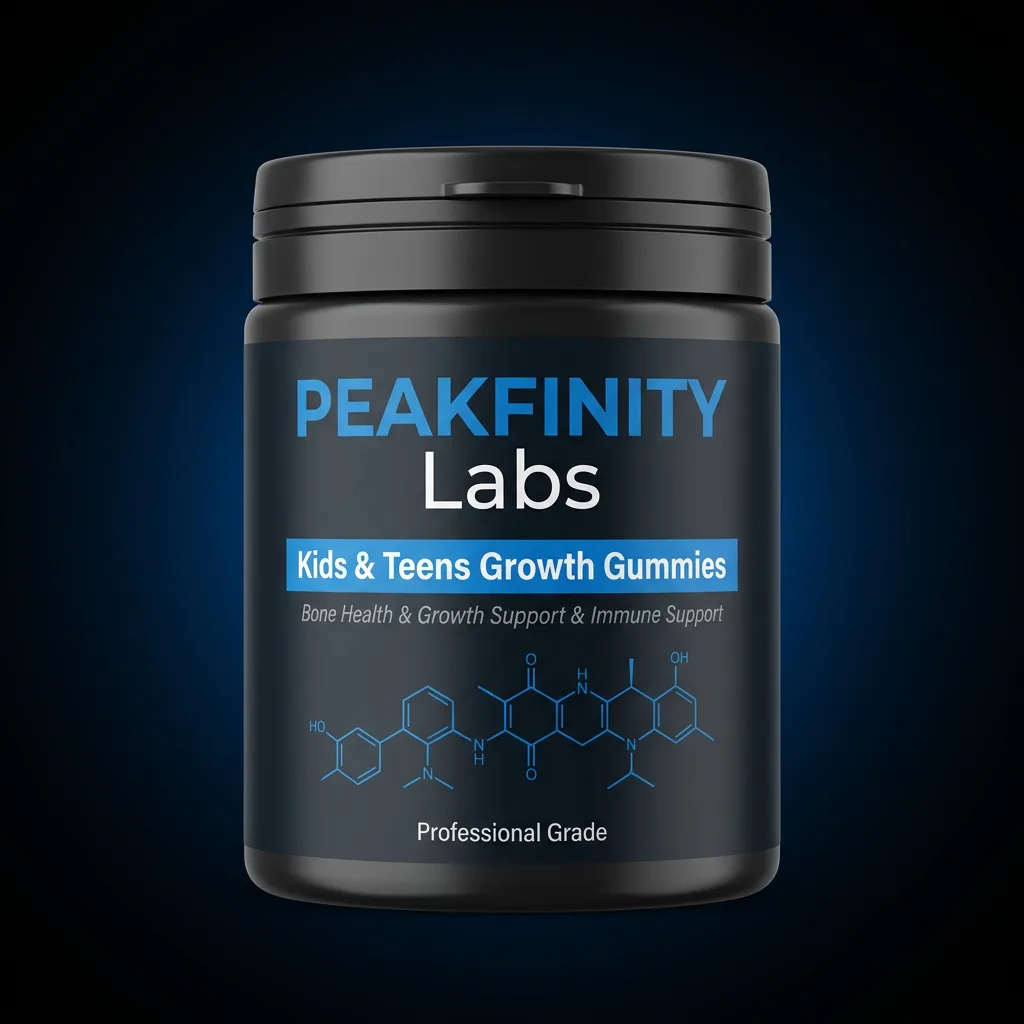
Kids & Teens Growth Gummies
Kids Health · Gummies
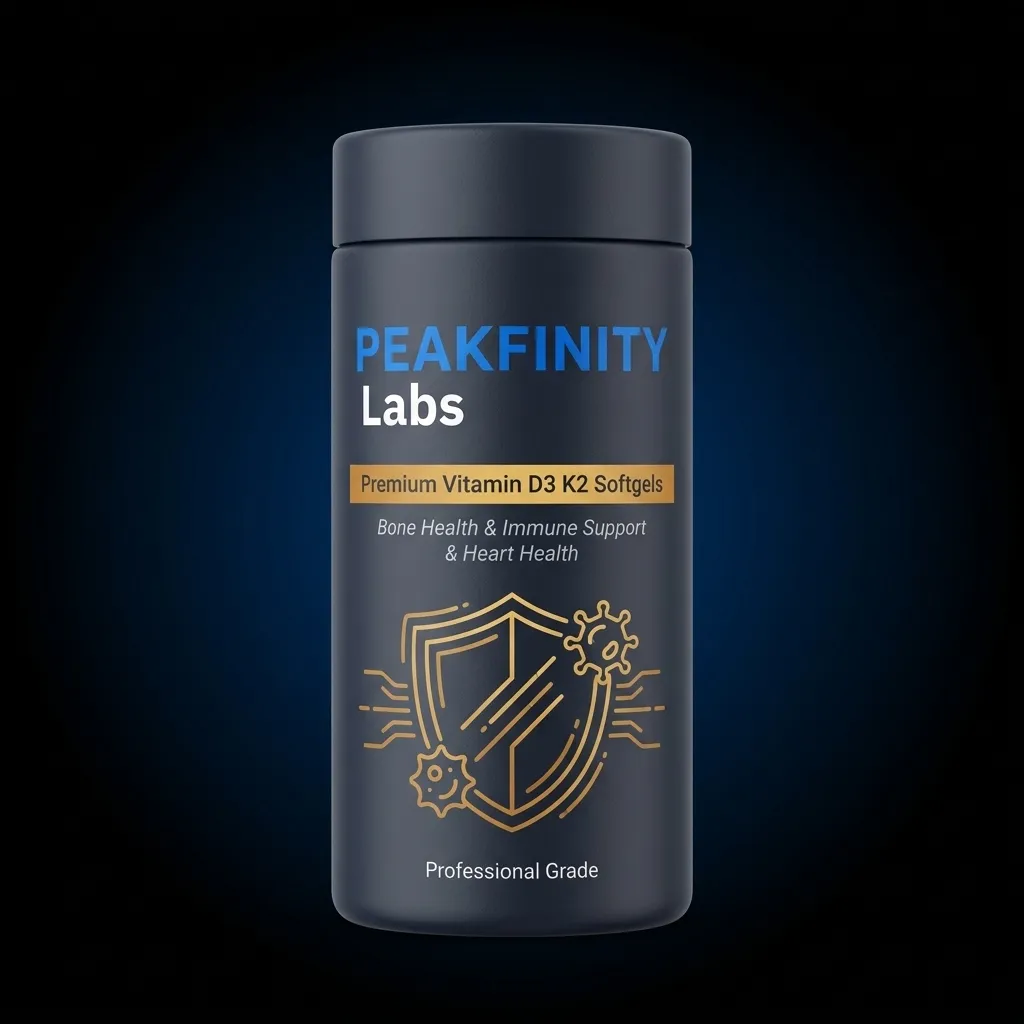
Premium Vitamin D3 K2 Softgels
Immunity · Softgels
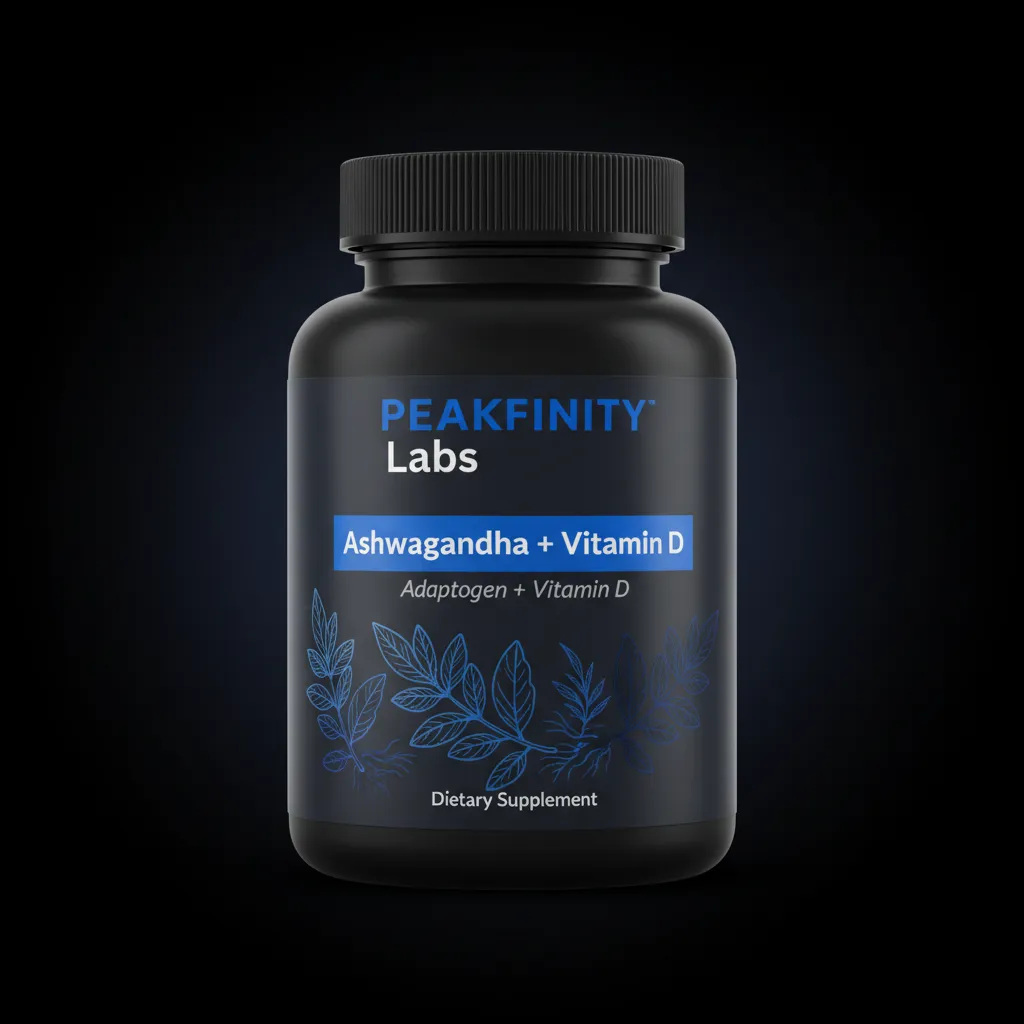
Ashwagandha & Vitamin D Gummies
Stress Mood · Gummies
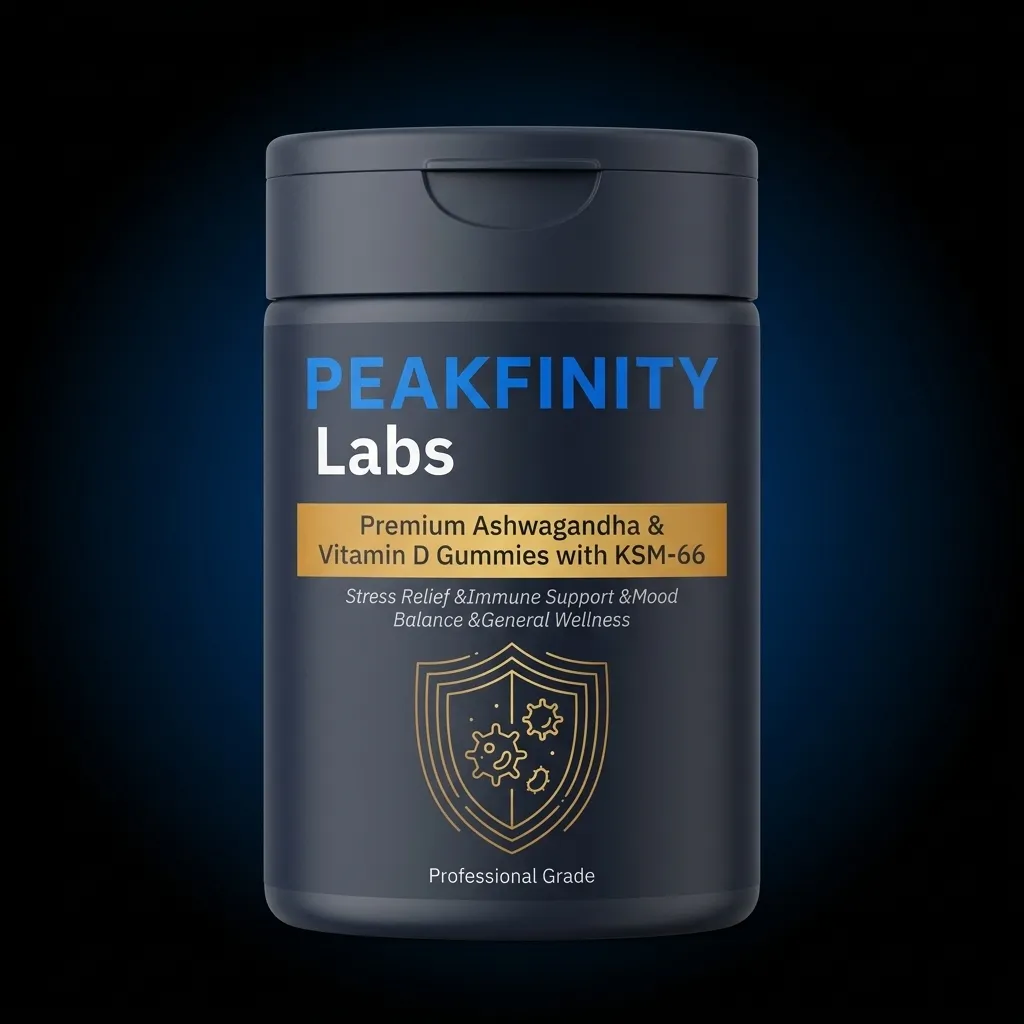
Premium Ashwagandha & Vitamin D Gummies with KSM-66
Stress Mood · Gummies

Tushar
Licensed Pharmacist and COO @ Peakfinity Labs
Written by the Peakfinity Labs R&D Team — 46+ years of supplement formulation expertise. Our team of formulation chemists, manufacturing specialists, and regulatory experts has helped thousands of eCommerce brands bring their products to market successfully since 1980.
Related Articles
How to Find an ISO 17025-Accredited Supplement Testing Lab, and What Founders Should Ask For
How to verify a lab's ISO/IEC 17025 scope actually covers your test, the questions to ask before shipping samples, and a testing plan built for ecommerce timelines.
Supplement Manufacturing Lead Times and Reorders: What Founders Should Expect Before and After Launch
The five workstreams hiding inside "lead time," why reorders move faster than first runs, and the ramp plan that survives a demand spike.
How to Vet a cGMP Supplement Manufacturer With Documented Audit History
The document pack, audit-history call script, and scoring rubric that separate real cGMP quality systems from certificate PDFs.