Fast-Turnaround Supplement Co-Packing for Amazon FBA and TikTok Launches
What actually controls co-packing lead time, the direct-to-FBA checklist, and the two-wave inventory plan that survives a TikTok spike without overbuying.

- 1The clock doesn't start at the PO — it starts when formula, specs, packaging components, and compliance-ready label copy are all locked. Anything still fluid is where the timeline slips.
- 2"Can ship to FBA" and "packs for FBA" are different capabilities: carton counts, scannable barcodes, lot coding placement, and tamper evidence are packaging specs, not shipping notes.
- 3Don't launch with your "forever" formula: a simpler, compliant V1 with stable-supply ingredients that you can remake in weeks beats a complicated formula that ships once.
- 4Plan TikTok like an operator: Wave 1 is a low MOQ run sized to validate the offer; Wave 2 is pre-approved and triggers when CAC and conversion stabilize — so you restock inside one manufacturing cycle.
- 5Size Wave 1 with three numbers: target daily orders, expected spike multiplier from a hit post, and replenishment lead time including FBA check-in.
Introduction
If you sell supplements online, speed is a moat. Amazon rewards in-stock listings with stable Buy Box and rank. TikTok rewards brands that can restock while the clip is still circulating. The hard part is that manufacturing timelines are usually built for 6-12 month retail planning, not a 10-day TikTok spike or a sudden Amazon demand jump after a review goes viral.
Fast-turnaround co-packing solves that gap, but only if the co-packer is set up for ecommerce reality: low MOQs for testing, packaging that survives FBA prep and transit, clean documentation for listings and compliance, and the ability to ship directly into Amazon fulfillment centers. It also has to be reliable. Missed dates, inconsistent fills, or a label mistake can erase months of work.
This guide breaks down what actually controls lead time, what you should lock before you start, and how to run small-batch production without quality or confidentiality risk. It is written for Amazon sellers and TikTok-first brands that need a fast, turnkey path from formula to finished goods.
What "fast-turnaround" really means for supplements
Most founders think the clock starts when they place a PO. In practice, the clock starts when four things are locked: formula, specs, packaging components, and compliance-ready label copy. If any of those stay fluid, the timeline slips.
At Peakfinity Labs, we plan around a 3-4 week turnaround from formulation to finished goods for many projects when inputs are approved quickly and materials are available. That speed comes from small-batch lines, pre-built SOPs, and a workflow that treats packaging and compliance as part of manufacturing, not an afterthought. If you want a broader view of how that process fits together, see ecommerce supplement manufacturing.
The real lead-time drivers
- Raw material availability: botanicals, specialty extracts, and flavor systems can add weeks if they need to be ordered or re-tested.
- Stability and compatibility: some actives clump, oxidize, or discolor when paired with certain excipients or packaging.
- Packaging: custom bottles, pumps, and specialty finishes often take longer than the product itself.
- Label compliance: one unapproved claim can force a reprint and reset the schedule.
- FBA routing and prep: shipping into Amazon is not "ship it to one warehouse." It is appointment windows, carton labeling, and routing requirements.
Why TikTok launches break traditional manufacturing timelines
TikTok demand is spiky. A brand can do 30 orders a day, then hit 900 orders a day after one creator post. Traditional MOQs and long production queues push you into either stockouts or overbuying inventory that may not move next month.
The practical answer is small-batch testing with fast replenishment. You launch with a controlled run, learn what the market actually buys, then scale the winners without rewriting the entire supply chain. For a deeper playbook on timing, offers, and early inventory decisions, read the TikTok supplement brand guide.
A contrarian take: do not start with your "forever" formula
Many first-time brands try to launch with the most complex, most differentiated formula they can imagine. That often slows sourcing, increases QA holds, and makes flavor and texture issues more likely. For TikTok speed to market, a simpler, compliant, defensible formula that you can make repeatedly beats a complicated formula that takes 12 weeks and ships once.
We often advise customers to start with a "version 1" that uses ingredients with stable supply, standard dosages, and packaging that can be reordered fast. You can still build a strong hook through positioning, format, and offer, then improve the formula once demand is proven. If you are building from scratch, the custom supplement formulation guide can help you lock inputs faster.
Amazon FBA realities: co-packing is only half the job
Amazon cares about consistency. If your units arrive with scuffed labels, loose caps, or carton count mismatches, you can get delays, chargebacks, or stranded inventory. A supplement co-packer that "can ship to FBA" should understand how to pack for FBA, not just how to print a carrier label. If you are evaluating partners specifically for Amazon, start with Amazon FBA supplement manufacturer.
When you plan your run, treat FBA requirements as a packaging spec, not a shipping note. That includes carton size, case pack count, suffocation warnings where needed, scannable barcodes, lot coding placement, and tamper evidence that survives handling.
Direct-to-FBA shipping checklist
- Confirm whether you ship as SPD (small parcel) or LTL/FTL (freight) and lock carton counts accordingly.
- Use durable carton labels and place them where they will not be taped over by the carrier.
- Keep units uniform: same barcode type, same placement, same orientation across the run.
- Plan lot and expiration coding so it stays legible after shrink and handling.
- Build in time for Amazon appointment scheduling if shipping freight.
Where to start: the fastest path from concept to finished goods
If you want speed, you need fewer open loops. The most common delay we see is a brand that tries to finalize the formula, label, and packaging all at once, then changes one piece repeatedly. The workaround is to lock decisions in an order that protects your timeline.
A simple sequence that avoids rework
- Pick your format: capsules, powders, gummies, liquids, or topical skincare. Format sets your packaging and testing needs. If you already know your delivery form, these overviews help scope requirements fast: capsule manufacturing and powder manufacturing.
- Draft your Supplement Facts or cosmetic INCI: this controls label layout and claims boundaries.
- Choose packaging from available components: stock bottles and closures can save weeks versus fully custom components.
- Write compliant label copy early: marketing hooks can stay, but claims must be reviewed before print.
- Plan FBA case packs: do not wait until goods are finished to decide carton counts.
Low MOQ manufacturing that still looks "big brand"
Low MOQ is not only about lowering risk. It is also how you test multiple angles fast. For TikTok, you may test two flavor directions, two label front panels, or two product benefits, then double down on the one that converts. For benchmarks on what "low MOQ" looks like in practice, see typical low MOQ in supplement manufacturing.
The tradeoff is that small-batch production needs tighter specs. When you produce fewer units, you have less room to absorb waste from label errors, overfills, or packaging damage.
What to lock in writing (even for small runs)
- Target fill weight, acceptable variance, and what happens to underweight units.
- Capsule size, shell type, and color (for capsules).
- Powder flow and anti-caking approach, plus scoop spec if included.
- Tamper evidence method (shrink band, induction seal, or both).
- Label material and finish, based on whether units will face humidity, oil exposure, or abrasion in shipping.
Turnkey manufacturing: what "end-to-end" should include
"Turnkey" should mean you do not need to manage five vendors and then act as the traffic cop. For ecommerce brands, end-to-end support is what prevents small issues from turning into week-long delays.
Peakfinity Labs is set up for turnkey execution: custom formulation, packaging, labeling, and compliance support, produced in GMP-certified and ISO-certified facilities. The goal is simple, ship finished goods that are ecommerce-ready and consistent run to run. If you want details on standards and what to verify with a partner, read GMP certified supplement manufacturer.
| Step | What can slow it down | How to keep it fast |
|---|---|---|
| Formula approval | Ingredient swaps, dosage changes, sourcing delays | Start with readily available actives and standard excipients |
| Packaging selection | Custom components, long lead times, incorrect fit | Use stock bottles/closures for V1, validate fit before ordering bulk |
| Label compliance | Non-compliant claims, missing warnings, reprints | Review claims before design is final, keep a print-ready checklist |
| Production + QC | Holds for testing, rework from spec misses | Lock specs, approve pre-production sample, plan realistic QC gates |
| FBA shipment | Carton count mismatches, routing issues, missed appointments | Set case packs early, document carton labels, confirm shipping method |
Quality and compliance: how to move fast without creating risk
Speed does not excuse sloppy documentation. Amazon can request evidence for what you sell, and regulators care about GMP processes and traceability. If your co-packer cannot produce clean batch records and COAs on request, you will feel it when you try to scale.
Ask direct questions about GMP controls, incoming material verification, in-process checks, finished goods inspection, and how deviations are handled. Then ask how those controls fit inside a 3-4 week schedule. A good manufacturer can answer without hand-waving. For Amazon-specific claim and listing constraints, how to create a compliant supplement product for Amazon is a good reference.
Common compliance mistakes that cause expensive reprints
- Structure/function claims that drift into disease claims.
- Missing net quantity statements or incorrect placement.
- Barcode contrast issues that fail scanning in warehouse workflows.
- Serving size formatting issues or Supplement Facts inconsistencies.
- Cosmetic claims that imply drug-like outcomes.
Confidentiality and IP: protecting your formula during a manufacturer change
Switching manufacturers is a common stress point. Brands worry about a formula walking out the door, or a new partner "owning" the work because they touched the blend. You can reduce that risk with clean paperwork and operational discipline.
Use a written confidentiality agreement, define who owns the formula and artwork files, and keep a controlled version history. If you have an existing formula, bring a target spec sheet that includes actives, tolerances, organoleptic targets, and packaging requirements. That makes the transfer concrete.
Practical steps that reduce IP exposure
- Limit formula access to the minimum internal team needed for production.
- Keep your label and carton artwork in your own controlled cloud folder with versioning.
- Request that substitutions require written approval, including excipients and flavors.
- Use lot-level traceability so you can audit exactly what went into each batch.
Picking the right co-packer for men's supplements on Amazon
Men's supplements sell, but they also get scrutinized. Categories like testosterone support, performance, and weight management attract aggressive claims, copycat listings, and high return sensitivity when expectations are set wrong.
The best men's supplement co-packer for Amazon sellers is usually the one that keeps you compliant and in stock, not the one that promises the most exotic ingredient list. Look for a partner that can run repeatable batches, keep labels clean, and ship directly to FBA with consistent case packs.
| What Amazon sellers need | What to ask a co-packer | What a good answer sounds like |
|---|---|---|
| Repeatable customer experience | How do you control fill weight and blend uniformity? | Documented in-process checks, batch records, defined tolerances |
| Fewer compliance headaches | Do you review structure/function claims before print? | Yes, with a checklist and revision loop before labels are ordered |
| Fast restocks | What is your typical timeline once approvals are in? | Clear production window, clear dependencies, realistic ship dates |
| Inventory risk control | Can you do low MOQ runs and scale quickly? | Small-batch first run with a path to larger runs without reformulating |
How to plan a TikTok launch like a supply chain operator
If your plan is "go viral," you will either stock out or overbuy. A better plan is to assume you will have a spike, then design the first 30 days so you can respond inside one manufacturing cycle.
One practical approach is a two-wave plan. Wave 1 is a low MOQ run sized to validate offer and creatives. Wave 2 is pre-approved and ready to trigger when you see repeatable CAC and stable conversion, so you are not starting from zero after the first spike.
Numbers that help you size Wave 1
- Your target daily order range after launch, for example 30-100 orders/day.
- Your expected spike multiplier from a hit post, for example 5x for 3-5 days.
- Your replenishment lead time in days, including production and FBA check-in time.
If your replenishment lead time is 28 days and you expect a 5-day spike, Wave 1 needs to survive both the spike and the restock gap. If it cannot, you need either more inventory upfront or a plan to fulfill from 3PL while FBA checks in.
Conclusion and next steps
Fast-turnaround supplement co-packing is not luck. It is a workflow: low MOQ runs for testing, packaging and compliance decisions made early, GMP and ISO controls that keep batches consistent, and an FBA shipping plan that prevents inbound delays.
If you are planning an Amazon FBA launch or a TikTok-first drop, start by locking your format and claims, then choose packaging that you can reorder fast. Build a two-wave inventory plan so you can restock inside one production cycle. If you want a turnkey partner that can move fast, support low MOQs, and ship ecommerce-ready finished goods, Peakfinity Labs is set up for that kind of execution.
Frequently Asked Questions
How do I manufacture supplements for TikTok speed to market?
TikTok speed to market depends on locking your formula, packaging, and compliant label copy early so production can start without rework. The most reliable path is a low MOQ, small-batch run with stock packaging components and an approved label, which allows many brands to move from formulation to finished goods in about 3-4 weeks when materials are available. If you want to move even faster, choose a simpler V1 formula with readily available ingredients and plan a Wave 2 reorder before you launch, so you can restock while the first videos still drive traffic.
What is the best supplement co-packer that ships directly to Amazon FBA?
The best supplement co-packer for direct-to-FBA shipping is one that can produce GMP-controlled batches and also pack and label cartons to match Amazon's inbound requirements, including scannable barcodes, consistent case packs, and correct carton labels. A strong co-packer will confirm whether you are shipping SPD or LTL, lock carton counts in advance, and provide lot and expiration coding that stays legible through transit. Before you choose, ask for a written FBA ship plan checklist and a sample of how they place unit labels, case labels, and codes on finished goods.
What should Amazon sellers look for in a men's supplement co-packer?
Men's supplement categories attract compliance scrutiny and high customer expectations, so the right co-packer prioritizes repeatable quality, clean documentation, and conservative, compliant label claims. The best choice is typically a GMP-certified, ISO-certified manufacturer that supports low MOQ testing, maintains consistent blend and fill controls, and can ship directly to FBA with stable case packs. A practical next step is to ask for their in-process QC checkpoints (like weight checks and blend uniformity controls) and have them review your proposed front-panel claims before you print labels.
How fast can a supplement co-packer actually turn a product around?
Turnaround time depends less on mixing and filling time and more on approvals and component readiness, especially labels and packaging. In many small-batch projects, a realistic fast-turn timeline is about 3-4 weeks from formulation to finished goods when the formula is approved, materials are in stock, and print files are final. If you want that speed, finalize claims and packaging first, then run production only after you approve a pre-production proof for labels and a packaging fit check.
How do I protect my formula and brand assets when switching manufacturers?
Manufacturer switches create IP risk when ownership and access are vague, so you need written confidentiality terms, explicit IP ownership language, and controlled file access. The safest approach is to provide a detailed target spec sheet, keep your artwork in your own version-controlled storage, and require written approval for any ingredient or excipient substitutions. As a next step, ask the new manufacturer how they limit formula access internally and how they document lot-level traceability across raw materials, blending, and finished goods.

Tushar
Licensed Pharmacist and COO @ Peakfinity Labs
Written by the Peakfinity Labs R&D Team — 46+ years of supplement formulation expertise. Our team of formulation chemists, manufacturing specialists, and regulatory experts has helped thousands of eCommerce brands bring their products to market successfully since 1980.
Related Articles
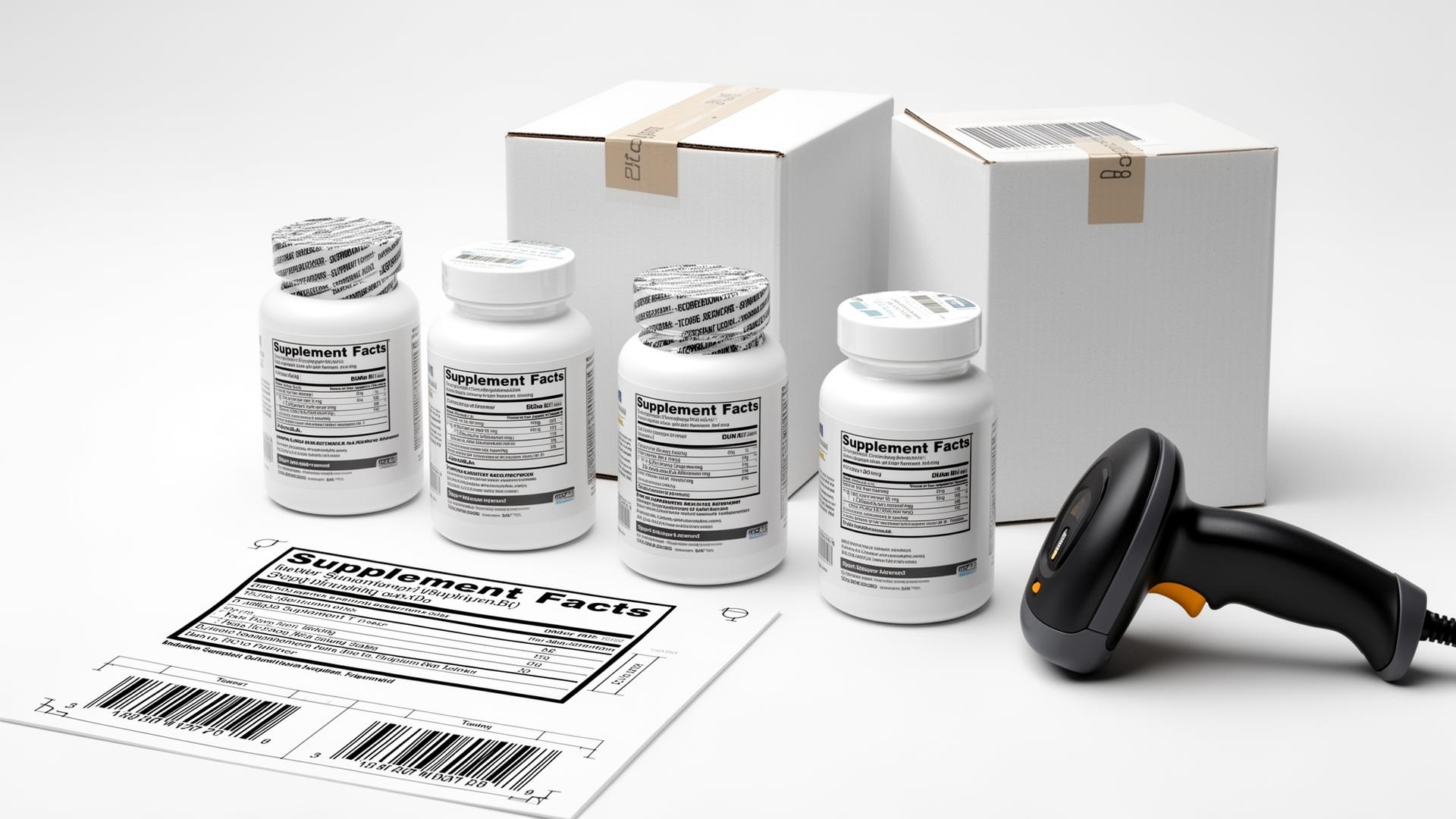
Amazon-Ready Supplement Packaging: Labels, Barcodes, Seals, and FBA Prep Explained
The pass-or-fail packaging system for FBA: compliant labels, FNSKU vs UPC strategy, seals that survive heat, and prep decisions made before the run.
Supplement Quality Documents for Amazon and Retail: COAs, Testing Records, and What to Keep on File
The lot-level release packet Amazon reviewers and retail buyers actually check, and how to keep it usable at scale.
Amazon FBA Supplement Manufacturing Guide
Complete guide to manufacturing supplements for Amazon FBA including compliance and launch strategy.