Custom Cosmetic Formulation: How to Develop Unique Skincare & Beauty Products
The indie beauty market is booming — but standing out requires more than pretty packaging. This guide covers the science, process, and AI tools behind creating truly differentiated cosmetic products.
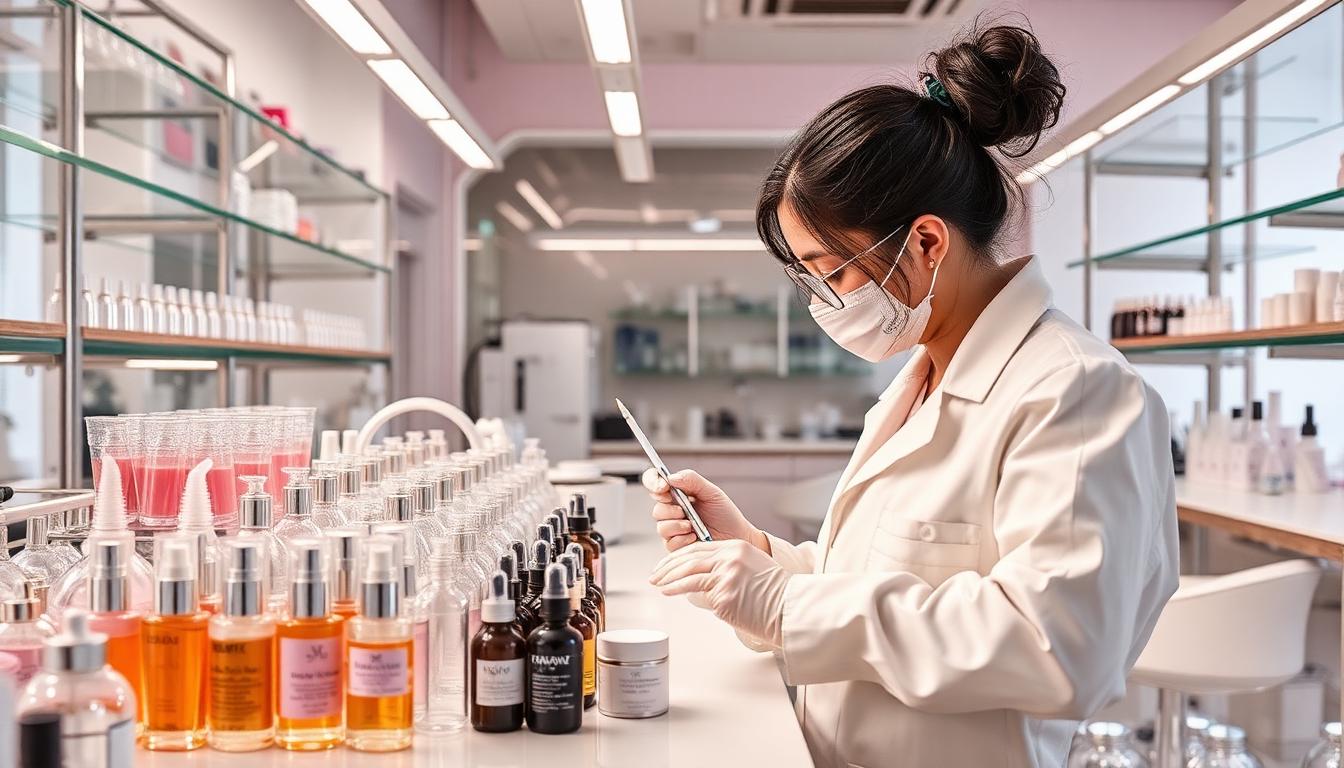
- 1Custom cosmetic formulation allows brands to create unique, patent-protectable skincare products that command premium prices
- 2The cosmetic formulation process requires specialized expertise in emulsion chemistry, preservative systems, and active ingredient delivery
- 3AI tools like FormuCore accelerate the research phase with real-time cost estimates for serums, creams, lotions, and hair care products
- 4Regulatory requirements differ significantly between cosmetics and supplements — OTC drug claims trigger FDA monograph compliance
- 5MOQs for custom cosmetic formulations start at 2,000 units at GMP-certified facilities like Peakfinity Labs
The Rise of Custom Cosmetic Formulation
The global cosmetics market is worth over $430 billion, and the fastest-growing segment isn't luxury conglomerates — it's indie beauty brands with unique, custom-formulated products. Consumer demand has shifted decisively toward transparent ingredients, clinical efficacy, and brand authenticity.
Custom cosmetic formulation gives you the ability to create products that don't exist yet — unique textures, novel active combinations, and sensory experiences that private label simply cannot deliver. Whether you're building a clean beauty skincare line, a clinical anti-aging brand, or a hair care collection for textured hair, custom formulation is your path to a defensible, premium brand.
Peakfinity Advantage
Peakfinity Labs' cosmetic division develops custom formulations spanning serums, creams, lotions, cleansers, masks, shampoos, conditioners, and specialty treatments. Our ISO 22716-certified facilities handle everything from concept to full production at MOQs starting at 2,000 units — backed by 46+ years of manufacturing experience.
How Cosmetic Formulation Differs from Supplement Formulation
While both disciplines share GMP requirements and quality standards, cosmetic formulation involves a fundamentally different set of scientific challenges:
Cosmetic vs Supplement Formulation
| Aspect | Cosmetic Formulation | Supplement Formulation |
|---|---|---|
| Core Chemistry | Emulsion systems, surfactants, rheology | Active ingredient dosing, dissolution |
| Sensory Properties | Critical — texture, feel, absorption, scent | Secondary — taste for gummies/powders only |
| Preservative Systems | Required for all water-based products | Rarely needed (dry formats) |
| Active Delivery | Penetration enhancers, encapsulation | Bioavailability enhancers, enteric coating |
| Stability Challenges | Emulsion separation, oxidation, microbial | Potency degradation, moisture absorption |
| Regulatory Framework | FDA cosmetic registration + OTC drug rules | DSHEA dietary supplement regulations |
The key takeaway: cosmetic formulation requires deep expertise in physical chemistry and sensory science. A supplement-only manufacturer is not equipped to develop high-quality cosmetic products. Partner with a facility — like Peakfinity Labs — that has dedicated cosmetic R&D capabilities and 375,000+ sq ft of manufacturing space.
Cosmetic Product Categories & Formulation Complexity
Different cosmetic product categories present unique formulation challenges and market opportunities:
Cosmetic Product Category Guide
| Category | Complexity | Key Challenge | Market Opportunity |
|---|---|---|---|
| Serums | High | Active stability, penetration | Premium pricing, clinical positioning |
| Moisturizers | Medium-High | Emulsion stability, texture | Broadest market, repeat purchases |
| Cleansers | Medium | Surfactant mildness, pH balance | Entry-level product, brand introduction |
| Hair Care | Medium | Conditioning vs. cleansing balance | Growing natural/clean segment |
| Sunscreen | Very High | SPF validation, stability, OTC compliance | Regulatory barrier creates moat |
| Masks/Treatments | Medium | Active delivery, sensory experience | Social media virality potential |
Pro Tip
For new cosmetic brands, serums and cleansers make excellent launch products. Serums command premium prices and are simpler to formulate (no emulsion required), while cleansers have broad appeal and high repurchase rates.
The Science Behind Cosmetic Formulation
Emulsion Chemistry — Most creams and lotions are emulsions: mixtures of oil and water phases stabilized by emulsifiers. Getting the right emulsifier system determines texture, stability, and ingredient delivery. Poorly formulated emulsions separate on the shelf — a death sentence for a cosmetic brand.
Preservative Efficacy — Any cosmetic containing water requires a preservative system to prevent microbial growth. The preservative must pass challenge testing (USP 51) and remain effective throughout the product's shelf life. "Preservative-free" claims are a major regulatory and safety risk.
Active Ingredient Delivery — Having the right active ingredient is only half the battle. The formulation must deliver it effectively to the skin. Technologies like liposomal encapsulation, nanoparticle delivery, and penetration enhancers can dramatically improve the efficacy of actives like retinol, vitamin C, niacinamide, and peptides.
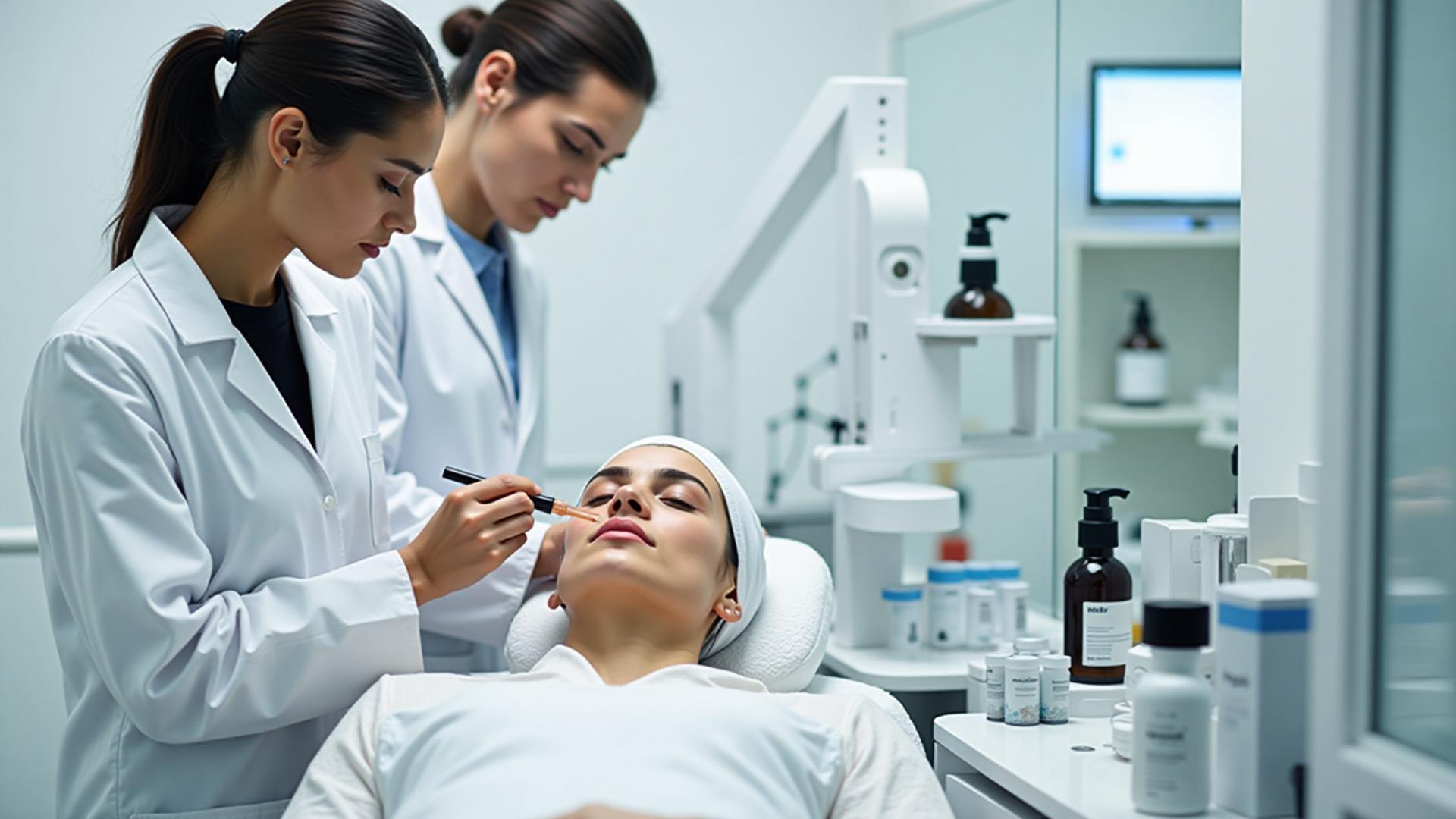
Sensory Optimization — This is where cosmetic formulation becomes art. The way a product feels on skin, how quickly it absorbs, the residual finish (matte, dewy, silky), and the fragrance experience all determine whether a customer repurchases. These properties are fine-tuned through iterative prototype testing.
Using FormuCore for Cosmetic Formulation
FormuCore isn't just for supplements — it's a powerful tool for cosmetic product development. The platform supports formulation for serums, creams, lotions, cleansers, hair care products, and more.
- 5,800+ Indexed Ingredients — Access live pricing from 150+ verified suppliers for cosmetic raw materials including emulsifiers, active ingredients, preservatives, and botanicals.
- Real-Time Vendor Pricing — See how different active concentrations, base systems, and packaging choices affect your per-unit cost instantly with real market data, not estimates.
- TermUX Research Assistant — FormuCore's built-in AI assistant helps you research ingredient interactions, dosing best practices, and market trends for cosmetic categories.
- Built-In Compliance Checks — FDA and GMP flags on every ingredient help you avoid regulatory issues before they become costly problems.
- Push to Production — Send your finalized cosmetic formula directly to Peakfinity Labs' ISO 22716-certified facilities for R&D and manufacturing.
- Free to Start — 30 credits per month, no credit card required. Explore cosmetic formulations at zero cost.
Peakfinity Advantage
FormuCore — built by PeakfinityLabs × Formulaite — puts real vendor pricing and AI-powered formulation guidance directly in your hands. Instead of waiting weeks for manufacturer quotes, explore formula options, compare costs across 150+ suppliers, and validate your product concept in a single session. When you're ready, hit "Push to Production" to send your formula directly to Peakfinity Labs. Try FormuCore free →
Regulatory Landscape for Custom Cosmetics
Cosmetic regulations in the US are evolving, and brands must understand the compliance landscape:
- FDA Registration — As of the MoCRA (Modernization of Cosmetics Regulation Act), cosmetic facilities and products must be registered with the FDA.
- Ingredient Safety — Brands are responsible for substantiating the safety of all ingredients. GRAS status is not applicable to cosmetics.
- OTC Drug Claims — If your product makes drug claims (treats acne, provides sun protection, reduces wrinkles), it becomes an OTC drug subject to FDA monograph requirements.
- Labeling Requirements — Ingredient lists must follow INCI nomenclature and descending order of concentration. All claims must be substantiated.
- State Regulations — California Prop 65, EU regulations (for export), and individual state requirements may apply.
Pro Tip
The MoCRA regulations that took effect in 2024 require cosmetic facility registration, adverse event reporting, and good manufacturing practices. Working with a registered, ISO 22716-certified manufacturer like Peakfinity Labs ensures compliance with these new requirements.
Choosing a Custom Cosmetic Formulation Partner
The right formulation partner can make or break your cosmetic brand. Evaluate potential partners on these criteria — or read our complete guide to finding the right manufacturer:
- ISO 22716 Certification — The international GMP standard specifically for cosmetics manufacturing.
- In-House Cosmetic R&D — Dedicated cosmetic chemists with emulsion chemistry expertise, not supplement scientists doing cosmetics on the side.
- Preservative Efficacy Testing — In-house or validated third-party challenge testing capabilities.
- Sensory Evaluation Panels — Trained panels for texture, absorption, and aesthetic evaluation.
- Low MOQ Support — 2,000 units for indie brands, not the 10,000+ many cosmetic manufacturers require.
- Full-Service Capabilities — Formulation, stability testing, packaging sourcing, and production under one roof.
Frequently Asked Questions
What is custom cosmetic formulation?
Custom cosmetic formulation is the process of developing unique skincare, hair care, or beauty product formulas from scratch. This includes selecting active ingredients, base systems, preservatives, fragrances, and textures tailored to your brand's vision and target consumer needs.
How is cosmetic formulation different from supplement formulation?
Cosmetic formulation involves complex emulsion chemistry (oil-in-water, water-in-oil systems), preservative efficacy testing, sensory optimization (texture, feel, absorption), and aesthetic properties (color, fragrance). Supplements focus more on dosage accuracy, bioavailability, and dissolution testing. Both require GMP manufacturing and regulatory compliance.
Can I use AI to formulate cosmetic products?
Yes — FormuCore (formucore.ai) supports cosmetic formulation including serums, creams, lotions, cleansers, and hair care products. The platform provides real-time cost estimates, ingredient compatibility checking, and formula building using Peakfinity Labs' actual ingredient database and pricing.
What certifications should a cosmetic manufacturer have?
Look for FDA registration, ISO 22716 (cosmetic GMP), and cGMP compliance. Additional certifications like organic, cruelty-free (Leaping Bunny), and vegan add marketing value. Peakfinity Labs maintains all major certifications for both supplement and cosmetic manufacturing.
What is the MOQ for custom cosmetic formulation?
At Peakfinity Labs, custom cosmetic formulations start at 2,000 units MOQ. This is significantly lower than many cosmetic manufacturers who require 5,000-25,000 units, making it accessible for indie beauty brands, influencer lines, and DTC startups.
How long does it take to develop a custom cosmetic product?
The typical timeline is 6-10 weeks from concept to production-ready formula. This includes formulation development (2-3 weeks), stability testing (3-4 weeks), and sample approval (1-2 weeks). AI tools like FormuCore can reduce the initial concept phase significantly.
Ready-to-Launch Formulations in This Category
Stock-ready formulations you can private label with your own branding — 2,000 unit MOQ.
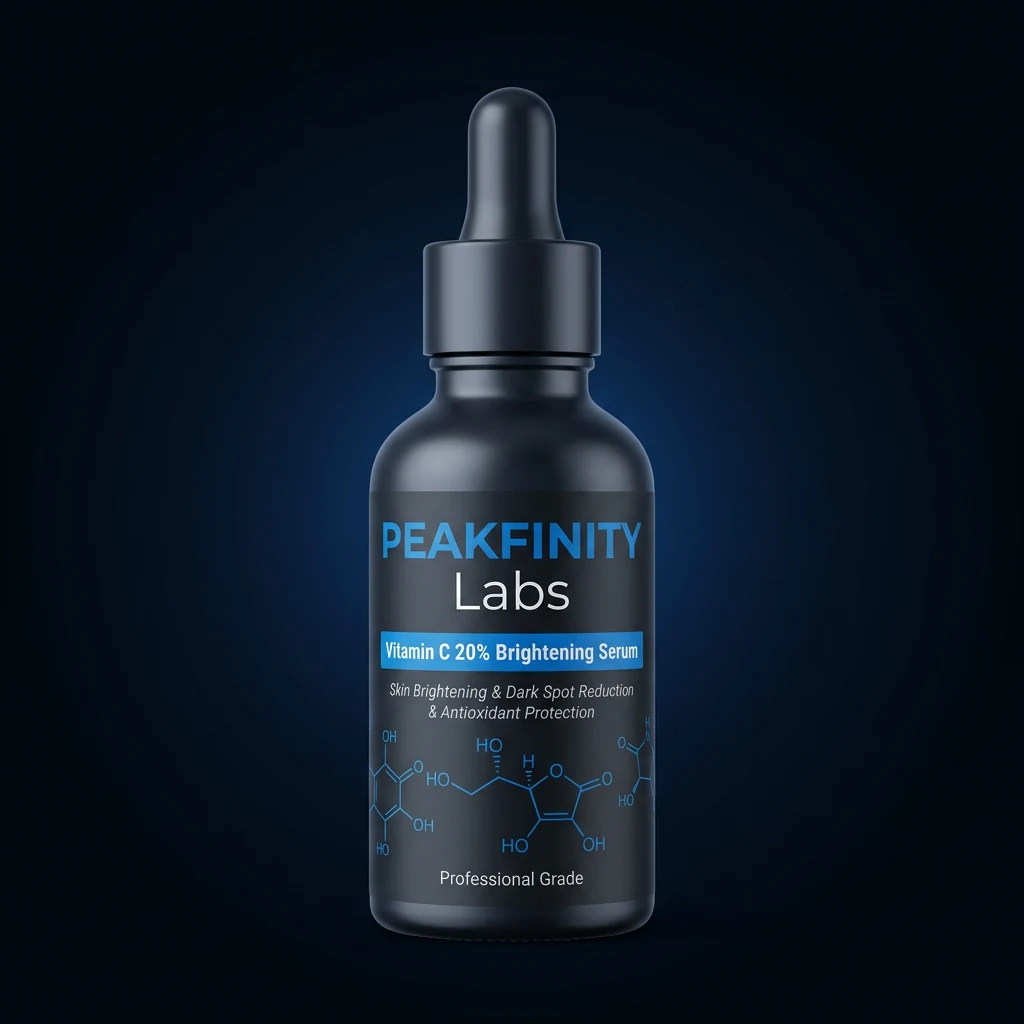
Vitamin C 20% Brightening Serum
Facial Serums · Liquid
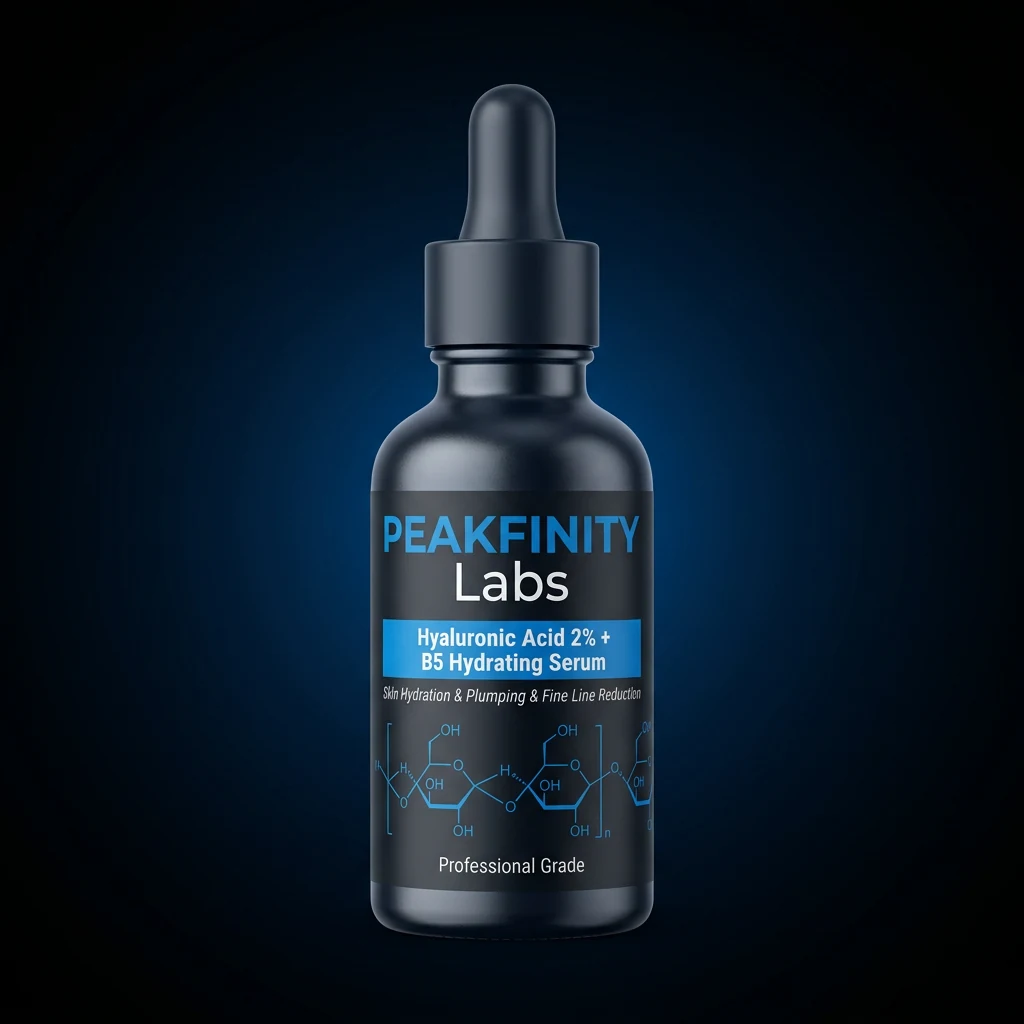
Hyaluronic Acid 2% + B5 Hydrating Serum
Facial Serums · Liquid
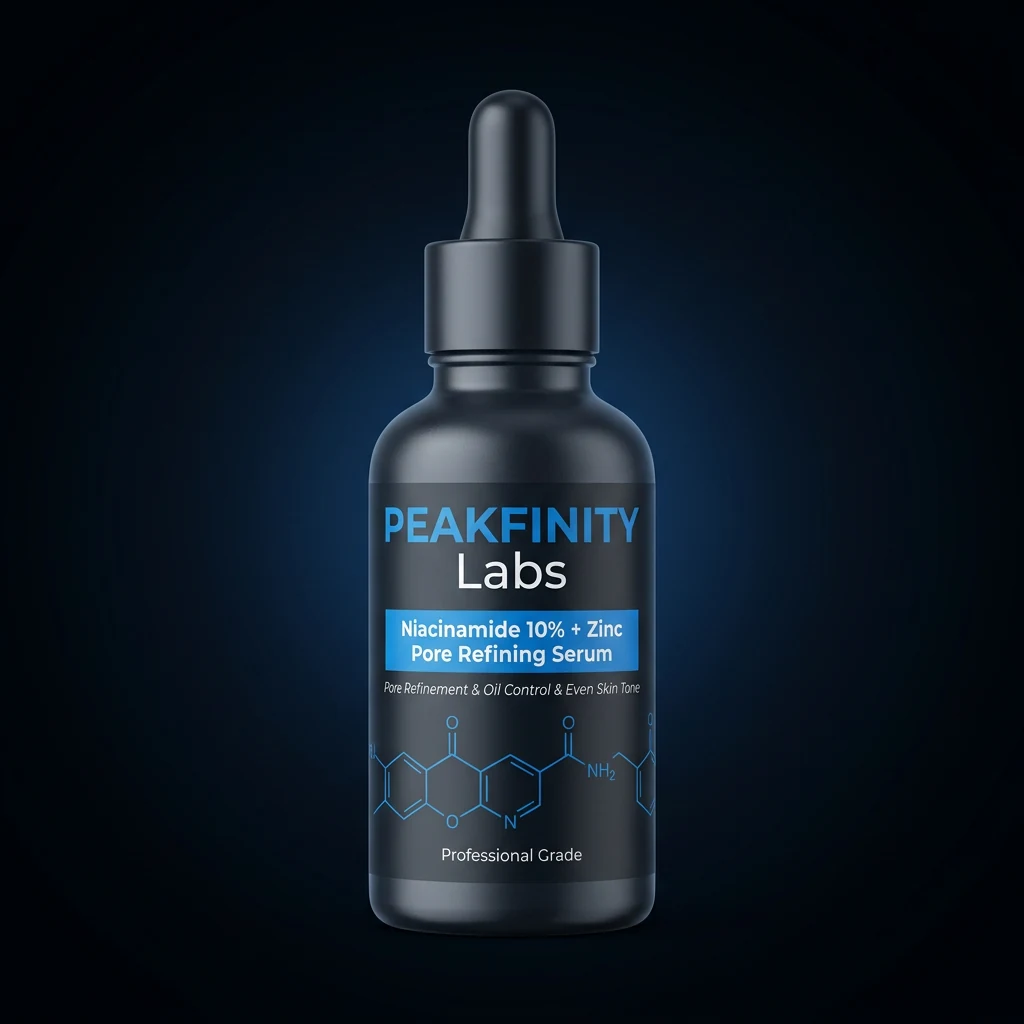
Niacinamide 10% + Zinc Pore Refining Serum
Facial Serums · Liquid
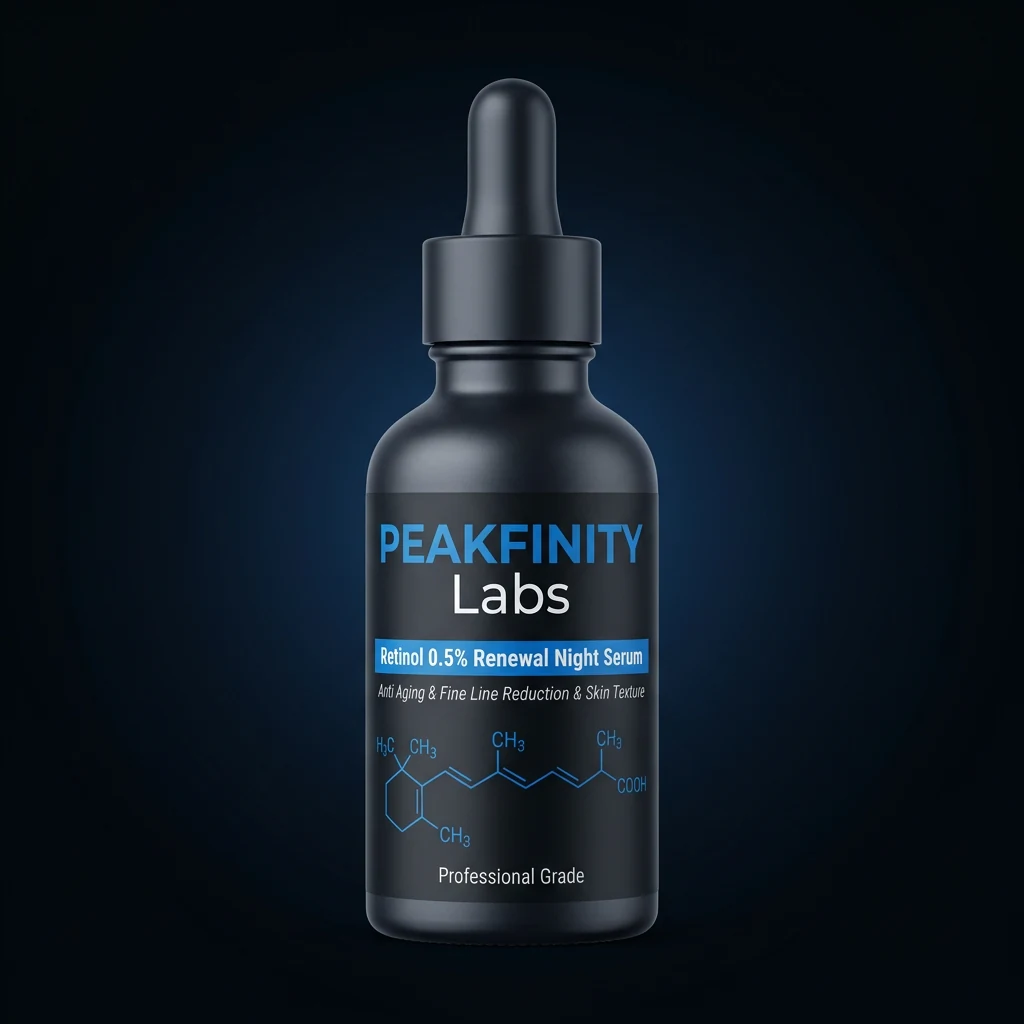
Retinol 0.5% Renewal Night Serum
Facial Serums · Liquid

Tushar
Licensed Pharmacist and COO @ Peakfinity Labs
Written by the Peakfinity Labs R&D Team — 46+ years of supplement formulation expertise. Our team of formulation chemists, manufacturing specialists, and regulatory experts has helped thousands of eCommerce brands bring their products to market successfully since 1980.
Related Articles
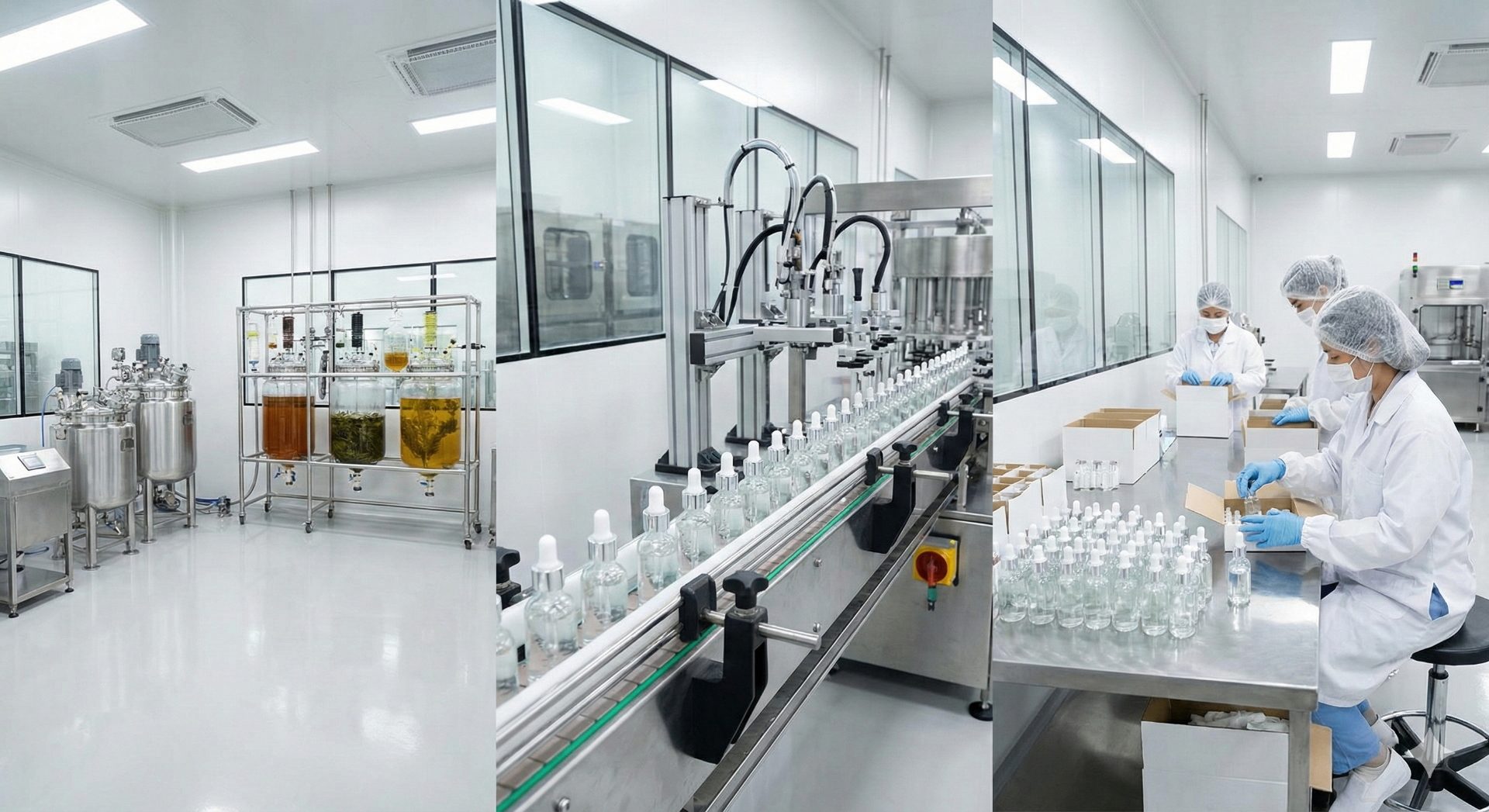
Serum Manufacturing for Skincare Brands
Guide to skincare serum manufacturing including active ingredients and formulation challenges.
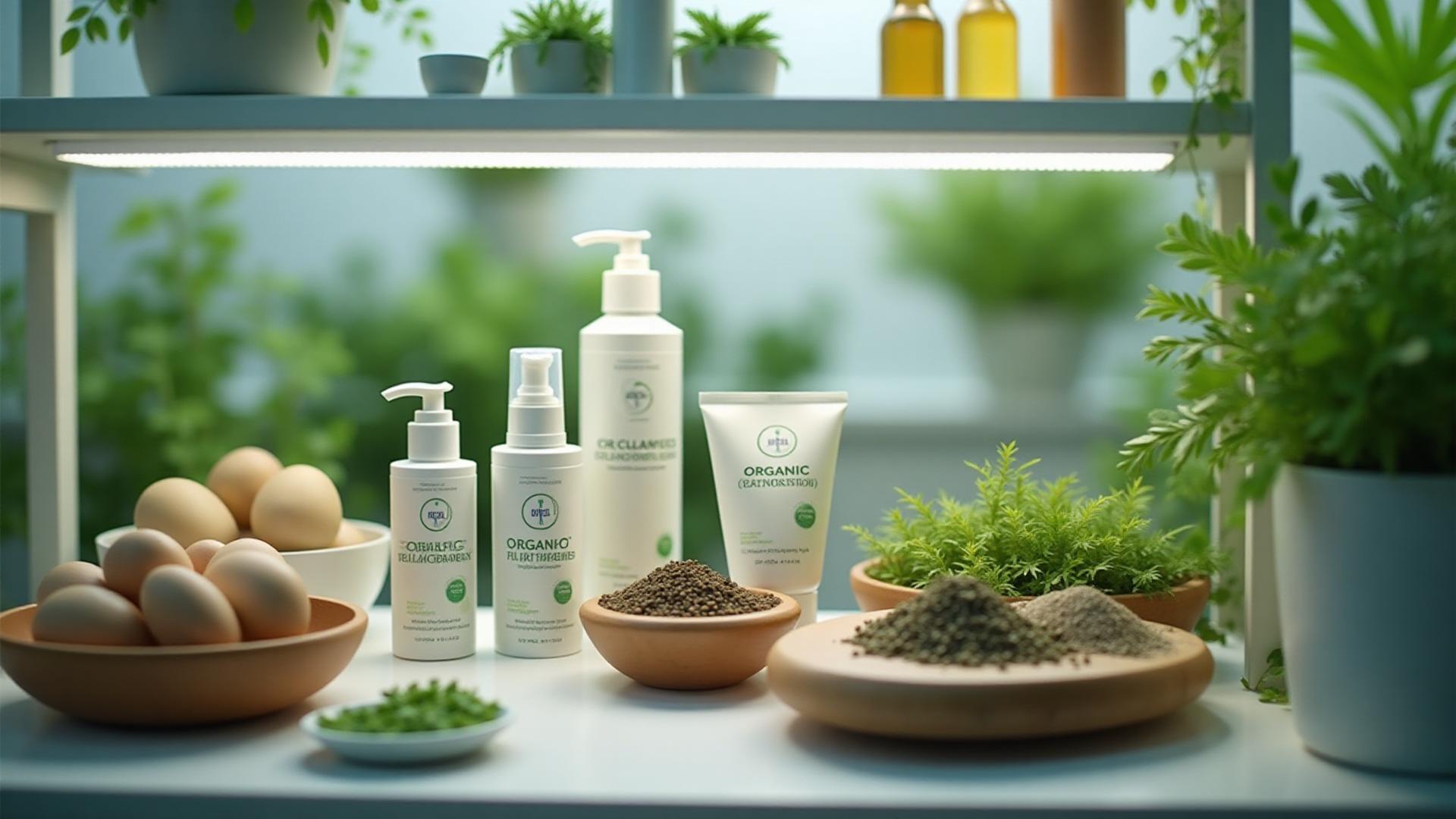
Clean Beauty Manufacturing Guide
Ingredient standards, certifications, and formulation for clean beauty products.
Cosmetic Peptides for Skincare: The 2026 Complete Guide
GHK-Cu, Matrixyl, Argireline, Snap-8 — every working class of cosmetic peptide with effective doses, stacking rules, and formulation requirements.