Electrolyte Drink Mix Formulation: A Guide for New Hydration Brands
Hydration brands win or lose on two things: the mineral profile and the taste. Get the first wrong and your product doesn't fit the buyer. Get the second wrong and nobody reorders. This guide walks through the decisions our formulators make with every hydration client, from mineral levels to packaging.
Start with the buyer
An endurance runner sweating for three hours needs a different drink than an office worker who forgets to drink water. Write down who drinks your product, when and how often. That sentence sets your sodium level, your sugar choice and your serving size.
- Endurance and heavy sweat: higher sodium, often with carbohydrates for energy.
- Gym and team sports: moderate sodium with potassium and magnesium.
- Daily wellness: lighter minerals, low or zero sugar, a softer taste.
- Travel and heat: compact packs and a flavor people drink without thinking.
The core minerals
Sodium carries most of the weight in a hydration formula, since sweat loses more sodium than any other mineral. Potassium and magnesium round out the profile. Some brands add calcium or chloride sources. Each mineral comes in several salt forms, and each form changes taste, solubility and label wording. Our formulators pick forms that dissolve clean and read well on a Supplement Facts panel.
Sugar or no sugar
A small amount of glucose or sucrose helps some athletes and makes the drink taste rounder. Many daily buyers want zero sugar, so brands use stevia, monk fruit, sucralose or a blend. Each sweetener has its own aftertaste. We test two or three systems side by side before you decide.
Flavor work takes the longest
Salt tastes harsh in water. Citrus, berry, watermelon and tropical profiles cover it best. Acids such as citric or malic acid brighten the drink. Plan for more than one sample round. A flavor your team loves on day one can taste different after a week of daily use, so drink the samples for several days before you sign off.
Add-ons
Brands add vitamin C, B vitamins, amino acids, coconut water powder or botanicals to stand out. Each add-on changes taste, color and stability. Add one at a time and test.
Moisture control
Electrolyte powders pull water from the air. Blending and filling need humidity control, and packaging needs a good moisture barrier. Ask your manufacturer how they handle both. Caking inside a stick pack ruins the experience.
Stick packs or tubs
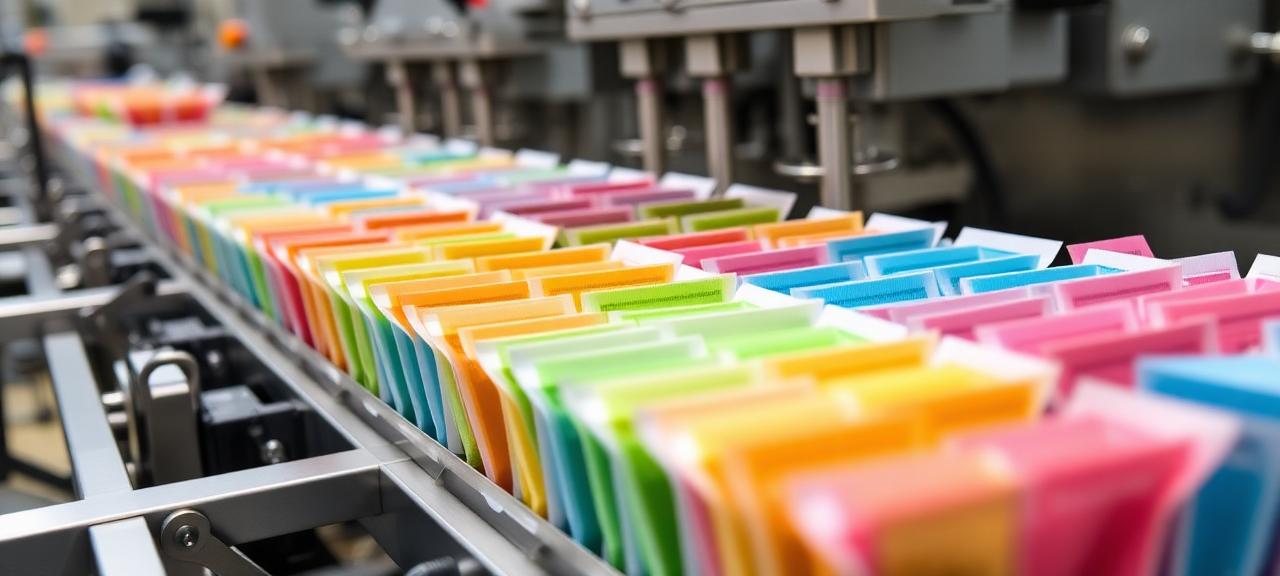
Stick packs win trial, travel and sampling. Tubs cost less per serving and suit daily subscribers. Many brands launch one and add the other from the same blend. See our electrolyte and hydration manufacturing page for the formats we run, and our stick pack manufacturing services.
Label and claims
Keep claims to structure and function, such as "supports hydration." Plan the Supplement Facts layout early, since stick packs leave little room.
Frequently Asked Questions
How many sample rounds does an electrolyte drink need?
Most projects need two or three rounds to settle taste and sweetness.
Can one blend go into both stick packs and tubs?
Yes. The same blend can run in both formats.
Which sweetener works best?
It depends on your buyer and flavor. We test several systems side by side.
These statements have not been evaluated by the Food and Drug Administration. These products are not intended to diagnose, treat, cure, or prevent any disease.
Related Articles
Gummy Vitamins vs Capsules vs Tablets: A Brand Guide
Compare gummy vitamins, capsules and tablets for your supplement brand. Plan serving size, testing, packaging and label claims before you request quotes.
Capsule Production Capacity: A Buyer’s Guide
Compare capsule capacity in pieces and finished packs. Learn which production, testing, and packaging details to request before your next order.
Gummy Production Capacity: From Pieces to Packs
Plan gummy production around piece weight, pack count, quality review, and filling. Prepare a capacity brief for your next manufacturing order.