How to Launch a GLP-1 Companion Supplement Brand: Muscle, Electrolytes, Hair & Bowel Stack
The 2026 founder's playbook for the fastest-growing supplement white space — a four-product companion stack for the 12M+ Americans on Ozempic, Wegovy, Zepbound, and compounded GLP-1s.
- 1Roughly 12 million US adults are on a GLP-1 medication in 2026 (Ozempic, Wegovy, Zepbound, Mounjaro, compounded semaglutide/tirzepatide) — and they're actively buying companion supplements for the side effects insurance doesn't cover: muscle loss, hair shedding, constipation, electrolyte loss, and protein deficit.
- 2The defensible companion stack is four products: a high-protein/EAA powder (muscle preservation), an electrolyte stick pack (low-sugar, low-volume), a gentle fiber/magnesium combo (constipation), and a hair/skin complex (biotin, collagen peptides, zinc, vitamin D).
- 3GLP-1 users have specific formulation constraints — smaller serving volumes, low or no added sugar, easy-to-swallow capsules, palatable flavors that don't trigger nausea, and stomach-friendly delivery (electrolyte and protein need to be gentle).
- 4Claims compliance is the hard line — you cannot say 'for Ozempic users,' 'GLP-1 supplement,' or 'enhances semaglutide.' What you can say: 'supports lean muscle during weight management,' 'replenishes electrolytes,' 'supports healthy hair during weight transitions.' Telehealth brands have more latitude through clinical messaging; CPG and Amazon brands have less.
- 5Peakfinity Labs manufactures the full four-product GLP-1 companion stack at a flat 2,000-unit MOQ per SKU — high-protein/EAA powders, electrolyte stick packs, fiber + magnesium capsules, and hair/skin complexes — out of our 375,000+ sq ft facility with 4–6 week turnaround.
Short answer
GLP-1 medications create predictable nutritional and side-effect gaps the prescription itself doesn't address — muscle loss, hair shedding, constipation, electrolyte and protein deficit. A credible companion supplement brand fills those gaps with a tight, defensible four-SKU stack: protein/EAAs, electrolytes, fiber + magnesium, and a hair/skin complex. The market is enormous (12M+ US users today, 30M+ projected by 2030), the entrenched competition is thin, and the manufacturing fundamentals are straightforward. The hard parts are claims compliance and channel strategy — get both right and this is the single biggest white-space supplement opportunity of 2026.
Why GLP-1 companion supplements are the 2026 white space
- The user base is huge and still climbing. ~12M US adults on a GLP-1 in 2026 (branded plus compounded), projected 30M+ by 2030. Every one of them is dealing with the same predictable side-effect profile.
- The side effects create real, recurring demand for replacement products. Muscle loss is documented in 25–40% of GLP-1 weight loss; constipation affects roughly 25% of users; hair shedding peaks at 3–6 months; electrolyte and protein deficit are nearly universal.
- Insurance doesn't cover the gaps. The prescription is (sometimes) covered; the companion products aren't. That's a clean OOP wallet for supplement brands to capture.
- The category leaders are mostly telehealth. Hims, Ro, and a handful of telehealth GLP-1 prescribers have bundled companion lines — but the mid-market DTC and Amazon segments are wide open with very little credible competition.
- Subscription LTV is exceptional. A GLP-1 user typically stays on the protocol 6–24+ months, and the companion stack stays on with them — much higher LTV than typical impulse supplement categories.
- For the underlying trend context see our GLP-1 trend reshaping weight management supplements piece.
The four-product GLP-1 companion stack
| SKU | Function | Format | Key spec |
|---|---|---|---|
| High-protein / EAA powder | Muscle preservation during caloric deficit | Powder (stick pack or tub) or RTD-ready | 20–30 g protein OR 7–10 g EAAs, low volume (200–250 ml mix), neutral flavor |
| Electrolyte stick pack | Replace sodium/potassium/magnesium lost to reduced intake | Single-serve stick pack | Sodium 400–800 mg, potassium 200–400 mg, magnesium 100–200 mg, zero or very low sugar |
| Fiber + magnesium combo | GI motility, constipation relief | Capsule or unflavored powder | 5–8 g soluble fiber (psyllium, acacia, or inulin) + 200–400 mg magnesium citrate or glycinate |
| Hair / skin complex | Counter hair shedding and skin changes during rapid weight loss | Capsule or gummy | Biotin, collagen peptides 10 g (paired SKU), zinc, vitamin D, selenium, vitamin C |
That's the minimum credible stack. Founders with more capital sometimes add a fifth SKU (a foundational multivitamin or a B-complex), but four covers the documented gap profile cleanly. For the protein side specifically see our protein powder manufacturing guide; for the hair/skin side see our hair skin nails supplement guide.
Formulation requirements that matter for GLP-1 users
- Small serving volumes. GLP-1 users have reduced gastric capacity. A protein powder that needs 400+ ml of water to mix won't get consumed — design for 200–250 ml total volume. Electrolyte sticks should mix into 8–12 oz, not 16–24 oz.
- Low or zero added sugar. Sweet, sugary drinks frequently trigger nausea in GLP-1 users (and many are managing weight or pre-diabetes). Use stevia, monk fruit, or allulose; if you must use a sugar, keep it under 3 g per serving.
- Palatable, non-cloying flavors. GLP-1 users report flavor sensitivity changes — overly sweet, artificial, or heavy-citrus flavors are common nausea triggers. Citrus-lime, watermelon, light berry, and unflavored options outperform tropical-fruit or candy-sweet profiles.
- Easy-to-swallow capsules. Slowed gastric motility makes large or sticky capsules harder to tolerate. Stick to standard size 0 or smaller, smooth-coat where possible.
- Gentle delivery. Magnesium citrate works for constipation but is harsh at high doses; glycinate is gentler. Fiber should start at 5 g and titrate up. Electrolyte sticks should not over-deliver sodium in a single serving for users who may also be hypertensive.
- Drug interaction awareness. GLP-1s slow gastric emptying, which can affect absorption of certain other oral medications. Companion products should not include high-dose calcium, iron, or other ingredients that compound absorption issues without disclosure.
Note
The brands that win this category are the ones whose products are actually pleasant for a GLP-1 user to take every day — small volume, clean flavor, gentle delivery — not the brands with the loudest "Ozempic supplement" marketing.
Claims compliance: the hard line
- You cannot say "Ozempic," "Wegovy," "Zepbound," "Mounjaro," or any other branded GLP-1 trademark in marketing, listings, or PPC. Those are protected brand names and the FDA position is that using them in supplement marketing implies your supplement enhances or treats drug-related conditions (a drug claim).
- You can say "GLP-1 companion," "weight-management support," "for those on weight-management protocols," "supports the body during reduced-intake periods," and similar category-level language.
- You can say "supports lean muscle during weight management," "replenishes electrolytes," "supports healthy hair during weight transitions," and other structure/function claims tied to specific ingredient actions.
- You cannot say "enhances semaglutide," "boosts GLP-1 effect," "replaces Ozempic," or anything that positions the supplement as drug-equivalent or drug-enhancing.
- Telehealth context has more latitude than pure CPG because a prescriber-patient relationship allows clinical language inside the patient portal that's not allowed in public marketing. Amazon listings have the least latitude — no drug names, period.
- Every label, listing, and ad asset should be compliance-reviewed before launch. We do label compliance review on every batch we manufacture at Peakfinity Labs.
For the broader compliance picture see our supplement label requirements guide and our Amazon-compliant supplement guide.
MOQ, cost, and bundle launch math
| SKU | MOQ | Approx. COGS / unit | Retail target |
|---|---|---|---|
| High-protein stick pack box (15 packs) | 2,000 units | $8–$14 | $32–$50 |
| Electrolyte stick pack box (30 packs) | 2,000 units | $7–$12 | $28–$48 |
| Fiber + magnesium capsules (60 caps) | 2,000 units | $5–$9 | $22–$36 |
| Hair / skin complex capsules (60 caps) | 2,000 units | $6–$11 | $26–$42 |
| Four-SKU bundle (total launch) | 8,000 units total | $52,000–$92,000 total COGS | $210–$340 retail bundle / $90+ subscription |
Most credible GLP-1 companion launches in 2026 are landing the full bundle in the $90–$140/month subscription range — competitive with the telehealth incumbents on price, often differentiated on ingredient quality and flavor. Bundle math typically returns 2.5–4x revenue on first-run COGS in the first 6 months if the launch and channel strategy execute. For the broader cost framework see our supplement manufacturing costs breakdown.
Channel strategy: DTC, telehealth, and Amazon
- DTC (your own Shopify): the most defensible long-term brand play and the channel where compliance is most controllable. Lower customer acquisition velocity but highest LTV and margin. Best for credible founder-driven brands. See our D2C supplement guide.
- Telehealth: the highest-revenue channel because companion sells alongside the GLP-1 prescription itself. Requires a telehealth licensing infrastructure, a prescriber network, and significantly more capital and operational complexity — usually a partnership play or an acquisition path, not a launch path.
- Amazon: the fastest path to volume and the channel with the strictest compliance. No drug brand names in listings, titles, or PPC keywords. Best for the second-tier SKUs in the stack (electrolytes, fiber, hair/skin) where compliance language is less constrained than for "GLP-1 companion protein" specifically. See our Amazon FBA supplement guide.
- Influencer and TikTok: rapidly expanding driver. GLP-1 educators, perimenopause coaches, and weight-management content creators have built large audiences specifically primed for companion products. See our TikTok Shop supplement launch playbook.
- Most credible 2026 launches open DTC and Amazon in parallel, layer influencer in month 2–3, and evaluate telehealth partnerships at $1M+ run-rate.
The bottom line
GLP-1 companion supplements are the single biggest unclaimed supplement white space of 2026 — a documented user base of millions, a recurring side-effect profile that maps cleanly onto a four-SKU stack, exceptional subscription LTV, and a competitive landscape that's still mostly telehealth-only. The founders winning the category will be the ones who solve the formulation constraints (small volume, low sugar, palatable, gentle), respect the compliance hard lines (no drug brand names, structure/function language only), and pick a channel strategy that matches their capital and operational profile. The window won't be open in 2028; it's open now.
Frequently Asked Questions
What are GLP-1 companion supplements?
Companion supplements are products designed to address the predictable side effects and nutritional gaps of GLP-1 medications (Ozempic, Wegovy, Zepbound, Mounjaro, compounded semaglutide and tirzepatide). The most common gaps: lean muscle loss (because reduced food intake plus weight loss together drive sarcopenia), hair shedding (caloric and protein deficit), constipation (slowed GI motility from the drug class), electrolyte loss (reduced food intake means reduced sodium, potassium, magnesium), and overall protein deficit. The companion category replaces what the drug-driven appetite suppression takes away.
Why launch a GLP-1 companion brand now instead of waiting?
Three reasons. First, US GLP-1 prescription volume is still climbing — most market models project 30M+ users by 2030. Second, the entrenched companion players (Hims, Ro, Wegovy's manufacturer partnerships, a handful of DTC startups) are positioned at the high-cost telehealth end of the market; the mid-market DTC and value Amazon segments are wide open. Third, the brands that anchor in the category in 2026 will own subscription LTV through the next five years of category growth. Waiting until 2027 means competing for share, not greenfield.
Can I market a supplement 'for Ozempic users'?
No — that's a trademark issue and a regulatory issue. Ozempic, Wegovy, Zepbound, and Mounjaro are protected brand names you can't use in marketing, and the FDA position is that supplement marketing referencing specific prescription drugs implies the supplement enhances or treats drug-related conditions (a drug claim). Defensible alternatives: 'GLP-1 companion,' 'weight-management support,' 'lean muscle during weight transitions,' 'supports the body during reduced-intake periods.' The compliance team and your manufacturer should review every label and marketing asset before launch.
What's the right stack to launch with?
The defensible four-product stack: (1) a high-protein/EAA powder (20–30 g protein per serving or 7–10 g EAAs, designed to be easy to drink in a small volume), (2) an electrolyte stick pack (sodium 400–800 mg, potassium 200–400 mg, magnesium 100–200 mg, very low or zero added sugar), (3) a fiber + magnesium combo for GI motility (5–8 g fiber, 200–400 mg magnesium citrate or glycinate), and (4) a hair/skin complex (biotin, collagen peptides at 10 g, zinc, vitamin D, selenium). Some brands add a fifth SKU — a multivitamin or a B-complex — but four is the minimum credible launch.
What's the MOQ to launch a four-SKU stack?
At Peakfinity Labs, our flat 2,000-unit MOQ is per SKU — so a four-product launch is 8,000 units total across the stack. Total launch COGS for a credible stack runs roughly $50,000–$90,000 depending on protein source, electrolyte format, and packaging, with retail revenue potential in the $250,000–$500,000 range on the first run if the launch and channel strategy execute. Some founders launch one or two SKUs first and add the rest at first restock — that's a defensible go-to-market for capital-constrained launches.
Should I sell through DTC, telehealth, or Amazon?
Depends on your positioning. Telehealth (Hims/Ro pattern) is the highest-revenue and highest-LTV channel because companion sells alongside the prescription itself — but it requires a telehealth licensing infrastructure and a prescriber network. Pure DTC (your own Shopify) is the most defensible long-term brand play but slower customer acquisition. Amazon is the fastest path to volume but has compliance constraints (you cannot mention prescription drug names in listings or PPC). Most credible new entrants in 2026 launch DTC and Amazon together and add telehealth at scale.
How does Peakfinity Labs manufacture GLP-1 companion stacks?
We manufacture the full four-product companion stack at a flat 2,000-unit MOQ per SKU in our 375,000+ sq ft facility — protein and EAA powders (whey, pea, blended; 20–30 g serving in small mix volume), electrolyte stick packs (low/zero sugar, premium flavor systems), fiber + magnesium capsules and powders, and hair/skin complexes (capsules or gummies). Every batch ships with full COA, FDA-aligned label compliance review, and 4–6 week turnaround. We don't manufacture the GLP-1 drugs themselves — but we manufacture everything legitimate companion brands need around them.
Ready-to-Launch Formulations in This Category
Stock-ready formulations you can private label with your own branding — 2,000 unit MOQ.
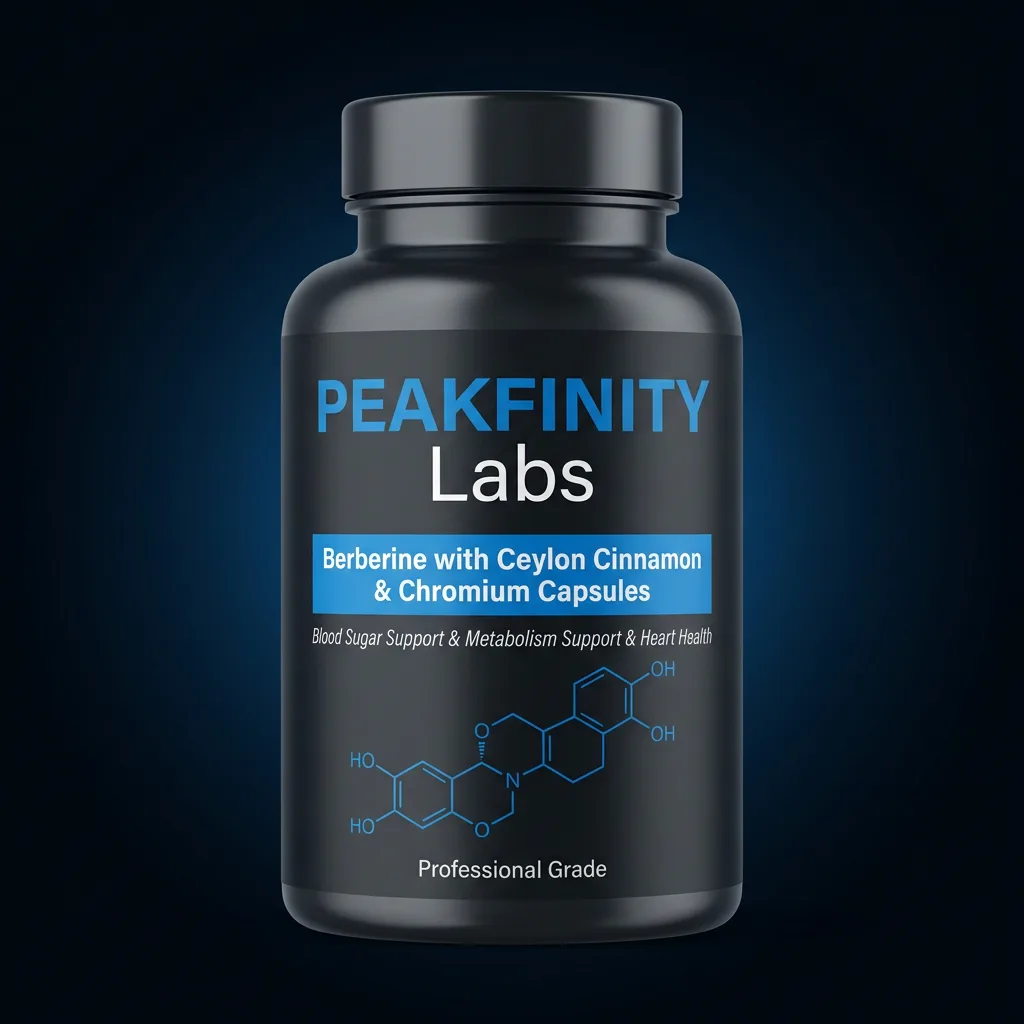
Berberine with Ceylon Cinnamon & Chromium Capsules
Weight Management · Capsules
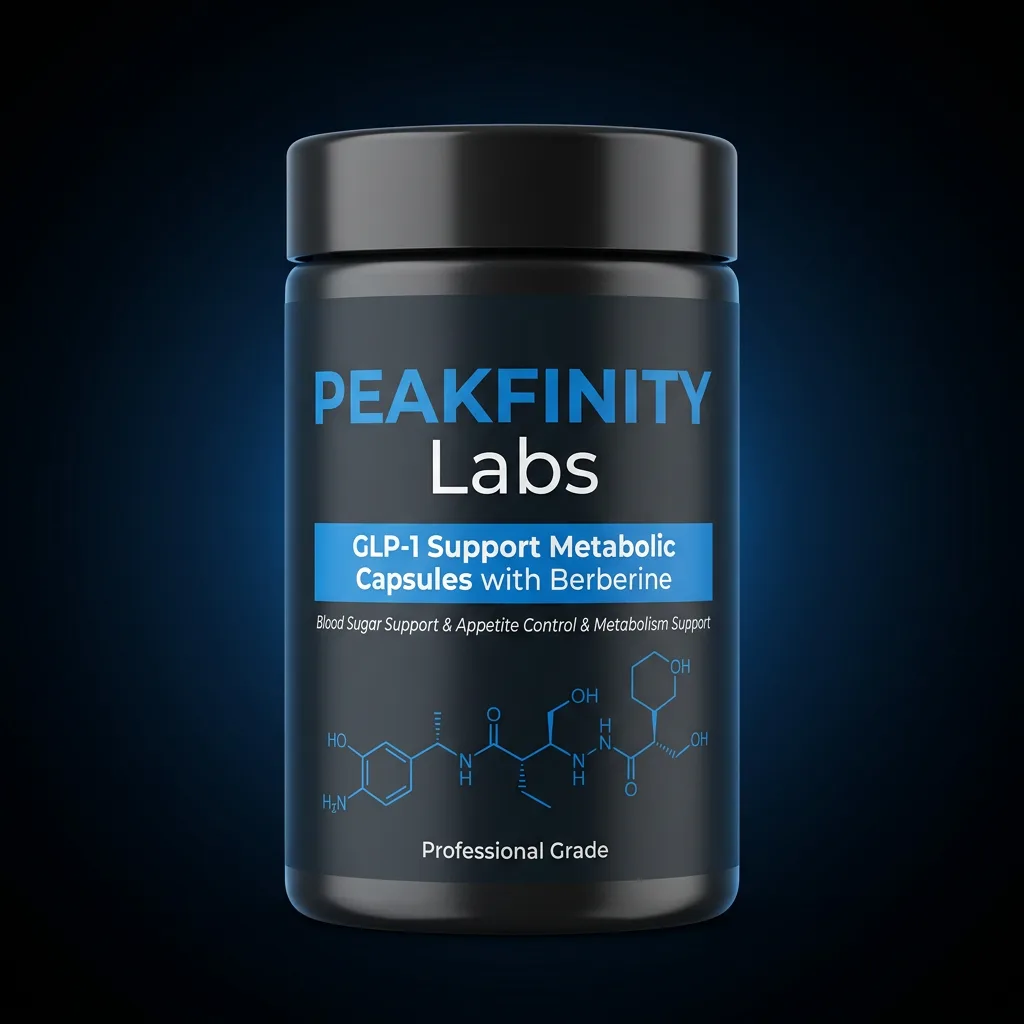
Metabolic Support Capsules with Berberine
Weight Management · Capsules
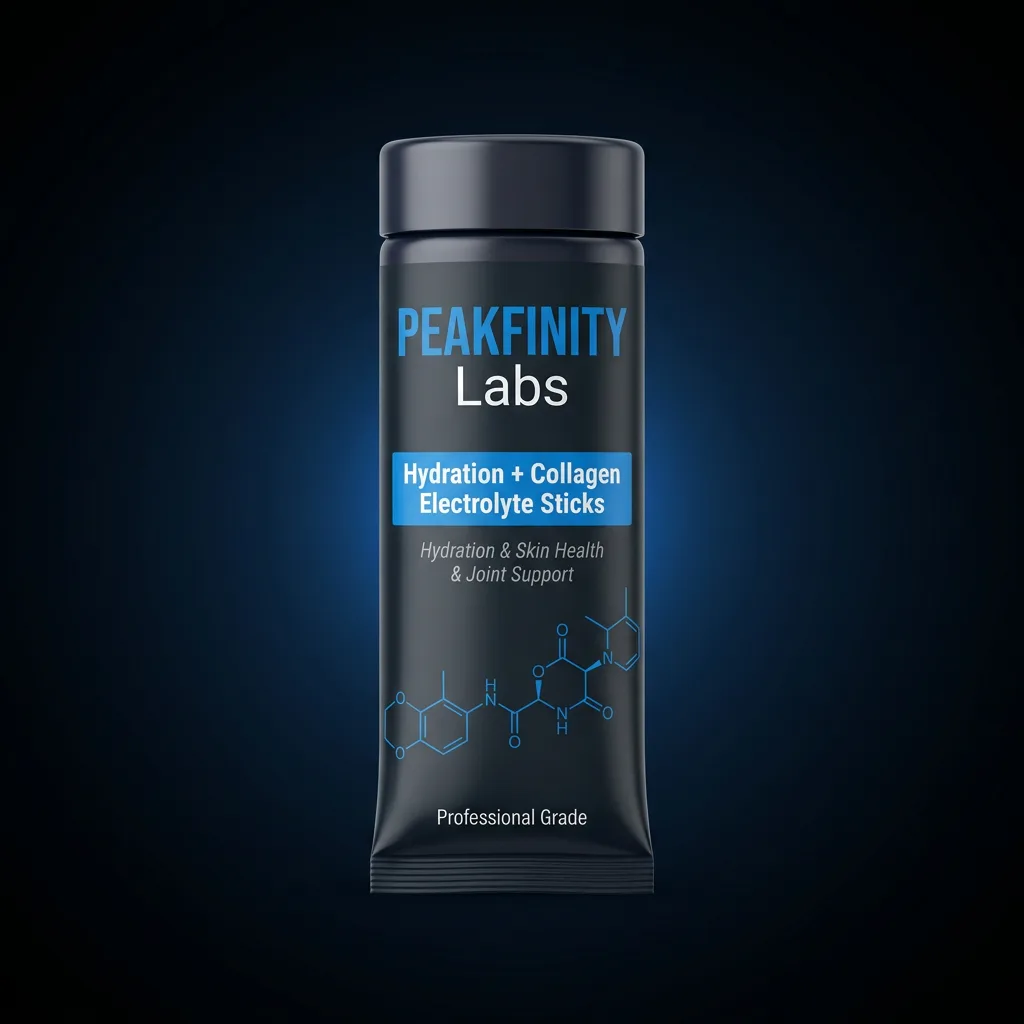
Hydration + Collagen Electrolyte Sticks
Beauty Supps · Powder Stick
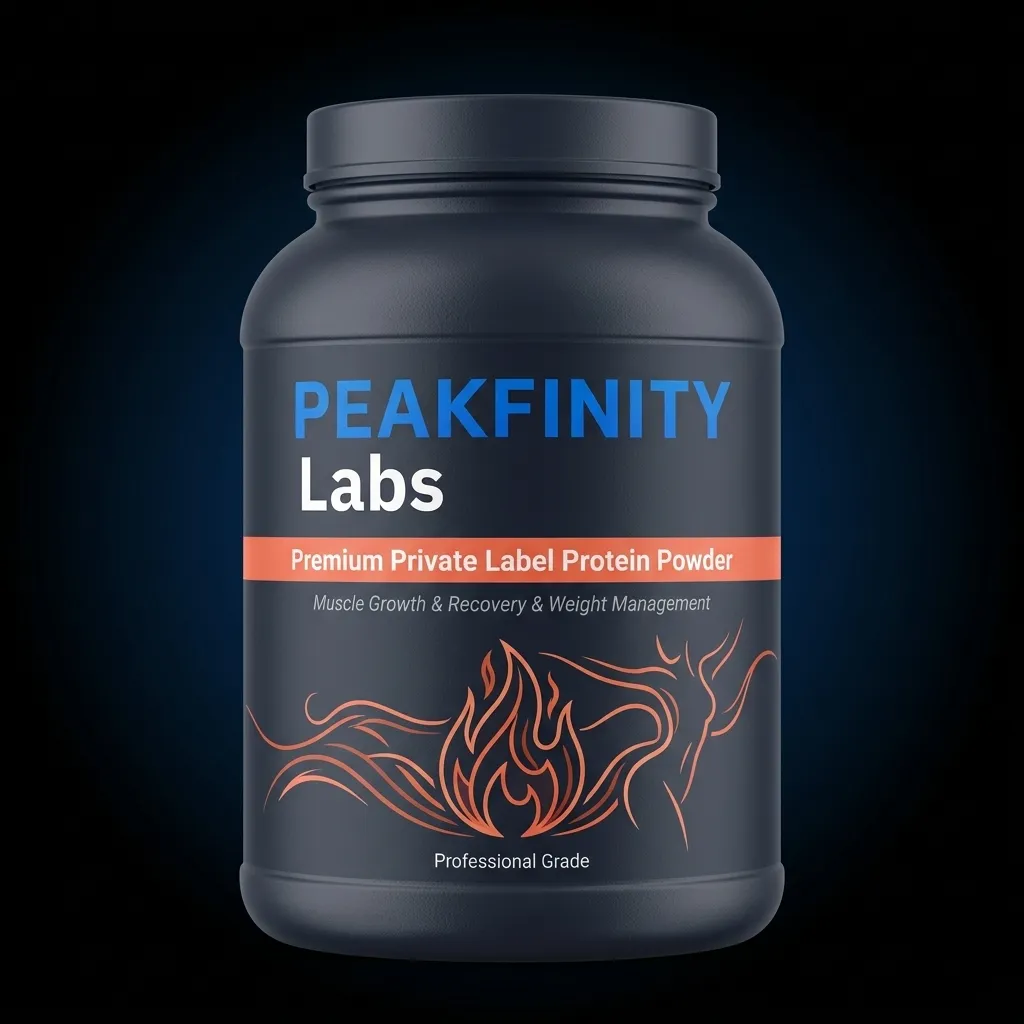
Premium Private Label Protein Powder
Sports Nutrition · Powder
Ready to launch the four-SKU GLP-1 companion stack?
Peakfinity Labs manufactures the full GLP-1 companion stack — high-protein powders, electrolyte stick packs, fiber + magnesium combos, and hair/skin complexes — at a flat 2,000-unit MOQ per SKU in our 375,000+ sq ft facility, with FDA-aligned label compliance review and 4–6 week turnaround.

Tushar
Licensed Pharmacist and COO @ Peakfinity Labs
Written by the Peakfinity Labs R&D Team — 46+ years of supplement formulation expertise. Our team of formulation chemists, manufacturing specialists, and regulatory experts has helped thousands of eCommerce brands bring their products to market successfully since 1980.
Related Articles
Private Label Supplement Markup: Typical Margins for DTC, Amazon, and Wholesale
Typical markup ranges for DTC, Amazon, and wholesale, plus the landed-cost model that decides whether your margin is real.
How to Compare Quotes From Supplement Manufacturers Without Missing Hidden Costs
A six-bucket framework and paste-ready RFQ table that surfaces hidden costs before you sign with a manufacturer.
When Is a Supplement Brand Ready to Move From Private Label to Custom?
Nine readiness signals, the custom-light middle path, and a seven-step switch plan that avoids stockouts and claim issues.