Which Certifications Are Needed to Sell on Amazon? (2026 Guide)
The certifications and documents you need to sell on Amazon in 2026 — including the new third-party cGMP requirement for all dietary supplements, cosmetics under MoCRA, COA rules, approved certifiers, and general account requirements.
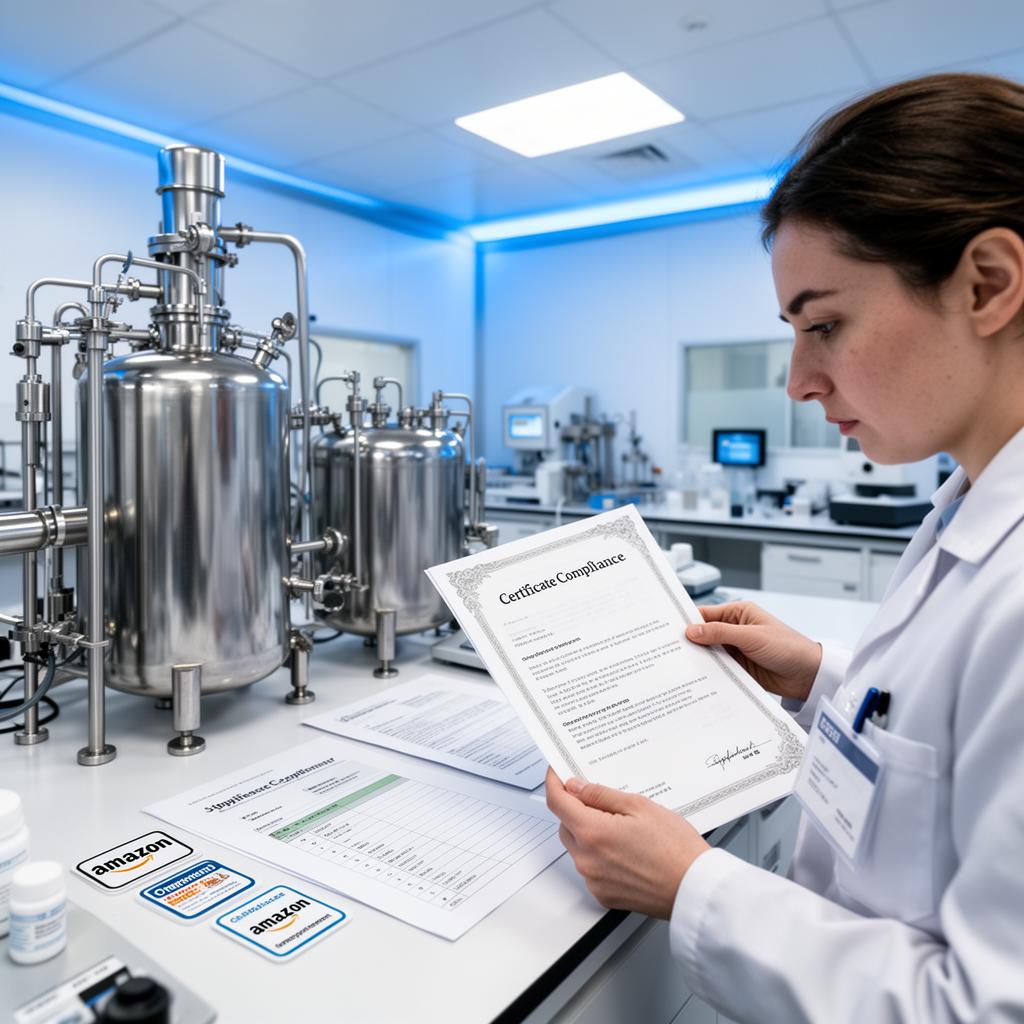
- 1As of 2026, Amazon requires third-party-verified cGMP certification audited to FDA 21 CFR Part 111 or 117 for ALL dietary supplements — not just previously 'high-risk' categories.
- 2You need three things: a valid cGMP certificate from an approved program (NSF/ANSI 455-2, USP GMP, UL GMP, etc.), a finished-product COA from an ISO/IEC 17025 accredited lab, and verification through an Amazon-approved TIC organization.
- 3Amazon no longer accepts a seller-generated COA alone — the lab testing must trace to an accredited source.
- 4For cosmetics, MoCRA requires FDA-registered facilities and safety substantiation; ISO 22716 cosmetic GMP reduces delisting risk.
- 5For general products, GTIN/UPC and Brand Registry (requiring a trademark) are the core requirements; children's products need a CPSC-backed CPC.
Short answer
It depends on your category. For dietary supplements, Amazon's 2026 policy now requires third-party-verified cGMP certification (FDA 21 CFR 111/117) plus a lab-issued Certificate of Analysis, verified through an Amazon-approved Testing, Inspection, and Certification (TIC) organization — for every supplement, not just high-risk ones. For cosmetics, your manufacturing facility must be FDA-registered under MoCRA with safety substantiation on file. For general products, you mainly need a product identifier (GTIN/UPC) and ideally Brand Registry, with extra testing (like a CPSC CPC) for children's items.
Note
2026 policy update: As of early 2026, Amazon expanded its dietary supplement policy so that all supplement categories — not only previously "high-risk" ones — require third-party cGMP verification through an Amazon-approved Testing, Inspection, and Certification (TIC) provider. Sellers typically get a 90-day window from notification. Miss it and listings can be suppressed or removed.
Selling supplements on Amazon: the 2026 requirements
This is where the biggest change happened. Amazon now treats supplement quality documentation as a hard gate. To stay live, you generally need three things:
1. A valid third-party cGMP certificate (facility level)
Your supplement must be made in a facility with a current Good Manufacturing Practice certificate issued by an accredited third party, audited to 21 CFR Part 111 (dietary supplements) or 21 CFR Part 117 (food). Amazon accepts certificates from recognized programs, including:
- NSF/ANSI 455-2
- NSF/ANSI 173 (Section 8)
- GRMA 455-2
- UL GMP
- USP GMP
- Eurofins, SAI Global, SGS, Intertek, TGA, SQF (Dietary Supplements Food Safety Code), and SSCI
2. A finished-product Certificate of Analysis (COA)
You need a COA for the specific batch, issued by an ISO/IEC 17025 accredited laboratory (or a compliant in-house lab within the certified facility). Importantly, Amazon no longer accepts a seller-generated COA on its own — the testing must trace to an accredited source, and the COA must support the amounts declared on your Supplement Facts panel.
3. Verification through an Amazon-approved TIC
Your cGMP documentation is checked by an Amazon-approved Testing, Inspection, and Certification organization. Some categories carry extra testing on top of the base requirement — for example, sports nutrition may require banned-substance screening, and bodybuilding products may need to demonstrate compliance with NSF/ANSI 173-2023.
Why your manufacturer is your shortcut
Here's the part most new sellers miss: the cGMP certificate comes from the facility, not from you. If you manufacture with a partner that already holds an Amazon-recognized cGMP certification and runs accredited lab testing, most of the compliance burden is handled before your product ever ships. If you choose a facility without it, you'll be scrambling to retro-fit documentation under a 90-day clock.
Peakfinity Labs, for example, is an FDA-registered facility with NSF certification for dietary supplement GMP, plus in-house QC labs and stability testing — the facility-side documentation Amazon now requires. (You'll still complete the finished-product COA and TIC verification steps for your specific SKU, but the hardest piece, a certified facility, is already in place.) This is the single biggest reason to vet certifications before you pick a manufacturer — see which supplement manufacturers have the most certifications.
Selling cosmetics on Amazon
Cosmetics aren't FDA-approved before sale, but they're no longer unregulated. Under MoCRA, the manufacturing facility must be FDA-registered and products listed, and you must hold safety substantiation for each product. On top of federal rules, Amazon applies its own category controls — certain cosmetic types (such as skin-lightening products) have required dedicated testing and documentation. A manufacturer with ISO 22716 cosmetic GMP makes compliance and listing approval far smoother. For the full picture, see which cosmetic manufacturers have the most certifications.
General Amazon selling requirements (every category)
Separate from quality certifications, almost every Amazon listing needs:
| Requirement | What it is | When it's needed |
|---|---|---|
| GTIN / UPC / EAN | A standardized product identifier (barcode) | Almost all new listings |
| Brand Registry | Brand protection & A+ content; requires a registered trademark | Strongly recommended for private-label brands |
| Category / brand approval | "Ungating" for restricted categories | Gated categories (some supplements, beauty, grocery) |
| Children's Product Certificate (CPC) | CPSC compliance backed by accredited lab testing | Products for children 12 and under |
| FCC / safety marks | Compliance documentation for electronics & regulated goods | Electronics, batteries, etc. |
| Claims alignment | Every listing claim must be supportable | All categories — enforced more strictly in 2026 |
Quick compliance checklist for supplement & beauty sellers
- Confirm your manufacturer holds a current, Amazon-approved third-party cGMP certificate (supplements) or FDA registration + ISO 22716 (cosmetics).
- Get a finished-product COA from an ISO/IEC 17025 accredited lab.
- Make sure your product is mapped to the certified facility.
- Submit documentation through an Amazon-approved TIC when prompted (act within the 90-day window).
- Audit your listing so every claim is supported by your documentation.
- Set up GTIN/UPC and Brand Registry, and ungate your category if required.
The bottom line
For supplements, 2026 made Amazon a documentation-first marketplace: third-party cGMP verification and an accredited-lab COA are now the price of entry across every category. For cosmetics, MoCRA registration and safety substantiation are the baseline. The fastest, lowest-risk way to clear all of it is to start with a manufacturer whose certifications already satisfy Amazon's rules — so the compliance work is done before you launch, not after you're flagged.
Frequently Asked Questions
What certifications do you need to sell supplements on Amazon in 2026?
As of 2026, every dietary supplement on Amazon must be made in a facility with third-party-verified cGMP certification audited to FDA 21 CFR Part 111 or 117. Amazon accepts certificates from programs including NSF/ANSI 455-2, NSF/ANSI 173 Section 8, GRMA 455-2, UL GMP, USP GMP, Eurofins, SAI Global, SGS, Intertek, TGA, SQF, and SSCI. You also need a finished-product Certificate of Analysis from an ISO/IEC 17025 accredited lab, and the documentation must be verified through an Amazon-approved Testing, Inspection, and Certification (TIC) organization. Sellers typically have 90 days from notification to comply.
Does Amazon still accept a Certificate of Analysis from the seller?
Amazon no longer accepts a COA generated by the seller alone as proof of compliance. The finished-product COA must come from an ISO/IEC 17025 accredited laboratory (or a compliant in-house lab in the certified facility), and it must be accompanied by a valid third-party cGMP certificate for the manufacturing facility.
What certifications do you need to sell cosmetics on Amazon?
Cosmetics don't require pre-market FDA approval, but under MoCRA the manufacturing facility must be FDA-registered and the products listed, and you must hold safety substantiation. Amazon may also require category-specific documentation (for example, for skin-lightening products) and compliance with ingredient and labeling rules. ISO 22716 cosmetic GMP from your manufacturer strengthens compliance and reduces delisting risk.
Do I need a certification to sell general products on Amazon?
For most general products you don't need a quality certification, but you do need a product identifier (GTIN/UPC), and Brand Registry (which requires a registered trademark) is strongly recommended. Some categories require approval or testing: children's products need a Children's Product Certificate (CPC) backed by CPSC-accredited lab testing, and gated categories may require invoices or supplier documentation.

Tushar
Licensed Pharmacist and COO @ Peakfinity Labs
Written by the Peakfinity Labs R&D Team — 46+ years of supplement formulation expertise. Our team of formulation chemists, manufacturing specialists, and regulatory experts has helped thousands of eCommerce brands bring their products to market successfully since 1980.
Related Articles

Fast-Turnaround Supplement Co-Packing for Amazon FBA and TikTok Launches
What actually controls co-packing lead time, the direct-to-FBA checklist, and the two-wave inventory plan for TikTok spikes.
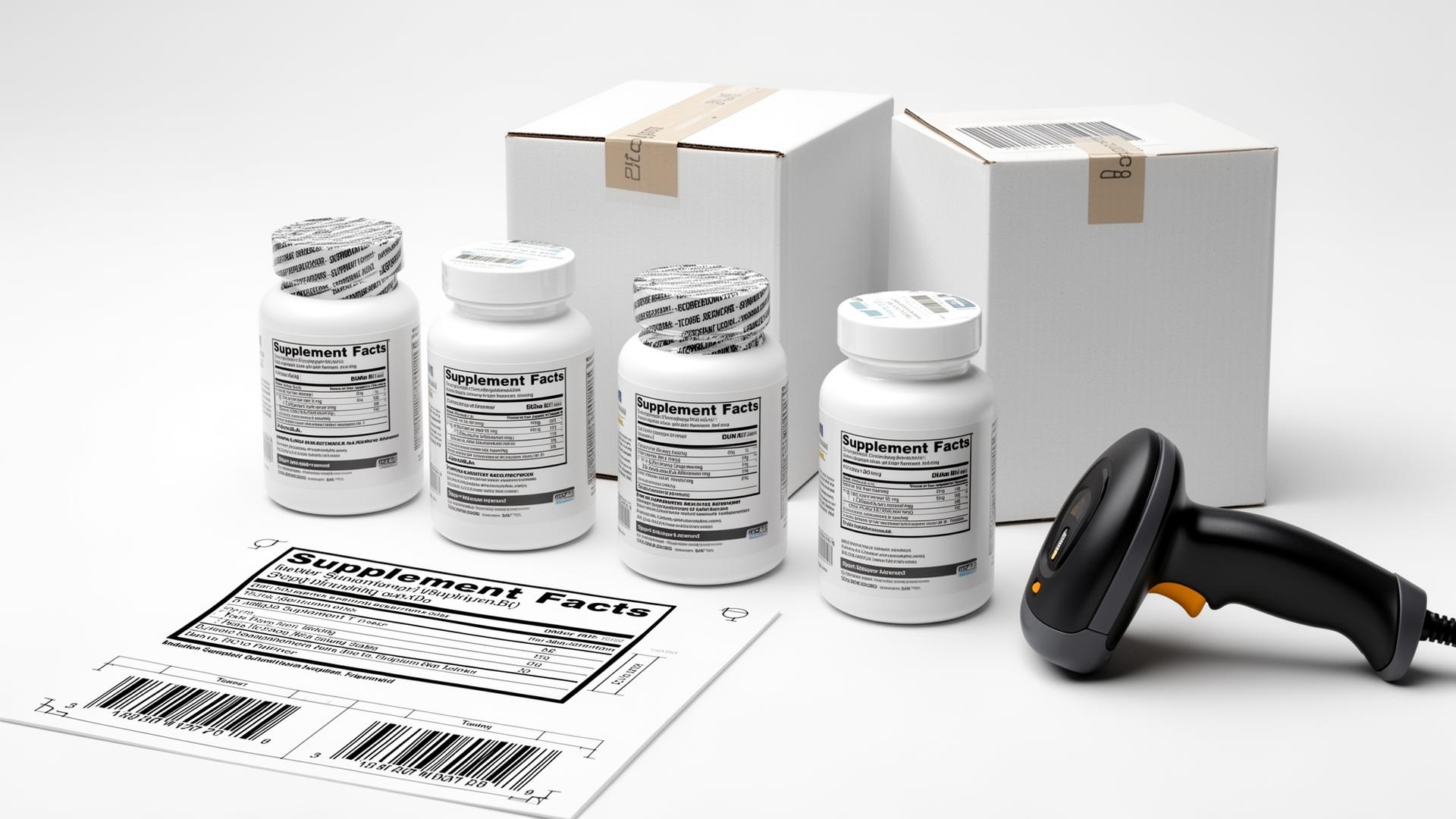
Amazon-Ready Supplement Packaging: Labels, Barcodes, Seals, and FBA Prep Explained
The pass-or-fail packaging system for FBA: compliant labels, FNSKU vs UPC strategy, seals that survive heat, and prep decisions made before the run.
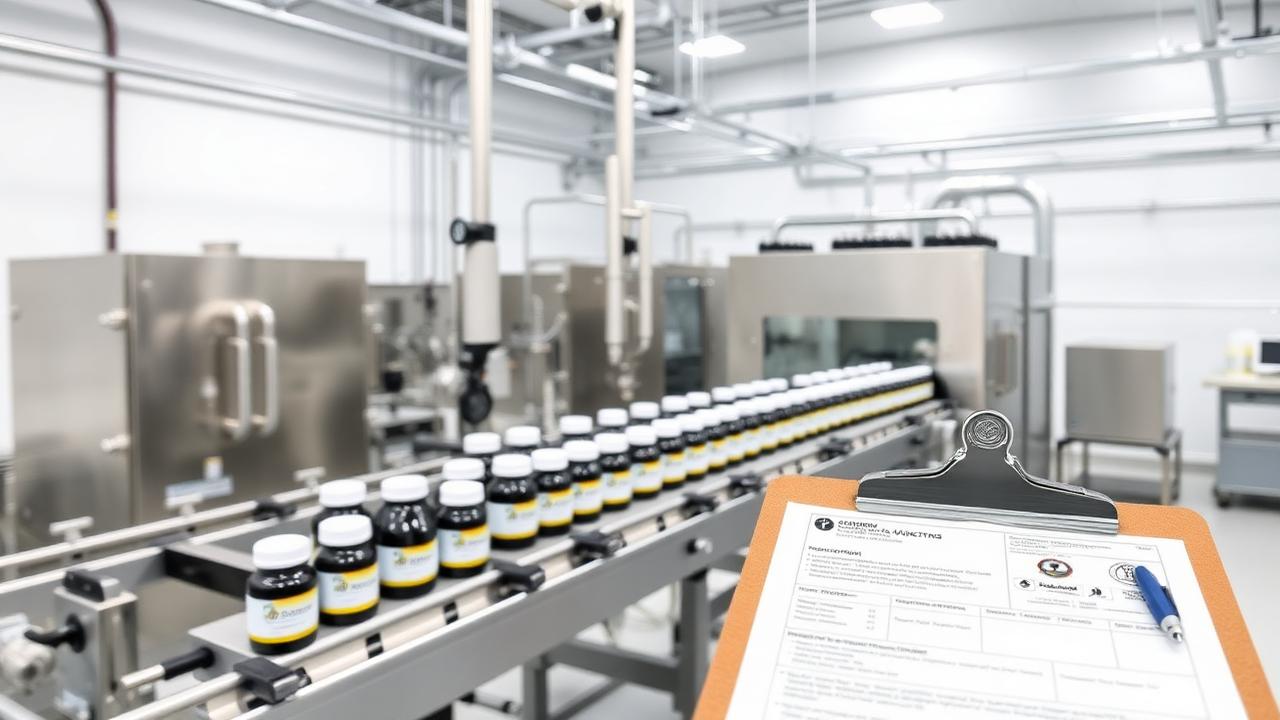
Supplement Quality Documents for Amazon and Retail: COAs, Testing Records, and What to Keep on File
The lot-level release packet Amazon reviewers and retail buyers actually check, and how to keep it usable at scale.