Mushroom Supplement Manufacturing Guide: Extracts, Formats & Launch Strategy
Everything you need to manufacture functional mushroom supplements — from extract sourcing to beta-glucan testing — with GMP-certified production.
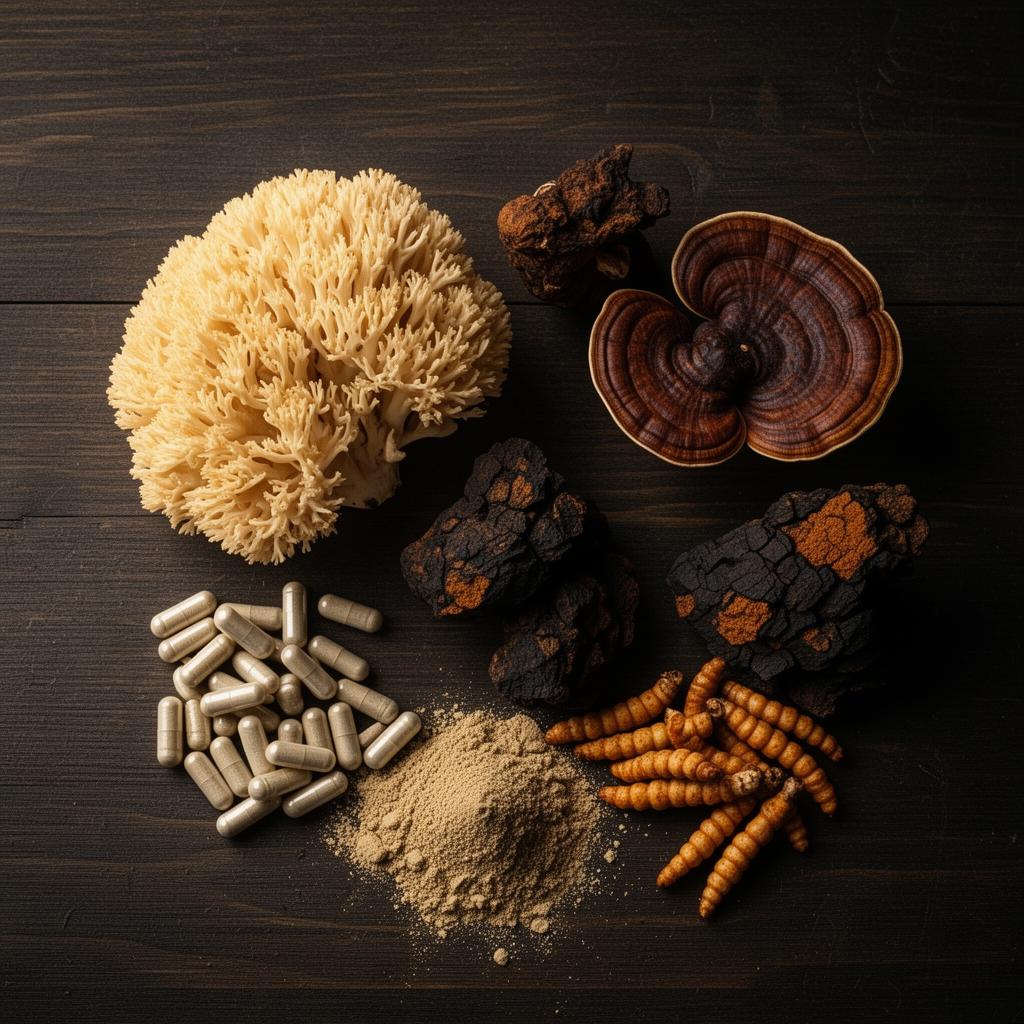
- 1Functional mushrooms (lion's mane, reishi, chaga, cordyceps) are one of the fastest-growing supplement categories in 2026
- 2Extract standardization (beta-glucan content) is the single most important quality differentiator for mushroom supplements
- 3Fruiting body extracts command premium pricing over mycelium-on-grain products — and consumers increasingly know the difference
- 4Capsules and powders dominate; gummies and coffee/cacao blends are emerging high-growth formats
- 5Low MOQ test runs let you validate which mushroom species and positioning resonate before scaling
Introduction
Functional mushrooms have crossed from traditional medicine and niche wellness into mainstream supplement shelves. Lion's mane, reishi, cordyceps, chaga, and turkey tail are no longer ingredients that require consumer education — they're actively searched for, recommended by influencers, and stocked by major retailers.
For brand founders, the mushroom supplement category offers strong unit economics, passionate consumer communities, and natural cross-selling opportunities (mushroom + coffee, mushroom + nootropic stacks, mushroom + immune blends). But the category also has quality pitfalls that can undermine your brand: mycelium-on-grain fillers, unstandardized extracts, and misleading beta-glucan claims are common issues that educated consumers now actively call out.
This guide covers the manufacturing decisions that separate premium mushroom supplements from commodity products: extract sourcing, standardization, format selection, quality testing, compliance, costs, and how to launch with a low-MOQ test run before scaling.
Top functional mushrooms for supplement manufacturing
| Mushroom | Primary benefit positioning | Key active compounds | Popular formats | Market demand level |
|---|---|---|---|---|
| Lion's Mane | Cognitive focus, memory, nerve support | Hericenones, erinacines, beta-glucans | Capsules, powders, coffee blends | Very High |
| Reishi | Sleep, stress, immune modulation | Triterpenes, beta-glucans, ganoderic acids | Capsules, tinctures, tea blends | High |
| Cordyceps | Energy, athletic performance, endurance | Cordycepin, adenosine, beta-glucans | Capsules, powders, pre-workout | High |
| Chaga | Immune support, antioxidant | Beta-glucans, betulinic acid, melanin | Powders, capsules, tea blends | Medium-High |
| Turkey Tail | Immune support, gut health | PSK, PSP, beta-glucans | Capsules, powders | Medium-High |
| Maitake | Immune, blood sugar support | D-fraction beta-glucans | Capsules | Medium |
| Shiitake | Immune, cardiovascular | Lentinan, eritadenine | Capsules, culinary blends | Medium |
Multi-mushroom blends combining 5–10 species are also strong performers, especially for brands targeting a "daily wellness" audience rather than a specific functional benefit. These blends allow broader marketing angles and appeal to consumers who want comprehensive support without buying multiple products.
Extract vs whole fruiting body vs mycelium: what matters
This is the most important quality decision in mushroom supplement manufacturing. The difference between extract types directly affects product efficacy, consumer perception, and your brand's credibility.
| Type | What it is | Beta-glucan content | Cost | Consumer perception |
|---|---|---|---|---|
| Fruiting body extract | Concentrated extract from the actual mushroom | 20–50%+ (standardized) | Higher | Premium; preferred by educated buyers |
| Whole fruiting body powder | Dried, ground mushroom (no extraction) | 5–15% (variable) | Medium | Acceptable; less potent per serving |
| Mycelium on grain | Mycelium grown on rice/oat grain, ground together | Often <5% true mushroom beta-glucans | Lowest | Increasingly criticized; seen as filler |
Quality red flag
Our recommendation: use fruiting body extracts standardized to a specific beta-glucan percentage (minimum 20%, ideally 30%+). This gives you a defensible quality claim, premium pricing power, and protection against the increasingly savvy consumer who checks labels and reads reviews.
Mushroom supplement formats: which to choose
Your format affects manufacturing cost, consumer experience, and competitive positioning. Here's how the main formats compare for mushroom supplements:
- Capsules (HPMC/vegan): the fastest, most straightforward path to market. Works for single-species extracts and multi-mushroom blends. Low manufacturing complexity and flexible MOQ. See capsule manufacturing.
- Powders (tubs/pouches): strong for mushroom coffee blends, cacao blends, and smoothie additions. Higher perceived value and branding real estate, but requires flavor work. See powder manufacturing.
- Tinctures (liquid extracts): premium positioning, especially for reishi and lion's mane. Dual extraction (water + alcohol) preserves both water-soluble and fat-soluble compounds. Higher unit cost but strong perceived value.
- Gummies: growing format for mushroom supplements. Masking mushroom flavors in gummies requires careful formulation. See gummy manufacturing guide.
- Stick packs: emerging format for mushroom coffee/cacao single-serves. TikTok-friendly and travel-ready. Higher packaging cost but strong unit economics at scale.
For more on choosing formats based on your audience and channel, see our supplement formats guide.
Mushroom supplement manufacturing process
Here's the production workflow for a typical mushroom supplement:
1) Raw material sourcing and verification
Source fruiting body extracts from qualified suppliers with documented extraction methods, beta-glucan test results, and heavy metals/pesticide residue certificates. Most premium mushroom extracts come from controlled growing environments in Asia (China is the largest producer of functional mushroom extracts) or North America. For sourcing considerations between regions, see our manufacturing sourcing comparison.
2) Identity testing and incoming QC
Every incoming raw material undergoes identity testing to confirm species (e.g., confirming lion's mane is Hericium erinaceus) and purity testing to verify beta-glucan content matches the supplier's certificate.
3) Blending and formulation
Mushroom extracts are blended with any additional ingredients (flow agents, capsule fillers, flavor systems for powders) according to the batch record. Blend uniformity is critical for consistent dosing.
4) Encapsulation or filling
The blended material is encapsulated (for capsules), filled into tubs or pouches (for powders), or processed into tinctures. Each format has specific in-process checks and quality parameters.
5) Packaging, lot coding, and final QC
Finished products are packaged, labeled, and lot-coded. Final QC includes potency verification, microbial testing, and heavy metals screening. COAs are generated for each lot before release to your 3PL, Amazon FBA, or warehouse.
Quality and testing standards for mushroom supplements
Quality testing separates credible mushroom supplement brands from commodity products. Here are the tests that matter:
| Test | What it measures | Why it matters | Frequency |
|---|---|---|---|
| Beta-glucan (Megazyme method) | True mushroom beta-glucan content | Confirms potency; distinguishes from grain starch | Every lot |
| Species identification (DNA/HPTLC) | Confirms mushroom species | Prevents substitution or adulteration | Every supplier lot |
| Heavy metals panel | Lead, arsenic, cadmium, mercury | Mushrooms are bioaccumulators; critical for safety | Every lot |
| Pesticide residue | Screens for agricultural chemicals | Essential for organic claims and consumer safety | Every supplier lot |
| Microbial testing | Total plate count, yeast, mold, pathogens | Standard GMP requirement for all supplements | Every lot |
Testing investment pays for itself
Mushroom supplement manufacturing costs
| Cost category | Typical range | Key driver |
|---|---|---|
| Raw materials (extracts) | $2,000–$10,000 | Extract type (fruiting body vs mycelium), beta-glucan standardization, organic |
| Manufacturing | $2,000–$8,000 | Format, batch size, blending complexity |
| Packaging & labels | $800–$4,000 | Custom printing, bottle type, tamper evidence |
| Testing & QC | $500–$2,000 | Beta-glucan testing, heavy metals, species ID |
| Brand & launch | $1,500–$15,000+ | Design, ecommerce setup, content, initial ads |
Total starter investment: expect $7,000–$30,000 for a first mushroom supplement run depending on extract quality and format. Fruiting body extracts with high beta-glucan standardization cost more but support premium pricing ($30–$60+ retail) and stronger margins.
Mushroom supplement labeling and compliance
- Species identification on label: list the Latin name and common name (e.g., "Lion's Mane (Hericium erinaceus) Fruiting Body Extract")
- Extract ratio or standardization: state beta-glucan percentage or extract ratio (e.g., "10:1 extract, standardized to 30% beta-glucans")
- Part used: clearly state "fruiting body" or "mycelium" — this is both a compliance requirement and a trust signal for informed consumers
- Structure/function claims: "Supports cognitive function" and "Supports immune health" are generally acceptable. Avoid disease claims and be cautious with claims about specific conditions.
- Organic claims: if using organic mushroom extracts, ensure your supply chain documentation supports USDA Organic certification on the label
Choosing a mushroom supplement manufacturer
- Mushroom-specific sourcing expertise: can they verify extract quality, distinguish fruiting body from mycelium-on-grain, and conduct beta-glucan testing?
- GMP & ISO certification: standard requirement. See our GMP verification guide.
- Multiple format capabilities: capsules, powders, and tinctures let you expand your line with the same manufacturer
- Low MOQ for testing: 2,000 units lets you validate demand before deep inventory commitments
- Transparent testing protocols: do they test for beta-glucans using the Megazyme method? Do they provide full COAs with each lot?
Mushroom supplement launch plan
Step 1: Choose your hero mushroom and format
Pick one species with the clearest market demand (lion's mane for focus, reishi for sleep, cordyceps for energy) and launch in capsule format for speed, or powder format if you're building a "daily ritual" brand.
Step 2: Source quality extracts and verify
Get samples from 2–3 extract suppliers. Request COAs with beta-glucan percentages (Megazyme method), heavy metals panels, and organic certifications if applicable. Your manufacturer should handle this verification process.
Step 3: Order a low MOQ test run
Start with 2,000 units. This gives you enough inventory to run 30–45 days of sales and generate meaningful data on CAC, conversion, and reorder rates.
Step 4: Launch and measure
Focus your launch on one channel (D2C or Amazon). Track CAC, conversion rate, and subscription opt-in rate. For mushroom supplements, content marketing and influencer partnerships tend to outperform pure paid acquisition because consumers want education about the ingredients.
Step 5: Scale based on data
If your first run validates demand, increase MOQ for better unit economics, add a second SKU (multi-mushroom blend or a different species), and expand to additional channels. See our brand scaling guide for the full playbook.
Frequently Asked Questions
What is the difference between mushroom extract and mushroom powder?
Mushroom extract is concentrated using hot water or dual extraction (water + alcohol) to increase the concentration of active compounds like beta-glucans and triterpenes. Mushroom powder is simply dried and ground mushroom material. Extracts are more potent per serving and allow standardization to specific beta-glucan percentages, which matters for efficacy and label claims.
Should I use fruiting body or mycelium for my mushroom supplement?
Fruiting body extracts are generally preferred because they contain higher concentrations of beta-glucans and other bioactive compounds. Mycelium-on-grain products often contain significant amounts of grain starch that dilutes the active compounds. Educated consumers and influencers increasingly favor fruiting body products, making them a stronger positioning choice for premium brands.
What are the most popular mushroom supplements to sell?
Lion's mane (cognitive focus), reishi (sleep and stress), cordyceps (energy and athletic performance), chaga (immune and antioxidant), and turkey tail (immune support) are the top five. Multi-mushroom blends combining 5–10 species are also strong sellers, especially in capsule and powder formats.
How much does it cost to manufacture mushroom supplements?
A starter mushroom supplement run typically costs $5,000–$20,000 depending on extract quality, format, and MOQ. Fruiting body extracts standardized to high beta-glucan content cost more per kilogram than basic mushroom powders, but the premium pricing they support usually more than offsets the ingredient cost difference.
What certifications matter for mushroom supplement manufacturing?
GMP certification (21 CFR Part 111) is required. USDA Organic certification adds significant value if you source organic mushrooms. Third-party testing for beta-glucan content, heavy metals, and pesticide residues is essential for credibility. NSF or USP verification adds another tier of trust for retail and professional channels.
Can I make a mushroom coffee or cacao blend supplement?
Yes. Mushroom coffee and cacao blends are a high-growth format combining functional mushroom extracts with coffee or cacao powder. These are typically manufactured as powder products in pouches or stick packs. The key consideration is ensuring the mushroom extract dose per serving is meaningful (not just a dusting) and that your label accurately reflects the active content.
Ready-to-Launch Formulations in This Category
Stock-ready formulations you can private label with your own branding — 2,000 unit MOQ.
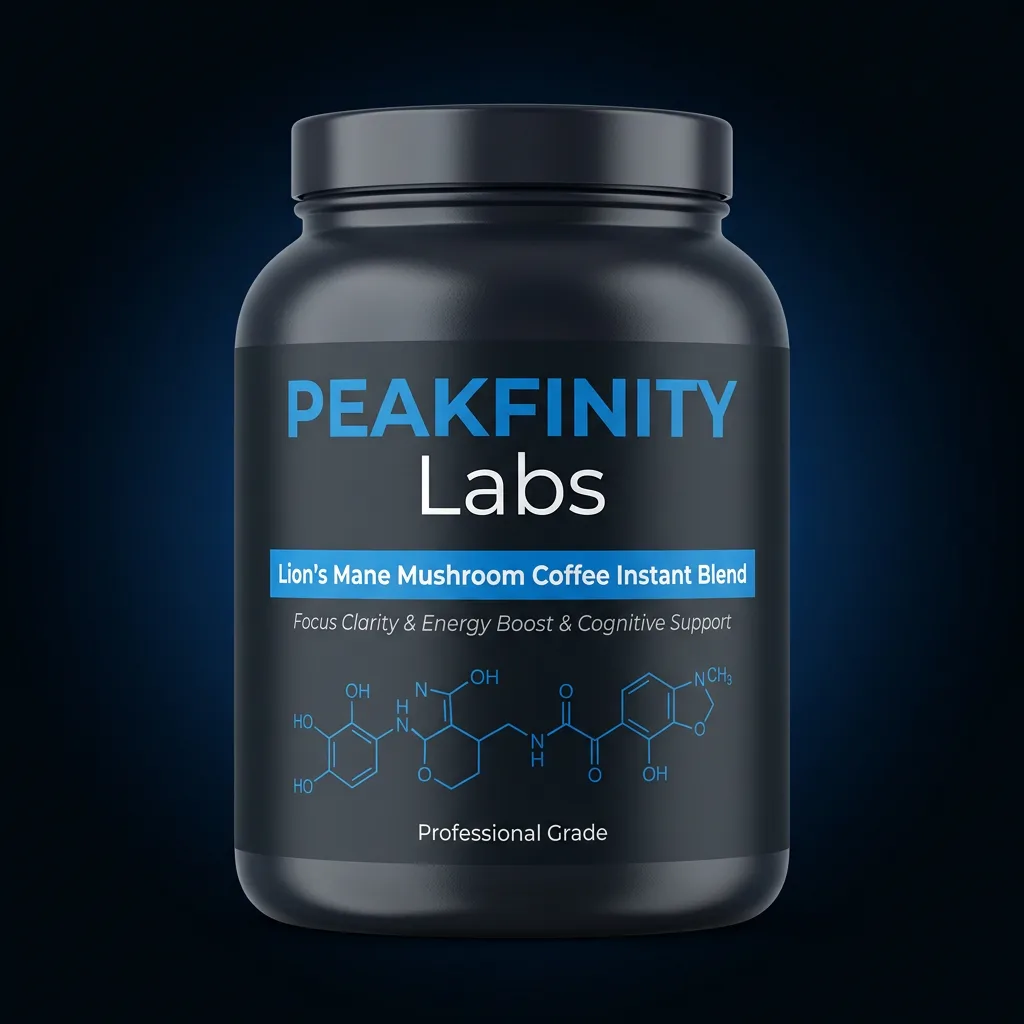
Lion's Mane Mushroom Coffee Instant Blend
Energy Focus · Powder
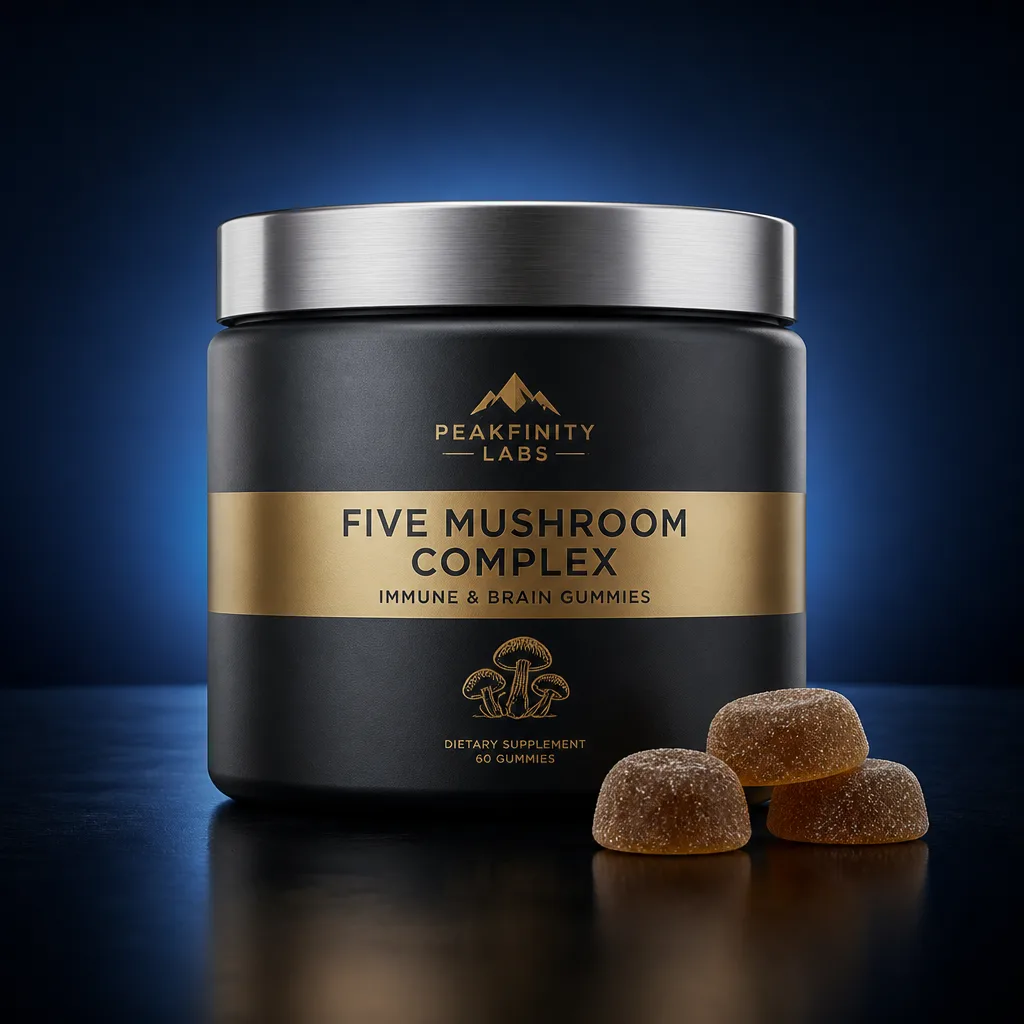
Five Mushroom Complex Immune & Brain Support Gummies
Immunity · Gummies
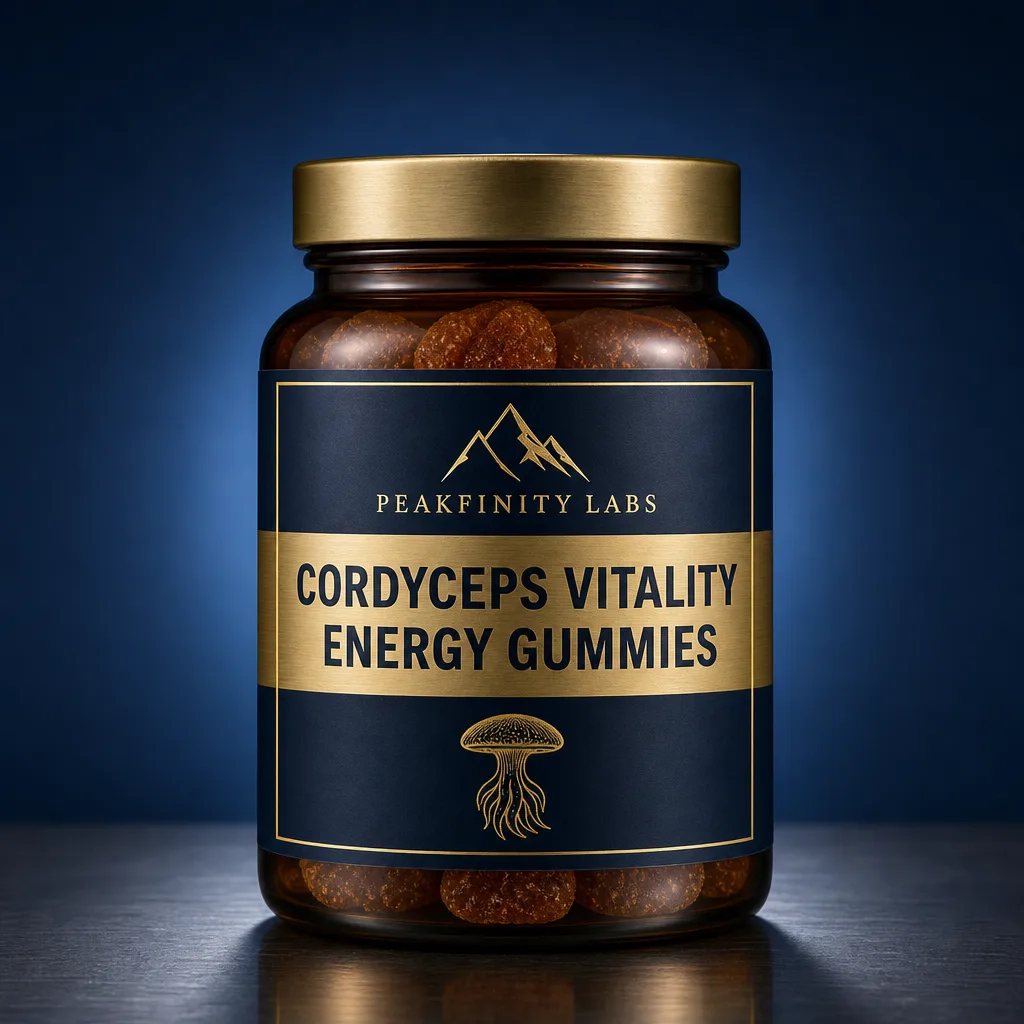
Cordyceps Vitality & Energy Support Pectin Gummies
General Wellness · Gummies
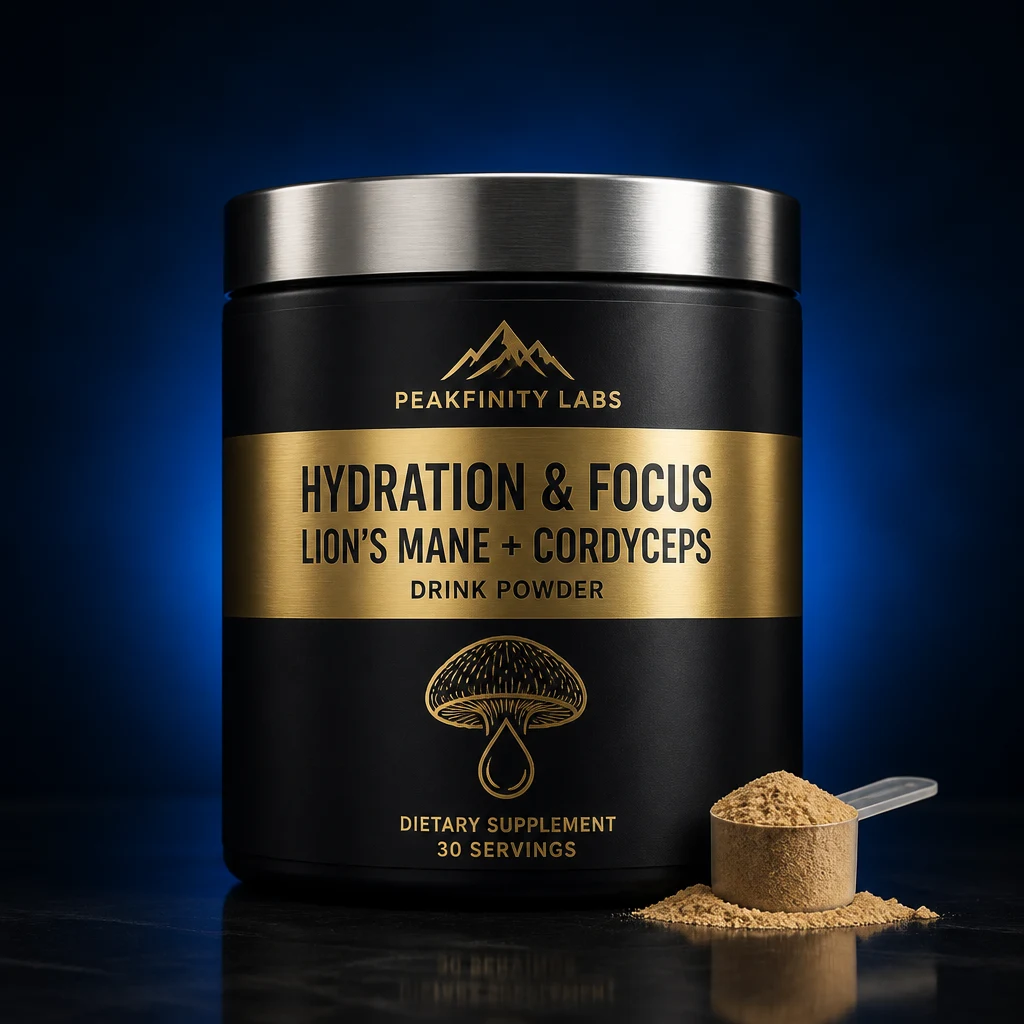
Hydration & Focus Support Powder with Lion's Mane & Cordyceps
General Wellness · Powder
Conclusion: Build a mushroom supplement brand that stands on quality
The mushroom supplement market rewards brands that prioritize extract quality, transparent testing, and clear communication about what's in the product. As consumer awareness grows, the gap between premium fruiting body extract products and commodity mycelium-on-grain products will only widen — and so will the pricing power of brands that get quality right from day one.
Start with one hero mushroom, source the best extract you can afford, test thoroughly, and launch with a low MOQ run that lets you validate demand before scaling. The fundamentals in this guide will help you build a brand that earns trust and repeat customers.

Tushar
Licensed Pharmacist and COO @ Peakfinity Labs
Written by the Peakfinity Labs R&D Team — 46+ years of supplement formulation expertise. Our team of formulation chemists, manufacturing specialists, and regulatory experts has helped thousands of eCommerce brands bring their products to market successfully since 1980.
Related Articles
How to Find an ISO 17025-Accredited Supplement Testing Lab, and What Founders Should Ask For
How to verify a lab's ISO/IEC 17025 scope actually covers your test, the questions to ask before shipping samples, and a testing plan built for ecommerce timelines.
Supplement Manufacturing Lead Times and Reorders: What Founders Should Expect Before and After Launch
The five workstreams hiding inside "lead time," why reorders move faster than first runs, and the ramp plan that survives a demand spike.
How to Vet a cGMP Supplement Manufacturer With Documented Audit History
The document pack, audit-history call script, and scoring rubric that separate real cGMP quality systems from certificate PDFs.