Prenatal Vitamin Manufacturing Guide: Nutrients, Formats & Launch Strategy
How to formulate, manufacture, and launch a prenatal vitamin brand with evidence-based nutrients and GMP-certified production
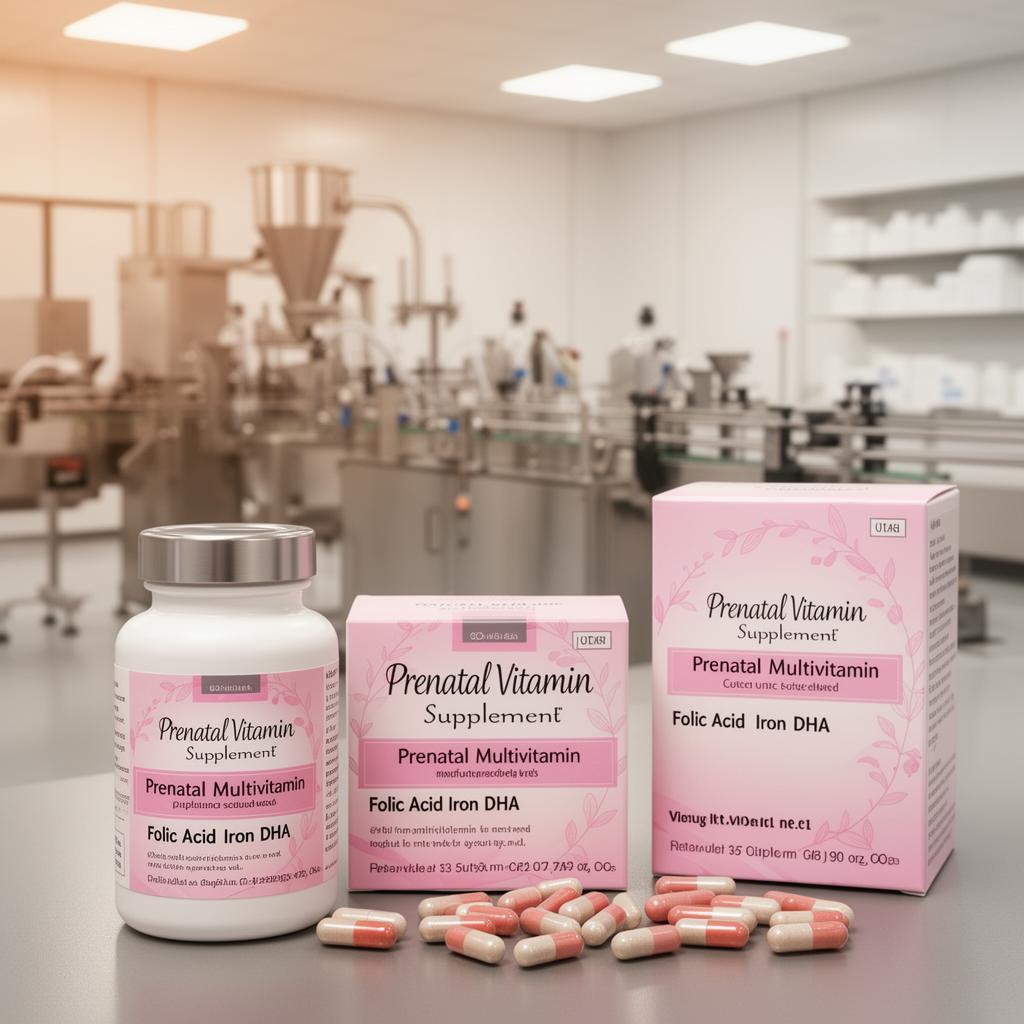
- 1Prenatal vitamins are a $2.5+ billion market with high loyalty and long purchase cycles (9+ months)
- 2Methylfolate (5-MTHF) is replacing folic acid as the gold standard due to MTHFR gene variation awareness
- 3DHA omega-3, iron, and choline are the three most under-dosed nutrients in mainstream prenatal vitamins
- 4Gummy prenatals are the fastest-growing format but cannot deliver iron or adequate calcium doses
- 5This category demands the highest quality standards — consumers are making choices for their baby's health
Why Prenatal Vitamins Are a Premium Supplement Category
Prenatal vitamins represent one of the most meaningful product categories in the supplement industry. Unlike impulse-purchase supplements, prenatal vitamins are researched extensively, recommended by healthcare providers, and purchased with the highest possible stakes in mind—the health of a developing baby. This creates a category defined by quality expectations, brand loyalty, and willingness to pay premium prices.
For supplement brand founders, prenatals offer compelling business fundamentals: long purchase cycles (preconception through postpartum = 12–24 months), high customer lifetime value, strong word-of-mouth marketing, and natural expansion into adjacent categories (postnatal, fertility, baby). But this category also demands the highest formulation rigor, quality standards, and compliance awareness. This guide covers every aspect of prenatal vitamin manufacturing—from nutrient selection to launch strategy.
Prenatal Vitamin Market in 2026
The global prenatal supplement market exceeded $2.5 billion in 2025, with the US market driving approximately 35% of revenue. DTC prenatal brands have disrupted the traditionally pharmacy-dominated category:
| Market Segment | Key Differentiator | Price Point | Growth Rate |
|---|---|---|---|
| Premium DTC Prenatals | Methylfolate, full-dose choline, DHA included | $40–$60/month | 15–18% CAGR |
| Amazon Prenatals | Competitive pricing, review-driven | $15–$30/month | 8–10% CAGR |
| Prenatal Gummies | Taste, convenience, Instagram aesthetics | $25–$40/month | 20–25% CAGR |
| Practitioner-Grade Prenatals | Clinical doses, methylated forms, professional channel | $45–$65/month | 10–12% CAGR |
| Fertility + Prenatal Bundles | Preconception through postpartum continuity | $50–$80/month | 12–15% CAGR |
Market Opportunity
Essential Prenatal Nutrients & Clinical Dosages
Prenatal formulation must cover nutrients critical for fetal development while accounting for the increased nutritional demands of pregnancy. Here are the essential nutrients with evidence-based dosages:
| Nutrient | Role in Pregnancy | Recommended Dose | Form Preference |
|---|---|---|---|
| Folate | Neural tube development (critical first 28 days) | 800–1,000 mcg DFE | 5-MTHF (methylfolate) over folic acid |
| Iron | Blood volume increase, oxygen transport | 18–27 mg | Iron bisglycinate (less GI upset) |
| DHA Omega-3 | Fetal brain & eye development | 200–300 mg | Algal DHA (vegan) or fish oil |
| Choline | Brain development, neural tube closure | 150–550 mg | Choline bitartrate or citicoline |
| Iodine | Thyroid function, neurodevelopment | 150–220 mcg | Potassium iodide |
| Vitamin D3 | Calcium absorption, immune function | 1,000–4,000 IU | Cholecalciferol (D3) |
| Calcium | Fetal bone development | 200–300 mg (supplement) | Calcium citrate (better absorption) |
| Vitamin B12 | Nerve development, DNA synthesis | 2.6–8 mcg | Methylcobalamin |
| Vitamin B6 | Nausea reduction, protein metabolism | 10–25 mg | Pyridoxal-5-phosphate (P5P) |
| Zinc | Cell division, immune function | 11–15 mg | Zinc picolinate or bisglycinate |
The three most under-dosed nutrients in mainstream prenatals are choline (many brands omit it entirely), DHA (often sold as a separate softgel), and iron (omitted from gummies). Addressing these gaps is the primary differentiation strategy for premium prenatal brands. For guidance on choosing the right format, consider how each format handles these critical nutrients.
Formats: Capsules, Softgels & Gummies
Format selection for prenatal vitamins involves trade-offs between nutrient completeness, consumer preference, and manufacturing complexity:
| Format | Nutrient Capacity | Consumer Preference | Key Limitation | Cost/Unit |
|---|---|---|---|---|
| Capsules (multi-cap serving) | Highest — full spectrum possible | Moderate (pill fatigue) | 3–4 caps per serving | $0.20–$0.50 |
| Softgels (DHA) | Best for omega-3/DHA delivery | Good (familiar format) | Single-nutrient only | $0.15–$0.40 |
| Gummies | Limited — no iron, low mineral capacity | Highest (taste, ease) | Cannot deliver complete prenatal | $0.25–$0.55 |
| Capsule + Softgel Combo | Most comprehensive option | Good (complete solution) | Higher complexity and cost | $0.35–$0.90 |
| Powder sachets | High capacity, mixable | Growing (smoothie culture) | Taste of iron/minerals | $0.40–$0.80 |
The most comprehensive approach is a capsule + softgel combo: capsules deliver vitamins, minerals, methylfolate, and choline, while a separate softgel provides DHA. This is the format used by most premium prenatal brands. Gummies work as a consumer-friendly option but require transparency about what's excluded (iron, calcium, DHA).
Format Strategy
Formulation Considerations for Prenatal Vitamins
- Methylfolate vs. folic acid: Methylfolate (5-MTHF) is becoming the standard for premium prenatals. It bypasses MTHFR gene variants that affect 30–40% of women. Use Quatrefolic or Metafolin branded forms for maximum credibility
- Iron form selection: Iron bisglycinate (Ferrochel) causes significantly less GI upset than ferrous sulfate. This is a major differentiator—nausea from iron is the #1 reason women stop taking their prenatal
- Choline dosing: ACOG recommends 450 mg/day during pregnancy, yet most prenatals contain 0–55 mg. Including 150–300 mg of choline per serving is a strong differentiator, though it adds capsule count
- DHA source: Algal DHA (from microalgae) is vegan-friendly and eliminates mercury/ocean contaminant concerns. It's preferred by the DTC prenatal market over fish oil
- B-vitamin methylation: Use methylcobalamin (B12) and pyridoxal-5-phosphate (B6) instead of cyanocobalamin and pyridoxine for bioavailability
- Nausea-friendly design: Small capsule size, delayed-release coating, and ginger root inclusion can improve first-trimester compliance when morning sickness is worst
Compliance & Safety for Prenatal Vitamins
Prenatal vitamins face elevated compliance scrutiny because they're consumed by a vulnerable population. Key requirements:
- Permitted claims: "Supports healthy fetal development," "provides essential prenatal nutrition," "supports baby's brain development" (with DHA)
- Prohibited claims: "Prevents birth defects," "treats morning sickness," "ensures healthy pregnancy"
- Folate health claim: FDA authorizes a specific health claim for folic acid/folate: "Healthful diets with adequate folate may reduce a woman's risk of having a child with certain brain or spinal cord defects." This is one of the few authorized health claims for supplements
- USP verification: While not required, USP Verified mark significantly increases credibility for prenatal vitamins, especially for the practitioner channel
- Heavy metal testing: Prenatal vitamins should undergo comprehensive heavy metal testing (Prop 65 levels). Lead exposure during pregnancy is a major concern for informed consumers
- Allergen-free formulation: Avoid all major allergens (gluten, dairy, soy, shellfish, nuts) to maximize safety profile and consumer confidence
Prenatal Vitamin Manufacturing Cost Breakdown
| Cost Category | Basic Prenatal Capsules | Premium Methylated + DHA | Prenatal Gummies |
|---|---|---|---|
| Raw materials | $1,800–$3,000 | $3,500–$6,000 | $2,000–$3,500 |
| Production | $800–$1,200 | $1,200–$2,200 | $1,200–$2,000 |
| Testing (full panel + heavy metals) | $600–$1,000 | $1,000–$1,800 | $600–$1,000 |
| Packaging & labeling | $700–$1,100 | $900–$1,500 | $800–$1,200 |
| Total (2,000 units) | $3,900–$6,300 | $6,600–$11,500 | $4,600–$7,700 |
| Per-unit cost | $1.56–$2.52 | $2.64–$4.60 | $1.84–$3.08 |
Premium prenatal vitamins retail for $40–$60 per month (30-day supply), with comprehensive capsule+DHA systems reaching $50–$70. The prenatal category supports premium pricing because consumers are willing to invest more for their baby's health. See our cost breakdown guide for category comparisons.
Choosing a Prenatal Vitamin Manufacturer
- Multi-format capability: If offering capsules + softgels, your manufacturer needs both encapsulation and softgel lines—or reliable softgel sourcing partnerships
- Methylated vitamin experience: Methylfolate and methylcobalamin require specific handling and stability testing. Not all manufacturers have experience with these forms
- Heavy metal testing rigor: Demand full panel heavy metal testing at levels stricter than FDA requirements. Your prenatal consumers expect pharmaceutical-grade purity
- Low MOQ options: Start with 2,000 units to validate your formula and brand positioning in this competitive category
- Allergen-free facility: Ideally, your manufacturer's facility should be free of major allergens or have rigorous allergen control procedures
- Stability testing: Prenatal vitamins contain nutrients (iron, folate, DHA) that degrade over time. Your manufacturer must conduct stability testing to validate shelf life claims
For a complete vetting framework, see our contract manufacturer evaluation guide.
Launch Strategy for Prenatal Vitamin Brands
- Identify your differentiation: Methylfolate + full-dose choline + included DHA is the current premium standard. To stand out, focus on specific gaps: postpartum continuation, fertility-to-birth bundling, or practitioner-endorsed formulation
- Start with one comprehensive SKU: A 2,000-unit initial run of a capsule prenatal (or capsule+softgel combo) with methylated B-vitamins, iron bisglycinate, and adequate choline
- Build practitioner relationships: OBGYNs, midwives, and doulas are the primary recommendation channel for prenatal vitamins. Provide professional samples and educational materials
- Content marketing through education: Create comprehensive content about methylfolate vs. folic acid, MTHFR gene variants, choline importance, and nutrient timing. This audience researches extensively before purchasing
- Community building: Pregnancy is inherently social. Build a community (Facebook group, Instagram engagement, newsletter) around prenatal health education. Women's wellness brands thrive on community
- Subscription from day one: Prenatal vitamins are taken daily for 9+ months. Subscription conversion rates of 40–50% are achievable—the highest of any supplement category
Frequently Asked Questions
What nutrients must be in a prenatal vitamin?
Essential prenatal nutrients include folate/methylfolate (800–1,000 mcg DFE), iron (18–27 mg), DHA omega-3 (200–300 mg), choline (150–550 mg), iodine (150–220 mcg), vitamin D3 (1,000–4,000 IU), calcium (200–300 mg), and a complete B-complex. The most differentiated prenatals now include methylfolate instead of folic acid, adequate choline, and DHA in a single product.
How much does it cost to manufacture prenatal vitamins?
Prenatal vitamin manufacturing costs $5,000–$16,000 for an initial 2,000-unit run depending on format and ingredient complexity. A comprehensive capsule + softgel (for DHA) combo costs more than a simplified gummy prenatal. Per-unit costs range from $2.00–$6.40.
Should I make prenatal gummies or capsules?
Gummies are the consumer preference (60%+ of new prenatal buyers choose gummies), but they cannot deliver iron, have limited calcium capacity, and typically omit DHA. Capsules deliver complete nutrition but face compliance challenges. Many successful brands offer both formats or a capsule+gummy combination pack.
Why is methylfolate better than folic acid in prenatals?
Approximately 30–40% of women carry MTHFR gene variants that impair conversion of synthetic folic acid to its active form (5-MTHF). Methylfolate bypasses this genetic bottleneck, ensuring all women receive bioavailable folate for neural tube defect prevention. It's become a key differentiator for premium prenatal brands.
What is the minimum order quantity for prenatal vitamins?
Most GMP-certified US manufacturers offer MOQs of 2,000 units for prenatal vitamin capsules and gummies. Softgel DHA products may have slightly higher minimums. Starting with low MOQ allows you to validate your formula and brand positioning in this competitive category.
Do prenatal vitamins require special FDA approval?
Prenatal vitamins sold as dietary supplements do not require FDA pre-approval but must comply with DSHEA, GMP requirements (21 CFR Part 111), and proper labeling. Prescription prenatal vitamins follow a different regulatory pathway. Most DTC and Amazon prenatal brands operate under the dietary supplement framework.
Ready-to-Launch Formulations in This Category
Stock-ready formulations you can private label with your own branding — 2,000 unit MOQ.
Liquid L-Methylfolate & B12 Complex
Energy Focus · Liquid
Advanced Apple Cider Vinegar Gummies with Vitamin B12 & Folate
Heart Health · Gummies
High-Potency Methylfolate Pectin Gummies for Immune & Heart Health
Immunity · Gummies
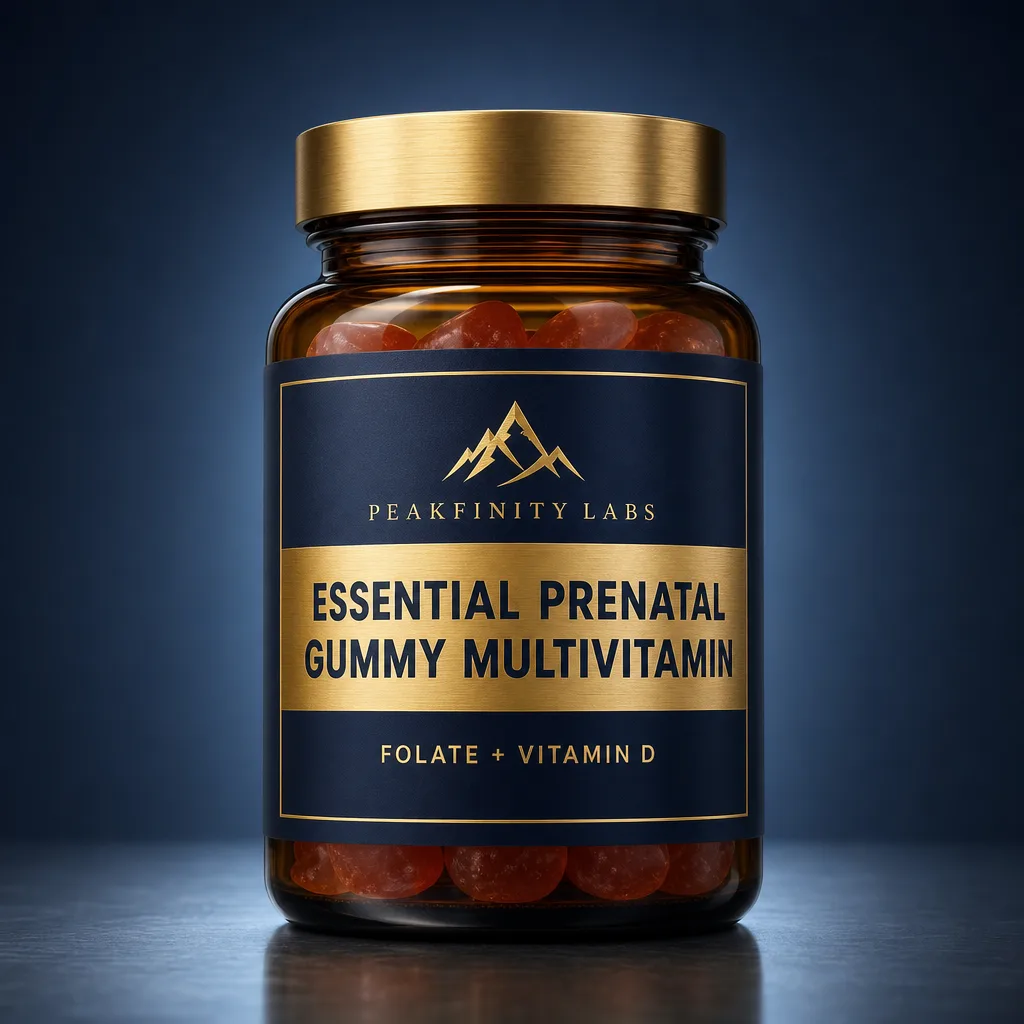
Essential Prenatal Gummy Multivitamin with Folate & Vitamin D
Womens Health Supps · Gummies

Tushar
Licensed Pharmacist and COO @ Peakfinity Labs
Written by the Peakfinity Labs R&D Team — 46+ years of supplement formulation expertise. Our team of formulation chemists, manufacturing specialists, and regulatory experts has helped thousands of eCommerce brands bring their products to market successfully since 1980.
Related Articles
How to Find an ISO 17025-Accredited Supplement Testing Lab, and What Founders Should Ask For
How to verify a lab's ISO/IEC 17025 scope actually covers your test, the questions to ask before shipping samples, and a testing plan built for ecommerce timelines.
Supplement Manufacturing Lead Times and Reorders: What Founders Should Expect Before and After Launch
The five workstreams hiding inside "lead time," why reorders move faster than first runs, and the ramp plan that survives a demand spike.
How to Vet a cGMP Supplement Manufacturer With Documented Audit History
The document pack, audit-history call script, and scoring rubric that separate real cGMP quality systems from certificate PDFs.