How to Start a Women's Wellness Supplement Brand in 10 Steps
A founder-friendly 10-step roadmap to launch prenatals, probiotics, PCOS and menopause supplements — covering MOQs, costs, GMP/ISO partners, and labels.
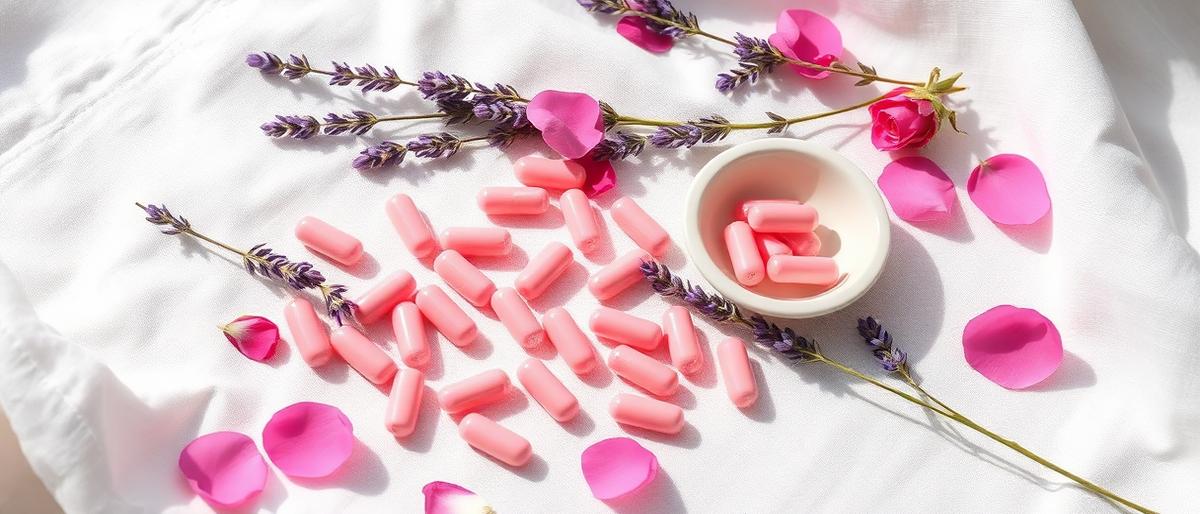
- 1Start with one focused life-stage use case (prenatal, PCOS, menopause, probiotic, beauty) instead of a broad multi.
- 2Format is a dosing and stability decision—not just a branding one. Validate that your target audience will take it daily.
- 3Build formulas around 3 layers: hero actives, support ingredients, and usability (tolerability, taste, capsule size).
- 4Choose a GMP & ISO certified manufacturer with low MOQ test runs and fast 3–4 week turnaround.
- 5Plan testing and packaging before you design your label to avoid timeline slips and compliance issues.
Introduction
Women's wellness is one of the most crowded supplement categories—and one of the easiest to get wrong. Not because demand is low, but because the details matter: serving sizes that don't fit in a capsule, forms that don't play well together, labels that trigger compliance issues, and lead times that explode the moment you add "custom."
If you want to launch a women's wellness supplement brand with real staying power, you need a plan that balances speed with manufacturing reality. That means choosing a product concept that can actually be made at scale, picking ingredients and delivery formats that match your audience, and working with a GMP & ISO certified supplement manufacturer that won't surprise you with hidden costs once you're committed.
This guide lays out a 10-step process we use with founders building prenatals, PCOS support, menopause support, women's probiotics, collagen beauty blends, and hormone balance formulas. It's built for fast turnaround, low MOQ test runs, compliant labeling, and D2C ready packaging—so you can launch, learn, and rapidly scale without burning cash on inventory you can't move.
Prerequisites: What to Have Ready Before You Talk to a Manufacturer
You can move fast if you show up prepared. These are the inputs that cut weeks off your timeline and prevent re-quotes later.
- Your target customer and life stage: fertility, prenatal, postpartum, perimenopause, menopause, hormonal acne, UTI support, etc.
- Delivery format preference: capsules, tablets, powders, gummies, softgels, or stick packs.
- Must-have ingredients and "no-go" list: vegan, allergen-free, no gelatin, no artificial colors, caffeine-free, etc.
- Target price and channel: Amazon, Shopify/D2C, TikTok Shop, retail, practitioner.
- Brand basics: name, positioning, 1–2 hero claims you want to support (structure/function only).
- Rough first run volume: what "low MOQ" means for you (often 300–2,000 units depending on format and complexity).
Step 1: Pick One Life-Stage Problem You Can Win
Women's wellness brands fail when they start with "hormones" as a vague umbrella. You need one clear use case that creates a clean product page, clean ads, and clean repeat buying.
Strong starting lanes we see working in D2C:
- Prenatal + preconception: high intent, but more label scrutiny and higher pill burden.
- PCOS support: education-heavy, strong community, often powder or capsule blends.
- Menopause/perimenopause support: fast-growing demand, but watch ingredient interactions and claims.
- Women's probiotic + vaginal/UTI support: subscription-friendly, stability and CFU labeling matter.
- Beauty from within (collagen/skin/hair): easier storytelling, but competitive—format and taste win.
Contrarian take from manufacturing: the "everything in one" women's multi is often a bad first product. It tends to require 4–8 capsules/day or large tablets, costs more to test, and creates more supply chain risk because you're sourcing many actives at once. A focused hero SKU usually launches faster and scales cleaner.
Step 2: Validate Demand Using Format-First Research
Most founders validate by reading reviews and copying ingredients. Do that, but add a manufacturing filter: validate the format customers will actually take every day.
- TikTok Shop and Amazon reviews: look for repeat complaints like "too many pills," "fishy smell," "upset stomach," "gummy melted," "powder clumps."
- Search intent: "best prenatal capsule vs gummy," "myo-inositol powder," "DIM supplement for women," "menopause gummy."
- Unit economics: can you hit your target margin in the format your market wants?
If the market wants gummies but your actives need high doses, you may be forcing a format mismatch. That becomes an expensive reformulation later.
Step 3: Choose a Delivery Format That Matches Dose, Compliance, and Margin
Format is not a branding decision—it's a dosing and stability decision. Here's a practical way to choose.
| Format | Best For | Common Watch-Outs | Pragmatic Verdict |
|---|---|---|---|
| Capsules | Most women's blends (DIM, probiotics, cranberry, myo-inositol combos) | Pill count if you chase high doses; strong-smelling actives | Fastest path for a first SKU in many cases |
| Tablets | Multis and prenatals needing minerals | Large size; harder to swallow; slower iteration | Good for established brands that can handle a heavier spec |
| Powders | Myo-inositol, collagen, magnesium-forward formulas | Taste, sweetness system, clumping, scoops and serving accuracy | Great for PCOS and beauty if you can nail flavor |
| Gummies | Beauty, menopause support, light daily support | Heat sensitivity, active limits, sugar/alcohols, texture drift over shelf life | High conversion but more constraints—plan carefully |
| Softgels | Omega-3, fat-soluble vitamins | Higher MOQs; longer tooling/setup | Best as a second or third SKU |
Step 4: Build Your Formula Around 3 Layers (Hero, Support, Usability)
A manufacturable women's wellness formula usually has three layers. This keeps you from packing in "nice-to-have" ingredients that blow up capsule count or cost.
- Hero layer: 1–2 ingredients that do the main job (example: myo-inositol for PCOS positioning; cranberry extract for urinary health).
- Support layer: 2–5 ingredients that round out the story (example: D-mannose paired with cranberry; B-vitamins with a stress angle).
- Usability layer: what makes it tolerable daily (gentle forms, taste system, capsule size choice, "no nausea" decisions).
What ingredients go into a women's multivitamin formulation? Typical multis include vitamins A, C, D, E, K, B-complex, plus minerals like iodine, zinc, selenium, and sometimes iron and magnesium. The manufacturing reality is that minerals (iron, calcium, magnesium) drive tablet size or capsule count, so many successful brands either (1) keep minerals targeted, or (2) split into a "multi + mineral" system.
Ingredient-Specific Notes Founders Miss
- Iron for women: iron form affects tolerability and label space; it also impacts tablet size. Plan for GI tolerance messaging and make sure your serving size stays realistic.
- Folate vs methylfolate: if you want methylfolate, confirm raw material spec and stability expectations early.
- DIM and myo-inositol: DIM doses are small but can be sensitive in positioning; myo-inositol doses are often large, which pushes you toward powders or multi-capsule servings.
- Probiotics: CFU at end of shelf life matters more than "big number at manufacture," and packaging (desiccants/liners) becomes part of the formula strategy.
Step 5: Make It Compliant From Day One (Claims, Label, and FDA Basics)
You can sell structure/function supplements in the US, but you can't sell a drug claim. Most compliance issues happen on the label and product page, not in the formula.
- Use structure/function claims: "supports" language instead of "treats," "cures," or disease claims.
- Plan your Supplement Facts early: serving size, servings per container, daily values, and "other ingredients."
- Get your prenatal labeling right: prenatals tend to draw more attention because consumers treat them like medical essentials.
For core US rules, start with FDA's dietary supplement labeling guidance and the supplement cGMPs (21 CFR 101 and 21 CFR 111). See: FDA Dietary Supplements and 21 CFR Part 111.
Step 6: Pick the Right Manufacturer (and Ask the Questions That Prevent Surprises)
If you're asking "what manufacturer makes women's health supplements like prenatals?" start with capability and certification, then talk speed and MOQ.
- Certifications: GMP & ISO certified operations reduce risk and help when you scale channels.
- Fit for your format: not every facility that makes capsules is good at gummies or probiotic stability.
- Low MOQ + fast turnaround: you want test runs without getting trapped in 10,000+ unit buys.
- Packaging support: D2C ready packaging (liners, seals, inserts, label application) saves weeks.
Peakfinity Labs approach: we're set up for low MOQ runs and fast 3–4 week turnaround from order to production for many supplement projects, assuming formula, components, and approvals are ready. We build quotes that show where costs come from (actives, testing, packaging, assembly) so you don't discover "extras" after you've designed your label. See our Supplement Manufacturing Overview and Our Process.
Step 7: Plan Testing Like a Real Brand (Not a One-Off Batch)
Testing is where quality becomes real. It's also where timelines slip if you don't decide upfront what you need.
| Product Type | Common Testing to Plan | Why It Matters |
|---|---|---|
| Prenatal / multi with minerals | Identity, potency, micro, heavy metals (as appropriate), stability plan | Higher consumer sensitivity; more ingredients means more failure points |
| Women's probiotic | Micro, CFU verification, stability, packaging validation | CFU claims need to hold through shelf life |
| Gummies | Potency, micro, water activity, stability/texture checks | Texture drift and potency loss can create returns fast |
| Botanical blends (menopause/hormone) | Identity, potency markers (where applicable), adulterant screening as needed | Reduces risk of inconsistent raw materials |
If you're wondering "what testing is needed for a prenatal vitamin product," the practical answer is: plan identity and potency verification for key actives, microbiological testing, and any risk-based contaminants relevant to your ingredient set, plus a stability plan that matches your expiration dating. Your manufacturer should help you map this to your formula and target market. See our Quality and Certifications pages.
Step 8: Design Packaging for D2C First (and for Viral Scaling)
Packaging is not just aesthetics. It controls spoilage, shipping damage, conversion, and repeat buying.
- Choose the right packout: bottles, jars, pouches, stick packs—based on format and serving size.
- Protect stability: desiccants, induction seals, correct liners, light/oxygen barriers.
- Build for TikTok Shop and 3PL workflows: scannable labels, durable finishes, no fragile add-ons.
We've seen brands lose weeks because they picked a "premium" bottle that backordered, or a label material that smudged in humid warehouses. A speed-oriented brand picks components with redundant suppliers from the start.
Step 9: Know Your Costs Before You Set Your Price
Founders often ask, "what does it cost to manufacture a women's probiotic supplement?" The honest answer is: it depends on strain count, CFU target at end of shelf life, packaging, and testing plan. But you can still price intelligently if you structure your quote.
Ask your manufacturer for a line-item view of:
- Raw materials: actives and excipients
- Manufacturing: blending, encapsulation/tableting/gummy run
- Packaging: bottles/pouches, caps, seals, labels, cartons
- Testing: micro, potency, stability setup
- Freight and storage assumptions: especially for probiotics
Speed tip: if you want a low-risk launch, start with one hero SKU and one upsell (like a bundle or 2-pack) instead of three SKUs. You'll learn faster and keep your MOQ manageable. Use our Product Formulator to estimate costs early.
Step 10: Build Your Launch Plan Around Lead Times (So You Don't Stock Out)
"How long does it take to manufacture a custom women's supplement?" is the question that decides whether you win on TikTok Shop or miss your moment.
For many projects, a fast 3–4 week turnaround from order to production is achievable when the formula is finalized, raw materials are available, packaging components are ready, and approvals don't stall. The catch is that first runs often take longer because you're finalizing specs, proofs, and compliance checks.
- Plan reorder points: don't wait until you have two weeks of inventory.
- Keep a second-source plan for packaging: bottles and caps cause more delays than most actives.
- Lock your best sellers early: keep formula changes to a minimum until you have stable demand.
10-Step Launch Checklist (Quick View)
| Step | Output You Should Have | Common Pitfall |
|---|---|---|
| 1 | Single clear use case + audience | Trying to serve "all women" |
| 2 | Demand proof + format constraints | Copying ingredient lists without dose reality |
| 3 | Chosen delivery format | Forcing high-dose actives into gummies |
| 4 | Formula brief (hero/support/usability) | Overstuffing the blend |
| 5 | Claims + label direction | Disease claims on ads/pages |
| 6 | Manufacturer selected (GMP & ISO certified) | Choosing on price alone, then paying in delays |
| 7 | Testing plan tied to risk | Adding testing late and slipping timelines |
| 8 | D2C ready packaging + backups | Backordered components |
| 9 | True COGS + pricing model | Ignoring freight/testing until after launch |
| 10 | Lead-time based reorder plan | Stockouts right after a viral spike |
Tips, Warnings, and Troubleshooting (From Real Production Issues)
- If your prenatal needs 6+ capsules/day: consider splitting into AM/PM packs or moving part of the formula into a powder. A "perfect" label that nobody finishes will not retain.
- If your menopause support blend includes many botanicals: expect more variation in taste and color between lots. Align your brand visuals so small color shifts don't look like defects.
- If you're building a women's probiotic: treat packaging as part of your stability strategy. A great formula in the wrong bottle becomes a refund machine. See our Probiotic Manufacturing Guide.
- If you want gummies: decide upfront what you will sacrifice—dose, ingredient count, or texture. You rarely get all three perfect in a first run. See our Gummy Manufacturing Guide.
- If you're switching manufacturers: ask for a transition plan that covers specs, COAs, component equivalency, and a timeline that avoids gaps. The biggest hidden cost is a stockout, not the per-unit delta.
Frequently Asked Questions
Can I get a custom prenatal vitamin manufactured?
Prenatals are one of the most spec-heavy supplement products because they combine many vitamins and minerals with tight serving-size constraints. Yes, you can get a custom prenatal vitamin manufactured by a GMP-certified supplement manufacturer that supports custom formulation and compliant labeling. Start by defining your target serving size (tablets vs capsules vs powder) and your required nutrients (iron form, folate vs methylfolate, DHA as a separate softgel) so the formula can be built around real dose and swallowability.
What manufacturer makes women's health supplements like prenatals?
Choosing a prenatal manufacturer matters because prenatals increase the risk of label errors, potency misses, and inconsistent supply due to the number of ingredients involved. The right manufacturer is one that is GMP & ISO certified, can verify ingredient identity and potency, and can support low MOQ test runs without stretching lead times. Ask for a documented testing plan, a clear quote that separates manufacturing vs packaging vs testing, and a realistic timeline based on your specific ingredient list and components.
What MOQ should I expect for custom women's vitamin manufacturing?
MOQ determines whether you can test a concept without overbuying inventory, especially in competitive women's wellness categories. For custom women's supplements, MOQs commonly range from a few hundred to a few thousand units depending on format, ingredient complexity, and packaging choices. If you want a low MOQ, simplify your first run (one bottle size, fewer SKUs, readily available components) and choose a manufacturer built for fast turnaround rather than large batch scheduling.
What testing is needed for a prenatal vitamin product?
Testing protects your brand because prenatals carry higher consumer trust expectations and often include minerals and sensitive vitamins. A prenatal vitamin typically needs identity testing for key actives, microbiological testing, and potency verification for label-critical nutrients, with additional risk-based testing such as heavy metals depending on the ingredient set. Work with your manufacturer to set specifications and a stability plan that supports your expiration dating and confirms the product meets label claims over shelf life.
How long does it take to manufacture a custom women's supplement?
Timeline matters because stockouts kill momentum during launches and viral spikes. A custom women's supplement can often be produced in about 3–4 weeks from order to production when the formula, packaging components, and approvals are already finalized and in stock. First runs can take longer due to label proofing, component sourcing, and testing setup, so plan your launch calendar with buffer time and lock your packaging early.
What ingredients go into a women's multivitamin formulation?
Typical multis include vitamins A, C, D, E, K, B-complex, plus minerals like iodine, zinc, selenium, and sometimes iron and magnesium. Minerals (iron, calcium, magnesium) drive tablet size or capsule count, so many successful brands either keep minerals targeted or split into a "multi + mineral" system.
Conclusion: Your Next Steps (Fast, Low-Risk, and Scalable)
You don't need a massive product line to start a women's wellness supplement brand. You need one focused SKU, a manufacturable formula, a compliant label, and a supply chain that can handle rapid scale without changing your product every month.
If you want a partner built for low MOQ test runs, fast turnaround, and GMP & ISO certified manufacturing—with custom formulation and D2C ready packaging—outline your concept using the prerequisites section above. Then build your first quote request around format, serving size, must-have actives, packaging, and your target launch date.
That combination is what keeps quality consistent, protects lead times, and makes switching or scaling feel controlled instead of chaotic.
Relevant pages: Manufacturing Overview | Our Process | Capsule Manufacturing | Gummy Manufacturing | Powder Manufacturing | Softgel Manufacturing | Private Label vs Custom | Collagen Manufacturing | Start Project | Contact | Privacy Policy | Terms

Tushar
Pharmacist and COO @ Peakfinity Labs
Written by the Peakfinity Labs R&D Team — 46+ years of supplement formulation expertise. Our team of formulation chemists, manufacturing specialists, and regulatory experts has helped thousands of eCommerce brands bring their products to market successfully since 1980.
Related Articles
Private Label vs Custom Manufacturing: Which Is Right?
Compare costs, timelines, and differentiation strategies for supplement manufacturing approaches.
How to Scale Your Supplement Brand
Stepwise playbook: launch a hero SKU with low MOQ small-batch run, test ads 2-4 weeks, then scale with GMP partners and ecommerce packaging for DTC growth.
How to Launch a Peptide Skincare Brand: 2026 Founder's Playbook
Hero peptide selection, MOQ and COGS, airless packaging, claims compliance, and end-to-end timeline for launching a peptide skincare brand.