Why Are These Vitamins Flying Off the Shelves in 2026?
We tested 12 vitamin/mineral SKUs and explain why D3+K2 (MK-7), methylated Bs, chelated magnesium forms, and ecommerce-ready formats sell fastest in 2026.
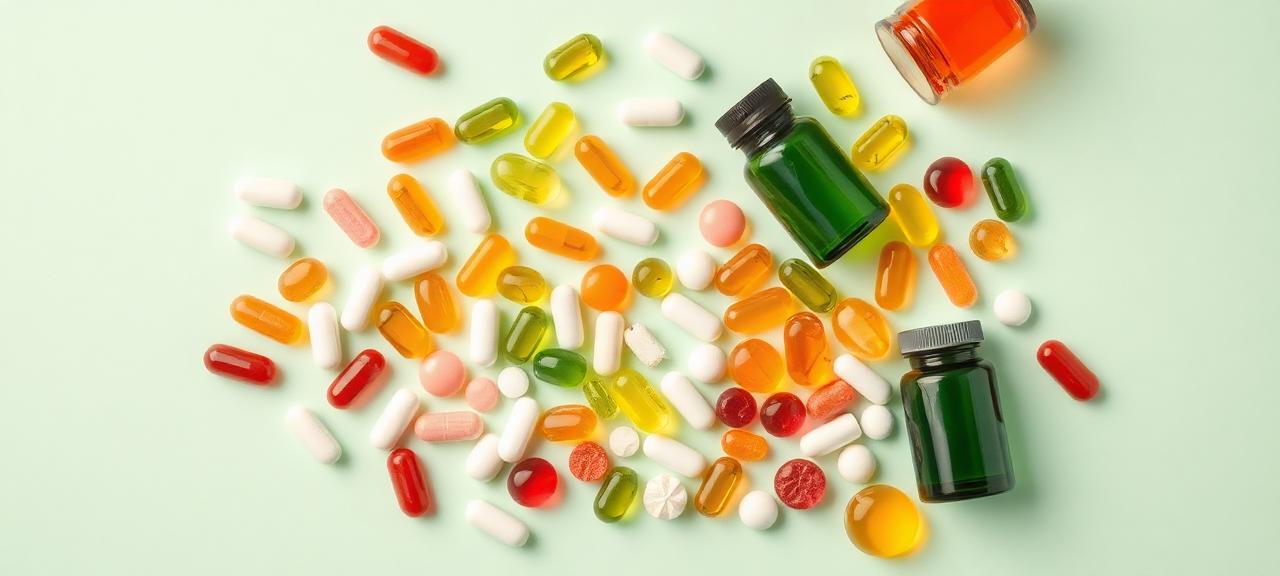
- 1In 2026, “vitamin” no longer means a generic one-a-day. The products selling out fastest are built around forms (methylated, chelated,
- 2D3 remains a top seller, but the fastest-moving listings pair it with vitamin K2, most often MK-7. Shoppers now expect the combo because it feels
- 3Magnesium has shifted from “one SKU” to a form-driven market. In 2026, magnesium glycinate dominates for shoppers who want a gentle option, while
- 4B vitamins are not new, but methylated options are. In 2026, shoppers look for methylfolate (5-MTHF) instead of folic acid and methylcobalamin
Introduction
In 2026, “vitamin” no longer means a generic one-a-day. The products selling out fastest are built around forms (methylated, chelated, microencapsulated), pairings (D3+K2, magnesium + L-theanine, iron + vitamin C), and format (gummies, stick packs, softgels, liquid drops) that fit real routines.
Consumers also got sharper. They read labels, ask where ingredients come from, and notice when a brand hides behind “proprietary blends.” That pushes winning brands to be more specific: the exact magnesium form, the vitamin K2 subtype (MK-7 vs MK-4), and whether the B vitamins are methylated.
From the manufacturing side, the brands growing fastest are the ones that can test demand without betting the company on inventory. At Peakfinity Labs, we see founders win when they launch small-batch SKUs first, validate on Amazon/Shopify, then scale into a full line with consistent specs and compliant claims. The vitamins below are moving because they match how people shop in 2026: faster decisions, higher standards, and products that are ecommerce-ready from day one.
The 12 vitamin & mineral products consumers buy most in 2026 (and why)
Here are the top vitamin and mineral products driving consumer demand in 2026, with insights on what makes each category tick for manufacturers and brand builders.
1) Vitamin D3 + K2 (MK-7): the “pairing” that became a category standard
D3 remains a top seller, but the fastest-moving listings pair it with vitamin K2, most often MK-7. Shoppers now expect the combo because it feels “complete,” and brands can explain it without disease claims: D supports calcium absorption; K supports proper calcium utilization.
Form matters. D3 is fat-soluble, so softgels in oil or liquid drops tend to outperform dry tablets for both consumer preference and perceived effectiveness. MK-7 is popular because it’s commonly dosed in micrograms and fits cleanly into a small capsule or softgel. If you’re building this SKU, see Peakfinity Labs’ Vitamin D3 K2 softgels and our softgel manufacturing options.
2) Magnesium (glycinate and malate): the form-first mineral
Magnesium has shifted from “one SKU” to a form-driven market. In 2026, magnesium glycinate dominates for shoppers who want a gentle option, while magnesium malate often wins for “daytime” positioning.
Brands that disclose the elemental magnesium amount clearly (not just “magnesium glycinate 2,000 mg”) earn trust and reduce returns. From a production standpoint, magnesium powders can be challenging in capsules due to flow and fill weights, so many ecommerce brands choose capsules for premium positioning and stick packs for flavor-forward convenience. For a deeper dive, see our magnesium supplement manufacturing guide and capsule manufacturing capabilities.
3) Methylated B-complex: “energy” without the shaky vibe
B vitamins are not new, but methylated options are. In 2026, shoppers look for methylfolate (5-MTHF) instead of folic acid and methylcobalamin instead of cyanocobalamin. The demand comes from consumers comparing labels on TikTok, Reddit, and Amazon Q&A threads.
For brands, the real differentiator is restraint and clarity: sensible doses, transparent forms, and avoiding a “kitchen sink” formula that drives tablet size and cost. We often advise founders to pick a clear angle—focus, stress, or daily basics—then build the B-complex around that story with compliant structure/function language.
4) Women’s multi with iron bisglycinate: gentle iron is the headline
Women’s multis keep selling, but the iron source has become the callout. Iron bisglycinate is trending because consumers associate it with better tolerance than older, harsher forms.
Smart brands also stop overloading formulas. Instead of stacking every trendy ingredient, they optimize for label readability, tablet/capsule count, and compliance. A practical approach is “core multi + targeted add-on” (for example, a multi plus a separate omega or magnesium) so shoppers can personalize without mega-dosing.
5) Prenatal with methylfolate + choline: upgraded essentials
Prenatals are a high-intent purchase, which makes label decisions more scrutinized. In 2026, consumers commonly search for methylfolate and choline on prenatal panels, and they often compare the exact forms and amounts across brands.
From a manufacturing perspective, prenatals stress-test your supply chain because they use many actives at meaningful doses. Brands that win here lock specs early, build stability into the formula (especially for sensitive vitamins), and choose packaging that protects potency over shelf life.
6) Vitamin C (buffered or liposomal-style positioning): immune support, upgraded
Vitamin C continues to move, but “ascorbic acid 1,000 mg” is no longer the only play. Buffered options (often positioned as gentler) and liposomal-style claims are common in 2026 listings, especially in powders and capsules.
If you’re building a C product, the differentiator is not louder claims—it’s smarter delivery and simpler instructions. Powder sticks with clear flavor and mixability can win on ecommerce because they reduce pill burden and photograph well for ads. If you’re considering powders, Peakfinity Labs’ powder manufacturing can help you choose the right format.
7) Creatine monohydrate (yes, it’s in the vitamin aisle now)
Creatine crossed fully into mainstream wellness. It’s no longer framed only for bodybuilders; in 2026 it’s marketed for strength, training output, and daily performance—without stepping into disease territory.
Contrarian insight from what we see: the best-selling creatines are not always the most exotic. Plain creatine monohydrate in a clean, tested powder format often beats flashy blends because it’s easy to dose, easy to explain, and easy for repeat buys. For an example SKU, see Creatine Monohydrate Private Label.
8) Electrolytes with trace minerals: hydration got “mineralized”
Electrolyte powders and drink mixes remain a breakout format because they fit routines and travel. The 2026 shift is the addition of trace minerals and clear sodium/potassium/magnesium callouts, often alongside low sugar positioning.
From formulation to finished goods, the winners nail taste and clump-free mixing. If you can’t make a stick pack dissolve cleanly in cold water, you will see it in reviews within days. Brands that do pilot runs before scaling protect their rating and ad spend. For a reference product format, see our Hydration Immunity Electrolyte Powder.
9) Zinc + copper: a more mature “immune” stack
Zinc still sells, but shoppers increasingly understand that long-term high-dose zinc without copper is not a great look. In 2026, many brands pair zinc with a small amount of copper to support balance and to show they know what they’re doing.
Good labels also specify the zinc form (like picolinate, citrate, or bisglycinate). This is one of those categories where being precise on the panel boosts trust more than any marketing line on the front.
10) Hair/skin/nails with biotin + silica: beauty from within, still strong
Beauty supplements remain ecommerce-friendly because results are framed as appearance support and routine consistency. In 2026, biotin stays popular, but shoppers also look for supporting ingredients like silica and certain trace minerals.
Packaging matters here. Brands that win invest in high-clarity labels, tight color systems, and unboxing that looks premium on camera. If your product is built for viral, your bottle, closure, and label finish must survive bright lights and close-up shots. For packaging guidance, see Supplement Packaging Label Design.
11) Personalized multivitamin “systems”: packs, subscriptions, and quiz funnels
Personalized multis keep growing because they match how people shop: a quiz, a recommendation, and a subscription that feels tailored. The key is operational: you need a manufacturer and packaging setup that can handle variant complexity without constant delays.
Many brands start with 3–5 “tracks” (for example: everyday, stress, active, women’s, men’s) instead of full 1:1 personalization. That’s scalable, easier to keep compliant, and still feels customized.
12) Calcium + D3 (and sometimes K2): the comeback via better messaging
Calcium products didn’t disappear, but they became more intentional. In 2026, the best movers position calcium around life stage needs and pair it with D3 (and sometimes K2) for a more complete story.
From a practical standpoint, calcium can drive large serving sizes. Brands often win by choosing the right format (chews, powders, or split-dose capsules) and by being transparent about serving size so customers don’t feel tricked after purchase.
What’s really driving “flying off the shelf” sales in 2026 (beyond the ingredient list)
We see three forces behind the velocity:
- Form transparency: Shoppers reward labels that state the exact form (methylfolate, magnesium glycinate, MK-7) and the exact amount per serving.
- Absorption-aware design: Brands explain fat-soluble vitamins, chelation, and pairings in plain language—then choose formats that match.
- Ecommerce execution: The product ships well, stays stable, looks good on camera, and avoids claim issues that can trigger ad or marketplace problems.
Synthetic vs food-based vitamins: what consumers think vs what matters
Consumers often assume “food-based” automatically means better. The more useful question is: Is the ingredient standardized, stable, and dosed correctly? Some food-derived materials vary batch to batch, which can make tight specs harder.
We’re practical about this: we choose forms based on stability, compliance, and what you can consistently source at scale. If a brand wants food-based positioning, we push for documentation (identity, heavy metals, microbes) and realistic lead times so launches don’t slip.
Absorption and dosing: the details that separate winning labels
Why some vitamins need fat
Vitamins A, D, E, and K are fat-soluble. Consumers increasingly look for softgels in oil or clear directions like “take with a meal that contains fat.”
What “chelated” minerals mean (and why shoppers pay more)
Chelation bonds a mineral to an amino acid (like glycine), which can improve tolerance for some people and helps brands tell a clear quality story. It also makes label comparison easier: “bisglycinate” signals a specific form versus a generic “mineral blend.”
Methylated vs standard B vitamins
Methylated forms are popular because shoppers believe they’re easier to use, especially for folate and B12. For brands, the decision often comes down to your audience and dose strategy: methylated can justify premium positioning, but you still need sensible amounts and clean excipients.
How brands keep vitamins potent over shelf life (the unsexy part that protects reviews)
Vitamins degrade from heat, light, moisture, and oxygen. The brands with the lowest return rates build stability into the plan early: choose stable forms, control moisture in manufacturing, and pick packaging that matches the formula.
Real-world example: if you run hygroscopic minerals in capsules without the right process controls, you can see clumping and soft capsules in humid seasons. For ecommerce brands shipping across the US, that becomes a review problem fast.
RDA and upper limits: how smart brands dose without creating compliance risk
High doses can sell, but they can also create label and safety headaches. Winning formulas in 2026 tend to be high-intent, not high-noise: they target meaningful amounts, respect tolerable upper intake levels where relevant, and avoid stacking multiples of the same nutrient across a line.
For reference, the NIH Office of Dietary Supplements maintains fact sheets that include RDAs and upper limits by nutrient (use these when setting guardrails in formulation): https://ods.od.nih.gov/factsheets/list-all/.
Quick comparison table: forms that sell vs forms that struggle in 2026
| Nutrient | Forms that are trending (2026) | Why they sell | Forms that face more pushback |
|---|---|---|---|
| Vitamin D | D3 in oil softgel or liquid drops | Fat-soluble logic is easy to explain; premium feel | Dry high-dose tablets without guidance |
| Vitamin K | K2 (MK-7) | Clear subtype callout; pairs cleanly with D3 | Unspecified “vitamin K” |
| Folate | 5-MTHF (methylfolate) | Consumer-led demand and label literacy | Folic acid (when brand wants premium positioning) |
| Magnesium | Glycinate, malate | Form-first shopping; better tolerance perception | Unspecified “magnesium” or only oxide in premium SKUs |
| Iron | Bisglycinate | “Gentle” positioning; popular in women’s products | Ferrous sulfate (common, but less loved by consumers) |
| Zinc | Picolinate/citrate + small copper add | More informed immune shoppers; balance story | High-dose zinc alone for long-term daily use |
Biggest multivitamin myths we see in 2026
- Myth: “More ingredients means a better multi.” Reality: More ingredients often means smaller doses, larger tablets, and higher risk of stability issues.
- Myth: “Food-based always absorbs better.” Reality: Standardization, dosing, and form selection usually matter more than the marketing term.
- Myth: “If it’s on the label, it stays that potent forever.” Reality: Shelf-life stability depends on forms, process controls, and packaging.
How to market vitamins and mineral blends without disease claims
The fastest-growing brands keep claims tight and compliant. They use structure/function language like “supports energy metabolism” or “supports bone health,” and they avoid naming diseases or implying treatment.
A practical rule we use: if your ad creative would make a marketplace reviewer ask “is this a drug claim?”, rewrite it. Clear supplement facts, transparent forms, and simple usage directions do more for conversion than risky claims. (Related: Understanding Supplement Labels: Key Benefits for Consumer Trust.)
For FDA context on dietary supplement labeling and claims, review FDA’s dietary supplement resources: https://www.fda.gov/food/dietary-supplements.
What to look for in a vitamin manufacturer (especially for new brands)
If you’re launching in 2026, your manufacturer is part of your growth strategy. Look for a partner that can do fast, turnkey launches and still hold the line on quality and documentation. (More detail: vitamin manufacturing.)
| What to verify | Why it matters | What “good” looks like |
|---|---|---|
| GMP & ISO certifications | Reduces quality and compliance risk | GMP-certified and ISO-certified facilities with audit-ready records |
| Low MOQ options | Lets you test demand before scaling | Low MOQ and small-batch pilot runs with a clear scale-up path |
| Turnaround time | Matches ecommerce launch windows | Realistic timelines and proactive updates (we target 3–4 weeks from formulation to finished goods) |
| Specs + COAs + contaminant testing | Protects your brand on Amazon/Shopify | Clear specs, lot-level COAs, heavy metals/micro testing where appropriate |
| Packaging + labeling + compliance support | Prevents costly reprints and listing issues | Turnkey support that checks Supplement Facts, warnings, and claim language |
| Confidentiality/IP process | Reduces formulation transition anxiety | NDA workflow, controlled access to formulas, documented change control |
Summary: our top picks if you’re building a vitamin brand for 2026
If you want the best odds of fast traction, pick a proven demand SKU and differentiate with form, format, and clarity. Based on what we see moving fastest, these are the strongest starting points:
- D3 + K2 (MK-7) in oil softgels or drops
- Magnesium glycinate (and/or malate) with clear elemental dosing
- Methylated B-complex with methylfolate + methylcobalamin
- Women’s multi with iron bisglycinate (or a standalone gentle iron)
- Electrolyte stick packs with trace minerals and great taste
Conclusion & next steps
The vitamins flying off shelves in 2026 win because they’re built the way people shop now: clear forms, sensible dosing, absorption-aware formats, and packaging that performs on ecommerce. Brands that ship fast and stay compliant take the market share while others wait on perfect plans.
If you’re launching or reformulating, the lowest-risk move is a small-batch run that proves demand, then a scale plan that holds the same specs as volume grows. Peakfinity Labs supports low MOQ, fast 3–4 week turnaround, and turnkey production in GMP-certified and ISO-certified facilities—plus packaging, labeling, and compliance support designed for Amazon and Shopify timelines. If you’re estimating budgets and quantities, see How Much Does a Small Run of Vitamins Cost? MOQ, Budget, and Low-Capital Launch Options and our Low-MOQ Supplement and Skincare Manufacturing FAQ for Shopify, Amazon, and D2C Founders.
Frequently Asked Questions
Is the ingredient standardized, stable, and dosed correctly?
Standardization, stability, and correct dosing matter because some food-derived materials vary batch-to-batch; choose forms that are stable, compliant, and consistently sourced, and require documentation (specifications and lot-level COAs, plus contaminant testing) to ensure potency and safety.
What are the most popular vitamins consumers buy in 2026?
Top sellers include vitamin D3 paired with K2 (MK-7), magnesium (glycinate and malate), methylated B-complex (5-MTHF and methylcobalamin), vitamin C (buffered or liposomal-style), women’s multis with iron bisglycinate, and prenatals with methylfolate + choline; shoppers prioritize specific forms and ecommerce-ready formats.
What’s the difference between synthetic and food-based vitamins?
Synthetic vitamins are produced via chemical or fermentation processes, while food-based vitamins come from concentrated food materials or cultured media. Both can be effective when properly standardized and dosed, so documentation and consistency (specs and COAs) matter more than the marketing term.
Why do some vitamins need to be taken with fat for absorption?
Vitamins A, D, E, and K are fat-soluble and absorb better when taken with dietary fat; manufacturers often use oil softgels or liquid drops and include instructions like “take with food” to improve absorption.
What is a chelated mineral form, and why does it matter?
A chelated mineral is bonded to an amino acid (for example, bisglycinate is bound to glycine). Chelation can improve tolerance for some people and gives a clear, specific form on labels, which helps consumers compare quality.
Why is vitamin D3 paired with K2 in so many products?
D3 supports calcium absorption and K2 supports proper calcium utilization, so pairing them provides a simple, compliant bone/heart support story; brands typically specify K2 as MK-7 and use oil softgels or drops to match fat-soluble absorption.
Ready-to-Launch Formulations in This Category
Stock-ready formulations you can private label with your own branding — 2,000 unit MOQ.
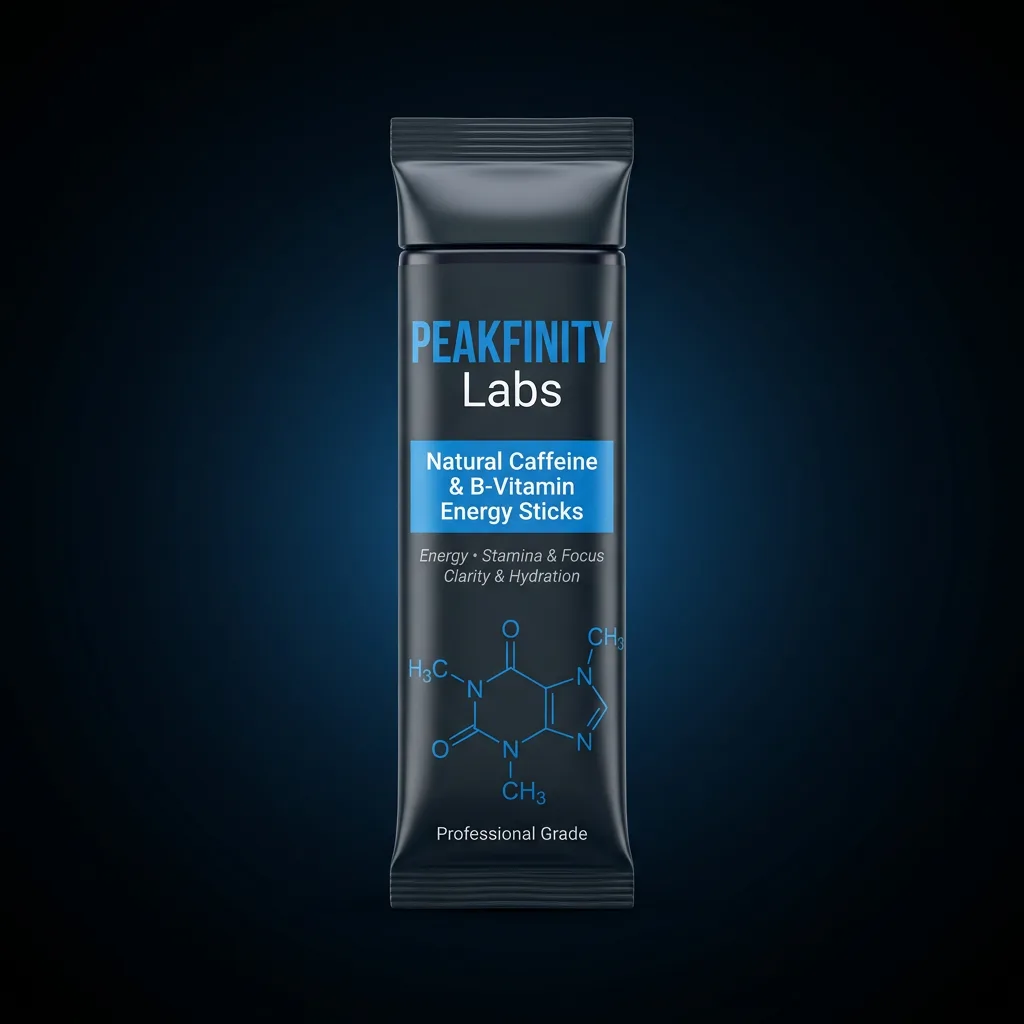
Natural Caffeine & B-Vitamin Energy Sticks
Energy Focus · Powder Stick
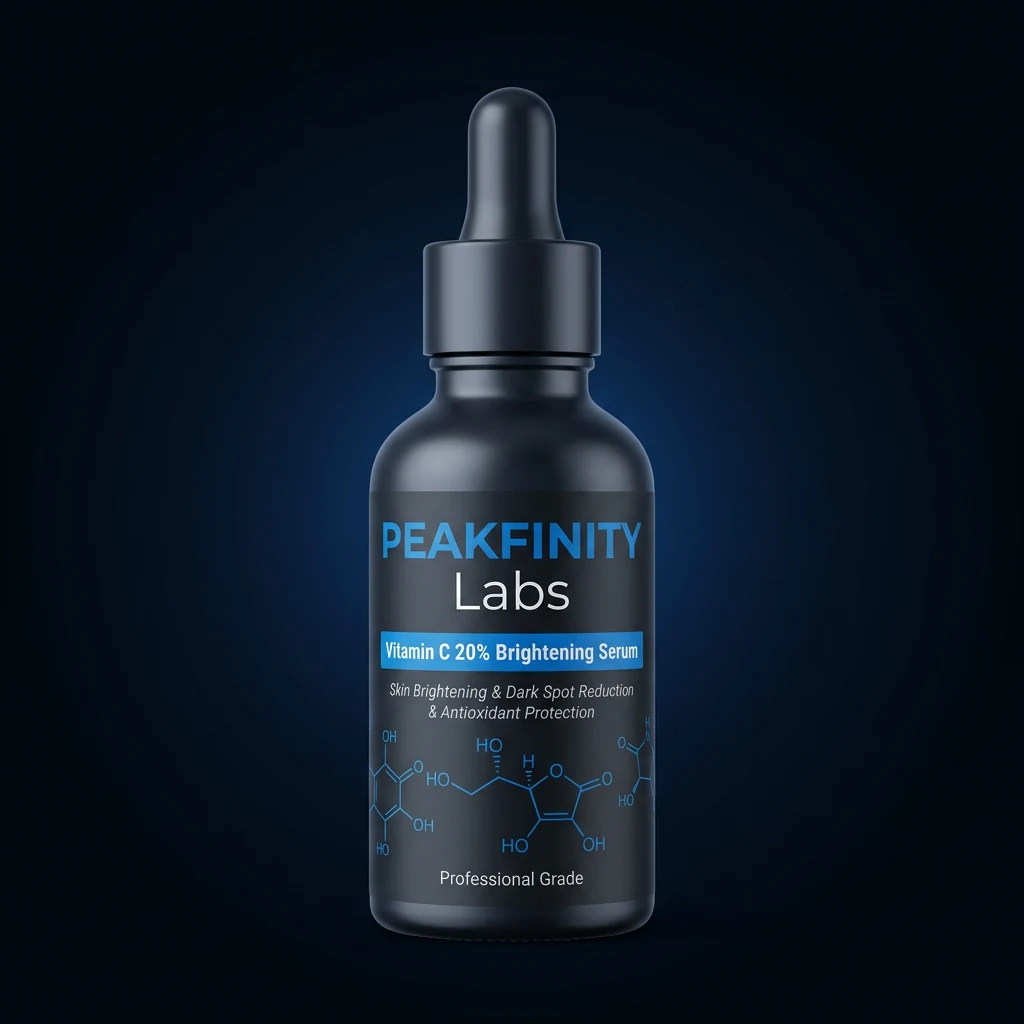
Vitamin C 20% Brightening Serum
Facial Serums · Liquid
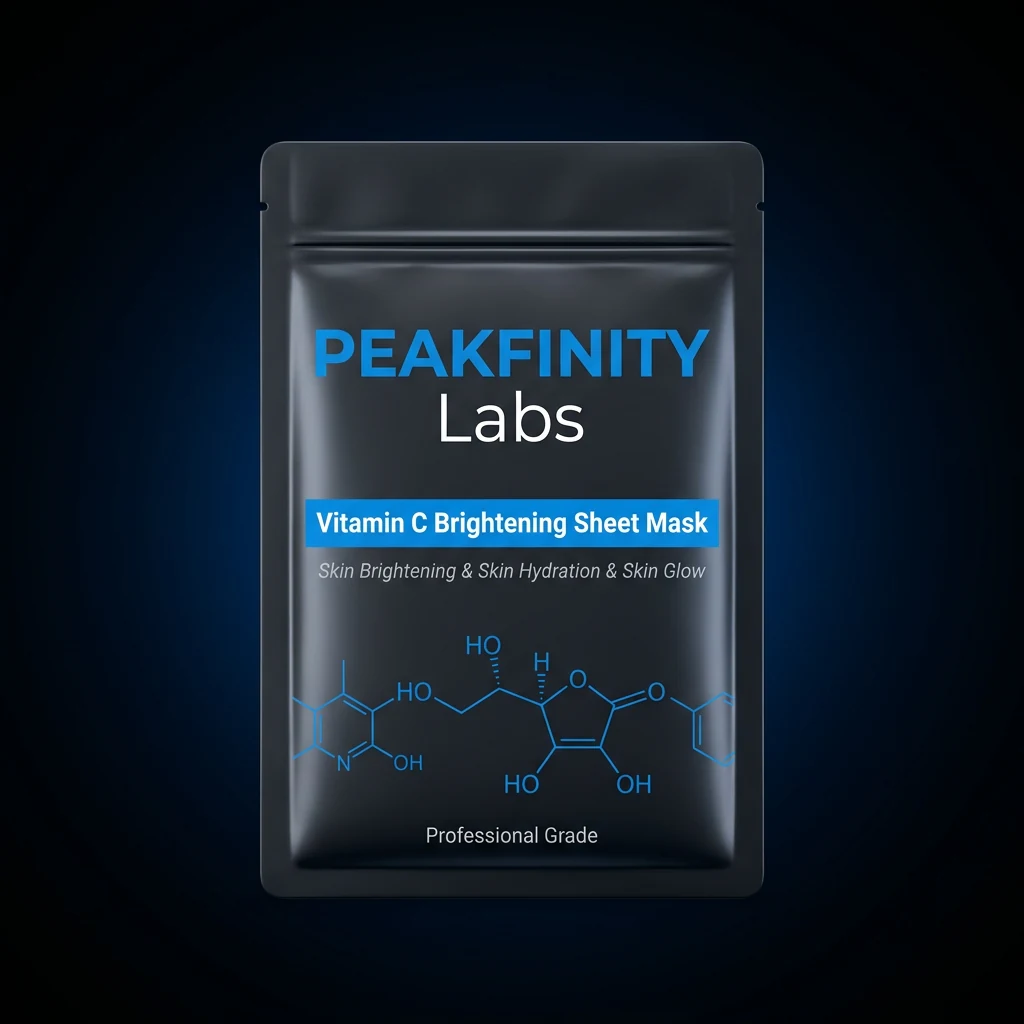
Vitamin C Brightening Sheet Mask
Facial Masks · Topical
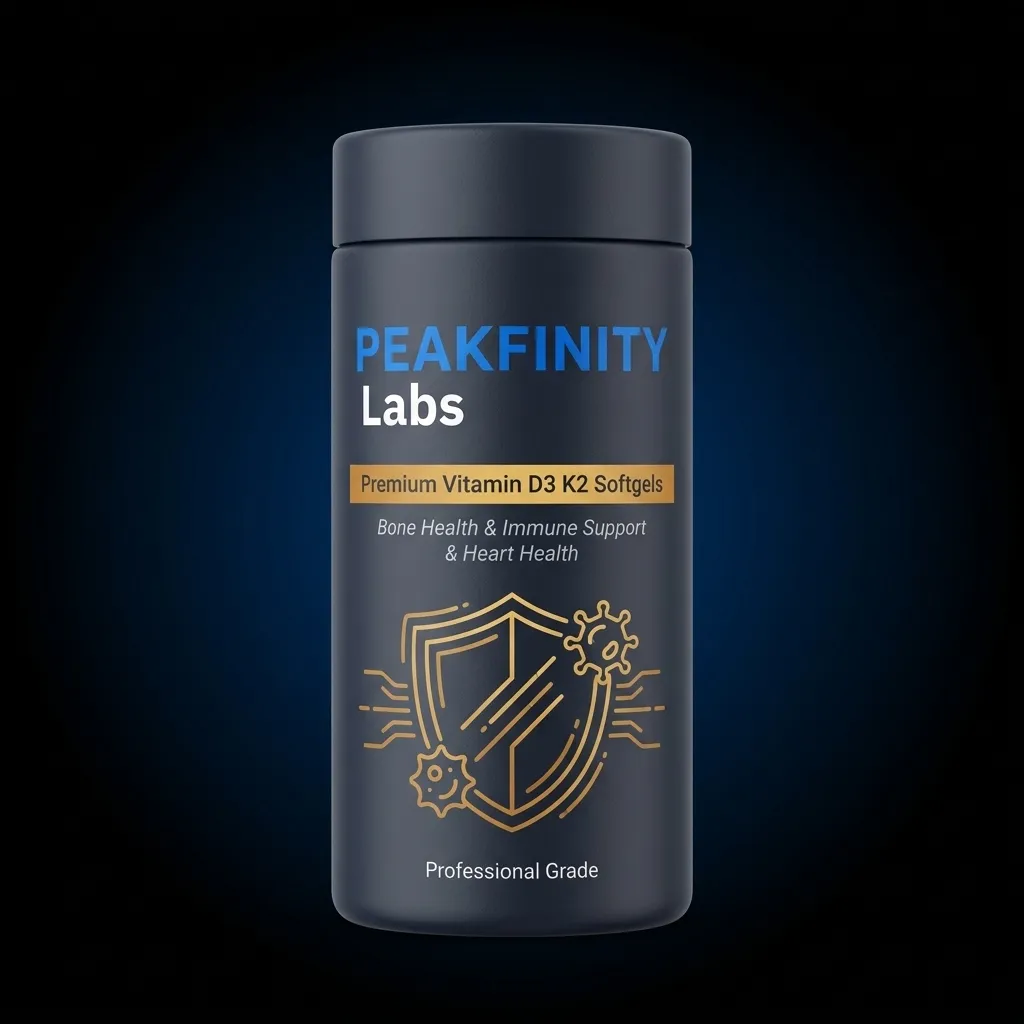
Premium Vitamin D3 K2 Softgels
Immunity · Softgels

Tushar
Licensed Pharmacist and COO @ Peakfinity Labs
Written by the Peakfinity Labs R&D Team — 46+ years of supplement formulation expertise. Our team of formulation chemists, manufacturing specialists, and regulatory experts has helped thousands of eCommerce brands bring their products to market successfully since 1980.
Related Articles

How to Find an ISO 17025-Accredited Supplement Testing Lab, and What Founders Should Ask For
How to verify a lab's ISO/IEC 17025 scope actually covers your test, the questions to ask before shipping samples, and a testing plan built for ecommerce timelines.
Supplement Manufacturing Lead Times and Reorders: What Founders Should Expect Before and After Launch
The five workstreams hiding inside "lead time," why reorders move faster than first runs, and the ramp plan that survives a demand spike.
How to Vet a cGMP Supplement Manufacturer With Documented Audit History
The document pack, audit-history call script, and scoring rubric that separate real cGMP quality systems from certificate PDFs.