Custom Supplement Formulas Without Science
6 steps non-scientists use to launch supplements: tight briefs, low-MOQ tests, GMP/ISO contract partners, IP protection tactics, and ecommerce-ready packaging.

- 1You do not need a lab coat to build a real supplement or skincare product. You need a clear product goal, a manufacturer that can translate that goal
- 2Yes—if you treat formulation like product management, not chemistry. Your job is to define the outcome, user, format, and constraints. Your
- 3If you want a manufacturer to turn your idea into a real formula, do not start with a long ingredient list from TikTok. Start with a one-page brief
- 4“Custom” can mean two different things: a truly new formula, or a modified base that fits your positioning. The best choice depends on your goal:
- 5You can get very specific—but specificity must match the format and manufacturing reality. The biggest limits are serving size, ingredient
Introduction
You do not need a lab coat to build a real supplement or skincare product. You need a clear product goal, a manufacturer that can translate that goal into a compliant formula, and a process that protects your timeline and your IP.
Most first-time founders get stuck in the same places: “Which ingredients actually work?”, “How do I avoid claims that get me in trouble?”, “Will a manufacturer ghost me after I send my idea?”, and “How do I launch fast without betting my savings on inventory?” Those are valid worries—especially if you plan to sell online where reviews, unboxing, and fulfillment speed decide winners.
This guide breaks down how non-scientists build custom formulas the same way experienced operators do: by starting with a tight product brief, using low MOQ small-batch runs to test, and choosing a GMP-certified and ISO-certified partner that can manage formulation, packaging, labeling, and compliance. We’ll also share the practical decisions we see separate smooth launches from stressful ones, including how to match formulation to marketing claims and how to plan for a reformulation after your first batch.
Can you create a custom formula without a science background?
Yes—if you treat formulation like product management, not chemistry. Your job is to define the outcome, user, format, and constraints. Your manufacturer’s job is to handle feasibility, stability, sourcing, and compliant labeling.
In real projects, founders who move fast do three things well:
- They write a specific product brief. Not “a fat burner,” but “a caffeine-free daily capsule for appetite support that won’t cause nausea, designed for women who already take a multivitamin.”
- They accept tradeoffs early. Gummies are fun, but they limit doses; powders can hit higher active levels; capsules simplify taste and stability.
- They choose a partner that owns the full workflow. If formulation, packaging, and compliance are split across vendors, timelines slip and accountability gets blurry.
At Peakfinity Labs, we’re set up for fast, turnkey launches with low MOQ small-batch runs and 3–4 week turnaround from formulation to finished goods (scope dependent). That speed matters when you’re syncing to ecommerce creative shoots, influencer drops, or seasonal demand.
Where to start (the non-scientist’s brief template)
If you want a manufacturer to turn your idea into a real formula, do not start with a long ingredient list from TikTok. Start with a one-page brief that makes decisions easy.
A simple product brief that gets you accurate quotes and faster R&D
- Category: supplement (capsule/powder/gummy/liquid) or skincare (serum/cream/cleanser/mask)
- Target user: age range, lifestyle, sensitivities, dietary preferences
- Primary outcome: 1–2 benefits you want to support (not 6)
- Constraints: caffeine-free, vegan, allergen notes, fragrance-free, color-free, etc.
- Competitive set: 3 products you want to beat and why (price, dose, taste, texture, packaging)
- Format + serving: capsules per day, scoop size, pump amount
- Target cost range: what you need for margin after ads and fulfillment
- Brand positioning: premium, clinical, minimalist, athlete, beauty-from-within
- Launch date: and what must be ready (labels, cartons, inserts, photography samples)
Brand-specific insight: We see more delays from unclear “feel” requirements than from ingredient sourcing. If you’re building skincare, define texture targets (slip, finish, absorption) up front. If you’re building supplements, define swallow size, taste tolerance, and whether you can accept common processing aids (some founders cannot).
Stock formula vs. custom formula: what we recommend and when
“Custom” can mean two different things: a truly new formula, or a modified base that fits your positioning. The best choice depends on your goal: speed, differentiation, or clinical-level uniqueness.
| Option | Best for | Pros | Tradeoffs | Our verdict |
|---|---|---|---|---|
| Stock formula | Fast market entry, testing demand | Shortest dev time; fewer unknowns | Harder to stand out; competitors may have similar formulas | Use it only if you need speed above all. |
| Custom “plus” (modify a base) | Brands that want differentiation without long R&D | Fast; practical uniqueness; easier stability | You must choose what to change (dose, format, flavor, hero actives) | Best default for ecommerce brands. |
| Fully custom formula | Hero product strategy, IP positioning | Maximum control and story | More testing; higher risk of delays if specs change late | Worth it when you have clear differentiation and budget for iteration. |
Contrarian take: If you are early-stage, “fully custom” is not always the smart move. A custom base + 1–2 meaningful improvements often outperforms an overly complex ingredient list—because it ships faster, costs less, and reads clearer on a product page.
How specific can you get with custom supplement formulations?
You can get very specific—but specificity must match the format and manufacturing reality. The biggest limits are serving size, ingredient compatibility, taste, and label space.
- Capsules: Great for bitter actives and precise dosing; limited by capsule size and number per serving.
- Powders: Best for higher dosages; taste and solubility become the main battle.
- Gummies: Strong for conversion and compliance; lower active capacity and more stability constraints.
- Liquids: Fast absorption story; stability and preservation are critical.
We recommend setting “non-negotiables” and “flex zones.” For example, keep your hero active and flavor profile fixed, but let the manufacturer adjust supportive ingredients to hit flow, fill, and stability targets.
How long does it take to develop a custom skincare formulation?
Skincare timelines depend on the texture you want, the actives you choose, and how many rounds of revisions you expect. A practical way to think about it:
- Fast path: If you choose a familiar format (like a simple niacinamide serum) and you approve quickly, development can move fast.
- Normal path: Most custom skincare takes multiple iterations because sensory feel matters as much as performance.
- Long path: Complex emulsions, fragrance-free constraints, unusual actives, or compatibility challenges add time.
At Peakfinity Labs, our goal is a 3–4 week turnaround from formulation to finished goods for many projects once scope is clear and components are aligned. The key is locking packaging early—especially pumps, droppers, and jars—because the product and the package must work together (viscosity, wiper fit, oxygen exposure, and user experience).
What support you should expect from a manufacturer (and what to ask)
A manufacturer should not just “make the product.” They should run a repeatable process that protects quality, timelines, and compliance.
| Need | What good support looks like | What to ask before you sign |
|---|---|---|
| Formulation | Clear feasibility feedback, options by cost and dose, revision control | “How many revision rounds are included, and what triggers extra cost or time?” |
| Compliance | Label review support, ingredient statement accuracy, claim guardrails | “Will you flag claims that don’t match the formula or regulations?” |
| Packaging & labeling | Ecommerce-ready dielines, scannable panels, barcode/lot/expiry workflows | “Do you manage label printing and application, and can you do variable data?” |
| Quality | GMP-certified processes, ISO-certified systems, COAs and lot traceability | “What tests do you run, and what documentation comes with each batch?” |
| Scale | Low MOQ now, scalable capacity later without redoing everything | “If this goes viral, what changes at 1,000 vs 10,000 units?” |
Matching formulation to marketing claims (without getting burned)
This is where many brands lose time—or worse, trigger compliance risk. You should build your claims from what the formula can support, not the other way around.
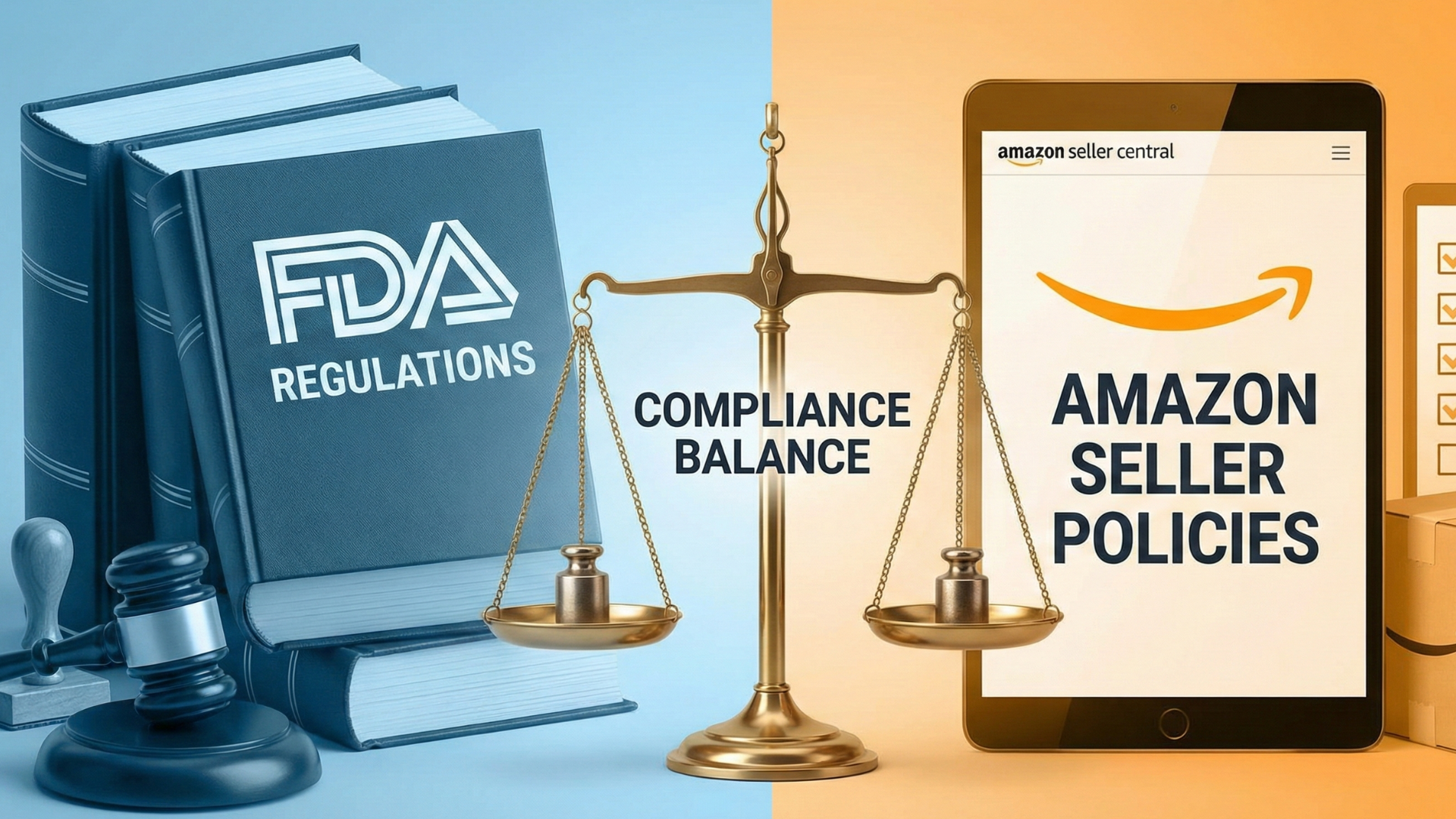
For supplements in the U.S., structure/function claims must be truthful and not imply disease treatment. The FDA provides guidance on dietary supplement labeling and claims. See: FDA Dietary Supplements.
Practical rules we follow with ecommerce brands:
- One hero promise per product page. If you stack 6 promises, customers and regulators both get skeptical.
- Use ingredient-level substantiation. If your hero ingredient is under-dosed, your strongest ad angle becomes fragile.
- Write claims in plain language. “Supports calm focus” is safer and clearer than technical jargon that reads like a medical claim.
- Align name, label, and ads. If your product is called “Sleep Knockout,” your copy will drift into risky territory.
Brand-specific insight: We often recommend choosing a “claim lane” before you choose the final format. Example: if you need a high dose that must be shown clearly on the Supplement Facts panel, powders usually give you more room than gummies without inflating serving counts.
Fast, low-risk product development: the small-batch approach
Low MOQ production changes how you should build products. Instead of trying to perfect everything before launch, you can ship a strong first version, gather feedback, and improve.
A reliable small-batch plan looks like this:
- Batch 1 (validation): Low MOQ, ecommerce-ready packaging, tight SKU count (1–2 SKUs), focus on reviews and retention.
- Batch 2 (optimization): Adjust dose, flavor, or texture based on return reasons and customer support tickets.
- Batch 3 (scale): Lock specs, negotiate better component pricing, prepare for larger POs.
This approach reduces upfront inventory risk and makes your timeline more predictable. It also keeps your brand agile—especially when platforms change ad policies or a competitor copies your positioning.
What if you want to reformulate after the first batch?
You should plan for it. Most winning ecommerce products are not “one and done.” They improve after real customers use them.
To make reformulation painless:
- Track versioning. Keep a clear internal name like “V1.0” and document what changed.
- Separate must-haves from nice-to-haves. Change one major variable at a time (dose or flavor or format) so you can measure impact.
- Protect supply chain continuity. If you switch to rare ingredients, you may create stockouts later.
- Update claims and labels together. Do not keep old ad copy if the formula changes.
Real-world detail: The most common reformulation triggers we see are taste (powders), capsule count per serving (capsules), and texture drag/pilling (skincare under makeup). If you anticipate those risks early, your first version can avoid obvious pitfalls.
Can a manufacturer help design packaging that converts well online?
Yes—but only if they understand ecommerce constraints, not just print specs. Ecommerce-ready packaging is designed for thumbnails, unboxing, and warehouse handling.
What “converts well online” usually means in practice:
- Front label hierarchy: readable product name + hero benefit in a 2-second glance
- High-contrast design: so it works in Amazon search and mobile PDPs
- Barcode + lot/expiry placement: scannable for 3PLs and retailers
- Shipper-safe components: droppers, pumps, and caps that survive transit
- Compliant panels: Supplement Facts / INCI, warnings, directions, and net contents
Because Peakfinity Labs supports packaging, labeling, and compliance as part of a turnkey workflow, we can help you avoid a common ecommerce failure: beautiful design that cannot be applied cleanly at production speed, or labels that leave no room for variable lot coding. (For a deeper breakdown, see supplement packaging and label design.)
How to protect your formula from being copied (and reduce IP risk)
You cannot fully “copyright” an ingredient list, and competitors can often reverse-engineer popular products. But you can still protect what matters: your working relationships, your process, your supplier network, and your brand execution.
Here are practical protections founders can actually use:
- NDA + access control: Share your full spec only with people who must have it.
- Own your branding assets: Trademark your brand and product names where appropriate.
- Build defensibility in execution: Packaging, positioning, and customer experience are harder to copy than “10 ingredients.”
- Create a spec that is hard to match: unique flavor system, texture targets, or a tight dose strategy that fits your serving size and cost model.
Customer anxiety, addressed directly: If you’re transitioning formulas or moving manufacturers, insist on clear confidentiality terms and written controls for who can access your formula files. A trustworthy partner will have a standard process for this and will not treat it as an unusual request.
Choosing a manufacturer that can turn your idea into a real formula
If your top fear is reliability, your selection criteria should go beyond price. Look for operational signals that correlate with on-time delivery and consistent quality.
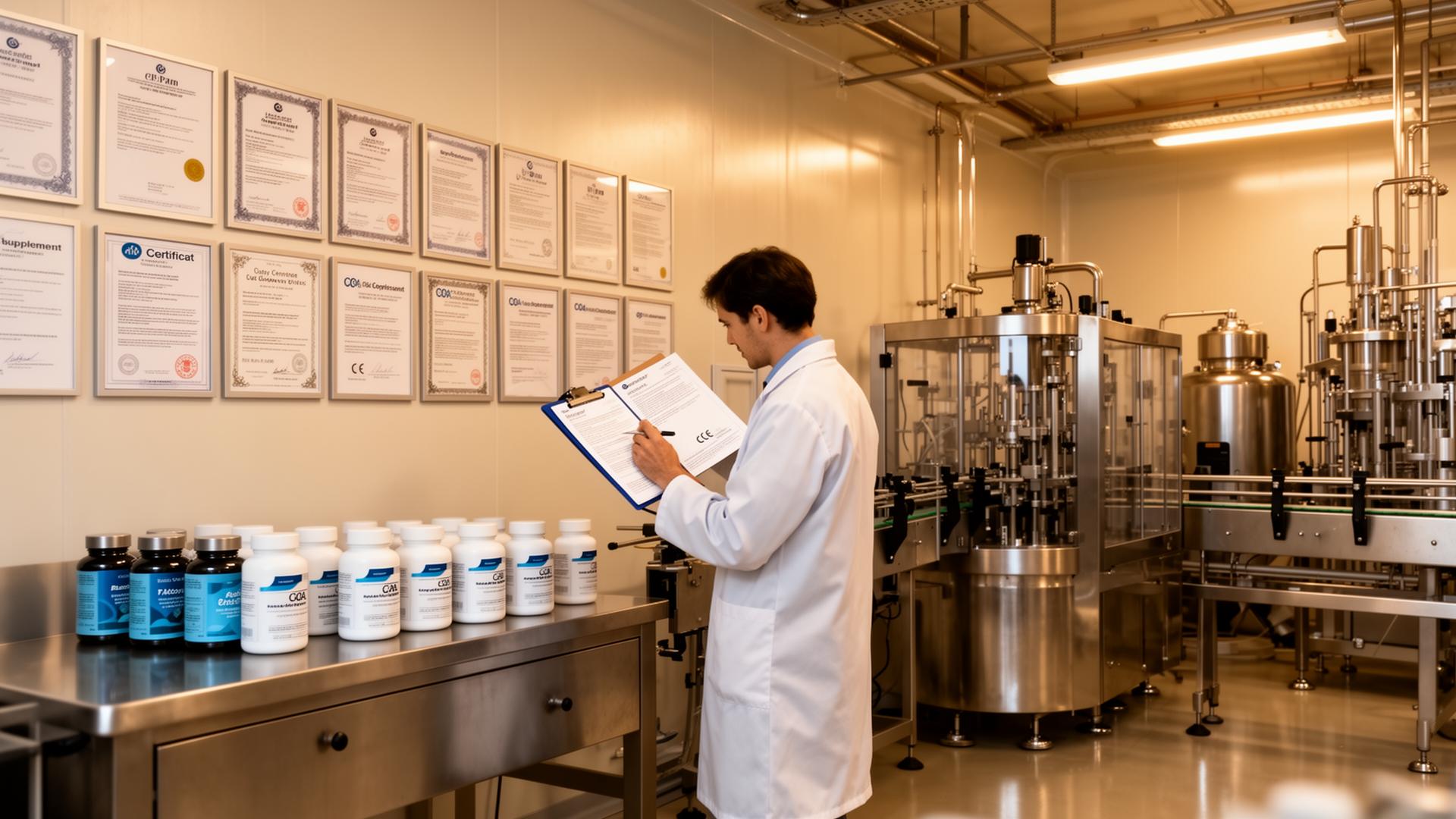
- Certifications: GMP-certified supplement manufacturing and ISO-certified systems
- Documentation: batch records, COAs, lot traceability, clear change control
- Clear timelines: written milestones from brief to samples to finished goods
- Turnkey scope: formulation + packaging + labeling + compliance support
- Low MOQ + scalable capacity: small-batch now, growth-ready later
Peakfinity Labs is built for brands that need to launch fast, stay compliant, and scale without redoing everything. Our process is designed for ecommerce timelines, and our low MOQ model helps you test without locking cash into inventory.
Conclusion: a practical path to your first custom batch
You can build a custom supplement or skincare product without science expertise if you run a clear process: write a tight brief, choose the right format, lock packaging early, and work with a compliant manufacturer that can execute end to end.
Next steps:
- Write your one-page brief using the template above.
- Decide your first-batch strategy (stock, custom “plus,” or fully custom) based on speed vs differentiation.
- Plan a low MOQ small-batch run so you can validate demand with low inventory risk (see low-MOQ supplement manufacturing FAQs and how much a small run of vitamins costs).
- Build your claims from the formula and keep one clear hero promise for ecommerce.
If you want a fast, turnkey path from concept to ecommerce-ready finished goods, Peakfinity Labs can support custom formulation, packaging, labeling, and compliance inside GMP-certified and ISO-certified manufacturing systems—with low MOQ options and scalable capacity for when your product takes off.
Frequently Asked Questions
Can I create a custom supplement formula without a science background?
A science background helps but is not required. A qualified GMP-certified manufacturer can translate a clear one-page brief (target user, format, serving size, benefits, constraints, cost) into a feasible, compliant formula so you can move to small-batch production without becoming an ingredient expert.
How long does it take to develop a custom skincare formulation?
Timelines depend on formula complexity and revision rounds, but many projects can move from formulation to finished goods in about 3–4 weeks once scope and packaging are locked. Sensory targets like texture, finish, and fragrance-free requirements often add iteration time.
What manufacturer will help me turn my product idea into a real formula?
The right manufacturer offers turnkey product development—custom formulation, packaging, labeling, and compliance—within a GMP-certified and ISO-certified quality system. Ask for a written timeline, batch documentation (COAs, lot traceability), and clear revision and change-control processes.
How do I make sure my formulation matches my marketing claims?
Build claims from what the final formula can truthfully support and review label and ad copy against that formula before printing or launching ads. For supplements, avoid implying disease treatment, use ingredient-level substantiation and doses, pick one primary benefit per product page, and have your manufacturer flag risky claim language.
Can I protect my supplement formula from being copied?
You cannot fully prevent replication of ingredient lists, but you can reduce risk with confidentiality controls (NDAs, limited access), trademarks, defensible execution (unique packaging, texture, flavor systems), strong supplier relationships, and written confidentiality terms when switching manufacturers.

Tushar
Licensed Pharmacist and COO @ Peakfinity Labs
Written by the Peakfinity Labs R&D Team — 46+ years of supplement formulation expertise. Our team of formulation chemists, manufacturing specialists, and regulatory experts has helped thousands of eCommerce brands bring their products to market successfully since 1980.
Related Articles
How to Find an ISO 17025-Accredited Supplement Testing Lab, and What Founders Should Ask For
How to verify a lab's ISO/IEC 17025 scope actually covers your test, the questions to ask before shipping samples, and a testing plan built for ecommerce timelines.
Supplement Manufacturing Lead Times and Reorders: What Founders Should Expect Before and After Launch
The five workstreams hiding inside "lead time," why reorders move faster than first runs, and the ramp plan that survives a demand spike.
How to Vet a cGMP Supplement Manufacturer With Documented Audit History
The document pack, audit-history call script, and scoring rubric that separate real cGMP quality systems from certificate PDFs.