Tincture vs Liquid Supplement: Key Differences Explained
We break down 7 manufacturing tradeoffs—solvent, dose, flavor, shelf life, and hot-fill vs cold-fill—to help supplement brands pick the right liquid format fast.
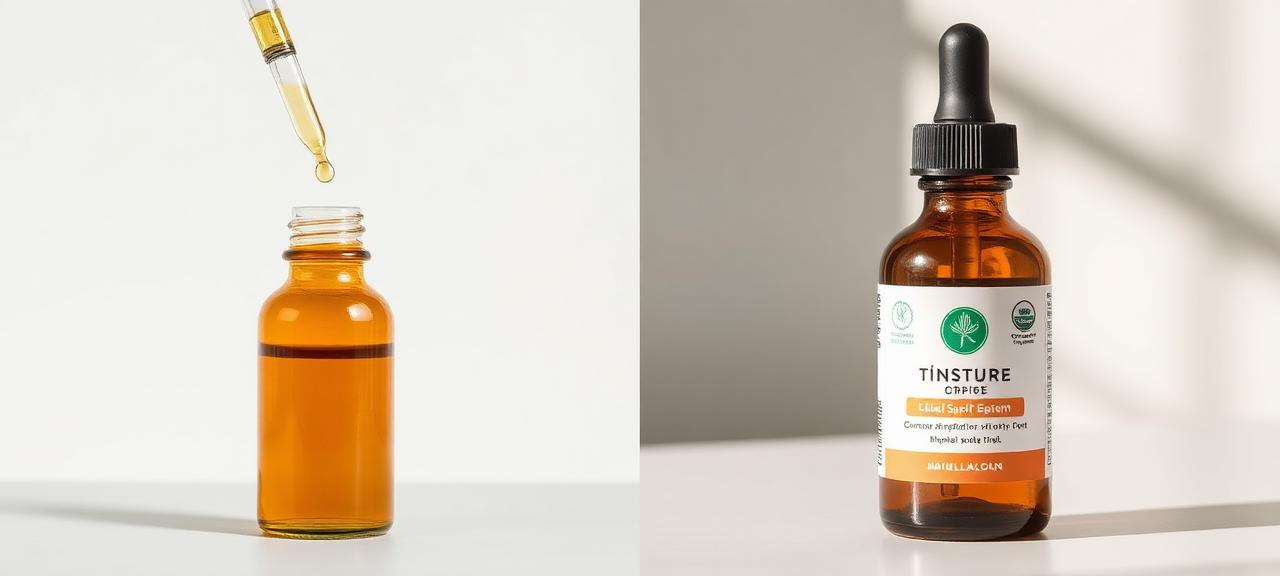
- 1If you’re building a supplement or functional beverage brand, “tincture” and “liquid supplement” can sound like the same thing: an active ingredient
- 2Tincture usually means a concentrated botanical extract made with ethanol (alcohol) or an alcohol-water blend. It’s commonly sold in a dropper bottle
- 3In practice, people use the terms interchangeably, but manufacturing teams often separate them by intent and
- 4Functional beverages keep growing because they combine habit (people already drink something daily) with perceived immediacy (liquid formats “feel”
- 5Liquids can support faster dissolution than some solid formats, but “more bioavailable” is not a free claim. Regulators and platforms scrutinize
Introduction
If you’re building a supplement or functional beverage brand, “tincture” and “liquid supplement” can sound like the same thing: an active ingredient in a bottle that customers drink or drop under the tongue. In manufacturing, they’re not the same—and picking the wrong format can create avoidable problems with shelf life, flavor, labeling, and even which filling line you can use.
The main difference comes down to the solvent system (what the actives are dissolved in), the dose size, and the preservation strategy. Tinctures are typically alcohol-based extracts used in small doses (drops to 1 mL). Liquid supplements are usually water-based (or water/glycerin/oil emulsions) used in larger doses (5–30 mL) and often need a more engineered approach to stability and microbial control.
At Peakfinity Labs, we see brands lose months by treating a tincture like a beverage—or trying to make a “clean label” water-based liquid with no real preservation plan. This guide breaks down the practical differences, how shelf-stable liquids are actually manufactured (hot-fill vs cold-fill), and how to choose a format that fits your ecommerce timeline and low-inventory launch plan.
Tincture vs liquid supplement: the simplest definition
Tincture usually means a concentrated botanical extract made with ethanol (alcohol) or an alcohol-water blend. It’s commonly sold in a dropper bottle and dosed by drops or droppers.
Liquid supplement is a broader category: any dietary supplement delivered as a liquid (shots, syrups, droppers, drink mixes in liquid form). These formulas are often water-based, sometimes glycerin-based, or built as emulsions for oil-soluble actives (like certain vitamins or cannabinoids where legal).
| Feature | Tincture | Liquid supplement |
|---|---|---|
| Typical solvent | Ethanol or ethanol/water | Water, glycerin, oils, emulsions |
| Typical serving size | 0.5–2 mL | 5–30 mL (shots often 50–90 mL) |
| Preservation approach | Alcohol content + low water activity | pH control, preservatives, hot-fill, aseptic steps, or hurdles |
| Flavor intensity | Strong (herbal + alcohol bite) | Engineered flavor system; can be “drinkable” |
| Packaging common | Amber dropper bottle, CRC options | Glass/PET bottles, shots, stick packs, cans (if beverage) |
| Best fit | Herbal extracts, small dose, fast prototyping | Daily tonics, wellness shots, “experience-driven” products |
What’s the difference between a tincture and an alcohol extract?
In practice, people use the terms interchangeably, but manufacturing teams often separate them by intent and spec.
- Alcohol extract describes the process: using ethanol to pull compounds from botanicals.
- Tincture describes the finished dosage form: a consumer-ready liquid, usually standardized to a dose and filled into a retail pack (often with a dropper).
A brand can buy an alcohol extract as an ingredient, then dilute or blend it into a tincture with a defined alcohol percentage, flavor, and dosing directions. That last step matters for compliance, repeatability, and taste.
Why functional beverages are exploding (and why that changes liquid supplement design)
Functional beverages keep growing because they combine habit (people already drink something daily) with perceived immediacy (liquid formats “feel” fast). Social platforms also reward products that look and pour well, not just products that work on paper.
Here’s the contrarian part we’ve learned from ecommerce launches: viral demand punishes fragile formulas. If your liquid separates, browns, or bloats in transit, reviews tank fast—and Amazon returns can erase margins in a week. Brands that win in liquids design for stability first, then optimize actives and flavor.
- On-camera performance: no sediment rings, no layer separation, consistent color.
- Ship-ready: stable through heat swings and vibration in last-mile delivery.
- Repeatable dosing: customers can measure without guessing.
Bioavailability claims: what you can say (and what you should avoid)
Liquids can support faster dissolution than some solid formats, but “more bioavailable” is not a free claim. Regulators and platforms scrutinize unsupported superiority statements, especially if you imply disease treatment or guaranteed absorption.
What works better is to describe mechanism and design without overclaiming:
- “Fast liquid delivery format” (paired with accurate directions and serving size).
- “Formulated with emulsifiers to help disperse oil-soluble ingredients” (if true).
- “Nanoemulsion droplet size target: X–Y nm” (only if you actually have specs and QC testing).
For U.S. labeling guardrails, the FDA’s overview pages for dietary supplements and structure/function claims are the right starting point: FDA Dietary Supplements.
How brands manufacture shelf-stable liquid supplements (without ruining actives)
Shelf stability is not one trick. Manufacturers use a hurdle strategy: multiple controls that work together (pH, water activity, preservatives, process heat, oxygen control, and packaging).
Most shelf-stable liquid supplements fit into one of these manufacturing playbooks:
- Acidified water-based liquids (often pH 2.8–4.2): easier to preserve, common for shots and tonics.
- High-glycerin liquids: lower water activity, useful for some droppers.
- Alcohol-containing formulas: can self-preserve depending on alcohol % and total water.
- Emulsified systems: required for oil-soluble actives; stability depends on droplet size, emulsifier system, and shear process.
From a manufacturing standpoint, the risk is rarely “the ingredient.” The risk is microbial growth, oxidation, and physical instability after 2–6 months on a shelf—or after 10 days in hot trucks.
Hot-fill vs cold-fill: what it means for supplements and functional drinks
Hot-fill and cold-fill are filling methods that directly impact shelf life, packaging choices, and which ingredients survive processing.
| Method | What it is | Pros | Trade-offs | Best for |
|---|---|---|---|---|
| Hot-fill | Fill product hot (commonly ~85–95°C range) to reduce microbes and help sanitize the container | Strong shelf-stability pathway; simpler than full aseptic for many acidified liquids | Heat can degrade some actives/flavors; packaging must tolerate heat; can increase color change over time | Acidified shots, tonics, syrups where heat-sensitive actives are limited or added smartly |
| Cold-fill | Fill at low/moderate temps with sanitation + preservatives or sterile steps depending on risk | Better for heat-sensitive actives; can protect volatile flavors | Requires tighter microbial control; preservatives/pH become more critical; higher QA burden | Formulas with sensitive probiotics/enzymes (when viable), certain botanicals, delicate flavors |
Practical reality: for many functional liquids, hot-fill works when the formula is acidified and the packaging is compatible. If you need cold-fill, you must design preservation and sanitation like it’s a feature, not an afterthought.
Preservation in liquid supplements: the decision tree brands actually use
Brands often ask for “no preservatives,” then choose a water-based formula with fruit flavors, amino acids, and plant extracts. That combo is a great growth medium unless you control pH, processing, and packaging.
A more reliable way to decide is to start with constraints and work backward:
- Serving size: 1 mL droppers behave differently than 60 mL shots.
- pH target: below ~4.2 is typically easier to keep stable (product-dependent).
- Alcohol level: enough ethanol can reduce preservation burden, but it changes claims, taste, and who can buy it.
- Distribution: Amazon FBM/FBA and DTC shipping see higher heat swings than many retail pallets.
Common preservation tools (used alone or together) include:
- pH adjustment with food acids (citric, malic, phosphoric) chosen to match flavor and buffering.
- Compliant preservatives where appropriate (e.g., potassium sorbate, sodium benzoate), aligned with pH and label strategy.
- Oxygen management (reduced headspace oxygen, nitrogen flushing) to slow oxidation of flavors and some actives.
- Packaging barriers (amber glass, high-barrier PET) to limit oxygen and light exposure.
How to stop liquid supplements from separating on shelves
Separation usually comes from density differences, insoluble powders, unstable emulsions, or “overloaded” formulas where too much is forced into solution.
What we typically do in development is treat stability as a measurable spec, not a hope:
- Choose the right system: solution vs suspension vs emulsion. Each has different expectations for clarity and settling.
- Control particle size if you must suspend solids. Large particles settle fast and form hard sediment.
- Use the correct emulsifier blend for oil actives; match HLB needs and processing shear.
- Run accelerated stability: heat cycling (e.g., 40°C), freeze/thaw, and vibration simulation to mimic shipping.
If your marketing requires a “clear” liquid, be careful with minerals, some amino acids, and many botanicals. Clarity is often the most expensive spec you can demand.
Nano-emulsions in liquid supplements: what they do (and what they don’t)
Nano-emulsions create very small oil droplets dispersed in water. In the right formula, this improves visual uniformity and can improve consistency of dosing for oil-soluble actives.
But nano-emulsions are not magic. They require:
- High-shear processing or specialized equipment to hit droplet size targets.
- Stable emulsifier systems that don’t break in the presence of acids, salts, or sweeteners.
- Real QC (droplet size testing, stability checks), not just a label claim.
If a brand’s goal is “fast, turnkey, low MOQ,” we often recommend starting with a conventional emulsion first. Then you upgrade to nano after you validate market demand.
Packaging that keeps liquid supplements fresh the longest
Packaging is part of the formula. A stable liquid in the lab can fail in the field because oxygen and light keep working for months.
| Package | Pros | Watch-outs | Typical use |
|---|---|---|---|
| Amber glass bottle | Excellent barrier to oxygen; strong light protection; premium feel | Breakage risk in ecommerce; higher shipping cost; needs good dunnage | Tinctures, droppers, premium tonics |
| High-barrier PET | Lower breakage; lighter for DTC; good line speeds | Oxygen transmission varies; heat limits for hot-fill depending on resin | Shots, syrups, some beverages |
| Single-serve shots | Dose control; great for trials and subscriptions; strong ecommerce fit | Higher packaging cost per dose; more labeling surface constraints | Wellness shots, energy/focus formats |
| Dropper + CRC | Child-resistant options; accurate dosing; familiar tincture experience | More components; compatibility testing needed (gaskets, liners) | Tinctures and concentrated liquids |
Child-resistant caps for tincture bottles: what brands should plan for
If you sell droppers and your product could be considered higher-risk for kids (due to actives, flavoring, or alcohol), plan early for child-resistant closures (CRC). Even when not strictly required, CRC can reduce customer anxiety and help with retailer conversations.
Operationally, CRC affects:
- Torque specs on the line (too tight frustrates adults; too loose fails CRC intent).
- Component lead times (CRC droppers can have longer procurement windows).
- Leak testing for ecommerce (dropper assemblies vary widely in seal performance).
How carbonation affects supplement ingredients in beverages
Carbonation adds sensory appeal, but it complicates formula stability. CO2 dissolves into water to form carbonic acid, which can shift pH and change taste perception.
Ingredients that often need extra attention in carbonated functional drinks include:
- Minerals that can precipitate or create haze.
- Protein and some amino acids that can create off-notes or foam issues.
- Certain botanicals that become harsher when carbonic bite amplifies bitterness.
If you want carbonation, build the prototype with carbonation from day one. A still prototype that “works” can fail once you carbonate and package it.
CO<sub>2</sub> and nitrogen flushing: the role in shelf life
Oxygen drives oxidation, which can flatten flavors and degrade some sensitive compounds. Managing headspace oxygen is one of the most underappreciated shelf-life tools in liquid supplements.
- Nitrogen flushing can reduce oxygen in headspace before capping, slowing oxidation.
- CO2 management matters in carbonated products to keep consistent carbonation and reduce oxygen pickup.
For ecommerce-ready products, this can be the difference between a formula that tastes great at month 1 and a formula that tastes stale at month 4.
Typical MOQ for a liquid supplement co-packer (and how to lower your risk)
Many beverage and liquid co-packers prefer large runs because line changeovers and sanitation take time. It’s common to see MOQs that are hard for new brands to stomach, especially for multi-SKU launches.
If you’re testing demand, you need a partner that supports low MOQ and small-batch production without cutting corners on QA. That’s exactly where Peakfinity Labs positions itself: GMP-certified and ISO-certified operations, with a fast, turnkey path from formula to finished goods and packaging that’s built for ecommerce.
We also recommend a practical launch sequence: start with one hero SKU, validate repeat purchase, then expand flavors and formats once you have clean demand signals.
What to look for in a liquid supplement manufacturer (reliability checklist)
Founders worry about timeline slippage, quality issues, and IP exposure. Those worries are valid—liquids have more failure modes than capsules.
- Certifications: ask for GMP and ISO status and what they cover (site, processes, or both). (See: Understanding cGMP: Essential for Dietary Supplement Manufacturing.)
- Stability and micro plan: they should explain pH targets, preservatives (if used), and micro testing frequency.
- Line capability: hot-fill vs cold-fill, nitrogen flush, torque control, label application specs.
- Change control: how they document raw material changes and keep batch-to-batch consistency.
- Confidentiality: signed NDAs, controlled access to formulas, and clear ownership terms.
One real-world tell: if a manufacturer won’t discuss failure modes (separation, sediment, microbial risk, oxidation) and how they test for them, they’re not set up to protect your reviews at scale.
Amazon vs retail: how liquid supplement launches differ
Amazon and DTC punish leakers, broken glass, and unstable flavors because shipping is rough and customer feedback is immediate. Retail punishes inconsistent supply and slow replenishment because shelf resets don’t wait.
| Launch channel | What matters most | What to design for |
|---|---|---|
| Amazon / DTC | Damage rates, leakage, reviews, heat swings | Ecommerce-ready packaging, leak testing, barrier packaging, stability through transit |
| Retail | Consistency, case pack rules, barcode/label compliance | Case configuration, planograms, longer lead-time planning, reliable replenishment |
Where to start (a fast, low-risk path to your first liquid SKU)
If you’re choosing between a tincture and a liquid supplement, start with your business constraints, not trends.
- If you need the fastest route with minimal stability risk: start with a tincture-style concentrated dose in amber glass.
- If you need a “drinkable” experience (shots/tonics) for retention and content: start with an acidified shelf-stable liquid and engineer preservation early.
- If you want oil-soluble actives in water: start with a conventional emulsion, then upgrade to nano after demand is proven.
Our practical recommendation for most new brands is to launch a small-batch run with low MOQ packaging that survives ecommerce first. Once you have repeat purchases, you can justify more complex formats like carbonation, multilayer labels, or larger bottles.
Conclusion: choose the format that matches your dose, shelf-life needs, and launch channel
Tinctures and liquid supplements can both be great businesses, but they win for different reasons. Tinctures shine when you want a concentrated dose, simpler preservation, and fast iteration. Liquid supplements and shots shine when you want a drinkable experience and a brand story that fits daily rituals—if you design stability, packaging, and filling method from the start.
Next steps: define your serving size, pick packaging that can survive ecommerce, and decide whether hot-fill or cold-fill fits your ingredients and shelf-life target. If you’re launching fast with low inventory risk, build a small-batch pilot, validate stability, then scale once demand is proven.
Peakfinity Labs supports fast, turnkey launches with low MOQ options, GMP-certified and ISO-certified manufacturing, and end-to-end formulation, packaging, labeling, and compliance support designed for ecommerce-ready brands.
Frequently Asked Questions
What’s the difference between a tincture and an alcohol extract?
They’re often used interchangeably, but manufacturing distinguishes them: an alcohol extract describes the process of using ethanol to pull compounds from botanicals, while a tincture is the finished consumer dosage form—standardized to a dose, flavored or diluted as needed, and filled into a retail package (often a dropper). A brand can buy an alcohol extract as an ingredient and then dilute or blend it into a tincture with a defined alcohol percentage, flavor, and dosing instructions.
What’s the difference between a tincture and a liquid supplement?
A tincture is typically a concentrated botanical extract in ethanol or an ethanol/water blend, dosed in small amounts (drops to ~1 mL) and often sold in dropper bottles. A liquid supplement is a broader category—water-based, glycerin-based, or emulsified liquids taken in larger servings (commonly 5–30 mL, shots larger)—and requires a more engineered approach to preservation, flavor, packaging, and filling process.
How do brands manufacture shelf-stable liquid supplements?
They use a hurdle strategy combining multiple controls—pH adjustment, water activity control, preservatives, process heat, oxygen management, and packaging barriers—plus appropriate filling (hot-fill or well-controlled cold-fill). Many formulas target an acidified pH (often below ~4.2), then validate with microbial testing and stability trials. Define serving size and packaging first, then build the preservation plan around shipping and storage conditions.
What is hot-fill versus cold-fill in beverage manufacturing?
Hot-fill fills product hot (commonly ~85–95°C) to reduce microbes and help sanitize the container, providing a strong shelf-stability pathway for many acidified liquids; trade-offs include heat degradation of some actives and packaging heat limits. Cold-fill fills at low/moderate temperatures and relies more on preservatives, pH control, sanitation, and stricter QA—better for heat-sensitive actives but requiring a stronger preservation design.
How do brands handle preservation in liquid supplements without wrecking flavor?
Preservation is a balance of safety, stability, and taste. Brands typically pair pH adjustment with a compatible preservative system when needed, reduce oxidation via barrier packaging and lower headspace oxygen (nitrogen flushing), and choose acids/preservatives that match flavor. The recommended approach is to prototype early in the final packaging and run accelerated stability tests to observe color and taste drift before scaling.
How do bioavailability claims work for liquid supplements?
Liquids can support faster dissolution, but claiming “more bioavailable” requires substantiation and can trigger regulatory scrutiny. A safer approach is to describe the delivery format and formulation design (e.g., “fast liquid delivery format,” “formulated with emulsifiers to help disperse oil-soluble ingredients,” or providing actual nanoemulsion droplet-size specs if tested) rather than asserting guaranteed superior absorption; stronger claims need product-specific testing and compliant claim language review.
Ready-to-Launch Formulations in This Category
Stock-ready formulations you can private label with your own branding — 2,000 unit MOQ.
Lymphatic Drainage & Debloat Liquid Drops
Gut Health · Liquid
Cold-Pressed Black Seed Oil Liquid
Immunity · Liquid
Organic Maca Root Liquid Extract Drops
Energy Focus · Liquid
Liposomal Glutathione Sachets
General Wellness · Sachet

Tushar
Licensed Pharmacist and COO @ Peakfinity Labs
Written by the Peakfinity Labs R&D Team — 46+ years of supplement formulation expertise. Our team of formulation chemists, manufacturing specialists, and regulatory experts has helped thousands of eCommerce brands bring their products to market successfully since 1980.
Related Articles

How to Find an ISO 17025-Accredited Supplement Testing Lab, and What Founders Should Ask For
How to verify a lab's ISO/IEC 17025 scope actually covers your test, the questions to ask before shipping samples, and a testing plan built for ecommerce timelines.
Supplement Manufacturing Lead Times and Reorders: What Founders Should Expect Before and After Launch
The five workstreams hiding inside "lead time," why reorders move faster than first runs, and the ramp plan that survives a demand spike.
How to Vet a cGMP Supplement Manufacturer With Documented Audit History
The document pack, audit-history call script, and scoring rubric that separate real cGMP quality systems from certificate PDFs.