What Secret Strategies Do Supplement Brands Use for Sourcing?
We audited 10 DTC brands and share 7 sourcing tactics that stopped backorders: dual suppliers, locked specs, faster lead times, ecommerce-ready packaging, and cold-chain options.
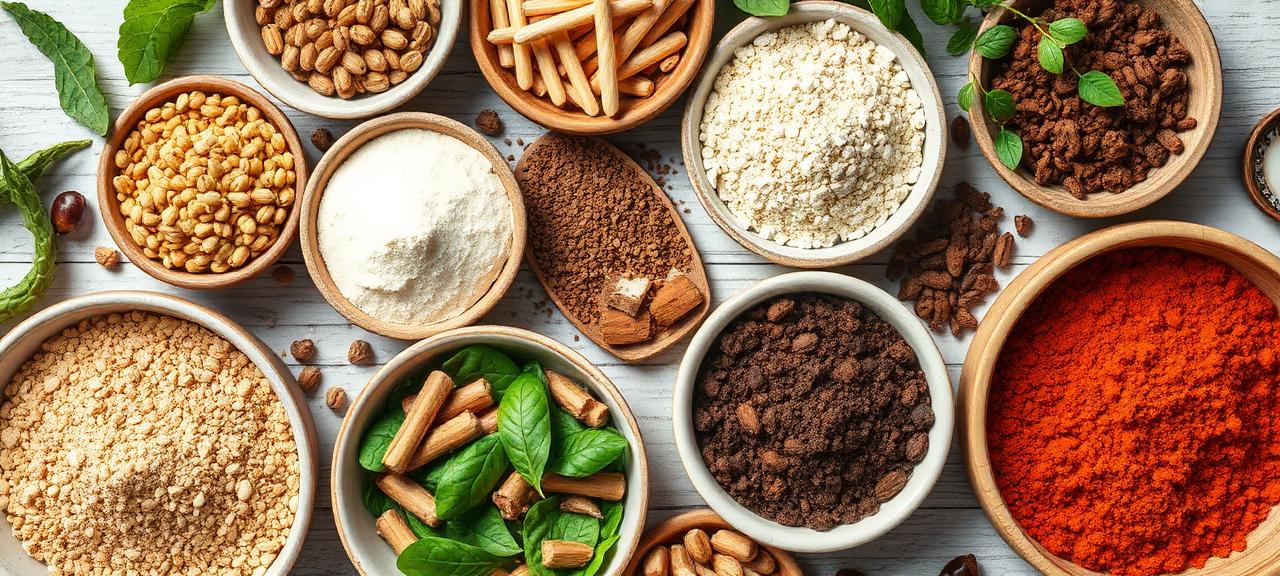
- 1Most supplement brands don’t fail because they picked the “wrong” formula. They fail because the supply chain can’t keep up with the marketing
- 2If you’re a startup or a growing DTC brand, you don’t need a complex global procurement team. You need a repeatable checklist that prevents the most
- 3Supply chain management in supplements is less about “finding a vendor” and more about controlling variability. Great brands manage four things:
- 4This is one of the most misunderstood parts of sourcing. A broker can be a smart move—if you know what you’re buying. Direct can also be risky—if
- 5Verification has two layers: paper (documents) and proof (testing). Brands that scale treat both as non-negotiable because a bad lot can trigger
Introduction
Most supplement brands don’t fail because they picked the “wrong” formula. They fail because the supply chain can’t keep up with the marketing calendar. A TikTok spike hits, your hero ingredient goes on allocation, your lead times slip, and suddenly your best month turns into backorders and refunds.
The “secret” strategies aren’t mysterious. They’re operational habits that reduce risk: brands qualify more than one supplier per ingredient, lock specs early, build documentation into every purchase, and choose packaging and fulfillment that won’t break under long-distance shipping or subscription volume.
At Peakfinity Labs, we see the difference between brands that scale smoothly and brands that stall. The smooth ones treat sourcing like a product feature. They make their formula scalable, their packaging ecommerce-ready, and their manufacturing plan compliant from day one. This guide breaks down how top brands manage ingredient sourcing, verification, lead times, shortages, 3PL choices, and systems like NetSuite—without generic fluff.
Where to start: the sourcing blueprint we recommend (fast and low-risk)
If you’re a startup or a growing DTC brand, you don’t need a complex global procurement team. You need a repeatable checklist that prevents the most common failures: missing documents, unstable inputs, and timeline slippage.
- Pick 1–2 hero ingredients and build the formula around what can be sourced consistently, not what looks best on paper.
- Lock a written specification (identity, potency, contaminants, micro limits, allergens, solvents, particle size) before pricing.
- Qualify two sources for any ingredient that drives claims or margin (probiotics, branded extracts, specialty actives).
- Demand documentation up front: COA, specs, allergen statement, country of origin, heavy metals, micro, residual solvents (as relevant), and a traceability statement.
- Build the launch timeline backward from your marketing drop date. Ingredient lead time is often the hidden critical path.
- Use small-batch, low MOQ production to validate demand before you lock big inventory into a single SKU.
Peakfinity Labs runs this as a turnkey workflow with GMP-certified and ISO-certified facilities, so brands can test small-batch runs and then scale without changing the playbook.
How supplement brands manage their ingredient supply chain
Supply chain management in supplements is less about “finding a vendor” and more about controlling variability. Great brands manage four things: specs, lead times, documentation, and redundancy.
1) They write specs that match real manufacturing
A good spec is not just “ashwagandha 5%.” It’s the exact extract ratio (if applicable), marker compounds, acceptable excipients, moisture limits, microbial limits, and what test method you accept.
Contrarian take: brands obsess over potency and forget flowability and compression. If your powder bridges in a hopper or your tablet caps at high speed, your “great formula” becomes a slow, expensive production run.
2) They control change (even when suppliers don’t)
Professional brands assume suppliers will change something over time: a milling step, an excipient, a test method, a farm source, or a country of origin. They protect themselves by requiring written notice for material changes and by keeping retain samples for investigations.
- Change control clause in the purchase terms
- Lot-level traceability down to incoming raw material lots
- Retain samples of each lot used in finished goods
3) They dual-source the “fragile” ingredients
Not every ingredient needs two suppliers. The best brands dual-source the ingredients that routinely break timelines: probiotics, enzymes, branded extracts, softgel shells, and anything imported with variable freight or tariff exposure.
| Ingredient type | Typical risk | Best practice |
|---|---|---|
| Probiotics | Cold chain, potency loss, allocation | Secondary strain option + validated stability plan |
| Branded botanical extracts | Single-source supply, long lead times | Forecast 2–3 cycles ahead + safety stock |
| Capsules (gelatin/HPMC) | Color and size constraints, long replenishment | Standardize sizes/colors early |
| Flavor systems | Reformulations, allergen risk | Lock allergen statement + change control |
Broker vs direct ingredient supplier: what’s the real difference?
This is one of the most misunderstood parts of sourcing. A broker can be a smart move—if you know what you’re buying. Direct can also be risky—if they’re not set up for your documentation needs.
| Factor | Broker | Direct supplier / manufacturer | Our recommendation |
|---|---|---|---|
| Speed to sample | Often faster (multiple sources) | Can be slower (queues, MOQs) | Use brokers for early R&D and backups |
| Pricing | Can be higher per kg | Usually best at scale | Go direct once demand is proven |
| Documentation quality | Varies widely | Usually more consistent | Require docs before you approve the PO |
| Traceability | Sometimes limited | Typically strongest | For high-risk actives, prioritize traceability |
| Low MOQ fit | Often strong | Often weak | Start low MOQ, switch when scaling |
Peakfinity Labs often sees brands get stuck when they choose “direct” too early. The supplier wants a container, the brand wants 50–200 kg, and the launch date slides. A broker-plus-direct plan (primary + secondary) usually prevents that.
How brands verify ingredient authenticity and quality before buying
Verification has two layers: paper (documents) and proof (testing). Brands that scale treat both as non-negotiable because a bad lot can trigger recalls, payment processor issues, Amazon suppression, and brand trust damage.
Documentation checklist (before the first PO)
- Specification sheet with test methods
- COA template that matches your spec (not just generic pass/fail)
- Allergen statement (including shared equipment where relevant)
- Country of origin and traceability statement
- GMO / irradiation / solvent statements as relevant to your claims
- SDS for handling and storage
Testing strategy (what “serious” brands actually do)
Most brands do basic incoming testing and call it a day. Strong brands use a risk-based program that changes by ingredient type.
- Identity testing for every botanical lot (DNA and/or chromatography where appropriate)
- Potency confirmation for actives tied to label claims
- Heavy metals and micro based on ingredient risk and route (root botanicals and marine inputs need extra care)
- Adulterant screening in high-fraud categories (weight loss, sexual health, “stimulant-like” botanicals)
Practical detail from manufacturing: we push brands to align their finished product testing plan with their incoming raw material plan. If you skip incoming identity on a botanical and only test the finished blend, you can miss substitution problems because blends dilute the signal.
For U.S. regulatory context on dietary supplement CGMP expectations, see FDA’s overview: Current Good Manufacturing Practice (CGMP) Regulations. (If you want a plain-English breakdown, see Understanding cGMP: Essential for Dietary Supplement Manufacturing.)
What’s the typical lead time for ingredient sourcing in supplements?
Lead time isn’t one number. It’s the sum of supplier production, quality release, freight, receiving, and your manufacturer’s scheduling. Brands that hit deadlines separate ingredient lead time from finished goods turnaround.
| Item | Common lead time range | What makes it slip |
|---|---|---|
| Commodity vitamins/minerals | 1–4 weeks | Allocation, tariff changes, port delays |
| Botanical extracts (non-branded) | 2–8 weeks | Harvest cycles, method changes, micro failures |
| Branded ingredients | 4–12+ weeks | Forecast requirements, approvals, limited producers |
| Probiotics / enzymes | 4–10+ weeks | Cold chain, potency targets, short shelf-life windows |
| Custom packaging components | 3–8+ weeks | Custom colors, tooling, label compliance revisions |
Peakfinity Labs’ differentiator is speed on the manufacturing side: we target 3–4 weeks from formulation to finished goods for many projects once inputs and packaging are approved. The catch is simple: if an ingredient has a 10-week lead time, no manufacturer can compress that without a substitute or pre-bought inventory. (For how this works in practice, see Low-MOQ Supplement and Skincare Manufacturing FAQ for Shopify, Amazon, and D2C Founders.)
How brands handle ingredient shortages and price spikes
Shortages happen even in “stable” categories. Top brands plan for them the same way they plan for ad costs: assume volatility and build buffers.
What works in the real world
- Pre-approved alternates: one substitute ingredient or supplier that keeps claims intact (or a “V2” formula ready).
- Spec ranges with guardrails: for example, allowing a small range in particle size or carrier, while keeping potency fixed.
- Price protection windows: short-term pricing agreements tied to forecasts, not open-ended quotes.
- Safety stock on the long poles: probiotics, enzymes, branded extracts, and custom packaging.
One tactic most blogs miss: design the label to survive a substitution. If your front panel screams a single exotic ingredient and that ingredient allocates, you’re forced into a stop-sell. If the hero is a system (like a clinically-aligned blend with defined actives), you can swap sources while staying compliant.
Tariffs, duties, and why they change your formula economics
Tariffs don’t just raise costs. They also change availability because importers shift volume between regions. For brands, the operational strategy is to treat landed cost as the real cost.
- Track landed cost per serving, not cost per kg.
- Know country of origin for each critical input and keep it updated on file.
- Keep a domestic or alternate-region option for your top two margin drivers.
For reference on U.S. duties and tariff guidance, CBP provides starting points here: CBP Basic Import & Export.
How brands diversify suppliers to reduce supply chain risk (without creating chaos)
Dual sourcing sounds great until your formula behaves differently with Supplier B. The best brands diversify intentionally, not opportunistically.
- Match test methods across suppliers so COAs compare apples-to-apples.
- Run a pilot batch with the alternate source before you need it.
- Lock equivalency criteria: potency, carrier system, sensory profile, and flow properties.
- Keep one “default” source to simplify purchasing and only switch when triggers hit (allocation, lead time, price).
This is where low MOQ manufacturing matters. Small-batch runs let you validate alternates without betting your whole quarter on a full-scale purchase.
Sustainable sourcing: what changes in supplements (and what doesn’t)
Sustainable sourcing impacts supplements most when the ingredient comes from a fragile ecosystem or a complex farm network. It matters less for commodity vitamins made through standardized processes.
- Botanicals: ask for farm/region traceability, pesticide controls, and harvest practices.
- Marine ingredients: verify species, region, and contaminant controls.
- Packaging: sustainability claims must match real material specs and local recycling realities.
Practical recommendation: don’t add a sustainability claim to your label unless you can back it with documents that survive retailer or platform review. Vague “eco” language can create compliance headaches.
The role of a 3PL in a modern supplement business
A 3PL is no longer “a warehouse that ships boxes.” For supplements, a good 3PL protects your customer experience and your compliance posture while keeping CAC payback math intact.
- Inventory control by lot and expiry (critical for recalls and customer support)
- Subscription support (batch waves, kitting, pick accuracy)
- Platform readiness for Shopify, Amazon, and multi-channel routing
- Returns processing with clear disposition rules (restock vs destroy)
- Cold chain options for sensitive products (some probiotics, certain liquids)
In-house fulfillment vs outsourced 3PL: how brands decide
Brands often choose based on emotion: “I want control” or “I want simplicity.” Better brands choose based on error rates, shipping zones, and subscription volume.
| Decision factor | In-house fulfillment fits when… | 3PL fits when… |
|---|---|---|
| Order volume | You ship < 20–50 orders/day and spikes are rare | You get influencer spikes, promos, or > 50 orders/day |
| Subscription complexity | Few SKUs, simple replenishment | Bundles, inserts, kitting, batch waves |
| Quality control | You can run tight SOPs and lot tracking yourself | You need lot/expiry controls at scale |
| Shipping cost | Most customers are local to your warehouse | You need multi-node shipping to cut zone costs |
| Founder time | Ops is your strength and focus | You need to focus on growth and product |
Clear verdict: most DTC supplement brands should outsource to a 3PL once paid marketing works and promos create spikes. Fulfillment becomes a growth limiter fast, and late shipments increase chargebacks and refunds. (If you’re evaluating partners, Peakfinity Labs offers supplement 3PL services designed for lot/expiry control and multi-channel shipping.)
What’s the cost structure of supplement fulfillment with a 3PL?
3PL pricing can look confusing because fees show up in multiple places. Brands that manage costs well normalize everything into cost per order and cost per subscription cycle.
- Inbound receiving (per pallet, per carton, or per unit)
- Storage (per pallet location, bin, or cubic foot)
- Pick/pack (base pick + per additional item)
- Packaging materials (mailers, void fill, tape, inserts)
- Postage (carrier rates, zone-based)
- Returns processing (per return + disposal if needed)
Ask for one thing up front: a rate card and a modeled example for your top three order types (single bottle, bundle, subscription box). If they won’t model it, expect surprises.
International shipping for supplements: how brands avoid the common traps
International shipping isn’t just a postage problem. It’s a labeling, claims, and customs documentation problem.
- Confirm destination restrictions for ingredients (some countries restrict certain botanicals or dosages).
- Use correct product descriptions and HS codes to reduce holds.
- Plan for DDP vs DDU so customers don’t get surprise duties at delivery.
- Keep invoices consistent with what’s on the label and what’s in the box.
If international is strategic, build a second label version early. It’s often faster than trying to “patch” compliance after you start shipping.
Packaging materials that survive long-distance shipping (and reduce returns)
Packaging is part of sourcing because breakage and leakage behave like supply chain failures. Ecommerce-ready packaging reduces damage, refunds, and support tickets.
| Format | Best for | Shipping risk | Practical fix |
|---|---|---|---|
| HDPE bottles | Capsules/tablets | Cap loosening, label scuff | Induction seal + scuff-resistant label stock |
| Glass bottles | Premium liquids | Breakage | Protective inserts + drop-test shipper |
| Stand-up pouches | Powders | Seam failures, pinholes | Thicker laminate + seal validation |
| Blisters | Travel packs, compliance | Card bending | Rigid mailer + corner protection |
Small detail that saves brands money: don’t pick a bottle solely by how it looks on a photoshoot. Pick it based on whether it holds up to heat cycles in trucks and whether the label stock resists scuffing in poly mailers. (Related: supplement packaging and label design decisions can quietly make or break ecommerce performance.)
Managing inventory across Shopify, Amazon, and retail
Multi-channel inventory breaks when systems don’t share the same truth. The fix is boring but powerful: one source of truth for inventory, lot, and expiry.
- Centralized inventory feed to prevent oversells
- Lot/expiry visibility for customer support and recalls
- Channel-specific buffers (Amazon FBA vs DTC vs wholesale)
If you sell on Amazon, keep a separate forecast. FBA check-in delays can create a phantom stockout even when you have inventory in transit.
Reverse logistics and returns: how smart brands reduce loss
Most supplement returns can’t be restocked. That means the real goal is to prevent returns, not just process them.
- Set clear return reasons and track the top three monthly
- Use packaging that reduces damage (leaks and cracked caps drive refunds)
- Fix expectation gaps (serving size, taste, capsule size) with precise PDP copy
- Create disposition rules with your 3PL (destroy, quarantine, or exception handling)
A practical KPI: refunds per 1,000 orders. When it spikes, it’s usually packaging, shipping conditions, or a listing change—not “customers being customers.”
SAP, NetSuite, and ERPs: when systems matter in the supplement supply chain
Most brands don’t need SAP. But they do need systems thinking. ERPs become valuable when manual spreadsheets start causing stockouts or you can’t trace lots fast.
- You need an ERP when you have multiple warehouses, multi-channel sales, and recurring POs with vendor lead times.
- You need lot and expiry tracking when you sell ingestibles at scale or deal with sensitive ingredients.
- You need role-based controls when you have more than one person placing POs or adjusting inventory.
Simple rule: if you can’t answer “which lots went into which finished goods” within an hour, tighten your systems before you scale spend.
Demand forecasting: how brands get it right (enough) without overbuying
Forecasting in supplements is messy because marketing drives demand. The best brands forecast with scenarios, not a single number.
- Baseline: last 8–12 weeks of sales, adjusted for seasonality
- Planned uplifts: promos, affiliates, influencer drops, email pushes
- Risk case: assume CAC rises and conversion dips
- Upside case: assume a viral spike and define your max capacity response
Peakfinity Labs’ small-batch, low MOQ approach pairs well with this. You can run tighter cycles, learn faster, and avoid overcommitting to a single forecast. (More on avoiding the “viral spike” inventory trap: How to Avoid Stockouts and Restock Supplements Fast After Viral Ads.)
Cold chain shipping for probiotics: what actually matters
Not all probiotics need cold chain, but all probiotics need a stability plan. Brands get in trouble when they assume “refrigerated” is the only quality signal.
- Define potency at end of shelf life, not just at manufacture.
- Use protective packaging (desiccants, high-barrier bottles, induction seals) where appropriate.
- Validate shipping lanes if you ship to hot climates or long transit zones.
If you do need cold chain, choose a fulfillment partner that can hold temperature ranges consistently and prove it with logs. “We can do cold chain” without records is not a plan.
Conclusion: the “secret” is building a supply chain that matches your growth
Supplement sourcing strategies aren’t about finding one perfect supplier. They’re about building a system that keeps shipping when demand spikes: tight specs, strong documentation, risk-based testing, dual sourcing where it matters, and fulfillment that won’t collapse under volume.
If you want to launch fast and stay flexible, prioritize a plan that supports low MOQ testing now and scalable purchasing later. That’s how you avoid betting your cash flow on a forecast.
Next steps
- Write your ingredient specs and documentation requirements before requesting quotes.
- Identify the top 2–3 long-lead risks in your formula (often probiotics, branded extracts, or custom packaging).
- Decide your fulfillment path (in-house vs 3PL) based on volume spikes and subscription needs.
- Choose a GMP-certified, ISO-certified partner that can run turnkey, compliant production with low MOQ small-batch runs and ecommerce-ready packaging—then scale without switching your entire supply chain. (Start here: Supplement Manufacturing Overview.)
Frequently Asked Questions
How do supplement brands verify ingredient authenticity and quality before buying?
Require complete documentation upfront (specification sheet, COA, traceability, allergen statements, SDS) and follow a risk-based testing program: identity testing for every botanical lot, potency confirmation for claim-linked actives, targeted heavy metals/micro testing, and adulterant screening in high-fraud categories. Match supplier COA test methods to your written spec and confirm third-party test results before releasing material to production.
What’s the difference between an ingredient broker and a direct ingredient supplier?
A broker sources from multiple producers and often provides faster access and lower MOQs but variable documentation and traceability; a direct supplier/manufacturer typically offers stronger traceability and better pricing at scale but may require larger minimums and longer queues. Use brokers for early R&D and backups, then shift primary volume direct once demand and documentation needs are stable.
What’s a typical lead time for ingredient sourcing in supplements?
Lead time combines supplier production, quality release, freight, receiving, and manufacturer scheduling. Typical ranges in the content: commodity vitamins/minerals 1–4 weeks; botanical extracts (non-branded) 2–8 weeks; branded ingredients 4–12+ weeks; probiotics/enzymes 4–10+ weeks; custom packaging components 3–8+ weeks. Build your launch timeline backward and qualify alternates for ingredients with lead times over about one month.
How do brands handle ingredient shortages and price spikes?
Prepare pre-approved alternate suppliers or substitute ingredients that preserve claims, set spec ranges with guardrails, negotiate short-term price-protection windows tied to forecasts, and hold safety stock for long-lead or fragile inputs (probiotics, enzymes, branded extracts, custom packaging). Design labels/claims to tolerate substitutions so you can switch sources without a stop-sell.
How do brands choose between in-house fulfillment and a 3PL?
Decide based on order volume, subscription complexity, quality controls, shipping zones, and founder time. In-house fits when you ship roughly under 20–50 orders/day, have few SKUs, local customers, and ops capacity; a 3PL fits when you face influencer spikes, promos, >50 orders/day, complex kitting/subscriptions, need lot/expiry controls, or require multi-node shipping. Compare your fully loaded cost per order (labor, supplies, space, error rates) against a 3PL’s modeled cost for your top order types before scaling paid marketing.

Tushar
Licensed Pharmacist and COO @ Peakfinity Labs
Written by the Peakfinity Labs R&D Team — 46+ years of supplement formulation expertise. Our team of formulation chemists, manufacturing specialists, and regulatory experts has helped thousands of eCommerce brands bring their products to market successfully since 1980.
Related Articles

Private Label Supplement Markup: Typical Margins for DTC, Amazon, and Wholesale
Typical markup ranges for DTC, Amazon, and wholesale, plus the landed-cost model that decides whether your margin is real.

How to Compare Quotes From Supplement Manufacturers Without Missing Hidden Costs
A six-bucket framework and paste-ready RFQ table that surfaces hidden costs before you sign with a manufacturer.
When Is a Supplement Brand Ready to Move From Private Label to Custom?
Nine readiness signals, the custom-light middle path, and a seven-step switch plan that avoids stockouts and claim issues.