Probiotics vs Prebiotics vs Postbiotics
We break down 7 practical differences between probiotics, prebiotics, and postbiotics for supplement brands — plus strain picks, CFU traps, and packaging tips.

- 1“Gut health” went from niche to mainstream because it fits how modern brands build products: fast feedback loops, clear before/after stories
- 2Think of the three as live microbes, microbe food, and microbe-made
- 3The gut health boom isn’t just a trend—it’s a business model fit. These products sell well online because customers can self-identify a need (“I feel
- 4Probiotics are defined as live microorganisms that, when administered in adequate amounts, confer a health benefit on the host. In practice, that
- 5Spore-based probiotics (often Bacillus species) form spores that tolerate stress better than many traditional lactic acid bacteria. That changes
Introduction
“Gut health” went from niche to mainstream because it fits how modern brands build products: fast feedback loops, clear before/after stories (bloating, regularity, comfort), and repeat purchase behavior. But the category also has a problem—many products get marketed as if probiotics, prebiotics, and postbiotics are the same thing. They are not. Each one behaves differently in manufacturing, stability testing, packaging, and what you can (and can’t) say on a label.
If you’re building a supplement line, the wrong choice can create expensive issues: dead cultures from heat or moisture, CFU claims that don’t hold through shelf life, powders that clump in stick packs, or “gut-brain axis” positioning that crosses into disease language. The right choice can do the opposite: lower returns, better reviews, smoother compliance, and an ecommerce-ready product that survives Amazon warehouses.
This guide breaks down the differences, then moves into the details brands actually need—strain selection, why CFU is a misleading metric, how shelf-stable probiotics work, packaging that protects live cultures, and a practical “where to start” roadmap for small-batch launches and scalable growth.
Probiotics vs Prebiotics vs Postbiotics: the simple definition
Think of the three as live microbes, microbe food, and microbe-made outputs.
| Category | What it is | What it does | Stability profile | Typical formats |
|---|---|---|---|---|
| Probiotics | Live microorganisms (strain-specific) | Can support digestive comfort, regularity, and microbiome balance (structure/function claims) | Sensitive to heat, moisture, oxygen; varies by strain and form | Capsules, sachets, powders, gummies (harder), shots (harder) |
| Prebiotics | Non-digestible fibers that feed beneficial microbes | Supports microbiome activity and regularity; can increase gas if overdosed | Generally stable; main risks are hygroscopicity and GI tolerance | Powders, stick packs, capsules, gummies |
| Postbiotics | Inanimate microbes and/or their metabolites (definition varies by jurisdiction) | Targets “benefits without live cultures” positioning in some products | Often more stable than live probiotics; still needs spec control | Capsules, powders, beverage mixes |
What’s behind the explosive growth of the gut health category (and why it matters to formulation)
The gut health boom isn’t just a trend—it’s a business model fit. These products sell well online because customers can self-identify a need (“I feel bloated,” “I’m irregular,” “travel messes me up”), and they repurchase monthly.
Three forces drive growth right now:
- Women’s health segmentation: brands increasingly build “gut + bloat,” “gut + GLP-1 support routines,” and “gut + vaginal microbiome” adjacent positioning. That changes strain choice, prebiotic dose, and flavor system decisions.
- Shelf-stable logistics: ecommerce warehouses are hot and dry, then cold, then hot again. Shelf-stable strains and better packaging reduce refunds and 1-star “arrived dead” reviews.
- Microbiome literacy: consumers now ask about strains, CFU, delayed-release, spore-based probiotics, and synbiotics—so brands need a manufacturer that can explain tradeoffs clearly and document specs.
Contrarian take from the manufacturing side: the brands that win long-term usually don’t chase the highest CFU. They choose a formula that stays within spec through shelf life, ships reliably, and creates consistent customer experience.
Probiotics: live strains, live problems (and how good brands avoid them)
Probiotics are defined as live microorganisms that, when administered in adequate amounts, confer a health benefit on the host. In practice, that means your results depend on the exact genus + species + strain (for example, Lactobacillus reuteri DSM 17938 is not interchangeable with another L. reuteri strain).
How do brands choose probiotic strains for their products?
Smart strain selection starts with the end claim and the format—not with a “top 10 strains” list. We see the best outcomes when brands pick strains that match:
- Claim scope: digestive comfort, regularity, occasional bloating, immune support—each points to different clinical histories.
- Delivery format: capsule vs stick pack vs gummy changes moisture exposure, compression risk, and oxygen load.
- Shelf-life reality: your product has to pass stability testing in your packaging, not in a supplier brochure.
- Audience tolerance: some blends cause more transient gas early; pairing with gentler prebiotics (or skipping them) can reduce returns.
Real-world detail: when a brand wants “viral” timelines, we often start with a shelf-stable core that can handle normal shipping conditions, then iterate to a more complex blend after the first 1–2 production cycles validate reviews and return rates. That approach reduces risk for a low MOQ launch.
Why CFU count is a misleading metric for probiotic quality
CFU (colony-forming units) is not useless, but it’s incomplete. It tells you how many live cells can grow under test conditions at the time of testing, not whether the strain is the right one for your goal or whether it survives your manufacturing and shelf life.
CFU becomes misleading when brands:
- Chase “100B CFU” as a marketing headline without verifying stability through expiry. High-count products can still underperform if viability drops fast.
- Ignore strain identity. “Lactobacillus blend” with no strain IDs is a red flag for serious buyers.
- Skip packaging and water activity control. Moisture is a bigger killer than “not enough CFU at fill.”
A better way to spec: define CFU at end of shelf life, confirm storage conditions, and validate with stability pulls (e.g., 0/3/6 months accelerated plus real-time ongoing). Many brands also use intentional “overage” at fill to hit label claim at expiry—when it’s justified and documented.
How do shelf-stable probiotics work without refrigeration?
“Shelf-stable” usually means the strain is inherently hardy and/or the supplier protected it using a process like freeze-drying with protective carriers. Some strains also do better as spore-formers, which naturally resist heat and humidity.
What makes shelf stability real (not just marketing):
- Low moisture formulation: excipients and prebiotics can raise water activity; powders can pull moisture from air.
- Oxygen management: certain strains are oxygen-sensitive; bottles, liners, and desiccants matter.
- Heat exposure control: blending, encapsulation, and storage conditions must stay within strain limits.
For ecommerce-ready products, we prioritize consistency over hero claims. A stable 10–20B CFU product that stays in spec often outperforms a fragile 50–100B CFU product in reviews and repeat rate.
Spore-based probiotics vs traditional probiotics: what’s actually different?
Spore-based probiotics (often Bacillus species) form spores that tolerate stress better than many traditional lactic acid bacteria. That changes manufacturing and logistics in your favor, but it also changes product expectations.
| Factor | Traditional probiotics (often Lactobacillus/Bifidobacterium) | Spore-based probiotics (often Bacillus) |
|---|---|---|
| Heat/moisture tolerance | Often sensitive | Often more robust |
| Shelf stability | Can be shelf-stable with proper protection + packaging | Typically easier to keep stable |
| Acid survival strategy | May rely on enteric coatings or strain robustness | Spores help survive harsh conditions |
| Consumer expectations | Often associated with “classic probiotic blends” | Often marketed as “hardy” and travel-friendly |
Verdict for new brands: if your channel is Amazon or broad ecommerce and you want fewer stability surprises, spore-based or shelf-stable strains can be the safer first SKU. You can still build a premium “multi-strain lactic blend” later once your packaging system and stability program are proven.
Prebiotics: stable, effective, and easy to get wrong
Prebiotics are typically fibers that resist digestion and feed beneficial microbes in the colon. They’re often simpler to manufacture than live probiotics, but dosing and tolerance make or break customer experience.
What’s the difference between FOS, GOS, and inulin?
| Prebiotic | What it is | Common pros | Common watch-outs |
|---|---|---|---|
| FOS (fructooligosaccharides) | Short-chain fructans | Often easy to blend; can support regularity | Can cause gas/bloating at higher doses for some users |
| GOS (galactooligosaccharides) | Galactose-based oligosaccharides | Often well-studied in microbiome context | Also dose-sensitive; labeling and sourcing vary |
| Inulin | Longer-chain fructan fiber (often chicory-derived) | Good fiber story; can improve texture in some powders | Higher GI sensitivity in some people; can be hygroscopic |
Practical recommendation: for “bloat support” positioning, brands often do better starting with a conservative prebiotic dose and adding digestive enzymes or peppermint-style support rather than pushing high grams of inulin early. It reduces “made me gassy” reviews during launch.
Postbiotics: a stability-forward option (with definition caveats)
Postbiotics generally refer to non-living microbial cells and/or beneficial compounds they produce. For brands, the appeal is clear: you can build a “gut support” SKU that is often easier to keep stable than live cultures.
Two cautions:
- Definitions vary across markets and even across supplier materials, so your compliance review must match your target region and your specific ingredient documentation.
- Claims must stay conservative. “Supports gut barrier function” or “supports digestive comfort” may be appropriate depending on substantiation, but disease-like language will get flagged.
Where postbiotics fit best: brands that want a low-risk, shelf-stable gut SKU for broad ecommerce distribution, or brands building a “starter gut” product before introducing live probiotics.
Synbiotics: are they the future of the probiotic category?
Synbiotics combine probiotics and prebiotics in one product. They can work well, but they also combine each category’s failure modes: live cultures can die faster if the formula pulls moisture, and customers can feel more gas if the prebiotic dose is too aggressive.
Our experience with small-batch launches: synbiotics win when the brand treats them like an engineering problem, not a label-stacking contest. That means modest prebiotic dosing, tight water activity control, and packaging designed for moisture and oxygen protection.
How digestive enzymes complement probiotic formulas (and when they don’t)
Digestive enzymes don’t “replace” probiotics, but they can improve customer experience in the first 1–2 weeks when some users notice transition effects. Enzymes can also support specific use cases like dairy or high-protein diets.
- Good pairing: probiotic + enzymes for “digestive comfort after meals,” especially in capsule or stick pack formats.
- Be careful: adding enzymes can raise cost and complicate positioning; make sure the dose is meaningful and the label stays compliant.
Packaging note: some enzymes are moisture-sensitive too, so adding them can increase the need for a desiccant and a tighter bottle/liner system.
Stability, survival, and manufacturing: what brands must get right
Most probiotic problems happen after formulation: during blending, encapsulation, and the months your product sits in fulfillment centers. Brands that plan for stability early avoid reworks, relabels, and expensive air shipments.
How do brands prove probiotic survival through stomach acid?
Brands typically rely on a combination of strain characteristics, delivery technology, and testing. Options include naturally acid-tolerant strains, protective matrices from the supplier, and capsule technologies designed for delayed release.
Proof should be practical: supplier documentation, any available in vitro acid/bile tolerance data, and a finished-product approach that matches the label claim. If your marketing depends on “survives stomach acid,” your substantiation and wording need to match what your evidence actually supports.
How do brands handle probiotic stability during manufacturing?
- Control heat: avoid unnecessary heat exposure during processing and storage.
- Control moisture: manage room humidity, select low-moisture excipients, and minimize hygroscopic powders when possible.
- Control oxygen: choose packaging and liners that limit oxygen ingress; use desiccants when appropriate.
- Plan stability pulls: at minimum, test at release and at intervals that reflect your shelf-life claim.
Manufacturing reality: “it tested fine at fill” is not the same as “it will test fine after 12–24 months.” The brand that budgets for stability upfront usually ships faster in the long run because there are fewer surprises.
Packaging that best protects live probiotic cultures
Packaging is part of the formula. For live probiotics, the goal is to reduce moisture and oxygen exposure from day one through the last unit sold.
| Packaging option | Best for | Key protection | Common pitfalls |
|---|---|---|---|
| HDPE bottle + induction seal + desiccant | Capsules; broad ecommerce | Moisture control; decent oxygen barrier | Weak liners, no desiccant, or frequent opening in humid climates |
| Blister packs | Higher protection SKUs | Unit-dose barrier; less moisture ingress | Higher packaging cost; more complex fulfillment |
| Stick packs / sachets | Travel, subscriptions, sampling | Unit-dose control; good for powders | Powder clumping if formula is hygroscopic; seal integrity matters |
If you plan to scale on Amazon, design for warehouse reality: temperature swings, long dwell times, and rough handling. That usually means tighter packaging specs and conservative stability assumptions.
What claims are legal for gut health supplements? (high-level, practical view)
In the U.S., supplement labels commonly use structure/function claims like “supports digestive health” or “supports regularity,” paired with the required FDA disclaimer. Claims that imply diagnosis, treatment, or prevention of disease are the fastest way to get in trouble.
- Safer territory: supports digestive comfort, supports gut health, supports a healthy microbiome, supports occasional bloating, supports immune health.
- Risky territory: claims tied to specific diseases or conditions (for example, IBS, SIBO, depression, anxiety) unless you’re operating under a different regulatory pathway.
Practical recommendation: write claims after you lock the exact strains and doses, then match wording to the substantiation you actually have. That keeps your label compliant and reduces ad disapprovals.
Gut-brain axis: what it is, and why brands market it
The gut-brain axis refers to two-way communication between the gut and the nervous system through pathways that include the vagus nerve, immune signaling, and microbial metabolites. Brands market it because customers already connect digestion with mood, stress, and sleep, and it creates a strong content engine for ecommerce.
Keep it grounded: talk about “stress support” and “mood support” only if your formula and substantiation justify it, and avoid implying treatment of anxiety or depression. Many brands succeed by positioning “calm digestion” rather than “mental health treatment.”
Trending strains dominating the probiotic market (and what to verify)
We’re seeing continued demand for:
- Lactobacillus reuteri (varies by strain): frequently used in modern gut positioning; strain ID matters.
- Bifidobacterium species: common in “regularity” and “daily gut” blends; often more oxygen-sensitive.
- Spore-formers (often Bacillus): popular for shelf-stable, travel-friendly products.
What to verify before you build your marketing around a strain: the exact strain designation, viable count at expiry, recommended storage, and whether your packaging can maintain the spec. If a supplier can’t provide clear documentation, don’t build a hero SKU around it.
Where to start (fast, low-risk roadmap for new brands)
If you want a gut health SKU that launches fast and scales, start with constraints, not ingredients: your channel, your packaging, your target shelf life, and your compliance risk tolerance.
- Step 1: Pick your “stability lane”: shelf-stable probiotic, spore-based probiotic, prebiotic fiber, postbiotic, or synbiotic.
- Step 2: Define one primary promise: regularity, digestive comfort, travel support, women’s bloat support, or daily microbiome support.
- Step 3: Build for reviews: avoid aggressive prebiotic dosing at launch; prioritize tolerance and consistency.
- Step 4: Choose ecommerce-ready packaging: plan for warehouse conditions and shipping, not just your office shelf.
- Step 5: Lock a stability plan: release testing + stability pulls aligned to your expiry claim.
At Peakfinity Labs, we’re set up for fast, turnkey launches with low MOQ small-batch runs that can scale. We also plan formulas around real shipping conditions because timeline slippage often starts with stability surprises.
Conclusion and next steps
Probiotics, prebiotics, and postbiotics solve different problems. Probiotics can be powerful but demand serious stability discipline. Prebiotics are stable and effective but dose can drive tolerance issues and bad reviews. Postbiotics can offer a stability-forward path, as long as definitions and substantiation match your claims.
Next steps: pick your channel (Amazon, DTC, retail), decide your stability lane (shelf-stable, spore-based, prebiotic, postbiotic, synbiotic), and build a spec that guarantees performance at expiry—not just at fill. If you want a fast, turnkey, GMP-certified, ISO-certified, compliant path with low MOQ small-batch runs that can scale, Peakfinity Labs can help you go from concept to ecommerce-ready finished goods on a 3–4 week timeline for many projects.
Frequently Asked Questions
How do brands choose probiotic strains for their products?
Brands choose strains based on the intended claim and delivery format, shelf-life realities, and audience tolerance. That means matching strain clinical history to the claim (digestive comfort, regularity, immune support), selecting strains that suit the capsule/stick/gummy format and packaging, verifying stability in the final packaging, requiring strain IDs and supplier documentation, and starting with a shelf-stable core for low-MOQ launches before iterating to more complex blends.
How do shelf-stable probiotics work without refrigeration?
Shelf-stable probiotics use inherently hardy strains and protective processing (for example, freeze-drying with protective carriers) combined with low-moisture formulations, oxygen management (bottles, liners, desiccants), and heat-exposure controls during blending and storage. Real shelf stability is proven by documented strain stability plus packaging and formulation that limit moisture and oxygen.
Spore-based probiotics vs traditional probiotics: what’s actually different?
Spore-based probiotics (often Bacillus) form spores that tolerate heat, moisture, and harsh conditions better than many traditional lactic acid bacteria (Lactobacillus/Bifidobacterium). That generally makes them easier to keep stable, helps survival through acid via the spore state, and reduces logistics and packaging constraints, though it also shifts product positioning and expectations.
What’s the difference between FOS, GOS, and inulin?
FOS (fructooligosaccharides) are short-chain fructans that blend easily and can support regularity but may cause gas at higher doses. GOS (galactooligosaccharides) are galactose-based oligosaccharides with good microbiome evidence but are dose-sensitive and vary by source. Inulin is a longer-chain fructan (often chicory-derived) that offers a strong fiber story and can improve powder texture but can be more hygroscopic and trigger GI sensitivity in some users.
Synbiotics: are they the future of the probiotic category?
Synbiotics combine probiotics and prebiotics and can be effective, but they also combine failure modes: live cultures may die faster if the formula is hygroscopic, and prebiotics can increase gas if overdosed. Synbiotics succeed when treated as an engineering problem—modest prebiotic dosing, tight water activity control, and packaging designed for moisture and oxygen protection.
How do brands prove probiotic survival through stomach acid?
Brands rely on strain characteristics, supplier protective matrices, delivery technologies (e.g., delayed-release capsules), and testing such as in vitro acid/bile tolerance. Proof should include supplier documentation and finished-product substantiation that aligns with label claims; marketing that asserts “survives stomach acid” must match the actual evidence.
How do brands handle probiotic stability during manufacturing?
Brands control heat exposure, manage room and formulation moisture (select low-moisture excipients and minimize hygroscopic powders), limit oxygen ingress via packaging and desiccants, and plan stability pulls (release and interval testing reflecting the shelf-life claim). Testing at fill is not sufficient; ongoing stability planning prevents surprises later in the supply chain.
What’s the difference between probiotics, prebiotics, and postbiotics?
Probiotics are live microorganisms (strain-specific) that can confer health benefits. Prebiotics are non-digestible fibers that feed beneficial microbes. Postbiotics are non-living microbial cells and/or metabolites produced by microbes. Probiotics are most sensitive to heat and moisture, while prebiotics and many postbiotics are generally more shelf-stable and easier to ship, though definitions and claims vary by jurisdiction.
Why is CFU count a misleading metric for probiotic quality?
CFU measures viable organisms at the time of testing but doesn’t indicate whether the strain is appropriate for the claim or whether viability holds through shelf life. Chasing high CFU as a marketing headline can be misleading if stability, strain identity, packaging, and water activity aren’t managed. A better spec is CFU guaranteed at end of shelf life, supported by stability testing in the final packaging.
Ready-to-Launch Formulations in This Category
Stock-ready formulations you can private label with your own branding — 2,000 unit MOQ.

Clear Skin Capsules
Beauty Supps · Capsules
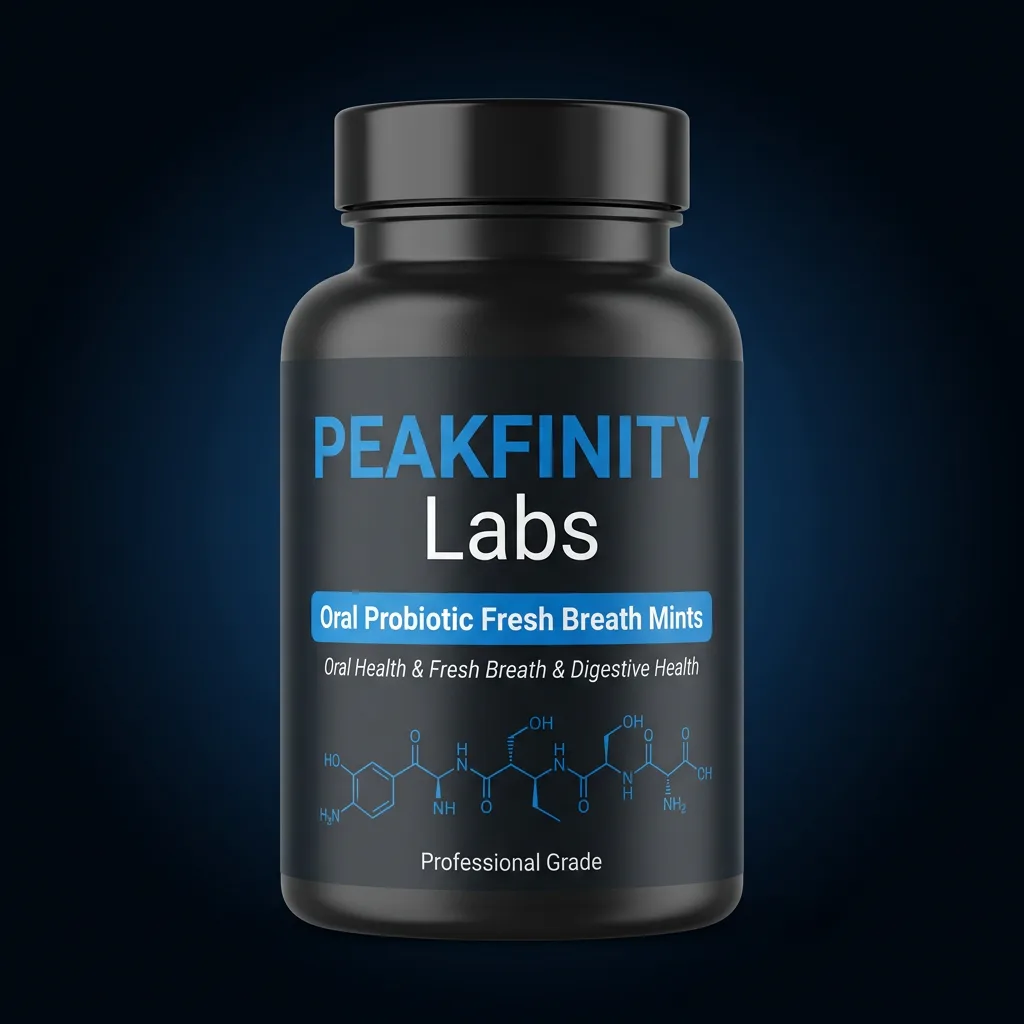
Oral Probiotic Fresh Breath Mints
Gut Health · Tablets
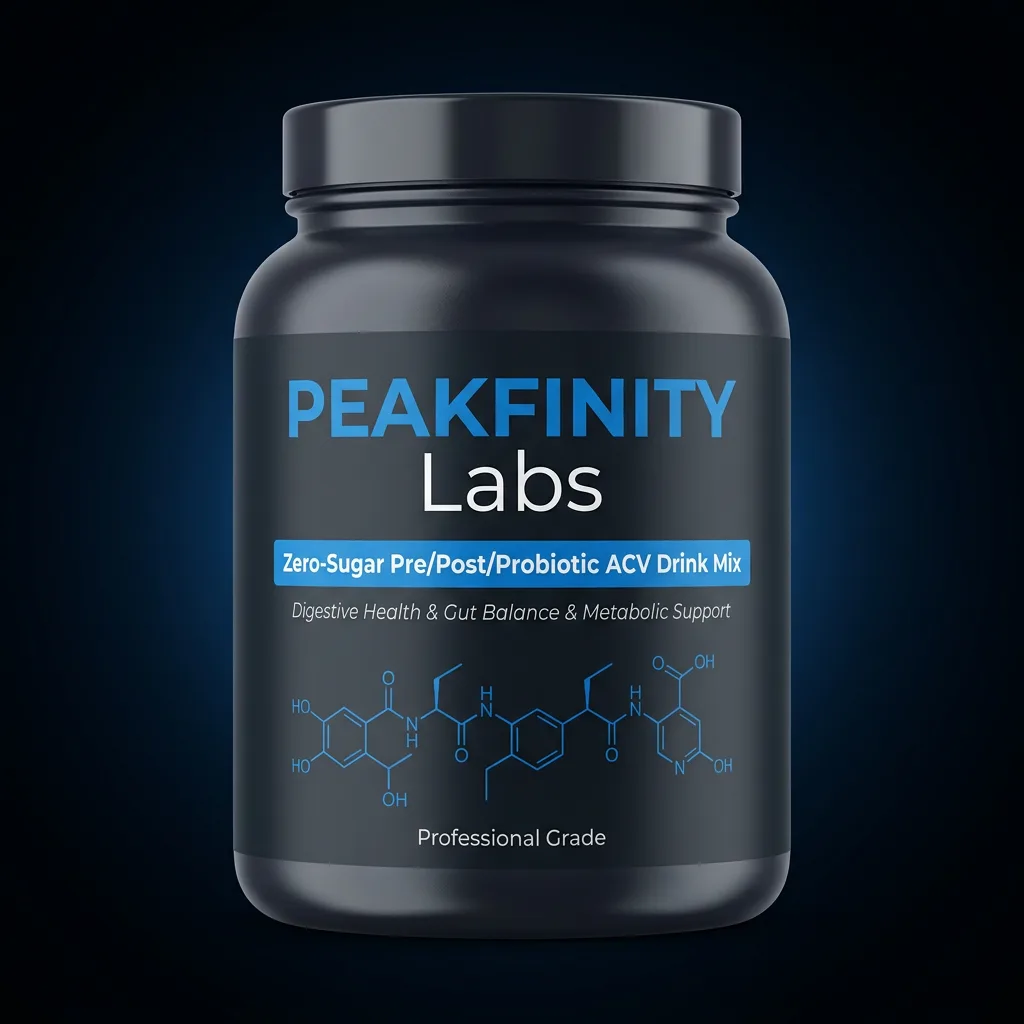
Zero-Sugar Pre/Post/Probiotic ACV Drink Mix
Gut Health · Powder
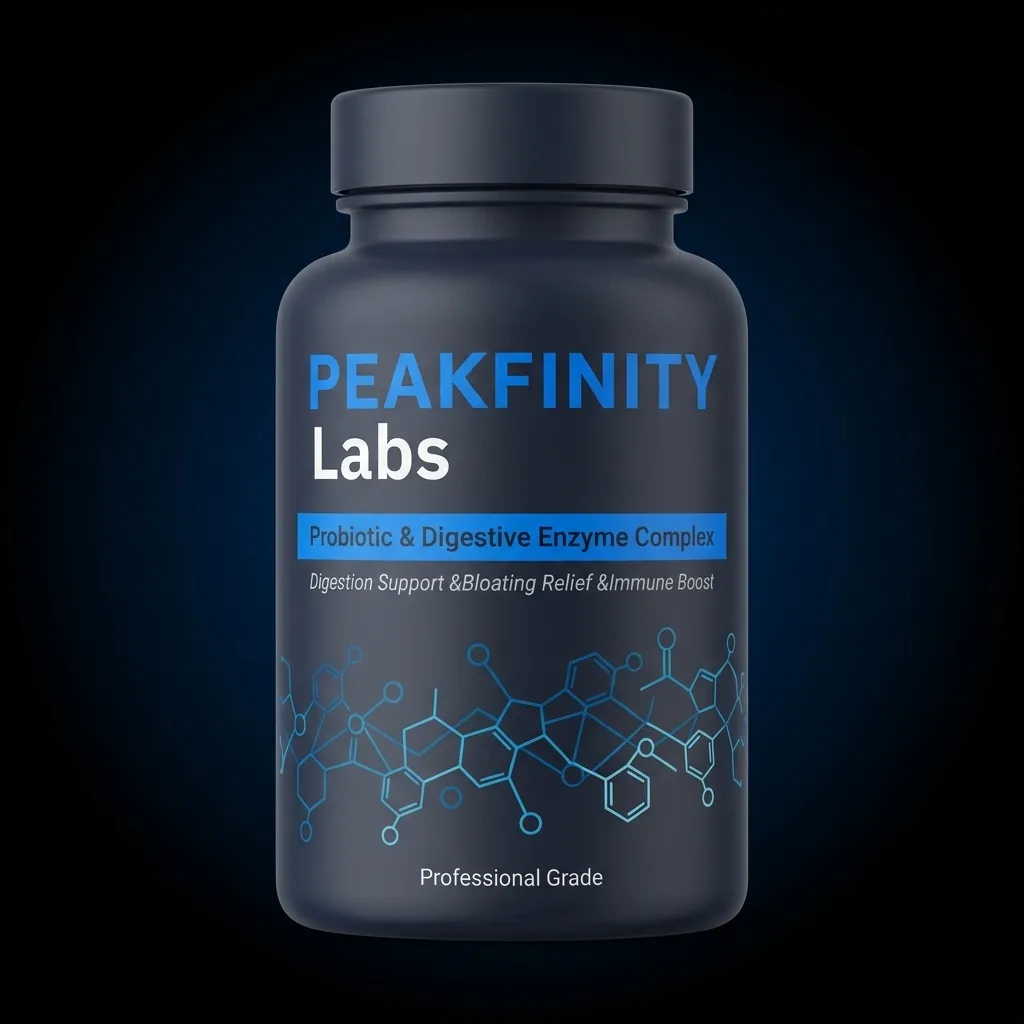
Probiotic & Digestive Enzyme Complex
Gut Health · Capsules

Tushar
Licensed Pharmacist and COO @ Peakfinity Labs
Written by the Peakfinity Labs R&D Team — 46+ years of supplement formulation expertise. Our team of formulation chemists, manufacturing specialists, and regulatory experts has helped thousands of eCommerce brands bring their products to market successfully since 1980.
Related Articles

How to Find an ISO 17025-Accredited Supplement Testing Lab, and What Founders Should Ask For
How to verify a lab's ISO/IEC 17025 scope actually covers your test, the questions to ask before shipping samples, and a testing plan built for ecommerce timelines.
Supplement Manufacturing Lead Times and Reorders: What Founders Should Expect Before and After Launch
The five workstreams hiding inside "lead time," why reorders move faster than first runs, and the ramp plan that survives a demand spike.

How to Vet a cGMP Supplement Manufacturer With Documented Audit History
The document pack, audit-history call script, and scoring rubric that separate real cGMP quality systems from certificate PDFs.