GLP-1 Trend Reshaping Weight Management Supplements Today
We reviewed 7 requests and highlight GLP-1 support supplements using fiber, berberine, protein pacing to launch fast and stay FDA/FTC compliant.

- 1GLP-1 medications changed what customers expect from “weight management.” They made appetite control feel real, measurable, and fast. That shift is
- 2GLP-1s didn’t just boost demand; they changed the “job” customers hire supplements to do. Historically, weight loss supplements sold the idea of
- 3Brands need to be careful here. You can formulate products that are compatible with common GLP-1 user needs, but you should avoid implying your
- 4The industry used to treat these as similar. Post-GLP-1, customers and regulators
- 5Berberine keeps showing up in “GLP-1 adjacent” content because creators talk about glucose, appetite, and “nature’s Ozempic” narratives. That
Introduction
GLP-1 medications changed what customers expect from “weight management.” They made appetite control feel real, measurable, and fast. That shift is forcing supplement brands to evolve—or get ignored.
We’re seeing it directly in manufacturing requests: fewer “hardcore fat burners,” more support products designed to fit GLP-1 users’ needs and side effects, plus a new wave of non-users who want similar outcomes without drug positioning. The result is a category split: products that try to mimic weight loss (and invite regulatory risk) versus products that support habits, digestion, protein intake, and metabolic health in a compliant way.
This guide breaks down what’s actually changing in formulations, claims, packaging, and go-to-market. It’s written for operators: ecommerce brands, Amazon sellers, TikTok Shop teams, and founders who need a fast, turnkey path from concept to shelf while staying compliant. We’ll also cover how to manage berberine demand, the role of fiber, how to avoid FDA/FTC issues, and what to look for in a GMP-certified, ISO-certified manufacturer when timelines and confidentiality matter.
How the GLP-1 trend is reshaping the weight management supplement category
GLP-1s didn’t just boost demand; they changed the “job” customers hire supplements to do. Historically, weight loss supplements sold the idea of speed: thermogenics, stimulants, “fat incineration.” Now customers compare everything to a medication that reduces appetite and improves glycemic control, and they judge supplements by how well they support the real friction points of weight loss.
The category is splitting into three lanes
- GLP-1 companion products: digestion comfort, hydration/electrolytes, protein support, micronutrients, and fiber routines that fit reduced appetite.
- “Metabolic health” positioning: glucose support, post-meal support, cravings support—without implying drug-like outcomes.
- Legacy fat burners: still selling, but facing higher scrutiny and higher return rates when customers feel jittery or don’t see results compared to GLP-1s.
A contrarian takeaway from what we see: the winning brands are not trying to “compete” with GLP-1s. They’re building systems around them—habits, protein, gut comfort, and adherence.
What supplements complement GLP-1 medications safely (and what to avoid)
Brands need to be careful here. You can formulate products that are compatible with common GLP-1 user needs, but you should avoid implying your supplement treats medication side effects or replaces a prescription.
These are common “support buckets” customers ask for, and why they matter:
- Protein support (powders, ready-to-mix sticks): GLP-1 users often struggle to hit protein targets due to lower appetite. Position around “daily protein intake” and “lean body composition support,” not “prevents muscle loss.”
- Fiber (gummies, powders, capsules): supports regularity and satiety routines. Choose fibers that tolerate lower water intake and slower gastric emptying.
- Electrolytes: helps hydration routines when food volume drops. Keep formulas straightforward and label-friendly for ecommerce.
- Micronutrients: a basic multivitamin/mineral can make sense if intake drops. Avoid high-dose “kitchen sink” formulas that increase nausea risk.
- Digestive comfort: ginger, peppermint oil (enteric-coated), certain enzymes—position as “digestive support.”
What to avoid as a brand claim strategy: “Ozempic alternative,” “works like semaglutide,” “GLP-1 in a bottle,” or any statement implying your product changes gastric emptying or insulin like a drug. Those are predictable paths to compliance problems.
Fat burners vs metabolism support products: the difference (and why it matters now)
The industry used to treat these as similar. Post-GLP-1, customers and regulators don’t.
| Category | Typical ingredients | What customers expect | Key risks | Best-fit positioning |
|---|---|---|---|---|
| Fat burners | Caffeine, green tea extract, yohimbine (where used), synephrine (where used) | Fast “feel it” energy and rapid scale movement | Jitters, sleep issues, higher complaint rates; tighter scrutiny on weight loss promises | Energy, workout performance, thermogenesis support (careful wording) |
| Metabolism support | Berberine (dose-dependent), chromium, alpha lipoic acid, cinnamon extracts, fiber | Steadier appetite/cravings routines and post-meal support | Drug interaction concerns, GI tolerance, dose/standardization variability | Glucose metabolism support, healthy carbohydrate metabolism, cravings support |
| Body composition support | Protein, creatine, leucine-rich blends, vitamin D, magnesium | Maintain strength and shape while weight changes | Overpromising “muscle retention” without context | Lean mass support with resistance training and adequate protein |
Our recommendation for most new ecommerce brands: start with metabolism support + fiber + protein support as a system, then add stimulant-based SKUs only if your audience already buys them and your ad compliance is strong.
Berberine demand in the GLP-1 conversation: how brands should handle it
Berberine keeps showing up in “GLP-1 adjacent” content because creators talk about glucose, appetite, and “nature’s Ozempic” narratives. That nickname is exactly what brands should not repeat.
From a manufacturing standpoint, the real berberine challenges are practical:
- Effective serving sizes can be bulky, which pressures capsule counts or pushes brands toward tablets (harder to swallow for some customers).
- GI tolerance varies; stacking berberine with multiple acids or harsh actives can increase complaints and refunds.
- Quality and standardization matter. The market has wide variability; brands should insist on identity and potency testing, and align label claims to verified specs.
A smart, compliant approach is to position berberine products around glucose metabolism support and healthy carbohydrate metabolism, with conservative copy and clear directions to consult a clinician—especially for customers already on glucose-lowering medications.
What’s the role of fiber in modern weight management products?
Fiber moved from “old-school regularity” to a core pillar of weight management stacks. It’s one of the few supplement categories that fits both audiences: GLP-1 users managing GI routines and non-users building satiety habits.
What we see working in ecommerce:
- Daily routine formats: gummies, stick packs, and flavored powders reduce drop-off versus large tubs that feel like a “project.”
- Simple dosing: customers stick to “2 gummies daily” more than “mix 2 scoops with 16 oz water.”
- Low-friction education: “start low, go slow,” hydration reminders, and pairing with meals can reduce negative reviews.
Formulation note from the manufacturing side: fiber systems affect texture, water activity, and stability. If you want a fiber gummy that stays soft and doesn’t sweat in heat, plan for more bench work and realistic lead times for stability checks.
How brands formulate “appetite support” products legally (without drug-like promises)
Most brands get appetite wrong by chasing aggressive language. The safer, often more profitable move is to build a product that supports satiety routines and craving control while staying within supplement structure/function territory.
Common compliant frameworks include:
- Fiber-first satiety: emphasize “helps you feel full” or “supports satiety” when substantiated by fiber type and serving size.
- Protein-forward: position as “supports fullness between meals” and “supports lean body goals.”
- Mindful snacking support: ingredients like saffron extract are often marketed for mood and cravings; keep claims conservative and substantiated.
Words to avoid on labels and ads: “appetite suppressant,” “anorectic,” “blocks fat absorption,” “stops hunger,” or anything that implies treating obesity. Instead, use measured language like “supports appetite control” and “supports healthy eating patterns,” and align it with your disclaimer and substantiation file.
Marketing weight management supplements without making medical claims
GLP-1 created a new compliance trap: creators make medical claims in content, then brands echo it in ads and PDPs. If you sell on Amazon, TikTok Shop, Meta, or Google, that can get you suspended fast—before FDA even enters the picture.
What works better (and converts):
- Outcome-light, process-heavy messaging: focus on routines (protein intake, fiber daily habit, hydration) instead of pounds lost.
- Specific use cases: “post-meal glucose support,” “supports regularity,” “supports energy during a calorie deficit.”
- Clean creative controls: ban “before/after,” ban “lose X pounds,” ban “works like Ozempic,” and pre-approve influencer scripts.
One practical rule we give brands: if a claim sounds like a prescription ad, rewrite it until it sounds like a daily habit product. That keeps you scalable across platforms.
What FDA and FTC rules apply to weight loss supplement marketing?
Two agencies matter most. FDA governs labeling and whether you’ve crossed into drug claims. FTC governs advertising, endorsements, and whether you can substantiate what you say.
- FDA basics: supplements can make structure/function claims (e.g., “supports metabolism”) but not disease claims (e.g., “treats diabetes” or “reduces obesity”). You must include the standard DSHEA disclaimer for structure/function claims.
- FTC basics: ads must be truthful, not misleading, and backed by competent and reliable scientific evidence. Influencer disclosures must be clear and unavoidable.
Helpful official references include the FDA’s overview of dietary supplement labeling and claims and the FTC’s advertising guidance. See FDA: https://www.fda.gov/food/dietary-supplements and FTC endorsements: https://www.ftc.gov/business-guidance/resources/ftcs-endorsement-guides-what-people-are-asking.
Trending weight management ingredients showing up in 2026
Trends move fast, but the direction is consistent: less “stim” and more “support.” Here are ingredient themes we see continuing into 2026 based on what brands are actively building for ecommerce launches.
- Fiber systems: more blends designed for daily adherence, better taste, and fewer GI complaints.
- GLP-1-friendly protein formats: smaller serving sizes, better mouthfeel, and single-serve packs that fit low appetite days.
- Metabolic health stacks: berberine-centered formulas with supporting nutrients, positioned carefully for compliant glucose support.
- Women’s midlife positioning: formulas that tie weight management to sleep, stress, and body composition—without shaming language.
- “Clean” caffeine alternatives: still used, but with more emphasis on dose transparency and smoother energy.
Contrarian note: we do not think “hardcore thermogenic 2.0” is the big 2026 opportunity. The bigger opportunity is adherence—products people can take daily without feeling worse.
Addressing muscle loss concerns in GLP-1 users: product strategy that stays compliant
Muscle loss conversations are everywhere because rapid weight loss can reduce lean mass when protein intake and resistance training lag. Brands can support this need without implying treatment.
What works as a product ladder:
- Protein first: a clear daily protein SKU that is easy to finish (taste matters more than macros in real life).
- Creatine monohydrate: simple, well-known, and easy to position for strength and performance.
- Magnesium + vitamin D: supportive for general wellness routines that correlate with training consistency.
Keep claims grounded: “supports muscle function,” “supports strength training,” and “supports lean body composition when combined with resistance training and adequate protein.” That’s scalable and defensible.
Why metabolism boosters are getting renewed interest
GLP-1 changed the narrative from “burn fat fast” to “manage appetite and blood sugar.” That indirectly boosted demand for metabolism products that feel more medical-adjacent, even when they’re not.
Brands are responding by:
- Reducing stim reliance to lower side effects and chargebacks.
- Building around meals (AM, pre-meal, post-meal) because customers can follow routines.
- Investing in education on metabolic health rather than weight loss promises.
Positioning weight management supplements for women in midlife (without sounding judgmental)
This segment is growing because women in midlife often want body composition support that respects hormones, sleep, stress, and time constraints. Messaging that implies blame or “bounce back” tends to backfire.
Practical positioning angles that stay respectful and compliant:
- “Body composition” over “weight loss”: strength, protein, and daily movement support.
- Sleep and stress routines: magnesium formats, calming botanicals, and nighttime rituals that support consistency.
- Digestive comfort: fiber and gut support positioned around regularity and comfort.
Brand voice matters here. Replace “fix your metabolism” with “support your routine,” and replace “burn belly fat” with “support lean mass goals.”
How keto still influences weight management products
Keto as a strict diet may not dominate headlines like before, but its influence is still baked into consumer behavior: low sugar, carb awareness, and “clean energy” framing.
What that means for product development:
- Low-sugar delivery forms matter for gummies and RTM powders.
- MCTs and electrolyte support remain familiar entry points for customers who cycle in and out of low-carb eating.
- Clear carb counts on label and PDP reduce purchase friction.
Packaging that works best for daily weight management gummies
For gummies, packaging is not an afterthought. It controls stability, shipping survival, and review velocity.
| Packaging option | Best for | Pros | Watch-outs |
|---|---|---|---|
| HDPE bottle + induction seal | Amazon FBA and warm-climate shipping | Strong moisture barrier, durable in transit, familiar to shoppers | Needs correct desiccant strategy for some formulas |
| Jar (wide-mouth) | Premium shelf appeal and easy access | Great unboxing and repeat-use experience | More headspace can increase moisture swings if not designed right |
| Pouch | DTC bundles and cost-sensitive launches | Lightweight, lower shipping cost | Higher risk of clumping/sticking without strong barrier films |
If you plan TikTok Shop, favor packaging that looks good on camera and survives fulfillment. “Aesthetic but fragile” drives returns.
Launching weight management supplements on TikTok Shop: a practical playbook
TikTok Shop rewards speed, but weight management is a high-risk compliance niche. The goal is to build a product and content system that can scale without bans.
- Start with a routine product: fiber gummies, electrolyte sticks, or protein support tends to face fewer claim issues than “fat burner” positioning.
- Write compliant creator scripts: ban disease language, ban drug comparisons, ban “lose X pounds.” Provide safe phrases like “supports satiety” and “supports digestive regularity.”
- Plan inventory for iteration: viral spikes are unpredictable. A low MOQ, small-batch first run reduces risk while you test creatives and pricing.
This is where manufacturing speed matters. At Peakfinity Labs, we build around digital timelines—when a creator hits, you need a partner that can move fast and keep packaging ecommerce-ready.
Where to start: building a GLP-1 era weight management product line
If you’re launching from zero, don’t start with the most complicated formula. Start with the SKUs that build trust and retention, then add higher-velocity products.
- Step 1: Pick your lane (GLP-1 companion, metabolic support, or performance/energy). Don’t try to be all three on day one.
- Step 2: Choose one hero format: gummies for habit-building, capsules for simplicity, stick packs for routines on the go.
- Step 3: Build compliant claims first, then formulate to match. This prevents last-minute label rewrites.
- Step 4: Run a small-batch test with a low MOQ so you can validate taste, tolerance, and reviews before scaling.
- Step 5: Add a system: pair fiber with hydration or protein. Bundles increase AOV and reduce churn.
What to look for in a weight loss supplement manufacturer (GLP-1 era edition)
With weight management, your manufacturer affects more than unit cost. They affect your timeline, your compliance risk, and your ability to restock after a viral spike.
| What to check | Why it matters | What “good” looks like |
|---|---|---|
| GMP & ISO certifications | Reduces quality risk and supports retail/ecommerce credibility | Current certificates, documented SOPs, clear QA release process |
| Low MOQ capability | Lets you test offers and creatives without overbuying inventory | True small-batch options, not “low MOQ” with hidden fees |
| Turnaround time | Digital marketing windows are short | Clear production calendar; realistic 3–4 week plan from formula to finished goods when scoped correctly |
| Compliance support | Weight management claims attract scrutiny | Label review workflow, claim red-flagging, documentation support |
| Confidentiality/IP controls | Founders fear formula leakage | NDA-ready process, controlled access to formulas, version tracking |
| Packaging + fulfillment readiness | Amazon/TikTok require durable packaging and clean labeling | Induction seals, scannable labels, lot/expiry coding, ecommerce ship testing |
Peakfinity Labs is built for this reality: turnkey development, GMP-certified and ISO-certified manufacturing, low MOQ runs for testing, and packaging that’s ecommerce-ready from day one. We also plan for scale, so your second and third POs don’t break your supply chain.
Conclusion and next steps
The GLP-1 trend didn’t kill weight management supplements—it raised the bar. Customers now want products that fit real routines: protein, fiber, digestive comfort, hydration, and compliant metabolic support. Brands that chase drug-like promises will fight suspensions, refunds, and warning-letter risk.
If you want to launch or refresh a GLP-1 era line, start with one hero SKU, validate it with a low MOQ run, and build a scalable bundle system. Choose a partner that can move fast, keep you compliant, protect your IP, and deliver ecommerce-ready packaging.
Next step: prepare a one-page brief (format, target customer, channel, claim direction, and price point). That’s enough to scope a turnkey plan and map a realistic 3–4 week timeline from formulation to finished goods when your packaging components are ready.
Frequently Asked Questions
What’s the role of fiber in modern weight management products?
Fiber is a core pillar that fits GLP-1 users and non-users by supporting regularity and satiety. Effective ecommerce formats are daily routine formats (gummies, stick packs, flavored powders), simple dosing (e.g., 2 gummies daily), and low-friction education (start low, go slow, hydration reminders). From a formulation standpoint, fiber affects texture, water activity, and stability, so expect extra bench work and realistic lead times for stability testing.
What FDA and FTC rules apply to weight loss supplement marketing?
FDA allows structure/function claims (e.g., “supports metabolism”) but prohibits disease claims (e.g., “treats diabetes”) and requires the DSHEA disclaimer. FTC requires advertising to be truthful, not misleading, and supported by competent and reliable scientific evidence; influencer endorsements must include clear disclosures. Platform policies (Amazon, TikTok Shop, Meta, Google) should also be treated as stricter than federal minimums.
What supplements can safely complement GLP-1 medications?
Supplements that generally complement GLP-1 users focus on basics: protein support (powders, ready-to-mix sticks), fiber for regularity and satiety, electrolytes for hydration, and conservative micronutrient support. Keep formulas simple, avoid implying treatment of medication side effects, and advise customers on glucose-lowering meds or GI sensitivity to consult their clinician.
What’s the difference between a fat burner and a metabolism support product?
Fat burners typically rely on stimulants (caffeine, green tea extract, synephrine) and aim for a fast, noticeable energy effect but carry jitter, sleep, and complaint risks. Metabolism support products focus on non-stimulant ingredients (berberine, chromium, ALA, fiber) to support glucose or macronutrient metabolism and cravings, offering steadier effects, fewer refunds, and generally easier ad approval.
How can brands market weight management supplements without making medical claims?
Emphasize structure/function outcomes and routines rather than disease or prescription comparisons—use language like “supports satiety,” “supports healthy glucose metabolism,” or “supports digestive regularity.” Avoid disease terms, guaranteed pounds-lost promises, before/after imagery, and drug comparisons; perform a pre-launch compliance review for labels, PDPs, ads, and influencer scripts.
What should I look for in a GLP-1 support supplement manufacturer?
Look for current GMP and ISO certifications, true low-MOQ small-batch capability, fast and realistic turnaround (clear production calendar and a scoped 3–4 week plan when appropriate), compliance support (label review and claim red-flagging), confidentiality/IP controls (NDA-ready, version tracking), and packaging/fulfillment readiness (induction seals, scannable labels, lot/expiry coding, ecommerce ship testing).
Ready-to-Launch Formulations in This Category
Stock-ready formulations you can private label with your own branding — 2,000 unit MOQ.
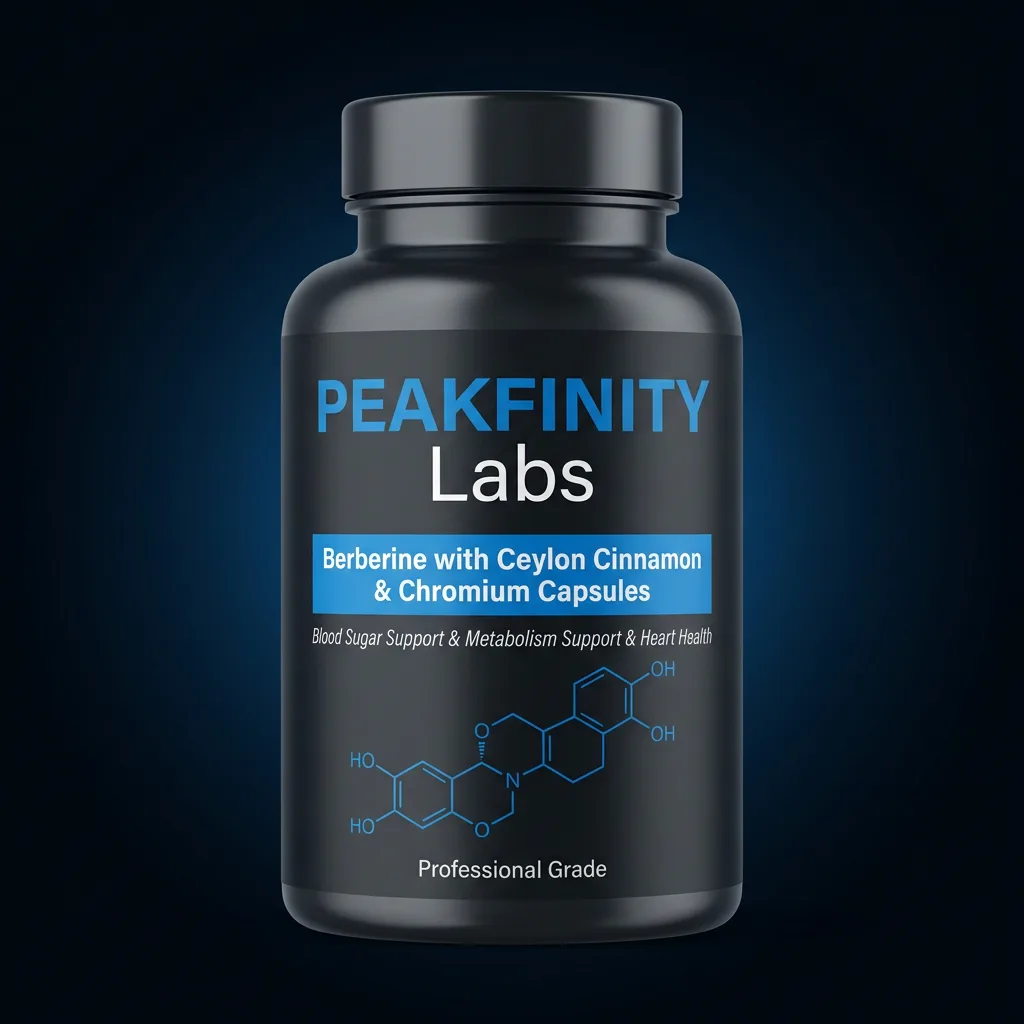
Berberine with Ceylon Cinnamon & Chromium Capsules
Weight Management · Capsules
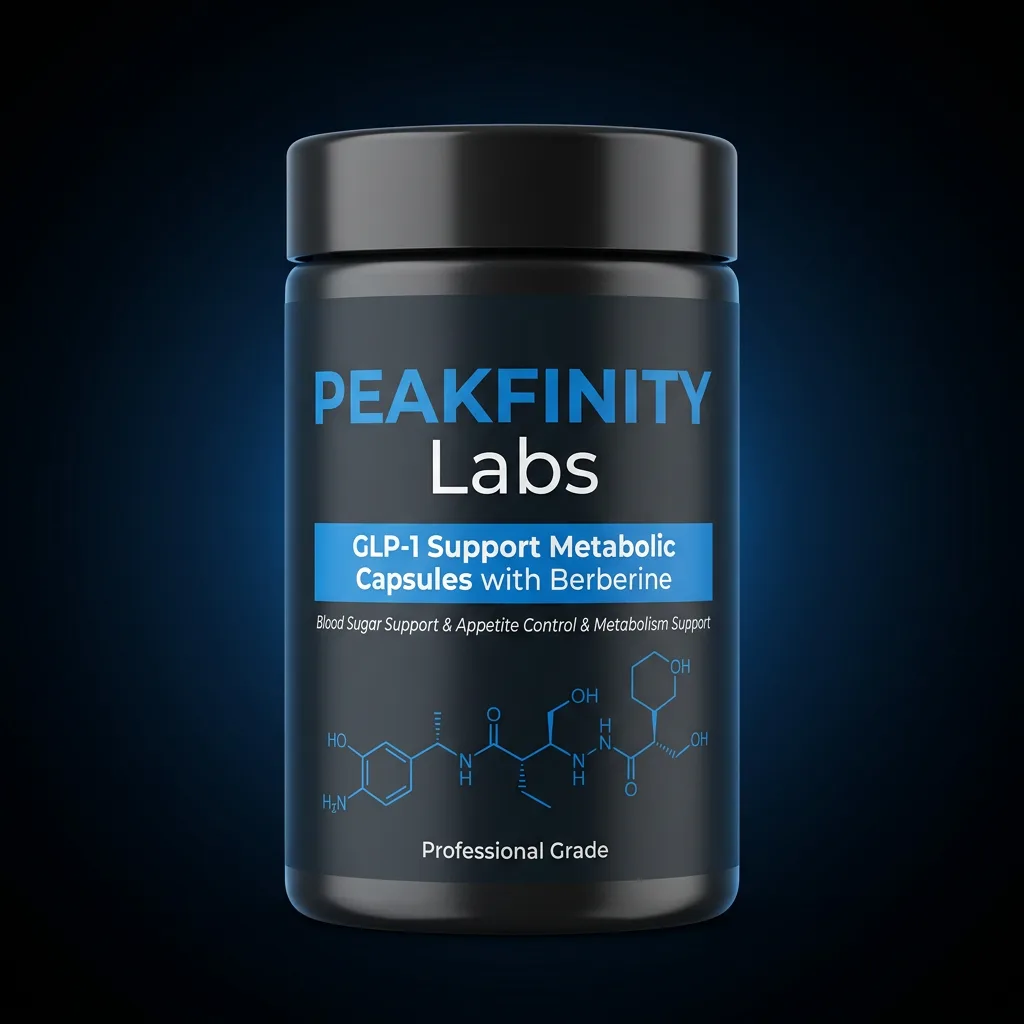
Metabolic Support Capsules with Berberine
Weight Management · Capsules
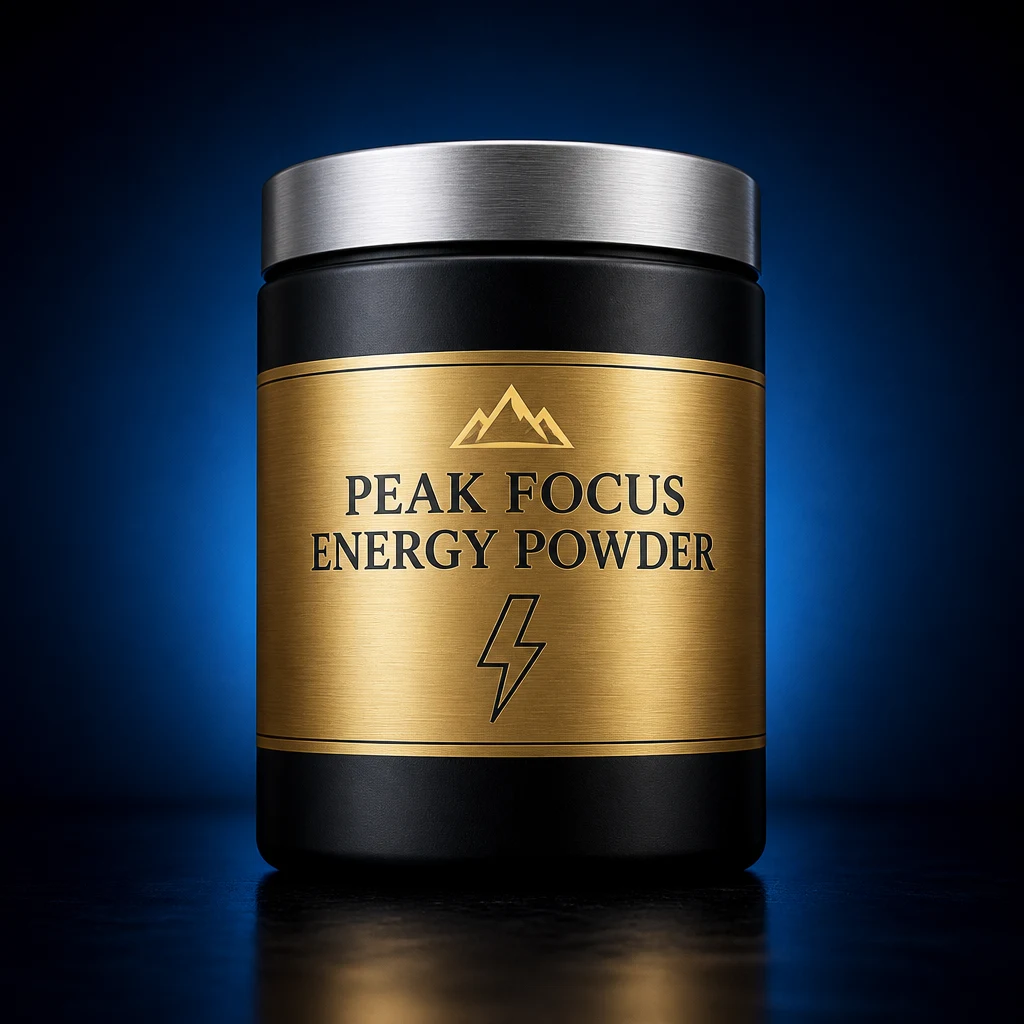
Peak Focus & Metabolic Energy Performance Powder
Sports Nutrition · Powder
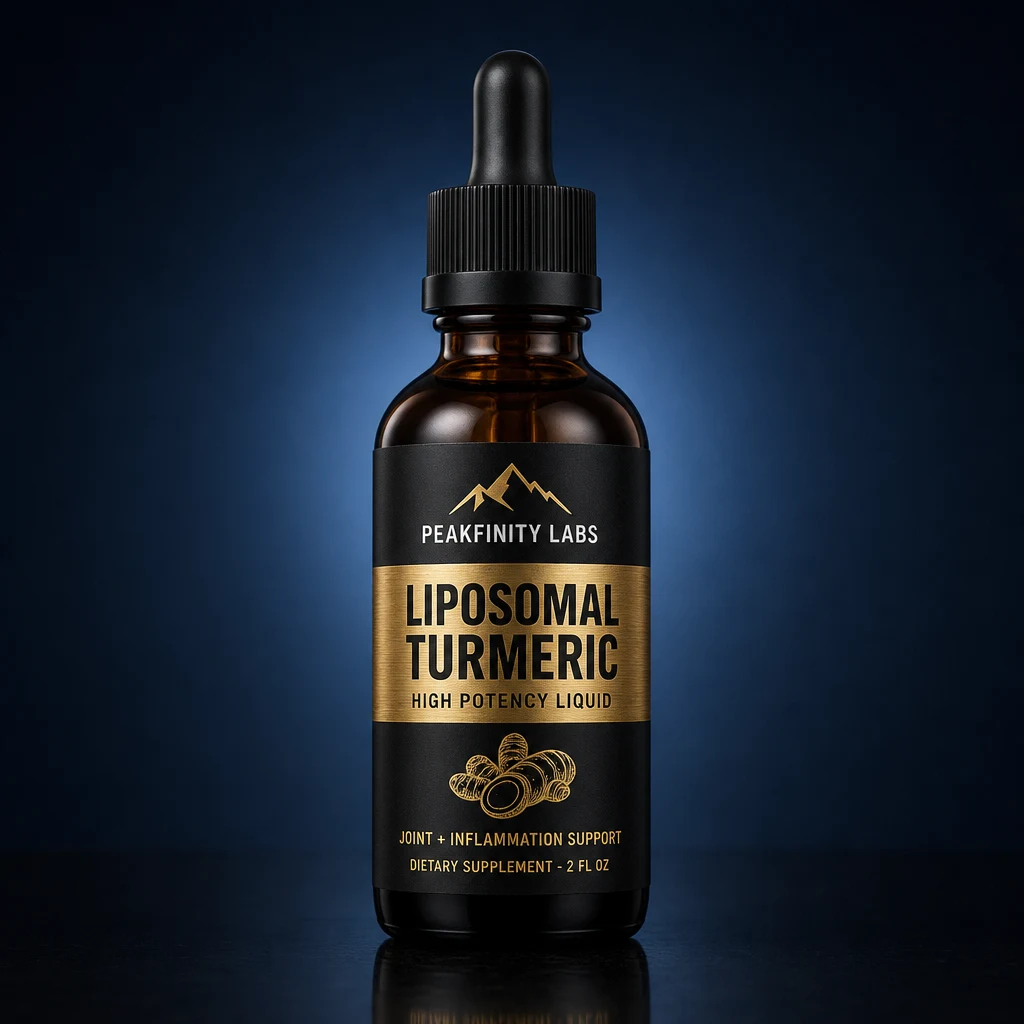
Liposomal High-Potency Turmeric Extract Liquid for Joint & Metabolic Health
Joint Support · Liquid

Tushar
Licensed Pharmacist and COO @ Peakfinity Labs
Written by the Peakfinity Labs R&D Team — 46+ years of supplement formulation expertise. Our team of formulation chemists, manufacturing specialists, and regulatory experts has helped thousands of eCommerce brands bring their products to market successfully since 1980.
Related Articles

Private Label Supplement Markup: Typical Margins for DTC, Amazon, and Wholesale
Typical markup ranges for DTC, Amazon, and wholesale, plus the landed-cost model that decides whether your margin is real.

How to Compare Quotes From Supplement Manufacturers Without Missing Hidden Costs
A six-bucket framework and paste-ready RFQ table that surfaces hidden costs before you sign with a manufacturer.

When Is a Supplement Brand Ready to Move From Private Label to Custom?
Nine readiness signals, the custom-light middle path, and a seven-step switch plan that avoids stockouts and claim issues.