What Manufacturer Makes Weight Loss Supplements in the USA: Top 10
We reviewed 10 US manufacturers for weight loss supplements—highlighting low MOQs, thermogenic and gummy lines, GMP/ISO status, and realistic launch costs.
- 1The 'best' weight loss supplement manufacturer depends on your format, MOQ needs, compliance requirements, and how fast you need to ship
- 2Weight loss is a high-scrutiny category—your manufacturer choice directly affects allowable claims, testing burden, and platform readiness
- 3Refund rates are the hidden killer: format and sensory decisions reduce returns more than exotic ingredients
- 4US-based GMP & ISO certified manufacturers typically win for D2C brands that need fast turnaround and compliant documentation
- 5Start with one promise (metabolism support, cravings support, etc.), one format, and a low-MOQ test run before scaling inventory
Introduction
If you're searching "what manufacturer makes weight loss supplements in the USA," you're usually trying to solve three problems at once: build something people will actually buy, keep it compliant, and avoid getting stuck with pallets of inventory that don't move.
The hard part is that "weight loss" is a high-scrutiny category. Your manufacturer choice affects everything: allowable claims, testing burden, lead times, Amazon/TikTok readiness, and whether you can survive a sudden demand spike without going out of stock.
This listicle is built for founders who want a fast turnaround, low MOQ test run, and a manufacturer that can support rapid scale without quality drift. We'll also cover what ingredients are most popular in manufactured weight loss supplements, what it costs to launch, and the FDA rules that matter when you sell online.
Note: "Weight loss supplement" covers multiple product types—thermogenics, appetite control, carb blockers, metabolism support, meal replacement powders, and stimulant-free options. The "best" manufacturer depends on which lane you're in.
Quick verdict: what to look for before you pick a manufacturer
Before the top 10 list, here's the screen we use when founders ask us to sanity-check a manufacturing decision. It's not glamorous, but it prevents expensive switching later.
| Decision factor | What 'good' looks like | Why it matters for weight loss |
|---|---|---|
| Certifications | GMP & ISO certified facilities, documented quality systems | Higher-risk category means retailers and platforms ask for more proof |
| MOQ flexibility | Low MOQ for first runs + repeatable scale plan | You can test hooks, flavors, and offers without betting the company |
| Turnaround time | Fast turnaround (weeks, not quarters) | Weight loss demand is trend-driven; timing is a competitive edge |
| Claims & compliance | Label review, compliant structure/function positioning, documented substantiation plan | "Fat burner" language can get listings suppressed if handled loosely |
| Testing & COAs | Identity/purity, micro, heavy metals; stable COA workflow | Platforms and wholesale buyers increasingly ask for COAs |
| D2C packaging readiness | D2C ready packaging, labeling, inserts, kitting, 3PL coordination | Your "launch" is a fulfillment problem as much as a formula problem |
Top 10 USA manufacturers for weight loss supplements (and how to choose)
This list mixes specialist supplement manufacturers, full-service "from formula to ship" partners, and high-capacity operators. The point isn't that one is perfect—it's to help you match your product format, compliance needs, MOQ, and speed requirements to the right type of manufacturer.
1) Peakfinity Labs (best for low-MOQ launches + fast scale in D2C)
Peakfinity Labs is built for founders who need low MOQ test runs without waiting months, plus the operational support to scale when an offer hits. Our facilities are GMP & ISO certified, and we structure projects so quality and lead times stay stable as you move from "first 500–2,000 units" into repeat production.
We're also partner-first on the stuff that quietly breaks launches: label copy that stays compliant, D2C ready packaging that survives shipping, and change control when you need to swap a supplier lot or update a flavor system. If you're building for TikTok or Amazon, we plan manufacturing around campaign calendars rather than hoping inventory arrives "sometime next quarter."
Relevant services: Supplement Manufacturing Overview, Our Process, Certifications, Quality, and formats like Gummy Manufacturing and Powder Manufacturing.
2) Makers Nutrition (best known for broad private label menus)
Makers Nutrition is widely known for offering many stock and customizable options across common supplement formats. If your goal is to launch a straightforward capsule or powder fast with a familiar ingredient stack, this "menu depth" can reduce decision time.
The trade-off to watch is how much true customization you need. If you want a distinct weight management angle (stimulant-free, GLP-1 support positioning, "healthy cravings" support, etc.), ask early about formulation flexibility, flavor systems, and how they handle label compliance review.
3) Vitaquest International (best for complex formulas and larger-scale operations)
Vitaquest is a large US-based manufacturer with broad capabilities and experience across major retail-style supplement categories. If you're building a complex formula, running multiple SKUs, or planning higher volumes from day one, they can be a fit.
For early-stage founders, the common friction is speed and minimums. Get clear numbers in writing on MOQ, lead times, and the "hidden" line items (art setup, testing, stability, tooling, and revisions) before you commit.
4) NutraScience Labs (best for brands that want support across common formats)
NutraScience Labs is often considered by new and growing brands because they support multiple delivery formats and can guide you through early decisions. If you're still choosing between capsules vs gummies vs powders for a weight loss product, that flexibility helps.
Ask specifically how they handle stimulant formulas, caffeine limits per serving, and banned-substance screens. Weight loss products get more chargebacks and customer complaints, so your tolerance specs and micro testing plan matter.
5) SMP Nutra (best for established private label pipelines)
SMP Nutra is known in the private label space and may be a workable option when you want a standard formula and a repeatable manufacturing pipeline. This can make sense if you already validated demand and now want reliable replenishment runs.
If you're trying to stand out in a crowded category, confirm whether you can meaningfully customize: clinically-relevant doses, branded ingredients (where appropriate), or a differentiated format like stick packs or flavored powders.
6) Arizona Nutritional Supplements (best for high quality systems and specialty categories)
Arizona Nutritional Supplements (ANS) is frequently associated with strong manufacturing and quality controls. If your strategy depends on premium positioning and tight batch-to-batch consistency, quality systems can outweigh speed.
For weight loss in particular, ask about their stance on "borderline" ingredients and how conservative they are on label language. A more conservative manufacturer can reduce compliance risk, but you may need to adjust marketing expectations.
7) Captek Softgel International (best for softgels like CLA/MCT and lipid-based actives)
If your weight management line includes softgels—think oils like CLA or MCT blends—Captek is a known option in softgel manufacturing. Softgels can feel more "premium" and often test well for customer experience.
Softgels also add complexity: gelatin or alternative shells, oil oxidation controls, and packaging that reduces oxygen exposure. Make sure the manufacturer can share stability guidance and packaging recommendations that fit D2C shipping.
8) Tishcon (best for specialized formulations and stringent requirements)
Tishcon is often brought up for specialized supplement manufacturing and the ability to meet tighter specifications. If you're building a weight loss product that needs more than a basic blend—like a carefully controlled stimulant profile or a multi-phase capsule—this type of manufacturer may fit.
Expect more upfront development work and a more formal change-control process. That's not a downside if you plan to scale into larger channels or need high documentation quality.
9) Lonza / Capsugel (best for capsule technology and large-scale supply chains)
Lonza (Capsugel) is known for capsule technology and supply chain scale. If you're designing around capsule delivery—delayed release, specialty shells, or performance characteristics—this type of partner can support that.
This is typically a better fit for larger brands with established forecasting. If you're still validating demand, pair advanced capsule concepts with realistic MOQs and lead time planning.
10) Herbalife Nutrition (best example of vertically integrated high-volume manufacturing)
Herbalife isn't a contract manufacturer for most brands, but it's a useful benchmark for what "high-volume, vertically integrated" looks like in weight management. Their model shows why consistency, supply chain control, and process discipline matter when you sell shakes and daily-use products.
If you're a startup, you won't replicate vertical integration. But you can choose a manufacturer that plans like a high-volume operator: documented specs, stable suppliers, and realistic production scheduling.
The unique angle most brands miss: weight loss manufacturing is a returns problem
Most founders obsess over ingredients and ignore the operational reason weight loss SKUs fail: refund rates. Weight management buyers churn fast, compare brands aggressively, and complain quickly if the product tastes bad, upsets their stomach, or feels inconsistent.
In our experience, you reduce refunds more with format and sensory decisions than with exotic ingredients. For example, a powder that clumps or a gummy that sweats in heat will create "this is defective" tickets even if the formula is fine. That's why we push for packaging and stability choices early—especially if you sell on Amazon or TikTok where customer feedback loops are brutal.
What ingredients are most popular in manufactured weight loss supplements?
Popular ingredients cluster into a few "lanes." Which lane you pick should match your claim strategy and your customer's tolerance for stimulants.
| Goal | Common ingredient families | Notes for manufacturing & compliance |
|---|---|---|
| Thermogenic / energy | Caffeine, green tea extract (EGCG), capsicum/cayenne | Watch total caffeine per serving; stimulant side effects drive refunds |
| Metabolism / nutrient support | B-vitamins, chromium, berberine-style "glucose support" positioning | Position as metabolism/blood sugar support rather than "melt fat" claims |
| Appetite / cravings | Fibers, protein support concepts, saffron-style mood/craving angles | Powders and gummies need taste work; fiber impacts texture |
| Carb/fat blockers | White kidney bean (carb), chitosan-style concepts (fat) | Make sure dosing is realistic for serving size and capsule count |
| Meal replacement | Protein, fiber, micronutrients | Most expensive to do well; flavor system and mixability are everything |
Can you get a custom fat burner formula manufactured?
Yes, you can get custom formulation for a "fat burner" style product, but you need to decide what "fat burner" means for your brand. Most compliant products land in structure/function territory like "supports metabolism" or "supports energy and thermogenesis," not aggressive promises.
From a manufacturing standpoint, the limiting factors are usually (1) capsule size and serving count, (2) taste and solubility for powders, and (3) stimulant management for tolerability. If you want a stimulant-free formula, you typically need more room for supportive ingredients, which often pushes you toward powders, gummies, or multi-capsule servings.
If you want to move fast, start with a proven base and customize one or two meaningful variables (dose, delivery format, flavor system). That approach reduces iteration cycles and keeps your first run within a low-risk MOQ.
Best delivery format for weight loss supplements (what actually works for D2C)
Delivery format is not a branding detail. It changes your COGS, refund rate, shipping damage rate, and even what claims you can plausibly make.
| Format | Best for | Watch-outs |
|---|---|---|
| Capsules | Fast launch, simple supply chain, easy to keep stable | Limited space; "2 capsules/day" feels better than "6/day" |
| Gummies | High conversion, great for TikTok, flavor-led offers | Heat stability, sugar alcohol tolerance, actives that don't fit gummies |
| Powders | Meal replacement, fiber/appetite support, higher doses | Flavor and mixability; packaging must prevent clumping and moisture |
| Softgels | Oil-based actives like CLA/MCT concepts | Oxidation and packaging; higher complexity than capsules |
Peakfinity Labs supports these formats via Capsule Manufacturing, Gummy Manufacturing, Powder Manufacturing, and Softgel Manufacturing.
What does it cost to manufacture a weight loss supplement line?
Costs swing based on format, servings per unit, and packaging. A realistic way to budget is to separate one-time costs (setup and design) from per-batch costs (materials and production).
- One-time costs: formulation work (if custom), label and packaging design, initial testing, first production setup.
- Per-batch costs: raw materials, encapsulation/tableting/gummy run, bottles/pouches, labels, packing labor, and ongoing QC.
For many new D2C brands, the most common surprise cost isn't the formula. It's packaging components (custom bottles, lids, induction seals), freight, and time lost on revisions. If you want predictability, ask your manufacturer for an itemized quote and a change-order policy before you approve proofs.
What FDA rules apply to manufacturing weight loss supplements?
In the US, dietary supplements fall under FDA regulations and must be made under dietary supplement cGMPs (21 CFR Part 111). Your manufacturer should be able to explain their quality system, supplier qualification, testing plan, and batch records process in plain English.
Claims matter even more than most founders expect. You generally can't claim your supplement will "cause weight loss" like a drug would. Most compliant brands stick to structure/function language (examples: "supports metabolism," "supports healthy appetite," "supports energy") and use the required disclaimer when applicable.
If you sell on platforms like Amazon, you also need platform compliance. For practical guidance, see Compliant Supplement Amazon.
How to start a weight loss supplement brand (the fast, low-risk path)
If you're asking "how do I start a weight loss supplement brand," you don't need a 40-page business plan. You need a tight product and supply plan that avoids inventory traps.
- Pick one promise: metabolism support, cravings support, stimulant-free energy, or meal replacement. Don't try to do all of them in one SKU.
- Choose a format that matches your offer: powders for higher doses, capsules for simplicity, gummies for conversion.
- Run a low MOQ test: validate creative + landing page + repeat purchase signals before you scale inventory.
- Lock your compliance early: finalize label copy and claims strategy before you buy packaging.
- Plan replenishment: assume your best week can become your average week after a viral hit.
If you're building for specific channels, these pages help: TikTok Shop Sellers, Amazon FBA Brands, and Shopify Brands. For a channel-specific walkthrough, see TikTok Supplement Brand Guide.
How long does it take to develop and manufacture a weight loss supplement?
Timeline depends on whether you choose private label or custom. Private label can move faster because the base formula already exists. Custom takes longer because you'll go through bench work, sourcing, pilot decisions, and label iterations.
At Peakfinity Labs, many launches target a 3–4 week turnaround from order to production once specs, packaging, and approvals are locked. If you want to reduce time, keep your first run simple: one format, one flavor (if powder), and standard packaging components.
If you need prototyping, start here: Prototyping Services and R&D. If you're still deciding between approaches, see Private Label Vs Custom Manufacturing.
Risks to manage when manufacturing weight loss supplements
The biggest risks are predictable. You can avoid most of them if you treat manufacturing like an operations project, not a creative project.
- Compliance risk: aggressive claims and "too good to be true" positioning can get ads rejected or listings suppressed.
- Supply risk: trending ingredients can go allocation-only; plan alternates before you scale.
- Quality drift: changing suppliers or lots without tight specs can change taste, color, or capsule fill.
- Heat/moisture failures: gummies sweating, powders clumping, softgels oxidizing—these create refunds fast.
If you're worried about sudden demand spikes, read Manufacturer Sudden Demand Spikes and Scaling Supplement Brand. If fulfillment is part of your risk stack, consider Supplement 3PL.
Frequently Asked Questions
What manufacturer makes weight loss supplements in the USA?
There's no single right manufacturer—choose based on your format (capsule, gummy, powder, softgel), MOQ needs, and speed. Prefer partners with GMP/ISO quality systems, transparent testing/COAs, and D2C packaging workflows. When shortlisting, request certifications, written MOQ and lead times, a sample COA, and an itemized quote including packaging and testing.
How do I start a weight loss supplement brand without buying huge inventory?
Pick one clear promise (e.g., metabolism support or cravings support), choose the matching format (powders for higher doses, capsules for simplicity, gummies for conversion), run a low-MOQ production test to validate creative and repeat purchase signals, finalize label copy and claims before buying packaging, and plan replenishment assuming a potential viral spike.
Can you get a custom fat burner formula manufactured?
You can manufacture a custom fat burner formula in the US as long as the ingredients, dosing, and label claims stay within dietary supplement rules and your manufacturer can document quality controls. Most compliant brands position these products with structure/function language such as 'supports metabolism' or 'supports energy' rather than guaranteed weight-loss outcomes. The practical next step is to request a feasibility review that checks capsule size limits, stimulant tolerance targets, and a testing plan for identity, micro, and heavy metals.
What FDA rules apply to manufacturing weight loss supplements?
Dietary supplements in the U.S. must be manufactured under FDA dietary supplement cGMPs (21 CFR Part 111). Your manufacturer should explain their quality system, supplier qualification, testing plan, and batch records. Claims must avoid drug language; most brands use structure/function claims (with required disclaimers). Platform compliance (e.g., Amazon) is also important.
How long does it take to develop and manufacture a weight loss supplement?
Timelines vary: private label is faster because the base formula exists; custom formulation requires bench work, sourcing, pilots, and label iterations. At Peakfinity Labs many launches target a 3–4 week turnaround from order to production once specs, packaging, and approvals are locked. To shorten timelines, keep the first run simple (one format, one flavor, standard packaging).
What ingredients are most popular in manufactured weight loss supplements?
Popular ingredients fall into lanes: thermogenic/energy (caffeine, green tea extract/EGCG, capsicum), metabolism/nutrient support (B-vitamins, chromium, berberine-style glucose support), appetite/cravings (fibers, protein support, saffron-style mood/craving ingredients), carb/fat blockers (white kidney bean, chitosan-style concepts), and meal-replacement ingredients (protein, fiber, micronutrients).
What's the best delivery format for a weight loss supplement—capsules, gummies, or powder?
Format depends on goals: capsules are fastest and simplest to produce and keep stable but have limited dose space; gummies convert well on social but need heat-stable packaging and have formulation limits; powders suit meal replacements or higher doses but require strong flavor and mixability and packaging to prevent clumping. Choose the format you can keep stable in shipping and that your audience will take daily without complaints.
What does it cost to manufacture a weight loss supplement line?
Costs split into one-time and per-batch items: one-time costs include formulation, label/packaging design, initial testing, and production setup; per-batch costs cover raw materials, production runs (encapsulation/tableting/gummy), packaging, labels, packing labor, and QC. Common surprises are custom packaging components, freight, and time spent on revisions, so ask for an itemized quote and change-order policy.
Ready-to-Launch Formulations in This Category
Stock-ready formulations you can private label with your own branding — 2,000 unit MOQ.
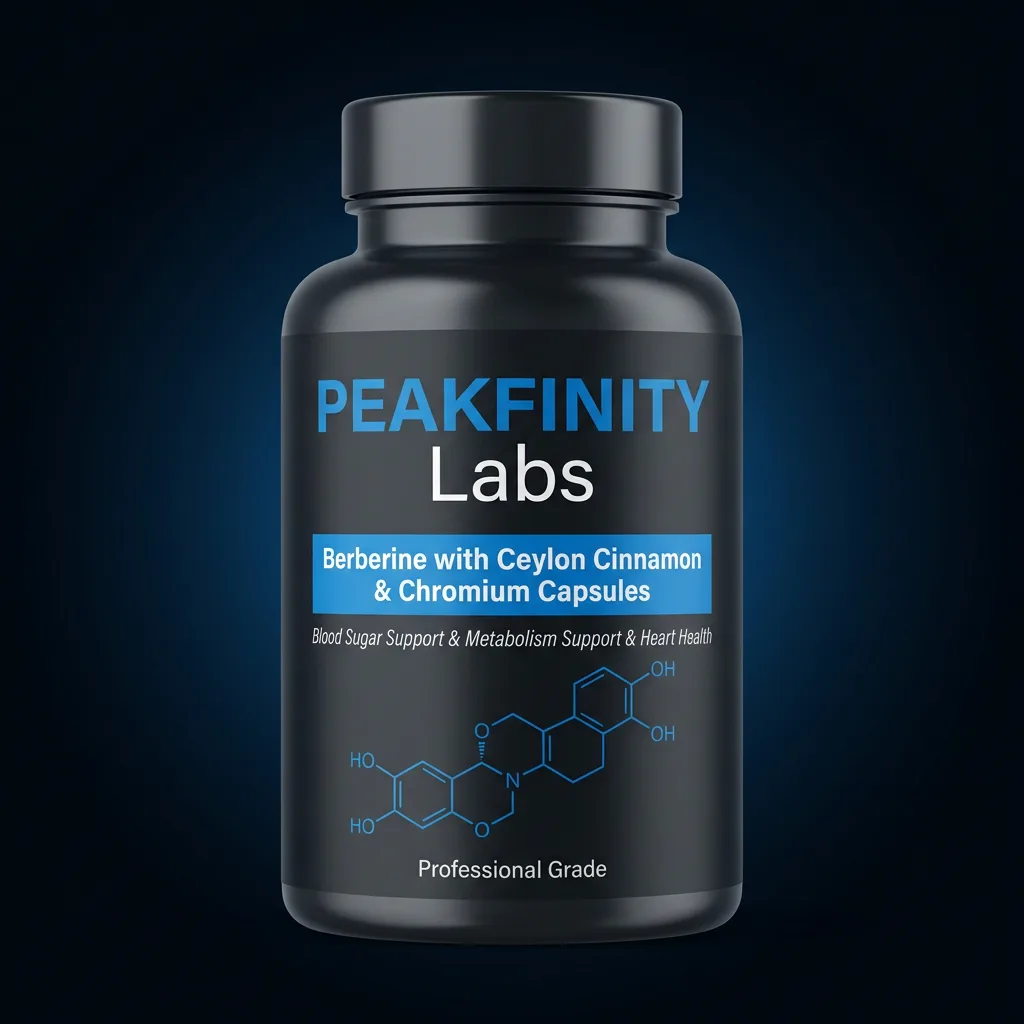
Berberine with Ceylon Cinnamon & Chromium Capsules
Weight Management · Capsules
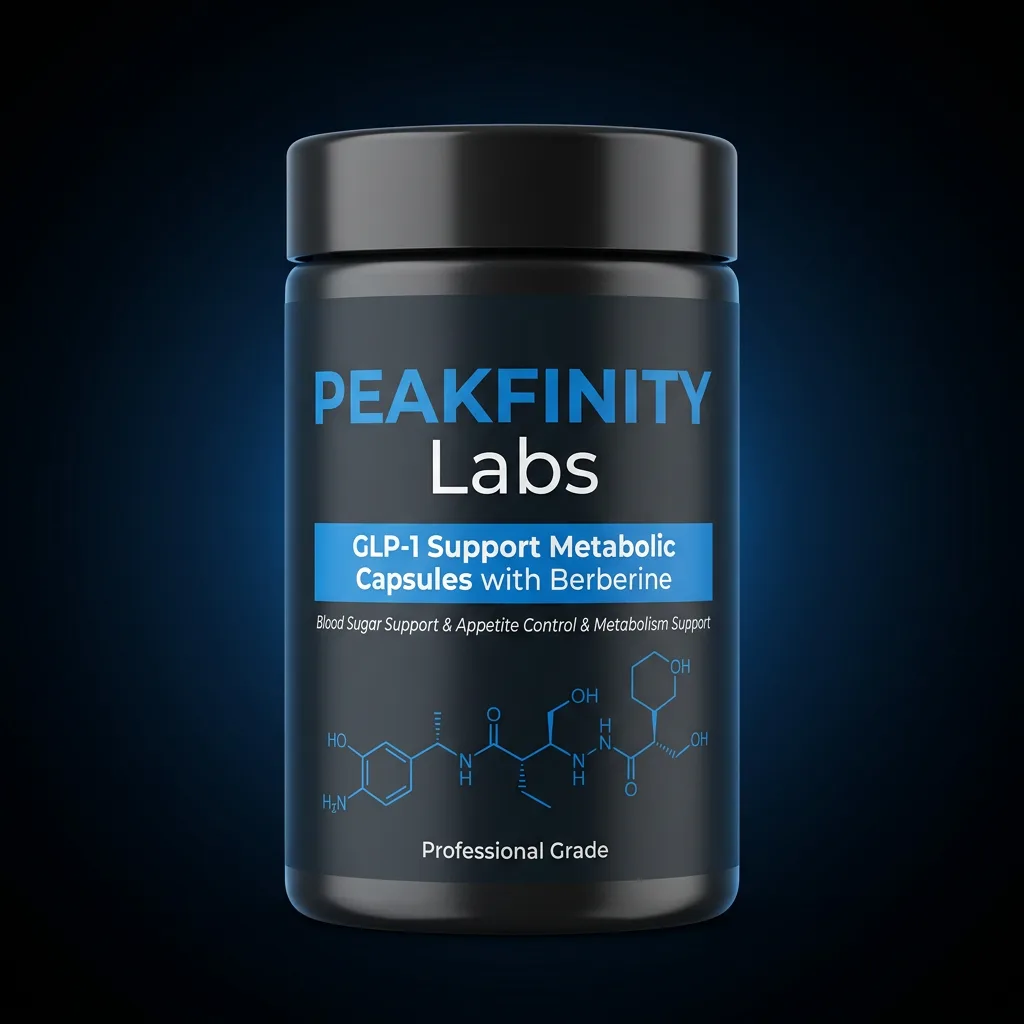
Metabolic Support Capsules with Berberine
Weight Management · Capsules
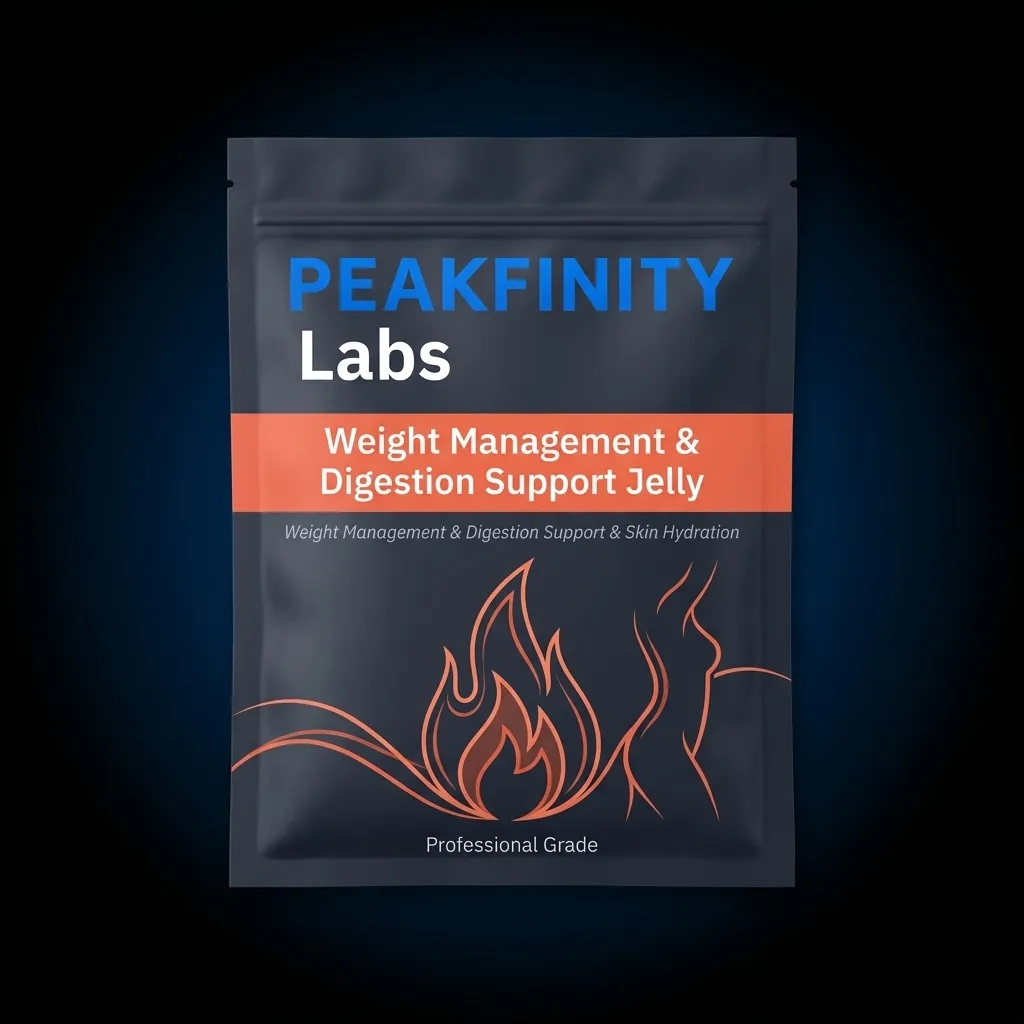
Weight Management & Digestion Support Jelly
Nutraceuticals (Beauty) · Liquid
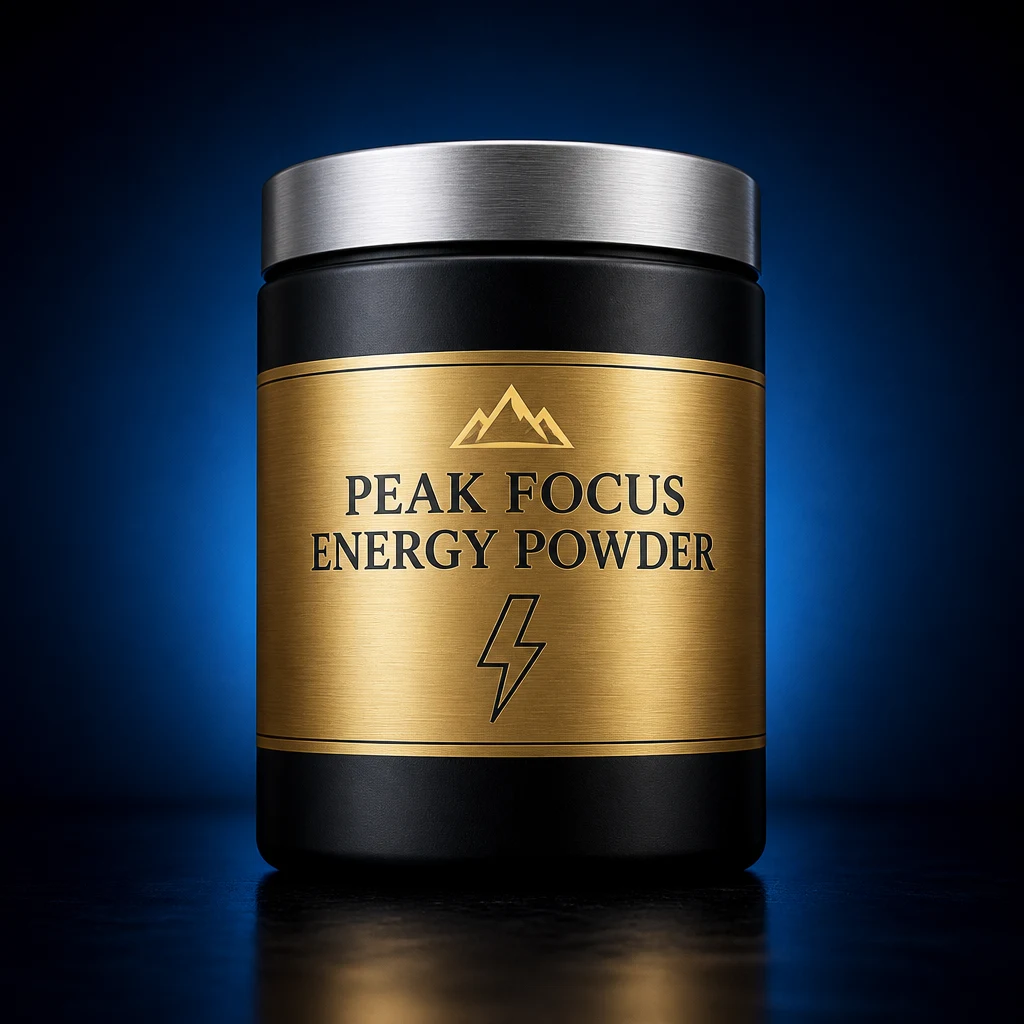
Peak Focus & Metabolic Energy Performance Powder
Sports Nutrition · Powder
Summary: top picks by scenario
| If you need… | Best fit | Why |
|---|---|---|
| Low MOQ + fast turnaround + D2C packaging help | Peakfinity Labs | Built for test runs and rapid scale with compliant workflows |
| Softgels like CLA/MCT concepts | Captek Softgel International | Softgel experience and lipid-based manufacturing needs |
| Larger-scale, complex programs | Vitaquest (or similar large operators) | Broad capabilities for multi-SKU, higher-volume plans |
Conclusion + next steps
If you're deciding what manufacturer makes weight loss supplements in the USA, don't just compare price per bottle. Compare lead time reliability, quality documentation, MOQ flexibility, and how well the manufacturer supports your channel (Amazon, TikTok, or Shopify).
If you want a partner that can move quickly with custom formulation, low MOQ runs, and a clear path to rapid scale, start here: Start Project or Contact. If you want to learn how we work before you reach out, see About, Facilities, and Manufacturing Overview.
Site links: Privacy Policy and Terms.

Tushar
Licensed Pharmacist and COO @ Peakfinity Labs
Written by the Peakfinity Labs R&D Team — 46+ years of supplement formulation expertise. Our team of formulation chemists, manufacturing specialists, and regulatory experts has helped thousands of eCommerce brands bring their products to market successfully since 1980.
Related Articles
How to Find an ISO 17025-Accredited Supplement Testing Lab, and What Founders Should Ask For
How to verify a lab's ISO/IEC 17025 scope actually covers your test, the questions to ask before shipping samples, and a testing plan built for ecommerce timelines.
Supplement Manufacturing Lead Times and Reorders: What Founders Should Expect Before and After Launch
The five workstreams hiding inside "lead time," why reorders move faster than first runs, and the ramp plan that survives a demand spike.
How to Vet a cGMP Supplement Manufacturer With Documented Audit History
The document pack, audit-history call script, and scoring rubric that separate real cGMP quality systems from certificate PDFs.