What Qualifies a Herb as an Adaptogen? Exploring Key Traits
We compare KSM-66 vs Sensoril, full vs standardized extracts, and 6 lab checks: DNA barcoding, pesticide screens, potency tests to verify adaptogens.
- 1“Adaptogen” is one of the most-used words in modern wellness—but it’s also one of the most-misused. From an SEO standpoint, that creates an opening
- 2The term “adaptogen” comes from a specific framework, not just a marketing vibe. The most-cited modern criteria were developed in the mid-20th
- 3The global rise of Ayurvedic and TCM ingredients isn’t just trend cycling. It’s driven by supply chain maturity (more standardized extracts), better
- 4Brands often treat “full spectrum” and “standardized” as opposites. In practice, they solve different
- 5Standardization is not just printing “10:1” on a label. It’s a specification system that connects raw material, processing, and testing to a
Introduction
“Adaptogen” is one of the most-used words in modern wellness—but it’s also one of the most-misused. From an SEO standpoint, that creates an opening for brands. If your product pages and labels say “adaptogen” without explaining what qualifies a herb as an adaptogen (and how you prove it), you risk weak differentiation, inconsistent consumer trust, and compliance headaches.
The hard part is that adaptogens sit at the intersection of traditional systems (Ayurveda, TCM, Russian pharmacology), modern extraction chemistry, and strict supplement labeling rules. Two products can both claim “ashwagandha” and still deliver totally different results because the extract ratio, marker compounds, and contaminant controls vary—sometimes by a lot.
This guide breaks down the classic adaptogen criteria, how brands standardize herbal extracts for consistent potency, and how to verify identity and safety in a GMP-certified, ISO-certified supply chain. We’ll also cover practical choices like full spectrum vs standardized extracts, DNA barcoding, wild-harvest ethics, and how to formulate adaptogen blends that work in real ecommerce timelines with low MOQ, small-batch testing.
What makes a herb qualify as an adaptogen?
The term “adaptogen” comes from a specific framework, not just a marketing vibe. The most-cited modern criteria were developed in the mid-20th century by researchers studying “stress resistance” and nonspecific resilience. While definitions vary, brands that want a defensible position typically anchor on three traits.
The 3 core adaptogen traits (the practical version)
- Non-specific support: The herb supports the body’s ability to handle different types of stress (physical, mental, environmental), not one narrow trigger.
- Normalizing effect: It helps bring systems back toward balance rather than pushing in one direction only (for example, supporting a healthy stress response instead of acting like a stimulant).
- Safety at intended use: It has a reasonable safety margin for regular use at common doses, with low risk of disrupting normal function.
Here’s the contrarian but brand-relevant take: most consumer confusion isn’t about the definition—it’s about consistency. If batch A feels “calming” and batch B feels “nothing,” customers don’t argue criteria. They churn, refund, and post reviews.
Why adaptogens took off: what’s behind the global rise of Ayurvedic and TCM ingredients
The global rise of Ayurvedic and TCM ingredients isn’t just trend cycling. It’s driven by supply chain maturity (more standardized extracts), better testing (identity and contaminants), and ecommerce behavior (fast feedback loops that reward noticeable, repeatable experiences).
- Standardized actives made outcomes more repeatable: When brands moved from raw powders to extracts standardized to marker compounds, “it worked last time” became more common.
- Stress and sleep categories grew fast: These categories fit structure/function messaging and subscription purchase habits.
- Content education got better: Brands that explained sourcing, standardization, and testing won trust—especially on Amazon where reviews punish inconsistency.
For manufacturers, this means adaptogens aren’t a single SKU. They’re a system: raw material verification, extraction specs, blending strategy, and compliant claims—built to scale.
Full spectrum vs standardized herb extracts: what’s the difference?
Brands often treat “full spectrum” and “standardized” as opposites. In practice, they solve different problems.
| Type | What it means in manufacturing | Best for | Main risk |
|---|---|---|---|
| Full spectrum | Extract designed to retain a broad range of compounds similar to the native plant profile (often defined by solvent system and ratio, not a single active). | Brands that want a “whole-plant” story and can support tighter supplier controls. | Higher batch-to-batch variation unless you set multiple specifications (not just “4:1”). |
| Standardized | Extract adjusted to hit a defined level of one or more marker compounds (e.g., “5% withanolides”). | Ecommerce-ready SKUs that need consistency, repeatable dosing, and fewer review swings. | Marker compounds can be gamed if identity, adulteration, and processing controls are weak. |
Recommendation: If you sell online and plan to scale, start with standardized extracts for your hero ingredients, then add full spectrum components for brand storytelling and synergy. This reduces refund risk during small-batch launches.
How brands standardize herbal extracts for consistent potency
Standardization is not just printing “10:1” on a label. It’s a specification system that connects raw material, processing, and testing to a repeatable outcome.
- Define marker compounds: Choose 1–3 measurable compounds tied to identity and expected function (for example, withanolides for ashwagandha; rosavins and salidroside for rhodiola).
- Set an assay method: Use validated analytical methods such as HPLC/UPLC for actives, with clear acceptance ranges (e.g., 4.5–5.5% total withanolides).
- Control extract ratio and solvents: “10:1” without solvent and process details is not enough; water vs hydroalcoholic extraction changes the profile.
- Lock a reference spec sheet: Every lot should map to the same spec: actives, microbiology, heavy metals, pesticides, residual solvents (if applicable), and moisture.
- Verify incoming and finished goods: Confirm identity and potency at intake, then confirm potency again in the finished blend (especially for multi-herb formulas).
From a contract manufacturing perspective, the brands that win set specs early. Changing marker compounds after label design creates timeline slippage, relabel costs, and claim rewrites.
Identity verification: how do brands verify the identity of botanical raw materials?
Botanicals are high-risk for substitution, dilution, and mislabeled species—especially when you buy powders. Strong identity programs combine multiple layers, because no single test catches everything.
- Macroscopy/microscopy: Useful for whole herbs and cut/sifted materials; weaker for fine powders.
- Chemical fingerprinting: TLC/HPTLC can confirm a “pattern” consistent with the right plant and detect some adulterants.
- Chromatography: HPLC/UPLC can quantify markers and help confirm expected profiles.
- DNA-based methods: Helpful for species verification when handled correctly (see next section).
In GMP-certified manufacturing, this identity step is not optional. It supports label accuracy, reduces recall risk, and prevents “mystery powders” from entering your supply chain.
What is DNA barcoding and why does it matter for herbal supplements?
DNA barcoding checks a botanical’s genetic signature to help confirm species identity. It matters because some adulteration is intentional (substitution with a cheaper plant), and some is accidental (harvesting and sorting errors).
That said, DNA isn’t a magic stamp. Highly processed extracts may have degraded DNA, and blends can confuse results. A smart program uses DNA barcoding as one tool alongside chemical methods, not as the only gate.
For brands, the practical value is simple: DNA methods can catch the “right marker, wrong plant” problem—where an adulterant mimics one active compound but isn’t the labeled species.
How do brands handle pesticide and contaminant testing for botanicals?
Botanicals concentrate what the plant was exposed to. Extracts can concentrate contaminants too, so testing should match your ingredient form and sourcing region.
- Heavy metals: Common panels include lead, arsenic, cadmium, and mercury. Many brands align internal limits tighter than baseline regulations to reduce retail platform risk.
- Pesticides: Multi-residue pesticide screens matter most for crops with known pesticide exposure. Your supplier should specify method and scope, not just “passes.”
- Microbiology: Total plate counts, yeast/mold, and pathogen screening depend on dosage form and target customers.
- Residual solvents: Required when solvents are used in extraction; acceptance limits should align with recognized guidance.
- Adulterants: Targeted testing for known issues (for example, rhodiola species substitution) can be worth the cost.
Operationally, the key is deciding what gets tested at ingredient intake versus finished goods. If you only test finished capsules, you may miss the chance to reject a bad lot early—wasting time and money.
Ethical sourcing: how do brands source ethically wild-harvested botanicals?
Ethical wild-harvesting is a real differentiator because some adaptogenic botanicals face pressure from demand spikes. “Wild-harvested” can also be misused as a marketing badge when traceability is weak.
- Require harvest protocols: Look for documented collection methods, seasonal limits, and regeneration practices.
- Traceability beyond the broker: Ask for region, co-op details, and chain-of-custody documentation where possible.
- Third-party frameworks: Depending on the herb and region, certifications or independent audits can reduce greenwashing risk.
- Choose cultivated when it protects supply: For fast-scaling ecommerce brands, cultivated supply often provides better consistency and fewer stockouts.
Practical recommendation: If your brand needs reliable monthly reorders, prioritize a supplier that can prove both ethics and volume. A beautiful origin story fails if you can’t keep the listing in stock.
Ashwagandha demand: what’s driving consumer interest right now?
Ashwagandha remains a flagship adaptogen because it fits three profitable needs: stress support, sleep support, and everyday performance. It also has recognizable naming and strong repeat-purchase behavior when the product feels consistent.
- Content and creator momentum: Consumers see “cortisol,” stress, and sleep content daily, even when brands avoid disease claims.
- Standardized ingredients made it predictable: Products using consistent withanolide specs tend to perform better in reviews than unstandardized powders.
- Format innovation: Gummies, stick packs, and flavored powders expand the audience beyond capsule buyers.
Manufacturing note: ashwagandha is also one of the most compared ingredients online. If you don’t specify your extract type, shoppers will compare you to brands that do.
KSM-66 vs Sensoril: how should brands choose?
KSM-66 and Sensoril are two well-known branded ashwagandha ingredients with different positioning. Your choice should match the customer promise, serving size, and the rest of your formula.
| Factor | KSM-66 (common positioning) | Sensoril (common positioning) | Best fit |
|---|---|---|---|
| Plant part | Often positioned as root-only | Often positioned as root + leaf | Choose based on your brand story and spec requirements |
| Typical use case | Everyday stress + performance blend | Calm/sleep-leaning formulas | Match to “daytime balance” vs “nighttime unwind” |
| Formulation constraints | Works well in capsules; can fit mid-size servings | Often used at smaller doses in multi-ingredient formulas | Useful when you need to keep capsule count low |
| Marketing assets | Strong brand recognition and study library | Strong brand recognition and study library | Branded ingredients help with ecommerce conversion |
Verdict: If you’re building an “anytime daily adaptogen” for broad audiences, KSM-66 is often the cleaner fit. If you’re building a calm-leaning formula where capsule space is tight, Sensoril often makes the formulation easier. Confirm the exact spec sheet and labeling permissions with your supplier before final artwork.
Rhodiola vs ginseng vs eleuthero: what’s the difference?
These three get grouped together, but they behave differently in formulas and in customer experience.
| Herb | Typical positioning | Key standardization markers (common) | Formulation watch-outs |
|---|---|---|---|
| Rhodiola rosea | Mental stamina, fatigue support | Rosavins + salidroside | Species substitution is common; set identity controls and marker ratios |
| Panax ginseng | Energy, performance, vitality | Ginsenosides | Can feel “stimulating” for some customers; dosing and claims must stay compliant |
| Eleuthero (Siberian ginseng) | Resilience, endurance support | Eleutherosides | Often confused with Panax; labeling must be accurate to species and common name |
For ecommerce brands, the “feel” matters. Rhodiola can create noticeable product feedback quickly, which helps reviews, but only if identity and standardization are tight.
How do brands formulate adaptogen blends that actually work?
Most adaptogen blends fail for one of two reasons: they’re underdosed, or they’re inconsistent due to weak specs. A blend that “actually works” is built backward from the customer outcome, then constrained by capsule count, flavor, cost, and compliance.
- Pick one hero ingredient: Make one adaptogen the anchor (often ashwagandha or rhodiola) and dose it to a meaningful level.
- Support with 2–4 secondaries: Add botanicals that complement the positioning (calm, focus, energy) without creating a kitchen-sink label.
- Standardize the hero and any high-risk botanicals: This is how you protect reviews and reorders.
- Design around capsule reality: If your formula needs 6 capsules per day, your conversion rate will suffer. We see better performance when brands keep daily servings to 2–4 capsules or a single flavored powder.
- Plan your sensory profile: Many adaptogens taste bitter or earthy. If you’re going gummy or stick pack, you need a flavor system early, not after the formula is “done.”
Manufacturer insight: we avoid locking labels before we lock the extract spec. If you build a formula around “ashwagandha 600 mg” but later switch to a different extract strength, your “same dose” can become a different product.
FDA rules: what rules apply to herb-based structure/function claims?
In the U.S., most adaptogen supplements are marketed using structure/function claims, not disease claims. That means you can generally talk about supporting normal body functions (like stress response or sleep quality) but you cannot claim to treat, prevent, or cure a disease.
- Use structure/function language: “Supports a healthy stress response” is different from “treats anxiety.”
- Include the DSHEA disclaimer when required: Structure/function claims typically need the standard disclaimer on labeling.
- Substantiate your claims: Keep documentation that supports the claim language for the ingredient form and dose you use.
- Avoid “cortisol cure” wording: Be careful with biomarker language; it can trigger implied disease treatment depending on context.
For an official reference, see the FDA’s supplement labeling and claims resources: https://www.fda.gov/food/dietary-supplements/labeling-dietary-supplements.
How do brands market botanicals without disease claims?
Strong botanical marketing stays specific without crossing the line. The trick is to talk about supported functions, use cases, and ingredient quality—not diagnoses.
- Translate outcomes into daily moments: “Wind down at night” reads cleaner than medical language.
- Lead with standardization and testing: This is both conversion-friendly and defensible.
- Use compliant benefit framing: “Supports calm focus” beats “reduces ADHD symptoms.”
- Make your differentiation measurable: Percent actives, identity verification methods, and contaminant testing are tangible.
On Amazon and other marketplaces, compliance is also platform-specific. Build your copy so it can survive ad policy reviews, not just FDA rules.
What trending botanical ingredients should brands watch in 2026?
Trend forecasting matters most when you can test fast with low MOQ and scale if the product hits. Based on what we see brands planning for ecommerce in the next cycle, watch these themes rather than chasing random single herbs.
- Clinically positioned, branded extracts: Brands want ingredients with published data, clear specs, and marketing assets.
- Metabolic botanicals with tight compliance: Ingredients like berberine drive interest, but require careful claim language and quality controls.
- Mushroom-adaptogen hybrids: Formulas blending adaptogenic herbs with functional mushrooms keep expanding in focus and calm categories.
- Beauty-from-within botanicals: Expect more crossover between supplements and skincare positioning.
Trend execution tip: if you can’t source and test consistently, don’t launch it. A “hot” botanical that creates batch problems will crush your ratings.
The role of berberine in the modern supplement market (and why it’s not an adaptogen)
Berberine is trending hard, but it’s not an adaptogen in the classic sense. Brands group it into “stress” content because consumers connect metabolism, weight goals, and lifestyle stress.
From a manufacturing view, berberine is a different project than ashwagandha. It requires tighter thinking about dose, tolerance, and compliant marketing language. If you position berberine, your differentiation should focus on raw material identity, purity, and testing—because the market is crowded and quality varies.
Where to start: a practical roadmap for new adaptogen brands
If you want to launch fast without betting on huge inventory, treat your first run as a controlled experiment. Start small-batch, but don’t skip the quality system.
- Pick one clear use case: calm, sleep, focus, or daytime resilience.
- Choose 1 standardized hero extract: define the marker compound(s) and acceptance range.
- Build a 2–4 ingredient support stack: keep the label simple and dosable.
- Set your testing plan: identity + potency + contaminants at intake, then confirm on finished goods.
- Write compliant claims early: align label, PDP, and ads before you print.
- Run a low MOQ pilot: collect reviews and feedback, then scale the winner.
This is the same approach we recommend for ecommerce-ready launches: small-batch first, scalable specs from day one.
What to look for in a herbal supplement manufacturer (so timelines don’t slip)
Founders worry about reliability, quality, timeline slippage, and confidentiality during transitions. Those concerns are valid—especially with botanicals where spec drift happens quietly.
| What to check | What “good” looks like | Why it protects you |
|---|---|---|
| Certifications | GMP-certified operations; ISO-certified systems where applicable | Signals controlled processes and traceable documentation |
| Extract specs | Clear marker compounds, assay ranges, solvent/process notes | Reduces batch swings and review volatility |
| Identity program | Multiple methods (chemical + DNA where appropriate) | Catches substitution and mislabel risk |
| Contaminant testing | Defined panels for heavy metals, microbes, pesticides, residual solvents | Prevents recalls and retailer delistings |
| Confidentiality/IP | Standard NDAs, controlled access to formulas, change control | Protects your formula and brand moat |
| Project management | Written timeline, artwork checkpoints, raw material lead times | Prevents “waiting mode” that kills launch dates |
Conclusion and next steps
A herb doesn’t qualify as an adaptogen just because it’s popular. It qualifies when it fits the core adaptogen traits and your product proves consistency through identity verification, standardization, and contaminant controls. That’s how you protect your reviews, your timeline, and your brand trust.
If you’re planning an adaptogen launch, start with one standardized hero ingredient, set a tight spec, and run a low MOQ pilot you can scale. Build your claims early, keep them compliant, and design packaging for ecommerce from day one.
Next step: Prepare a one-page brief with your target use case, desired dosage form, hero ingredient(s), and any claims (organic, Non-GMO, etc.). That single doc prevents most formulation transitions from slipping and keeps your project moving fast and turnkey.
Frequently Asked Questions
What makes a herb qualify as an adaptogen?
A herb qualifies as an adaptogen when it supports non‑specific resilience to stress, helps normalize body functions toward balance, and has a reasonable safety margin at intended doses. Pair that definition with standardized extract specs and batch testing to keep the customer experience consistent.
How do brands standardize herbal extracts for consistent potency?
Brands standardize extracts by defining marker compounds, setting validated assay methods (often HPLC/UPLC), enforcing acceptance ranges for every lot from ingredient intake through finished goods, and requesting supplier spec sheets that show marker percentages, test methods, and contaminant limits.
What’s the difference between full spectrum and standardized herb extracts?
Full‑spectrum extracts aim to retain a broad range of plant compounds similar to the native profile, while standardized extracts are adjusted to hit defined levels of one or more marker compounds (e.g., a percent of withanolides). Standardized extracts typically reduce batch‑to‑batch variation, and full spectrum components can be added for whole‑plant storytelling.
What is DNA barcoding and why does it matter for herbal supplements?
DNA barcoding checks a botanical’s genetic markers to help confirm species identity, which can catch substitution or mislabeling. Because highly processed extracts may have degraded DNA, DNA testing is best used alongside chemical fingerprinting and marker‑compound assays as part of a multi‑layer identity program.
How should brands choose between KSM-66 and Sensoril ashwagandha?
Choose KSM‑66 when positioning for everyday stress and performance and when larger servings are acceptable; choose Sensoril for calm‑leaning formulas or when smaller doses are needed to fit capsule constraints. Always confirm the exact spec sheet and allowed labeling language with the ingredient supplier before finalizing artwork and marketing copy.
Ready-to-Launch Formulations in This Category
Stock-ready formulations you can private label with your own branding — 2,000 unit MOQ.
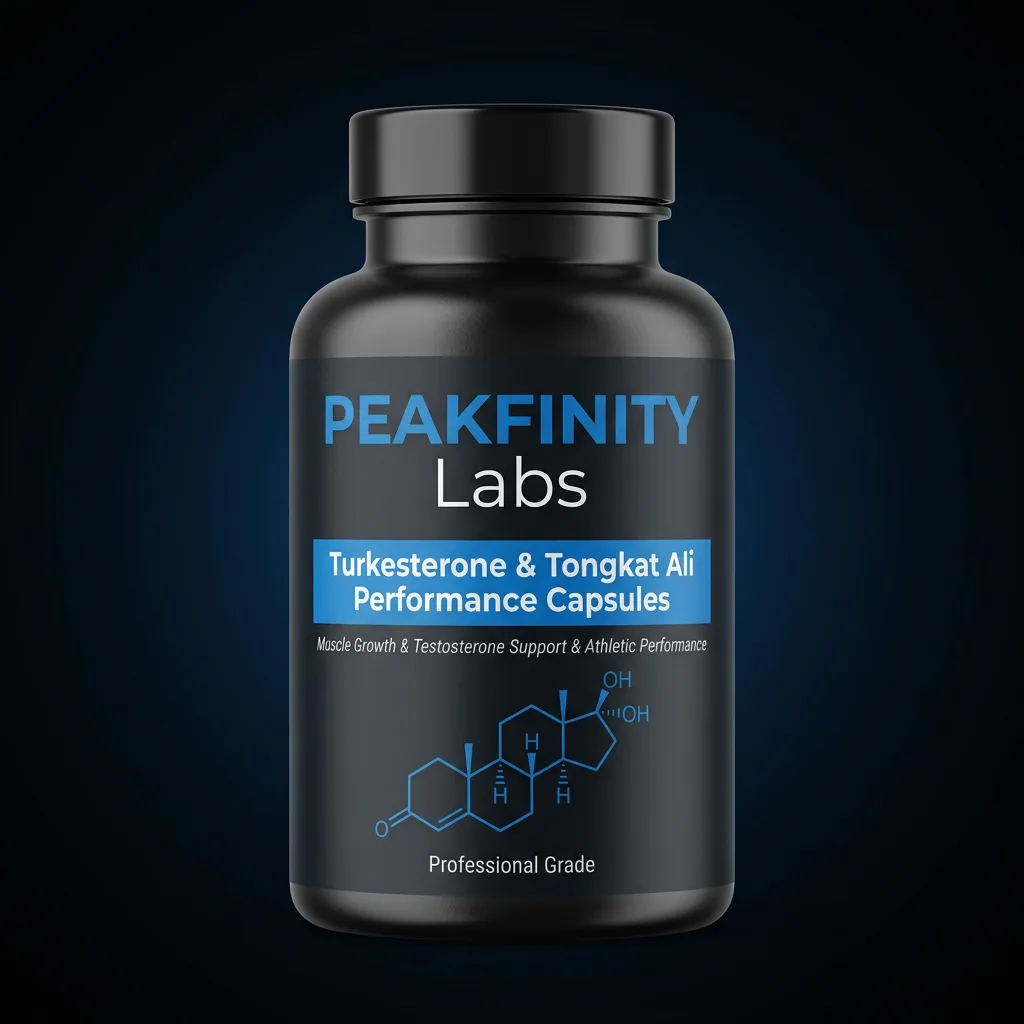
Turkesterone & Tongkat Ali Performance Capsules
Mens Health Supps · Capsules
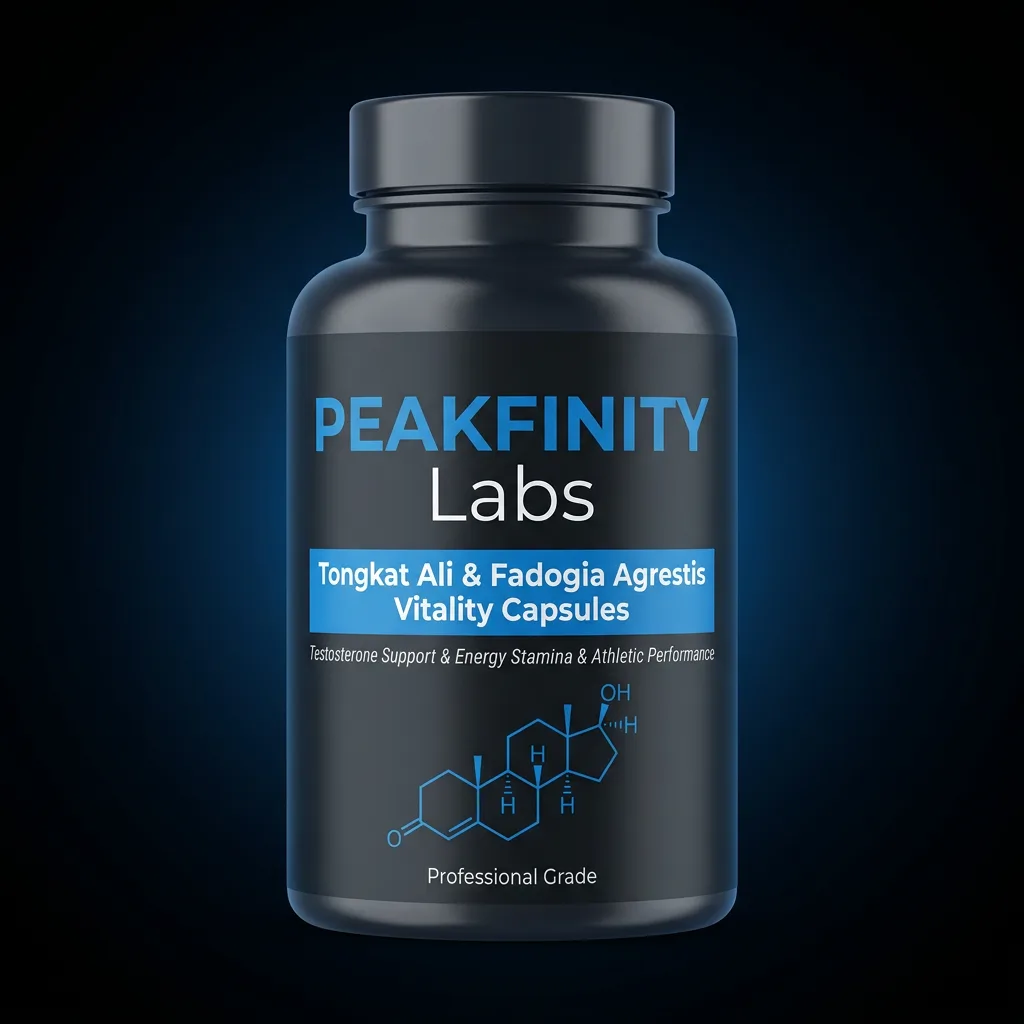
Tongkat Ali & Fadogia Agrestis Vitality Capsules
Mens Health Supps · Capsules
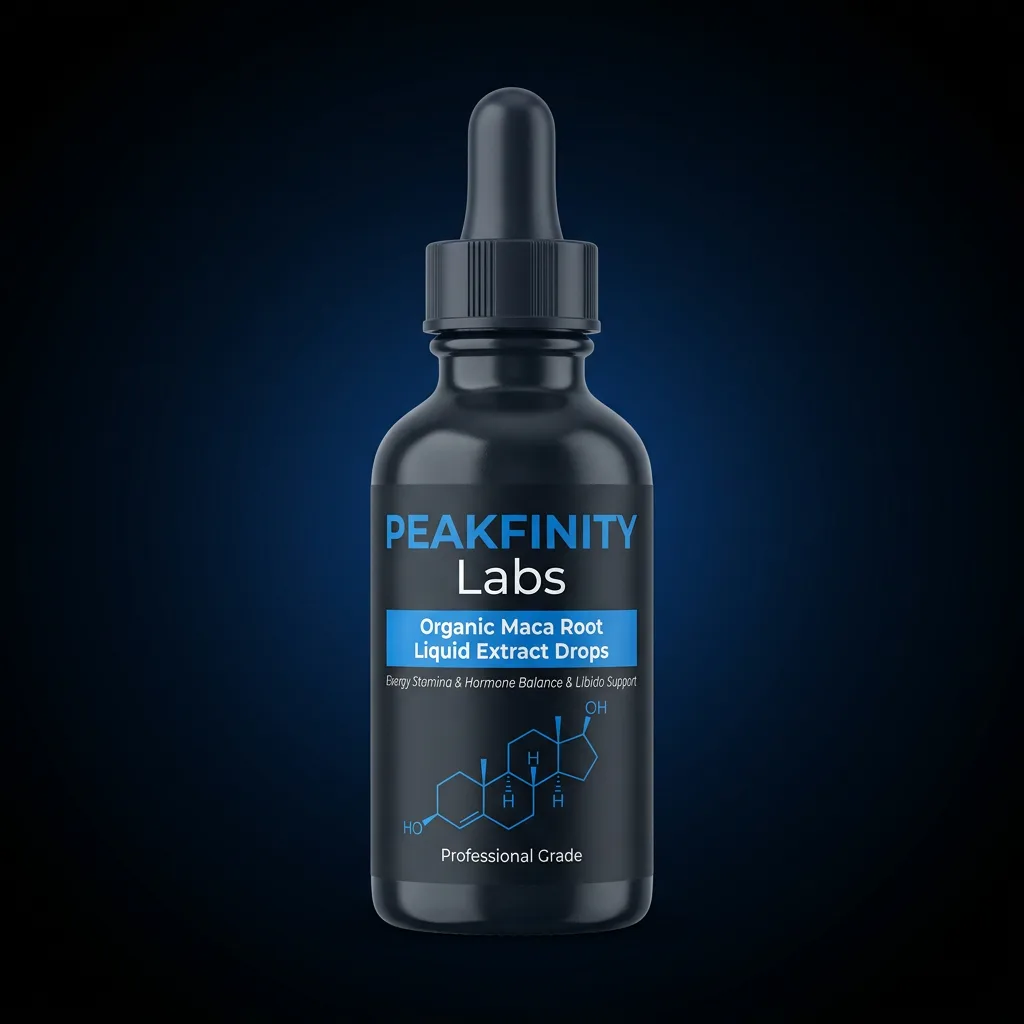
Organic Maca Root Liquid Extract Drops
Energy Focus · Liquid
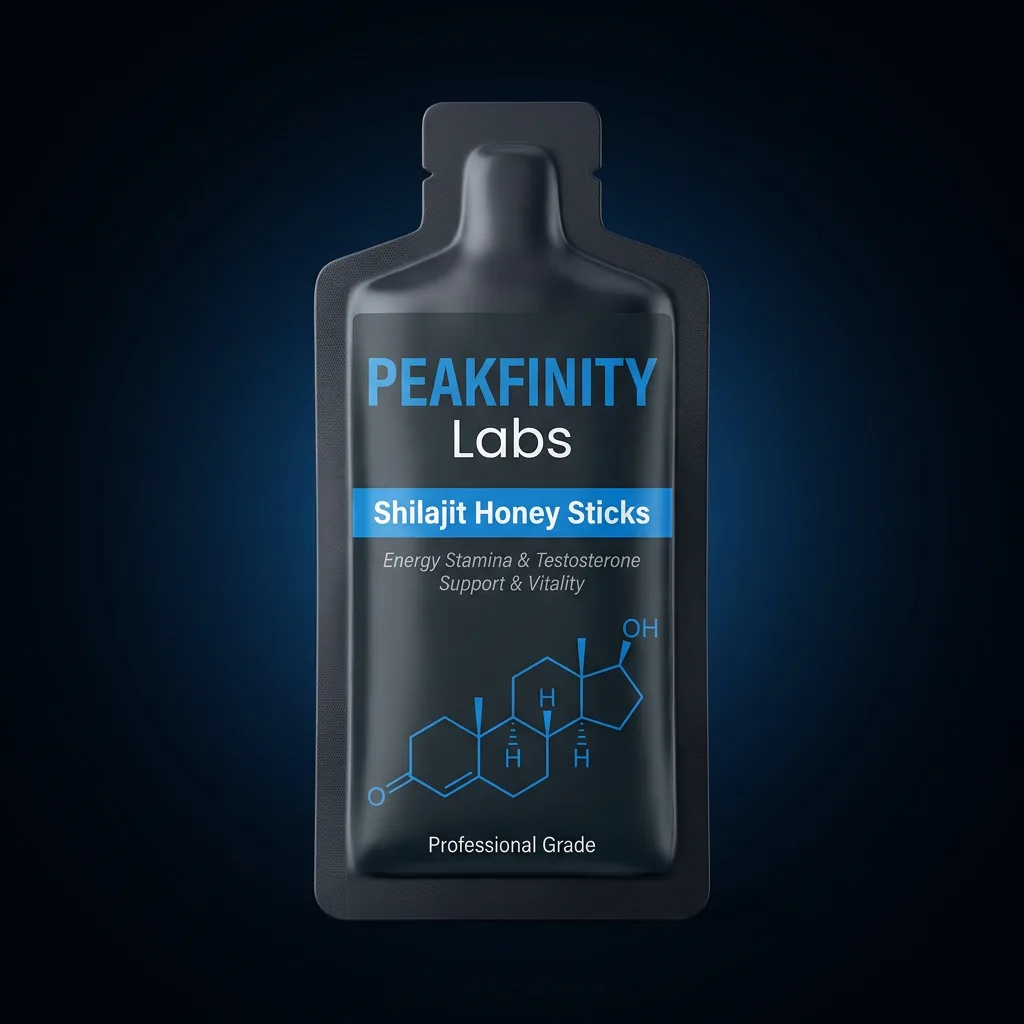
Shilajit Honey Sticks
Mens Health Supps · Sachet

Tushar
Licensed Pharmacist and COO @ Peakfinity Labs
Written by the Peakfinity Labs R&D Team — 46+ years of supplement formulation expertise. Our team of formulation chemists, manufacturing specialists, and regulatory experts has helped thousands of eCommerce brands bring their products to market successfully since 1980.
Related Articles
How to Find an ISO 17025-Accredited Supplement Testing Lab, and What Founders Should Ask For
How to verify a lab's ISO/IEC 17025 scope actually covers your test, the questions to ask before shipping samples, and a testing plan built for ecommerce timelines.
Supplement Manufacturing Lead Times and Reorders: What Founders Should Expect Before and After Launch
The five workstreams hiding inside "lead time," why reorders move faster than first runs, and the ramp plan that survives a demand spike.
How to Vet a cGMP Supplement Manufacturer With Documented Audit History
The document pack, audit-history call script, and scoring rubric that separate real cGMP quality systems from certificate PDFs.