How Athletic Greens Built a Billion Dollar Supplement Brand
We unpack 8 growth moves AG1 used to become a $1B supplement brand — subscription economics, influencer funnels, packaging, pricing, and the manufacturing playbook.
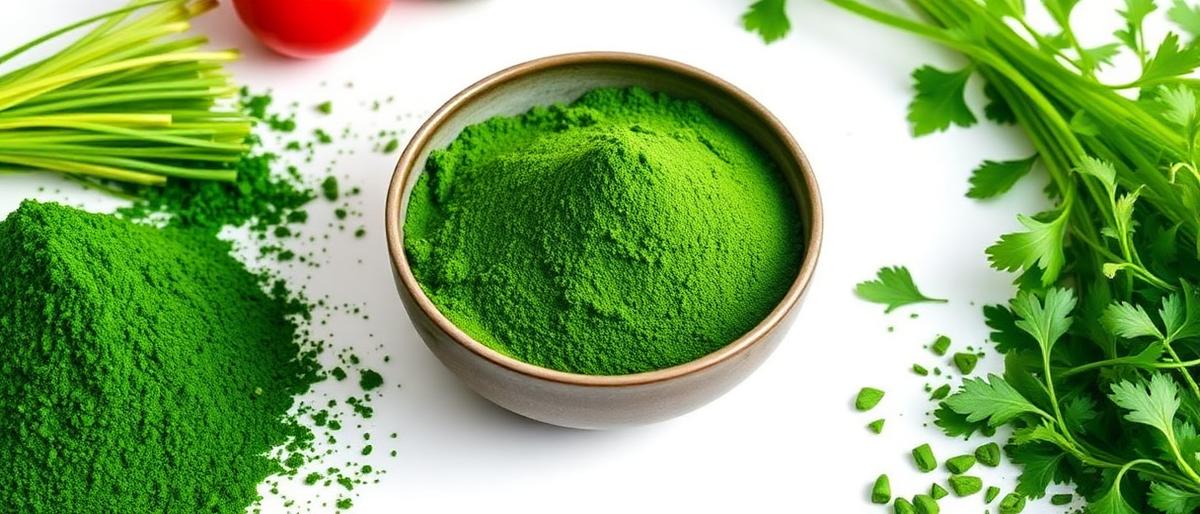
- 1AG1 (formerly Athletic Greens) didn’t win by being the “best greens powder” on a spec sheet. It won by building a single-product habit with a premium
- 2AG1’s core insight was behavioral, not biochemical: consumers don’t want 10 products; they want one product that feels like coverage. “Drink this
- 3AG1’s positioning wasn’t “greens.” It was “foundational nutrition.” That phrasing matters because it competes with multivitamins, probiotics, and
- 4AG1’s label complexity serves the story (“coverage”), while the customer experience stays simple (“one scoop daily”). That combination is hard to
- 5AG1 normalized paying a premium for a daily staple. That premium does three
Introduction
AG1 (formerly Athletic Greens) didn’t win by being the “best greens powder” on a spec sheet. It won by building a single-product habit with a premium story, subscription economics, and a marketing engine that never ran out of fresh distribution.
That matters if you’re building a supplement brand now. The category is louder, ad costs are higher, and consumers have less patience for complicated stacks. The good news: the playbook is clearer than ever—especially if you pay attention to how AG1 positioned itself, how Ritual earned trust in vitamins, how Liquid I.V. crossed from DTC to mass retail, and how brands like Huel and Seed built retention around a “daily ritual.”
This guide breaks down the moves that created billion-dollar outcomes: product strategy, claims discipline, pricing, packaging, influencer systems, supply chain decisions, and what most founders miss—manufacturing readiness for ecommerce timelines. I’ll also share a contrarian take from the manufacturing side: the fastest-growing brands don’t start by trying to pack 75 ingredients into one SKU. They start by making one product easy to reorder, hard to substitute, and simple to manufacture at scale.
The AG1 thesis: sell a daily habit, not a “greens powder”
AG1’s core insight was behavioral, not biochemical: consumers don’t want 10 products; they want one product that feels like coverage. “Drink this once a day” is an easy mental model.
That habit framing creates three business advantages: high subscription adoption, lower support burden (one SKU), and more predictable forecasting. If you’re bootstrapped, that predictability often matters more than squeezing a few points of margin from complex catalogs.
- Simple routine: one scoop, daily.
- Premium justification: “all-in-one” supports higher price points.
- Fewer failure points: fewer SKUs means fewer stockouts and fewer label revisions.
What’s the story behind AG1 marketing and brand positioning?
AG1’s positioning wasn’t “greens.” It was “foundational nutrition.” That phrasing matters because it competes with multivitamins, probiotics, and wellness routines—not just other powdered greens.
The marketing system then reinforced the story in a consistent loop:
- Authority distribution: podcasts, creators, and performance-focused voices.
- High-frequency repetition: one message repeated across channels until it becomes familiar.
- Offer clarity: subscription + welcome kit experience (shaker, travel packs) that reduces friction.
A practical founder takeaway: don’t start with “Here are 47 ingredients.” Start with one sentence a customer can repeat to a friend without opening a tab.
The product strategy: complexity on the label, simplicity in the customer experience
AG1’s label complexity serves the story (“coverage”), while the customer experience stays simple (“one scoop daily”). That combination is hard to copy well because it requires tight control over raw materials, taste masking, mixability, and stability.
From a contract manufacturing lens, here’s what gets overlooked: multi-ingredient powders increase risk in three places—sensory consistency, COA/spec compliance, and lead times when any single component goes out of stock.
Our recommendation for brands that want the “AG1-style” benefit without AG1-level operational overhead: start with a formula that has a strong hero benefit and a clean daily ritual, then add complexity only when your supply chain is stable and your reorder rate proves the SKU deserves it.
A contrarian take: more ingredients can slow growth
Founders often assume a denser label sells better. In practice, more ingredients often means more variability, more testing, and more rework when a supplier changes something small (particle size, carrier, flavor notes). That can delay launches and cause lot-to-lot taste shifts that spike refunds.
When speed matters, we see faster iteration with small-batch, lower-SKU-count builds that are easier to keep consistent. You can still price premium if the story and results are clear.
What made Ritual stand out in the crowded vitamin market?
Ritual didn’t try to be the most complete multivitamin. It tried to be the most trusted multivitamin in a space full of vague claims.
- Radical clarity: fewer ingredients, clear “why these, why not others.”
- Traceability: sourcing and testing transparency as a brand feature.
- Design system: packaging that looks like a modern consumer brand, not a commodity supplement.
For new brands, Ritual’s lesson is powerful: a focused formula plus strong proof points can beat an “everything” formula—especially when ad platforms and marketplaces reward clear differentiation.
How did Liquid I.V. scale from startup to acquisition?
Liquid I.V. built a product that worked in DTC but also made sense on a retail shelf. Hydration is a simple job-to-be-done, with an immediate consumer feedback loop.
Three scaling moves stand out:
- Format fit: single-serve sticks travel well and convert in impulse contexts.
- Channel expansion: DTC proved demand; retail multiplied distribution.
- Operational readiness: stick packs require tight spec control and consistent fill weights—retail buyers won’t tolerate variability.
If you want an exit path, design your first SKU so it can survive both ecommerce shipping and retail planograms without a full redesign.
What can supplement brands learn from Huel’s growth playbook?
Huel sells “complete nutrition” with a community-driven identity. The product is only half the system; the other half is content, education, and customer-led social proof.
- Behavior-first positioning: it replaces meals, not just adds macros.
- Retention engine: subscription with flavor variety and predictable replenishment.
- Operational simplicity: fewer hero products scaled globally with consistent branding.
The transferable lesson for supplements: build one repeatable habit and make it easy to reorder, easy to travel with, and consistent month to month.
What’s the playbook behind Seed Health’s probiotic success?
Seed built credibility by acting like a science-forward brand while still operating like a consumer company. It made the “why” and “how” part of the product.
- Education as conversion: detailed explanations that reduce skepticism.
- System thinking: delivery tech and formulation story, not just strains and CFUs.
- Premium trust cues: clinical language discipline and quality narrative.
If your category has high skepticism (probiotics, hormones, longevity), you need a claims-safe education system that stays compliant and doesn’t overpromise.
How do bootstrapped supplement brands scale without funding?
Bootstrapped brands win by controlling cash conversion cycles and reducing inventory risk. That usually means low MOQ early runs, tight SKU focus, and packaging that’s ready for ecommerce from day one.
Here’s a practical model we see work:
- One hero SKU that can support subscription.
- Small-batch testing to validate hook, price, and creative angles before committing to deep inventory.
- Turnkey execution (formulation, packaging, labeling, compliance support) to avoid death-by-vendors.
Where to start: a 30-day product + supply chain sprint
If you want to build like AG1 (or at least build in a way that can scale like AG1), start with a sprint that produces real artifacts: a locked concept, a manufacturable formula direction, and packaging that can ship.
- Week 1: Pick the habit and the promise. Define one primary outcome and one primary customer persona.
- Week 2: Decide format (capsule, powder, stick pack, gummy) based on compliance, margin, and fulfillment.
- Week 3: Build label copy with claims discipline. Confirm Supplement Facts requirements and warning statements.
- Week 4: Approve packaging dielines and run ecommerce shipping assumptions (case packs, bottle count, weights).
At Peakfinity Labs, we’re set up for turnkey execution—custom formulation through finished goods—so brands can move fast without juggling five vendors. We run production in GMP-certified, ISO-certified facilities and support low MOQ small-batch launches that can scale.
Confidentiality, reliability, and timeline risk: how to protect yourself when switching or starting
Founders worry about three things when choosing a manufacturer: “Will they hit timelines?”, “Will quality hold?”, and “Will my formula stay confidential?” Those are valid concerns.
- Reliability: ask for a written production schedule with approval gates (formula, label, packaging, batch, release).
- Quality: confirm documented GMP systems and ask what triggers a batch hold (micro, heavy metals, identity failures).
- Confidentiality: use NDAs and limit formula access to need-to-know roles; keep version control in writing.
One practical tip: if a partner promises speed but can’t explain their release process (testing, COA review, QA sign-off), expect slippage later. Fast only works when QA is built into the calendar, not bolted on at the end.
Conclusion: the repeatable growth system behind billion-dollar supplement brands
AG1’s real advantage wasn’t a secret ingredient. It was a system: one habit SKU, premium trust cues, subscription economics, and distribution that matched the consumer’s attention span.
If you’re building now, copy the parts that still work: focus your catalog, keep claims compliant, design for ecommerce, and choose manufacturing that can move fast without breaking quality. That’s how you lower inventory risk and keep momentum when the market finally pays attention.
Next steps: decide your hero SKU, lock the promise and format, then map a 3–4 week path from formulation to finished goods with ecommerce-ready packaging and a documented QA release plan. If you want a turnkey partner built for low MOQ, small-batch launches that can scale, Peakfinity Labs can support custom formulation, packaging, labeling, and compliance from day one.
Frequently Asked Questions
What’s the story behind AG1 marketing and brand positioning?
AG1 positioned itself as “foundational nutrition,” not just a greens powder, and reinforced that with authority distribution (podcasts, creators), high-frequency repetition across channels, and a clear subscription offer with a welcome kit to reduce friction. The practical takeaway is one simple, repeatable message customers can share.
What made Ritual stand out in the crowded vitamin market?
Ritual differentiated through radical clarity (fewer ingredients and clear rationale), traceability and sourcing/testing transparency, and modern design—using a focused formula and strong proof points to build trust and clear differentiation.
How did Liquid I.V. scale from startup to acquisition?
Liquid I.V. scaled by choosing a mass-friendly, immediate benefit (hydration), using portable single-serve stick packs that work in impulse and retail contexts, validating demand DTC, then expanding to retail while ensuring tight spec control and consistent fill weights for retail buyers.
What can supplement brands learn from Huel’s growth playbook?
Huel combines a behavior-first positioning (replacing meals), community-driven content and education, and a retention engine (subscription with flavor variety). The lesson: build one repeatable habit, make it easy to reorder and consistent month to month.
What’s the playbook behind Seed Health’s probiotic success?
Seed built credibility by being science-forward and consumer-friendly: using education as conversion, emphasizing delivery technology and formulation system thinking, and signaling trust with clinical language and quality narratives while keeping claims compliant.
How do bootstrapped supplement brands scale without funding?
Bootstrapped brands focus cash by launching a single hero SKU, using low MOQs and small-batch testing to validate hooks and creatives, optimizing packaging for ecommerce, and relying on turnkey execution to avoid vendor complexity before reinvesting profits into inventory.
How did Athletic Greens build a billion dollar supplement brand?
Athletic Greens built a billion-dollar brand by selling a simple daily habit via subscription, premium positioning, and creator-led distribution while keeping the experience focused on one hero SKU and designing a supply chain to stay in stock during spikes.
What manufacturer should I use if I want to scale like the big brands?
Choose a GMP- and ISO-certified partner that supports low-MOQ small batches, compliant labeling, and a clear path from pilot to full production without changing processes. Request documented QA release steps, lead times, and a scalability plan before committing.

Tushar
Licensed Pharmacist and COO @ Peakfinity Labs
Written by the Peakfinity Labs R&D Team — 46+ years of supplement formulation expertise. Our team of formulation chemists, manufacturing specialists, and regulatory experts has helped thousands of eCommerce brands bring their products to market successfully since 1980.
Related Articles
How to Find an ISO 17025-Accredited Supplement Testing Lab, and What Founders Should Ask For
How to verify a lab's ISO/IEC 17025 scope actually covers your test, the questions to ask before shipping samples, and a testing plan built for ecommerce timelines.
Supplement Manufacturing Lead Times and Reorders: What Founders Should Expect Before and After Launch
The five workstreams hiding inside "lead time," why reorders move faster than first runs, and the ramp plan that survives a demand spike.
How to Vet a cGMP Supplement Manufacturer With Documented Audit History
The document pack, audit-history call script, and scoring rubric that separate real cGMP quality systems from certificate PDFs.