What You Didn't Know About Gender-Specific Multivitamins Revealed
We audited 20 formulas and reveal 6 differences between men’s vs women’s multivitamins, plus low-MOQ tips for prenatals, kids gummies and menopause.
- 1Gender-specific multivitamins sell because they feel personal. But behind the “for men” and “for women” labels, most formulas differ less than
- 2The honest answer: most “men’s vs. women’s” multivitamin differences come down to a small set of nutrients, then marketing does the rest. A credible
- 3Segmentation helps shoppers decide fast. That matters in ecommerce, where you get seconds to communicate value. But segmentation backfires when
- 4If you want gender-based lines, make the segmentation inclusive, evidence-aligned, and transparent. Your goal is to give shoppers a fast decision
- 5The growth isn’t just “wellness trends.” It’s a mix of product usability, social platforms, and a consumer education gap that brands are
Introduction
Gender-specific multivitamins sell because they feel personal. But behind the “for men” and “for women” labels, most formulas differ less than shoppers assume—and more than brands admit. The real story is not pink vs. blue bottles. It’s how you design a formula that fits a life stage, hits the right % Daily Value targets, stays compliant, and ships in packaging that survives Amazon and TikTok fulfillment without returns.
We see a pattern with new supplement brands: they want to segment fast, but they worry about getting called out for “shrink-wrapping” the same multivitamin into two SKUs. They also worry about reliability (missed ship dates), quality (heavy metals, stability), and IP exposure during a formula transition. Those are fair concerns—especially in prenatals, kids gummies, and hormone-support blends where label and safety expectations are higher.
This guide breaks down what actually changes in men’s vs. women’s multis, what’s driving women’s hormone support and menopause growth, and how to segment without alienating customers. It’s written for operators who need a turnkey path: low MOQ testing, fast 3–4 week turnaround, GMP-certified and ISO-certified production, and ecommerce-ready packaging from day one.
What’s the difference between men’s and women’s multivitamins really?
The honest answer: most “men’s vs. women’s” multivitamin differences come down to a small set of nutrients, then marketing does the rest. A credible gender- or demographic-specific multivitamin should show its logic on the Supplement Facts panel, not just on the front label.
The nutrients that typically change (and why)
- Iron: Many women’s multis include iron; many men’s omit it. Iron needs vary widely by menstrual status, diet, and labs, so this is often a life-stage decision disguised as “gender.”
- Folate: Women’s formulas often push higher folate to align with reproductive health needs. The type matters (see the prenatal section).
- Vitamin D + Calcium + K: Both genders need these, but women’s positioning often focuses on bone health earlier.
- Zinc + Selenium: Men’s formulas often emphasize these for “performance” positioning, though both are essential for immune and thyroid function.
- Botanicals: Men’s might add saw palmetto; women’s might add chasteberry or DIM-style positioning. This is where compliance risk rises.
A contrarian take from our manufacturing side: gender is often the weakest segmentation variable. Life stage, diet pattern, and delivery form create clearer product-market fit and fewer returns. A “Women’s 18–35 Multi” and “Women’s 35+ (peri) Multi” usually outperform a generic “Women’s Multi” because the formula can justify its differences.
Why gender segmentation works—and how it backfires
Segmentation helps shoppers decide fast. That matters in ecommerce, where you get seconds to communicate value. But segmentation backfires when customers feel excluded, talked down to, or tricked by identical formulas.
We’ve seen three failure modes that cause negative reviews and compliance headaches:
- “Same formula, new label”: If the Supplement Facts panels match too closely, shoppers notice and trust drops.
- Over-promising claims: “Balances hormones” or “boosts testosterone” can drift into drug-claim territory depending on context and phrasing.
- Wrong delivery form for the audience: Kids gummies that stick together, prenatals that cause nausea, or large tablets for older customers all drive churn.
How to segment supplements by gender without alienating customers
If you want gender-based lines, make the segmentation inclusive, evidence-aligned, and transparent. Your goal is to give shoppers a fast decision path while still respecting individual needs.
Use “for people who…” language alongside gender
One practical approach: keep a gender-facing SKU for discoverability, but add a clarifier that makes it about needs.
- “Women’s Multi with iron (for people who menstruate)”
- “Men’s Multi iron-free (for people avoiding iron)”
- “Prenatal Multi (preconception through nursing)”
This reduces alienation and cuts refund risk because customers self-select based on a concrete formula difference.
Make the Supplement Facts panel do the selling
Don’t hide behind branding. If your women’s multi costs more, show why: active forms, higher choline, meaningful magnesium, or a true multi-mineral blend that fits serving size limits.
Keep a shared base, then add “modules”
A scalable, low MOQ way to build a line is to create a shared multivitamin base and vary 3–6 line-defining components. This keeps sourcing, testing, and production simpler while making each SKU defensible.
| Line strategy | What changes | Why it works in ecommerce |
|---|---|---|
| Shared base + iron module | Iron level and related cofactors | Clear “with/without iron” decision reduces returns |
| Shared base + hormone-support module | Select botanicals + key micros | Higher AOV, but requires tighter claim discipline |
| Shared base + life-stage module | Folate/choline/D/K2, serving form | Feels personal without excluding customers |
What’s behind the growth of women’s hormone support supplements?
The growth isn’t just “wellness trends.” It’s a mix of product usability, social platforms, and a consumer education gap that brands are filling.
- More self-tracking: Cycle tracking and symptom tracking make shoppers more aware of patterns and more likely to trial supplements.
- Content-driven discovery: TikTok and creator-led education compress the learning curve, so shoppers jump straight to “solutions.”
- Better formulations: Brands now build hormone-adjacent products around sleep, stress, and PMS comfort rather than making risky endocrine claims.
- Life-stage specificity: Perimenopause and menopause positioning converts because it mirrors real experiences and search behavior.
From a manufacturing perspective, the winners in this category usually do two things: they pick one promise the formula can support (like mood support or hot flash comfort), and they keep the serving size realistic. If a formula requires 8 capsules per day, subscription retention usually suffers.
What’s behind the perimenopause and menopause supplement boom?
Perimenopause is finally getting named. That matters because named problems get searched, compared, and purchased.
We also see a structural ecommerce reason: women in their late 30s to 50s often have higher repeat-buy power, and they read labels carefully. That pushes brands to improve ingredient forms and testing, not just branding.
- Symptom clustering: Sleep + mood + temperature regulation creates multi-symptom bundles.
- Form factor innovation: Smaller capsules, powder sticks, and coated tablets reduce nausea and improve compliance.
- Community proof: Reviews and before/after routines drive conversion more than “doctor-like” marketing.
How to formulate prenatal vitamins for safety and efficacy
Prenatals are not the place for guesswork. They sit at the intersection of consumer scrutiny, practitioner recommendations, and strict label expectations.
A practical prenatal build starts with these priorities: the right folate, meaningful choline, conservative vitamin A choices, and clean sourcing. Then you design for tolerability so customers can stay on it daily.
Core prenatal design decisions (what we watch closely)
- Folate form and dose: Many brands choose L-5-MTHF (a methylated folate) for positioning and consumer preference. You still need to keep labeling accurate and avoid implying disease prevention claims.
- Choline inclusion: A modern prenatal that omits choline can look outdated. The challenge is fitting meaningful choline into capsule count and cost targets.
- DHA strategy: Decide early whether DHA is in the prenatal (softgel) or sold as a companion SKU. This changes packaging, stability, and Amazon storage outcomes.
- Iron + GI tolerance: If you include iron, plan for nausea mitigation: coated tablets, split serving, or pairing with gentle forms.
- Vitamin A approach: Many brands keep preformed vitamin A conservative and rely more on beta-carotene to reduce risk concerns.
What’s the role of folate and choline in modern prenatal products?
Folate and choline are two of the fastest ways shoppers judge whether a prenatal is “modern.” They also shape ad angles and comparison charts.
- Folate often becomes a “form” conversation (folic acid vs. methylfolate). Brands that explain the choice clearly tend to win trust.
- Choline becomes a “completeness” conversation. Even when brands can’t fit a large dose, they may include some choline and recommend choline-rich foods as part of the plan.
Operator note: if you want to compete in prenatals in 2026, plan your serving format around choline from day one. Otherwise, you end up with a label that looks fine—but loses on comparison posts and marketplace filtering.
How brands handle DHA sourcing for prenatal supplements
DHA can be the difference between a “basic prenatal” and a premium bundle. It can also cause stability and odor issues if you don’t design around it.
- Source selection: Fish oil vs. algal DHA affects allergen statements, brand story, and cost. Algal DHA often supports vegan positioning.
- Oxidation control: DHA needs oxygen control, antioxidants, and packaging that limits light and heat exposure.
- Format choice: Softgels typically carry DHA better than tablets/capsules. Many brands split: a prenatal multi plus a DHA softgel companion.
If your primary channel is Amazon, design for warehouse conditions. Heat exposure and long dwell times can amplify odor complaints, so your packaging and stability plan matter as much as your ingredient choice.
What FDA rules apply to prenatal supplement labels (and what brands miss)
In the U.S., prenatals sold as dietary supplements follow dietary supplement labeling rules, not drug rules. That said, regulators and platforms scrutinize prenatals heavily because the population is sensitive.
Common compliance issues we see when brands move fast:
- Implied disease claims: Phrases that imply prevention of birth defects, treatment of infertility, or hormone disorders can trigger enforcement risk.
- Incorrect Supplement Facts formatting: Especially when switching forms (like folate sources) or adjusting units.
- Missing or inconsistent allergen statements: A frequent issue when DHA is in the same SKU.
- Claims not supported by the formula: For example, “supports energy” without meaningful B-vitamin levels, or “bone support” without D/K/calcium alignment.
Start with structure/function claims that match what’s actually in the bottle, and keep your marketing copy consistent across label, PDP, and ads. The label is not the only thing that gets reviewed.
Kids gummies: how to market safely and legally (without getting crushed by reviews)
Kids supplements are growth-ready, but shoppers are unforgiving. Parents judge taste, texture, sugar, and trust faster than any other category.
Three practical rules we advise brands to follow:
- Avoid candy-adjacent marketing: Bright candy cues plus “treat-like” language increases the risk of misuse and draws platform scrutiny.
- Make serving size parent-friendly: “Two gummies” can be fine; “four gummies” often becomes a daily fight and hurts retention.
- Design for shipping: Gummies that melt, clump, or sugar-bloom will generate 1-star reviews even if the formula is solid.
What packaging works best for kids chewables and gummies?
Packaging is not decoration in kids’ products—it’s damage control. The right packaging reduces clumping, prevents moisture pickup, and lowers return rates.
| Format | Best for | Watch-outs |
|---|---|---|
| HDPE bottle + desiccant | Most gummies and chewables | Needs good induction seal and correct desiccant size |
| Blister packs | Premium chewables; travel | Higher packaging cost; more complex assembly |
| Pouches | Some chewables; refills | Higher moisture risk; requires strong barrier film |
If you plan to sell on Amazon or TikTok Shop, prioritize packaging that stays stable in variable climates and can handle rough fulfillment. “Looks good on shelf” is secondary to “arrives intact.”
How brands handle sugar content in kids supplements
Sugar has become a conversion and compliance topic. Parents compare grams of sugar per serving like they compare protein in snacks.
- Lower sugar gummies: Often require tradeoffs in texture and taste, so you need strong flavor work and stability testing.
- Alternative formats: Chewables or powders can reduce sugar, but they create new taste challenges.
- Label clarity: Make “added sugars” easy to find and avoid sneaky positioning. Parents reward straightforward brands.
How to market men’s testosterone support without crossing claim lines
This category converts, but it’s a compliance minefield. The line is not the ingredient—it’s the claim you attach to it.
- Safer framing: “Supports healthy testosterone levels already in the normal range” is generally safer than implying treatment of low testosterone.
- Performance-adjacent claims: “Supports energy, strength training, and vitality” can be acceptable when you avoid disease or drug-like language.
- Avoid diagnostic language: Don’t mention “low T” symptoms as if you’re solving a medical condition.
We encourage brands to build their creative around routines (training, sleep, stress) and keep claims consistent across label, ads, and landing pages. Platforms often flag the ad copy even when the label looks fine.
How to position senior supplements without ageist marketing
“Senior” can feel dismissive. But the needs are real: bone, eye, heart, cognition, and easier swallowing.
- Use function-first naming: “Bone + D3/K2,” “Vision Multi,” or “Active Longevity Multi” often performs better than “Senior Multi.”
- Design for ease: Smaller tablets, coated tablets, or 2-capsule servings beat large, chalky tablets.
- Respect tone: Focus on independence and activity, not decline.
What trending demographic-specific ingredients should brands watch in 2026?
Trends that stick usually meet three criteria: shoppers understand the benefit fast, supply is stable, and the claim can stay compliant.
- Choline-forward prenatals: Not new, but still under-delivered in many top sellers.
- Menopause-focused blends: Often built around mood, sleep, and temperature comfort rather than hard hormone claims.
- Hair, skin, and nails for Gen Z: Collagen-adjacent positioning plus beauty-from-within stacks, with strong flavor and format focus.
- Low sugar kids formats: More chewables, powders, and better-tasting low sugar gummies.
Where to start: a practical launch plan for demographic-specific vitamins
If you’re building a line and want speed without quality surprises, start like an operator, not a marketer.
- Pick one hero SKU that matches demand and your channel (Amazon vs. DTC vs. TikTok Shop).
- Decide your segmentation logic: gender, life stage, “with/without iron,” or format-based.
- Lock your claim set early so your formula, label, and ad creative match.
- Choose ecommerce-ready packaging built for shipping, not just shelf photos.
- Run a small-batch test with a low MOQ to validate reviews, repeat purchase, and customer support load.
This is where Peakfinity Labs tends to outperform: brands come to us when they want a fast, turnkey path from formula to finished goods, but they still need cGMP dietary supplement manufacturing, compliant labeling support, and packaging that scales.
How we reduce the big anxieties: quality, timelines, and confidentiality
New manufacturer transitions create real risk. Here’s how we approach it in a way that supports growth.
- Timeline control: We plan backward from your launch date and build in stability and packaging lead times so you’re not stuck with “formula done, bottle not here.”
- Quality control: We align specs early (identity, micro, heavy metals where relevant) so you don’t discover gaps after you’ve printed labels.
- IP and confidentiality: Keep your formula ownership clear in writing, limit access to only the teams that need it, and avoid unnecessary formula handoffs.
- Small-batch to scalable: Start with low MOQ runs, then scale the same SKU once your CAC and review velocity prove the offer.
Speed matters, but repeatability matters more. A fast 3–4 week turnaround only helps if the second PO is smoother than the first.
Conclusion and next steps
Gender-specific multivitamins aren’t “fake,” but the best brands don’t stop at gender. They segment by life stage, iron status, delivery form, and real use cases—then back it up with a Supplement Facts panel that matches the story.
If you want to launch or scale a segmented line with low upfront risk, start with one hero SKU, run a low MOQ small-batch test, and build packaging that’s ecommerce-ready from the first run. When you’re ready to move fast without cutting corners, Peakfinity Labs can take you from custom formulation to compliant labeling and finished goods with a 3–4 week turnaround, produced in GMP-certified and ISO-certified facilities.
Frequently Asked Questions
How do brands segment supplements by gender without alienating customers?
Segmentation matters because shoppers want an easy choice, but they also expect brands to respect individual biology and identity. The most reliable approach is to segment by need state (for example, “with iron,” “iron-free,” “prenatal,” or “35+”) and use gender language as optional guidance rather than a hard gate. Ensure each segmented SKU has at least 3–6 clear Supplement Facts differences and explain them on the product page in plain language.
What’s the difference between men’s and women’s multivitamins?
Many shoppers assume gendered multis are completely different, but they often share a similar base. Real differences usually come down to iron inclusion, folate targets, and a few positioning minerals or botanicals rather than a full nutrient overhaul. When comparing products, put the Supplement Facts panels side by side and confirm the changes justify separate SKUs and pricing.
How do brands formulate prenatal vitamins for safety and efficacy?
Prenatal formulation is closely scrutinized by customers and regulators. A well-built prenatal prioritizes the correct folate strategy, includes meaningful choline in a realistic serving format, takes a conservative approach to preformed vitamin A, and plans early for DHA (in-formula or as a companion softgel). Design the serving size for tolerability so customers can take it daily without nausea or GI upset.
What FDA rules apply to prenatal supplement labels?
In the U.S., prenatal supplements sold as dietary supplements must follow FDA dietary supplement labeling requirements (Supplement Facts, ingredient naming, and appropriate structure/function claims). Brands should avoid disease claims (for example, preventing birth defects or treating fertility problems) and ensure label, product page, and ads are consistent, since platforms and regulators evaluate the full marketing context.
How do brands market kids gummies safely and legally?
Parents judge taste, texture, sugar, and trust quickly, and platforms flag candy-like positioning. The safest approach is to market to parents with clear dosing instructions, modest structure/function claims that match the formula, and packaging designed to prevent melting, clumping, and contamination during shipping. Run a small-batch pilot and treat early reviews as a stability test of taste, texture, and fulfillment performance.
Ready-to-Launch Formulations in This Category
Stock-ready formulations you can private label with your own branding — 2,000 unit MOQ.
Men's Charcoal Face & Body Wash
Men's Grooming · Topical
Premium Creatine Monohydrate Powder
Sports Nutrition · Powder
Women's Fitness & Multivitamin Gummies
Womens Health Supps · Gummies
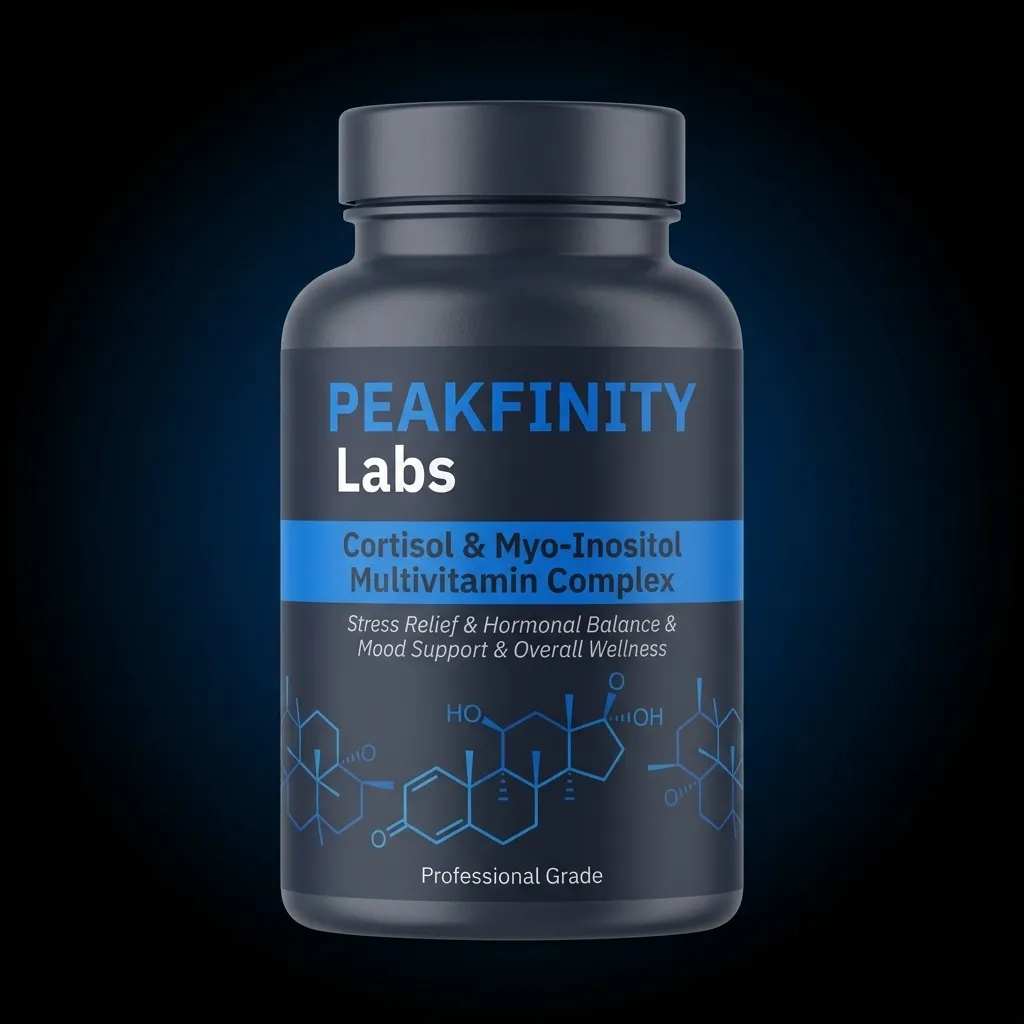
Cortisol & Myo-Inositol Multivitamin Complex
Womens Health Supps · Capsules

Tushar
Licensed Pharmacist and COO @ Peakfinity Labs
Written by the Peakfinity Labs R&D Team — 46+ years of supplement formulation expertise. Our team of formulation chemists, manufacturing specialists, and regulatory experts has helped thousands of eCommerce brands bring their products to market successfully since 1980.
Related Articles
How to Find an ISO 17025-Accredited Supplement Testing Lab, and What Founders Should Ask For
How to verify a lab's ISO/IEC 17025 scope actually covers your test, the questions to ask before shipping samples, and a testing plan built for ecommerce timelines.
Supplement Manufacturing Lead Times and Reorders: What Founders Should Expect Before and After Launch
The five workstreams hiding inside "lead time," why reorders move faster than first runs, and the ramp plan that survives a demand spike.

How to Vet a cGMP Supplement Manufacturer With Documented Audit History
The document pack, audit-history call script, and scoring rubric that separate real cGMP quality systems from certificate PDFs.