Clean Energy Supplements Boom: What Drives This Market Change?
We tested 12 clean energy supplements and picked 5 daily formulas that avoid crashes—covering paraxanthine, B‑vitamin blends, stick packs, and low‑MOQ options.
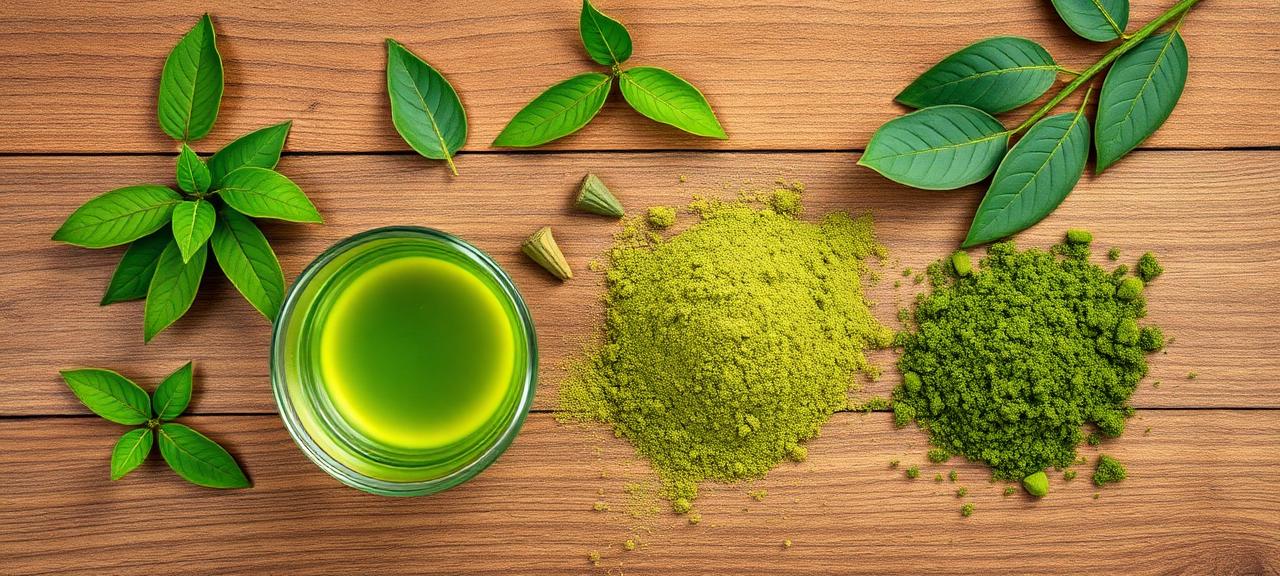
- 1“Energy” used to mean one thing: caffeine, loud flavors, and a hard crash a few hours later. That model is breaking. The boom in clean energy
- 2The clean energy category is growing because buyers changed their definition of “works.” They want energy that feels stable, doesn’t wreck sleep, and
- 3Most “crash” complaints come from two places: an aggressive stimulant curve (fast spike, fast drop) and poor formula support (no smoothing
- 4“Beyond caffeine” does not mean “no caffeine.” It means building a formula where caffeine isn’t doing all the work and isn’t the only story your
- 5B vitamins remain common because they fit clean-label expectations and are easy to explain on-pack. But they are not a substitute for a well-built
Introduction
“Energy” used to mean one thing: caffeine, loud flavors, and a hard crash a few hours later. That model is breaking. The boom in clean energy supplements comes from a more demanding buyer—people who still want a noticeable lift, but with better ingredient transparency, smoother feel, and formats that fit real routines (desk work, parenting, travel, training, and content creation).
From what we see with emerging brands, the winning products now look less like “extreme pre-workout” and more like repeatable daily performance. That shift changes everything: dosing strategy, flavor systems, sweeteners, packaging, and even how you write compliant labels for Amazon and TikTok Shop.
This guide breaks down what’s behind the boom in clean energy supplements, how brands move beyond caffeine in energy products, and how to design formulas that balance stimulant and non-stimulant ingredients without creating a crash-prone customer experience. We’ll also cover trending energy ingredients showing up in 2026, packaging choices (sticks vs. tubs vs. gummies), and the practical manufacturing checks that prevent timeline slip and quality surprises.
What’s behind the boom in clean energy supplements?
The clean energy category is growing because buyers changed their definition of “works.” They want energy that feels stable, doesn’t wreck sleep, and doesn’t come with a 250–400 mg caffeine badge of honor.
- Crash avoidance became a feature. Customers now talk about “wired,” “shaky,” and “heart-racing” as deal-breakers—not proof of potency.
- Ingredient literacy is higher. Consumers recognize L-theanine, rhodiola, alpha-GPC, and even paraxanthine. They also recognize “proprietary blend” as a red flag.
- Energy moved beyond the gym. “Workday focus,” “creator mode,” and “mom energy” drive purchase decisions as much as lifting does.
- Ecommerce made comparison instant. On Amazon, TikTok Shop, and Reddit, customers compare labels line-by-line and share side effects fast.
- Regulatory pressure nudged brands toward clarity. Cleaner positioning often pairs with cleaner compliance: clear Supplement Facts, defensible structure/function claims, and fewer gray-area stimulants.
Contrarian take from manufacturing: The “clean energy” winners aren’t always the lowest-stim formulas. They’re the most predictable formulas batch-to-batch. Consistency is what earns subscriptions, and subscription is what scales ecommerce profitably.
Sustained energy vs. crash-prone energy: what’s the real difference?
Most “crash” complaints come from two places: an aggressive stimulant curve (fast spike, fast drop) and poor formula support (no smoothing ingredients, no hydration/electrolyte support, or under-dosed co-factors).
| Feature | Sustained energy products | Crash-prone energy products |
|---|---|---|
| Stimulant strategy | Moderate caffeine or caffeine alternative + smoothing agents | High caffeine with little support |
| Onset feel | Noticeable but controlled | Hard hit, “wired” |
| Support ingredients | L-theanine, adaptogens, electrolytes, B vitamins, nootropics (as appropriate) | Minimal; often relies on flavor and marketing |
| User outcome | Repeatable daily use; fewer complaints | One-time impulse buys; higher return/refund risk |
| Ecommerce reviews | “Smooth,” “focused,” “no jitters” | “Crash,” “anxiety,” “too strong” |
If your goal is Amazon rank or TikTok reorders, sustained energy usually wins. Viral spikes can come from extreme products, but they also bring higher negative-review velocity—which can stall listings.
How do brands move beyond caffeine in energy products?
“Beyond caffeine” does not mean “no caffeine.” It means building a formula where caffeine isn’t doing all the work and isn’t the only story your marketing can tell.
Four practical paths beyond caffeine
- Pair caffeine with a smoother. The classic is caffeine + L-theanine for a more even feel.
- Use a caffeine alternative. Paraxanthine has momentum because it’s positioned as a cleaner-feeling option for some users (details below).
- Add focus-first nootropics. Ingredients like L-tyrosine or alpha-GPC often test well in “workday energy” products because they align with mental performance language.
- Build “energy” via metabolism + hydration support. In practice, this means B vitamins where appropriate, plus electrolytes in powders—especially for people who take energy products underhydrated.
Real-world formulation note: When brands say “no crash,” we pressure-test the formula for sweetener system and acid balance, not just stimulants. Harsh acid profiles and high-intensity sweeteners can create a “fake energy” sensory hit that users interpret as jittery.
What’s the role of B vitamins in modern energy formulas?
B vitamins remain common because they fit clean-label expectations and are easy to explain on-pack. But they are not a substitute for a well-built stimulant or focus stack.
- B12 supports normal energy metabolism and is heavily recognized by consumers.
- B6, riboflavin, niacin also support metabolic pathways and can fit “cellular energy” positioning.
- Form matters. Some brands prefer methylated forms for positioning, but you still need sensible dosing and clear labeling.
Practical brand guidance: Treat B vitamins as “table stakes” support, then earn differentiation with your core driver (caffeine/paraxanthine) and your experience layer (theanine, tyrosine, hydration, flavor). If you lead with only B vitamins, customers may perceive the product as weak.
How do brands balance stimulant and non-stimulant ingredients?
Balancing stim and non-stim is about controlling the experience curve: onset, peak, duration, and comedown. It also helps you create multiple SKUs that ladder customers from beginner to advanced without losing brand consistency.
| Goal | What to do | What to avoid |
|---|---|---|
| Smooth focus | Moderate stim + L-theanine + tyrosine | Overlapping stimulants that stack unpredictably |
| Non-stim energy | Focus stack + hydration + flavor compliance for daily use | Implying “stimulant-like” effects in claims |
| Gym performance (stim) | Caffeine/paraxanthine + performance supports + clear directions | Hiding key actives in proprietary blends |
| Late-day use | Low/no stim SKU + clear “PM-friendly” positioning | Any ingredient that risks sleep disruption |
Scalable product strategy: Launch two SKUs instead of one: a daily clean energy (workday) and a pre-workout (gym). That lets you segment caffeine levels, claims, and flavors—and it reduces the “too strong” complaint rate.
How do pre-workouts differ from general energy supplements?
Pre-workout buyers tolerate intensity because they expect it to support training output. General energy buyers care more about mood, focus, and not feeling overstimulated.
- Pre-workouts often include performance ingredients (pump, endurance, strength support) and stronger flavors to mask active loads.
- General energy supplements prioritize daily repeat use, smaller serving sizes, and fewer “tingle” or flush effects that can create negative reviews.
Manufacturing-wise, pre-workouts also tend to bring tougher challenges: higher active loads, stronger hygroscopic ingredients, and more flavor system testing to avoid clumping and bitterness.
Trending energy ingredients showing up in 2026
Trends matter only if they can scale with compliant sourcing, stable supply, and repeatable sensory. Here’s what we see showing up more in 2026 pipelines and reformulations.
- Paraxanthine as a caffeine alternative or partial replacement for smoother feel positioning.
- Creatine repositioning from “strength-only” to daily cognitive + energy support (without claiming it’s a stimulant).
- Nootropic-forward blends for “clean focus” (tyrosine, theanine, choline sources).
- Electrolytes in energy for creators and office workers who sip energy products like hydration drinks.
- Lower-stim pre-workouts that still feel premium due to flavor, solubility, and a complete performance stack.
Our rule of thumb: If an ingredient trend cannot survive an Amazon Supplement Facts close-up photo and a TikTok comment section, it’s not ready. Brands win by choosing ingredients that are explainable in one sentence and defensible in compliance review.
Paraxanthine: what’s its role as a caffeine alternative?
Paraxanthine is gaining attention as a “cleaner-feel” option for some users who dislike caffeine’s jitters or crash. Brands like it because it gives them a new headline benefit without relying on extreme caffeine numbers.
From a product build perspective, the key is not just swapping caffeine for paraxanthine. You still need the supporting cast: smoothing agents (like theanine), and clear usage directions so customers don’t stack servings.
Labeling reality check: Any stimulant-adjacent ingredient increases scrutiny. You need tight specs, documented sourcing, and conservative claims.
How brands handle caffeine sourcing and labeling (without getting burned)
Caffeine is not just “caffeine.” Customers ask where it comes from, and regulators care that your label matches what’s in the tub or stick.
- Source clarity: If you use anhydrous caffeine, say so. If you use botanical sources, list them properly and calculate total caffeine per serving.
- Consistent mg disclosure: Put caffeine content in mg per serving in a clear spot and keep it consistent across PDP, label, and ads.
- Warnings and directions: Include age, pregnancy/nursing, medication, and stimulant sensitivity warnings as appropriate.
Manufacturing insight: The fastest way to create a quality issue is loose raw-material specs. We prefer tight identity and purity documentation, plus controlled blending steps for uniformity—because “hot spots” in stimulant powders create real customer safety risk.
Pump ingredients (L-citrulline, arginine): what brands should know
Pump actives sell pre-workout, but they also create formulation constraints. L-citrulline is popular for a reason: it fits performance expectations and label readability. Arginine has recognition too, but it can bring taste and stability challenges depending on the salt form and total load.
- Flavor and acid balance matter. High-dose aminos can push bitterness and require multiple flavor iterations.
- Solubility affects reviews. Poorly dissolving powders get “chalky” complaints fast on Amazon.
- Serving size drives packaging choice. High-active formulas may not fit well into small stick packs without taste and flow compromises.
Verdict: If you want a mainstream ecommerce pre-workout, build for mixability and taste first, then optimize the active load. A label that looks strong but drinks poorly will not hold a 4.3+ rating.
Creatine repositioning for everyday energy and focus
Creatine sits in a new lane: daily performance that includes training, cognition, and busy-life energy. It’s not a stimulant, so brands position it as foundational support rather than a “hit.”
Two practical product plays are showing up: (1) creatine + focus for gamers/creators and (2) creatine + clean energy for gym-to-work routines. The key is to keep claims tight and consumer expectations clear—creatine won’t feel like caffeine.
What FDA rules apply to energy and pre-workout label claims?
Energy products often fail in marketing, not formulation. In the U.S., supplements can use structure/function claims, but they cannot claim to diagnose, treat, cure, or prevent disease.
- Safer territory: “Supports energy metabolism,” “supports focus,” “supports workout performance,” when you can substantiate and your labeling meets requirements.
- Risky territory: Claims that imply treating ADHD, depression, chronic fatigue syndrome, or anxiety.
- Don’t forget the disclaimer: Structure/function claims require the standard FDA disclaimer on labels.
For brands selling on Amazon, consistency matters: your product listing copy should match your label claims. Marketplaces can suppress listings for mismatch or overly aggressive claims.
Useful reference: FDA Dietary Supplements.
Packaging that works: sticks vs. tubs vs. gummies for clean energy
Packaging is now a conversion tool. People buy what fits their routine and what looks credible in a 6-second video.
| Format | Best for | Watch-outs |
|---|---|---|
| Stick packs | Travel, office, sampling, TikTok “pour” content | Serving size limits; flow/clumping control; higher packaging complexity |
| Tubs (powder) | Value perception, full pre-workout doses, strong margins | Scoop accuracy, humidity control, shipping damage risk |
| Capsules | Simple daily use, minimal taste issues | Harder to tell a sensory story; fewer “viral” moments |
| Gummies | Mainstream adoption, taste-first shoppers, impulse buys | Sugar/alcohols, stability, actives limited by format |
Recommendation: If you plan to scale on TikTok Shop and Amazon, start with either a tub (if you need real pre-workout dosing) or sticks (if you need portability and sampling). Gummies can win, but only if your active targets fit the format without turning the texture into a complaint magnet.
How brands launch pre-workouts on TikTok Shop and Amazon (without missing the moment)
Digital timelines move faster than traditional retail, so manufacturing has to match. The biggest failure we see is brands waiting to finalize packaging until the formula is done—then losing 4–8 weeks.
- Lock your claims early. Claims drive label copy, and label copy drives compliance review and artwork.
- Design for ecommerce photos. Make Supplement Facts legible at thumbnail zoom and keep caffeine mg easy to find.
- Plan for UGC. Sticks and tubs need “open, pour, mix” moments that look clean on camera.
- Build inventory in small batches. Use low MOQ production to test creators, hooks, and flavors without betting the brand.
At Peakfinity Labs, we’re set up for fast, turnkey launches with low MOQ runs and 3–4 week turnaround from formulation to finished goods (project-dependent). That matters when a creator video hits and you need an ecommerce-ready restock window you can actually manage.
Where to start: a practical clean energy product roadmap
If you want a clean energy supplement that can scale, start with a tight plan that reduces rework.
- Step 1: Choose the job. Workday focus, gym pre-workout, or non-stim daily energy. Don’t try to be all three in one SKU.
- Step 2: Pick a stimulant posture. Moderate caffeine, low caffeine, or caffeine alternative like paraxanthine.
- Step 3: Build the “smooth” layer. Theanine and/or adaptogen choices based on your positioning and target customer sensitivity.
- Step 4: Decide format and serving size. This determines flavor system, flow agents, and packaging path.
- Step 5: Validate taste and mix. One bad flavor can erase a great formula in reviews.
- Step 6: Do compliance before you print. Lock Supplement Facts, warnings, and marketplace-safe claims.
Confidentiality and IP note: If you’re switching manufacturers, insist on clear ownership language for formulas and artwork files, controlled access to documents, and a written change-control process. Reliability is not just on-time delivery—it’s how your partner protects your information while moving fast.
What to look for in a pre-workout or clean energy manufacturer
New brands often pick a co-packer based on price per unit. That’s rarely the biggest cost. Delays, re-labels, and inconsistent product create the real damage on Amazon and TikTok Shop.
- Certifications: Choose GMP-certified and ISO-certified facilities when possible for credibility and process control.
- Low MOQ: You should be able to run small-batch tests before you commit to a big buy.
- Speed: Fast turnaround matters because digital demand spikes quickly.
- End-to-end support: Formulation, packaging, labeling, and compliance support should live in one workflow.
- Ecommerce-ready execution: They should understand scannable labels, lot coding, expiration dating, and ship-ready cartons.
Peakfinity Labs fit: We focus on fast, turnkey, compliant manufacturing built for ecommerce brands—especially those scaling from small-batch proof to repeatable production with low inventory risk.
Conclusion: how to win the clean energy wave (and scale it)
The clean energy supplements boom is not a hype cycle—it’s a demand for predictable, repeatable energy that fits daily life and holds up under ecommerce scrutiny. Brands that scale build sustained energy experiences, move beyond caffeine-only thinking, and treat flavor, packaging, and compliance as part of the formula.
Next steps: decide your use case (workday vs. pre-workout), choose your stimulant posture (moderate caffeine, low stim, or paraxanthine-forward), and pick a format that matches serving size and content strategy. Then validate taste and mixability before you print packaging.
If you want a fast, turnkey path with low MOQ, small-batch testing, and scalable production in GMP-certified and ISO-certified facilities, Peakfinity Labs can support formulation, packaging, labeling, and compliant launch planning built for Amazon and TikTok Shop timelines.
Frequently Asked Questions
What’s behind the boom in clean energy supplements?
Clean energy matters because consumers now judge energy products by how they feel over several hours, not just the first 20 minutes. The boom is driven by demand for smoother, more predictable energy with clearer labels and fewer "jitters and crash" complaints. Brands that win pair sensible stimulant dosing with supportive ingredients and ecommerce-friendly transparency like non-proprietary Supplement Facts.
How do brands move beyond caffeine in energy products?
Moving beyond caffeine matters because caffeine-only formulas are easy to copy and often lead to crash-prone reviews. The most effective approach is to make caffeine one part of a broader system that includes smoothing ingredients (like L-theanine), focus supports (like L-tyrosine), and clear directions that prevent stacking. A practical first step is launching two versions—a daily clean energy and a stronger pre-workout—so you can match stimulant level to use case.
What’s the role of B vitamins in modern energy formulas?
B vitamins matter because they’re familiar, label-friendly, and support normal energy metabolism claims when used correctly. In modern energy supplements, B vitamins work best as supporting ingredients rather than the main driver of "felt energy." If you include them, keep dosing sensible and pair them with a core energy or focus mechanism so customers don’t perceive the product as weak.
How do brands balance stimulant and non-stimulant ingredients?
Balancing stim and non-stim matters because customers want performance without anxiety, shakiness, or sleep disruption. A strong formula controls the experience curve by combining a moderate stimulant dose (or a caffeine alternative) with smoothing and focus supports that reduce harsh peaks. The simplest next step is to prototype a "smooth focus" version first, then scale into a higher-stim pre-workout once reviews confirm tolerance.
What FDA rules apply to energy and pre-workout label claims?
FDA rules matter because overly aggressive claims can trigger enforcement risk and marketplace suppression. Dietary supplements can make structure/function claims like "supports energy metabolism" or "supports focus," but they cannot claim to treat or cure diseases or medical conditions. Before printing labels or launching on Amazon, align your label, website, and ad copy and include the required FDA disclaimer for structure/function claims.
Ready-to-Launch Formulations in This Category
Stock-ready formulations you can private label with your own branding — 2,000 unit MOQ.
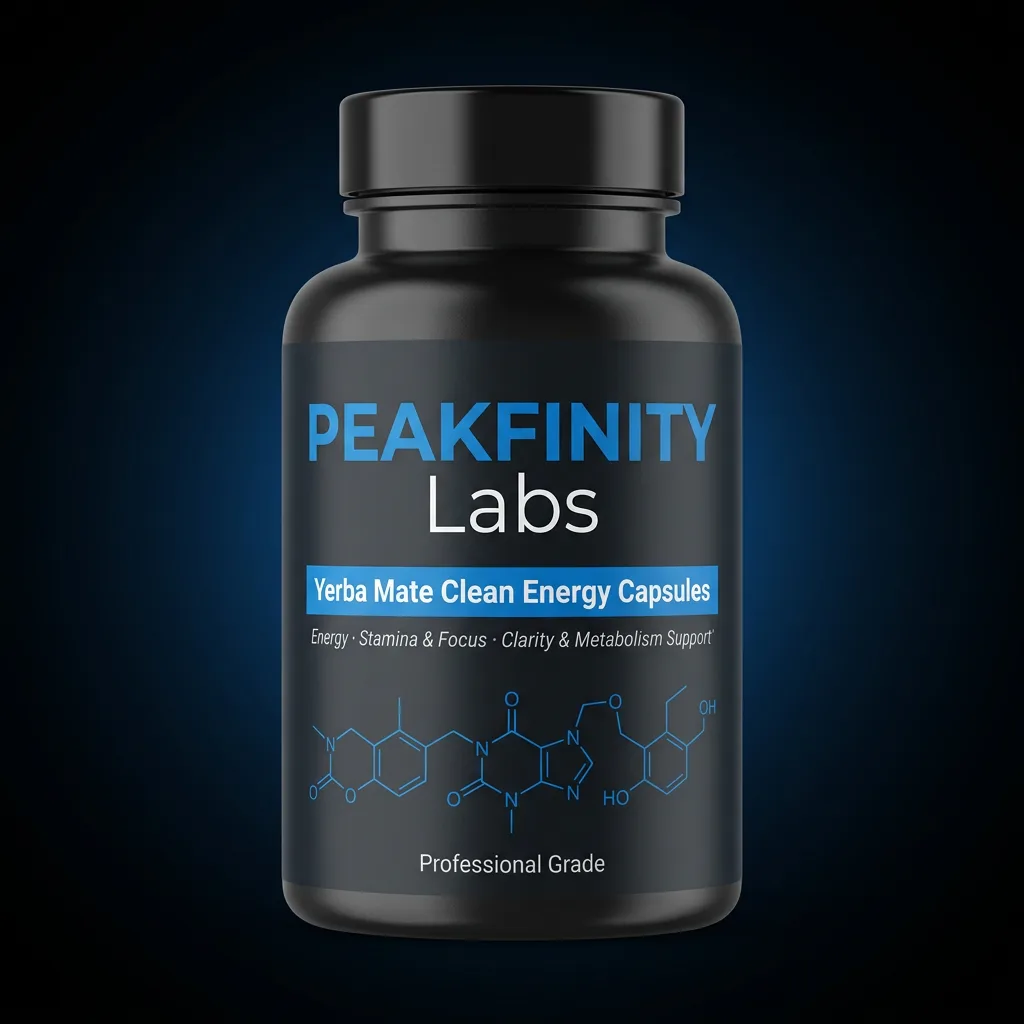
Yerba Mate Clean Energy Capsules
Energy Focus · Capsules
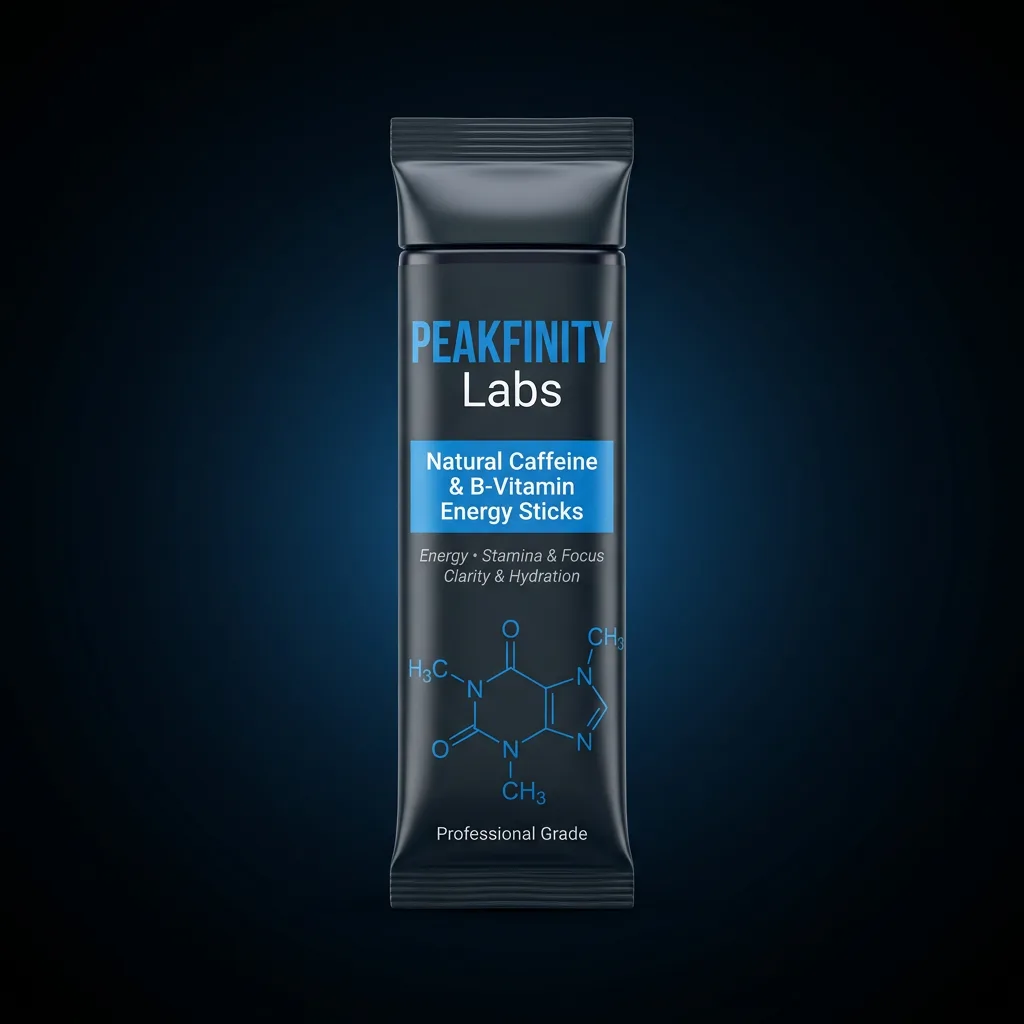
Natural Caffeine & B-Vitamin Energy Sticks
Energy Focus · Powder Stick
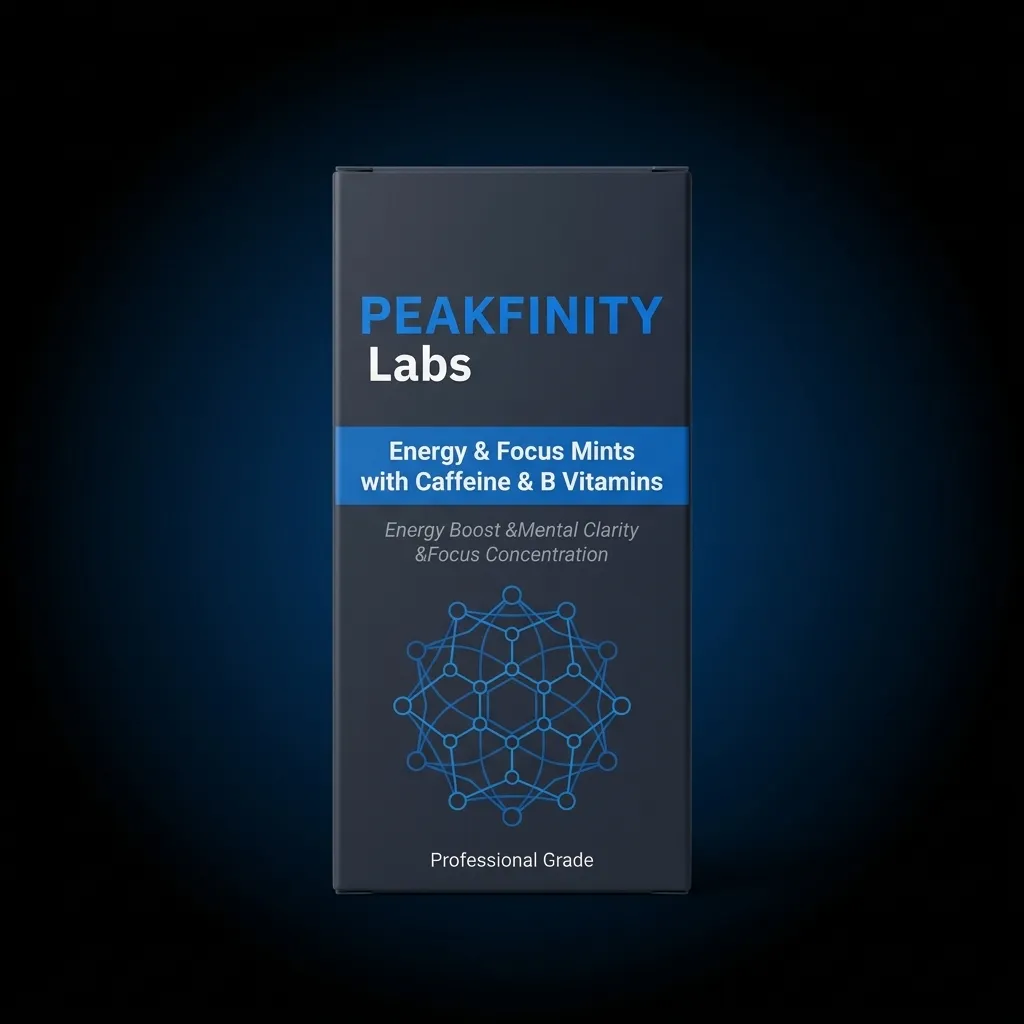
Energy & Focus Mints with Caffeine & B Vitamins
Energy Focus · Tablets
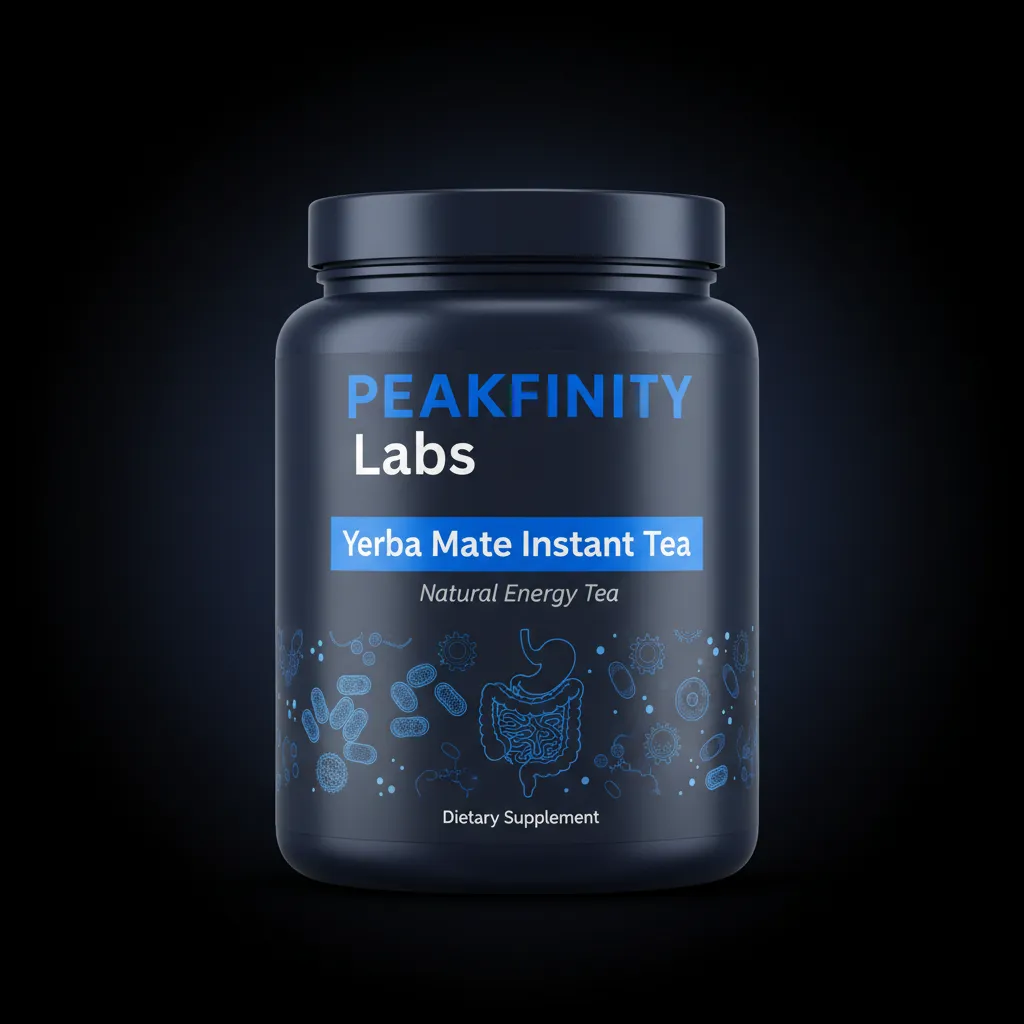
Private Label Yerba Mate Instant Tea Powder
Energy Focus · Powder

Tushar
Licensed Pharmacist and COO @ Peakfinity Labs
Written by the Peakfinity Labs R&D Team — 46+ years of supplement formulation expertise. Our team of formulation chemists, manufacturing specialists, and regulatory experts has helped thousands of eCommerce brands bring their products to market successfully since 1980.
Related Articles
Private Label Supplement Markup: Typical Margins for DTC, Amazon, and Wholesale
Typical markup ranges for DTC, Amazon, and wholesale, plus the landed-cost model that decides whether your margin is real.
How to Compare Quotes From Supplement Manufacturers Without Missing Hidden Costs
A six-bucket framework and paste-ready RFQ table that surfaces hidden costs before you sign with a manufacturer.
When Is a Supplement Brand Ready to Move From Private Label to Custom?
Nine readiness signals, the custom-light middle path, and a seven-step switch plan that avoids stockouts and claim issues.