How to Start an Immune Supplement Brand: 8 Launch Steps
Practical roadmap to how to start an immune supplement brand: 8 steps for compliant formulas, low-MOQ runs, testing, and D2C packaging for founders.
- 1Pick one specific immune use case (seasonal wellness, travel, kids, respiratory) before choosing ingredients—clarity drives formula, label, and format decisions.
- 2Capsules are the fastest path to a first immune SKU; gummies convert best on social but add manufacturing complexity.
- 3Keep formulas focused: "hero ingredient + 2–4 supports" reduces reformulation risk and keeps capsule counts reasonable.
- 4Plan testing and documentation before label design—especially for botanicals where identity testing and COAs matter for Amazon compliance.
- 5Use a two-stage inventory plan (low-MOQ test run → scale run) to avoid tying up cash while still being ready for seasonal demand spikes.
Introduction
Immune support is one of the most crowded supplement categories—and that's exactly why it still works. The winners don't "add another vitamin C." They ship a product that's easy to take daily, easy to reorder, and built around a clear use case like seasonal wellness, travel, back-to-school, or respiratory support.
The hard part isn't the idea. It's getting a compliant formula, clean label copy, reliable testing, and packaging that looks D2C ready without tying up cash in a giant first run. If you pick the wrong manufacturer, you'll feel it fast: inconsistent fill weights, label reprints, surprise testing fees, and lead times that wreck your launch calendar.
This guide breaks down the 8 steps we see successful founders follow when they ask us, "how do I start an immune supplement brand?" It's written for speed: low MOQ test runs, fast turnaround, and a path to rapid scale when a product goes viral.
1) Pick One Immune "Job to Be Done" (Not a Generic Immune Booster)
"Immune support" is a benefit, not a product. Your first product needs a specific moment and a specific buyer. That clarity drives everything: the actives, dosage form, flavor, claim language, and even the pack count.
We push founders to choose one primary use case and one secondary use case. It keeps the formula focused and reduces label risk.
- Seasonal wellness daily (90-count capsules, subscription-first)
- Travel + exposure moments (single-serve stick packs or gummies)
- Respiratory support (herbal angle like mullein + oregano oil, with careful compliant positioning)
- Kids immune (taste + texture first; dosing and allergens must be tight)
- Immune + antioxidant (vitamin C + quercetin + glutathione support, depending on format feasibility)
Contrarian take: if you're launching D2C, start with a product you can explain in one sentence on a Shopify PDP above the fold. We've seen "kitchen sink" immune blends convert worse because they look unfocused and make customers worry about interactions.
2) Choose a Delivery Format That Matches Your Margin, Timeline, and Repeat Rate
When founders ask, "what delivery format works best for immune supplements?" the honest answer is: the one you can manufacture consistently, keep in stock, and sell on subscription without refunds.
| Format | Best for | Watch-outs (real-world) | Our recommendation |
|---|---|---|---|
| Capsules | Fast launch, higher potency per serving, simple SKUs | Large capsule counts can feel "medical"; multi-ingredient blends may require 4–6 capsules/day | Best starting point for most founders |
| Softgels | Oil-based actives (oregano oil, black seed oil), premium feel | Higher MOQ at many shops; longer setup; stability needs attention | Great if your hero ingredient is oil-based |
| Gummies | High reorder and compliance; great for TikTok-style demand | Sugar/acid system, heat-sensitive actives, pectin vs gelatin decisions, higher testing complexity | Use when taste/texture is your growth engine |
| Powders / drink mixes | Large doses (vitamin C grams), "daily ritual" positioning | Flavor masking, hygroscopic ingredients, clumping, scoop variance | Best for high-dose vitamin C or bundles |
| Liquid drops | Fast absorption story, easy to take | Micro risk, preservatives, stability, taste | Good for niche angles; validate with small runs |
If you're considering gummies, use this as your next read: Gummy Vitamin Manufacturing Guide. Gummies can scale fast, but only if the formula and packaging choices support consistent texture and shelf life.
3) Build a Formula That's Effective and Manufacturable at Your Target Price
Founders often start by asking, "what ingredients are most effective in immune supplement formulations?" A better first question is: what ingredients stay stable, meet label claims at end-of-shelf-life, and fit in the chosen format without forcing an insane serving size?
| Ingredient / cluster | Common role in immune formulas | Manufacturing notes that affect your launch |
|---|---|---|
| Vitamin C (ascorbic acid or buffered forms) | Foundational daily immune support positioning | High doses push you toward powders; gummies need careful acid/sweet balance; capsules hit size limits fast |
| Zinc (various salts) | "Immune support" staple; pairs well with D3 | Can cause nausea on empty stomach; taste is a problem in gummies and liquids |
| Vitamin D3 (often with K2) | Popular "immune + wellness" combo | Low dosage means easy fit; oil-based handling matters; label accuracy is critical |
| Elderberry | Seasonal wellness hero; gummy-friendly story | Extract potency varies; supply chain specs and incoming QC matter |
| Quercetin | Antioxidant/seasonal wellness angle | High dose can increase capsule count; gritty in powders; taste challenges in gummies |
| NAC / glutathione (and support blends) | Antioxidant / respiratory support positioning | Heavily dependent on regulatory/retailer policy and claims approach; plan label copy early |
| Herbals (echinacea, oregano oil, astragalus, mullein) | Traditional immune/respiratory support storytelling | Potency/specs vary; strong flavors and odors require packaging decisions and sometimes softgels |
Brand-specific insight from our R&D workflow: we try to keep "hero ingredient + 2–4 supports" as the default for first launches. Fewer actives makes it easier to hit label claim with realistic capsule sizes and reduces the chance you'll need multiple reformulations because one ingredient won't behave in production.
If you want to explore custom formulation versus starting from a proven base, read Private Label vs Custom Manufacturing. The fastest path is often a low MOQ run of a proven concept, then a custom formulation upgrade once you see retention.
4) Decide: Private Label, Custom Vitamin C, or a "Customized Base"
Many founders ask, "can I get a custom vitamin C supplement manufactured?" Yes—but "custom" can mean three different things, and your cost and timeline depend on which one you choose.
| Approach | What you change | Speed | When it's the right call |
|---|---|---|---|
| Private label | Branding + packaging only | Fastest | You want a quick test run and a simple SKU |
| Customized base | Minor changes (flavor, sweetener system, a supporting active) | Fast | You want differentiation without a long development cycle |
| True custom formulation | New ratios, new excipients, unique actives, format-specific work | Slower | You already have demand or a clear influencer-led wedge |
At Peakfinity Labs, most immune launches that win start with a low MOQ run in capsules or gummies, then move into custom formulation once the funnel proves out. That keeps your upfront risk low and still sets you up for rapid scale.
If you're building a TikTok-first brand, plan for the "second wave" on day one: a follow-on SKU, a bundle, or a flavor expansion. This pairs well with the playbook in our TikTok Supplement Brand Guide.
5) Find a Manufacturer That Can Actually Support Immune Products (and Scale When You Hit)
Searches like "what manufacturer makes immune support supplements" and "is there a contract manufacturer for zinc and vitamin D supplements" are really about one thing: can this partner produce common immune actives reliably and keep you in stock?
Use this checklist in your first call. It's the difference between a smooth launch and a painful switch later.
- GMP & ISO certified facilities with documented QA processes (ask where testing happens and what COAs you receive). See Certifications and Quality.
- Low MOQ options for test runs (so you can validate ads, retention, and reviews before big buys).
- Fast turnaround that matches your marketing calendar. We target 3–4 weeks from order to production on many projects once specs are locked.
- Custom formulation support that's realistic about capsule count, flavor masking, and stability. See R&D.
- D2C ready packaging options (labeling, inserts, ship-ready cartons) so you don't stitch together five vendors.
- Rapid scale capacity and a plan for sudden demand spikes.
For the scale question, read Manufacturer Sudden Demand Spikes. Viral demand isn't theoretical in immune—it's seasonal, news-driven, and influencer-driven, and your supply chain needs to be built for that.
Also worth reviewing: What Makes a Good Contract Manufacturer for eCommerce. Immune is an eCommerce category first, and operations matter as much as the formula.
6) Plan Testing and Documentation Before You Design the Label
"What testing is required for immune support supplement products?" depends on format, ingredients, and where you sell. But the mistake we see most: founders finalize labels and PDP copy before they confirm the testing plan and spec sheet.
At a minimum, you want a written spec that covers identity, purity, potency, and micro where relevant—plus a plan for stability when you're making shelf-life statements. If you plan to claim "X mg per serving," you need confidence it holds through shelf life, not just on day one.
- Ingredient identity testing (especially for botanicals where substitution risk exists).
- Micro testing appropriate for the format (higher risk for gummies and liquids).
- Heavy metals screening for botanicals and mineral-heavy formulas.
- Finished product COA that matches your label claims and specs.
If Amazon is part of your plan, keep compliance tight from the start. This article helps you avoid preventable listing issues: Compliant Supplement Amazon. We'd rather slow down one day to clean up claims than lose weeks to a suppressed listing.
For how we approach QA and documentation, you can reference our Quality and Certifications pages when you're building your own compliance narrative.
7) Build Packaging That Protects the Product and Sells the First Click
"What packaging works best for immune supplement products?" is both a stability question and a conversion question. Some immune ingredients smell strong, some formulas pull moisture, and some gummy systems hate heat swings in transit.
We recommend you choose packaging based on three filters: protection, pick/pack speed, and shelf appeal on a phone screen.
- Bottles + induction seals for capsules/softgels (reduce leak/odor issues and improve tamper evidence).
- Desiccants for moisture-sensitive capsules and many gummy systems.
- Opaque bottles for light-sensitive actives.
- Stick packs or sachets for travel-friendly vitamin C powders (great for bundles and AOV).
- D2C ready packaging (ship-ready units that survive parcel shipping and still look premium).
Real-world detail: immune products spike in Q4 and early Q1, which is also when carriers get rough on parcels. We often see fewer customer service tickets when brands invest in better seals and secondary packaging from day one versus "fixing it later."
8) Launch with an Inventory Plan Built for Seasonality and Viral Spikes
Immune is not a flat-demand category. Even strong brands see swings around back-to-school, holiday travel, and winter months. If you don't plan for that, you'll either stock out (and kill momentum) or overbuy (and tie up cash).
We like a two-stage approach: start with a low MOQ test run, then reorder based on real signals: conversion rate, subscription attach rate, and 30-day reorder behavior.
| Stage | Goal | What you measure | What you do next |
|---|---|---|---|
| Test run (low MOQ) | Validate offer + creative + retention | CVR, CAC, refund rate, review sentiment | Lock the winning SKU and plan reorder timing |
| Scale run | Stay in stock while you expand channels | Subscription %, weeks of cover, forecast error | Add bundles, flavors, or a second SKU |
If you're building for rapid scale, don't ignore operations. This guide lays out what changes when you go from "launching" to "winning": Scaling a Supplement Brand.
And if you plan to sell on Amazon FBA, align your production calendar with inbound cutoffs: Amazon FBA Supplement Manufacturing.
How to Create an Immune Support Bundle or Kit (Simple and High-AOV)
Bundles win in immune because customers already think in "stack" terms. Your job is to make the stack simple and compliant, with clear usage instructions.
- Daily base + seasonal add-on: D3/K2 daily plus an elderberry gummy for seasonal months.
- Travel kit: stick-pack vitamin C drink mix plus a capsule base for daily use.
- Respiratory angle: a herbal drop + capsule base, with conservative compliant positioning.
We recommend launching the single hero SKU first, then introducing the bundle once you have review velocity. Bundles convert best when buyers already trust one product.
Quick Summary: Our Top Picks If You Want Speed Without Quality Risk
- Fastest first SKU: capsule-based immune daily (simplest manufacturing and labeling workflow—see Capsule Manufacturing).
- Best for TikTok scale: an immune support gummy with a clean, tight ingredient story (great reorder behavior—see Gummy Manufacturing).
- Best for high-dose vitamin C: flavored drink mix or stick packs (easier to hit grams-per-serving without giant capsules).
- Best "simple but premium" combo: vitamin D3 + K2 in a clean, minimal formula (see Vitamin D3 K2 for an example).
Frequently Asked Questions
How do I start an immune supplement brand if I'm new to manufacturing?
You need a clear use case, a manufacturable formula, and a compliant label before you spend money on a big first run. The most reliable path is to start with a low MOQ test batch through a GMP & ISO certified manufacturer, then scale once you see real metrics like conversion rate and 30-day reorder. Ask your manufacturing partner for a written spec, a testing plan with COAs, and a realistic lead time so your launch calendar doesn't slip.
Can I get a custom vitamin C supplement manufactured?
Yes—most experienced supplement manufacturers can produce a custom vitamin C product in capsules, powders, or gummies as long as the dosage and format are feasible. The practical constraint is serving size: higher vitamin C doses often fit better in powders or stick packs than capsules because capsule count can get too high. A smart next step is to decide your target dose per serving and preferred format, then request a pilot run at low MOQ to confirm taste, flow, and label claim testing.
How do I manufacture an elderberry supplement product (including gummies)?
Elderberry products start with choosing the format—gummies and syrups are popular, but capsules can be faster to launch and easier to keep stable. The key manufacturing step is locking the extract specification (such as potency and allowable carriers) so your label claim and flavor profile stay consistent batch to batch. If you want gummies, confirm your manufacturer's gummy system (pectin vs gelatin), micro testing plan, and packaging approach because moisture and heat control drive real-world texture and shelf-life outcomes.
What testing is required for immune support supplements?
Testing protects your customers and your brand because immune products often include botanicals and minerals that need tighter quality control. A compliant manufacturer should provide a finished product COA and run appropriate tests such as ingredient identity, microbiological screening, and heavy metals based on the ingredients and format. If you plan to sell on Amazon, align your label claims with what your COA supports and keep documentation organized to avoid listing or compliance issues.
What MOQ should I expect for immune supplement manufacturing?
MOQ varies by format, but capsules typically allow lower minimums than gummies and softgels because production setup and testing are simpler. The most founder-friendly approach is a low MOQ first run that covers your launch and early reorders, then a larger scale run once you have predictable demand. When you compare manufacturers, confirm whether MOQ changes with packaging choices (bottles vs stick packs) and whether any one-time fees apply for labeling, testing, or tooling.
Ready-to-Launch Formulations in This Category
Stock-ready formulations you can private label with your own branding — 2,000 unit MOQ.
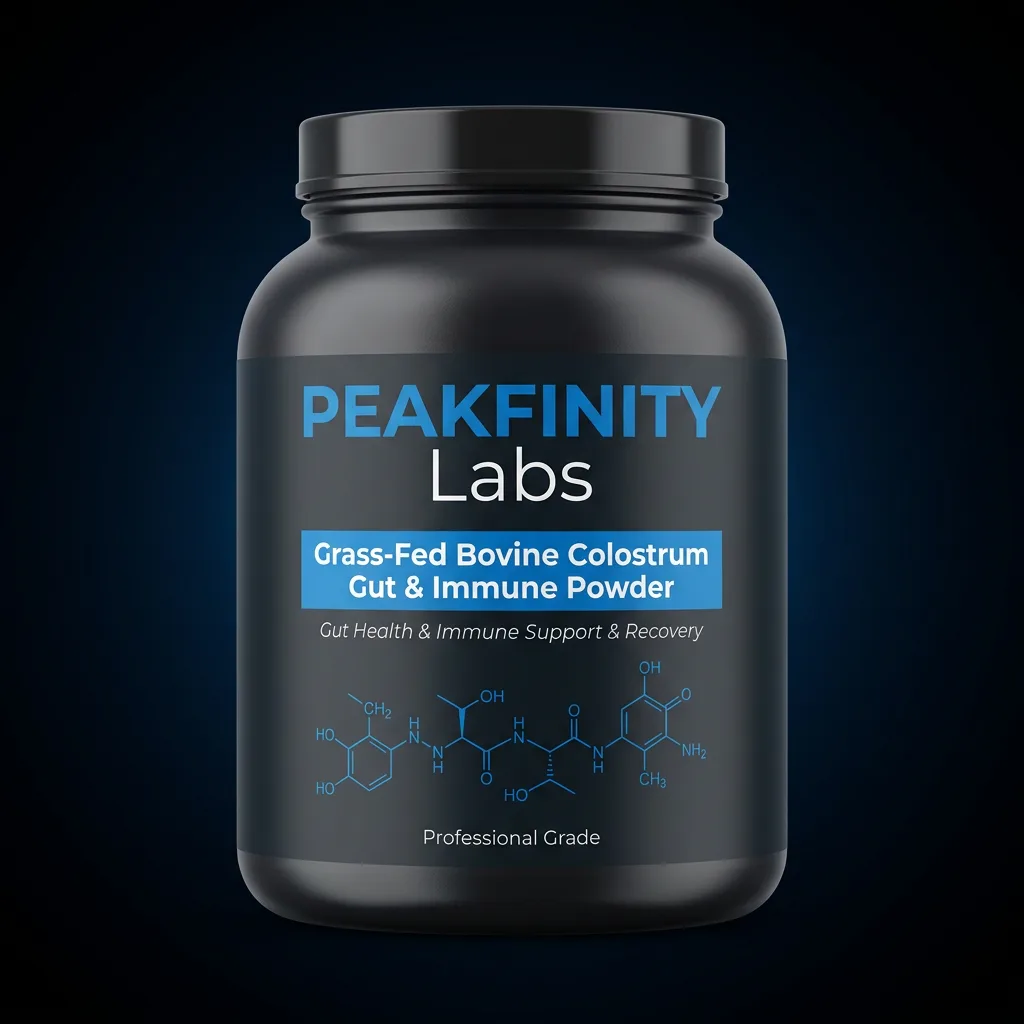
Grass-Fed Bovine Colostrum Gut & Immune Powder
Gut Health · Powder
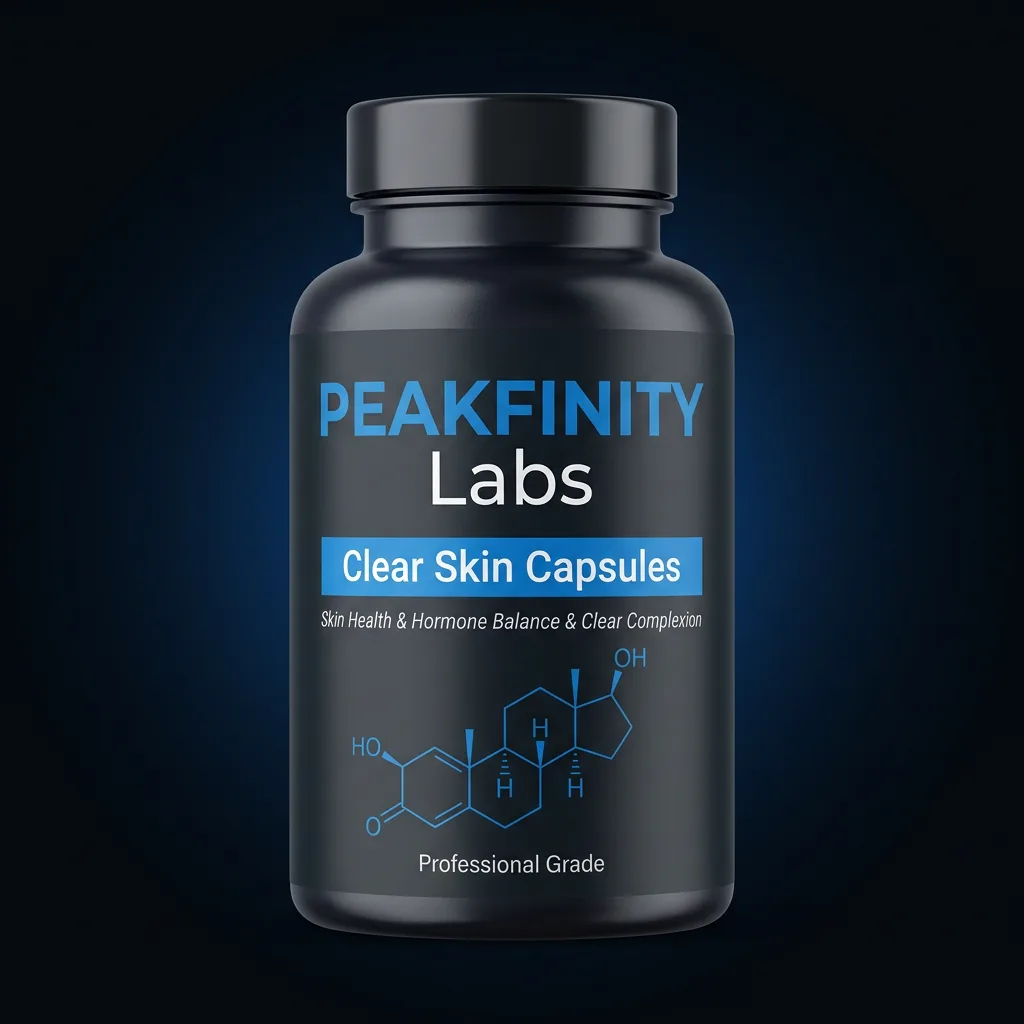
Clear Skin Capsules
Beauty Supps · Capsules
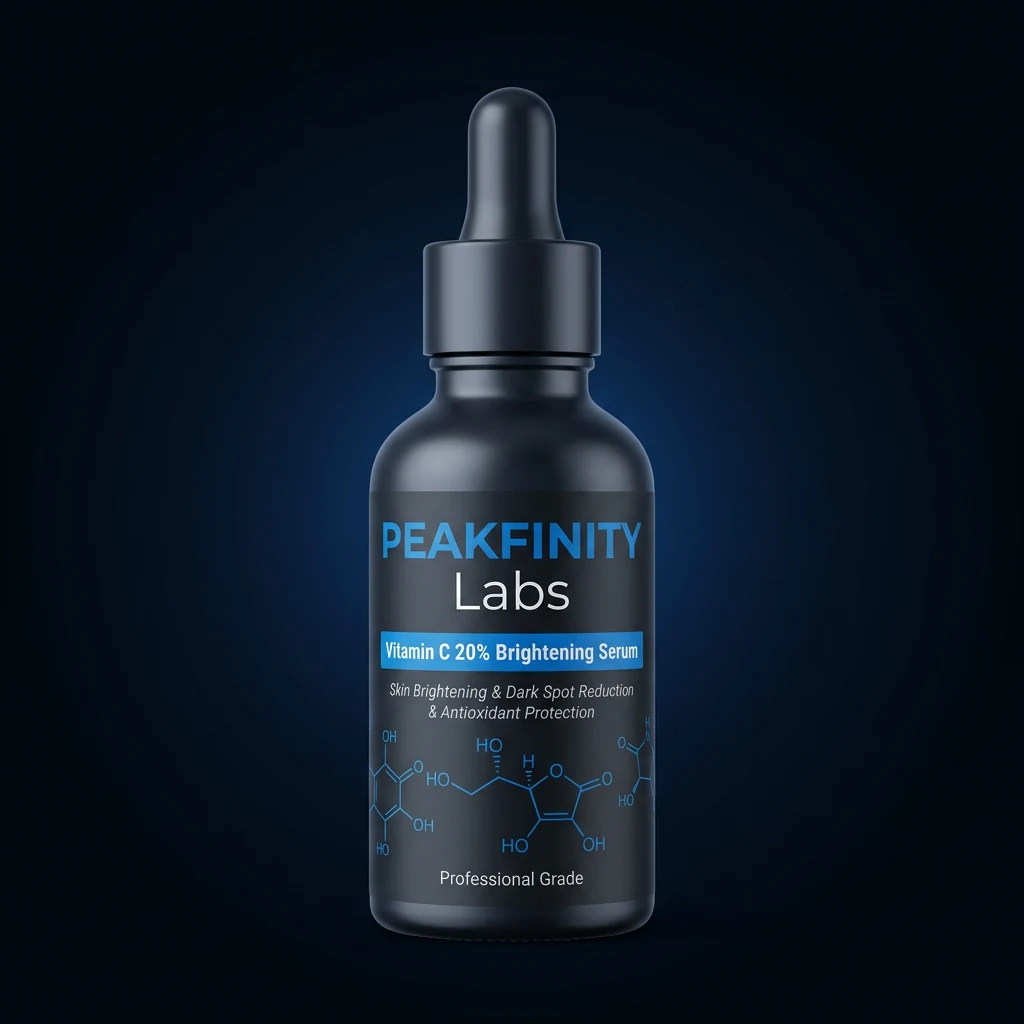
Vitamin C 20% Brightening Serum
Facial Serums · Liquid
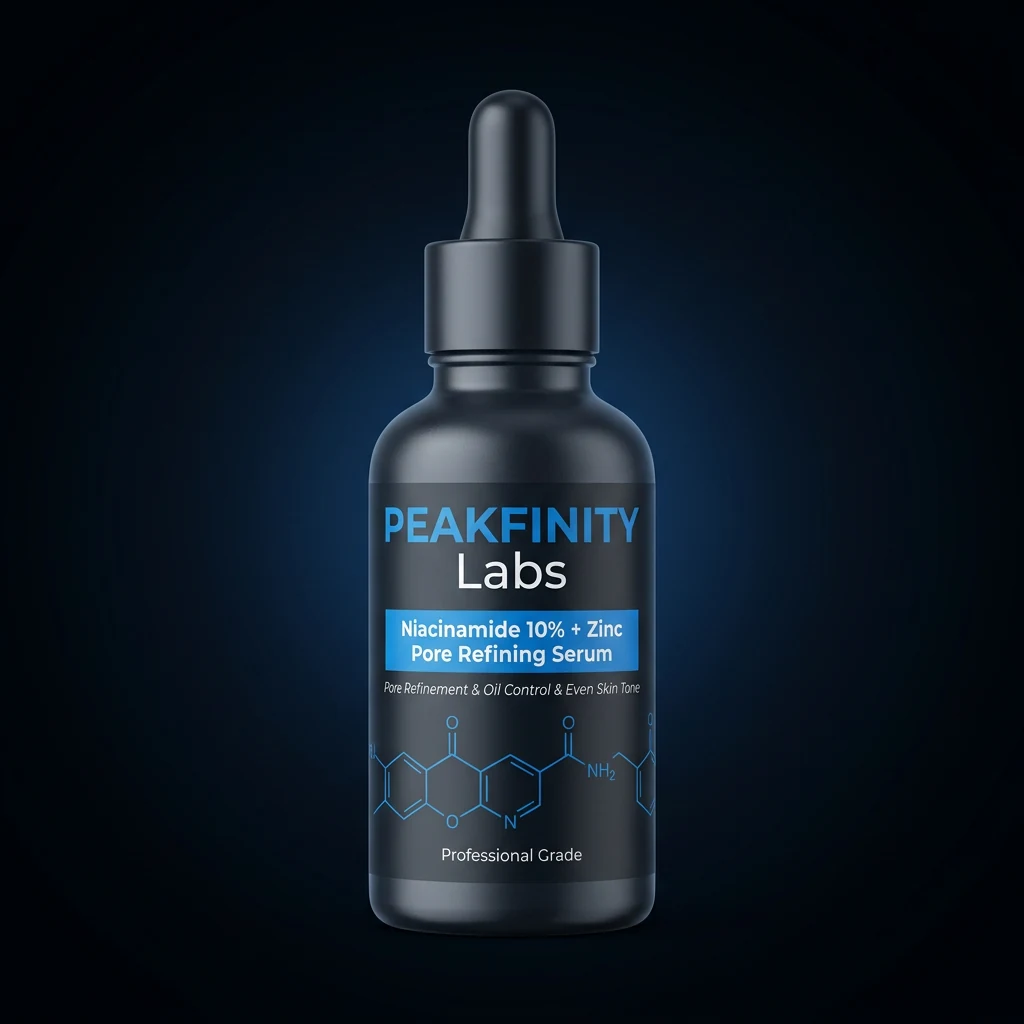
Niacinamide 10% + Zinc Pore Refining Serum
Facial Serums · Liquid
Conclusion: Launch Fast, Stay Compliant, and Scale Without Supply Surprises
If you want to start an immune supplement brand that lasts, build it like an operator. Pick a focused use case, choose a format you can keep in stock, and commit to testing and documentation before you print labels.
At Peakfinity Labs, we support founders who want fast turnaround, low MOQ test runs, GMP & ISO certified production, custom formulation, and D2C ready packaging that's built for rapid scale.
- Review our end-to-end workflow: Our Process
- See capabilities across formats: Supplement Manufacturing Overview
- Start a project and get a timeline + MOQ recommendation: Start Project
If you already know your target format (capsule, gummy, powder, softgel), bring your target dose and your preferred pack count. We'll tell you what's feasible, what will break in production, and how to get to a first run without hidden costs.

Tushar
Licensed Pharmacist and COO @ Peakfinity Labs
Written by the Peakfinity Labs R&D Team — 46+ years of supplement formulation expertise. Our team of formulation chemists, manufacturing specialists, and regulatory experts has helped thousands of eCommerce brands bring their products to market successfully since 1980.
Related Articles
How to Find an ISO 17025-Accredited Supplement Testing Lab, and What Founders Should Ask For
How to verify a lab's ISO/IEC 17025 scope actually covers your test, the questions to ask before shipping samples, and a testing plan built for ecommerce timelines.
Supplement Manufacturing Lead Times and Reorders: What Founders Should Expect Before and After Launch
The five workstreams hiding inside "lead time," why reorders move faster than first runs, and the ramp plan that survives a demand spike.
How to Vet a cGMP Supplement Manufacturer With Documented Audit History
The document pack, audit-history call script, and scoring rubric that separate real cGMP quality systems from certificate PDFs.