Consumer Demand for Immune Support Supplements All Year
We analyzed 10 immune launches and found 5 formula strategies that drive year-round sales—ingredients, labels, and low-MOQ manufacturing that accelerate growth.

- 1Immune support used to be a “Q4 product.” Brands planned for cold and flu season, stocked up, and hoped demand matched inventory. That playbook is
- 2Year-round demand is driven by behavior changes, not just ingredient trends. Consumers now view immune support as maintenance, similar to hydration
- 3Market size estimates vary by source because “immune support” overlaps with vitamins, functional foods, and herbals. Instead of betting your plan on
- 4“Immune support” is usually interpreted as general wellness. “Immune modulation” can read like you’re altering immune response, which can pull you
- 5Start with a clear intended use: daily wellness, travel support, stress-season support, or seasonal routine. Avoid building the entire story around
Introduction
Immune support used to be a “Q4 product.” Brands planned for cold and flu season, stocked up, and hoped demand matched inventory. That playbook is outdated. Consumers now buy immune support supplements year-round, and they expect formats that fit everyday routines: gummies, sticks, capsules, drink mixes, and even liquid shots.
What changed is not just awareness. Shoppers connect immunity to sleep, stress, gut health, travel, kids’ school exposure, and workout recovery. They also shop faster than brands can forecast. A viral TikTok can spike demand in days, while Amazon lead times punish slow replenishment.
At Peakfinity Labs, we see the strongest immune launches come from brands that treat “immune” as a daily wellness category, not a seasonal remedy. They choose compliant structure/function positioning, build formulas that taste good and ship well, and plan packaging for ecommerce from day one. This guide breaks down what’s driving year-round demand, what ingredients are winning (and why), and how to formulate and label immune blends without stepping into disease claims.
What’s driving consumer demand for immune support supplements year-round
Year-round demand is driven by behavior changes, not just ingredient trends. Consumers now view immune support as maintenance, similar to hydration or sleep support.
- “Always on” exposure cycles: Travel, open offices, gyms, and school calendars create constant exposure, not just winter spikes.
- Stress and sleep are mainstream: People associate stress with immune resilience, so immune supplements get pulled into daily routines.
- Content-driven shopping: Viral formats (gummies, shots, powders) can create demand outside seasonality, especially on Amazon and TikTok Shop.
- More self-directed health decisions: Consumers track habits and want “support” products they can take daily without feeling like they’re treating an illness.
- Better-tasting delivery forms: Immune products used to be harsh (zinc lozenges, bitter tinctures). Modern flavor systems make daily use realistic.
A contrarian take from manufacturing: the brands that win year-round are not the ones chasing the most ingredients. They win by making a formula consumers will actually stick with for 90 days—because compliance beats complexity.
Global immune supplement market size in 2026: what matters for brand strategy
Market size estimates vary by source because “immune support” overlaps with vitamins, functional foods, and herbals. Instead of betting your plan on one number, watch the signals that change your execution.
- Category maturity: Immune is no longer niche, which raises the bar on quality, taste, and claims discipline.
- Retail plus ecommerce: The same product may need both shelf-ready and parcel-ready packaging.
- Ingredient scrutiny: As the category grows, regulators and platforms (especially Amazon) get more sensitive to implied disease language.
If you want a credible baseline, cross-check major market research firms and trade associations rather than relying on one blog stat. For regulatory framing on supplements (not market size), start with FDA’s supplement overview: https://www.fda.gov/food/dietary-supplements.
Immune support vs. immune modulation: why wording changes your risk
“Immune support” is usually interpreted as general wellness. “Immune modulation” can read like you’re altering immune response, which can pull you closer to drug-like territory depending on context.
| Term | How consumers hear it | Typical brand-safe use | Risk level |
|---|---|---|---|
| Immune support | Daily maintenance | Structure/function claims like “supports immune health” | Lower |
| Immune defense | Protection language | Can be acceptable, but watch surrounding copy | Medium |
| Immune system booster | Stronger promise | Use carefully; substantiate and avoid illness context | Medium |
| Immune modulation | Changing immune response | More common in practitioner brands with tighter messaging | Higher |
Practical rule: you can often keep the formula the same and reduce risk just by tightening language on labels, PDP copy, and ads.
How do brands formulate immune blends without making disease claims?
Start with a clear intended use: daily wellness, travel support, stress-season support, or seasonal routine. Avoid building the entire story around colds, flu, infections, or viruses.
- Use structure/function positioning: “supports immune health,” “supports antioxidant activity,” “supports cellular health,” and “supports respiratory health” (with care) typically fit supplement structure/function territory when properly substantiated.
- Avoid implied treatment language: Phrases like “prevents illness,” “fights viruses,” “kills germs,” or “works like an antibiotic” create problems fast.
- Plan your substantiation file: Decide what each ingredient is doing and keep references on hand (identity specs, COAs, and literature support).
- Engineer for tolerability: If the product causes nausea (common with zinc on an empty stomach) or tastes bad, customers churn and reviews tank.
Manufacturing reality: your compliance risk often comes from marketing teams, not the formula. We routinely help brands align the label, PDP, and ad copy to the same claim strategy so the product can scale without takedowns.
Core immune ingredients: what’s still working (and how to do it well)
These ingredients persist because consumers recognize them and they fit multiple formats. The details that matter are dose, form, taste, and how they behave in your delivery system.
Vitamin C: dosage and bioavailability in real products
Vitamin C is a cornerstone, but brands still get tripped up by dosing logic. Higher isn’t always better, especially for gummies and shots where taste and GI tolerance limit real-world use.
| Vitamin C approach | Why brands choose it | Watch-outs | Best formats |
|---|---|---|---|
| Ascorbic acid | Cost-effective, widely understood | Acidic; can be harsh in liquids and gummies if not buffered | Capsules, powders |
| Sodium/calcium ascorbate (buffered) | Better tolerance for some users | Sodium content (if sodium ascorbate); flavor impact | Gummies, drink mixes, shots |
| Liposomal-style positioning | Bioavailability story | More complex manufacturing; stability and claim support matter | Select liquids, capsules |
Practical range you see in commerce: many daily immune SKUs land around 250–1,000 mg of vitamin C per day depending on format. Gummies often sit lower due to taste and serving size, while powders and capsules can go higher. Your best choice is the highest dose people will take consistently without complaints.
Zinc: what’s the role of zinc in immune supplement formulas?
Zinc earns its place, but form selection is not a footnote. It affects tolerability, label claims, and consumer experience.
- Zinc citrate: Common for gummies and powders; generally workable for taste with the right flavor system.
- Zinc gluconate: Familiar from lozenges; can still fit capsules and gummies.
- Zinc picolinate: Popular for “premium” positioning; typically used in capsules due to taste.
Most brands build around 5–15 mg elemental zinc per daily serving for broad appeal, then check total intake against established upper limits and label accordingly. Also plan for the real issue: zinc can cause nausea on an empty stomach, so many successful brands add “take with food” guidance and avoid overly aggressive dosing.
Elderberry: what’s behind the resurgence?
Elderberry surged because it checks three boxes: consumers recognize it, it tastes good, and it fits gummies and syrups where repeat purchase is high.
- Format fit: Elderberry pairs naturally with berry flavors and masks mineral notes.
- Visual cues: Dark purple color signals “antioxidant-rich” to shoppers (even before they read).
- Family-friendly positioning: Many brands aim at household routines, not just individual use.
Formulation detail brands miss: elderberry ingredients vary widely (juice powder vs. extract, different standardizations). If you want consistent taste and label claims, lock your spec early and keep it consistent across batches.
Beta glucan: how does it work in immune supplement formulations?
Beta glucan has become a modern “daily immune” anchor because it supports a steadier, non-seasonal routine story. Brands often position it as training the body’s normal defenses rather than acting like a quick fix.
From a manufacturing standpoint, beta glucan is also useful because it can differentiate your formula when vitamin C + zinc + elderberry starts to look like every other SKU. The key is specifying the source (commonly yeast or oats) and the active content so your label matches what you buy.
Quercetin: sourcing and bioavailability considerations
Quercetin demand grew alongside immune + antioxidant stacking. The challenge is that standard quercetin has limited solubility, which affects some formats and positioning.
- Sourcing: Choose suppliers with clear identity testing and contaminant controls (heavy metals matter for botanicals).
- Form choice: Some brands use enhanced forms for absorption narratives, but that adds cost and requires careful documentation.
- Format reality: Quercetin is often easiest in capsules; gummies and liquids can be tougher due to solubility and taste.
Mushrooms: the role of functional fungi in modern immune supplements
Mushrooms are now mainstream in immunity, but the market is messy. “Mushroom” can mean fruiting body powder, mycelium on grain, extracts, or blends—each with different actives and pricing.
A practical, non-generic recommendation: if you want a premium immune mushroom product, specify part used and extract ratio (or verified beta-glucan content) on your internal spec sheet even if you don’t put every detail on the front label. It protects quality and reduces batch-to-batch surprises.
Trending immune ingredients growing fastest in 2026: what we’re watching
Trends move faster than manufacturing, so “what’s hot” only matters if you can source it reliably, keep it compliant, and ship it in 3–4 weeks when demand spikes.
- Daily immune + stress stacks: Ingredients that pair immune positioning with stress support (without crossing into drug-like claims).
- Postbiotic-style immune positioning: Brands look beyond probiotics into heat-stable options that ship better.
- Enhanced absorption systems: More products use “bioavailability” as a differentiator, but this only works if your documentation is tight.
- Clean-label mineral systems: Better-tasting zinc and multi-mineral approaches designed for gummies and sticks.
Our filter for trend ingredients is blunt: if it cannot hold up to supplier documentation, stability testing, and platform scrutiny, it will not scale—even if it goes viral.
Andrographis vs. echinacea: which is better for immune positioning?
Both ingredients show up in immune products, but they serve different brand stories. Echinacea is familiar and easier for mainstream shoppers. Andrographis can signal “serious herbal” positioning, but it often comes with stronger taste and higher consumer education needs.
| Factor | Echinacea | Andrographis |
|---|---|---|
| Consumer recognition | High | Medium to low |
| Best positioning | Seasonal + daily support | Advanced herbal immune support |
| Taste impact | Moderate | Often bitter/strong |
| Best formats | Capsules, gummies (with flavor work) | Capsules, tablets |
Verdict: If you’re building an ecommerce-first immune product, start with echinacea (or skip both and differentiate with beta glucan or mushrooms) unless you have the brand authority to educate on andrographis. Andrographis can work well in capsule lines aimed at experienced supplement buyers.
Packaging and format choices that actually scale
Immune products win or lose on format. Format drives repeat purchase, reviews, and how easily you can run ads without returns from taste complaints.
| Format | Why it sells | Manufacturing and scaling watch-outs |
|---|---|---|
| Gummies | High adherence, broad audience | Heat and humidity stability, sugar/alcohol system, flavor masking for zinc |
| Capsules | Fast to launch, easy dosing | Capsule size limits, botanicals can vary in flow and smell |
| Powder sticks | Travel-friendly, “daily routine” vibe | Hygroscopic ingredients clump; requires good barriers and anti-caking strategy |
| Liquid shots | Impulse buy, fast routine | pH control, preservative system, taste, fill accuracy, shipping durability |
How do brands package liquid immune shots for retail?
Liquid shots need packaging that protects stability and survives shipping. Brands typically choose PET or glass based on positioning, but the real drivers are oxygen ingress, light exposure, and drop resistance.
- Barrier protection: Use packaging that limits oxygen and light if your formula includes sensitive components.
- Cap and seal integrity: Torque specs and induction seals reduce leaks and tampering issues.
- Secondary packaging: Retail trays look great, but ecommerce needs ship-tested cartons and dividers.
One detail we push early: plan your case pack and ship method before you finalize bottle shape. A bottle that looks premium can become a damage-rate problem in parcel shipping.
What FDA rules apply to immune support label claims?
For U.S. dietary supplements, immune products must stay in structure/function territory unless you go through drug pathways. That means you can discuss supporting normal body functions, but you cannot claim to diagnose, treat, cure, or prevent disease.
- Structure/function claims: Examples include “supports immune health” or “supports antioxidant defenses,” when truthful and substantiated.
- Drug claims to avoid: “prevents colds,” “treats flu,” “antiviral,” “reduces infection,” or naming diseases in a way that implies treatment.
- DSHEA disclaimer: Structure/function claims require the standard disclaimer statement on label.
- FTC advertising standards: Your ads need evidence too; your label being compliant is not enough.
Start with FDA’s supplement hub for official framing and links to relevant guidance: https://www.fda.gov/food/dietary-supplements. For practical execution, see Peakfinity Labs’ guidance on supplement packaging and label design.
How to market immune supplements outside of cold and flu season
If your creative only works in winter, your product becomes a seasonal SKU with seasonal cash flow. The brands that keep sales steady tie immune support to year-round behaviors.
- Travel and “back-to-routine”: Position as part of travel packs and post-travel routines.
- Sleep and stress seasons: Think exams, deadline cycles, and back-to-school transitions.
- Fitness and recovery: Pair immune messaging with “supports recovery” without implying disease protection.
- Family routines: Household packs, morning gummy rituals, and subscription offers.
We also see a practical ecommerce angle: run two PDP variants (same product) with different hero messaging by season, while keeping claims consistent. It helps keep ads fresh without rewriting your compliance strategy.
How do brands position post-pandemic immunity products?
Post-pandemic consumers are skeptical of hype, and platforms are stricter about health claims. Brands that perform well position immune support as a daily habit that fits modern life.
- Shift from fear to routine: “Daily immune support” and “resilience” language tends to outperform “protection” language.
- Show quality signals: Testing, GMP-certified production, and clear supplement facts panels build trust.
- Reduce friction: Ecommerce-ready packaging, subscription-friendly formats, and clear directions drive repeat.
Where to start: a practical launch plan for an immune SKU
If you’re building your first immune support product (or your first in a new format), keep the plan simple and fast.
- Pick one hero format: Gummies for adherence, capsules for speed, sticks for travel, or shots for premium impulse.
- Choose 3–5 actives max: A clear story usually beats a 12-ingredient panel.
- Set guardrails: Target doses that fit your format and tolerance, then validate with a prototype.
- Lock claims early: Write your label and PDP draft before finalizing the formula so you don’t chase incompatible promises.
- Plan ecommerce packaging: Define ship testing needs, label durability, and case pack before you order components.
This is where low MOQ, small-batch production matters. You can test a real product in the market, read reviews, then iterate without sitting on a year of inventory. If you’re building for marketplace velocity, Peakfinity’s Amazon FBA supplement manufacturing overview is a helpful reference for packaging and replenishment realities.
What to look for in an immune supplement manufacturer (and how to reduce risk)
Immune is crowded. The manufacturer you choose affects quality, speed, and whether you can scale when demand spikes.
- GMP-certified and ISO-certified facilities: Certifications don’t guarantee perfection, but they signal real systems for quality and traceability.
- Low MOQ options: You need room to test pricing, ads, and subscription before committing big.
- Fast, realistic timelines: Ask what “3–4 weeks” actually includes (formula work, ingredient ordering, production, packaging, QC release).
- Documentation discipline: COAs, specs, allergen statements, and lot traceability should be standard, not special requests.
- Confidentiality and IP controls: Use NDAs, limit formula access, and confirm how they store and share formulation files.
At Peakfinity Labs, we’re built for fast, turnkey launches: low MOQ, small-batch runs, and scalable manufacturing in GMP-certified and ISO-certified facilities. We also build with ecommerce-ready packaging in mind so your first batch can sell online without rework. For an overview of capabilities, see our supplement manufacturing services, and for due diligence, review our guide on how to verify a GMP supplement manufacturer.
Conclusion and next steps
Year-round immune demand is real, but the winners do not rely on seasonal panic or overloaded formulas. They ship a product people enjoy daily, keep claims compliant, and build packaging for ecommerce from the start.
If you want to launch fast with low inventory risk, start with a small-batch immune SKU, prove demand, then scale. Peakfinity Labs supports turnkey development—custom formulation, packaging, labeling, and compliance support—with low MOQ production and a fast 3–4 week turnaround when timelines allow. If gummies are your best adherence play, explore Peakfinity’s gummy manufacturing capabilities (and the gummy vitamin manufacturing guide for formulation/scale considerations).
Next steps: decide your format, draft your claim strategy, and build a tight 3–5 ingredient concept that you can actually manufacture and ship reliably.
Frequently Asked Questions
What’s driving consumer demand for immune support supplements year-round?
Consumers now treat immune support as daily wellness driven by travel, stress, sleep, family schedules, and ecommerce discovery; brands that win focus on repeatable daily formats and compliant “support” messaging.
How do brands formulate immune blends without making disease claims?
Build products around structure/function positioning (e.g., “supports immune health”), avoid treatment or prevention language like “prevents colds” or “antiviral,” document ingredient substantiation, and align label, PDP, and ad copy to the same compliant claim strategy.
What’s behind the resurgence of elderberry in immune products?
Elderberry resurged because consumers recognize it, it pairs well with berry flavors for gummies and syrups that drive repeat use, and it provides visual antioxidant cues; brands should lock extract specs early because formulations and standardizations vary.
How do brands handle vitamin C dosage and bioavailability?
Dosing balances label appeal, tolerance, and format limits; many daily immune SKUs land around 250–1,000 mg/day. Brands choose forms (ascorbic acid, buffered ascorbates, or liposomal-style approaches) based on delivery system, taste, tolerance, and documentation to support any bioavailability claims.
What FDA rules apply to immune support label claims?
In the U.S., immune supplements must use truthful, substantiated structure/function claims and cannot claim to diagnose, treat, cure, or prevent disease. Labels can say “supports immune health” but must avoid disease language, include the DSHEA disclaimer for structure/function claims, and ensure advertising meets FTC evidence standards.
Ready-to-Launch Formulations in This Category
Stock-ready formulations you can private label with your own branding — 2,000 unit MOQ.
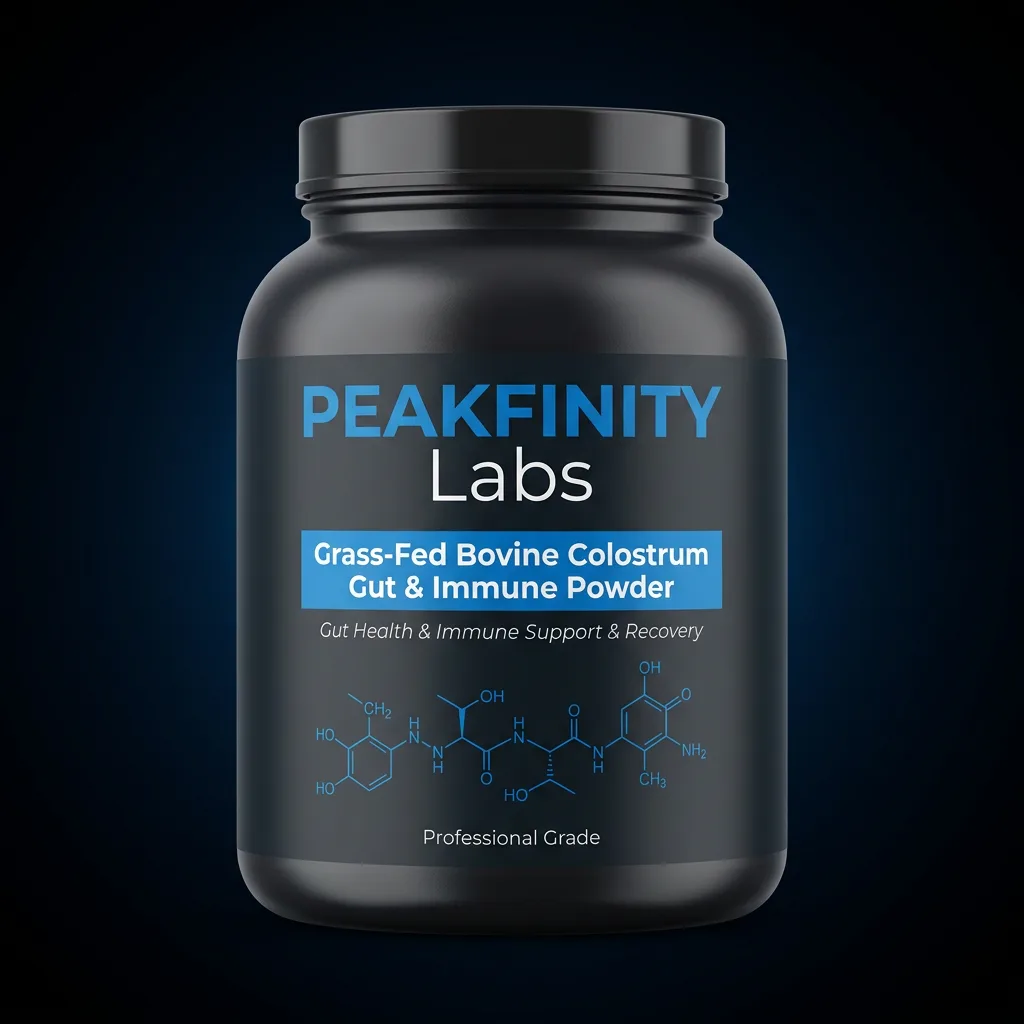
Grass-Fed Bovine Colostrum Gut & Immune Powder
Gut Health · Powder
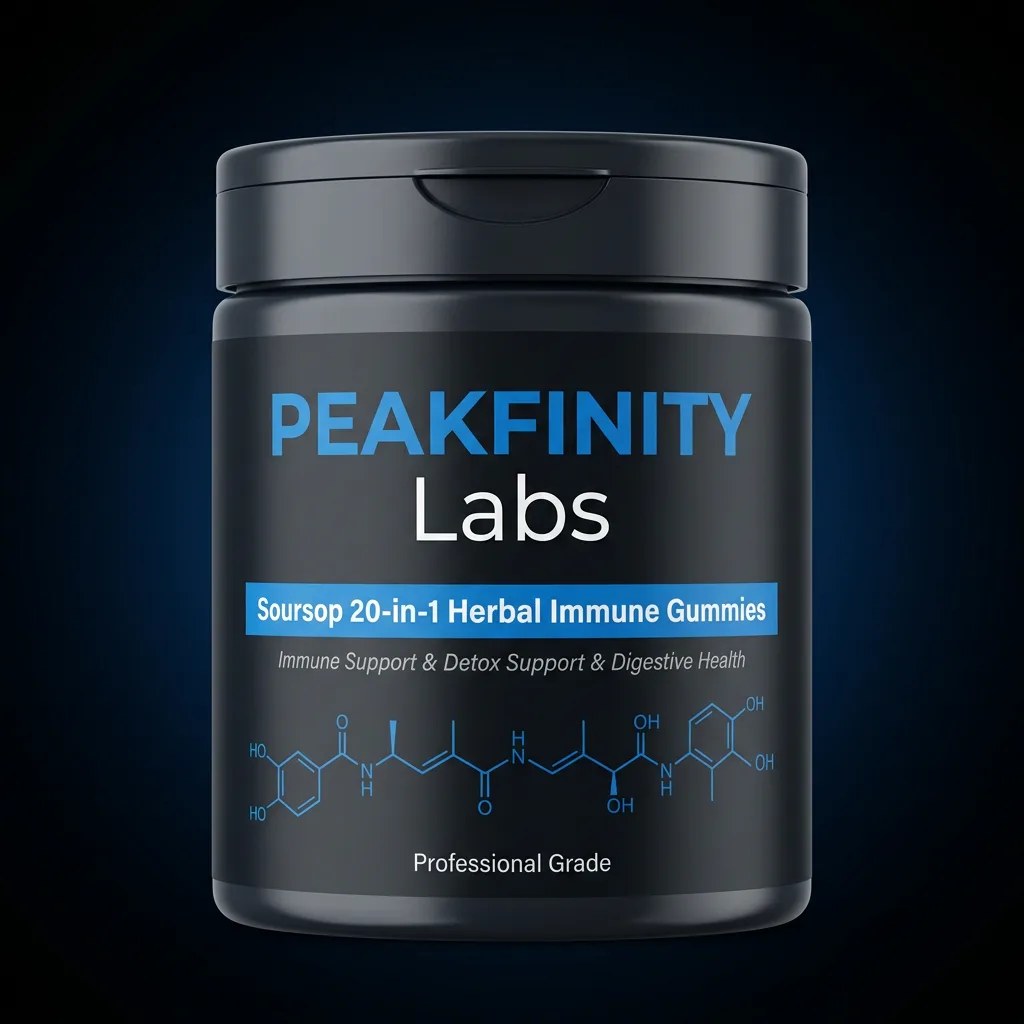
Soursop 12-in-1 Herbal Immune Gummies
Immunity · Gummies
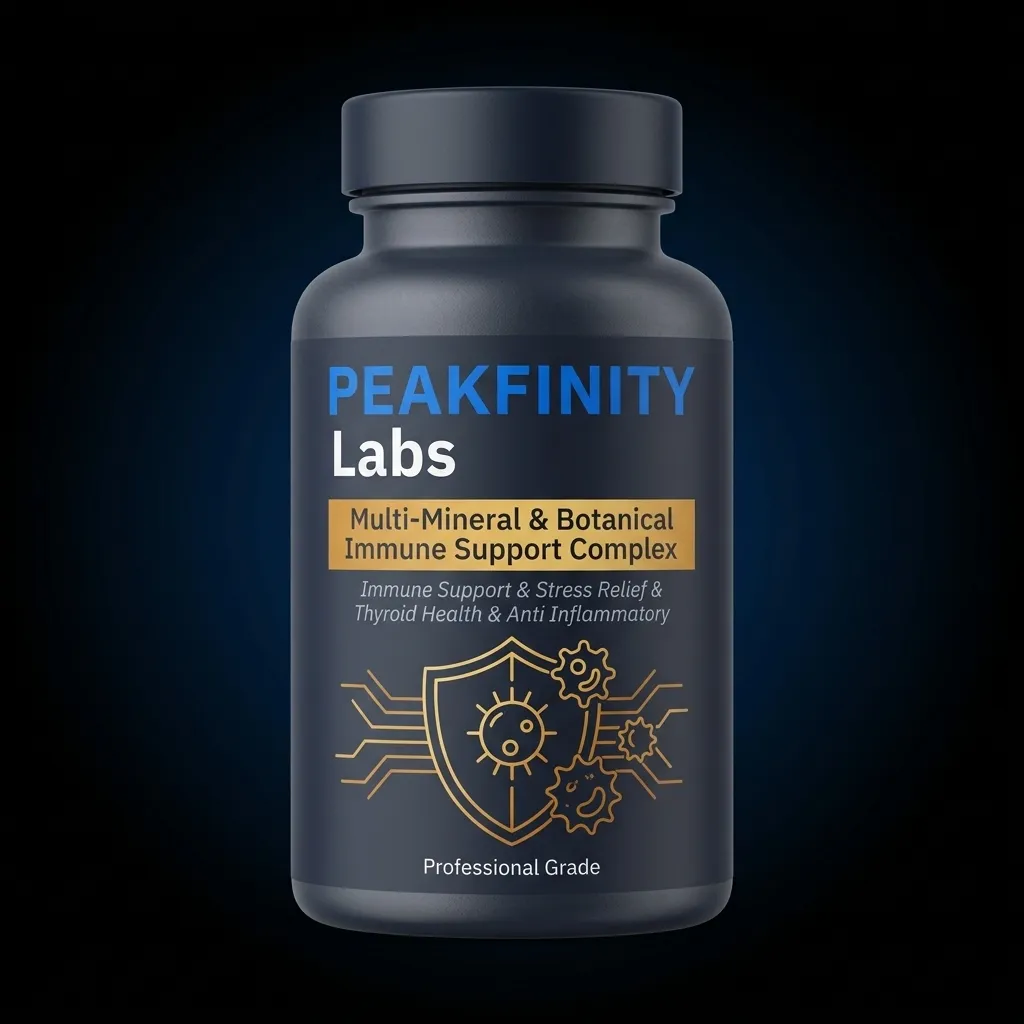
Multi-Mineral & Botanical Immune Support Complex
Immunity · Capsules
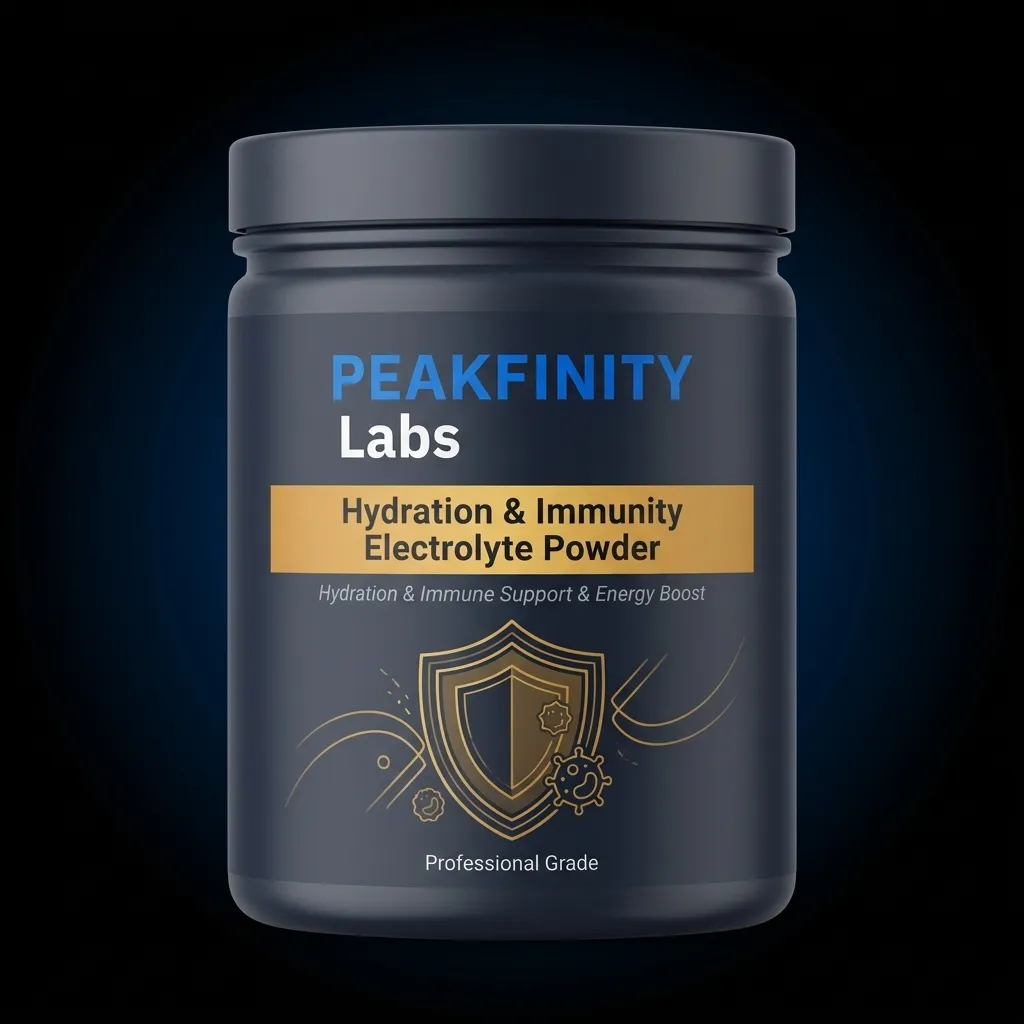
Hydration & Immunity Electrolyte Powder
Immunity · Powder

Tushar
Licensed Pharmacist and COO @ Peakfinity Labs
Written by the Peakfinity Labs R&D Team — 46+ years of supplement formulation expertise. Our team of formulation chemists, manufacturing specialists, and regulatory experts has helped thousands of eCommerce brands bring their products to market successfully since 1980.
Related Articles
Private Label Supplement Markup: Typical Margins for DTC, Amazon, and Wholesale
Typical markup ranges for DTC, Amazon, and wholesale, plus the landed-cost model that decides whether your margin is real.

How to Compare Quotes From Supplement Manufacturers Without Missing Hidden Costs
A six-bucket framework and paste-ready RFQ table that surfaces hidden costs before you sign with a manufacturer.

When Is a Supplement Brand Ready to Move From Private Label to Custom?
Nine readiness signals, the custom-light middle path, and a seven-step switch plan that avoids stockouts and claim issues.